

Dope
Learn what dope means in cannabis culture, its Dutch roots, and how this slang evolved.
What Does Dope Mean in Cannabis Slang
Few terms in the world of marijuana terminology pack as much history and contradiction into a single syllable as dope. For one person the word signals premium, potent flower worth hunting down; for another it summons decades of anti-drug warnings and harder substances entirely. This is cannabis slang at its most slippery, a word that has drifted through jazz halls, courtrooms, rap verses, and modern dispensary counters, gathering fresh meaning at every stop.
The most familiar modern usage ties dope directly to high-grade cannabis. When someone calls a strain "dope," they are praising its potency, aroma, and overall character rather than reciting a lab result. In this sense the word does double duty: a noun for the flower itself and an adjective for anything genuinely impressive.
That built-in ambiguity is the whole point. In certain circles dope still refers to heroin or opioids, which is exactly why context governs everything. A budtender, a physician, and a teenager can each hear "dope" and picture completely different things. That very slipperiness is what makes the term's backstory so worth untangling, and why so many people type the word into a search bar looking for clarity.
Where Did the Word Dope Originate
The etymology of dope reaches back further than most cannabis enthusiasts would guess. Linguists generally trace it to the Dutch word "doop," meaning a thick sauce or dipping liquid, which crossed into American English during the early nineteenth century. At first the term simply described any viscous preparation, only later attaching itself to drugs and stimulants as those preparations wove into daily life.
The opium connection arrived first. By the late 1800s, "dope" commonly described the thick, gummy residue of prepared opium smoked in dens across North American cities. Public perception of narcotic substances shifted dramatically during this stretch, and slang followed the social anxiety closely. The word's link to secrecy and intoxication was cemented well before cannabis entered the conversation at all.
From that point the term branched in genuinely unexpected directions. Racing fans used "dope" to mean inside information on horses, a sense that survives in the phrase "the dope on" something. The same word described lubricating grease and even the varnish painted onto early aircraft fabric. This habit of attaching "dope" to any potent or specialized substance quietly set the stage for its eventual marijuana meaning.

How Did Dope Become Slang for Marijuana
The leap from opium to marijuana unfolded gradually through the 1920s and 1930s, the same era that handed us ganja and a flood of other euphemisms. As jazz musicians and urban subcultures embraced cannabis, the existing drug vocabulary simply absorbed the newcomer. "Dope" hardened into a catch-all that authorities and newspapers applied broadly, rarely bothering to distinguish between very different drugs.
Prohibition-era reporting blurred every line. Sensational journalism of the 1930s lumped cannabis together with opium and cocaine under the single banner of dope, a rhetorical move engineered to stoke public fear. According to historical research summarized by Harvard Health, this conflation shaped drug policy for generations, even though the substances differ enormously in their actual effects and risks.
By mid-century, dope was firmly entrenched as a marijuana reference within counterculture circles. The word offered a convenient code, vague enough to slip past disapproving ears yet clear enough among friends who shared the joke. For anyone exploring the culture today, premium dried flower captures that same blend of quality and discretion the slang once helped protect.
Is Dope Still Used as Cannabis Slang Today
Dope remains very much alive, though its meaning has splintered across generations and regions. Among older consumers, the word still points squarely at marijuana, a holdover from the 1960s and 1970s when "scoring some dope" meant finding weed. Younger speakers, by contrast, frequently treat dope purely as an adjective meaning excellent, fully divorced from any drug reference.
The adjective use has gone completely mainstream. "That's dope" now turns up in advertising, sports commentary, and casual chatter with zero connection to cannabis. This linguistic drift mirrors how insider terms evolve once they escape their original subculture. The word's positive connotation has arguably overtaken its narcotic roots in everyday speech, a remarkable reversal for a term once steeped in fear.
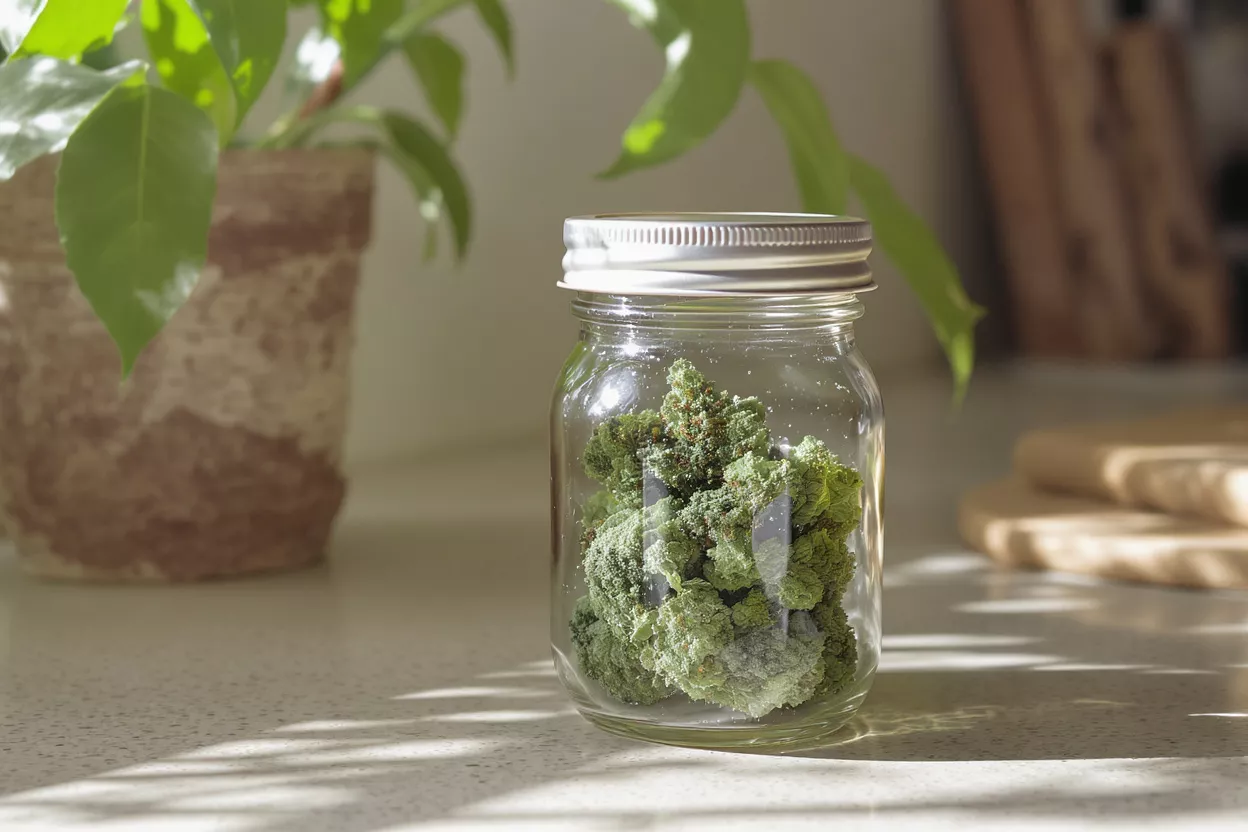
Within cannabis communities themselves, more precise terminology has largely replaced dope for serious discussion. Enthusiasts now talk about specific genotypes, terpenes, and extraction methods rather than leaning on vague slang. Still, the word endures as a nostalgic and affectionate shorthand, and you will hear it spoken warmly whenever someone wants to praise a particularly good harvest.
Dope Versus Other Marijuana Terminology
Cannabis has accumulated one of the richest slang vocabularies of any substance, and dope occupies a very specific niche within it. Unlike terms coined purely for affection, dope drags along that lingering association with harder drugs, which sets it apart from cleaner euphemisms like ganja or simply "flower."
Here is how dope compares to other common cannabis slang in tone and precision:
- 🌿 Ganja: Rooted in Sanskrit and popularized through Rastafarian culture, referring specifically to cannabis with no opioid baggage attached.
- 💨 Dope: Broad and ambiguous, historically applied to multiple drugs, now also a sweeping general compliment.
- 🔥 Head stash: The personal, top-shelf reserve a grower or connoisseur keeps for themselves rather than selling.
- ✨ KD: Short for "kind bud," denoting especially high-grade, resinous flower worth savoring.
- 🍯 Jelly hash: A specific concentrate blending hash and oil, never a generic catch-all term.
Precision matters more as legal markets mature. Vague slang steadily gives way to measurable descriptors that actually inform a purchase. A label listing genotype, cannabinoid percentages, and harvest date tells a consumer far more than any nickname could. Curated craft cannabis strains let shoppers chase specific effects rather than relying on a one-size-fits-all word like dope.
What Makes Cannabis Dope Quality
When someone calls cannabis "dope" as a compliment, they are responding to a constellation of quality markers that experienced consumers learn to read instinctively. Genetics form the foundation, since a plant's genotype determines its cannabinoid ceiling, terpene expression, and growth characteristics long before cultivation even begins.
Cultivation method shapes the final product. Whether grown in living soil or through hydroponics, the care taken during the flowering and curing stages dramatically influences potency and flavor. Plants raised in a licensed facility under controlled conditions tend to deliver more consistent results than haphazardly grown alternatives, which is a large part of why regulated markets have lifted the baseline of quality.
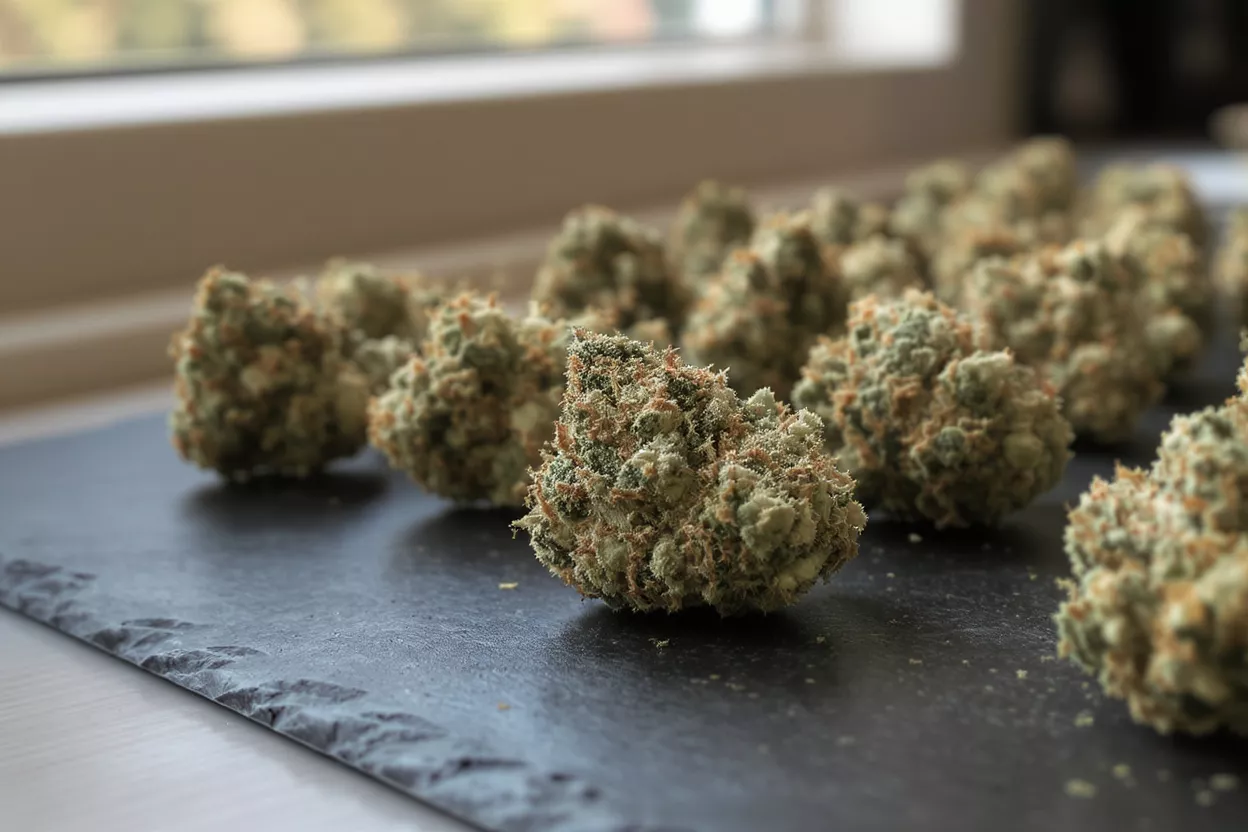
The aromatic compounds called terpenes do much of the heavy lifting behind what makes flower memorable. Humulene contributes earthy, hoppy notes while eucalyptol adds a cooling, mentholated edge, and the presence of these compounds signals a healthy, well-grown plant. Quality concentrates push this further still, with high-terpene and high-cannabinoid extracts preserving the most flavorful fractions for an intensely aromatic experience.
Dope in Music and Cannabis Culture
No survey of the word dope is complete without acknowledging its enormous footprint in music. Jazz musicians of the early twentieth century used it openly, embedding the term in lyrics and stage banter that filtered steadily into the broader culture. The connection between cannabis and creative expression has been documented for nearly a century now.
Hip-hop cemented the modern meaning. From the late 1980s onward, rap lyrics deployed dope constantly, both as a reference to cannabis and as the ultimate adjective of approval. This dual usage helped split the word's meaning down the middle, exposing millions of listeners to "dope" as praise long before they ever encountered it as a drug term.
Film and television amplified the same patterns relentlessly. Stoner comedies leaned on the word for both authenticity and humor, while anti-drug campaigns weaponized it in the famous warnings of the 1980s and 1990s. The result is a term saturated with cultural memory, capable of evoking rebellion, relaxation, or warning depending entirely on who is speaking and to whom.
Regional Meanings of Dope Around the World
Geography shapes the meaning of dope just as powerfully as generation does. Across much of the United States and Canada, dope historically meant marijuana, and that association remains strong in cannabis-friendly regions. Travel elsewhere, though, and the word can swing dramatically toward harder substances without warning.
British and Australian usage leans firmly cannabis. Throughout the UK and Australia, "dope" has long served as a casual term for marijuana, often fully interchangeable with weed. This contrasts sharply with parts of the American Midwest, where dope frequently refers to methamphetamine or heroin instead, a regional divergence that can spark genuine confusion in conversation.
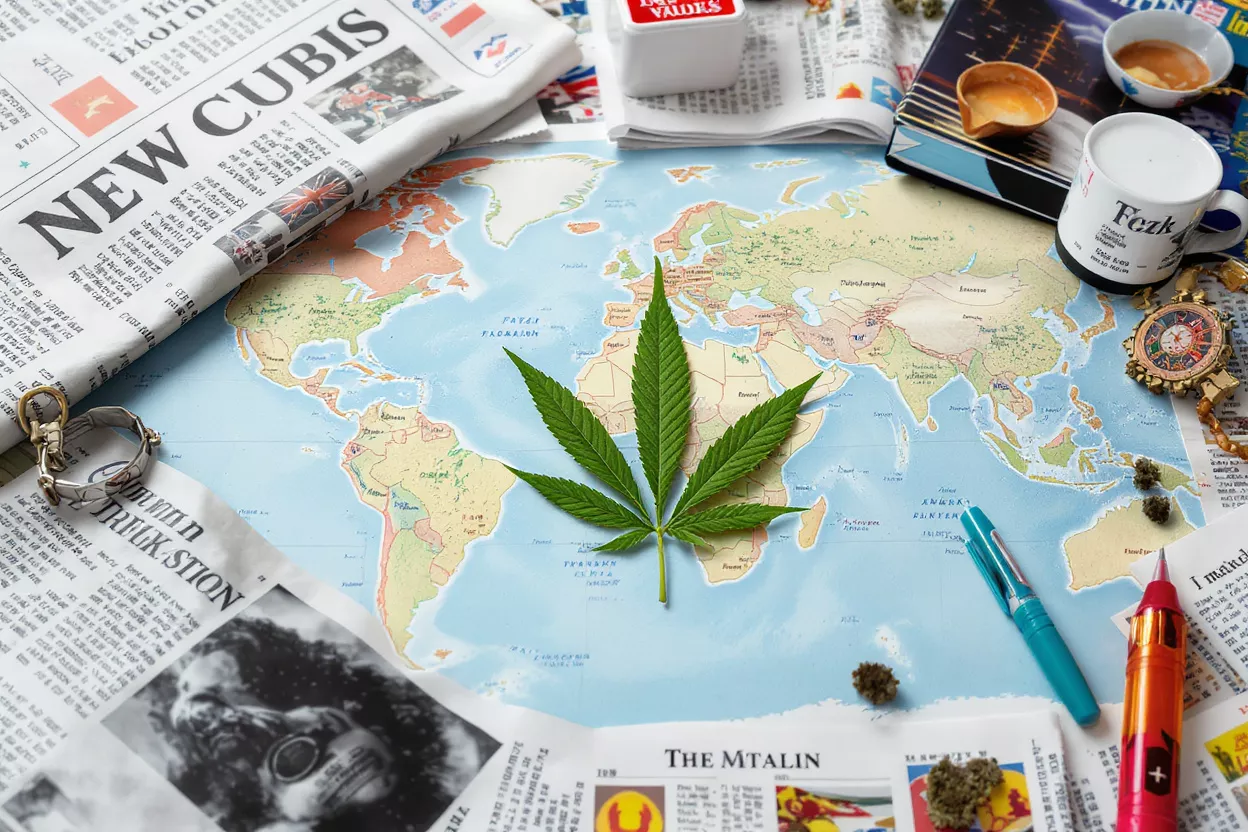
These regional splits underscore why context is everything. A traveler asking about dope in one country might receive an entirely different response than expected just a border away. As legalization spreads and cannabis tourism grows, understanding local slang has become a practical skill, and most newcomers find that infused prerolls offer an approachable entry point regardless of the local vocabulary.
Why Cannabis Slang Like Dope Matters
It would be easy to dismiss slang as trivial, but words like dope carry real cultural and historical weight. They document how societies have regarded cannabis across different eras, encoding attitudes of fear, rebellion, celebration, and acceptance into a single evolving vocabulary that changes with the times.
Slang reveals shifting attitudes. The journey of dope from a fear-laden prohibition word to a casual compliment mirrors society's broader reconciliation with cannabis. Research collected by Harvard Health on changing drug perceptions shows how language and policy tend to move together, each reinforcing the other across decades of cultural change.
For consumers stepping into the modern market, knowing this history adds genuine depth to the experience. Understanding why a word means what it does helps people communicate more clearly with budtenders, navigate products with confidence, and appreciate the culture they are joining. Slang is, in the end, a living record of human experience with a remarkable plant.
How to Use the Word Dope Responsibly
Given everything dope can mean, using it thoughtfully matters more than ever. In a legal dispensary setting, precise language serves everyone better than nostalgic slang, since a budtender needs to know whether you want a specific strain, a particular potency, or a certain delivery format to actually help you.
Here are practical guidelines for navigating dope and similar slang in modern cannabis spaces:
- 🗣️ Know your audience: Among friends, dope reads as casual praise; in a clinical or legal setting, reach for specific product names instead.
- 🌍 Mind the region: Outside cannabis-friendly areas, dope may signal harder drugs and create real misunderstanding.
- 📋 Prefer precise terms: Ask about genotype, terpenes, and cannabinoid content rather than relying on vague quality slang.
- 🧠 Respect the history: Recognize that the word carries decades of cultural and policy baggage worth understanding.
Ultimately, dope is a window into cannabis culture rather than just a synonym for it. From its Dutch origins through opium dens, jazz clubs, and modern hip-hop, the word has absorbed and reflected society's evolving relationship with intoxicating substances. Whether you wield it as a playful compliment or appreciate it as a historical artifact, understanding dope sharpens your fluency in the language of cannabis. As legal markets mature and terminology grows more precise, this colorful old word endures as a reminder of where the culture has been and just how far it has traveled.





Comments