Patches
Discover how cannabis patches deliver steady cannabinoids through your skin.
What Are Cannabis Patches
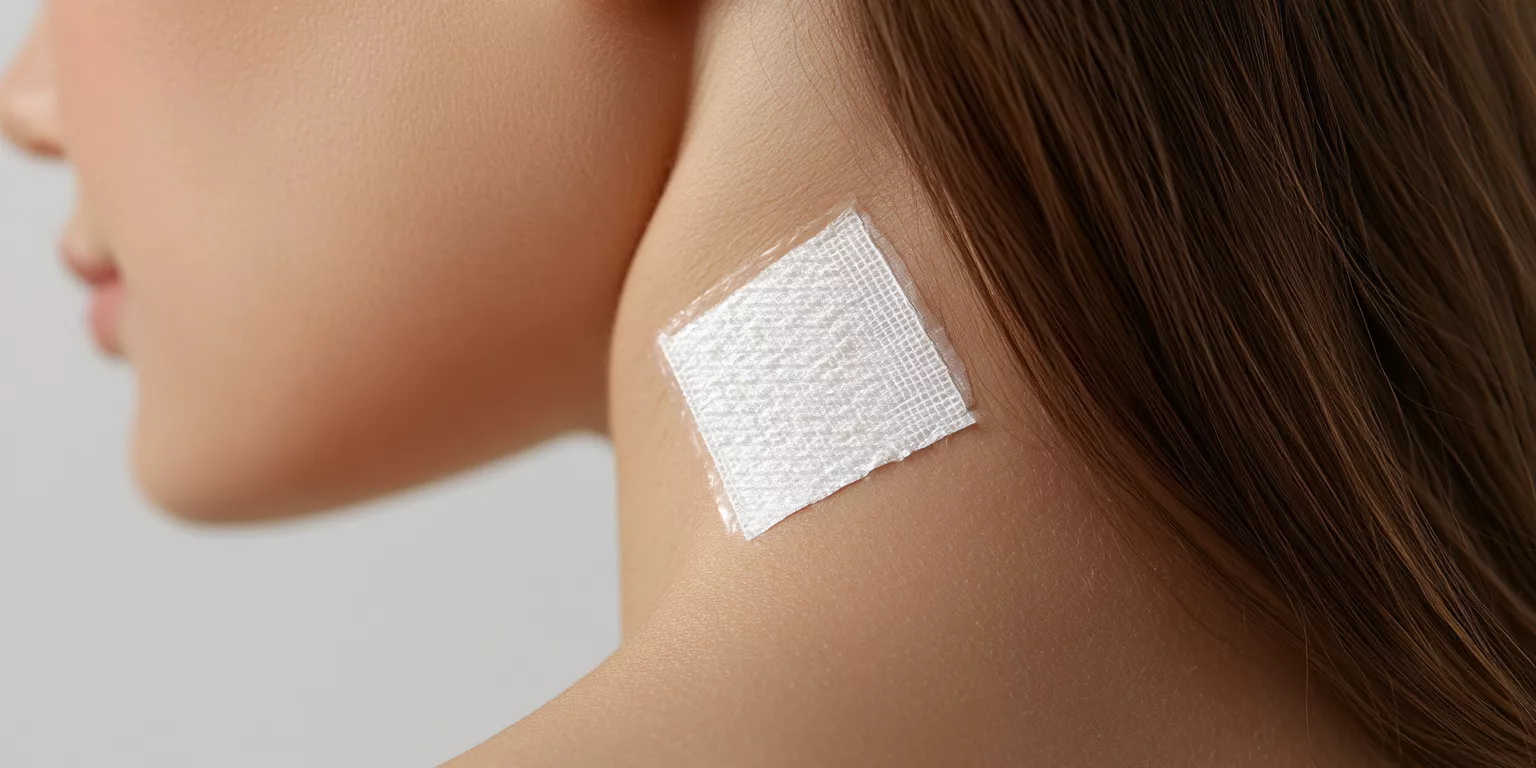
Cannabis patches represent one of the most sophisticated delivery formats in the modern cannabinoid market, borrowing pharmaceutical technology that has been refined over decades for nicotine, hormones, and pain medication. A patch is a small adhesive layer infused with cannabinoids designed to release active compounds steadily into the body over an extended window of time. Unlike inhalation or edibles, which produce a rapid spike followed by decline, patches aim for a flat, sustained curve of delivery that can last anywhere from several hours to a full day.
The growing interest in patches reflects a broader shift among consumers and clinicians toward discreet, controlled, and long-lasting options. For someone managing chronic discomfort or seeking consistency without the ritual of repeated dosing, the appeal is obvious. These products sit at the intersection of wellness, pharmacology, and convenience.
Why patches differ from topicals: Many people confuse cannabis patches with creams or balms, but the mechanism is fundamentally different. A topical works locally on the skin and underlying tissue, while a transdermal patch is engineered to push cannabinoids through the skin barrier and into systemic circulation. That distinction shapes everything from formulation to effect, and it is the reason patches occupy their own category in any serious discussion of cannabis delivery.
How Cannabis Patches Work Through the Skin
The skin is a remarkable barrier, evolved specifically to keep foreign substances out. The outermost layer, the stratum corneum, is composed of tightly packed dead cells and lipids that resist penetration by most molecules. For a cannabis patch to succeed, it must overcome this defense and deliver fat-loving cannabinoid molecules through to the capillary beds below, where they can enter the bloodstream.
To achieve this, patches rely on a combination of cannabinoids dissolved in carrier chemistry and permeation enhancers that temporarily loosen the skin's lipid structure. The concentration gradient between the patch and the body drives molecules inward, a passive diffusion process that continues as long as the patch remains adhered and active compound remains available.
The role of permeation enhancers: These ingredients are the unsung heroes of transdermal science. Compounds such as ethanol, fatty acids, or terpenes interact with skin lipids to create temporary pathways for cannabinoid molecules. Without them, the vast majority of THC or CBD would simply sit on the surface, making the patch no more effective than a sticker.
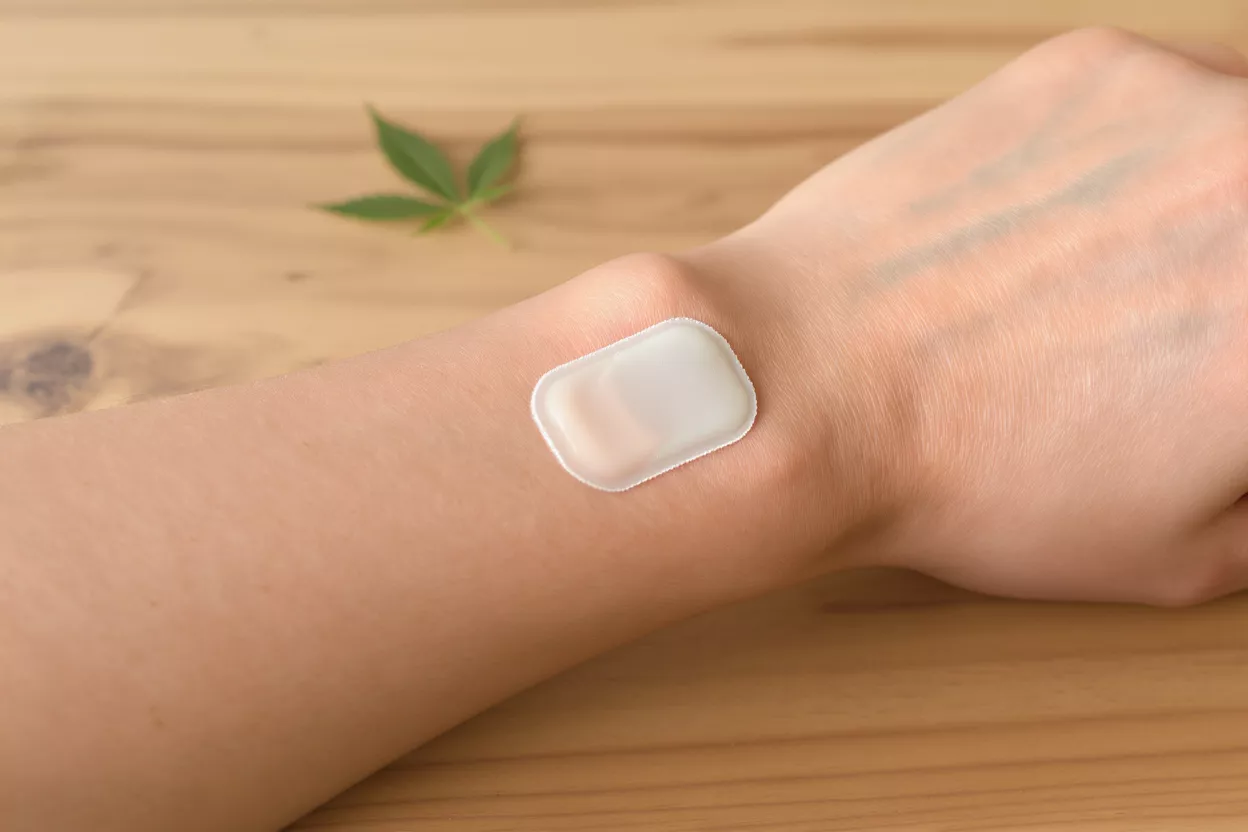
Transdermal Patch Technology Explained
Transdermal delivery is not a cannabis invention. The pharmaceutical industry has used patches for decades to deliver scopolamine for motion sickness, nicotine for smoking cessation, and estrogen for hormone therapy. Cannabis simply inherited a mature and well-understood platform, then adapted it to the unique chemistry of cannabinoids.
There are two dominant architectures in patch design. A reservoir patch holds the active compound in a gel or liquid pocket controlled by a rate-limiting membrane, while a matrix patch disperses the cannabinoid evenly throughout the adhesive itself. Each approach has trade-offs in cost, durability, and precision of release.
- 🧪 Reservoir design: Offers precise, membrane-controlled release rates but carries a risk of dose dumping if the membrane is damaged.
- 📐 Matrix design: Simpler and more durable, with the active compound built into the adhesive layer for steady diffusion.
- ⏱️ Timed release: Both styles aim for a flat pharmacokinetic curve rather than the peaks of inhalation or edibles.
- 🔒 Tamper resistance: Solid matrix formats are harder to misuse, an important consideration for medical settings.
The choice between these designs influences how a brand markets duration and consistency. A well-built patch maintains plasma levels within a therapeutic window for the entire wear time, which is precisely what makes the format attractive to patients who value predictability above intensity.
Types of Cannabis Patches
Not all patches are created equal, and the active cannabinoid profile is the first thing to evaluate. Manufacturers formulate patches around isolated compounds or blends, each targeting a different outcome. Understanding the categories helps consumers match a product to their actual goal rather than guessing from packaging alone.
Single-cannabinoid versus blended formulas: Some patches deliver pure CBD for those who want therapeutic potential without intoxication, while others combine THC and CBD in defined ratios to balance effect and tolerability. Ratio matters enormously, since a 1:1 patch behaves very differently from a 20:1 CBD-dominant product.
- 🌿 CBD-only patches: Non-intoxicating and popular for daytime wellness, inflammation, and general balance.
- ⚖️ Balanced THC:CBD patches: Provide measured psychoactivity alongside the moderating influence of CBD.
- 🌙 THC-dominant patches: Aimed at stronger relief and often chosen for nighttime or chronic conditions.
- ✨ Minor cannabinoid patches: Featuring CBN or CBG for targeted, specialized effects.
Beyond chemistry, patches differ in wear duration. Some are designed for an eight-hour cycle while others promise up to ninety-six hours of continuous delivery, though longer claims deserve scrutiny since adhesion and skin tolerance become limiting factors over multi-day wear.
Cannabis Patch Formulation Challenges
Building an effective cannabis patch is far harder than it appears. Cannabinoids are large, lipophilic molecules that do not naturally cross the skin in meaningful quantities. Formulators must solve this fundamental physics problem while keeping the product stable, comfortable, and consistent from batch to batch.
Stability is a persistent obstacle. Cannabinoids degrade when exposed to heat, light, and oxygen, so a patch must protect its payload through manufacturing, shipping, and shelf life. Even the adhesive chemistry must be compatible with the active compound, since some polymers can chemically interact with cannabinoids and reduce potency over time.
Why dosing accuracy is difficult: Skin permeability varies by person, body location, temperature, hydration, and even age. A dose that delivers efficiently through thin wrist skin may behave differently on a thicker area. Responsible manufacturers account for this variability through rigorous testing, and reputable lab verification is the only way to trust that a labeled dose reflects what actually reaches the bloodstream.
Clinical Applications of Cannabis Patches
The steady delivery profile of patches makes them especially interesting for medical use. Conditions that benefit from continuous cannabinoid exposure, rather than intermittent spikes, are natural candidates for the format. Chronic pain, neuropathic conditions, and certain inflammatory disorders top the list of applications studied and discussed by clinicians.
For patients with neuropathic pain, the appeal lies in maintaining a stable level of relief through the night and into the day without waking to redose. The sustained presence of cannabinoids interacting with the endocannabinoid system may help modulate pain signaling in ways that brief, sharp doses cannot.
Patches for patients who cannot inhale: Many medical users cannot or should not smoke, and edibles introduce unpredictable onset and liver metabolism. Transdermal delivery bypasses the digestive system entirely, offering a route that avoids respiratory irritation and first-pass metabolism. For elderly patients or those with compromised lungs, this can be a meaningful advantage.
Cannabis Patches Benefits Over Other Methods
Every delivery method involves trade-offs, and patches shine in specific scenarios. Their greatest strength is duration combined with discretion, two qualities that traditional methods rarely deliver together. A patch tucked under a sleeve works silently for hours without smell, smoke, or visible cues.
- ⏳ Long-lasting effect: A single patch can provide hours of consistent delivery, eliminating the need for frequent redosing.
- 🤫 Discretion: No odor, no vapor, and no equipment make patches one of the most private formats available.
- 📊 Predictable dosing: Steady release avoids the intensity peaks and crashes common to smoking and edibles.
- 🫁 Lung-friendly: Transdermal absorption requires no inhalation, protecting respiratory health.
That said, patches are not a universal solution. They lack the rapid onset that makes inhalation valuable for acute symptoms, and they cannot be easily titrated mid-session. Choosing a patch means accepting slow onset in exchange for endurance, a trade many long-term users find worthwhile.
The format also rewards routine. Because effects build gradually and persist, patches suit people who plan their relief around a predictable schedule rather than reacting to symptoms moment by moment.
How to Use Cannabis Patches
Applying a patch correctly has a surprising influence on how well it performs. The ideal site is a clean, dry area of skin with good blood flow and minimal hair, such as the inner wrist, the top of the foot, or the upper arm. Washing and fully drying the area first removes oils and lotions that would otherwise interfere with adhesion and absorption.
Getting the most from each patch: Press the patch firmly for thirty seconds to activate the adhesive and ensure complete skin contact. Avoid areas with broken skin, and rotate application sites between uses to prevent irritation. Heat increases absorption, so a warm shower or heating pad can subtly accelerate delivery if faster onset is desired.
New users should start low and observe. Because onset is gradual, it is easy to assume a patch is not working and apply a second one prematurely. Patience prevents accidental overconsumption, and keeping a simple log of timing and effect helps dial in the right product and wear duration over a few sessions.
Are Cannabis Patches Safe
For most healthy adults, cannabis patches carry a favorable safety profile when used as directed. The slow, controlled release reduces the likelihood of the overwhelming intoxication that can accompany edibles, and bypassing the lungs removes the respiratory risks of smoking. Still, no delivery method is entirely without considerations.
The most common issue is skin irritation. Adhesives and permeation enhancers can cause redness or itching, particularly with repeated use on the same spot. Rotating application sites and choosing patches with gentler adhesive chemistry minimizes this risk for sensitive individuals.
Who should exercise caution: People taking medications metabolized by the liver should consult a healthcare provider, since cannabinoids can interact with certain drugs. Pregnant or nursing individuals should avoid cannabis products entirely, and anyone with a history of adverse reactions to THC should favor CBD-dominant formulas. As with any cannabinoid product, third-party lab testing is the foundation of safe use, confirming both potency and the absence of contaminants.
Choosing the Right Cannabis Patch
Selecting a patch comes down to matching its profile to your goal. Begin with the desired effect: daytime function and clarity point toward CBD-dominant options, while deeper relief or sleep support may justify a balanced or THC-forward formula. The cannabinoid ratio printed on quality packaging is your primary navigation tool.
Duration is the next consideration. If you want all-day coverage, look for patches validated for extended wear, but weigh that against the reality of adhesion and skin comfort over long periods. For many people, two shorter-wear patches across a day prove more comfortable than one marathon application.
Finally, prioritize transparency. Reputable brands publish current lab results, disclose their permeation enhancers, and make realistic claims about onset and duration. Cannabis patches are a genuinely useful innovation that delivers discreet, steady, lung-free relief, and choosing one from a transparent producer ensures the experience lives up to the promise of the technology. With thoughtful selection and correct application, patches can become a reliable cornerstone of a well-planned cannabinoid routine.