


Piece
Learn what a piece means in cannabis culture.
What Is a Piece in Cannabis Culture
In cannabis culture, a piece is the casual, all-purpose word for any handheld device used to smoke dried flower. When a friend asks to borrow your piece, they might mean a spoon pipe, a bubbler, a bong, or any other glass implement built to turn ground bud into inhalable smoke. The term grew out of decades of slang and now sits comfortably alongside words like ganja and head stash in the everyday vocabulary of experienced consumers.
The charm of the word lies in its elasticity. A piece can be a five-dollar metal pipe stuffed in a coat pocket or a hand-blown borosilicate sculpture worth several hundred dollars. What ties them together is purpose: each one offers a chamber to hold flower, a path for combustion, and a mouthpiece to draw smoke through. Because the term covers so much ground, context usually makes clear which specific device someone has in mind.
Getting comfortable with this language helps newcomers move through dispensaries, smoke shops, and conversations with seasoned friends. Cannabis slang carries a long lineage, and learning it strips away the sense that the culture is closed or coded. A well-made borosilicate glass spoon pipe is often the very first piece a new consumer buys, precisely because it balances low cost against a genuinely satisfying smoke.
How Does a Piece Work for Smoking Flower
Every piece runs on the same basic principle: heat applied to dried cannabis flower releases cannabinoids and terpenes as inhalable smoke. You pack ground flower into the bowl, touch a flame to it, and draw air through the device. That airflow pulls smoke through the chamber and into your lungs, where the active compounds cross into your bloodstream. According to Harvard Health, inhaled cannabinoids reach peak blood concentration within minutes, which is exactly why smoking produces faster effects than edibles.
The bowl and carb working together: Most simple pieces feature a bowl that cradles the flower and a small hole called a carb on the side. Covering the carb while you light traps smoke inside the chamber; releasing it lets fresh air rush in and clear that smoke into your lungs in one full pull. This small detail hands the user real control over the size and density of each draw, which is why so many beginners learn carb technique on a basic spoon.
Why grind quality matters: Properly ground flower burns evenly and exposes more surface area to the flame, sharpening both flavor and efficiency. Coarse, unevenly broken bud tends to channel, meaning the flame burns straight through one spot while the rest sits untouched. A consistent grind lets terpenes like humulene and eucalyptol vaporize cleanly instead of scorching into harshness.
Types of Pieces: Pipes, Bongs, and Bubblers
The category of pieces spans several distinct designs, and each delivers a different smoking experience. Knowing how they differ helps you pick the right tool for the moment, whether you care most about portability, smoothness, or the simple ritual of packing a bowl.
Below is a quick comparison of the most common pieces you will run into at a licensed retailer or smoke shop:
- 🌿 Spoon pipe: The classic handheld piece, compact and pocket-friendly, fusing bowl, carb, and mouthpiece into a single shape.
- 💧 Bubbler: A hybrid that adds a small water chamber to a pipe, cooling and filtering smoke for a smoother hit without the bulk of a full bong.
- 🌬️ Bong: A larger water pipe that delivers big, cooled draws through a vertical chamber, prized for smoothness during home sessions.
- 🔥 Chillum: A simple straight tube with no carb, the most minimal piece of all, fast to load and easy to pass around.
- 🍯 Honeycomb disc bong: A bong fitted with a perforated honeycomb percolator that shatters smoke into fine bubbles for maximum filtration.
Each style keeps its own loyal following. Bongs and bubblers use water to cool smoke and trap some particulates, while dry pipes lean into convenience and speed. Plenty of enthusiasts own several pieces and rotate through them depending on the setting, the strain's genotype, and whether they are smoking solo or passing it around a circle of friends.
What Is a Cannabis Pipe Made Of
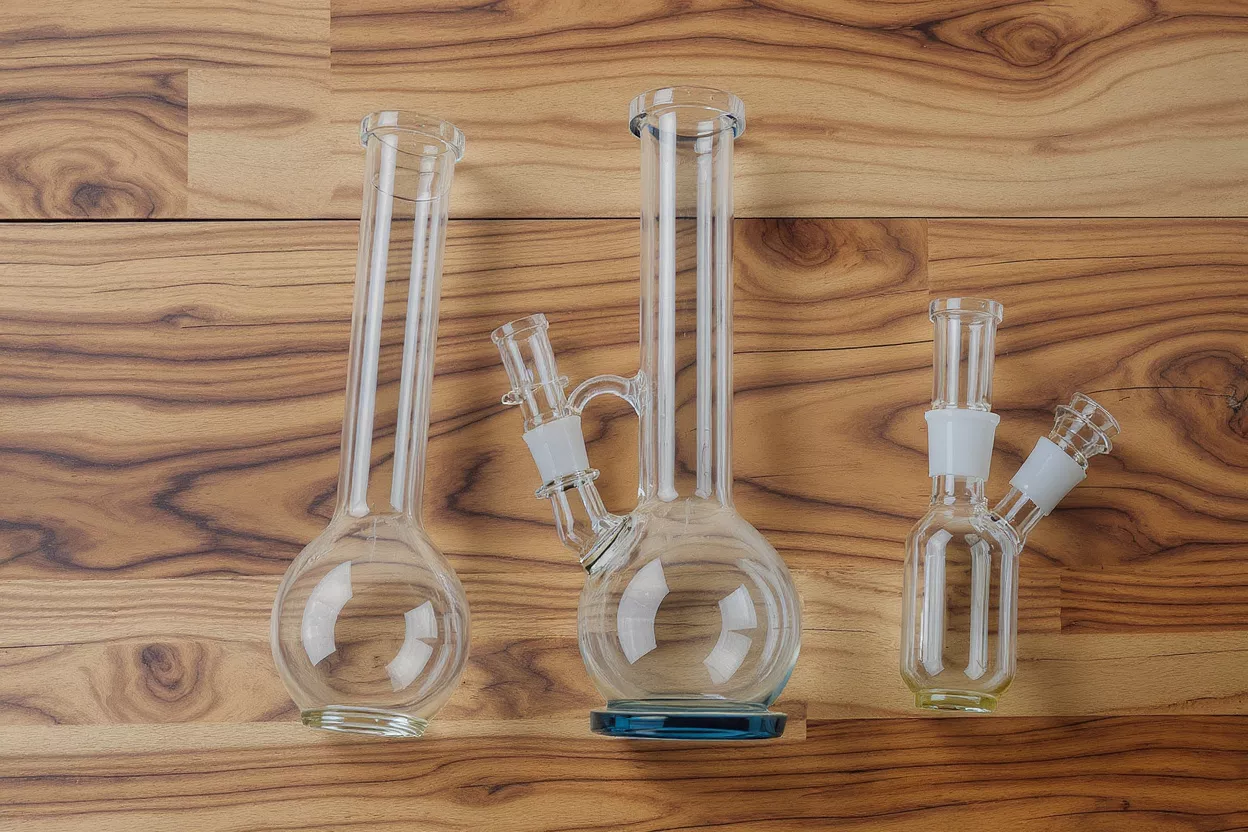
The material of a piece shapes its flavor, durability, and price more than any other factor. Borosilicate glass dominates the market because it resists heat, cleans easily, and stays chemically inert, meaning it never leaches flavors or contaminants into your smoke. This is the same glass type used in laboratory beakers, which is why it shrugs off rapid temperature swings without cracking.
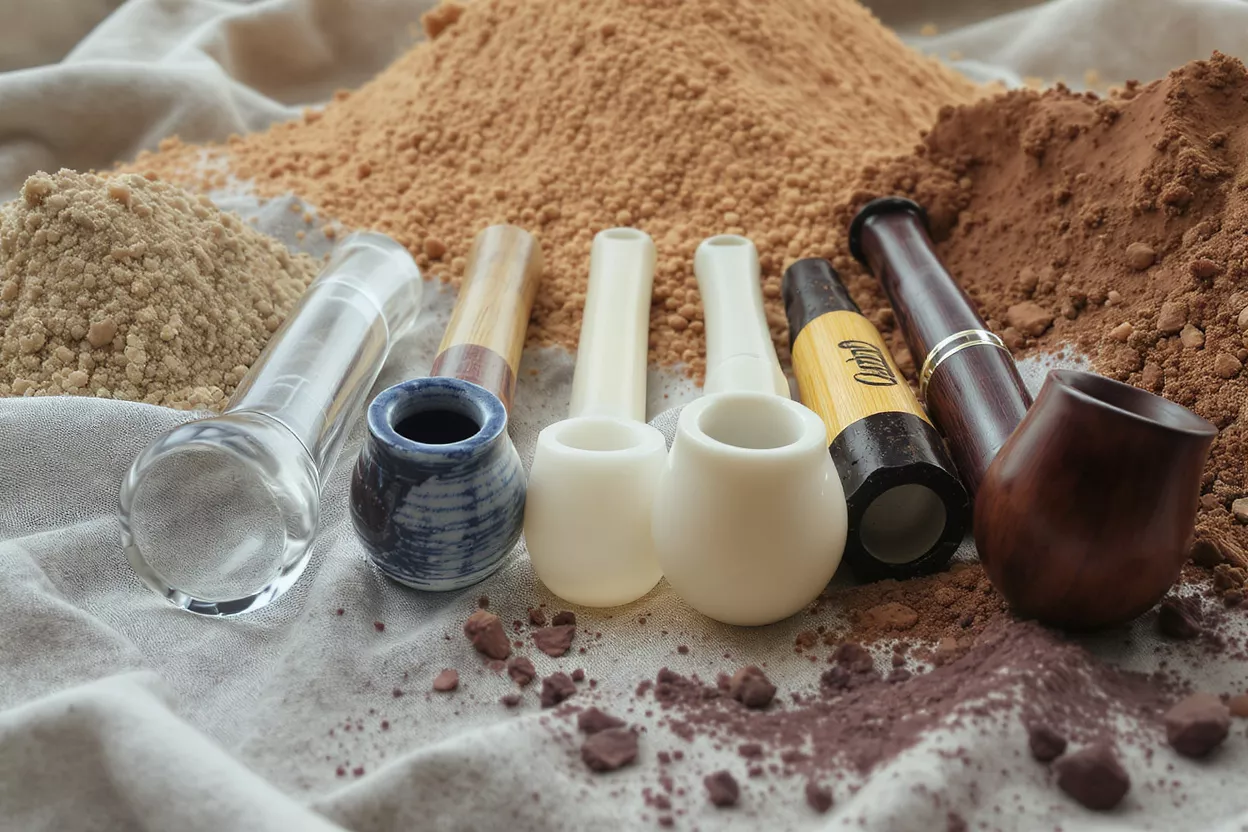
Glass versus other materials: While glass is the gold standard, pieces are also crafted from metal, wood, silicone, and ceramic. Metal pipes are nearly indestructible but can lend a faint metallic taste. Silicone pieces flex and survive drops, making them favorites among hikers and campers who want something they cannot shatter. Wood and ceramic pieces carry aesthetic charm and a warmer, more traditional feel that some smokers prefer above all else.
Skilled glass artisans treat their work like fine art. A glassblower manipulates molten borosilicate by hand to produce intricate color patterns and functional percolators, turning a smoking device into something genuinely collectible. A premium handblown glass bubbler can double as a display piece when it is not in use. For consumers who value form alongside function, investing in artisan glass pays dividends in daily enjoyment.
Best Piece for Beginners
If you are new to smoking flower, the best piece is one that is simple, forgiving, and easy to maintain. A small borosilicate spoon pipe checks every box: it costs little, needs no water, and teaches you the fundamentals of packing a bowl and working a carb. There is a reason it stays the most recommended starter piece year after year.
Why starting small helps: A compact piece holds less flower, which naturally guards beginners against overconsumption. Cannabis affects everyone differently, and starting with modest amounts lets you read your own tolerance before pushing further. Harvard Health researchers stress that beginning low and going slow is the safest approach for anyone new to cannabis, a principle that applies to your choice of piece every bit as much as your dose.
As your comfort grows, you might graduate to a bubbler for smoother hits or a full-sized bong for relaxed home sessions. Some beginners enjoy pairing their first piece with an infused preroll for nights when they would rather not pack a bowl at all. There is no single correct path here — the right piece is simply the one you find yourself reaching for again and again.
How to Clean a Piece the Right Way
A clean piece tastes better, hits smoother, and lasts longer. Resin buildup not only clogs airflow but also concentrates harsh, tarry flavor that buries the natural taste of your flower. Cleaning your piece on a regular schedule is one of the simplest upgrades you can make to the whole smoking experience.
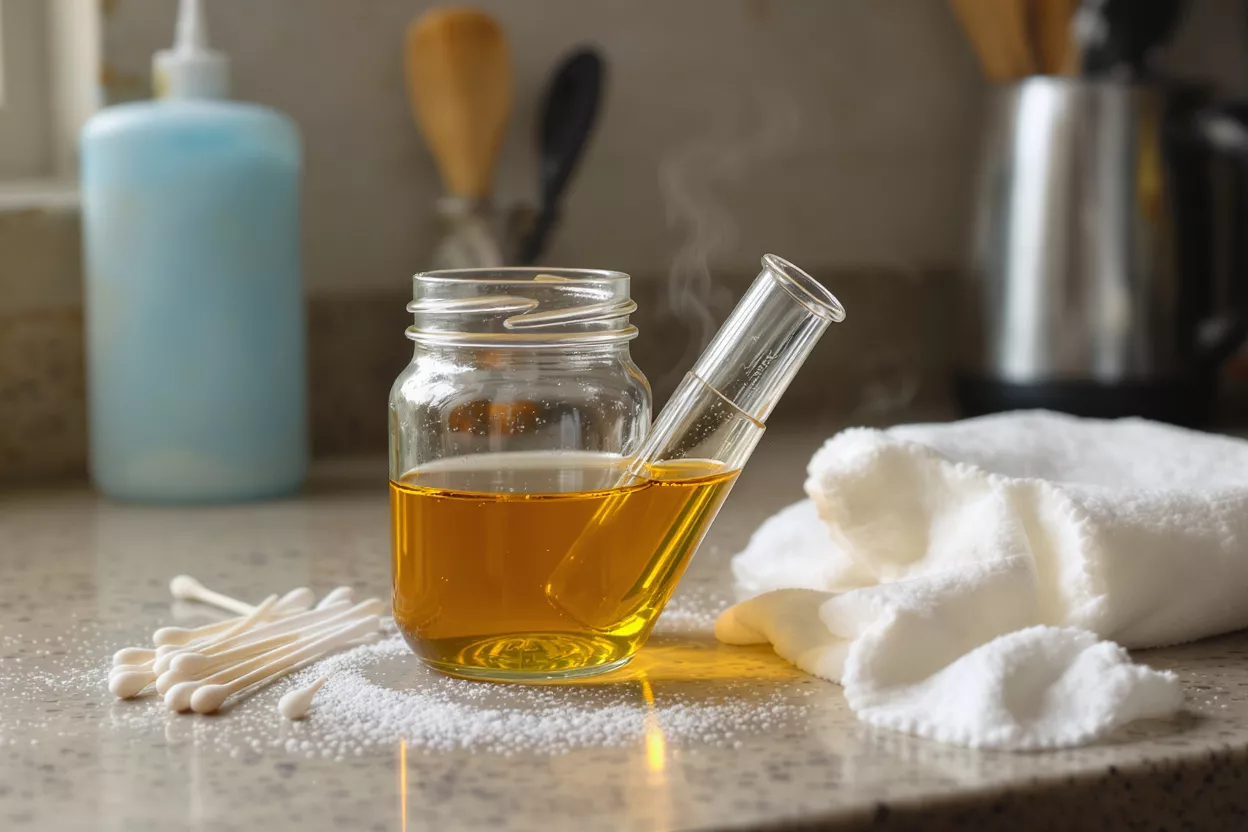
The classic cleaning method leans on two common household items. Here is a straightforward routine that works for most glass pieces:
- 🧂 Add salt and alcohol: Pour coarse salt and isopropyl alcohol into the piece; the salt acts as an abrasive scrubber while the alcohol dissolves resin.
- 🤝 Shake thoroughly: Cover the openings and shake vigorously for a minute or two, letting the salt scour every interior surface it can reach.
- 💦 Rinse completely: Flush the piece with warm water until no alcohol smell or residue lingers, then let it dry fully before your next session.
For stubborn buildup, soaking the piece overnight loosens hardened resin without any scrubbing at all. Some users add a pinch of plain dish soap for extra cutting power, though straight isopropyl handles most jobs on its own. Avoid harsh chemicals that could linger in the chamber; a thorough rinse is non-negotiable. Keeping a piece clean also preserves crisp filtration in bongs and bubblers, since clear water moves smoke far better than murky water.
Piece Slang and Related Cannabis Terms
The word piece sits within a rich vocabulary of cannabis slang that has evolved across generations. Learning these terms helps you feel at home in the culture and communicate clearly with fellow consumers, budtenders, and the glass artists who craft your gear.
Here are several related terms you will frequently hear alongside the word piece:
- 🍃 Bowl: The part of a piece that holds the flower, also used as shorthand for a single packed session.
- 🔨 Hash hole: A preroll style with a core of concentrate, related to how some consumers boost a bowl with potent extracts.
- 🫙 Head stash: The premium flower a consumer sets aside for personal use rather than sharing.
- 🍯 Jelly hash: A gooey, potent hash blend sometimes smoked in a piece for a noticeably elevated experience.
Slang shifts by region and generation. Older terms like ganja persist, while newer words bubble up from online communities and dispensary counters. Concentrate terminology such as HTFSE and HCFSE — high terpene and high cannabinoid full spectrum extracts — also joins the conversation once consumers start dabbing rather than smoking flower. Whatever your preferred vocabulary, the underlying culture prizes sharing knowledge and making newcomers feel welcome.
Are Glass Pieces Safe to Use
Glass pieces are widely considered safe when they are made from quality borosilicate and used responsibly. The inert nature of borosilicate means it releases no toxins when heated, unlike some cheap plastics or low-grade metals. That stability is the very reason glass became the dominant material for serious pieces in the first place.
What to actually watch for: The real safety considerations with any piece relate to smoke itself rather than the device. Inhaling any combustion product carries respiratory tradeoffs, and Harvard Health has published extensively on how inhaled substances affect lung tissue over time. Using clean water in bongs, swapping it out frequently, and keeping your piece free of resin all soften the harshness of each draw.
Handling matters just as much. Glass breaks, and a cracked piece with sharp edges poses a genuine cut risk. Inspect your piece regularly and set aside any item with chips near the mouthpiece. For travelers worried about breakage, a silicone piece or a protective travel case for glass offers peace of mind without forcing you to abandon the glass smoking experience you prefer at home.
Choosing the Right Piece for Your Routine
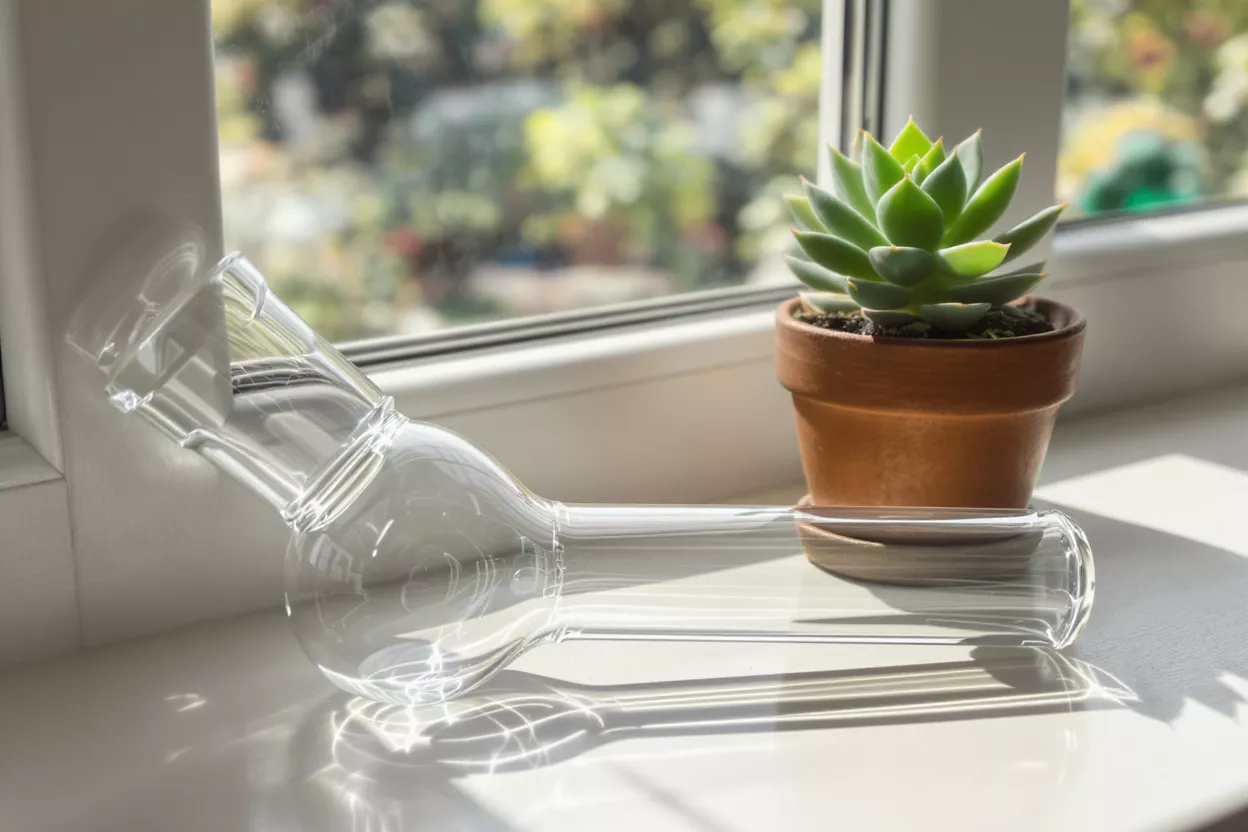
The right piece depends entirely on how, where, and with whom you smoke. A solo consumer who values discretion has very different needs than a host who entertains a circle of friends every weekend. Matching the piece to your actual lifestyle is what ensures it gets used rather than abandoned on a shelf.
Portability versus performance: Compact spoon pipes and chillums win on portability, slipping easily into a bag for outdoor adventures. Larger bongs deliver superior smoothness and filtration but tend to stay home. A bubbler splits the difference, offering water filtration in a more transportable footprint. Think honestly about where you spend most of your smoking time before committing to a size.
Aesthetics carry more weight than some smokers admit. A piece you find beautiful becomes part of your ritual, something you genuinely look forward to using. Whether you gravitate toward minimalist clear glass or vibrant color-worked art, choosing a piece that reflects your taste deepens the whole experience. Many consumers eventually build a small collection, each piece suited to a particular mood or occasion.
Caring for a Piece Long Term
A quality piece can last for years with proper care, making it a worthwhile investment rather than a disposable accessory. Beyond regular cleaning, thoughtful handling and storage protect your piece from the accidental damage that ends most glass smoking careers far too soon.
Smart storage strategies: Store your piece in a padded case or a dedicated drawer, well away from edges where it could get knocked off. Avoid leaving glass near sinks or hard countertops where a single slip means shattered glass. Many enthusiasts keep their head stash and their favorite piece together in one organized kit, ready for any session.
Temperature awareness extends a piece's life too. Borosilicate tolerates heat well, but extreme rapid changes — like rinsing a hot piece under cold water — can still stress the glass over time. Let your piece cool before cleaning, and never use a piece that shows cracks. With these habits in place, a single well-loved piece can carry you through years of memorable sessions, growing more meaningful with every use.
The word piece may be casual slang, but the world it describes is genuinely rich and varied. From a humble spoon pipe to an elaborate honeycomb disc bong, every piece serves the same fundamental purpose while carrying its own character. Understanding the types, materials, cleaning routines, and culture surrounding pieces empowers you to choose wisely and smoke comfortably. Whether you are buying your first borosilicate spoon or curating a full collection, treat your piece with care and it will reward you with countless smooth, flavorful sessions for years to come.

Comments