


THC Candy: Everything You Need to Know
Introduction
THC candy has revolutionized the cannabis consumption landscape, transforming from underground novelties into sophisticated, precisely dosed therapeutic and recreational products that rival traditional pharmaceuticals in quality and consistency. This comprehensive evolution represents one of the most significant developments in modern cannabis culture, offering users a palatable, discreet, and scientifically formulated alternative to smoking, vaping, or other consumption methods that may not suit every individual's preferences or lifestyle requirements.
🍭 The Candy Revolution in Cannabis
The transformation of cannabis consumption through candy formats represents a remarkable convergence of culinary artistry, pharmaceutical science, and consumer demand for products that integrate seamlessly into modern lifestyles. Unlike traditional edibles that often carried strong cannabis flavors or unpredictable potencies, modern THC candy employs sophisticated masking techniques, precise dosing technologies, and quality control measures that create products indistinguishable from premium confections.
This evolution has democratized cannabis access for populations who previously found other consumption methods unappealing, uncomfortable, or impractical, including elderly patients, individuals with respiratory conditions, professionals requiring discrete consumption options, and newcomers to cannabis who prefer familiar formats for their initial experiences.
🌍 Market Growth and Consumer Adoption
The global THC candy market has experienced unprecedented growth, with industry analysts projecting continued expansion as legalization spreads and consumer preferences shift toward healthier, more convenient consumption methods. Market research indicates that edible cannabis products, particularly gummies and chocolate confections, now represent over 40% of total cannabis sales in mature legal markets, reflecting widespread consumer acceptance and preference for these formats.
This growth has driven remarkable innovation in formulation techniques, manufacturing processes, and product varieties that cater to diverse consumer preferences, tolerance levels, and therapeutic applications. From micro-dosed products for precise titration to high-potency formulations for experienced users, the THC candy market now offers options for virtually every conceivable use case and preference profile.
What is THC Candy?
THC candy encompasses a sophisticated category of cannabis-infused confections that combine the therapeutic and recreational properties of tetrahydrocannabinol with traditional candy-making techniques and modern pharmaceutical manufacturing standards. These products represent far more than simple cannabis extracts mixed with sugar, instead utilizing advanced formulation science to create consistent, potent, and enjoyable consumption experiences that meet both recreational and medical needs.
🧬 Advanced Formulation Science
Modern THC candy production utilizes cutting-edge techniques including nanoemulsification, liposomal encapsulation, and molecular gastronomy to optimize cannabinoid delivery while maintaining the sensory characteristics consumers expect from premium confections. These technologies enable manufacturers to achieve unprecedented consistency in dosing, improve bioavailability, and create products with enhanced onset predictability and duration control.
The formulation process typically begins with high-quality cannabis extracts that undergo extensive purification and standardization to remove unwanted compounds while preserving beneficial cannabinoids and terpenes. These extracts are then integrated into candy matrices using specialized techniques that ensure uniform distribution throughout each piece while maintaining stability over extended shelf life periods.
🔬 Quality Control and Standardization
Professional THC candy manufacturing employs pharmaceutical-grade quality control measures including batch testing, stability studies, and statistical process control to ensure that every piece contains precisely the labeled amount of active ingredients. This level of quality assurance represents a dramatic improvement over early edible products that often suffered from inconsistent potency and unpredictable effects.
Advanced analytical testing confirms not only cannabinoid content but also screens for contaminants including pesticides, heavy metals, residual solvents, and microbial contamination. These comprehensive testing protocols ensure product safety while enabling consumers to make informed decisions based on accurate labeling and reliable product performance.
🌿 Full-Spectrum vs. Isolate Formulations
THC candy products utilize different cannabinoid profiles depending on intended effects and target markets. Full-spectrum formulations incorporate the complete range of cannabinoids and terpenes found in cannabis, potentially providing enhanced therapeutic benefits through entourage effects, while isolate-based products contain only pure THC for more predictable, controlled experiences.
Broad-spectrum formulations offer a middle ground, providing multiple cannabinoids while removing THC to create non-psychoactive products that still offer potential therapeutic benefits. Understanding these different formulation approaches helps consumers select products that align with their therapeutic goals and tolerance preferences.
Benefits of THC Candy
THC candy offers numerous compelling advantages that have driven its widespread adoption among both recreational and medical cannabis users, representing a significant evolution in consumption technology that addresses many limitations associated with traditional methods while providing unique benefits unavailable through other formats.
🕐 Extended Duration and Sustained Effects
One of THC candy's most significant advantages is its ability to provide sustained therapeutic effects lasting 4-8 hours or longer, compared to the 1-3 hour duration typical of inhalation methods. This extended activity makes candy particularly valuable for managing chronic conditions requiring consistent symptom control throughout the day or night, including chronic pain, anxiety disorders, and sleep disturbances.
The sustained release profile results from THC's metabolism through the liver, where it's converted to 11-hydroxy-THC, a more potent and longer-lasting metabolite that provides deeper, more body-centered effects compared to the primarily cerebral effects of smoked or vaporized cannabis. This metabolic difference makes edibles particularly effective for pain management and sleep applications.
🤫 Discretion and Social Acceptance
THC candy provides unparalleled discretion, appearing indistinguishable from regular confections while producing no odor, vapor, or other indicators of cannabis consumption. This discretion is particularly valuable for medical patients who need to medicate in professional environments, social situations, or locations where cannabis use might be stigmatized or inappropriate.
The familiar candy format also reduces barriers to acceptance among individuals who might be hesitant to try other cannabis consumption methods, making it an ideal entry point for newcomers to cannabis or patients referred by healthcare providers who need convenient, non-intimidating medication options.
📏 Precise Dosing and Consistency
Modern THC candy manufacturing provides pharmaceutical-level dosing accuracy, with many products offering precision within ±10% of labeled potency. This consistency enables users to develop reliable dosing protocols and achieve predictable effects, crucial for both therapeutic applications and recreational use where consistent experiences are desired.
The ability to easily split or combine candy pieces allows for micro-dosing and precise titration, enabling users to find their optimal dose through systematic experimentation. This precision is particularly valuable for medical applications where therapeutic windows may be narrow and consistent dosing is essential for symptom management.
🍯 Palatability and Enjoyment
High-quality THC candy utilizes sophisticated flavoring and formulation techniques to create genuinely enjoyable consumption experiences that transform medicine-taking into a pleasant ritual. Premium products often feature gourmet flavors, organic ingredients, and artisanal production techniques that rival the finest traditional confections.
This palatability is particularly important for medical patients who may need to consume cannabis regularly over extended periods, as enjoyable administration improves compliance and quality of life compared to less palatable alternatives.
Types of THC Candy
The THC candy market encompasses an extraordinary diversity of products designed to meet different consumer preferences, therapeutic applications, and consumption scenarios. Understanding the characteristics and advantages of different candy types enables informed product selection and optimal therapeutic outcomes.
🐻 Gummies: The Market Leader
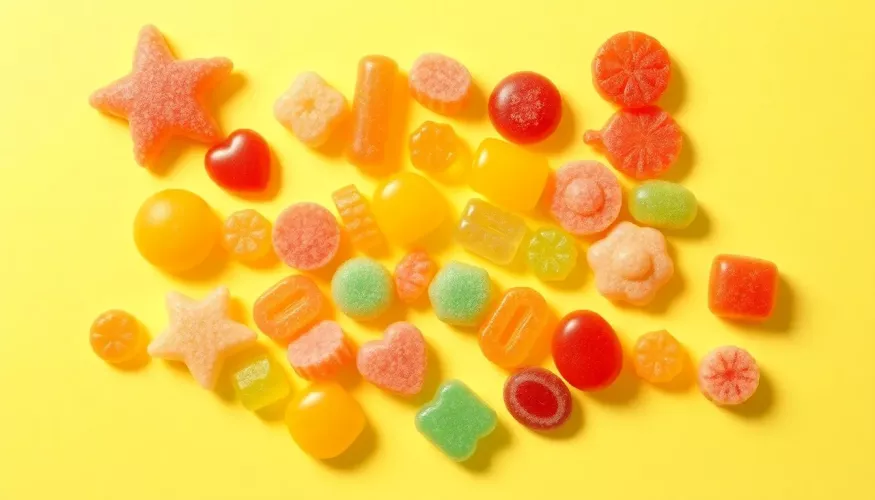
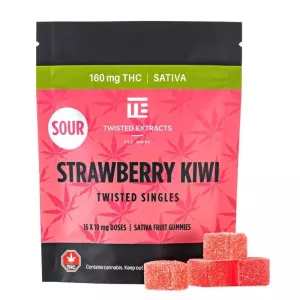
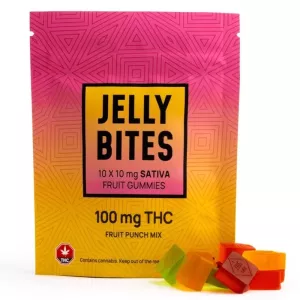
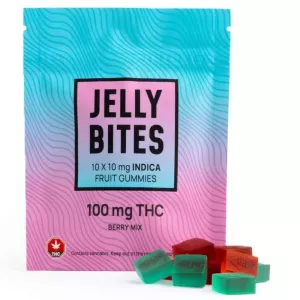
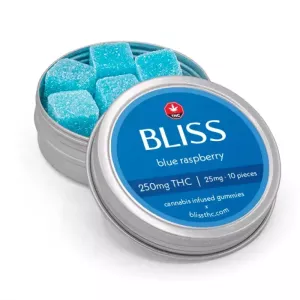
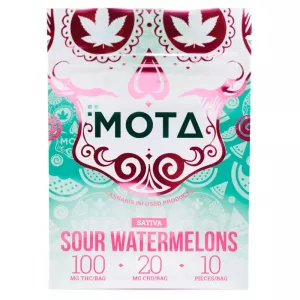
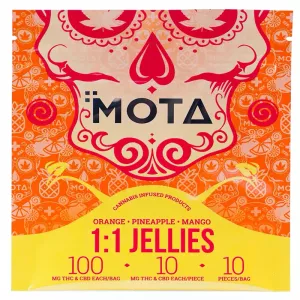
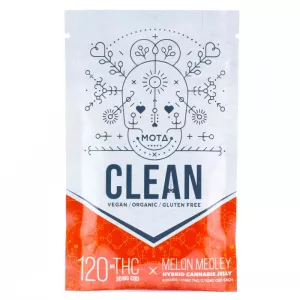
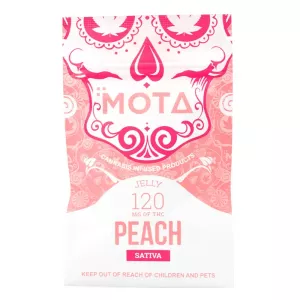
THC-infused gummies dominate the edible cannabis market due to their familiar format, excellent flavor masking capabilities, and precise dosing characteristics. Modern gummy production utilizes pectin or gelatin matrices that provide consistent texture while enabling uniform cannabinoid distribution throughout each piece.
Premium gummy formulations often incorporate natural fruit flavors, organic sweeteners, and additional beneficial ingredients like vitamins, adaptogens, or complementary terpenes to enhance therapeutic effects. The chewy texture also slows consumption, reducing the risk of accidental overconsumption compared to products that can be consumed quickly.
Advanced gummy technologies include fast-acting formulations that provide onset within 15-30 minutes through sublingual absorption during chewing, time-release versions that provide extended effects over 8-12 hours, and targeted formulations optimized for specific effects like sleep, energy, or pain relief.
🍫 Chocolate: Premium Indulgence
THC-infused chocolates represent the luxury segment of the edible market, combining the therapeutic benefits of cannabis with the sensory pleasure and potential health benefits of high-quality cacao. Premium chocolate edibles often feature single-origin cacao, organic ingredients, and sophisticated flavor profiles that rival artisanal chocolatiers.
Chocolate's fat content enhances cannabinoid absorption while providing a rich, satisfying consumption experience that many users find more appealing than other edible formats. The natural bitterness of dark chocolate also effectively masks cannabis flavors while providing antioxidants and other compounds that may complement cannabis's therapeutic effects.
Specialized chocolate formulations include sugar-free options for diabetic patients, vegan alternatives using plant-based ingredients, and functional chocolates enhanced with adaptogens, nootropics, or other beneficial compounds that work synergistically with THC.
🍭 Hard Candies and Lollipops
Hard candies and lollipops offer unique advantages including extended consumption times that enable sublingual absorption for faster onset, discrete consumption that can occur gradually over extended periods, and excellent shelf stability that makes them ideal for emergency medication or travel use.
The slow dissolution of hard candies allows for partial sublingual absorption, which can provide faster onset (15-30 minutes) compared to swallowed edibles while maintaining some of the extended duration characteristics of oral consumption. This dual-action profile makes hard candies particularly valuable for users seeking both immediate and sustained relief.
Specialized hard candy formulations include sugar-free options using natural sweeteners, therapeutic lozenges designed for specific conditions like sore throat or cough, and breath mints that provide discrete medication while freshening breath.
🧁 Baked Goods and Confections
THC-infused baked goods including cookies, brownies, cakes, and pastries offer familiar comfort food formats that many users find appealing and satisfying. These products often provide higher doses in larger serving sizes, making them suitable for users with higher tolerance or those seeking more substantial edible experiences.
Premium baked goods utilize sophisticated recipes and techniques to mask cannabis flavors while creating genuinely delicious products that stand on their own merits as confections. Many feature organic ingredients, artisanal production methods, and gourmet flavor combinations that elevate the consumption experience.
Specialized baked good categories include gluten-free options for users with celiac disease or gluten sensitivity, low-sugar alternatives for diabetic patients, and functional baked goods enhanced with protein, fiber, or other nutritional components.
Manufacturing and Production Methods
🏭 Professional Manufacturing Standards
Modern THC candy production occurs in sophisticated facilities that rival pharmaceutical manufacturing in terms of cleanliness, quality control, and regulatory compliance. These facilities typically feature controlled environments with HEPA filtration, positive air pressure, and strict contamination control protocols to ensure product purity and consistency.
Manufacturing processes utilize validated procedures, equipment calibration protocols, and statistical process control to maintain consistent quality across all production batches. Raw materials undergo testing and qualification before use, while finished products are subjected to comprehensive testing before release to ensure they meet all quality and safety specifications.
🔬 Extraction and Infusion Techniques
THC candy production begins with high-quality cannabis extracts obtained through various methods including CO2 extraction, ethanol extraction, or solventless techniques that preserve the full spectrum of beneficial compounds. These extracts undergo further purification and standardization to remove unwanted compounds while concentrating desired cannabinoids.
Advanced infusion techniques include nanoemulsification, which creates microscopic cannabinoid particles that improve bioavailability and onset time, and liposomal encapsulation, which protects cannabinoids from degradation while enhancing absorption. These technologies represent significant advances over simple extraction mixing that characterized early edible products.
⚗️ Quality Assurance and Testing
Comprehensive quality assurance programs include testing at multiple production stages, from raw materials through finished products. Analytical testing confirms cannabinoid potency, verifies the absence of contaminants, and ensures product stability over time through accelerated aging studies and real-time shelf life monitoring.
Third-party laboratory testing provides independent verification of product quality and safety, while certificates of analysis (COAs) provide consumers with detailed information about product composition and purity. These quality measures ensure that consumers receive safe, effective products that meet labeled specifications.
Bioavailability and Metabolism
💊 Oral Absorption and First-Pass Metabolism
When consumed orally, THC undergoes first-pass metabolism in the liver, where it's converted to 11-hydroxy-THC, a more potent and longer-lasting metabolite that produces different effects compared to THC absorbed through inhalation. This metabolic process results in delayed onset (30-120 minutes) but extended duration (4-8+ hours) that makes edibles particularly suitable for sustained therapeutic applications.
Bioavailability of oral THC varies significantly among individuals based on factors including metabolism speed, stomach contents, liver function, and genetic variations in metabolic enzymes. Understanding these variables helps explain why different users may experience dramatically different effects from the same dose and why individualized dosing is essential.
🧬 Factors Affecting Absorption
Numerous factors influence how effectively THC candy is absorbed and metabolized, including stomach contents (fatty foods enhance absorption), individual metabolism rates, liver health, and concurrent medications that may compete for metabolic enzymes. Age, gender, and body composition also play significant roles in determining individual response patterns.
Timing of consumption relative to meals can significantly impact onset time and effect intensity, with consumption on an empty stomach typically providing faster onset but potentially more intense effects, while consumption with food may delay onset but provide more gradual, sustained effects.
🚀 Enhanced Delivery Technologies
Advanced THC candy formulations utilize technologies like nanoemulsification and microencapsulation to improve bioavailability and provide more predictable onset times. These technologies can reduce onset time to 15-30 minutes while maintaining the extended duration benefits of oral consumption.
Sublingual absorption during candy consumption can provide additional benefits, with some THC being absorbed directly into the bloodstream through tissues under the tongue, bypassing first-pass metabolism and providing faster onset for immediate relief while the remaining THC provides sustained effects through traditional oral absorption.
Onset Time and Duration
⏰ Understanding Onset Variability
THC candy onset times typically range from 30 minutes to 2 hours, with significant variability based on individual factors, product formulation, and consumption circumstances. This delayed onset represents one of the most important safety considerations for edible use, as users may be tempted to consume additional doses before initial effects manifest, potentially leading to uncomfortable overconsumption experiences.
Factors affecting onset time include stomach contents, individual metabolism, product formulation, and stress levels. Products with enhanced bioavailability technologies may provide onset within 15-30 minutes, while traditional formulations may require 60-120 minutes for full effect manifestation.
🕐 Duration and Peak Effects
THC candy effects typically last 4-8 hours, with peak effects occurring 2-4 hours after consumption. This extended duration makes edibles ideal for sustained symptom management but requires careful planning around activities that require full cognitive function, such as driving or operating machinery.
The gradual onset and extended duration create different effect profiles compared to inhalation methods, with many users reporting more body-centered, relaxing effects that are particularly beneficial for pain management, sleep, and anxiety relief.
📊 Individual Response Patterns
Users often develop predictable individual response patterns after several experiences with the same products, enabling more precise timing and dosing strategies. Keeping consumption logs that track dose, timing, food intake, and effects can help identify optimal usage patterns and prevent unwanted experiences.
Understanding personal response patterns also helps users plan consumption timing around daily activities, social obligations, and work responsibilities to maximize therapeutic benefits while minimizing potential impairment during important tasks.
Dosing and Safety Considerations
🎯 Comprehensive Dosing Guidelines
Safe and effective THC candy use requires understanding individual tolerance, starting with minimal doses, and allowing adequate time for effects to manifest before considering additional consumption. Beginning users should start with 1-2.5mg THC and wait at least 2-4 hours before consuming more, as effects can take significant time to fully develop.
Experienced users may find effective doses ranging from 5-20mg or higher, but even experienced cannabis smokers may find that edible tolerance differs significantly from inhalation tolerance. The different metabolism pathway means that smoking tolerance doesn't necessarily predict edible tolerance, requiring careful experimentation even for experienced users.
⚠️ Safety Protocols and Risk Mitigation
Preventing overconsumption requires strict adherence to timing protocols, with users waiting at least 2-4 hours between doses to allow full effect assessment. Setting alarms or reminders can help prevent impulsive redosing during the waiting period when no effects are yet apparent.
Creating safe consumption environments includes ensuring access to water, comfortable spaces, and trusted companions who can provide support if effects become overwhelming. Having CBD products available can help counteract excessive THC effects, as CBD may help moderate THC's psychoactive properties.
🏥 Emergency Procedures and Management
While THC overconsumption is rarely dangerous, it can create uncomfortable experiences including anxiety, paranoia, and physical discomfort. Management strategies include remaining calm, staying hydrated, finding comfortable environments, and using grounding techniques like deep breathing or meditation.
Seeking medical attention may be appropriate for severe anxiety, persistent vomiting, or symptoms that don't improve over time. Healthcare providers should be informed about THC consumption to enable appropriate treatment and avoid potential drug interactions.
👥 Special Population Considerations
Elderly users, individuals with medical conditions, and those taking medications require special consideration when using THC candy. Lower starting doses, extended waiting periods, and medical supervision may be appropriate for these populations to ensure safe and effective use.
Pregnant and breastfeeding women should avoid THC products due to potential risks to fetal and infant development, while individuals with certain psychiatric conditions may need to avoid or carefully monitor THC use due to potential symptom exacerbation.
Choosing Quality THC Candy
🔍 Quality Indicators and Verification
High-quality THC candy should come with comprehensive certificates of analysis (COAs) from accredited third-party laboratories, confirming cannabinoid potency and the absence of contaminants including pesticides, heavy metals, residual solvents, and microbial contamination. These documents should be easily accessible through QR codes, websites, or direct requests.
Premium products often feature consistent dosing accuracy within ±5-10% of labeled potency, pharmaceutical-grade manufacturing standards, and transparent information about source cannabis, extraction methods, and production processes. Quality manufacturers provide detailed ingredient lists and are responsive to customer questions about their products and processes.
🏭 Manufacturing Standards and Certifications
Look for products manufactured in licensed facilities that adhere to Good Manufacturing Practices (GMP) or pharmaceutical standards. These facilities typically feature controlled environments, validated processes, and comprehensive quality control systems that ensure consistent product quality and safety.
Certifications such as organic certification, clean room manufacturing, and regulatory compliance indicate manufacturers' commitment to quality and safety. Companies that invest in high-quality manufacturing typically produce more reliable and effective products.
🌱 Ingredient Quality and Sourcing
Premium THC candy uses high-quality, natural ingredients including organic sweeteners, natural flavors, and clean extraction processes. Avoid products with excessive artificial additives, preservatives, or low-quality base ingredients that may affect taste, safety, or therapeutic effectiveness.
Source cannabis quality significantly impacts final product effectiveness, with products made from organically grown, pesticide-free cannabis typically providing superior therapeutic outcomes and safety profiles compared to those made with lower-quality source material.
💰 Value Assessment and Cost Considerations
While premium products may cost more initially, they often provide better value through higher potency, consistent effects, better ingredients, and superior manufacturing quality. Calculate cost per milligram of THC to compare products fairly and consider the total cost of achieving desired therapeutic outcomes.
Factor in reliability and consistency when assessing value, as products that provide predictable effects reduce waste from ineffective doses and eliminate the need to try multiple products to find effective options.
Storage and Shelf Life
🌡️ Optimal Storage Conditions
THC candy should be stored in cool, dry places away from direct sunlight, heat sources, and humidity to maintain potency and prevent degradation. Ideal storage temperatures range from 60-70°F with humidity levels below 60% to prevent mold growth and maintain product integrity.
Airtight containers protect products from air exposure that can accelerate cannabinoid degradation, while opaque or dark containers prevent light-induced breakdown of active compounds. Original packaging often provides optimal protection and includes important safety and dosing information.
🔒 Safety and Security Considerations
All THC candy must be stored securely away from children and pets, as the appealing appearance and taste can lead to accidental consumption. Use child-resistant containers, locked storage boxes, or high shelves to prevent access by unauthorized individuals.
Clear labeling of all cannabis products prevents confusion with regular candy or medication, while discrete storage protects privacy and prevents theft. Many jurisdictions require specific storage protocols for cannabis products that users should understand and follow.
📅 Shelf Life and Potency Retention
Properly stored THC candy typically maintains potency for 6-12 months or longer, though exact shelf life depends on formulation, packaging, and storage conditions. Products may gradually lose potency over time, but rarely become dangerous unless contamination occurs.
Signs of degradation include changes in appearance, texture, smell, or taste that may indicate bacterial growth, mold, or chemical breakdown. Expired products should be disposed of safely through appropriate channels rather than regular trash to prevent accidental consumption.
THC Candy and the Law
⚖️ Legal Status and Jurisdictional Variations
THC candy legal status varies dramatically by jurisdiction, with some regions allowing both medical and recreational sales through licensed dispensaries while others maintain complete prohibition with severe penalties for possession or use. Understanding local laws is essential before purchasing, possessing, or consuming any THC products.
Even in legal jurisdictions, regulations may restrict potency levels, packaging requirements, marketing practices, and consumption locations. Many areas limit individual package potency to 10mg per piece or 100mg total, while requiring child-resistant packaging and specific labeling information.
🏛️ Regulatory Compliance and Testing Requirements
Legal THC candy markets typically require comprehensive testing, tracking, and quality control measures that ensure product safety and accurate labeling. These regulations protect consumers while providing assurance about product quality and consistency.
Seed-to-sale tracking systems monitor cannabis products from cultivation through retail sale, enabling rapid identification and recall of problematic products while preventing diversion to illegal markets. These systems also provide valuable data for regulators and researchers studying cannabis use patterns and public health impacts.
✈️ Travel and Transportation Considerations
Transporting THC candy across state or international borders remains illegal in most cases, even between jurisdictions with legal cannabis programs. Federal transportation laws typically supersede state regulations, creating significant legal risks for travelers carrying cannabis products.
Even within legal jurisdictions, transportation regulations may require products to remain in original packaging, be stored in specific vehicle locations, or be accompanied by purchase receipts. Understanding these requirements helps prevent inadvertent legal violations.
Medical Applications
🏥 Therapeutic Indications and Clinical Evidence
THC candy provides effective treatment for numerous medical conditions including chronic pain, chemotherapy-induced nausea and vomiting, appetite loss associated with HIV/AIDS or cancer, muscle spasticity from multiple sclerosis, and various neurological conditions. Clinical studies and patient reports consistently demonstrate significant therapeutic benefits for these applications.
The extended duration and sustained effects of edible THC make it particularly valuable for conditions requiring consistent symptom control throughout the day or night, such as chronic pain syndromes, sleep disorders, and appetite stimulation for patients undergoing cancer treatment.
🧠 Neurological and Psychiatric Applications
Research suggests THC candy may benefit patients with treatment-resistant epilepsy, PTSD, severe anxiety disorders, and certain forms of depression. The precise dosing capabilities of candy formulations enable healthcare providers to develop specific treatment protocols optimized for individual patient needs.
Pediatric medical applications include treatment of severe epilepsy, cancer-related symptoms, and other serious conditions where conventional treatments have proven inadequate. However, pediatric use requires specialized expertise and careful risk-benefit analysis.
💊 Integration with Conventional Medicine
THC candy can complement conventional medical treatments by providing symptom relief, reducing side effects from other medications, and improving quality of life for patients with serious illnesses. Many patients report being able to reduce opioid use, improve sleep, and maintain better daily functioning when incorporating medical cannabis into their treatment regimens.
Healthcare provider guidance is essential for medical applications to ensure appropriate dosing, monitor for interactions with other medications, and optimize therapeutic outcomes while minimizing potential adverse effects.
Side Effects and Precautions
⚠️ Common Side Effects and Management
THC candy can produce various side effects including dry mouth, red eyes, increased appetite, altered time perception, anxiety, and cognitive impairment. These effects are typically dose-dependent and more pronounced in inexperienced users or those consuming excessive amounts.
Managing side effects involves staying hydrated, avoiding driving or operating machinery, creating comfortable environments, and having support available if effects become overwhelming. Most side effects resolve as THC is metabolized, typically within 6-8 hours of consumption.
🧠 Cognitive and Psychological Considerations
THC can temporarily impair memory, concentration, coordination, and decision-making abilities, effects that are more pronounced and longer-lasting with edible consumption compared to inhalation methods. Users should avoid complex tasks, driving, or important decisions while under the influence.
Some individuals may experience anxiety, paranoia, or panic reactions, particularly with high doses or in stressful environments. These reactions are more likely in individuals with pre-existing anxiety disorders or those consuming unfamiliar products in unsuitable settings.
💔 Cardiovascular and Physical Effects
THC can increase heart rate and alter blood pressure, effects that may be concerning for individuals with cardiovascular conditions. Elderly users and those with heart conditions should consult healthcare providers before using THC products and may require modified dosing or monitoring.
Other physical effects may include dizziness, nausea, or coordination problems that could increase fall risk or interfere with daily activities. These effects are typically temporary but may persist longer with edible consumption compared to other methods.
Alternatives to THC Candy
🌿 CBD-Dominant Products
CBD candy offers many therapeutic benefits without psychoactive effects, making it suitable for users seeking pain relief, anxiety reduction, or anti-inflammatory effects while maintaining full cognitive function. CBD products may be legal in jurisdictions where THC remains prohibited, expanding access for therapeutic use.
Balanced THC:CBD formulations provide modified effects that may be more suitable for certain users or applications, with CBD potentially reducing anxiety and other unwanted THC side effects while preserving therapeutic benefits. Common ratios include 1:1, 2:1, and 1:2 THC:CBD formulations.
💧 Tinctures and Sublingual Products
Cannabis tinctures provide faster onset (15-45 minutes) compared to candy while offering precise dosing control and the ability to adjust doses easily. Sublingual absorption bypasses digestive metabolism, providing more predictable effects and the option to stop effects more quickly if needed.
Tinctures can be added to food or beverages for discrete consumption or taken directly under the tongue for faster absorption. Many users find tinctures more versatile than candy, though some prefer candy's taste and familiarity.
🌬️ Inhalation Methods
Vaporizing or smoking cannabis provides rapid onset (2-5 minutes) and shorter duration (1-3 hours) compared to edibles, making these methods suitable for immediate symptom relief or situations requiring precise timing control. Inhalation also allows for easy dose titration through small, incremental doses.
Modern vaporizers offer clean, efficient delivery without combustion byproducts, making them healthier alternatives to smoking while providing rapid, controllable effects that many users prefer for daytime use or social situations.
🧴 Topical Applications
Cannabis topicals including creams, balms, and patches provide localized relief for muscle soreness, arthritis, and skin conditions without systemic psychoactive effects. These products may be suitable for users seeking therapeutic benefits while avoiding cognitive impairment entirely.
Transdermal patches can provide sustained systemic delivery over 8-12 hours while avoiding digestive metabolism and maintaining more consistent blood levels compared to oral consumption. These products represent sophisticated delivery technologies that may be ideal for certain medical applications.
Market Trends and Innovation
📈 Industry Growth and Consumer Preferences
The THC candy market continues expanding rapidly as consumer preferences shift toward healthier, more convenient consumption methods and legalization creates new opportunities for product innovation and market development. Industry analysts project continued growth driven by increasing acceptance, expanding legalization, and ongoing product innovation.
Consumer research indicates growing demand for precisely dosed, fast-acting, and functionally enhanced products that integrate seamlessly into modern lifestyles. Health-conscious consumers increasingly seek organic, natural, and sustainably produced options that align with broader wellness trends.
🔬 Technological Innovations and Product Development
Advanced delivery technologies including nanoemulsification, liposomal encapsulation, and controlled-release formulations are creating products with improved bioavailability, faster onset times, and enhanced therapeutic precision. These innovations address traditional edible limitations while expanding therapeutic applications.
Smart packaging technologies including QR codes for product information, child-resistant mechanisms, and freshness indicators enhance safety and user experience while providing valuable data for manufacturers and regulators about consumption patterns and product performance.
🌍 Sustainability and Social Responsibility
Environmental sustainability increasingly influences product development, with manufacturers adopting renewable energy, sustainable packaging, and responsible sourcing practices. Social equity programs aim to ensure that communities affected by cannabis prohibition can participate in legal market opportunities.
Corporate social responsibility initiatives include supporting cannabis research, criminal justice reform, and community development programs that address historical harms from prohibition while promoting positive social outcomes from legalization.
Conclusion
THC candy represents a remarkable evolution in cannabis consumption technology, transforming from simple homemade edibles into sophisticated pharmaceutical-grade products that provide precise, predictable, and enjoyable therapeutic experiences. This comprehensive guide has explored the multifaceted world of THC candy, from basic definitions and benefits to advanced manufacturing techniques, medical applications, and emerging market trends that shape the future of cannabis consumption.
🌟 The Future of Cannabis Confections
As research continues to advance our understanding of cannabis pharmacology and consumer preferences evolve toward healthier, more convenient consumption methods, THC candy will likely become an increasingly important component of both recreational and medical cannabis markets. Technological innovations including nanotechnology, personalized medicine approaches, and smart delivery systems promise to make these products even more effective and user-friendly.
The integration of artificial intelligence, biometric monitoring, and personalized dosing algorithms may eventually enable truly customized cannabis experiences optimized for individual genetics, preferences, and therapeutic goals. These advances will likely make THC candy an even more valuable tool for both healthcare providers and patients seeking effective, enjoyable cannabis-based treatments.
💡 Key Takeaways for Success
Successful THC candy use requires understanding individual tolerance, starting with conservative doses, allowing adequate time for effects to manifest, and selecting high-quality products from reputable manufacturers. The delayed onset and extended duration of edibles demand patience and careful planning, but also provide unique therapeutic advantages unavailable through other consumption methods.
Quality matters significantly in the THC candy market, with premium products offering superior consistency, safety, and effectiveness compared to lower-quality alternatives. Investing in properly tested, professionally manufactured products typically provides better therapeutic outcomes while reducing risks associated with inconsistent dosing or contamination.
🌈 A Sweet Path to Wellness
For the millions of individuals seeking natural alternatives to conventional pharmaceuticals or simply wanting to explore cannabis in a familiar, enjoyable format, THC candy offers an accessible entry point that combines therapeutic efficacy with culinary pleasure. As legal frameworks continue evolving and social acceptance grows, these products will likely play an increasingly important role in helping people achieve better health outcomes and improved quality of life.
Whether used for managing chronic pain, improving sleep, reducing anxiety, or simply enhancing recreational experiences, THC candy provides a sweet path to wellness that honors both the therapeutic potential of cannabis and the human desire for enjoyable, meaningful consumption experiences. With proper knowledge, quality products, and responsible use practices, THC candy can serve as a valuable tool in the comprehensive approach to health and wellness that defines modern cannabis culture.