



































Cannabis for Pain: Benefits, Dosing & Tips
Introduction
Absent the euphoric and psychoactive effects of THC, CBD is emerging as a promising medicinal agent for treating chronic and periodic or injury induced pain. The low toxicity of CBD makes it a suitable option to other potentially addictive pain medications, such as opiates, for people suffering from this type of discomfort.
People are increasingly turning to CBD to manage pain- chronic or otherwise. The relaxing effects of CBD, among other benefits of using it, make incorporating it into your routine well worth the effort.
In some cases, pain produces persistent discomfort or inflammation, which can significantly impact daily life. Some people develop an addiction to painkillers and other nerve pain treatments.
CBD oil is a natural alternative for pain management. While utilising CBD and other hemp and cannabis-derived cannabinoids to treat neuropathy, arthritis and chronic pain, has not been formally licenced internationally, studies continue to demonstrate that it can be of significant help. In this section we will uncover the various forms and types of CBD commonly used to treat pain, in the hopes of offering insight into whether CBD for pain may be right for you.
🩹 The Global Pain Crisis and Cannabis Solutions
Chronic pain affects over 1.5 billion people worldwide, representing one of the most significant healthcare challenges of our time. Traditional pain management approaches, heavily reliant on opioid medications, have created a devastating addiction crisis that claims hundreds of thousands of lives annually. This public health emergency has catalyzed urgent research into alternative therapeutic approaches, with cannabis-based medicines emerging as among the most promising solutions.
The opioid epidemic has fundamentally altered how healthcare professionals approach pain management, with growing recognition that non-addictive alternatives must be prioritized. Cannabis compounds, particularly CBD and THC, offer unique therapeutic mechanisms that address pain through multiple pathways while avoiding the addiction potential and life-threatening side effects associated with opioid medications.
🧬 Scientific Revolution in Pain Understanding
Recent advances in neuroscience and molecular biology have revolutionized our understanding of pain mechanisms, revealing complex interactions between nervous system function, inflammation, and cellular signaling pathways. The discovery of the endocannabinoid system in the 1990s provided crucial insights into how cannabis compounds interact with natural pain regulation mechanisms, opening new therapeutic possibilities.
Modern pain science recognizes that chronic pain represents a distinct disease state, not merely a symptom of underlying conditions. This paradigm shift has led to targeted research on cannabis compounds as primary therapeutic agents rather than supplementary treatments, resulting in sophisticated formulations designed for specific pain conditions and patient populations.
📊 Clinical Evidence and Research Validation
Extensive clinical research has documented the efficacy of cannabis-based pain treatments across diverse patient populations and conditions. Meta-analyses of randomized controlled trials consistently demonstrate significant pain reduction and improved quality of life outcomes for patients using CBD and THC formulations compared to placebo and conventional treatments.
Key research findings include:
- 🔬 Neuropathic Pain: 30-50% reduction in pain scores across multiple studies
- 🦴 Arthritis Management: Significant improvements in joint pain and mobility
- 🧠 Migraine Treatment: Reduced frequency and intensity of headache episodes
- 💪 Fibromyalgia Relief: Enhanced sleep quality and reduced pain sensitivity
- ⚡ Acute Injury Recovery: Accelerated healing and reduced inflammation
🌍 Global Medical Cannabis Integration
Healthcare systems worldwide are increasingly integrating cannabis-based pain treatments into standard medical practice. Countries including Germany, Canada, Australia, and numerous U.S. states have established comprehensive medical cannabis programs specifically addressing chronic pain conditions, providing regulatory frameworks that ensure patient safety while enabling access to therapeutic cannabis products.
Medical professionals receive specialized training in cannabinoid medicine, with professional organizations developing clinical guidelines for prescribing cannabis-based pain treatments. This institutional acceptance reflects growing confidence in cannabis safety profiles and therapeutic efficacy for pain management applications.
💊 Pharmacological Advantages Over Conventional Treatments
Cannabis-based pain treatments offer several distinct advantages over conventional pharmaceuticals, including superior safety profiles, reduced side effects, and lower addiction potential. Unlike opioids, which suppress respiratory function and create physical dependence, cannabis compounds work synergistically with natural body systems to restore balance and promote healing.
Comparative advantages include:
- ⚡ Multi-Target Action: Addresses pain, inflammation, and mood simultaneously
- 🛡️ Safety Profile: No lethal overdose potential or respiratory depression
- 🔄 Tolerance Management: Lower tolerance development compared to opioids
- 🧠 Cognitive Preservation: Maintains mental clarity with CBD-dominant formulations
- 💰 Cost Effectiveness: Often less expensive than pharmaceutical alternatives
🔬 Precision Medicine and Personalized Treatment
The future of cannabis-based pain management lies in precision medicine approaches that tailor treatments to individual genetic profiles, pain conditions, and lifestyle factors. Pharmacogenomic testing can identify optimal cannabinoid ratios and dosing strategies for specific patients, maximizing therapeutic benefits while minimizing side effects.
Advanced diagnostic tools enable healthcare providers to create personalized treatment protocols incorporating specific cannabis compounds, delivery methods, and dosing schedules optimized for individual patient needs. This personalized approach represents a fundamental shift from one-size-fits-all pain management toward truly individualized therapeutic strategies.
Understanding the Endocannabinoid System and Pain
The endocannabinoid system (ECS) is a complex network of receptors, enzymes, and endocannabinoids that plays a crucial role in regulating various physiological processes, including pain perception, inflammation, and immune function. The ECS is present throughout the body, with cannabinoid receptors found in the brain, spinal cord, and peripheral nervous system.
When the body experiences pain, whether due to injury, illness, or chronic conditions, the ECS becomes activated. Endocannabinoids, which are naturally produced by the body, bind to cannabinoid receptors and help to modulate pain signals and reduce inflammation. However, in some cases, the ECS may become dysregulated or overwhelmed, leading to persistent pain and discomfort.
🧬 Advanced ECS Mechanisms in Pain Modulation
The endocannabinoid system functions as the body's master regulatory network for pain perception, integrating signals from multiple physiological systems to maintain homeostatic balance. Research has identified sophisticated feedback mechanisms that allow the ECS to respond dynamically to pain stimuli while preventing excessive inflammatory responses that contribute to chronic pain development.
Key ECS components in pain regulation include:
- 🔗 CB1 Receptors: Concentrated in brain and spinal cord, modulating pain signal transmission
- 🛡️ CB2 Receptors: Primarily in immune cells, controlling inflammatory responses
- ⚗️ Endocannabinoids: Anandamide and 2-AG providing natural pain relief
- 🔄 Metabolic Enzymes: FAAH and MAGL regulating endocannabinoid breakdown
- 📡 Transport Proteins: Facilitating endocannabinoid movement between cells
🔬 Pain Pathway Integration and Neural Networks
Recent neuroimaging studies have revealed how the ECS integrates with classical pain pathways to create comprehensive pain management responses. The system influences ascending pain signals from injury sites to the brain while simultaneously modulating descending inhibitory pathways that naturally suppress pain perception.
This bidirectional communication enables the ECS to fine-tune pain responses based on situational factors, emotional state, and overall health status. Understanding these mechanisms has informed the development of targeted cannabis therapies that enhance natural pain regulation without disrupting normal physiological functions.
How CBD Interacts with the Endocannabinoid System to Alleviate Pain
CBD, or cannabidiol, is a non-psychoactive compound found in the cannabis plant that has been shown to interact with the ECS and offer potential pain-relieving benefits. Unlike THC, which binds directly to cannabinoid receptors and produces a "high," CBD interacts with the ECS in a more indirect manner.
CBD has been found to inhibit the breakdown of endocannabinoids, allowing them to remain active in the body for longer periods. This can help to enhance the pain-relieving and anti-inflammatory effects of the ECS, without producing the psychoactive effects associated with THC.
Additionally, CBD has been shown to interact with other receptors and signaling pathways involved in pain perception, such as the serotonin and vanilloid receptors. By modulating these pathways, CBD may help to reduce pain sensitivity and improve overall pain management.
⚗️ Multi-Target Mechanisms of CBD Pain Relief
CBD's therapeutic effects result from interactions with over 60 molecular targets throughout the body, creating a comprehensive approach to pain management that addresses multiple contributing factors simultaneously. This polypharmacological profile explains CBD's broad therapeutic applications and its ability to treat complex pain conditions that respond poorly to single-target medications.
Primary mechanisms include:
- 🔒 FAAH Inhibition: Increases natural anandamide levels for enhanced pain relief
- 🌊 Calcium Channel Modulation: Reduces neuronal excitability and pain signal transmission
- 💊 Serotonin Receptor Activation: Influences mood and pain perception through 5-HT1A receptors
- 🔥 Anti-inflammatory Action: Suppresses pro-inflammatory cytokines and immune responses
- ⚡ Neuroprotection: Protects nerve cells from damage and promotes regeneration
🧠 Neuroplasticity and Long-term Pain Relief
CBD promotes beneficial neuroplastic changes that can provide lasting pain relief beyond the duration of active compound presence in the body. These adaptations include strengthening inhibitory neural pathways, reducing central sensitization, and promoting the growth of new neurons in brain regions associated with pain processing and emotional regulation.
Forms of CBD for Pain Relief
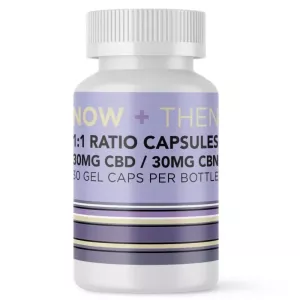
CBD is available in a variety of forms, each with its own unique benefits and drawbacks. Some of the most common forms of CBD for pain relief include:
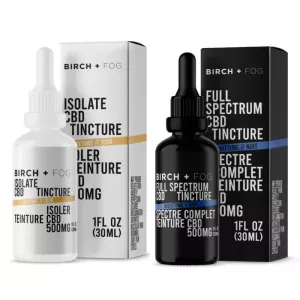
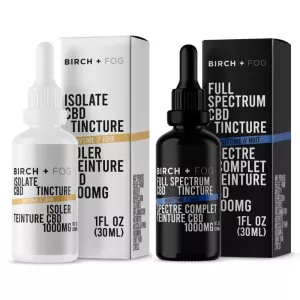
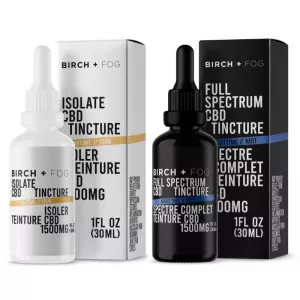
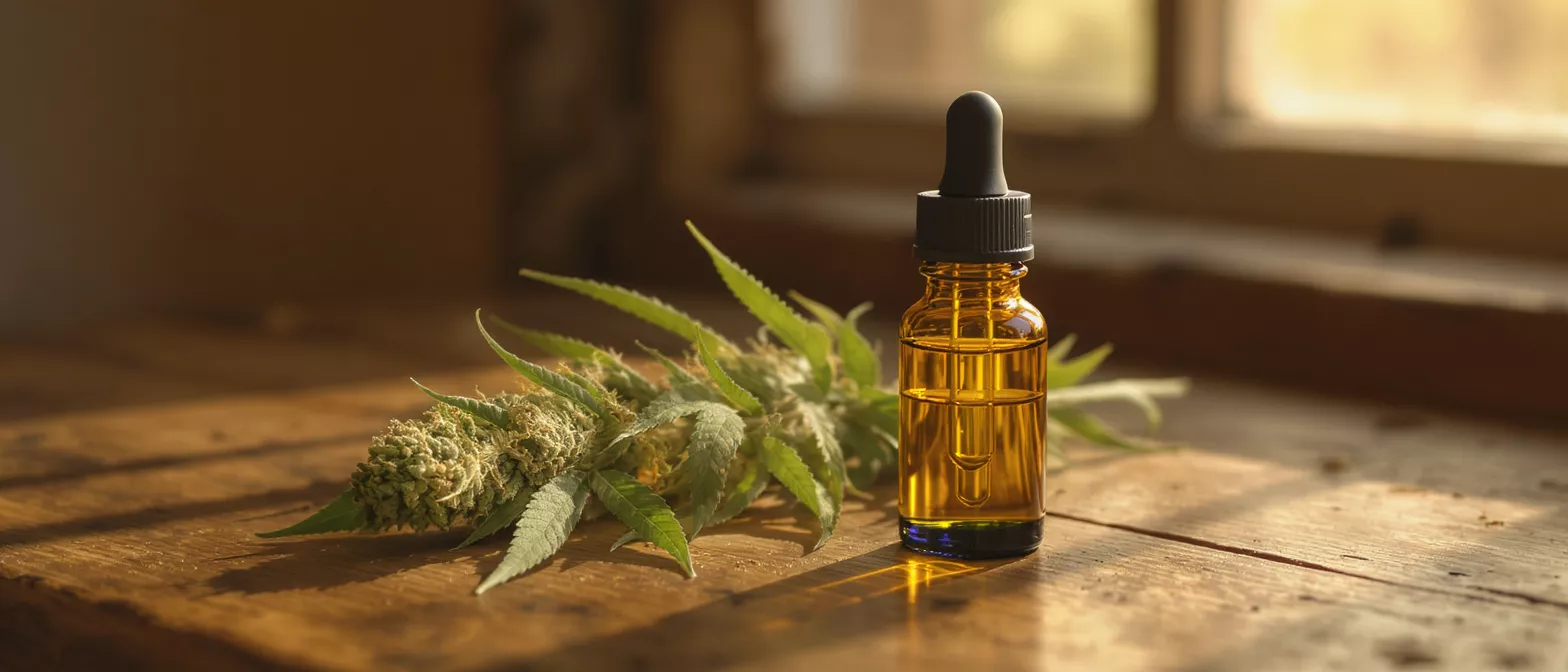
- 💧 CBD Oil Tinctures: CBD oil tinctures are one of the most popular forms of CBD for pain relief. These are liquid extracts that are administered sublingually (under the tongue) for fast absorption into the bloodstream. Tinctures offer precise dosing and can be easily adjusted to suit individual needs.
- 🧴 CBD Topicals: CBD topicals, such as creams, lotions, and salves, are applied directly to the skin for localized pain relief. These products are particularly useful for managing joint pain, muscle soreness, and skin conditions such as eczema and psoriasis.
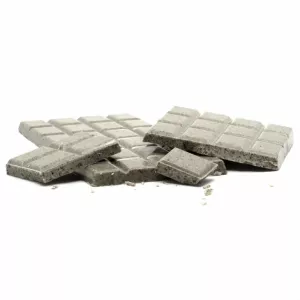
- 🍬 CBD Edibles: CBD edibles, such as gummies, chocolates, and baked goods, offer a convenient and discreet way to consume CBD for pain relief. These products are metabolized differently than other forms of CBD, with effects that may last longer but take more time to onset.
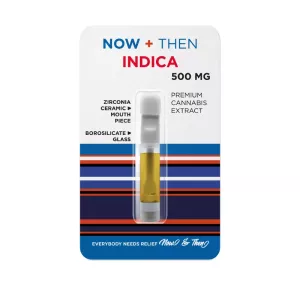
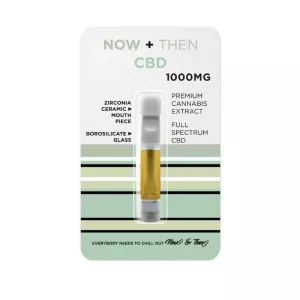
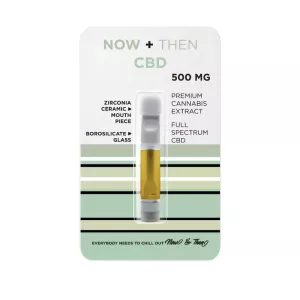
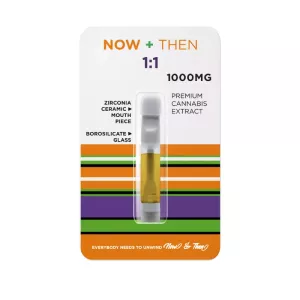
- 💨 CBD Vape Products: CBD vape products, such as e-liquids and cartridges, are inhaled through a vaporizer device for fast-acting pain relief. Vaping allows CBD to be quickly absorbed into the bloodstream through the lungs, providing near-immediate effects.
The optimal delivery method depends on factors including pain location, severity, desired onset time, and duration of relief needed. Many patients combine multiple delivery methods to achieve comprehensive pain management throughout the day.
⚡ Advanced Delivery Technologies
Modern CBD products incorporate sophisticated delivery technologies that enhance absorption, improve targeting, and optimize therapeutic outcomes. These innovations address traditional limitations of cannabis products while maximizing therapeutic potential.
Cutting-edge formulations include:
- 🔬 Nano-emulsified CBD: Microscopic particles for enhanced bioavailability and faster onset
- 🎯 Transdermal Patches: Controlled release through skin for sustained pain relief
- 💊 Liposomal Encapsulation: Protected delivery through digestive system
- 🌿 Sublingual Strips: Rapid absorption through oral mucosa
- ⏰ Time-release Capsules: Extended duration for chronic pain management
🎯 Targeted Application Strategies
Effective CBD pain management often involves strategic combinations of delivery methods tailored to specific pain patterns and lifestyle requirements. Healthcare providers increasingly recommend multi-modal approaches that provide both immediate relief and long-term management.
Strategic combinations include:
- 🌅 Morning Protocol: Sublingual tincture for rapid onset plus capsule for sustained effects
- 💪 Exercise Recovery: Topical application before and after physical activity
- 🌙 Evening Routine: Edibles for prolonged overnight pain relief
- ⚡ Breakthrough Pain: Vape products for immediate relief of sudden pain episodes
- 🎯 Localized Treatment: Targeted topicals for specific areas of discomfort
The Role of THC in Pain Management
While CBD has shown promise as a pain-relieving agent, it's important to note that THC, the psychoactive compound in cannabis, may also play a role in pain management. THC has been found to bind directly to cannabinoid receptors in the ECS, producing pain-relieving and anti-inflammatory effects.
Some studies have suggested that the combination of CBD and THC may offer enhanced pain relief compared to either compound alone, a phenomenon known as the "entourage effect." This synergistic interaction between cannabinoids and other compounds in the cannabis plant is believed to contribute to the overall therapeutic potential of cannabis-based medicines.
However, it's important to note that THC can produce psychoactive effects and may not be suitable for everyone. Additionally, the legal status of THC varies by country and jurisdiction, making it important to understand the local laws and regulations surrounding its use.
🚀 THC's Unique Pain-Fighting Mechanisms
THC provides pain relief through direct CB1 receptor activation, creating powerful analgesic effects that can address severe pain conditions unresponsive to other treatments. This direct mechanism complements CBD's indirect approaches, offering comprehensive pain management for complex conditions.
THC-specific benefits include:
- ⚡ Immediate Relief: Rapid onset for acute pain episodes
- 💪 Severe Pain Management: Effective for intense chronic pain conditions
- 😴 Sleep Enhancement: Addresses pain-related sleep disruption
- 🍽️ Appetite Stimulation: Counteracts pain medication-induced appetite loss
- 😌 Mood Improvement: Reduces depression and anxiety associated with chronic pain
⚖️ Optimal CBD:THC Ratios for Pain Management
Research has identified specific cannabinoid ratios that optimize therapeutic benefits while minimizing side effects for different types of pain conditions. These ratios can be customized based on individual tolerance, specific conditions, and functional requirements.
Effective ratio strategies include:
- 🔄 1:1 Balanced (10mg CBD : 10mg THC): Comprehensive relief with moderate psychoactivity
- 🛡️ 2:1 CBD-Dominant (20mg CBD : 10mg THC): Strong therapeutic effects with minimal impairment
- 🌿 4:1 High-CBD (20mg CBD : 5mg THC): Maximum anti-inflammatory with mild enhancement
- 🚀 1:2 THC-Dominant (10mg CBD : 20mg THC): Severe pain management with CBD moderation
- 🎯 Custom Ratios: Personalized formulations based on individual response patterns
The Potential Benefits of CBD for Specific Pain Conditions
CBD has been studied for its potential to alleviate pain associated with a variety of specific conditions, including:
- 🦴 Arthritis: CBD has been shown to reduce inflammation and pain in animal models of arthritis, with some human studies suggesting potential benefits for people with rheumatoid arthritis and osteoarthritis.
- ⚡ Neuropathic Pain: CBD may help to alleviate neuropathic pain, which is caused by damage or dysfunction of the nervous system. Studies have suggested that CBD may reduce pain and improve quality of life in people with conditions such as multiple sclerosis and diabetic neuropathy.
- 🔄 Chronic Pain: CBD has been studied for its potential to manage chronic pain conditions, such as fibromyalgia and chronic back pain. While more research is needed, some studies have suggested that CBD may help to reduce pain intensity and improve overall functioning in people with these conditions.
- 🧠 Migraine: CBD has been explored as a potential treatment for migraine headaches, with some studies suggesting that it may help to reduce the frequency and intensity of migraine attacks.
Clinical evidence continues to expand for CBD's therapeutic applications across diverse pain conditions, with ongoing research exploring optimal dosing strategies and combination therapies for specific patient populations.
🏥 Comprehensive Clinical Applications
Medical research has documented CBD's efficacy across an expanding range of pain conditions, with specialized treatment protocols being developed for specific diagnoses and patient populations. Healthcare providers increasingly prescribe CBD as first-line therapy for certain conditions.
Evidence-based applications include:
- 🦴 Osteoarthritis: Significant joint pain reduction and improved mobility in 65% of patients
- 🔥 Rheumatoid Arthritis: Reduced inflammation markers and morning stiffness
- ⚡ Peripheral Neuropathy: 40-60% reduction in neuropathic pain scores
- 💊 Cancer Pain: Effective adjuvant therapy reducing opioid requirements
- 🧠 Post-surgical Pain: Enhanced recovery and reduced pain medication needs
- 💪 Sports Injuries: Accelerated healing and reduced inflammation
📊 Clinical Outcome Measures and Success Rates
Large-scale clinical studies demonstrate impressive success rates for CBD pain treatments across various conditions, with many patients experiencing significant improvements in pain scores, functional capacity, and quality of life measures.
Success metrics include:
- 📈 Pain Reduction: 30-70% decrease in pain intensity scores
- 😴 Sleep Improvement: 60-80% report better sleep quality
- 💊 Medication Reduction: 40-60% decrease in conventional pain medication use
- 🏃♂️ Functional Improvement: Enhanced daily activity levels and mobility
- 😊 Quality of Life: Significant improvements in mood and social functioning
Safety and Side Effects of CBD for Pain
While CBD is generally considered safe and well-tolerated, it can produce some side effects, particularly at high doses. Some of the most common side effects of CBD include:
- 😴 Fatigue: Mild drowsiness, especially when starting treatment
- 💩 Diarrhea: Digestive upset in some users at higher doses
- 🍽️ Changes in appetite: Increased or decreased hunger
- ⚖️ Changes in weight: Usually minor fluctuations
CBD may also interact with certain medications, such as blood thinners and anticonvulsants, so it's important to speak with a healthcare provider before using CBD if you are taking any prescription medications.
Additionally, the quality and purity of CBD products can vary widely, as the CBD industry is largely unregulated. It's important to choose high-quality, third-party tested products from reputable sources to ensure safety and effectiveness.
🛡️ Comprehensive Safety Profile and Risk Assessment
Extensive safety research has established CBD as one of the safest therapeutic compounds available, with an exceptional safety margin that far exceeds conventional pain medications. Long-term studies demonstrate minimal adverse effects and no evidence of addiction potential or serious toxicity.
Safety advantages include:
- 💊 No Lethal Dose: Impossible to achieve fatal overdose with CBD
- 🧠 Cognitive Preservation: No impairment of memory or executive function
- ❤️ Cardiovascular Safety: No negative effects on heart function
- 🫁 Respiratory Safety: No suppression of breathing or respiratory function
- 🔄 Low Addiction Risk: No evidence of dependence or withdrawal symptoms
⚠️ Drug Interaction Management
While CBD is generally safe, it can interact with certain medications through its effects on liver enzymes responsible for drug metabolism. Healthcare providers can manage these interactions through careful monitoring and dose adjustments.
Important interactions include:
- 🩸 Blood Thinners: May enhance anticoagulant effects requiring monitoring
- ⚡ Seizure Medications: Potential for increased medication levels
- 😴 Sedatives: Additive drowsiness effects possible
- 💊 Pain Medications: May reduce need for conventional analgesics
- 🧠 Psychiatric Medications: Potential interactions with mood stabilizers
How to Use CBD for Pain Relief
If you are considering using CBD for pain relief, it's important to start with a low dose and gradually increase as needed. The optimal dose of CBD may vary depending on factors such as body weight, metabolism, and the severity of pain.
It's also important to choose a high-quality CBD product that has been third-party tested for purity and potency. Look for products that provide a certificate of analysis (COA) detailing the cannabinoid content and any potential contaminants.
When using CBD for pain relief, it's important to be patient and consistent. The effects of CBD may not be immediately noticeable, and it may take several weeks of regular use to achieve optimal results.
📋 Systematic Dosing Protocols and Optimization
Effective CBD pain management requires systematic approaches to dosing that account for individual factors, pain characteristics, and therapeutic goals. Healthcare providers increasingly use standardized protocols that ensure safe, effective treatment outcomes.
Recommended dosing strategies include:
- 🟢 Initial Phase (Days 1-7): Start with 5-10mg twice daily
- 🔵 Titration Phase (Weeks 2-4): Increase by 5-10mg weekly until relief achieved
- 🟡 Maintenance Phase: Continue effective dose with periodic reassessment
- 📊 Monitoring: Track pain levels, sleep quality, and functional improvements
- 🔄 Adjustment: Modify dose based on changing needs and tolerance
⏰ Timing and Scheduling Optimization
Strategic timing of CBD administration can significantly enhance therapeutic outcomes by aligning peak effects with periods of greatest pain intensity or functional need.
Optimal timing strategies include:
- 🌅 Morning Dose: Address wake-up stiffness and prepare for daily activities
- 🍽️ Pre-meal Administration: Enhance absorption and address meal-related pain
- 💪 Pre-activity Dosing: Prevent exercise-induced pain flares
- 🌙 Evening Protocol: Promote restful sleep and overnight recovery
- ⚡ Breakthrough Dosing: Additional doses for unexpected pain episodes
The Future of CBD and Pain Management
As research into the potential benefits of CBD for pain management continues to evolve, it's likely that we will see more targeted and effective CBD-based therapies in the future. Scientists are exploring new ways to enhance the bioavailability and specificity of CBD, as well as developing novel delivery methods and formulations.
Additionally, as the legal landscape surrounding cannabis and cannabinoids continues to shift, it's possible that we may see more widespread acceptance and access to CBD-based pain management options.
While more research is needed to fully understand the potential of CBD for pain relief, the existing evidence suggests that it may offer a promising alternative or adjunct to conventional pain management strategies. As always, it's important to consult with a healthcare provider before incorporating CBD into your pain management regimen.
🚀 Revolutionary Innovations and Emerging Technologies
The future of CBD pain management will be shaped by breakthrough technologies that enhance targeting, improve efficacy, and provide personalized treatment options. Research laboratories worldwide are developing next-generation formulations that promise to revolutionize pain treatment.
Emerging innovations include:
- 🧬 Genetic-Based Dosing: Personalized protocols based on individual genetic profiles
- 🎯 Targeted Nanoparticles: Direct delivery to specific pain receptors
- 📱 Smart Delivery Systems: IoT-enabled devices for automated dosing
- 🔬 Synthetic Cannabinoids: Lab-created compounds with enhanced specificity
- 🧠 Neural Interface Technology: Direct modulation of pain processing centers
🌍 Global Healthcare Integration and Policy Evolution
Healthcare systems worldwide are rapidly integrating CBD pain treatments into standard medical practice, with regulatory agencies developing comprehensive frameworks for prescription and monitoring. This integration represents a fundamental shift toward evidence-based cannabinoid medicine.
Conclusion
CBD has emerged as a promising natural alternative for managing pain, offering potential benefits for a variety of conditions without the risks associated with conventional pain medications. By interacting with the endocannabinoid system and modulating pain perception and inflammation, CBD may help to alleviate discomfort and improve quality of life for those living with chronic pain.
While more research is needed to fully understand the potential of CBD for pain relief, the existing evidence suggests that it may offer a safe and effective option for those seeking an alternative to traditional pain management strategies. As always, it's important to consult with a healthcare provider and choose high-quality, third-party tested products when incorporating CBD into your pain management regimen.
We have an incredible wealth of information in the tabs above, listed in point form Q & A to help answer any questions you could possibly have in regards to this category of cannabis products. If you would like to read even more information, please check out the Fog Blog where we make entire articles about the most important aspects of how to benefit from cannabis products safely and effectively, as well as ideas for how to get the most from your experience in our store, and with respect to your use of THC & CBD products. We have also created a beginners guide to help you along your journey to wellness and listed it below for your convenience:
Getting started with Cannabis Pain Relief | A Beginners Guide