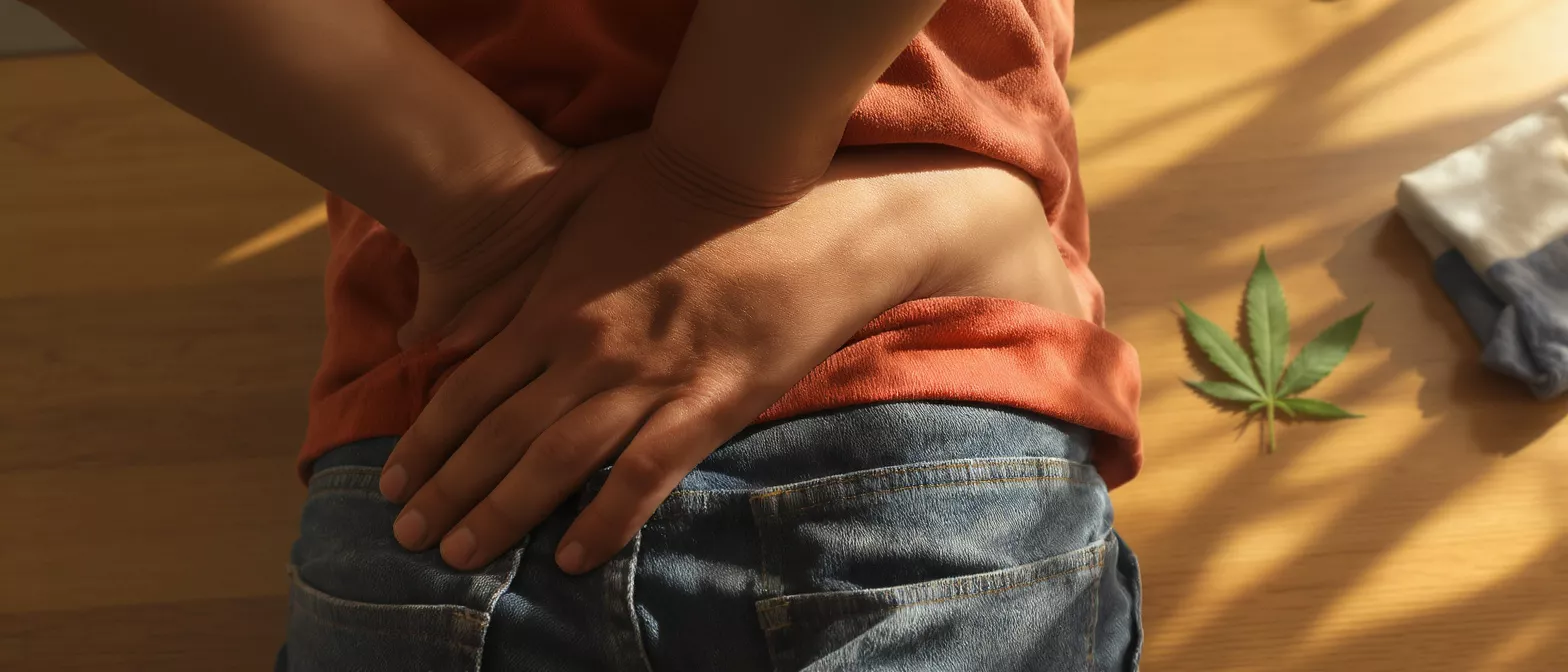

Thc Pain
Targeted Relief: Clinical Thc Pain

Pharmaceutical-grade comfort and recovery

Don't forget to check out the Weekly Deals from BIRCH+FOG!

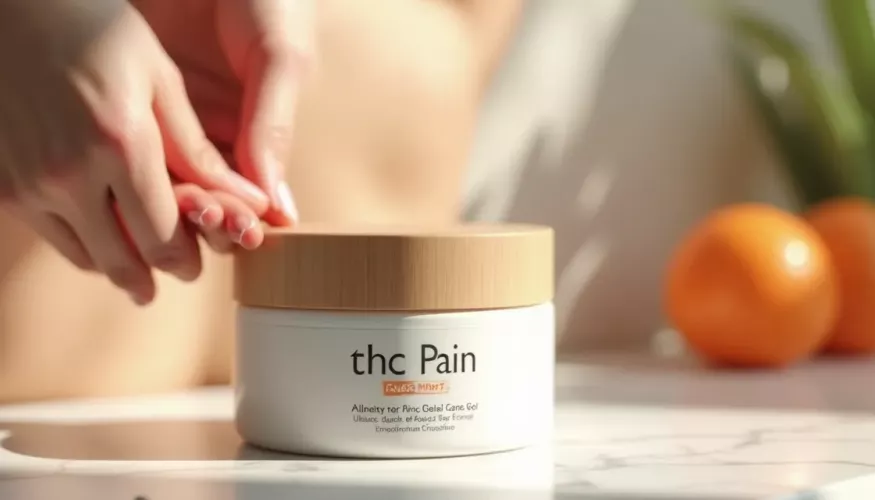
Woman applying cream on shoulder, holding jar, soft colors, gentle lighting.

THC Pain

Discover how THC effectively manages chronic pain.

Showing 1–54 of 107 results

Showing 1–54 of 107 results

THC for Pain Relief: Your Complete Guide

Living with chronic pain affects millions of people daily, and traditional pain medications often come with significant drawbacks. THC pain relief has emerged as a compelling alternative, offering natural pain management through cannabis compounds that work directly with your body's pain processing systems. Unlike conventional painkillers that can lead to dependency or harsh side effects, THC provides targeted relief while allowing you to maintain better control over your treatment approach.

What is THC Pain Relief and How Does it Work

THC interacts with your endocannabinoid system to modify how your brain processes pain signals. When you consume THC for pain relief, it binds to CB1 receptors in your central nervous system, effectively dampening the transmission of pain signals before they reach your conscious awareness. This mechanism differs fundamentally from opioids or NSAIDs, as THC doesn't just mask pain symptoms but actually alters the neurological pathways that create your pain experience. The compound also reduces inflammation throughout your body by activating CB2 receptors in your immune system, addressing both the sensation of pain and many of its underlying causes. This dual-action approach makes THC particularly effective for conditions involving both neuropathic pain and inflammatory processes.

How THC Helps with Different Types of Pain

THC demonstrates remarkable versatility across various pain conditions, with research showing particular effectiveness for neuropathic pain, arthritis, fibromyalgia, and cancer-related discomfort. For chronic conditions like multiple sclerosis or diabetic neuropathy, THC can significantly reduce the burning, shooting sensations that characterize nerve pain. Arthritis sufferers often find that THC not only reduces joint pain but also improves sleep quality, which is frequently disrupted by inflammatory conditions. The compound's ability to increase appetite and reduce nausea makes it especially valuable for cancer patients dealing with both disease-related pain and treatment side effects.

Best THC Products for Pain Management

Oils and tinctures offer precise dosing control for daily pain management, allowing you to adjust your intake drop by drop until you find your optimal relief level. These products typically provide effects within 15-45 minutes and last 4-6 hours, making them ideal for breakthrough pain or consistent baseline management. Edibles provide longer-lasting relief that can extend 6-8 hours, perfect for overnight pain management or all-day coverage for chronic conditions. The slower onset of edibles means you need patience, but the sustained relief often proves more convenient than frequent redosing.

  • 🎯 Oils and Tinctures: Fast-acting, precise dosing, easy to adjust throughout the day
  • 🍃 Edibles: Long-lasting effects, discrete consumption, ideal for overnight relief
  • 💨 Vapes: Immediate onset, easy to control intake, perfect for breakthrough pain
  • 🧴 Topicals: Localized relief without psychoactive effects, great for joint and muscle pain
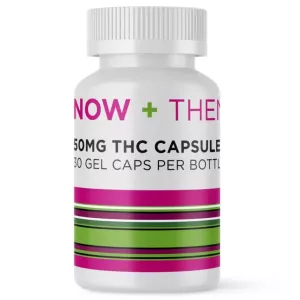
  • 💊 Capsules: Consistent dosing, no taste, professional appearance for workplace use

THC vs CBD for Pain Relief

While both THC and CBD offer pain relief, they work through different mechanisms and excel in different situations. THC provides more potent relief for severe pain conditions and offers additional benefits like improved sleep and appetite stimulation. CBD shines for inflammatory pain and anxiety-related tension without any psychoactive effects. Many people find the most effective approach combines both compounds in specific ratios, taking advantage of what researchers call the "entourage effect" where cannabinoids work synergistically to enhance each other's therapeutic benefits.

THC Dosage Guide for Pain Relief

Start low and go slow remains the golden rule for THC dosing, especially if you're new to cannabis or have been using other pain medications. Begin with 1-2.5mg of THC and wait at least two hours before considering additional doses. Many people find effective pain relief at 5-10mg, though chronic pain conditions may require higher amounts up to 20-30mg or more. Microdosing throughout the day often proves more effective than single large doses, allowing you to maintain consistent pain relief while minimizing any unwanted psychoactive effects. Keep a dosing journal to track what works best for your specific pain patterns and timing needs.

  1. Immediate Relief: 2-5mg THC via vape or sublingual oil
  2. 📅 Daily Management: 5-15mg split into 2-3 doses throughout the day
  3. 🌙 Nighttime Pain: 10-25mg edible taken 1-2 hours before bed
  4. 🎯 Severe Flare-ups: Additional 2-5mg as needed, maximum every 2 hours

Benefits of Using THC for Chronic Pain

THC offers multifaceted benefits beyond simple pain reduction, addressing many of the secondary issues that chronic pain creates in your daily life. Unlike opioid medications that can cause constipation, respiratory depression, and addiction potential, THC actually improves sleep quality, stimulates appetite, and can elevate mood naturally. Studies show that patients using THC for pain often reduce or eliminate their reliance on other pain medications, particularly opioids and NSAIDs. The neuroprotective properties of THC may also help prevent the progression of certain pain conditions, particularly those involving nerve damage or inflammation. This compound's ability to address pain, sleep disturbances, appetite loss, and mood issues simultaneously makes it uniquely valuable for comprehensive pain management approaches.

THC Pain Relief Safety and Side Effects

THC demonstrates an excellent safety profile compared to traditional pain medications, with no recorded cases of fatal overdose and minimal risk of physical dependence when used appropriately. The most common side effects include dry mouth, mild dizziness, and temporary cognitive changes that typically diminish as your body adjusts to regular use. Some users experience increased appetite or slight anxiety, particularly with higher doses or when first starting treatment. These effects are generally manageable and often resolve within 2-3 weeks of consistent use as your tolerance develops naturally.

How to Choose Quality THC Pain Products

Third-party lab testing represents the most critical factor when selecting THC products for pain relief, ensuring you receive accurate cannabinoid content and confirmation that products are free from pesticides, heavy metals, and residual solvents. Look for products that clearly display batch numbers and provide easily accessible lab results through QR codes or websites. Full-spectrum products often provide superior pain relief compared to THC isolates because they contain the complete range of cannabinoids and terpenes that work together to enhance therapeutic effects. Consider the extraction method used, as CO2 extraction typically preserves more beneficial compounds than cheaper alternatives like butane extraction.

Effective THC pain relief requires finding the right product, dosage, and timing that works specifically for your pain condition and lifestyle. Start with lower doses to assess your tolerance, choose products from reputable sources with proper lab testing, and maintain consistent timing to maximize therapeutic benefits. Remember that pain management is highly individual – what works perfectly for someone else may need adjustment for your unique needs. With patience and careful attention to your body's responses, THC can become a valuable tool in your comprehensive approach to managing chronic pain naturally and effectively.


Frequently Asked Questions

How does THC work for pain relief?

THC binds to CB1 receptors in your central nervous system, altering how pain signals are processed and transmitted to your brain. It also activates CB2 receptors to reduce inflammation throughout your body, addressing both pain sensation and its underlying causes.

What's the best THC dosage for chronic pain?

Start with 1-2.5mg and increase gradually. Most people find effective relief at 5-15mg daily, split into multiple doses. Severe chronic pain may require 20-30mg or more. Always start low and adjust based on your response.

Is THC better than CBD for pain relief?

THC typically provides stronger pain relief and additional benefits like improved sleep and appetite. CBD works better for inflammatory pain without psychoactive effects. Many find combining both compounds most effective for comprehensive pain management.

How long does THC pain relief last?

Duration depends on consumption method. Vapes provide 1-3 hours of relief with immediate onset. Oils last 4-6 hours with 15-45 minute onset. Edibles provide 6-8 hours of relief but take 1-2 hours to take effect.

What are the side effects of using THC for pain?

Common side effects include dry mouth, mild dizziness, and temporary cognitive changes. Some users experience increased appetite or slight anxiety. These effects are generally mild and often diminish with regular use as tolerance develops.

Can I use THC for pain with other medications?

THC may interact with certain medications, particularly blood thinners and sedatives. Always consult your healthcare provider before combining THC with other medications, especially prescription pain relievers or anxiety medications.

What types of pain respond best to THC?

THC shows particular effectiveness for neuropathic pain, arthritis, fibromyalgia, and cancer-related pain. It works well for conditions involving both nerve pain and inflammation, providing relief that addresses multiple pain mechanisms simultaneously.

How do I choose quality THC products for pain?

Look for third-party lab testing, clear cannabinoid content labeling, and full-spectrum products. Check for proper extraction methods like CO2 extraction and verify that products are free from pesticides and contaminants through accessible lab results.

Popular Categories

Canada's #1 Online Cannabis Dispensary: Over 600 Premium Products with Daily Deals

Learn More About Thc Pain

THC for Pain Relief

Finding effective pain relief without harsh pharmaceuticals has led millions to discover THC's remarkable therapeutic properties. Whether you're managing chronic conditions, recovering from injury, or seeking gentler alternatives to traditional medications, THC offers a natural pathway to comfort that works with your body's existing systems. Understanding how different THC products, strains, and dosing approaches can address your specific pain needs empowers you to make informed choices about your wellness journey.

What Is THC for Pain Management

THC interacts directly with your body's endocannabinoid system, a network of receptors that regulate pain perception, inflammation, and healing responses. When THC binds to CB1 receptors in your brain and nervous system, it effectively dampens pain signals before they reach conscious awareness, while CB2 receptor activation throughout your body reduces inflammation at the source. This dual-action approach explains why many people find THC more effective than single-mechanism pain relievers, addressing both the sensation of pain and its underlying causes simultaneously.

How THC Reduces Pain Naturally

Neurological pain blocking: THC's primary pain relief mechanism involves modulating neurotransmitter release in pain pathways, essentially turning down the volume on pain signals traveling from injury sites to your brain. Beyond simple signal interruption, THC promotes the release of natural endorphins and enhances your body's own cannabinoid production, creating a cascade of relief that often lasts longer than the THC's direct effects. This neurochemical symphony explains why many users report improved pain tolerance even between doses, as their endocannabinoid system becomes more balanced and responsive.

Best THC Strains for Chronic Pain

Different cannabis strains offer distinct pain relief profiles based on their terpene compositions and THC ratios. Indica varieties typically provide the most profound physical relief, with their sedating effects particularly beneficial for nighttime pain management and sleep restoration. For those seeking daytime relief without heavy sedation, Peanutbutter Crumble Indica Weed 7g - NOW+THEN $55.00 offers a unique indica experience that delivers substantial comfort while maintaining functional clarity. The following terpene profiles enhance THC's pain-fighting properties:

  • 🌿 Myrcene-dominant strains: Enhance muscle relaxation and provide deep body relief
  • 🧘 Linalool-rich varieties: Combine anti-inflammatory effects with anxiety reduction
  • Caryophyllene-heavy options: Target inflammation directly through CB2 receptor activation
  • 🌙 Pinene-containing strains: Improve focus while maintaining pain relief

THC Pain Relief Methods That Work

Consumption method timing and effects: Your choice of THC delivery method dramatically impacts both onset speed and duration of pain relief, with each approach offering distinct advantages for different pain scenarios. Smoking or vaping provides rapid relief within minutes, making these methods ideal for breakthrough pain episodes, while edibles create longer-lasting effects that better serve chronic conditions requiring sustained management. Topical THC applications offer localized relief without psychoactive effects, perfect for targeted joint or muscle pain, while tinctures provide precise dosing control with moderate onset times that bridge the gap between immediate and extended relief options.

Safe THC Pain Dosing Guidelines

Effective pain management requires finding your personal therapeutic window – the dose range where pain relief maximizes while side effects minimize. Starting with 2.5-5mg THC allows you to assess individual sensitivity, with most people finding effective pain relief between 10-20mg, though chronic pain sufferers may require higher doses developed gradually over time. The golden rule of "start low, go slow" becomes especially important for pain management since building tolerance too quickly can diminish THC's effectiveness, potentially leading to a cycle where increasing doses provide decreasing benefits rather than sustained relief.

THC's potential for transforming pain management lies in its ability to work harmoniously with your body's natural healing systems while providing both immediate comfort and long-term therapeutic benefits. By understanding how different products, strains, and dosing approaches align with your specific pain patterns, you can develop a personalized approach that enhances your quality of life without the complications often associated with conventional pain medications. Remember that consistency and patience in finding your optimal regimen often yield better results than aggressive dosing, allowing you to maintain THC's effectiveness as a long-term pain management solution.

Types of THC Products

When exploring THC for pain management, understanding the various product formats available helps you make informed decisions about what might work best for your specific needs. Each type of THC product offers distinct advantages in terms of onset time, duration, and intensity of effects, making some more suitable than others depending on your pain patterns and lifestyle preferences.

What Are the Main THC Product Categories

Edible THC products represent the most popular category for pain relief because they provide long-lasting effects that can manage chronic discomfort for hours at a time. Edibles include gummies, chocolates, beverages, and capsules, each offering precise dosing and discreet consumption. The main categories encompass flower products for smoking or vaporizing, concentrates like oils and waxes, topical applications for localized relief, and tinctures for sublingual use. Each format interacts with your body's endocannabinoid system differently, creating varied therapeutic experiences that can address different types of pain challenges.

How THC Edibles Work for Pain

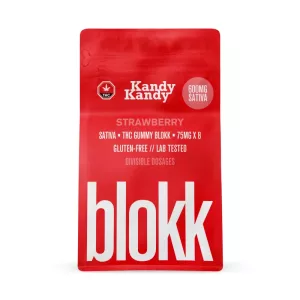
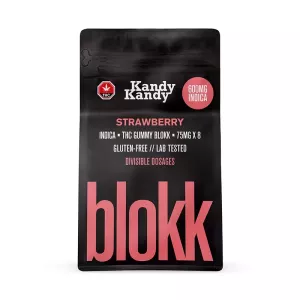
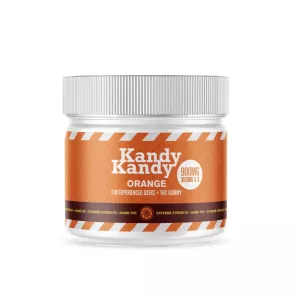
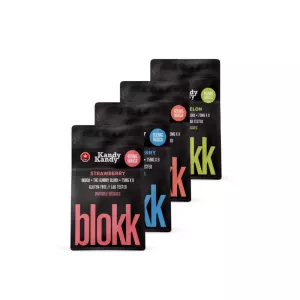
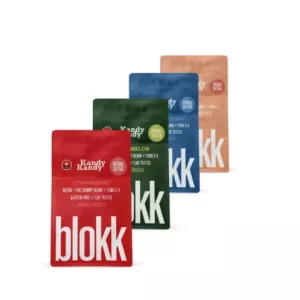
THC edibles undergo a unique metabolic process that transforms them into highly effective pain management tools. When consumed, THC converts to 11-hydroxy-THC in your liver, creating a more potent compound that crosses the blood-brain barrier more efficiently than inhaled THC. This process typically takes 30-90 minutes to begin, but the resulting effects can last 4-8 hours, making edibles ideal for managing persistent pain conditions. Modern edibles come in various potency levels, from beginner-friendly 2.5mg doses to high-strength options like Strawberry Vegan Indica THC Gummies Blokk 75mg x 8pcs (600mg) - KANDY KANDY $26.00 that provide substantial relief for severe chronic pain. The key advantage lies in their consistent, predictable effects that allow you to maintain steady pain relief throughout your day or night without frequent redosing.

Best THC Flower Types for Chronic Pain

Indica-dominant flower strains typically provide superior pain relief compared to sativa varieties due to their higher concentrations of pain-fighting compounds and sedating effects. These strains often contain elevated levels of myrcene and other terpenes that work synergistically with THC to reduce inflammation and muscle tension. Flower products offer the fastest onset of effects, usually within minutes of consumption, making them excellent for breakthrough pain episodes when you need immediate relief. The main formats include traditional dried flower for smoking, pre-ground options for convenience, and pre-rolls for consistent dosing. The advantage of flower lies in its versatility – you can easily adjust your dose puff by puff and experience the full spectrum of cannabinoids and terpenes working together in what's known as the entourage effect.

THC Concentrates vs Traditional Formats

THC concentrates deliver significantly higher potency than traditional flower or standard edibles, making them valuable for severe pain conditions that don't respond well to lower-strength products. These products include oils, waxes, shatter, and rosin, typically containing 60-90% THC compared to flower's 15-25% range. The concentrated format allows for micro-dosing precision – you can achieve strong therapeutic effects with very small amounts, which proves both cost-effective and discreet. However, concentrates require more experience and caution due to their intensity. Popular consumption methods include:

  • 🔥 Vaporizing: Clean, efficient delivery with precise temperature control
  • 💧 Oil tinctures: Sublingual absorption for faster onset than traditional edibles
  • 🌿 Dabbing: Immediate, powerful effects for severe breakthrough pain
  • 🍯 Mixing with foods: Creating custom-strength edibles for specific needs

Choosing the Right THC Product Type

Your ideal THC product type depends on your pain patterns, lifestyle requirements, and experience level with cannabis. For chronic, all-day pain management, edibles provide the longest-lasting relief with the most predictable timeline. Acute pain episodes or breakthrough pain respond well to fast-acting flower or concentrates that can provide immediate relief when needed. Consider your daily schedule too – edibles work well for people who want to dose once or twice daily, while flower products suit those who prefer to adjust their relief throughout the day based on changing pain levels. Beginners should start with lower-potency edibles or flower to understand their tolerance, while experienced users might benefit from high-potency concentrates or specialized formats. The most effective approach often involves combining different product types – using a base level of edible relief supplemented with quick-acting flower when pain flares require additional management.

Pain Relief Benefits

Understanding how THC provides pain relief helps you make informed decisions about incorporating cannabis into your wellness routine. Beyond simply masking discomfort, THC interacts with your body's natural systems to address pain at multiple levels, offering benefits that extend beyond what many traditional treatments provide.

How Does THC Reduce Pain

Endocannabinoid system activation: THC binds directly to CB1 and CB2 receptors throughout your nervous system, interrupting pain signals before they reach your brain and reducing inflammation at the source of injury or irritation. This dual approach means you experience both immediate comfort and longer-term healing benefits as your body's natural repair processes work more effectively.

What Types of Pain Benefit from THC

THC demonstrates remarkable versatility across different pain conditions, with particularly strong evidence for chronic inflammatory conditions, neuropathic pain, and muscle tension. Research consistently shows effectiveness for arthritis, fibromyalgia, multiple sclerosis, and cancer-related discomfort, while many users find relief for everyday issues like tension headaches, menstrual cramps, and exercise-related soreness. The key lies in matching your specific pain type with appropriate strains and dosing approaches that target your unique symptoms.

  • 🔥 Chronic inflammatory pain: Arthritis, autoimmune conditions, and persistent joint discomfort
  • Neuropathic pain: Nerve damage, diabetic neuropathy, and shooting or burning sensations
  • 💪 Muscle-related pain: Tension, spasms, fibromyalgia, and post-workout soreness
  • 🎯 Acute pain episodes: Headaches, menstrual pain, and temporary injury discomfort

THC Pain Relief vs Traditional Medications

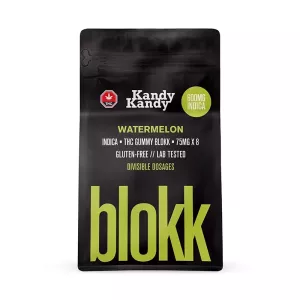
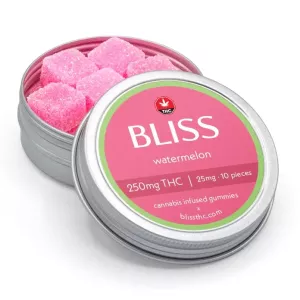
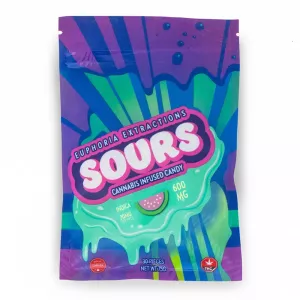
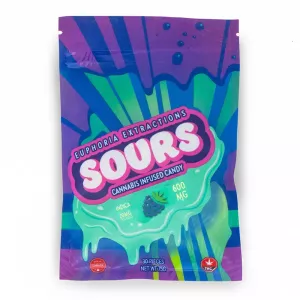
Reduced side effect profile: While opioids carry risks of dependency and NSAIDs can cause stomach or liver issues with long-term use, THC typically produces manageable effects like mild euphoria or relaxation that many users actually appreciate as part of their wellness experience. Unlike prescription pain medications that often require increasing doses over time, many cannabis users find stable, effective doses that continue working without tolerance issues, making options like Watermelon Indica Sours THC Gummies 20mg x 30pcs (600mg) - Euphoria Extractions $38.00 particularly appealing for consistent daily management.

How Quickly Does THC Work for Pain

Onset times vary significantly based on consumption method, with inhalation providing relief within minutes while edibles require 30-90 minutes but deliver longer-lasting benefits. Bioavailability differs dramatically between methods, meaning the same dose affects you differently depending on whether you smoke, vape, or consume edibles, making it essential to understand timing expectations for your preferred consumption style.

Are THC Pain Benefits Long Lasting

Sustained relief patterns: Regular THC use often produces cumulative anti-inflammatory effects that build over time, meaning your baseline pain levels may decrease even between doses as your endocannabinoid system becomes more balanced and responsive. Many users report improved sleep quality, reduced anxiety around pain episodes, and enhanced overall mobility that extends well beyond the immediate psychoactive effects, creating a positive cycle where better rest and reduced stress contribute to ongoing pain management success.

The comprehensive benefits of THC for pain relief extend far beyond temporary symptom masking, offering a holistic approach that addresses both physical discomfort and the emotional challenges that chronic pain often brings. By understanding these mechanisms and benefits, you can make informed decisions about incorporating THC into your pain management strategy while setting realistic expectations for your journey toward improved comfort and quality of life.

Dosing for Pain

Finding the right THC dose for pain relief requires patience, careful observation, and understanding your unique needs. Unlike prescription medications with standardized dosing charts, cannabis affects everyone differently based on factors like body weight, tolerance, metabolism, and the specific type of pain you're experiencing. This comprehensive guide walks you through proven strategies to find your optimal therapeutic dose while minimizing unwanted side effects.

What is the Best THC Dosage for Pain Relief

Microdosing for chronic conditions: Many pain patients find relief with surprisingly small amounts of THC, typically between 2.5-5mg taken consistently throughout the day. This approach maintains steady cannabinoid levels in your system without significant psychoactive effects, making it ideal for managing ongoing conditions like arthritis, fibromyalgia, or neuropathic pain. Research suggests that lower doses may actually provide better anti-inflammatory benefits than higher amounts, challenging the assumption that more is always better when it comes to pain relief.

How to Start with THC Pain Dosing

The golden rule of cannabis dosing remains "start low and go slow," but pain management requires a more strategic approach than recreational use. Begin with the lowest possible dose that provides noticeable relief—often just 1-2.5mg for edibles or a single small puff for inhalation methods. Track your pain levels, mood, and any side effects in a journal for at least two weeks before making adjustments, as consistent dosing patterns reveal more useful information than sporadic experimentation.

THC Dosing Guide for Different Pain Types

Different pain conditions respond to varying THC dosages and delivery methods, making personalized approaches essential for success. Acute pain from injuries or surgeries often requires higher doses (10-20mg) for breakthrough relief, while chronic inflammatory conditions typically respond better to consistent micro-doses throughout the day.

  • 🎯 Nerve pain: 5-15mg THC with CBD ratios of 1:1 or higher, taken every 6-8 hours
  • 🔥 Inflammatory pain: 2.5-10mg doses with emphasis on consistent timing over high potency
  • 💪 Muscle pain: 5-20mg depending on severity, with topicals for localized relief
  • 🧠 Headaches/migraines: 2.5-7.5mg at onset, avoiding doses that trigger rebound headaches

When to Increase THC Pain Medication Doses

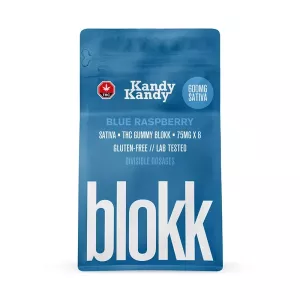
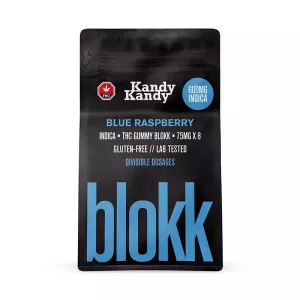
Plateau recognition signals: Increase your dose only when you've maintained the same amount for at least one week without adequate pain relief, and you're experiencing no unwanted side effects. The ideal increase is 25-50% of your current dose rather than doubling, as cannabis effects don't scale linearly. For patients using edibles like Blue Raspberry Sativa Vegan THC Gummies Blokk 75mg x 8pcs (600mg) - KANDY KANDY $26.00, where each piece contains substantial THC content, breaking gummies into smaller portions allows for more precise dose titration than jumping between full units.

Are High Dose THC Pain Products Safe

High-dose THC products serve legitimate medical purposes for patients with severe chronic pain or high tolerance, but they require careful consideration of both benefits and risks. Doses above 50mg per session can provide profound pain relief for conditions like cancer, severe arthritis, or post-surgical recovery, but they also carry increased risks of anxiety, cognitive impairment, and dependency development. The key safety consideration isn't the absolute dose but rather whether it's appropriate for your specific condition, tolerance level, and daily functioning requirements—many patients achieve excellent pain control with much lower amounts when dosing is optimized for consistency rather than intensity.

Quality THC Products

When it comes to managing pain with THC, product quality makes all the difference between effective relief and disappointing results. Quality THC products don't just contain the right amount of active compounds—they're manufactured with precision, tested rigorously, and formulated specifically for therapeutic outcomes. Understanding what separates premium THC products from inferior alternatives helps you make informed choices that deliver consistent, reliable pain management.

What Makes Quality THC Products

Extraction methods and source material quality form the foundation of exceptional THC products, starting with carefully cultivated cannabis that's harvested at peak potency and processed using advanced extraction techniques like CO2 or ethanol methods that preserve beneficial compounds while removing unwanted contaminants. Manufacturing precision and consistency ensure each dose contains exactly what the label promises, achieved through controlled production environments, standardized formulations, and batch-to-batch quality control that eliminates the guesswork from your pain management routine—premium manufacturers invest in pharmaceutical-grade equipment and trained technicians who understand that your relief depends on their attention to detail.

How Quality THC Products Work for Pain Relief

Quality THC products deliver superior pain relief through optimized bioavailability and targeted formulations that maximize therapeutic benefits while minimizing unwanted side effects. Well-crafted products often include complementary terpenes and minor cannabinoids that work synergistically with THC to enhance pain-blocking properties, creating what researchers call the entourage effect—this means you're not just getting isolated THC, but a complete spectrum of compounds working together to provide more comprehensive and longer-lasting relief than single-molecule products could achieve.

Best Quality THC Products for Pain Relief

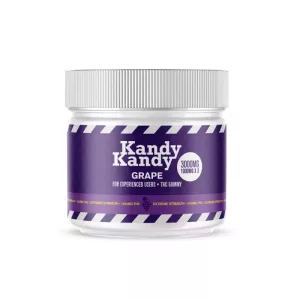
Edibles and gummies represent the gold standard for sustained pain management, offering precise dosing, extended relief periods, and consistent absorption that makes them ideal for chronic conditions requiring steady medication levels throughout the day. For severe or breakthrough pain, high-potency options like Grape High Dose Phoenix Tears THC Gummies 1000mg x 3pcs (3000mg) - KANDY KANDY $65.00 provide concentrated relief when standard doses aren't sufficient. Quality indicators to look for include:

  • 🧪 Third-party lab testing: Complete cannabinoid profiles and contaminant screening
  • 📋 Clear labeling: Exact THC content, serving sizes, and onset times
  • 🌿 Natural ingredients: Minimal artificial additives and quality carrier oils
  • Consistent effects: Predictable onset and duration across batches
  • 🔒 Proper packaging: Child-resistant, light-protected, and tamper-evident containers

Quality THC Product Testing Standards

Rigorous testing protocols separate premium THC products from questionable alternatives, with comprehensive laboratory analysis covering potency verification, pesticide screening, heavy metal detection, microbial contamination testing, and residual solvent analysis that ensures every product meets pharmaceutical-grade safety standards. Reputable manufacturers provide complete certificates of analysis (COAs) that detail exact cannabinoid percentages, confirm the absence of harmful contaminants, and verify that what you're purchasing matches exactly what's described on the package—this transparency isn't just good business practice, it's essential for medical users who need reliable, consistent medication for pain management.

Are Quality THC Products Worth the Investment

Investing in quality THC products pays dividends through superior efficacy, predictable results, and safety assurances that cheaper alternatives simply cannot match—while premium products may cost more upfront, they often provide better value per dose through higher bioavailability, more accurate dosing, and fewer wasted purchases due to inconsistent effects. Quality products also reduce the risk of adverse reactions, contamination exposure, and the frustration of products that don't work as expected, making them particularly worthwhile for individuals managing chronic pain conditions who rely on consistent, effective medication to maintain their quality of life and daily functioning.

Choosing THC Pain Relief

Selecting the right THC pain relief product requires understanding your specific pain patterns, lifestyle needs, and tolerance levels. Unlike one-size-fits-all pharmaceutical approaches, THC pain management offers multiple consumption methods, strain varieties, and dosing options that can be tailored to your unique situation. Making informed choices means considering factors like onset time, duration of relief, and how different products interact with your daily routine.

What THC Pain Relief Works Best

Immediate relief situations call for inhalable options like vaporizers or flower products, which provide pain relief within minutes but typically last 2-4 hours. These work exceptionally well for breakthrough pain episodes or when you need quick intervention for sudden flare-ups. Edibles and tinctures offer longer-lasting relief spanning 4-8 hours, making them ideal for chronic conditions requiring sustained comfort throughout the day or night. The most effective approach often involves combining different consumption methods - using edibles as your baseline pain management while keeping a vaporizer available for acute episodes that break through your regular dosing schedule.

How to Match THC Products to Pain Type

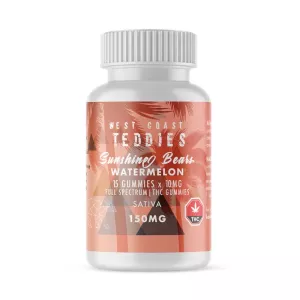
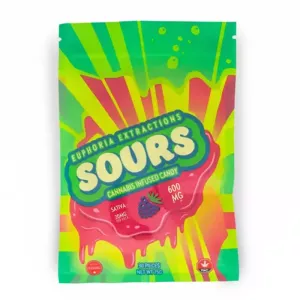
Different types of pain respond better to specific THC formulations and terpene profiles. Inflammatory pain from conditions like arthritis or injury often responds well to indica dominant products containing myrcene and limonene, which provide both anti-inflammatory and sedating effects. Nerve pain typically benefits from balanced THC:CBD ratios, while muscle tension and spasms respond particularly well to products high in caryophyllene. For those dealing with pain that interferes with daily activities, sativa leaning products can provide pain relief without excessive sedation - options like Sativa Watermelon Sours THC Gummies 20mg x 30pcs (600mg) - Euphoria Extractions $38.00 offer this balanced approach for daytime pain management while maintaining mental clarity.

Best THC Strains for Chronic Pain

Chronic pain management requires strains with specific cannabinoid and terpene profiles that provide consistent, long-lasting relief without building tolerance too quickly. Look for strains containing these key characteristics:

  • 🌿 High myrcene content: Promotes muscle relaxation and enhances THC absorption for deeper pain relief
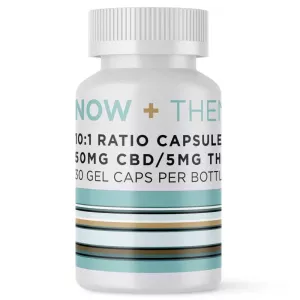
  • 💊 Moderate CBD ratios: 4:1 to 10:1 THC:CBD provides pain relief while reducing psychoactive intensity
  • 🔬 Beta-caryophyllene presence: Activates CB2 receptors specifically involved in pain and inflammation responses
  • ⚖️ Balanced cannabinoid profiles: Include minor cannabinoids like CBG and CBN for enhanced therapeutic effects
  • 🕐 Consistent potency testing: Reliable dosing prevents under-medication that leads to breakthrough pain

THC Pain Relief Timing and Duration

Planning your THC pain relief around your daily schedule maximizes effectiveness while minimizing interference with work, sleep, or social commitments. Morning doses using sativa dominant products can provide all-day baseline relief without sedation, while evening indica products help manage pain that worsens with fatigue or stress. Consider your pain patterns - does it spike at certain times, worsen with weather changes, or follow activity levels? Tracking these patterns helps you anticipate needs and dose proactively rather than reactively. Many successful long-term users develop a rotation system using different products throughout the week to prevent tolerance while maintaining consistent relief levels.

Are THC Pain Products Right for You

THC pain relief works best for individuals who have tried conventional pain management with limited success or unacceptable side effects, and who can commit to finding their optimal dosing through careful experimentation. Consider your lifestyle factors including work requirements, family responsibilities, and social situations that might be affected by psychoactive effects, especially during the initial adjustment period. THC pain management requires more personal involvement than prescription medications - you'll need to track effects, adjust dosing based on daily needs, and potentially try several products before finding your ideal regimen. This approach rewards those willing to become active participants in their pain management strategy, often providing more nuanced and effective relief than traditional pharmaceutical options 🎯

Successfully choosing THC pain relief products depends on matching the right consumption method, strain characteristics, and dosing schedule to your specific pain patterns and lifestyle needs. Start with small doses of well-tested products, keep detailed records of what works, and remember that effective THC pain management is a personalized journey that improves with experience and careful attention to your body's responses.

Top 10 THC Pain Products

Finding the right THC product for pain relief can feel overwhelming with so many options available. This countdown highlights the most effective THC products specifically chosen for their pain-fighting properties, onset times, and user satisfaction. Each product offers unique benefits, from long-lasting edibles to fast-acting concentrates, helping you make the best choice for your specific pain management needs.

10. High-Dose Tinctures

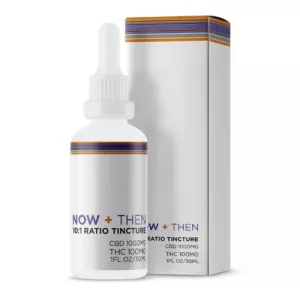
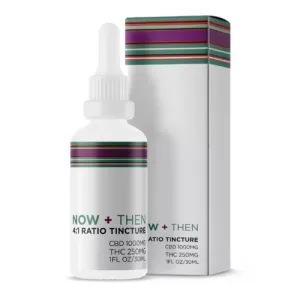
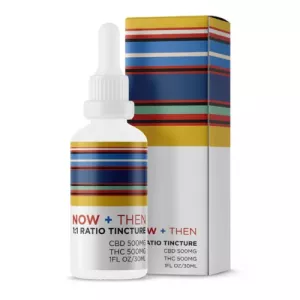
High-dose tinctures offer precise dosing control and versatile consumption methods for pain relief. These concentrated liquid extracts can be taken sublingually for faster onset or added to food and beverages for longer-lasting effects. The ability to adjust your dose drop by drop makes tinctures ideal for finding your perfect pain relief threshold.

What sets high-dose tinctures apart is their rapid bioavailability when taken under the tongue, typically providing relief within 15-30 minutes. This makes them excellent for breakthrough pain episodes when you need quick intervention alongside your regular pain management routine.

9. Full-Spectrum Chocolates

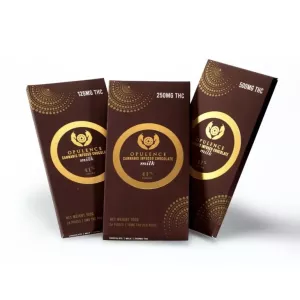
Full-spectrum chocolate bars combine the therapeutic benefits of the entire cannabis plant with the natural mood-boosting properties of cacao. These products contain not just THC, but also CBD, minor cannabinoids, and terpenes that work together through the entourage effect to enhance pain relief.

The chocolate delivery method also provides additional benefits, as cacao contains compounds that can improve mood and reduce inflammation. Many users find that full-spectrum chocolates provide more comprehensive pain relief compared to THC-only products, making them particularly effective for chronic pain conditions.

8. Indica Flower Strains

Indica-dominant flower strains remain a cornerstone of cannabis pain management due to their naturally higher levels of relaxing cannabinoids and sedating terpenes. These strains typically provide full-body relaxation that can help ease both physical pain and the tension that often accompanies chronic discomfort.

Smoking or vaporizing indica flower offers immediate onset, making it ideal for acute pain episodes. The ritual of consumption can also provide psychological comfort, while the variety of available strains allows users to find specific terpene profiles that work best for their particular type of pain.

7. Topical Balms and Creams

THC-infused topical products provide localized pain relief without psychoactive effects, making them perfect for targeted treatment of sore muscles, joint pain, and inflammatory conditions. These products work by activating cannabinoid receptors in the skin and surrounding tissue, providing relief exactly where you need it most.

Topicals excel for conditions like arthritis, muscle strains, and localized nerve pain. They can be used throughout the day without affecting your mental clarity, and many formulations include additional therapeutic ingredients like menthol, arnica, or essential oils that enhance the pain-relieving effects.

6. Sativa Gummies

Sativa-leaning gummies offer an excellent option for daytime pain management when you need relief without sedation. These products typically contain uplifting terpenes and energizing cannabinoid profiles that can help manage pain while maintaining focus and productivity throughout your day.

The precise dosing of gummies makes them ideal for consistent pain management, with effects lasting 4-8 hours. Sativa gummies work particularly well for inflammatory pain, headaches, and conditions where maintaining energy levels is important for daily functioning.

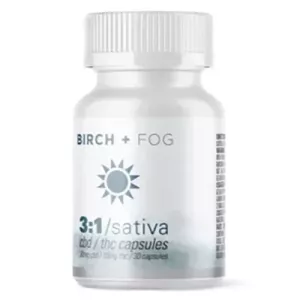
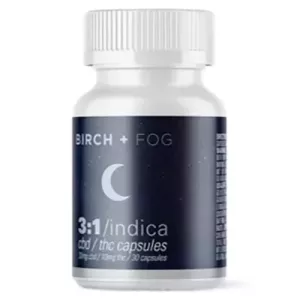
5. Hybrid Capsules

Hybrid cannabis capsules provide balanced pain relief by combining the best aspects of both indica and sativa effects. These products offer consistent, long-lasting relief perfect for maintaining steady cannabinoid levels throughout the day, making them ideal for chronic pain management routines.

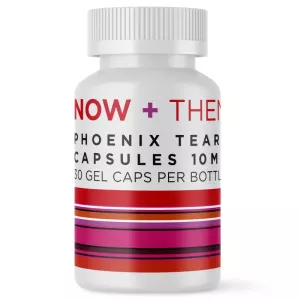
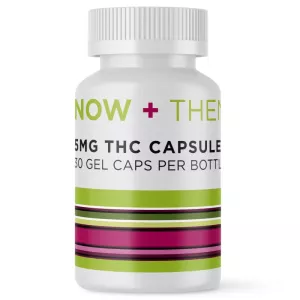
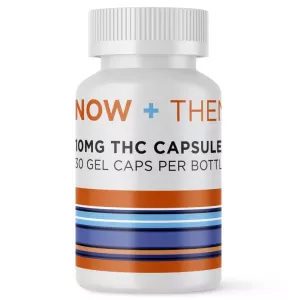
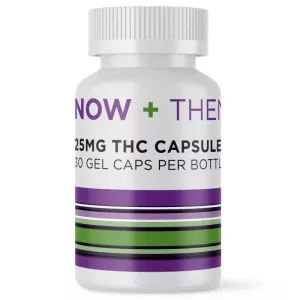
Capsules eliminate guesswork in dosing and provide discrete consumption that fits seamlessly into any medication regimen. The extended release profile helps maintain consistent pain relief levels, reducing the peaks and valleys often experienced with other consumption methods.

4. Indica Gummies

Indica gummies combine the convenience of precise dosing with the powerful pain-relieving properties of indica cannabis. These products typically contain relaxing terpenes like myrcene and linalool that enhance the pain-fighting effects while promoting overall relaxation and improved sleep quality 🌙

The long-lasting effects of indica gummies make them particularly valuable for nighttime pain management and chronic conditions that interfere with sleep. Many users find that indica gummies help break the cycle of pain-induced insomnia that can worsen overall pain sensitivity.

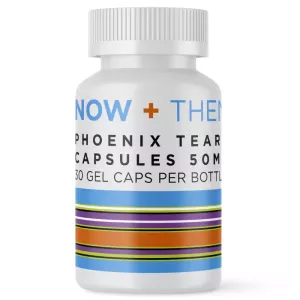
3. Phoenix Tears

Phoenix tears represent some of the most potent THC products available for serious pain management needs. These highly concentrated cannabis extracts contain extremely high levels of THC, making them suitable for patients who have developed tolerance or require intensive pain relief for severe conditions.

Also known as Rick Simpson Oil (RSO), phoenix tears can be consumed orally or applied topically for different therapeutic effects. The high concentration means that very small amounts can provide significant relief, making these products cost-effective for long-term pain management despite their higher initial price point.

2. Distillate Cartridges

THC distillate cartridges offer pure, potent cannabinoid delivery with rapid onset perfect for managing breakthrough pain episodes. These products contain highly concentrated THC with consistent potency levels, allowing for predictable dosing through controlled inhalation.

The convenience and discretion of vape cartridges make them ideal for on-the-go pain management. The ability to take small, measured doses throughout the day helps maintain steady relief levels while avoiding the longer commitment of edible products. Many patients use distillate cartridges to bridge the gap between longer-acting oral medications.

1. Live Resin Concentrates

Live resin concentrates take the top spot for THC pain products due to their exceptional terpene profiles and full-spectrum effects that provide the most comprehensive pain relief available. These concentrates are made from fresh-frozen cannabis plants, preserving the complete range of therapeutic compounds that work synergistically to combat pain.

The superior entourage effect achieved through live resin's preserved terpene content means more effective pain relief at lower doses compared to isolated THC products. Whether consumed through dabbing, vaporizing, or adding to flower, live resin concentrates provide the most authentic and therapeutically complete cannabis experience possible. The investment in quality pays dividends in both effectiveness and overall satisfaction for serious pain management needs ✨

This countdown represents the most effective THC products available for pain relief, each offering unique advantages for different situations and preferences. Consider your lifestyle, pain patterns, and tolerance levels when choosing between these options. Many successful pain management routines incorporate multiple products from this list to address different aspects of their condition throughout the day.