











THC for Pain Relief: Your Complete Guide
Living with chronic pain affects millions of people daily, and traditional pain medications often come with significant drawbacks. THC pain relief has emerged as a compelling alternative, offering natural pain management through cannabis compounds that work directly with your body's pain processing systems. Unlike conventional painkillers that can lead to dependency or harsh side effects, THC provides targeted relief while allowing you to maintain better control over your treatment approach.
What is THC Pain Relief and How Does it Work
THC interacts with your endocannabinoid system to modify how your brain processes pain signals. When you consume THC for pain relief, it binds to CB1 receptors in your central nervous system, effectively dampening the transmission of pain signals before they reach your conscious awareness. This mechanism differs fundamentally from opioids or NSAIDs, as THC doesn't just mask pain symptoms but actually alters the neurological pathways that create your pain experience. The compound also reduces inflammation throughout your body by activating CB2 receptors in your immune system, addressing both the sensation of pain and many of its underlying causes. This dual-action approach makes THC particularly effective for conditions involving both neuropathic pain and inflammatory processes.
How THC Helps with Different Types of Pain
THC demonstrates remarkable versatility across various pain conditions, with research showing particular effectiveness for neuropathic pain, arthritis, fibromyalgia, and cancer-related discomfort. For chronic conditions like multiple sclerosis or diabetic neuropathy, THC can significantly reduce the burning, shooting sensations that characterize nerve pain. Arthritis sufferers often find that THC not only reduces joint pain but also improves sleep quality, which is frequently disrupted by inflammatory conditions. The compound's ability to increase appetite and reduce nausea makes it especially valuable for cancer patients dealing with both disease-related pain and treatment side effects.
Best THC Products for Pain Management
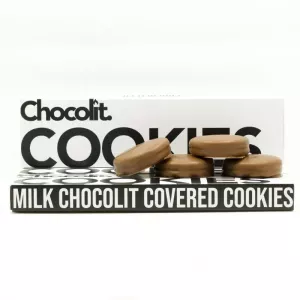
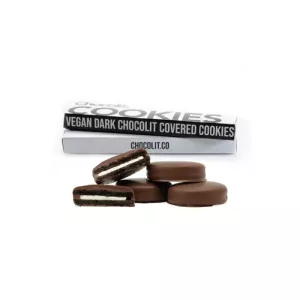
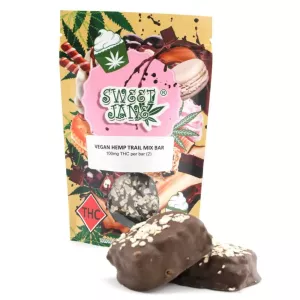
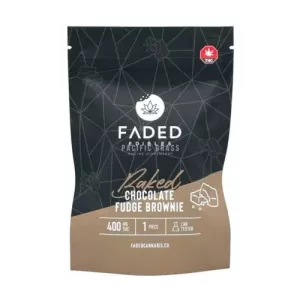
Oils and tinctures offer precise dosing control for daily pain management, allowing you to adjust your intake drop by drop until you find your optimal relief level. These products typically provide effects within 15-45 minutes and last 4-6 hours, making them ideal for breakthrough pain or consistent baseline management. Edibles provide longer-lasting relief that can extend 6-8 hours, perfect for overnight pain management or all-day coverage for chronic conditions. The slower onset of edibles means you need patience, but the sustained relief often proves more convenient than frequent redosing.
- 🎯 Oils and Tinctures: Fast-acting, precise dosing, easy to adjust throughout the day
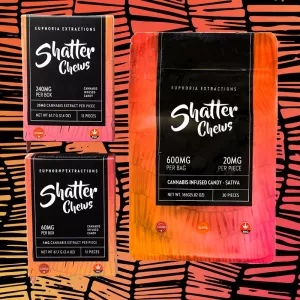
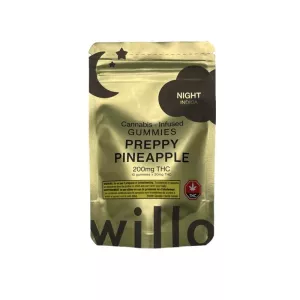
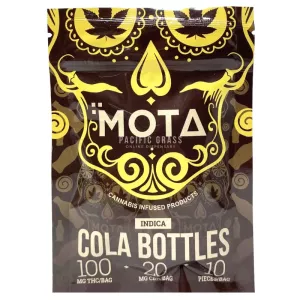
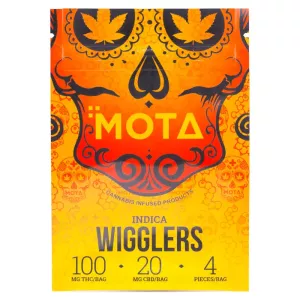
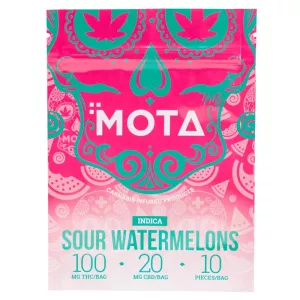
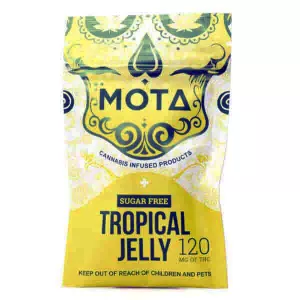
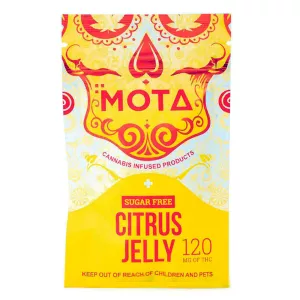
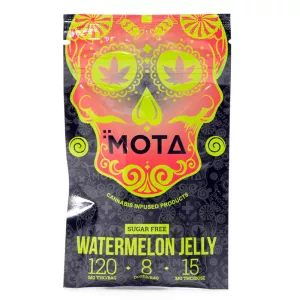
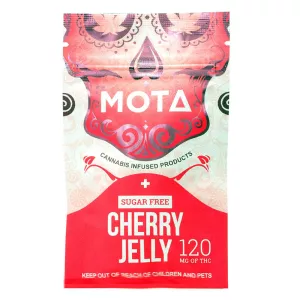
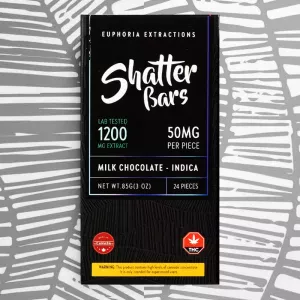
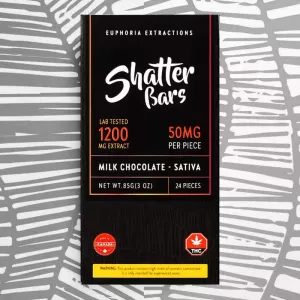
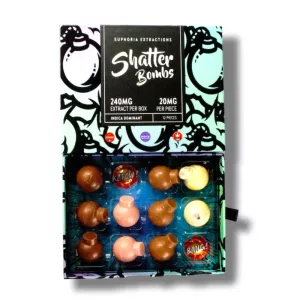
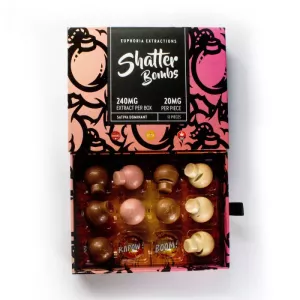
- 🍃 Edibles: Long-lasting effects, discrete consumption, ideal for overnight relief
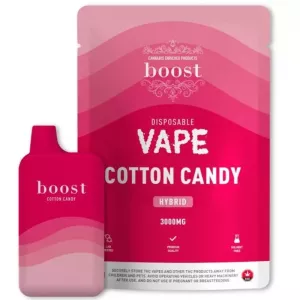
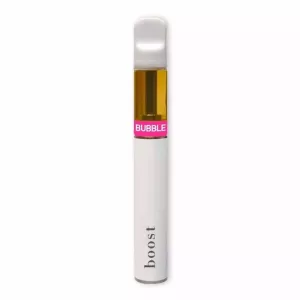
- 💨 Vapes: Immediate onset, easy to control intake, perfect for breakthrough pain
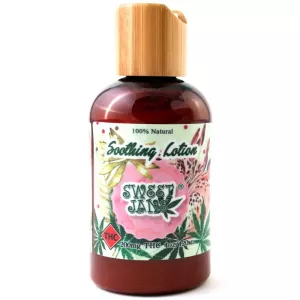
- 🧴 Topicals: Localized relief without psychoactive effects, great for joint and muscle pain
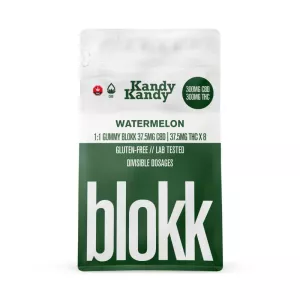
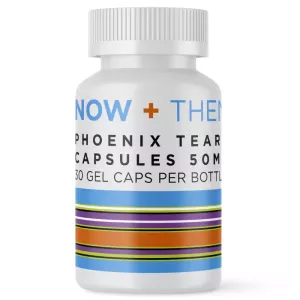
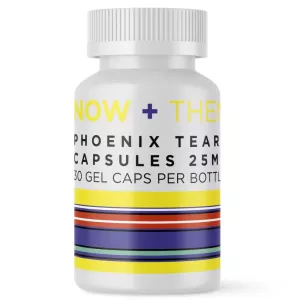
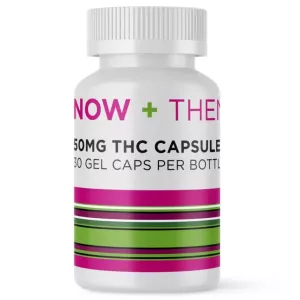
- 💊 Capsules: Consistent dosing, no taste, professional appearance for workplace use
THC vs CBD for Pain Relief
While both THC and CBD offer pain relief, they work through different mechanisms and excel in different situations. THC provides more potent relief for severe pain conditions and offers additional benefits like improved sleep and appetite stimulation. CBD shines for inflammatory pain and anxiety-related tension without any psychoactive effects. Many people find the most effective approach combines both compounds in specific ratios, taking advantage of what researchers call the "entourage effect" where cannabinoids work synergistically to enhance each other's therapeutic benefits.
THC Dosage Guide for Pain Relief
Start low and go slow remains the golden rule for THC dosing, especially if you're new to cannabis or have been using other pain medications. Begin with 1-2.5mg of THC and wait at least two hours before considering additional doses. Many people find effective pain relief at 5-10mg, though chronic pain conditions may require higher amounts up to 20-30mg or more. Microdosing throughout the day often proves more effective than single large doses, allowing you to maintain consistent pain relief while minimizing any unwanted psychoactive effects. Keep a dosing journal to track what works best for your specific pain patterns and timing needs.
- ⚡ Immediate Relief: 2-5mg THC via vape or sublingual oil
- 📅 Daily Management: 5-15mg split into 2-3 doses throughout the day
- 🌙 Nighttime Pain: 10-25mg edible taken 1-2 hours before bed
- 🎯 Severe Flare-ups: Additional 2-5mg as needed, maximum every 2 hours
Benefits of Using THC for Chronic Pain
THC offers multifaceted benefits beyond simple pain reduction, addressing many of the secondary issues that chronic pain creates in your daily life. Unlike opioid medications that can cause constipation, respiratory depression, and addiction potential, THC actually improves sleep quality, stimulates appetite, and can elevate mood naturally. Studies show that patients using THC for pain often reduce or eliminate their reliance on other pain medications, particularly opioids and NSAIDs. The neuroprotective properties of THC may also help prevent the progression of certain pain conditions, particularly those involving nerve damage or inflammation. This compound's ability to address pain, sleep disturbances, appetite loss, and mood issues simultaneously makes it uniquely valuable for comprehensive pain management approaches.
THC Pain Relief Safety and Side Effects
THC demonstrates an excellent safety profile compared to traditional pain medications, with no recorded cases of fatal overdose and minimal risk of physical dependence when used appropriately. The most common side effects include dry mouth, mild dizziness, and temporary cognitive changes that typically diminish as your body adjusts to regular use. Some users experience increased appetite or slight anxiety, particularly with higher doses or when first starting treatment. These effects are generally manageable and often resolve within 2-3 weeks of consistent use as your tolerance develops naturally.
How to Choose Quality THC Pain Products
Third-party lab testing represents the most critical factor when selecting THC products for pain relief, ensuring you receive accurate cannabinoid content and confirmation that products are free from pesticides, heavy metals, and residual solvents. Look for products that clearly display batch numbers and provide easily accessible lab results through QR codes or websites. Full-spectrum products often provide superior pain relief compared to THC isolates because they contain the complete range of cannabinoids and terpenes that work together to enhance therapeutic effects. Consider the extraction method used, as CO2 extraction typically preserves more beneficial compounds than cheaper alternatives like butane extraction.
Effective THC pain relief requires finding the right product, dosage, and timing that works specifically for your pain condition and lifestyle. Start with lower doses to assess your tolerance, choose products from reputable sources with proper lab testing, and maintain consistent timing to maximize therapeutic benefits. Remember that pain management is highly individual – what works perfectly for someone else may need adjustment for your unique needs. With patience and careful attention to your body's responses, THC can become a valuable tool in your comprehensive approach to managing chronic pain naturally and effectively.