Vape Pen Fundamentals and Technology Overview
Introduction
🌟 The Comprehensive Guide to Vape Pen Knowledge
Vape pens have revolutionized the landscape of substance consumption, emerging as sophisticated devices that offer unprecedented convenience, customization, and versatility for users seeking alternatives to traditional smoking methods across diverse applications including nicotine delivery, cannabis consumption, CBD therapy, botanical aromatherapy, and specialized wellness applications. The explosive growth in vape pen popularity has generated countless questions from both newcomers exploring their first devices and experienced users seeking to optimize their techniques, troubleshoot issues, and stay current with evolving technology and best practices. This comprehensive FAQ addresses the most frequently asked questions about vaping technology, covering everything from basic device functionality and safety considerations to advanced techniques, maintenance protocols, and optimization strategies that ensure users achieve the best possible experiences while maintaining safety and device longevity. Modern vape pens accommodate an extensive range of substances including traditional e-liquids with various nicotine concentrations, cannabis oils and distillates, hemp-derived CBD products, botanical essential oils, herbal extracts, concentrated waxes and shatters, live resin products, and specialized therapeutic formulations that serve diverse user needs and preferences.
🎯 Addressing User Concerns and Knowledge Gaps
The complexity and diversity of modern vaping technology, combined with the wide range of available substances and applications, creates natural confusion and uncertainty among users seeking reliable information about optimal usage practices, safety protocols, device selection, and troubleshooting procedures. Common concerns include device compatibility with different substances, safety considerations for various vaping materials, optimal temperature settings for specific applications, maintenance requirements that ensure device longevity, storage protocols that preserve substance quality, and troubleshooting techniques that resolve common issues without professional assistance. The rapid evolution of vaping technology also creates ongoing educational needs as new devices, features, and substances continuously enter the market while regulations and best practices evolve to reflect emerging research and user experiences. This FAQ compilation draws from extensive user feedback, technical documentation, scientific research, and industry expertise to provide accurate, practical answers that enable informed decision-making while promoting safe and effective vaping practices across all applications and user experience levels.
📚 Evidence-Based Information for Informed Decisions
The information presented in this comprehensive FAQ is based on scientific research, manufacturer specifications, industry standards, user studies, and expert analysis that provide reliable foundations for understanding vape pen technology and optimal usage practices. Each answer addresses common misconceptions while providing practical guidance that enables users to maximize their vaping experiences while maintaining safety and avoiding common pitfalls that could compromise device performance or user satisfaction. The content covers technical aspects including device mechanics, heating technologies, battery management, and maintenance procedures, as well as practical considerations including substance selection, dosing strategies, storage protocols, and troubleshooting techniques that address real-world usage scenarios. By providing evidence-based answers to frequently asked questions, this guide empowers users to make informed decisions about device selection, usage techniques, and maintenance practices while supporting the responsible use of vaping technology across diverse applications and user populations.
40 Understanding Multi-Substance Vaporization Technology
🔬 Advanced Vaporization Engineering and Technology
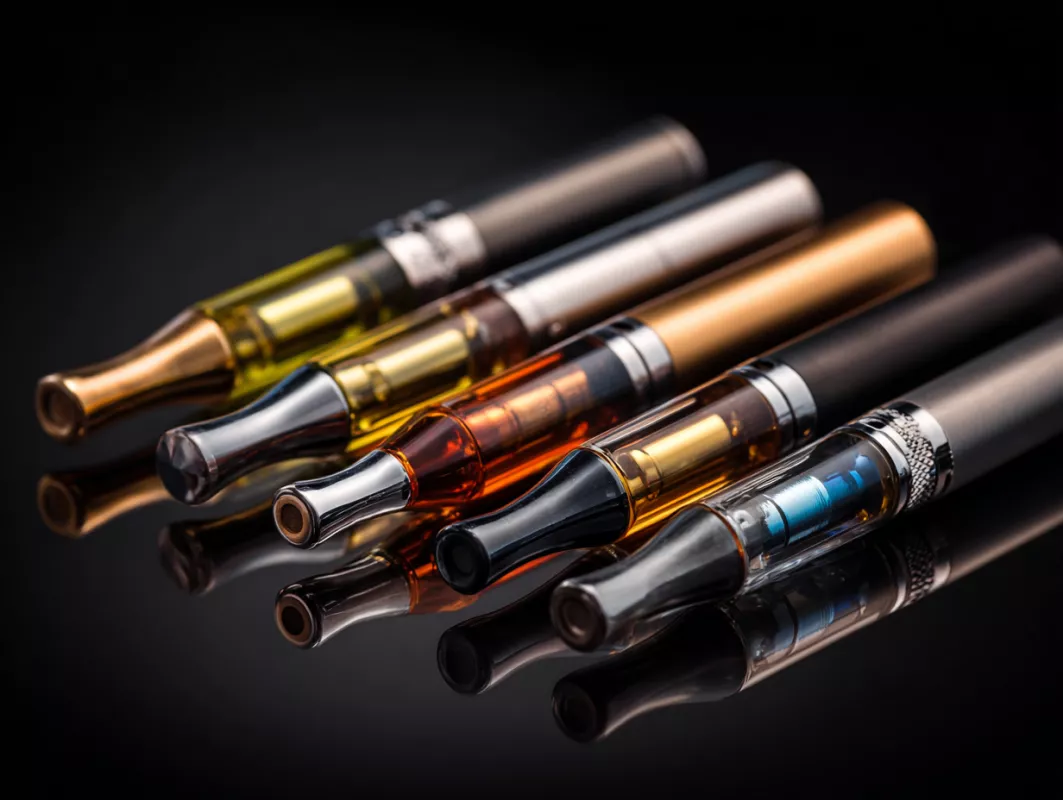
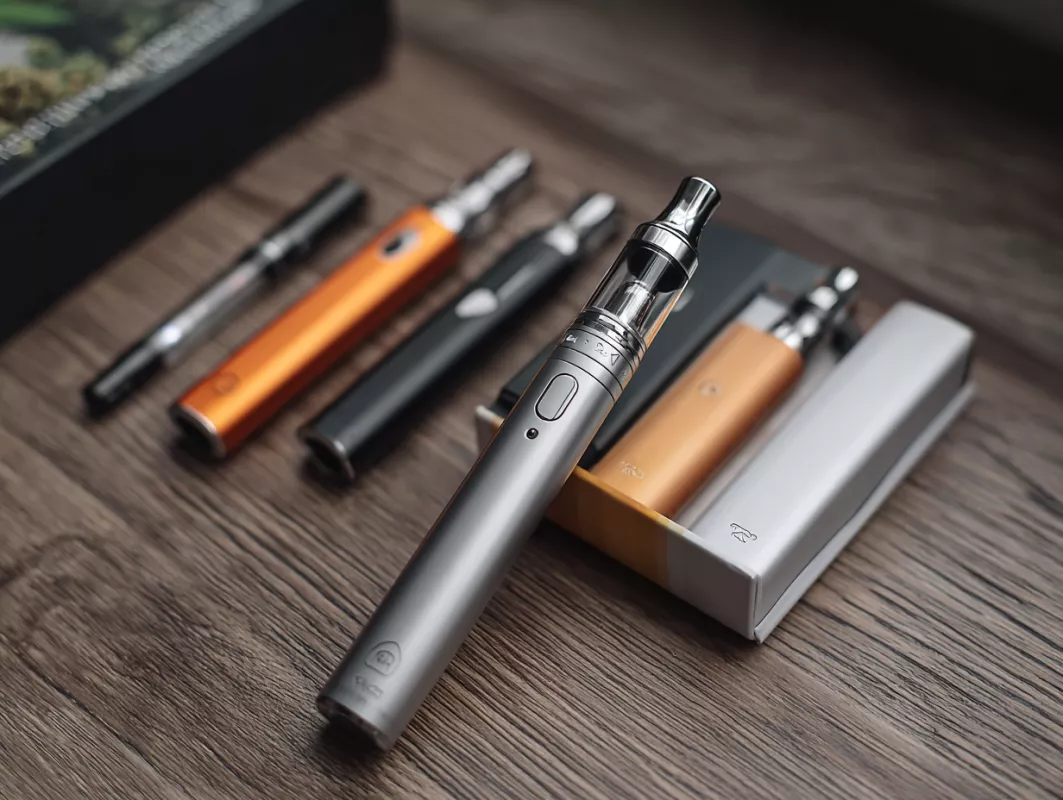
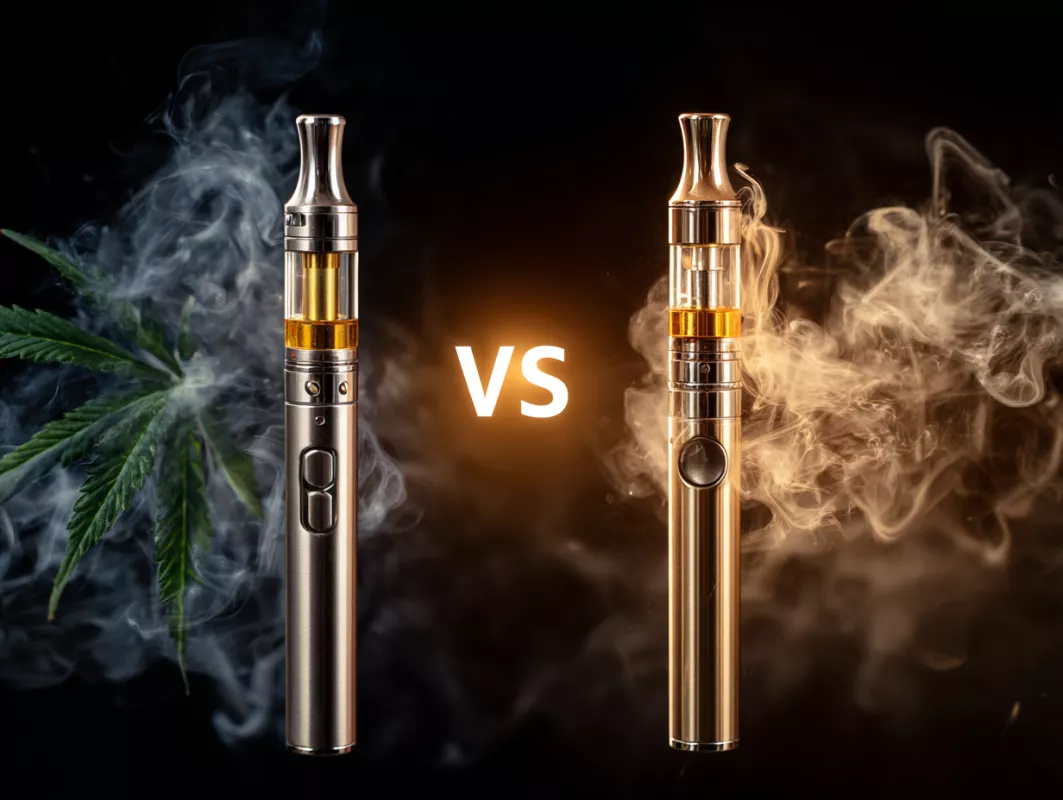
Modern vape pens represent sophisticated electronic devices engineered to vaporize diverse substances including e-liquids with varying nicotine concentrations, cannabis oils and distillates, hemp-derived CBD products, botanical essential oils, herbal extracts, concentrated waxes and shatters, live resin products, and specialized therapeutic formulations through precisely controlled heating rather than destructive combustion processes. These advanced devices integrate multiple critical components including rechargeable lithium-ion batteries that provide consistent power delivery, sophisticated heating elements (atomizers or coils) that transform substances into optimal vapor at precisely controlled temperatures, and specialized chambers or cartridge systems that securely hold materials while facilitating even heating and efficient extraction. The elegance of contemporary vape pen design lies in the seamless integration of complex technology into intuitive interfaces that make advanced vaporization accessible to users regardless of their technical expertise while accommodating the diverse viscosities, heating requirements, and extraction characteristics of different substances. Modern devices utilize advanced materials including medical-grade ceramics, food-grade stainless steel, borosilicate glass, and specialized alloys that ensure purity and safety while providing optimal heat distribution and flavor preservation across all substance types.
⚡ Substance-Specific Optimization and Compatibility
Contemporary vape pen technology incorporates intelligent systems that recognize different substance types and automatically adjust heating profiles, airflow characteristics, and power delivery to optimize extraction and vapor production for specific materials including traditional e-liquids, thick cannabis concentrates, delicate essential oils, and viscous botanical extracts. Advanced devices feature multiple heating modes including low-temperature settings for terpene preservation in cannabis products, medium temperatures for optimal e-liquid vaporization, and high-temperature modes for efficient concentrate extraction, while specialized chambers accommodate everything from thin oils to thick waxes and dry plant materials. The universal compatibility of modern systems enables users to explore diverse substances using a single platform while maintaining optimal performance characteristics and safety standards across all applications. Smart recognition technology automatically detects cartridge types, substance viscosities, and optimal heating parameters while providing user feedback about appropriate settings and usage techniques that maximize effectiveness while preventing damage to valuable substances or device components.
🛡️ Safety Systems and User Protection
Advanced vape pen technology incorporates comprehensive safety systems including overcharge protection, thermal monitoring, short-circuit prevention, and automatic shut-off mechanisms that protect both devices and users while ensuring reliable operation under diverse usage conditions and substance types. Multiple safety layers include battery management systems that prevent dangerous charging conditions, temperature controls that prevent overheating of sensitive compounds, and intelligent circuits that monitor device performance and automatically adjust parameters to maintain safe operation. Modern devices also feature child-resistant mechanisms, authentication systems that prevent unauthorized access, and contamination prevention technologies that maintain hygiene and substance purity throughout the usage lifecycle. The combination of advanced engineering and comprehensive safety systems ensures that users can explore diverse vaping applications with confidence while maintaining the protection and reliability that characterize quality vaping technology.
39 How does a vape pen work?
⚙️ Comprehensive Vaporization Process and Mechanics
Vape pens operate through sophisticated electronic systems that precisely heat substances to optimal vaporization temperatures that convert them into inhalable vapor without reaching combustion points that would create harmful byproducts or destroy valuable compounds. When users activate the device through button pressing or draw-activated sensors, the battery delivers controlled power to heating elements that rapidly reach predetermined temperatures based on substance type and user preferences, creating optimal conditions for efficient vaporization and smooth vapor production. The heating process transforms liquids, oils, concentrates, or dry materials into vapor through controlled thermal energy that preserves beneficial compounds including terpenes, cannabinoids, nicotine, and botanical essences while eliminating the tar, carbon monoxide, and carcinogens produced by combustion methods. Advanced vape pens incorporate microprocessor controls that monitor and adjust heating parameters in real-time, ensuring consistent performance while preventing overheating that could degrade substances or create harsh vapor that compromises user experience and satisfaction.
🌡️ Temperature Control and Optimization Systems
Modern vape pen technology utilizes precision temperature control systems that enable users to select optimal heating ranges for specific substances, with different compounds requiring different temperatures for efficient extraction and vapor production while maintaining flavor quality and compound integrity. E-liquids typically vaporize optimally between 200-250°F (93-121°C) for smooth flavor and nicotine delivery, while cannabis concentrates may require temperatures between 350-430°F (177-221°C) for complete extraction, and botanical essential oils often perform best at lower temperatures around 315-350°F (157-177°C) to preserve delicate aromatic compounds. Advanced devices feature multiple preset temperature profiles optimized for different substance types, while premium models offer precise digital control that enables users to dial in exact temperatures based on their preferences and the specific characteristics of their chosen materials. The intelligent temperature management prevents degradation of valuable compounds while ensuring complete extraction and optimal vapor quality across diverse applications and substance types.
💨 Vapor Production and Delivery Systems
The vapor production process involves sophisticated airflow management, heating chamber design, and delivery systems that ensure optimal vapor density, flavor preservation, and user comfort while accommodating different inhalation preferences and substance characteristics. Advanced airflow systems provide adjustable intake controls that enable users to customize draw resistance and vapor concentration based on their preferences and the specific requirements of different substances, with tighter airflows enhancing flavor concentration and looser airflows producing larger vapor volumes. Vapor cooling and conditioning systems within modern devices ensure smooth delivery that minimizes irritation while preserving flavor quality and compound effectiveness, making the vaping experience comfortable and satisfying across extended usage sessions. The resulting vapor is delivered through precisely engineered mouthpieces and vapor paths that maintain hygiene, prevent contamination, and ensure consistent delivery characteristics that enable users to achieve predictable and satisfying results from their chosen substances and devices.
38 What can you vape with a vape pen?
🌿 Comprehensive Substance Compatibility and Applications
Modern vape pens accommodate an extraordinary range of substances including traditional e-liquids with various nicotine concentrations (0mg to 50mg+), cannabis oils and distillates, hemp-derived CBD products, botanical essential oils including lavender, eucalyptus, peppermint, and chamomile, herbal extracts from therapeutic plants, concentrated waxes and shatters, live resin products, rosin extracts, and specialized therapeutic formulations designed for specific medical and wellness applications. E-liquid varieties span countless flavor profiles from tobacco and menthol to fruits, desserts, and specialty blends, while cannabis products include strain-specific oils, broad-spectrum and full-spectrum CBD formulations, THC distillates, and specialized ratios designed for specific therapeutic effects or recreational preferences. Botanical applications include aromatherapy blends using essential oils from herbs like lavender for relaxation, eucalyptus for respiratory support, peppermint for energy and focus, and chamomile for stress relief, while specialized devices accommodate dry herb vaporization of ground botanical materials including traditional herbs and plant medicines. The versatility of modern vaping technology enables exploration of diverse substances while maintaining safety and effectiveness through appropriate device selection and proper usage techniques.
🔬 Specialized Formulations and Advanced Applications
Advanced vaping applications include specialized pharmaceutical preparations, dietary supplements delivered through vaporization, cognitive enhancement compounds, and experimental therapeutic substances that utilize vaporization as a preferred delivery method for rapid onset and precise dosing control. Medical applications encompass prescription medications formulated for vaporization, compounded therapeutic preparations, and research substances used in clinical studies and therapeutic trials where rapid absorption and precise dosing are essential for effectiveness and safety. The expanding field of functional vaping includes nootropic blends for cognitive enhancement, adaptogenic herbs for stress management, vitamins and supplements formulated for inhalation, and specialized wellness products that address specific health and performance objectives through targeted compound delivery. Research applications continue expanding the possibilities for vaporization technology, with emerging substances and formulations that push the boundaries of traditional vaping while maintaining safety and effectiveness through proper device compatibility and usage protocols.
⚠️ Safety Considerations and Device Compatibility
Critical safety considerations require ensuring that substances are specifically formulated for vaporization and compatible with specific device types, as using inappropriate materials can damage devices, compromise safety, or create health risks through improper heating or toxic byproduct formation. Oil-based products require devices with heating elements and chambers designed for viscous materials, while dry herbs need specialized heating chambers that provide even heating without combustion, and e-liquids require appropriate coil types and airflow systems for optimal performance. Quality control becomes essential when selecting substances for vaporization, with reputable manufacturers providing certificates of analysis, purity testing, and clear labeling that identifies appropriate usage methods and safety considerations for their products. Users must research substance compatibility, purchase from trusted sources, and follow manufacturer guidelines to ensure safe and effective vaping experiences while avoiding potential health risks or device damage from inappropriate material selection or usage practices.
Safety and Device Type Information
37 Are vape pens safe?
🛡️ Comprehensive Safety Analysis and Risk Assessment
When used as intended with high-quality, reputable products and proper safety protocols, vape pens can provide a significantly safer alternative to traditional combustion methods while delivering effective substance consumption across diverse applications including nicotine delivery, cannabis therapy, CBD wellness, and botanical aromatherapy. Extensive research demonstrates that vaporization eliminates many harmful compounds produced by combustion, including tar, carbon monoxide, and numerous carcinogens, while preserving beneficial substances and providing cleaner delivery mechanisms that reduce respiratory irritation and long-term health risks. The safety profile of vaping depends heavily on device quality, substance purity, proper usage techniques, and adherence to manufacturer guidelines that ensure optimal operation while preventing potential hazards associated with improper use or inferior products. Quality vape pens incorporate multiple safety features including overcharge protection, thermal monitoring, short-circuit prevention, and automatic shut-off mechanisms that protect users from potential electrical or thermal hazards while ensuring reliable performance throughout the device lifecycle.
🔬 Scientific Evidence and Health Considerations
Scientific studies consistently demonstrate that vaporization produces significantly fewer harmful compounds compared to combustion while providing equivalent or superior delivery of beneficial substances, making vaping a preferred harm reduction strategy for users seeking alternatives to traditional smoking methods. Respiratory health improvements are frequently reported by users transitioning from smoking to vaping, with reduced coughing, improved lung function, and decreased respiratory irritation observed across diverse user populations and usage patterns. The elimination of combustion byproducts through vaporization prevents exposure to the thousands of toxic compounds produced by burning organic materials while preserving the terpenes, cannabinoids, and other beneficial compounds that contribute to therapeutic and recreational effects. Long-term safety data continues accumulating as vaping technology matures, with current research supporting the harm reduction potential of vaping when compared to traditional combustion methods across multiple substance categories and user demographics.
📋 Safety Best Practices and Risk Minimization
Optimal safety requires purchasing devices and substances from reputable manufacturers who provide quality assurance, safety testing, and clear usage guidelines while avoiding counterfeit or unregulated products that may lack proper safety features or quality control measures. Essential safety practices include following manufacturer instructions, using appropriate charging equipment, storing devices and substances properly, maintaining devices through regular cleaning and component replacement, and monitoring usage patterns to prevent overconsumption or inappropriate use. Quality assurance involves selecting certified products with third-party testing, certificates of analysis, and transparent labeling that provides complete ingredient information and safety warnings while supporting manufacturers who prioritize user safety and product quality. Risk minimization also includes staying informed about emerging research, following regulatory guidelines, consulting healthcare providers when using vaping for medical purposes, and maintaining awareness of potential interactions with medications or health conditions that could affect safety or effectiveness.
36 What are the different types of vape pens?
📱 E-Liquid and Nicotine Vape Pen Categories
E-liquid vape pens represent the largest category of vaping devices, designed specifically for vaporizing propylene glycol and vegetable glycerin-based liquids that may contain nicotine, flavorings, and other additives, available in countless flavor profiles and nicotine strengths ranging from 0mg to 50mg+ including traditional freebase nicotine and modern nicotine salt formulations. These devices range from simple disposable pens pre-filled with e-liquid to sophisticated refillable systems with variable wattage controls, temperature regulation, and customizable settings that enable personalization based on user preferences and vaping styles. Sub-categories include mouth-to-lung devices that simulate traditional smoking experiences with tighter airflow and higher nicotine concentrations, direct-lung devices that produce larger vapor clouds with lower nicotine strengths, and pod systems that combine convenience with performance through magnetic cartridge systems and draw-activated firing mechanisms. Advanced e-liquid devices feature digital displays, smartphone connectivity, and intelligent coil recognition that automatically optimizes performance while providing usage tracking and personalized recommendations based on consumption patterns and preferences.
🌿 Cannabis and CBD Specialized Devices
Cannabis and CBD vape pens are specifically engineered to handle oil-based products including THC distillates, full-spectrum cannabis oils, CBD isolates, broad-spectrum hemp extracts, and specialized ratios designed for specific therapeutic effects or recreational preferences. These devices typically feature 510-thread connections that accommodate pre-filled cartridges from licensed producers while providing precise temperature controls that preserve delicate terpene profiles and cannabinoid integrity during vaporization. Oil vape pens include variable voltage batteries that enable users to adjust heating intensity based on oil viscosity and desired vapor characteristics, while advanced models incorporate preheat functions that warm thick oils for better flow and extraction efficiency. Specialized subcategories include live resin devices optimized for preserving volatile terpenes, broad-spectrum systems designed for CBD-focused applications, and medical-grade devices that provide precise dosing controls for therapeutic applications including pain management, anxiety relief, and sleep optimization.
🔥 Concentrate and Multi-Substance Systems
Concentrate vape pens are designed for thick, potent materials including wax, shatter, rosin, hash, and other concentrated extracts that require robust heating systems and specialized chamber designs to achieve optimal vaporization without waste or degradation. These devices feature powerful heating elements including quartz crystals, ceramic dishes, and titanium coils that can rapidly reach high temperatures while maintaining flavor integrity and preventing combustion that could destroy valuable compounds. Dry herb vape pens utilize convection or conduction heating systems to vaporize ground botanical materials without combustion, enabling users to experience the full spectrum of plant compounds while avoiding the harmful byproducts of smoking. Multi-substance systems combine multiple capabilities in single devices, featuring interchangeable chambers and heating elements that accommodate different material types while maintaining optimal performance characteristics and preventing cross-contamination between different substances, making them ideal for users who want versatility without maintaining multiple specialized devices.
35 How long do vape pens last?
⏳ Device Lifespan and Durability Factors
The lifespan of vape pens varies significantly based on device quality, usage frequency, maintenance practices, and environmental conditions, with well-maintained quality devices typically lasting anywhere from six months to several years depending on construction materials, component quality, and user care practices. Premium devices constructed with durable materials including stainless steel, high-grade plastics, and quality electronic components generally provide superior longevity compared to budget alternatives that may utilize inferior materials or simplified construction that compromises long-term reliability. Battery degradation represents the primary factor limiting device lifespan, with lithium-ion batteries typically maintaining optimal performance for 300-500 charge cycles before experiencing significant capacity reduction, though proper charging practices and temperature management can extend battery life considerably. Mechanical components including buttons, threading, and housing materials also affect longevity, with quality construction and proper handling preventing premature wear that could compromise device functionality or safety over extended usage periods.
🔧 Component Replacement and Maintenance Impact
Regular maintenance including cleaning, coil replacement, and proper storage significantly extends device lifespan while maintaining optimal performance characteristics throughout the ownership experience, with well-maintained devices often lasting years longer than neglected alternatives. Replaceable components including coils, atomizers, cartridges, and batteries enable extended device life through selective component replacement rather than complete device disposal, making quality devices with replaceable parts superior long-term investments compared to integrated designs. Coil replacement frequency varies based on usage patterns and substance types, with typical replacement intervals ranging from one to four weeks depending on vaping frequency, material characteristics, and individual usage habits that affect coil degradation rates. Proper storage in controlled environments, protection from physical damage, and adherence to manufacturer maintenance guidelines can dramatically extend device lifespan while preserving performance characteristics and safety features throughout extended ownership periods.
♻️ Disposable vs. Refillable Longevity Considerations
Disposable vape pens are designed for single-use applications and typically last until the pre-filled substance is depleted, usually providing 200-800 puffs depending on device size and user inhalation patterns, making them suitable for occasional use or trial applications rather than long-term regular consumption. Refillable devices offer superior long-term value through extended operational life and replaceable components that enable years of reliable service when properly maintained, making them more economical and environmentally responsible for regular users who consume vaping products daily or frequently. Quality assessment becomes crucial when selecting devices intended for extended use, with reputable manufacturers providing warranties, replacement part availability, and customer support that ensure long-term satisfaction and device reliability throughout the ownership experience. Investment in quality devices with replaceable components and comprehensive warranties typically provides superior value compared to frequent replacement of disposable or low-quality alternatives that may fail prematurely or lack replacement part availability.
Charging and Maintenance Procedures
34 How do I charge my vape pen?
🔌 Comprehensive Charging Systems and Compatibility
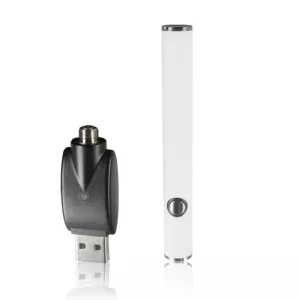
Modern vape pens utilize diverse charging systems including USB-C connections for fast charging and universal compatibility, micro-USB ports for older devices, proprietary magnetic connections for specialized designs, and wireless charging capabilities in premium models that provide convenient power delivery without physical connections. Most contemporary devices include USB charging cables that connect to standard USB ports, wall adapters, car chargers, or portable power banks, providing flexible charging options that accommodate diverse usage scenarios and travel requirements. Advanced charging systems incorporate intelligent power management that automatically adjusts charging rates based on battery condition and temperature while providing overcharge protection that prevents battery damage from excessive charging beyond optimal capacity levels. Some devices feature removable batteries that can be charged separately using external chargers, enabling users to maintain spare batteries for extended usage periods while ensuring consistent power availability through battery rotation and external charging management.
⚡ Optimal Charging Practices and Battery Care
Proper charging techniques significantly impact battery longevity and device performance, with best practices including avoiding complete discharge before recharging, using manufacturer-recommended chargers that provide appropriate voltage and current specifications, and monitoring charging progress to prevent overcharging that could degrade battery chemistry. Lithium-ion batteries used in vape pens perform optimally when maintained between 20-80% charge levels, with occasional full cycles beneficial for calibration but frequent deep cycling potentially reducing overall battery lifespan and performance characteristics. Charging environment considerations include avoiding extreme temperatures during charging, ensuring adequate ventilation around devices, and using stable power sources that provide consistent voltage without fluctuations that could damage sensitive charging circuits. Advanced devices provide charging status indicators including LED lights that change color based on charge level, digital displays showing precise battery percentages, and smartphone app integration that enables remote monitoring of charging progress and battery health metrics.
🛡️ Safety Protocols and Risk Prevention
Essential charging safety practices include never leaving devices unattended during charging, using only manufacturer-approved charging equipment, inspecting charging ports and cables for damage before use, and ensuring proper ventilation to prevent overheating during charging cycles. Quality charging equipment incorporates safety features including surge protection, temperature monitoring, and automatic shut-off mechanisms that prevent dangerous conditions while protecting both devices and users from potential electrical hazards. Proper storage during charging involves placing devices on stable, non-flammable surfaces away from heat sources, moisture, and direct sunlight while ensuring adequate airflow around devices to prevent heat buildup that could compromise safety or performance. Risk prevention also includes recognizing warning signs of charging problems including unusual heat generation, swelling, odors, or performance degradation that might indicate battery or charging system issues requiring immediate attention and potential device replacement for safety reasons.
33 How do I clean my vape pen?
🧹 Comprehensive Cleaning Procedures and Techniques
Regular cleaning represents one of the most critical maintenance practices for ensuring optimal vape pen performance, hygiene, and longevity, requiring systematic approaches that address all device components while preventing damage to sensitive electronic elements. Basic cleaning involves complete device disassembly according to manufacturer instructions, separating the battery, tank or cartridge, mouthpiece, and any removable components that can be safely cleaned without compromising electronic systems or voiding warranties. External cleaning utilizes soft, lint-free cloths slightly dampened with isopropyl alcohol (70% or higher) to remove residue, fingerprints, and contamination from device surfaces while avoiding moisture penetration into electronic components that could cause damage or corrosion. Internal component cleaning requires specialized approaches including cotton swabs for reaching small crevices, pipe cleaners for airflow paths, and appropriate cleaning solutions that effectively dissolve residue without leaving harmful residues that could affect flavor or safety.
🔬 Substance-Specific Cleaning Requirements
Different substances require specialized cleaning approaches to effectively remove residue while preserving device functionality and preventing contamination between different materials or flavors that could compromise future usage experiences. E-liquid residue typically responds well to warm water rinsing followed by thorough drying, while thicker oils and concentrates may require isopropyl alcohol or specialized cleaning solutions that effectively dissolve sticky residues without damaging device components. Botanical and herbal residue often requires gentle mechanical removal combined with appropriate solvents, while essential oil residue may need specific cleaning agents that neutralize aromatic compounds and prevent flavor contamination in subsequent usage sessions. Cross-contamination prevention becomes essential when switching between different substance types, requiring thorough cleaning protocols that eliminate all traces of previous materials while ensuring that cleaning agents are completely removed before introducing new substances to prevent adverse reactions or flavor interference.
⏰ Maintenance Schedules and Deep Cleaning Protocols
Optimal cleaning schedules depend on usage frequency and substance types, with daily users benefiting from weekly deep cleaning sessions while occasional users can extend intervals to monthly cleaning with spot cleaning as needed based on device condition and performance. Deep cleaning protocols involve complete disassembly, ultrasonic cleaning for compatible components, thorough drying periods that ensure complete moisture removal, and systematic reassembly with fresh components including new coils, O-rings, and filters as appropriate. Preventive maintenance includes regular inspection of all components for wear, damage, or degradation that could affect performance or safety, with replacement of worn components before they compromise device functionality or create potential hazards. Professional cleaning services and specialized cleaning products designed specifically for vaping devices can provide superior results compared to improvised cleaning methods while ensuring that appropriate techniques and materials are used to maintain device integrity and performance throughout extended ownership periods.
32 How do I fill my vape pen?
💧 Device-Specific Filling Procedures and Techniques
Filling procedures vary significantly between device types and substance categories, requiring specific techniques that ensure proper filling while preventing spills, contamination, or damage to device components or sensitive substances. E-liquid vape pens typically feature top-fill or bottom-fill designs, with top-fill systems requiring removal of the mouthpiece or cap to access the filling port, while bottom-fill systems involve unscrewing the tank base to access the filling chamber from below. Oil and concentrate devices often utilize pre-filled cartridges that screw directly onto battery units, eliminating user filling requirements while ensuring consistent quality and contamination prevention through sealed cartridge systems. Refillable oil devices may feature syringe-filling systems that enable precise quantity control and minimize waste while preventing air bubble formation that could interfere with optimal vaporization and vapor production.
🎯 Precision Filling and Contamination Prevention
Proper filling techniques emphasize precision, cleanliness, and contamination prevention through appropriate tools and procedures that ensure optimal device performance while maintaining substance integrity and user safety. Essential tools include precision syringes for accurate quantity measurement, funnels for preventing spills and waste, clean work surfaces that prevent contamination, and appropriate lighting that enables visual confirmation of proper filling levels and technique execution. Overfilling prevention requires understanding device capacity limits and leaving appropriate headspace for thermal expansion while underfilling can compromise wicking and vapor production, making precise filling crucial for optimal performance and user satisfaction. Cross-contamination prevention involves thorough tool cleaning between different substances, dedicated filling equipment for specific substance types, and proper storage of filling tools and accessories that prevent inadvertent mixing or contamination that could affect flavor, effectiveness, or safety.
🔧 Troubleshooting and Optimization Strategies
Common filling challenges include air bubble formation that interferes with wicking, leakage due to improper sealing or overfilling, and compatibility issues between substances and device components that may require specific filling techniques or substance modifications. Air bubble elimination involves gentle tapping, vacuum techniques, or specialized tools that remove trapped air while ensuring complete wicking saturation and optimal vapor production throughout usage sessions. Leakage prevention requires proper O-ring installation, appropriate filling quantities that account for thermal expansion, and understanding of device-specific sealing mechanisms that ensure secure closures and contamination prevention. Optimization strategies include temperature considerations for viscous substances that may require warming for easier filling, timing considerations that allow for proper wicking after filling, and maintenance schedules that ensure filling components remain clean and functional throughout extended usage periods.
Heating Technology and Temperature Control
31 What is the difference between conduction and convection heating in vape pens?
🔥 Conduction Heating Technology and Characteristics
Conduction heating involves direct physical contact between heating elements and substances, creating rapid heat transfer that enables quick heating times and efficient energy utilization while providing immediate vapor production upon activation. This heating method is commonly found in concentrate pens, oil cartridges, and many e-liquid devices where heating coils or ceramic elements make direct contact with substances to create instant vaporization through thermal conduction. Conduction systems offer several advantages including rapid heat-up times, energy efficiency, and simplified device construction that reduces costs and complexity while providing reliable performance for compatible substances. However, conduction heating can create uneven heating patterns that may lead to hot spots, potential combustion of sensitive materials, and degradation of delicate compounds including terpenes that require gentler heating approaches to preserve their beneficial properties and flavor characteristics.
🌬️ Convection Heating Systems and Benefits
Convection heating utilizes heated air circulation to vaporize substances without direct contact between heating elements and materials, providing even heat distribution that prevents hot spots while preserving delicate compounds and flavor profiles through gentle, controlled heating. This advanced heating method circulates hot air through substance chambers, ensuring uniform heating throughout the material while preventing the localized overheating that can occur with conduction systems. Convection heating is particularly beneficial for dry herb vaporization, delicate essential oils, and premium concentrates where flavor preservation and complete extraction are priorities that justify the additional complexity and cost of convection systems. The even heating provided by convection systems typically produces superior flavor quality, more complete extraction, and reduced risk of combustion or degradation, making them preferred choices for users who prioritize vapor quality and substance preservation over rapid heating or device simplicity.
⚖️ Hybrid Systems and Optimal Applications
Modern advanced vape pens often incorporate hybrid heating systems that combine both conduction and convection technologies to optimize performance across diverse substance types while providing the benefits of both heating methods through intelligent integration and control systems. Hybrid systems utilize conduction elements for rapid initial heating and immediate vapor production while convection airflow provides even heat distribution and continued vaporization throughout extended sessions, creating optimal balance between speed and quality. The selection between heating methods depends on user priorities, substance types, and intended applications, with conduction systems favored for quick sessions and immediate effects while convection systems excel for flavor preservation and extended sessions where quality takes precedence over speed. Understanding heating method characteristics enables informed device selection based on individual preferences and intended applications while ensuring optimal performance and satisfaction from chosen substances and consumption patterns.
30 How do I know when my vape pen is fully charged?
💡 Visual Charging Indicators and Status Systems
Most modern vape pens incorporate sophisticated visual indicator systems that provide clear charging status information through LED lights, digital displays, or smartphone app notifications that eliminate guesswork while ensuring optimal charging practices and battery care. Standard LED indicator systems typically display red or flashing lights during charging phases and transition to green or solid lights when charging is complete, though specific color codes and patterns vary between manufacturers and device models. Advanced devices feature multi-color LED systems that provide detailed charging information including low battery warnings (often red), charging in progress (typically orange or pulsing lights), nearly full (sometimes blue), and fully charged status (usually green or white) that enable precise monitoring throughout charging cycles. Digital display systems provide exact battery percentage readings, charging time estimates, and battery health information that enable users to optimize charging practices while monitoring battery degradation and performance characteristics over extended ownership periods.
📱 Smart Technology and App Integration
Premium vape pens with Bluetooth connectivity and smartphone app integration provide comprehensive charging monitoring including real-time battery status, charging rate analysis, estimated completion times, and historical charging data that supports optimal battery care and usage planning. Smart charging systems automatically adjust charging rates based on battery condition, temperature, and optimal charging profiles while providing notifications when charging is complete or when potential charging issues are detected that could affect battery performance or safety. Advanced monitoring features include charging cycle tracking, battery health assessment, and maintenance reminders that help users optimize battery longevity while ensuring safe and efficient charging practices throughout device ownership. Remote monitoring capabilities enable users to check charging status without physical access to devices while receiving notifications about charging completion, potential issues, or maintenance requirements that support optimal device care and performance optimization.
🔋 Charging Completion and Optimization Strategies
Recognizing full charge status involves understanding device-specific indicators while implementing optimal charging practices that enhance battery longevity and performance, including disconnecting devices promptly after charging completion to prevent overcharging and unnecessary heat generation. Optimal charging practices include monitoring charging environments for appropriate temperature ranges, using manufacturer-recommended charging equipment that provides correct voltage and current specifications, and following charging schedules that balance convenience with battery health considerations. Some devices provide audible notifications, haptic feedback, or smartphone alerts that supplement visual indicators while ensuring users are aware of charging completion even when devices are not in direct view or when visual indicators might be obscured. Understanding individual device charging characteristics through experience and documentation enables users to develop reliable charging routines that ensure devices are always ready for use while maintaining optimal battery condition and performance throughout extended ownership periods.
29 What is the optimal temperature for vaping?
🌡️ Substance-Specific Temperature Optimization
Optimal vaping temperatures vary significantly based on substance characteristics, user preferences, and desired effects, with different compounds requiring specific temperature ranges for efficient extraction while preserving beneficial properties and flavor characteristics. E-liquids typically perform best between 200-250°F (93-121°C) for optimal nicotine delivery and flavor preservation while preventing degradation of sensitive flavorings and maintaining smooth vapor production that minimizes throat irritation. Cannabis products require higher temperatures, with CBD oils optimal around 350-375°F (177-191°C) for complete extraction without degradation, while THC products may require 375-430°F (191-221°C) for full decarboxylation and activation of psychoactive compounds. Essential oils and botanical extracts often perform best at lower temperatures around 315-350°F (157-177°C) to preserve delicate aromatic compounds and volatile constituents that contribute to therapeutic effects and sensory experiences while preventing thermal degradation that could compromise effectiveness or create harsh vapor.
🎯 Compound-Specific Extraction and Preservation
Different compounds within substances have varying vaporization temperatures, enabling selective extraction through temperature control that emphasizes specific effects or characteristics based on user objectives and substance composition. Terpenes, which contribute significantly to flavor and therapeutic effects in cannabis and botanical products, typically volatilize at lower temperatures (315-350°F) and require gentle heating to preserve their delicate structures and beneficial properties. Cannabinoids including CBD and THC have higher vaporization points, with CBD extracting efficiently around 350-375°F while THC requires temperatures approaching 400°F for complete decarboxylation and activation, enabling users to customize their experiences through temperature selection. Advanced temperature control enables stepped heating protocols that extract different compounds sequentially throughout sessions, beginning with terpenes and lighter compounds at lower temperatures before progressing to higher temperatures for complete cannabinoid extraction and maximum effectiveness.
🔬 Personal Optimization and Experimentation
Individual optimal temperatures depend on personal preferences, tolerance levels, desired effects, and specific device characteristics that may affect actual heating temperatures compared to displayed settings, requiring systematic experimentation to identify ideal temperature ranges for specific applications and substances. Temperature experimentation should begin at lower settings and gradually increase in small increments (5-10°F) while carefully observing vapor quality, flavor characteristics, and physiological effects to identify optimal ranges that balance effectiveness with comfort and satisfaction. Environmental factors including ambient temperature, humidity, and altitude can affect optimal vaping temperatures while individual factors including lung capacity, inhalation technique, and metabolism may influence temperature preferences and optimal extraction efficiency. Documentation of temperature preferences for different substances, times of day, and usage scenarios enables development of personalized temperature protocols that maximize satisfaction while ensuring consistent results and optimal substance utilization throughout diverse vaping applications and changing circumstances.
Storage and Travel Considerations
28 How do I store my vape pen?
🏠 Environmental Storage Conditions and Requirements
Proper vape pen storage requires controlled environmental conditions that preserve device functionality and substance integrity while preventing degradation, contamination, or safety hazards that could compromise performance or user safety. Optimal storage environments maintain stable temperatures between 60-70°F (15-21°C) with relative humidity below 60% to prevent condensation, corrosion, or mold growth while avoiding extreme temperature fluctuations that could affect battery performance or cause expansion and contraction of device components. Storage locations should provide protection from direct sunlight, heat sources, and moisture while ensuring adequate ventilation and protection from physical damage through appropriate containers or protective cases that prevent impacts, scratches, or component damage. Climate-controlled environments are particularly important for premium devices and sensitive substances including cannabis products, essential oils, and specialized formulations that may degrade under inappropriate storage conditions or temperature extremes.
🔒 Security and Child Safety Considerations
Responsible storage practices include implementing security measures that prevent unauthorized access by children, pets, or unauthorized individuals while ensuring compliance with local regulations and safety requirements that may govern storage of vaping devices and substances. Child-resistant storage solutions include locked cabinets, secure containers with combination locks, and storage locations that are physically inaccessible to children while remaining convenient for authorized users who need regular access to devices and supplies. Device storage should separate batteries from heating elements when possible during extended storage periods to prevent accidental activation while maintaining charge levels between 30-70% to optimize battery longevity and prevent over-discharge during storage. Substance storage requires particular attention to child safety, with e-liquids, oils, and other vaping materials requiring childproof containers and secure storage areas that prevent accidental ingestion or exposure while maintaining substance quality and potency throughout storage periods.
📦 Organization and Maintenance During Storage
Systematic organization enhances storage efficiency while supporting proper device maintenance and substance management through logical arrangement, labeling, and inventory management that prevents confusion and ensures optimal rotation and usage patterns. Storage organization should include dedicated spaces for devices, spare batteries, cartridges, cleaning supplies, and replacement components while maintaining clear labeling that identifies contents, expiration dates, and usage notes that support optimal consumption practices. Protective cases and storage containers should provide adequate cushioning, moisture protection, and organization features including compartments for different components and accessories while enabling easy transport when necessary for travel or mobile usage scenarios. Regular storage maintenance includes periodic inspection of stored devices and substances, rotation of older products to ensure consumption before expiration, cleaning of storage areas to prevent contamination, and updating of inventory records that track usage patterns and replenishment needs for continued optimal vaping experiences.
27 Can I bring my vape pen on an airplane?
✈️ Aviation Regulations and TSA Guidelines
Aviation regulations regarding vape pens vary by country, airline, and specific device characteristics, with most jurisdictions allowing vape pens in carry-on luggage while prohibiting checked baggage storage due to lithium battery fire risks and pressure-related safety concerns. The Transportation Security Administration (TSA) in the United States permits vape pens and e-cigarettes in carry-on bags but prohibits their use during flights while requiring that devices with removable batteries have batteries protected from damage and short-circuiting through proper cases or terminal protection. International travel requires research of destination country regulations, as some nations prohibit vaping devices entirely while others have specific restrictions on nicotine content, device types, or importation procedures that could result in confiscation or legal complications. Airline-specific policies may impose additional restrictions beyond government regulations, including prohibition of charging devices during flights, limits on battery capacity, or specific packaging requirements that passengers must follow to avoid issues during security screening or boarding processes.
🧳 Packing and Security Screening Procedures
Proper packing for air travel requires specific techniques and precautions that ensure compliance with regulations while protecting devices and substances from damage, leakage, or confiscation during security screening and transport. Devices should be packed in carry-on luggage with batteries installed to prevent loose battery restrictions while ensuring that firing buttons cannot be accidentally activated through protective cases or device locks that prevent inadvertent operation. Liquid restrictions apply to e-liquids and oils, with containers limited to 3.4 ounces (100ml) per container and all liquids fitting within the standard quart-sized security bag along with other toiletries and liquid items subject to TSA liquid rules. Security screening requires removal of large electronic devices while smaller vape pens may remain in bags, though declaring devices to security personnel can expedite screening and prevent complications or delays that could affect travel schedules or create unnecessary stress during airport security procedures.
🌍 International Considerations and Legal Compliance
International travel with vaping devices requires comprehensive research of destination and transit country regulations, as laws vary dramatically between jurisdictions and violations can result in serious legal consequences including device confiscation, fines, or criminal charges. Some countries including Thailand, Singapore, and several others completely prohibit vaping devices and related products, with severe penalties for possession or importation regardless of intended personal use or medical necessity. Documentation requirements may include prescriptions for medical devices, certificates of analysis for substances, and customs declarations that accurately describe devices and contents while complying with importation procedures and duty requirements that vary by destination. Customs regulations often restrict quantities of substances that can be imported for personal use while some countries require special permits or licenses for any vaping-related products, making advance research and preparation essential for avoiding legal complications and ensuring smooth travel experiences with vaping devices and supplies.
E-Liquid Specifications and Compatibility
26 What is the difference between VG and PG in e-liquids?
🧪 Chemical Properties and Characteristics
Vegetable Glycerin (VG) and Propylene Glycol (PG) represent the two primary base ingredients in e-liquids, each contributing distinct characteristics that affect vapor production, flavor delivery, throat sensation, and device compatibility through their unique physical and chemical properties. VG is a thick, sweet, viscous liquid derived from vegetable oils that produces dense vapor clouds while providing smooth inhalation characteristics and natural sweetness that can enhance certain flavor profiles, making it popular among cloud-chasing enthusiasts and users who prefer gentler throat sensations. PG is a thinner, flavorless liquid that provides superior flavor carrying capacity and stronger throat hit that more closely mimics traditional smoking sensations while enabling better wicking in certain coil designs and faster absorption of flavorings and nicotine. The ratio of VG to PG in e-liquids dramatically affects the overall vaping experience, with different ratios optimized for specific device types, user preferences, and intended applications ranging from mouth-to-lung devices that emphasize flavor to direct-lung systems that prioritize vapor production.
💨 Performance Impact and Device Compatibility
VG-dominant e-liquids (70VG/30PG or higher) produce significantly larger vapor clouds and smoother inhalation but require devices with appropriate wicking systems and airflow designs that accommodate thicker liquids without causing dry hits or poor performance. High VG liquids work best with sub-ohm devices, direct-lung systems, and modern tank designs that feature large wicking ports and efficient juice flow systems that prevent wicking issues with viscous liquids. PG-dominant formulations (50PG/50VG or higher PG content) provide superior flavor intensity and stronger throat hit while working better with older devices, mouth-to-lung systems, and devices with smaller wicking systems that may struggle with thick, high-VG liquids. Balanced ratios (50VG/50PG) offer compromise characteristics that work well across diverse device types while providing moderate vapor production, good flavor delivery, and adequate throat sensation for users who want versatility rather than optimization for specific characteristics or device requirements.
⚖️ Health Considerations and Sensitivities
Some users experience sensitivities to PG that manifest as throat irritation, dry mouth, or allergic reactions, making high-VG or VG-only formulations necessary for comfortable vaping experiences without adverse reactions. PG sensitivity affects approximately 5-10% of users and can develop over time even in individuals who initially tolerated PG-containing products without issues, requiring transition to VG-based alternatives that provide gentler experiences. VG is generally considered more biocompatible and less likely to cause adverse reactions, though its thickness can create different challenges including potential digestive effects if consumed in large quantities and different device maintenance requirements due to residue characteristics. Quality considerations include sourcing of VG and PG from reputable suppliers who provide pharmaceutical or food-grade materials that meet safety standards while avoiding impurities or contaminants that could compromise safety or contribute to adverse reactions in sensitive individuals.
25 Can I use any e-liquid with my vape pen?
🔍 Device Compatibility and Liquid Specifications
E-liquid compatibility depends on multiple factors including device design, coil specifications, wicking systems, and power output capabilities that determine which liquid formulations will perform optimally without causing damage or poor performance. VG/PG ratios must match device capabilities, with high-VG liquids requiring robust wicking systems and adequate power output while high-PG liquids work better with simpler devices and may cause flooding in systems designed for thicker liquids. Nicotine strength compatibility varies based on device power output and intended usage style, with high-nicotine liquids (above 12mg) typically requiring lower power devices to prevent harsh throat hit while sub-ohm devices work best with lower nicotine strengths (0-6mg) to maintain comfort during direct-lung inhalation. Coil resistance and material compatibility affect optimal liquid selection, with different coil types performing better with specific VG/PG ratios and requiring appropriate power ranges to achieve optimal flavor and vapor production without premature coil degradation or poor performance.
⚠️ Safety and Performance Considerations
Using inappropriate e-liquids can result in poor performance, device damage, or safety issues including flooding, dry hits, coil burning, or mechanical problems that could compromise device functionality or user safety. Thick, high-VG liquids in devices with inadequate wicking systems can cause dry hits and coil burning while thin, high-PG liquids in sub-ohm devices may cause flooding and gurgling that affects performance and user experience. Nicotine salt compatibility requires specific device types designed for higher nicotine concentrations, as using nicotine salts in high-power devices can result in excessive nicotine delivery that causes nausea, dizziness, or other adverse effects. Quality considerations include avoiding e-liquids with inappropriate additives, expired products, or unknown ingredients that could damage devices or pose health risks while ensuring that selected liquids meet safety standards and compatibility requirements for specific device configurations and intended usage patterns.
🎯 Optimization and Selection Guidelines
Optimal e-liquid selection requires understanding device specifications, personal preferences, and intended usage patterns while considering factors including flavor intensity, vapor production, throat sensation, and nicotine delivery characteristics that affect overall satisfaction and performance. Device manufacturer recommendations provide starting points for compatible liquid types while user experimentation within safe parameters enables identification of optimal formulations that balance performance with personal preferences and satisfaction. Professional consultation at vape shops can provide device-specific recommendations and compatibility guidance while enabling testing of different liquid types before purchase to ensure satisfaction and optimal performance. Quality assessment includes evaluating manufacturer reputation, ingredient transparency, testing documentation, and user reviews that provide insights into performance characteristics and compatibility with specific device types and user preferences while ensuring safety and satisfaction throughout the selection and usage process.
24 What is a dry hit, and how can I prevent it?
🔥 Understanding Dry Hit Mechanisms and Causes
A dry hit occurs when heating elements operate without adequate liquid saturation, resulting in harsh, burnt-tasting vapor that indicates coil damage and potentially harmful compound formation through overheating of wicking materials and residual substances. Dry hits happen when wicking systems cannot supply sufficient liquid to heating elements during operation, causing coils to heat beyond optimal temperatures while vaporizing wicking material rather than intended substances, creating acrid flavors and potentially dangerous compounds. Common causes include insufficient liquid levels in tanks or cartridges, inadequate wicking in high-VG liquids that flow slowly through wicking systems, excessive power settings that exceed wicking capacity, and worn or damaged wicking materials that cannot effectively transport liquids to heating elements. Understanding dry hit mechanisms enables prevention through proper device maintenance, appropriate liquid selection, and optimal usage techniques that ensure adequate saturation while preventing the harsh experiences and potential health risks associated with overheated wicking materials.
💧 Prevention Strategies and Best Practices
Preventing dry hits requires comprehensive attention to liquid levels, wicking saturation, power settings, and usage patterns that ensure heating elements remain properly saturated throughout operation while maintaining optimal performance and flavor quality. Primary prevention involves maintaining adequate liquid levels in tanks and cartridges while monitoring consumption rates and refilling before depletion to prevent dry heating of exposed wicking materials. Proper priming of new coils involves saturating wicking materials with several drops of liquid and allowing 5-10 minutes for complete absorption before initial use, ensuring that all wicking material is properly saturated and ready for optimal operation. Power management includes starting with lower settings and gradually increasing to find optimal levels that balance vapor production with wicking capacity while avoiding excessive heat that could outpace liquid supply and create dry hit conditions.
🛠️ Recovery and Damage Assessment
When dry hits occur, immediate cessation of use prevents further damage while assessment of coil condition and device functionality determines whether recovery is possible or replacement is necessary for continued safe operation. Coil inspection involves examining wicking material for discoloration, burning, or degradation that indicates permanent damage requiring replacement before continued use to prevent ongoing poor performance and potential health risks. Liquid replacement may be necessary if burning has created contamination or off-flavors that persist even after addressing wicking issues and replacing damaged components that contributed to dry hit conditions. Device cleaning and maintenance following dry hits ensures removal of any burnt residue or contamination while fresh coil installation and proper priming restore optimal performance and prevent recurrence of dry hit issues through improved maintenance practices and usage awareness.
Vaping Techniques and Device Features
23 What is the difference between mouth-to-lung (MTL) and direct-lung (DL) vaping?
🚬 Mouth-to-Lung (MTL) Technique and Characteristics
Mouth-to-lung vaping involves drawing vapor into the mouth first before inhaling into the lungs, closely mimicking traditional cigarette smoking techniques and providing familiar sensations for users transitioning from conventional tobacco products. MTL devices typically feature tighter airflow, higher resistance coils (usually above 1.0 ohm), and optimization for higher nicotine concentrations including nicotine salts that provide satisfying nicotine delivery through smaller vapor volumes and enhanced throat hit characteristics. This vaping style emphasizes flavor concentration, throat sensation, and discreet vapor production while requiring less powerful devices and enabling longer battery life through lower power consumption compared to direct-lung systems. MTL vaping works particularly well with traditional e-liquids, nicotine salts, and CBD products where flavor appreciation and controlled dosing are priorities over large vapor cloud production or rapid substance consumption through high-volume inhalation techniques.
💨 Direct-Lung (DL) Vaping and Performance Characteristics
Direct-lung vaping involves inhaling vapor directly into the lungs without mouth retention, similar to breathing deeply or using medical inhalers, enabling rapid vapor consumption and large cloud production through unrestricted airflow and high-volume inhalation. DL devices feature open airflow systems, low resistance coils (typically below 1.0 ohm), and optimization for high-power operation that produces dense vapor clouds while working best with lower nicotine concentrations (0-6mg) to prevent overwhelming nicotine delivery through large vapor volumes. This technique maximizes vapor production, enables rapid effects onset, and provides impressive visual cloud production while requiring more powerful devices and consuming more battery power and e-liquid compared to MTL approaches. Direct-lung vaping appeals to users who prioritize vapor volume, rapid substance delivery, and cloud production while being willing to accept higher device power requirements and increased consumption rates in exchange for enhanced performance and visual impact.
⚖️ Selection Criteria and Personal Preferences
Choosing between MTL and DL vaping depends on individual preferences, experience level, nicotine requirements, and intended usage scenarios that affect satisfaction and optimal device performance characteristics. Former smokers often prefer MTL techniques due to familiar sensations and ability to use higher nicotine concentrations that satisfy cravings through traditional inhalation patterns and throat hit characteristics that more closely resemble cigarette smoking experiences. New vapers may find MTL techniques more approachable and less intimidating while experienced users often gravitate toward DL systems for enhanced performance and cloud production capabilities that provide different satisfaction through visual and sensory experiences. Situational considerations include discretion requirements that favor MTL for public use, performance preferences that support DL for recreational sessions, and substance characteristics that may work better with specific inhalation techniques and device configurations that optimize extraction and delivery efficiency.
22 How often should I replace my vape pen's coil or atomizer?
📅 Replacement Frequency and Usage Factors
Coil and atomizer replacement frequency depends on multiple factors including usage intensity, e-liquid characteristics, device power settings, and individual maintenance practices that affect component lifespan and performance degradation over time. Average replacement intervals range from one to four weeks for most users, with heavy daily users requiring more frequent replacement while occasional users may extend intervals based on actual usage rather than time-based schedules. E-liquid characteristics significantly impact coil life, with sweet or dark liquids containing high levels of sucralose or other additives causing faster coil degradation while cleaner, simpler formulations enable longer component life through reduced residue buildup and contamination. Power settings affect coil longevity, with higher wattages creating more thermal stress and faster degradation while appropriate power levels matched to coil specifications optimize both performance and lifespan through balanced heating and reduced wear on heating elements and wicking materials.
⚠️ Performance Degradation Indicators and Warning Signs
Recognizing when coils need replacement involves monitoring several performance indicators including flavor quality degradation, reduced vapor production, gurgling sounds, burnt tastes, and visual inspection of wicking material condition and heating element integrity. Burnt or harsh flavors represent the most obvious indicator of coil degradation, occurring when wicking materials begin breaking down or when heating elements develop hot spots that create uneven heating and poor vapor quality. Reduced vapor production despite consistent power settings indicates wicking degradation or coil resistance changes that affect heating efficiency and require component replacement for optimal performance restoration. Visual inspection reveals wicking discoloration, coil damage, or residue buildup that cannot be cleaned effectively, while gurgling sounds may indicate flooding caused by damaged wicking that cannot properly regulate liquid flow to heating elements.
🔧 Maintenance and Lifespan Extension Strategies
Proper maintenance practices can significantly extend coil life through regular cleaning, appropriate power management, and quality e-liquid selection that minimizes residue buildup and thermal stress on heating components. Daily maintenance includes gentle cleaning of external components and monitoring of performance indicators while weekly deep cleaning involves careful coil inspection and gentle rinsing with warm water when appropriate for coil type and construction. Power management involves starting new coils at lower settings and gradually increasing to optimal levels while avoiding excessive power that creates unnecessary thermal stress and accelerated degradation of heating elements and wicking materials. Quality e-liquid selection emphasizes products with minimal additives and appropriate VG/PG ratios that match device specifications while avoiding sweetened formulations that create excessive residue and premature coil degradation through caramelization and buildup of sticky deposits.
21 Can I use my vape pen while it's charging?
⚡ Pass-Through Charging Technology and Safety Considerations
Most traditional vape pens are not designed for use during charging due to safety concerns including battery stress, heat generation, and potential electrical hazards that could compromise device integrity or user safety during simultaneous charging and operation. However, advanced devices with pass-through charging capability enable safe operation while connected to power sources through sophisticated power management systems that separate charging and operational circuits while monitoring temperature and electrical conditions. Pass-through functionality requires specific engineering and safety systems that prevent dangerous conditions while ensuring optimal performance during simultaneous charging and usage, making this feature available primarily in premium devices with advanced circuitry and comprehensive safety monitoring. Safety considerations include heat generation from simultaneous charging and usage that could exceed safe operating temperatures while electrical load balancing ensures stable operation without compromising charging efficiency or device safety during extended usage sessions.
🔋 Battery Health and Performance Impact
Using devices while charging can impact battery longevity and performance through increased thermal stress, charging cycle interruption, and electrical load variations that affect battery chemistry and overall device health over extended periods. Simultaneous charging and usage creates additional heat generation that can accelerate battery degradation while interrupting optimal charging cycles that maintain battery health and maximize operational lifespan through proper electrical management. Battery management systems in quality devices with pass-through capability monitor these conditions and adjust charging parameters to minimize negative impacts while ensuring safe operation, though frequent simultaneous charging and usage may still reduce overall battery life compared to separate charging and usage cycles. Alternative solutions include maintaining spare batteries or secondary devices that enable continuous usage without compromising primary device charging cycles or creating potential safety concerns through inappropriate usage during charging periods.
🛡️ Best Practices and Risk Prevention
Optimal practices include allowing complete charging cycles without interruption when possible while using pass-through functionality only when necessary and with devices specifically designed for safe simultaneous operation and charging. Risk prevention involves monitoring device temperature during pass-through usage and discontinuing use if excessive heat generation occurs while ensuring adequate ventilation around devices during simultaneous charging and operation to prevent heat buildup. Quality charging equipment and appropriate power sources become essential for safe pass-through operation while avoiding cheap or incompatible chargers that could create electrical hazards or inadequate power regulation during simultaneous charging and usage. Understanding device-specific capabilities and limitations enables informed decision-making about when pass-through usage is appropriate while maintaining safety and device longevity through responsible usage practices and proper equipment selection.
20 How can I extend the battery life of my vape pen?
🔋 Comprehensive Battery Optimization Strategies
Extending vape pen battery life requires implementing multiple optimization strategies including proper charging practices, optimal storage conditions, appropriate usage patterns, and regular maintenance that collectively maximize battery longevity and performance throughout device ownership. Charging optimization involves avoiding complete discharge cycles when possible while maintaining charge levels between 20-80% for daily use and implementing full charge cycles only occasionally for battery calibration and capacity maintenance. Temperature management represents a critical factor in battery longevity, with storage and usage in moderate temperature ranges (60-75°F) preventing thermal stress that can degrade battery chemistry while avoiding extreme heat or cold that could permanently damage battery capacity and performance characteristics. Usage optimization includes turning off devices when not in use, using appropriate power settings that balance performance with energy efficiency, and avoiding unnecessary features that drain battery power without providing proportional benefits to user experience or satisfaction.
🌡️ Environmental and Storage Considerations
Environmental factors significantly impact battery performance and longevity, with optimal storage conditions including cool, dry environments away from direct sunlight, heat sources, and humidity that could affect battery chemistry or device electronics. Long-term storage requires maintaining partial charge levels (around 40-60%) rather than full charge or complete discharge, which can stress battery chemistry and reduce capacity over extended storage periods. Regular usage helps maintain battery health through normal charge cycles while extended periods of non-use may require periodic charging to prevent over-discharge that could permanently damage battery chemistry and reduce capacity. Climate considerations include avoiding vehicle storage during extreme temperatures, protecting devices from moisture exposure, and ensuring stable storage environments that prevent thermal cycling and electrical stress that could accelerate battery degradation and performance loss over time.
🔧 Maintenance and Monitoring Practices
Regular maintenance practices support optimal battery performance through contact cleaning, firmware updates, and performance monitoring that identify potential issues before they compromise battery life or device functionality. Battery contact cleaning using cotton swabs and isopropyl alcohol ensures optimal electrical connections while preventing corrosion or buildup that could increase electrical resistance and reduce charging efficiency or operational performance. Performance monitoring includes tracking charge duration, usage patterns, and capacity changes that might indicate battery degradation or device issues requiring attention or professional service. Firmware updates may include battery optimization improvements while newer charging algorithms could enhance battery longevity through improved charging profiles and temperature management that extend operational life and maintain performance characteristics throughout extended ownership periods.
19 What is the difference between a disposable and a refillable vape pen?
🗂️ Fundamental Design and Usage Philosophy
Disposable vape pens are engineered as complete, self-contained systems that come pre-filled with e-liquid, oils, or other substances and are designed for single-use consumption until substance depletion, after which the entire device is discarded without the possibility of refilling or component replacement. These devices integrate battery, heating element, and substance storage into sealed units that eliminate user maintenance while providing consistent performance throughout their intended lifespan, typically ranging from 200-800 puffs depending on device size and substance capacity. Refillable vape pens feature modular designs with rechargeable batteries, replaceable coils, and refillable tanks or cartridge systems that enable extended use through substance replenishment and component replacement, providing superior long-term value and customization options. The fundamental design philosophy differs dramatically, with disposables emphasizing convenience and simplicity while refillables prioritize sustainability, economy, and user control over device characteristics and substance selection throughout extended ownership periods.
💰 Economic and Environmental Considerations
Economic analysis reveals that disposable devices typically cost less initially but become significantly more expensive for regular users due to complete device replacement requirements, while refillable systems require higher initial investment but provide superior long-term value through substance refilling and selective component replacement. Environmental impact differs substantially, with disposables contributing to electronic waste through complete device disposal while refillables support sustainability through extended device life and reduced waste generation through component reuse and selective replacement. Cost-per-use calculations demonstrate that refillable systems become more economical after relatively brief usage periods, with break-even points typically occurring within weeks for daily users while occasional users may find disposables more economical due to lower usage volumes and reduced maintenance requirements. Environmental considerations include battery disposal impacts, packaging waste, and manufacturing resource consumption that favor refillable systems for environmentally conscious users seeking to minimize their ecological footprint through responsible consumption practices.
🎯 Performance and Customization Capabilities
Performance characteristics differ significantly between disposable and refillable systems, with disposables offering consistent but limited performance while refillables provide extensive customization and optimization possibilities through component selection and device adjustment. Disposable devices feature fixed performance parameters including power output, airflow, and substance formulation that cannot be modified, ensuring predictable experiences but limiting adaptation to changing preferences or optimization for specific applications. Refillable systems enable comprehensive customization through coil selection, power adjustment, airflow control, and substance choice that allows users to optimize their experiences for specific objectives including flavor enhancement, vapor production, or therapeutic effectiveness. Quality considerations include manufacturing standards and component reliability, with premium disposables offering reliable performance within their design limitations while quality refillable systems provide superior long-term performance and adaptability through component upgrades and maintenance that extend device life and enhance user satisfaction throughout extended ownership periods.
18 What is the difference between a vape pen and a vape mod?
📏 Size, Portability, and Design Philosophy
Vape pens are designed with portability and discretion as primary objectives, featuring compact, cylindrical designs that easily fit in pockets or small bags while providing adequate performance for most users' needs through streamlined functionality and simplified operation. These devices typically measure 4-6 inches in length with diameters similar to traditional pens or markers, making them ideal for discrete usage and convenient transport while maintaining sufficient battery capacity and functionality for regular daily use. Vape mods represent larger, more powerful devices that prioritize performance and customization over portability, featuring box-shaped or cylindrical designs with significantly larger batteries, advanced control systems, and extensive customization capabilities that enable power users to achieve specific performance objectives. The fundamental design philosophy differs dramatically, with pens emphasizing simplicity and convenience while mods focus on power, customization, and advanced functionality that appeals to experienced users seeking maximum control over their vaping experience and performance characteristics.
⚡ Power Output and Performance Capabilities
Power output represents the most significant functional difference between vape pens and mods, with pens typically providing fixed or limited variable power ranges (10-50 watts) while mods offer extensive power control ranging from low wattages to 200+ watts that enable dramatic customization of vapor production and heating characteristics. Vape pens generally feature internal batteries with moderate capacity (500-1500mAh) that provide adequate performance for typical daily usage while mods often utilize multiple high-capacity batteries or large integrated batteries (2000-5000mAh+) that support extended high-power operation throughout demanding usage sessions. Temperature control, variable wattage, and advanced power management features are standard in most mods while being optional or simplified in vape pens, reflecting the different target markets and usage scenarios that these device categories serve. Performance capabilities extend to vapor production, with mods capable of producing significantly larger clouds and more intense flavors through higher power output and specialized atomizer compatibility that exceeds typical vape pen capabilities.
🔧 Customization and Advanced Features
Vape mods excel in customization options including interchangeable atomizers, extensive power controls, temperature regulation, and advanced features such as digital displays, smartphone connectivity, and sophisticated safety systems that enable experienced users to fine-tune their experiences. These devices often feature removable batteries, upgradeable firmware, and compatibility with diverse atomizer types that provide unlimited customization possibilities for users seeking specific performance characteristics or specialized applications. Vape pens offer limited customization, typically restricted to basic power adjustment or preset modes, making them ideal for users who prefer simplicity over complexity while still providing adequate performance for most applications. The learning curve differs substantially, with pens designed for immediate usability by new users while mods require technical knowledge and experimentation to achieve optimal performance, reflecting their appeal to different user segments with varying experience levels and performance requirements.
Specialized Applications and Advanced Features
17 Can I use my vape pen to vape CBD oil?
🌿 CBD Compatibility and Device Requirements
Using vape pens for CBD oil requires devices specifically designed for oil viscosities and heating characteristics, as standard e-liquid devices may not perform optimally with thicker CBD formulations that require different heating elements and airflow systems. CBD oils designed for vaporization typically feature specific viscosity ranges and carrier ingredients that ensure compatibility with vaping devices while maintaining CBD stability and bioavailability throughout the heating process. Device compatibility depends on heating element design, with ceramic and quartz coils generally providing superior performance for CBD oils compared to standard wire coils that may not heat evenly or preserve delicate CBD compounds effectively. Specialized CBD vape pens often feature optimized temperature ranges (350-375°F) that maximize CBD extraction while preserving beneficial terpenes and preventing degradation that could reduce therapeutic effectiveness or create harsh vapor that compromises user experience and satisfaction.
🔬 CBD Formulation and Quality Considerations
CBD products specifically formulated for vaporization differ significantly from tinctures or topical oils that may contain inappropriate carrier ingredients, additives, or viscosity characteristics that could damage devices or create safety concerns during heating. Vape-specific CBD formulations typically utilize appropriate carrier liquids including MCT oil, PG/VG blends, or specialized thinning agents that ensure proper viscosity and heating characteristics while maintaining CBD stability and potency throughout storage and usage. Quality assessment requires verification of third-party testing, certificates of analysis, and clear labeling that identifies CBD concentration, extraction methods, and any additional ingredients that might affect device compatibility or user safety. Full-spectrum, broad-spectrum, and CBD isolate products each have different characteristics and optimal vaping parameters, with full-spectrum oils containing additional cannabinoids and terpenes that may require specific temperature ranges to preserve beneficial compounds while isolate products offer simplified formulations that may be easier to vaporize consistently.
💊 Therapeutic Applications and Dosing Considerations
CBD vaping provides rapid onset of effects (2-5 minutes) compared to oral consumption methods, enabling precise dosing and titration that supports therapeutic applications including anxiety management, pain relief, and sleep optimization through controlled and predictable delivery. Bioavailability through vaporization typically exceeds oral consumption methods, meaning users may require lower doses to achieve desired therapeutic effects while enabling more precise control over consumption timing and intensity. Medical supervision becomes important for therapeutic CBD applications, particularly when used alongside prescription medications or for serious health conditions that require professional monitoring and dosing guidance. Documentation of usage patterns, effects, and optimal dosing helps establish effective therapeutic protocols while supporting healthcare provider consultations and treatment optimization that maximizes benefits while minimizing potential adverse effects or interactions with other treatments.
16 What is the difference between a ceramic and a quartz coil?
🏺 Ceramic Coil Technology and Performance Characteristics
Ceramic coils utilize porous ceramic materials as heating elements that provide even heat distribution and superior flavor preservation through inert material properties that don't interact with vaporized substances or contribute metallic tastes that can compromise flavor quality. The porous structure of ceramic coils enables excellent wicking capabilities while providing thermal mass that maintains consistent temperatures throughout usage sessions and prevents hot spots that could create harsh vapor or degrade sensitive compounds. Ceramic materials offer superior longevity compared to traditional wire coils, with resistance to degradation and corrosion that enables extended usage periods before replacement becomes necessary due to performance decline. Temperature stability represents a key advantage of ceramic coils, with gradual heating and cooling characteristics that prevent thermal shock and provide smooth vapor production throughout extended sessions while preserving delicate flavor compounds and preventing harsh throat sensations that can occur with rapid temperature changes.
💎 Quartz Coil Engineering and Heating Properties
Quartz coils utilize crystalline quartz materials that provide rapid heating characteristics and pure flavor delivery through chemically inert properties that preserve substance integrity while enabling precise temperature control and immediate vapor production upon activation. The thermal properties of quartz enable quick heat-up times and responsive temperature changes that allow for precise control over vapor production and heating characteristics, making quartz coils ideal for users who prefer immediate vapor production and fine temperature control. Quartz materials resist chemical interaction and degradation while providing excellent thermal conductivity that enables efficient heat transfer and energy utilization, though they may be more fragile than ceramic alternatives and require careful handling to prevent damage. Flavor purity represents a primary advantage of quartz coils, with minimal flavor contamination and excellent preservation of subtle taste profiles that make them popular among users who prioritize flavor quality and substance authenticity over other performance characteristics.
⚖️ Comparative Analysis and Application Suitability
Selection between ceramic and quartz coils depends on user priorities including flavor preferences, usage patterns, substance types, and desired performance characteristics that align with individual vaping objectives and device requirements. Ceramic coils excel for users who prioritize longevity, consistent performance, and gentle heating characteristics while being ideal for extended sessions and users who prefer gradual temperature changes and sustained vapor production. Quartz coils benefit users who prioritize immediate response, precise temperature control, and pure flavor delivery while being optimal for precise dosing applications and users who prefer quick heating and responsive performance characteristics. Substance compatibility varies between coil types, with delicate compounds potentially benefiting from ceramic's gentle heating while concentrates and thick oils might perform better with quartz's rapid heating capabilities and precise temperature control that enables optimal extraction and vapor production.
15 How do I know what wattage to use with my vape pen?
⚡ Wattage Fundamentals and Device Compatibility
Determining optimal wattage requires understanding the relationship between coil resistance, desired vapor production, and device capabilities while considering substance characteristics and personal preferences that affect optimal power settings for specific applications. Coil resistance represents the primary factor determining appropriate wattage ranges, with higher resistance coils (above 1.0 ohm) typically requiring lower wattages (8-25 watts) while lower resistance coils (below 1.0 ohm) may perform optimally at higher wattages (25-100+ watts) depending on design specifications. Manufacturer recommendations provide starting points for safe wattage ranges while coil packaging often includes optimal wattage specifications that ensure proper performance without exceeding thermal limits that could damage components or create poor vapor quality. Device capabilities limit maximum available wattage while safety features prevent operation outside safe parameters that could compromise device integrity or user safety through appropriate power management and thermal monitoring.
🎯 Optimization Through Systematic Experimentation
Systematic wattage optimization involves starting at the lower end of recommended ranges and gradually increasing power while monitoring vapor quality, flavor intensity, and overall satisfaction to identify optimal settings for specific coils and substances. Performance indicators include vapor production volume, flavor intensity, throat sensation, and heating efficiency that guide wattage adjustment while warning signs such as harsh vapor, burnt tastes, or excessive heat indicate power levels that exceed optimal ranges. Personal preferences significantly influence optimal wattage selection, with some users preferring cooler vapor and subtle effects while others seek intense flavors and large vapor production that require different power settings to achieve satisfaction. Documentation of optimal settings for different coils, substances, and usage scenarios enables consistent reproduction of preferred experiences while supporting continued optimization as preferences evolve or new products are introduced.
📊 Advanced Considerations and Fine-Tuning
Advanced wattage optimization considers factors including ambient temperature, battery charge level, and substance characteristics that may require power adjustment to maintain consistent performance throughout varying conditions and usage scenarios. Temperature coefficient effects mean that coil resistance changes with temperature, potentially affecting optimal wattage settings as devices heat up during extended usage sessions or operate in different environmental conditions. Battery voltage decline during discharge can affect actual power delivery even with regulated devices, requiring slight wattage increases to maintain consistent performance as battery charge decreases throughout usage sessions. Substance viscosity and composition may require wattage adjustment, with thicker materials needing higher power for adequate vaporization while delicate compounds might require lower settings to prevent degradation and preserve beneficial properties and flavor characteristics.
14 What is temperature control vaping?
🌡️ Temperature Control Technology and Mechanisms
Temperature control vaping utilizes advanced device technology that monitors and regulates coil temperature through resistance changes in specialized heating elements, enabling precise temperature management that prevents overheating while optimizing extraction and vapor quality. This technology requires specific coil materials including nickel (Ni200), titanium (Ti), or stainless steel (SS316L) that exhibit predictable resistance changes with temperature, allowing device chipsets to calculate and control actual coil temperature rather than simply managing power output. Temperature control systems continuously monitor coil resistance and automatically adjust power delivery to maintain selected temperatures, preventing dry hits and ensuring consistent vapor production throughout extended sessions while protecting valuable substances from degradation caused by excessive heat. Advanced temperature control devices feature precise digital displays, programmable temperature profiles, and intelligent algorithms that learn user preferences while providing consistent performance across different coil types and usage scenarios.
🔬 Benefits and Applications for Optimal Extraction
Temperature control provides significant advantages for preserving delicate compounds in cannabis products, essential oils, and premium e-liquids where specific temperature ranges optimize extraction while preventing degradation of beneficial terpenes, cannabinoids, and flavor compounds. Precise temperature management enables targeting of specific compound groups through controlled heating, with lower temperatures (315-350°F) preserving terpenes and delicate flavors while higher temperatures (350-430°F) ensure complete extraction of less volatile compounds for comprehensive effects. Consistency represents a major benefit of temperature control, with identical performance across sessions regardless of ambient conditions, battery charge level, or usage patterns that could affect heating characteristics in non-temperature controlled devices. Medical applications particularly benefit from temperature control precision, enabling accurate dosing and consistent therapeutic effects through reliable compound extraction and delivery that supports evidence-based treatment protocols and optimal patient outcomes.
⚙️ Implementation and Optimization Strategies
Successful temperature control implementation requires compatible coils, appropriate device settings, and understanding of optimal temperature ranges for specific substances and desired effects while considering individual preferences and usage patterns. Coil preparation for temperature control involves ensuring proper installation and resistance reading accuracy while avoiding coil contamination or damage that could interfere with accurate temperature sensing and control algorithms. Initial setup includes coil material selection in device settings, resistance locking at room temperature, and gradual temperature increase to identify optimal settings for specific substances and personal preferences. Advanced features include temperature ramping, preset profiles for different applications, and smartphone app integration that enables detailed monitoring and customization of temperature control parameters for optimal performance and user satisfaction across diverse vaping applications and substances.
13 Can I use my vape pen to vape essential oils?
🌿 Essential Oil Safety and Compatibility Considerations
Using vape pens for essential oils requires extreme caution and specific formulations designed for inhalation, as many commercial essential oils contain compounds that are unsafe for respiratory consumption and could cause serious health complications or device damage. Only essential oils specifically labeled and formulated for vaporization should be used, with most traditional aromatherapy oils containing ingredients that become toxic when heated or may damage device components through inappropriate chemical interactions. Respiratory safety represents the primary concern, as many essential oils contain compounds that are safe for topical use or diffusion but become harmful when directly inhaled at vaporization temperatures, potentially causing lung irritation, allergic reactions, or other adverse health effects. Quality essential oils designed for vaping undergo specialized processing and formulation that ensures safety for inhalation while maintaining therapeutic properties and aromatic characteristics that provide intended benefits without compromising user health or device integrity.
🔬 Therapeutic Applications and Proper Usage
Vape-safe essential oils can provide therapeutic benefits including stress relief through lavender, respiratory support through eucalyptus, energy enhancement through peppermint, and relaxation through chamomile when used with appropriate devices and proper dosing techniques. Botanical aromatherapy through vaporization offers rapid onset of effects compared to traditional diffusion methods while enabling precise dosing and immediate therapeutic benefits through direct inhalation of active aromatic compounds. Proper usage requires understanding optimal temperature ranges for different essential oils, with delicate compounds typically requiring lower temperatures (315-350°F) to preserve therapeutic properties while preventing degradation that could reduce effectiveness or create harsh vapor. Dilution and carrier considerations become important for essential oil vaping, with pure oils often requiring appropriate carrier substances or specialized formulations that ensure proper viscosity and heating characteristics for optimal vaporization and device compatibility.
⚠️ Device Selection and Safety Protocols
Essential oil vaping requires devices specifically designed for oil viscosities and heating characteristics, with appropriate heating elements and temperature controls that optimize vaporization while preventing overheating that could create toxic compounds or device damage. Safety protocols include thorough research of essential oil sources and purity, consultation with aromatherapy professionals familiar with inhalation applications, and starting with minimal quantities to assess individual tolerance and reactions. Device cleaning becomes critical when using essential oils, as residue and cross-contamination between different oils could affect therapeutic properties or create unexpected reactions through mixing of incompatible compounds. Professional guidance from qualified aromatherapists or healthcare providers familiar with essential oil inhalation helps ensure safe and effective usage while avoiding potential adverse reactions or inappropriate applications that could compromise health or interfere with medical treatments or conditions.
Storage and Substance Mixing
12 What is the difference between a cartridge and a tank?
📦 Cartridge Design and Functionality
Cartridges are pre-filled, sealed containers designed for single-use consumption that screw directly onto vape pen batteries, providing convenient, mess-free operation without requiring user filling or maintenance while ensuring consistent quality and contamination prevention. These devices typically feature integrated heating elements, built-in airflow systems, and optimized formulations that work together to provide consistent performance throughout the cartridge's lifespan without user intervention or component replacement. Cartridge construction emphasizes convenience and reliability through sealed systems that prevent leakage, contamination, or degradation while maintaining substance integrity from production through consumption. The sealed nature of cartridges ensures quality control and prevents tampering while providing accurate labeling, dosing information, and regulatory compliance that supports safe and informed usage by consumers who prefer convenience over customization options.
🔄 Tank Systems and Refillable Options
Tanks are refillable containers with replaceable coils and user-serviceable components that enable customization, substance choice, and long-term cost savings through refilling and component replacement rather than complete unit disposal. These systems provide flexibility in substance selection while enabling users to experiment with different formulations, mixing ratios, and quality levels that align with personal preferences and budget considerations. Tank designs typically feature larger capacity compared to cartridges while offering adjustable airflow, removable components, and compatibility with various coil types that enable performance optimization and customization based on user preferences and usage patterns. Maintenance requirements include regular cleaning, coil replacement, and proper filling techniques that ensure optimal performance while preventing leakage and maintaining device functionality throughout extended ownership periods.
💰 Economic and Environmental Considerations
Economic analysis reveals significant cost differences between cartridge and tank systems, with cartridges providing convenience at premium pricing while tanks offer superior long-term value through refilling and component replacement that reduces per-use costs for regular users. Environmental impact differs substantially, with cartridges contributing to electronic waste through complete disposal while tanks support sustainability through component reuse and reduced packaging waste per unit of substance consumed. Cartridge systems appeal to users who prioritize convenience, quality assurance, and regulatory compliance while tank systems attract users seeking customization, economy, and environmental responsibility through sustainable consumption practices. Usage patterns influence optimal selection, with occasional users potentially finding cartridges more convenient while regular users typically benefit from tank systems' economic advantages and customization capabilities that justify initial complexity and maintenance requirements.
11 How do I store my vape pen cartridges?
🏠 Optimal Storage Environment and Conditions
Proper cartridge storage requires controlled environmental conditions that preserve substance integrity and device functionality while preventing degradation, contamination, or safety hazards that could compromise quality or user safety. Temperature control represents the most critical factor, with storage temperatures between 60-70°F (15-21°C) preventing thermal degradation while avoiding freezing conditions that could affect oil viscosity or device components. Humidity management prevents condensation and corrosion while maintaining relative humidity below 60% protects against mold growth and electrical component degradation that could affect device performance or safety. Light protection, particularly from UV radiation, preserves sensitive compounds including cannabinoids, terpenes, and other active ingredients while preventing degradation that could reduce potency or create unwanted byproducts that affect flavor or effectiveness.
📦 Container Selection and Organization Systems
Airtight storage containers prevent oxidation and contamination while maintaining substance quality and preventing odor escape that could create privacy concerns or regulatory compliance issues in restricted environments. Storage containers should provide cushioning and protection from physical damage while enabling easy identification and organization of different cartridge types, potencies, and expiration dates that support optimal rotation and usage planning. Labeling systems help track purchase dates, substance types, potency levels, and expiration information while supporting inventory management and ensuring cartridges are used within optimal timeframes for maximum quality and effectiveness. Specialized storage solutions including humidity control packs, UV-protective containers, and temperature-stable materials provide enhanced protection for premium cartridges while justifying additional investment for valuable or sensitive substances that require optimal preservation conditions.
🔒 Security and Safety Protocols
Security measures prevent unauthorized access by children, pets, or unauthorized individuals while ensuring compliance with local regulations and safety requirements that may govern storage of controlled substances or regulated products. Child-resistant storage becomes essential for households with minors, requiring locked containers, elevated storage locations, or specialized safety devices that prevent accidental access while maintaining convenience for authorized users. Inventory management includes tracking cartridge quantities, expiration dates, and usage patterns while supporting compliance with possession limits and regulatory requirements that may apply to specific substance types or user categories. Safety protocols also address proper disposal of expired or damaged cartridges through appropriate channels that prevent environmental contamination while ensuring compliance with local waste disposal regulations and recycling programs.
10 Can I mix different e-liquids in my vape pen?
🧪 E-Liquid Mixing Fundamentals and Compatibility
Mixing different e-liquids in vape pens is generally safe and often encouraged for creating custom flavor profiles, though compatibility considerations including VG/PG ratios, nicotine strengths, and flavor interactions require careful attention to ensure optimal results and device performance. Compatible base ratios enable smooth mixing, with similar VG/PG proportions producing consistent results while dramatically different ratios may create separation, poor wicking, or performance issues that affect vapor quality and device function. Nicotine strength calculations become essential when mixing liquids with different concentrations, requiring mathematical precision to achieve desired final nicotine levels while avoiding accidental overdose or underdose situations that could affect satisfaction or safety. Flavor compatibility involves understanding how different taste profiles interact, with complementary flavors creating pleasant combinations while conflicting flavors may produce unpalatable results that require disposal and tank cleaning to restore normal operation.
🎨 Creative Mixing Techniques and Optimization
Systematic mixing approaches enable controlled experimentation with small quantities before committing to large batches, allowing users to test flavor combinations and adjust ratios to achieve optimal results before filling tanks or creating larger quantities. Ratio documentation helps recreate successful combinations while recording unsuccessful experiments prevents repeating unpleasant mistakes and supports continued refinement of mixing techniques and flavor preferences. Advanced mixing techniques include steeping mixed e-liquids to allow flavors to blend and mature while temperature considerations may affect mixing effectiveness and final flavor development. Professional mixing supplies including graduated syringes, mixing bottles, and measurement tools enable precise ratio control while supporting clean mixing procedures that prevent contamination and ensure accurate flavor reproduction.
⚠️ Safety Considerations and Quality Control
Safety considerations include avoiding mixing of incompatible substances such as oil-based and water-based liquids that could separate or create performance issues while ensuring that all mixed components are designed for vaporization and respiratory consumption. Quality control involves using only reputable e-liquid brands with known ingredient safety while avoiding mixing of expired products or unknown formulations that could create unpredictable results or safety concerns. Cleanliness during mixing prevents contamination while proper storage of mixed e-liquids maintains quality and prevents degradation that could affect flavor, safety, or device performance. Documentation of mixing ratios and ingredient sources supports troubleshooting and quality assurance while enabling recreation of successful combinations and identification of problematic ingredients or techniques that should be avoided in future mixing experiments.
9 What is steeping, and how does it affect e-liquid flavor?
⏰ Steeping Process and Chemical Development
Steeping is the aging process that allows e-liquid ingredients to blend, interact, and mature over time, creating more complex and refined flavor profiles through chemical reactions and molecular integration that cannot be achieved through simple mixing alone. During steeping, flavor molecules interact with base ingredients while volatile compounds stabilize and harsh notes mellow, resulting in smoother, more balanced flavors that showcase the intended taste profile more accurately than fresh e-liquids. The steeping process involves controlled storage in dark, cool environments while periodic agitation helps ingredients blend more effectively, though excessive agitation or inappropriate storage conditions can negatively affect the development process. Time requirements vary significantly between different flavor types and complexity levels, with simple single flavors potentially requiring minimal steeping while complex blends may benefit from several weeks of aging to achieve optimal flavor development and balance.
🧪 Scientific Principles and Flavor Chemistry
Flavor development during steeping involves multiple chemical processes including oxidation, esterification, and molecular bonding that create new flavor compounds while eliminating harsh or discordant notes that may be present in fresh e-liquids. Base ingredient interaction affects flavor carrier properties, with VG and PG serving different roles in flavor development and preservation while nicotine may undergo oxidation that affects both taste and color development during steeping periods. Temperature control during steeping prevents degradation while maintaining optimal conditions for beneficial chemical reactions, with moderate temperatures supporting flavor development while excessive heat could damage delicate flavor compounds or accelerate undesirable reactions. pH changes during steeping may affect flavor perception and stability while proper storage prevents contamination and maintains optimal conditions for flavor development throughout extended steeping periods.
🎯 Optimization Techniques and Best Practices
Optimal steeping techniques involve controlled environmental conditions, appropriate storage containers, and systematic monitoring that ensures optimal flavor development while preventing degradation or contamination that could compromise quality. Storage containers should be airtight and UV-protective while allowing periodic agitation that promotes ingredient mixing without introducing contamination or excessive oxidation that could negatively affect flavor development. Temperature management involves consistent storage temperatures that support chemical reactions without accelerating degradation while avoiding temperature fluctuations that could stress flavor compounds or create condensation issues. Monitoring techniques include periodic taste testing, color observation, and aroma assessment that guide steeping duration and identify optimal consumption timing while preventing over-steeping that could diminish flavor quality or create undesirable characteristics in finished e-liquids.
Troubleshooting and Device Maintenance
8 How do I know when it's time to replace my vape pen battery?
🔋 Battery Performance Degradation Indicators
Battery replacement becomes necessary when performance degradation reaches levels that significantly impact device functionality, user satisfaction, or safety, with multiple indicators revealing declining battery health and capacity that require attention. Reduced operational time represents the most obvious indicator, with batteries providing noticeably shorter usage periods between charges compared to initial performance levels, indicating capacity loss that affects daily usability and convenience. Longer charging times may indicate internal resistance increases or charging system degradation that prevents efficient power transfer while potentially creating safety concerns through heat generation or electrical stress during charging cycles. Voltage instability can cause inconsistent vapor production, with performance varying throughout usage sessions as battery voltage drops below optimal levels for consistent heating element operation and vapor quality maintenance.
⚠️ Safety Warning Signs and Risk Assessment
Physical battery degradation including swelling, denting, or case damage indicates potential safety hazards that require immediate battery replacement to prevent dangerous conditions including thermal runaway, fire, or explosion risks. Heat generation during normal operation or charging beyond typical levels suggests internal degradation that could lead to safety hazards while indicating that battery chemistry has been compromised and replacement is necessary for continued safe operation. Failure to charge or hold charge indicates serious battery degradation that requires immediate replacement while continued use of severely degraded batteries could create safety risks or damage charging systems and device electronics. Visible corrosion, leakage, or unusual odors from battery areas represent serious safety concerns that require immediate cessation of use and professional assessment or disposal through appropriate hazardous waste channels.
📊 Performance Monitoring and Replacement Planning
Systematic performance monitoring enables early detection of battery degradation while supporting planned replacement that prevents unexpected failures and maintains optimal device performance throughout ownership periods. Capacity testing through controlled usage sessions helps quantify battery degradation while tracking charge cycles provides insights into expected lifespan and replacement timing based on manufacturer specifications and usage patterns. Documentation of charging behavior, operational duration, and performance changes enables identification of degradation trends while supporting warranty claims or professional assessment when battery issues become apparent. Replacement planning includes identifying compatible battery types, sourcing quality replacement components, and understanding installation procedures that ensure continued device functionality while maintaining safety and performance standards throughout extended ownership periods.
7 Can I use my vape pen while driving?
🚗 Legal Considerations and Regulatory Compliance
Legal status of vaping while driving varies significantly between jurisdictions, with some areas specifically prohibiting vaping in vehicles while others include vaping under general distracted driving laws that could result in citations or penalties for impaired operation. Many jurisdictions treat vaping similarly to smoking regarding driver distraction and vehicle operation safety, with enforcement varying based on local policies and officer discretion regarding impairment or distraction levels. Commercial vehicle operators often face stricter regulations that may prohibit vaping entirely while passengers may have different restrictions based on vehicle type and local regulations governing enclosed spaces. Legal consequences can include fines, license points, or more serious charges if vaping is determined to contribute to accidents or impaired driving incidents that compromise public safety or property damage.
⚠️ Safety and Distraction Concerns
Vaping while driving creates multiple distraction sources including device handling, vapor cloud visual obstruction, and potential cognitive effects that could impair reaction time and driving performance even when not legally prohibited. Visual obstruction from dense vapor clouds can temporarily reduce visibility while device manipulation diverts attention from driving tasks and road conditions that require constant monitoring for safe vehicle operation. Substance effects including relaxation, altered perception, or other physiological changes could impair driving ability even when using legal substances, making personal assessment of impairment essential for safety regardless of legal status. Emergency situations require immediate attention and reaction that could be compromised by vaping activities or effects, making cessation of vaping appropriate when driving conditions become challenging or unpredictable.
🛡️ Best Practices and Risk Minimization
Optimal safety practices include avoiding vaping while actively driving while limiting any substance use to stopped periods or when vehicles are parked and engines are turned off to eliminate distraction and impairment risks. Pre-trip planning enables vaping needs to be addressed before beginning driving while post-trip consumption avoids potential safety concerns and legal complications that could arise from vaping during vehicle operation. Alternative transportation methods including rideshare services, public transportation, or designated drivers provide safer options when vaping is desired around travel times while eliminating personal driving responsibilities and associated risks. Professional transportation including commercial flights, trains, or buses may have specific vaping policies that require research and compliance while personal vehicles in private settings provide the safest environment for vaping activities without compromising public safety or legal compliance.
6 What is a vape pen's resistance, and why does it matter?
⚡ Electrical Resistance Fundamentals and Measurement
Resistance, measured in ohms (Ω), represents the opposition that heating elements present to electrical current flow, directly affecting power consumption, heat generation, and vapor production through fundamental electrical principles that govern device operation and performance. Lower resistance coils (sub-ohm, below 1.0Ω) allow more current to flow at given voltages, creating higher power output and more intense heating that produces larger vapor clouds while requiring more battery power and creating more thermal stress on device components. Higher resistance coils (above 1.0Ω) limit current flow and power consumption while producing less heat and vapor, making them suitable for mouth-to-lung vaping styles and battery conservation while providing more subtle effects and longer operational periods between charges. Resistance measurement requires specialized equipment or device displays that show actual coil resistance, enabling users to verify coil specifications and ensure compatibility with device power ranges and safety systems.
🔥 Performance Impact and Power Management
Resistance directly determines the relationship between applied voltage and resulting power output, with Ohm's Law (P = V²/R) governing the mathematical relationship that affects heating intensity and vapor production characteristics. Device safety systems use resistance measurements to determine appropriate power ranges while preventing operation outside safe parameters that could damage components or create hazardous conditions through excessive heat generation or electrical stress. Variable wattage devices automatically adjust voltage based on coil resistance to maintain selected power output while resistance changes during heating require sophisticated control systems that compensate for thermal effects and maintain consistent performance. Understanding resistance enables informed coil selection based on desired performance characteristics while ensuring compatibility with device capabilities and safety systems that protect both equipment and users from potential hazards.
🎯 Optimization and Application Selection
Resistance selection should align with intended vaping style, substance characteristics, and device capabilities while considering factors including battery life, vapor production preferences, and thermal management that affect overall user experience and satisfaction. Sub-ohm resistance works best for direct-lung vaping with high-VG e-liquids and cloud production objectives while higher resistance coils excel for mouth-to-lung techniques with higher nicotine concentrations and flavor emphasis. Temperature control functionality requires specific resistance materials and accurate resistance measurement for proper operation while some advanced features may be limited to certain resistance ranges depending on device design and capabilities. Resistance matching between coils and devices ensures optimal performance while preventing compatibility issues that could affect safety, efficiency, or user satisfaction throughout ownership and usage periods.
5 Can I use my vape pen to vape nicotine salts?
🧂 Nicotine Salt Technology and Characteristics
Nicotine salts represent chemically modified nicotine formulations that provide smoother throat hit and faster absorption compared to traditional freebase nicotine while enabling higher concentrations without harsh sensations that typically accompany strong nicotine e-liquids. The chemical modification process creates more stable nicotine compounds that resist degradation while providing enhanced bioavailability and satisfaction at lower vapor volumes, making nicotine salts ideal for discrete usage and efficient nicotine delivery. pH modification in nicotine salt formulations enables comfortable consumption of concentrations ranging from 20-50mg+ while maintaining smooth vapor characteristics that make high-strength nicotine accessible to users who require substantial nicotine delivery for satisfaction or smoking cessation applications. Device compatibility becomes crucial for nicotine salts, as the enhanced absorption and higher concentrations require appropriate power levels and inhalation techniques that prevent overconsumption and potential adverse effects from excessive nicotine intake.
⚡ Device Requirements and Safety Considerations
Nicotine salt compatibility requires devices designed for higher resistance coils (typically above 1.0Ω) and lower power output (typically below 25 watts) that provide appropriate heating for salt formulations without creating excessive nicotine delivery that could cause adverse effects. Pod systems and mouth-to-lung devices represent optimal platforms for nicotine salts through restricted airflow and controlled power output that matches salt formulation characteristics while preventing the excessive vapor production that could deliver dangerous nicotine levels. Safety considerations include understanding the rapid absorption characteristics of nicotine salts that provide faster onset compared to freebase nicotine while requiring careful dosing and consumption monitoring to prevent nicotine poisoning or adverse reactions. Device power limitations prevent excessive heating that could degrade nicotine salts or create harsh vapor while ensuring that nicotine delivery remains within safe and comfortable ranges for typical usage patterns.
🎯 Application Benefits and Usage Optimization
Nicotine salts excel for smoking cessation applications through rapid satisfaction delivery that more closely mimics cigarette nicotine absorption while providing enhanced convenience and discretion compared to traditional vaping approaches that require larger devices and vapor production. Higher nicotine concentrations enable smaller, more discrete devices while reducing vapor volume requirements for satisfaction, making nicotine salts ideal for workplace use, travel applications, and situations where minimal vapor production is desired or required. Optimization involves understanding individual nicotine requirements and tolerance levels while selecting appropriate concentrations and devices that provide satisfaction without overconsumption or adverse effects that could compromise comfort or safety. Professional guidance may be beneficial for users transitioning from smoking or adjusting nicotine intake while medical supervision becomes important for users with cardiovascular conditions or other health concerns that could be affected by nicotine consumption or absorption characteristics.
4 What is the difference between an automatic and a manual vape pen?
🔄 Activation Mechanisms and User Interface Design
Automatic vape pens utilize draw-activated sensors that detect inhalation and automatically trigger heating elements without requiring button presses or manual activation, providing intuitive operation that mimics traditional smoking experiences while simplifying device interaction for new users. Sensor technology in automatic devices monitors airflow changes and pressure variations that indicate user inhalation while sophisticated algorithms prevent false activation from environmental conditions or accidental triggers that could waste battery power or create unwanted vapor production. Manual vape pens require deliberate button activation to engage heating elements, providing precise control over heating timing and duration while enabling features including preheat functions, variable power adjustment, and safety locks that prevent accidental activation during storage or transport. User interface differences affect learning curves and operational preferences, with automatic devices offering immediate usability while manual devices require understanding of button sequences and operational procedures that may initially challenge new users but provide enhanced control for experienced vapers.
⚡ Performance and Control Characteristics
Automatic activation provides consistent heating timing based on inhalation patterns while manual controls enable precise heating duration and power management that supports optimization for specific substances and usage preferences through user-controlled activation sequences. Draw-activated systems typically feature fixed power output and heating profiles optimized for general usage while manual devices often include variable settings that enable customization based on coil resistance, substance characteristics, and personal preferences for vapor production and heating intensity. Battery life considerations differ between activation types, with automatic devices potentially experiencing parasitic drain from sensor systems while manual devices enable power conservation through complete shutdown when not in use and user-controlled activation that prevents unnecessary power consumption. Reliability factors include sensor accuracy in automatic devices that may be affected by environmental conditions while manual devices depend on button durability and user technique for consistent operation throughout device lifespan.
🎯 Application Suitability and User Preferences
Automatic devices excel for users seeking simplicity and familiar operation that requires minimal learning while providing discrete usage and intuitive function that appeals to newcomers transitioning from traditional smoking methods. Manual controls benefit experienced users who prioritize customization and precise control while supporting advanced features including temperature adjustment, power management, and specialized functions that enhance performance for specific applications and substances. Situational considerations include discrete usage preferences that favor automatic operation while performance optimization requirements support manual controls that enable fine-tuning and advanced functionality. Personal factors including dexterity, technical comfort, and usage patterns influence optimal selection while some users prefer having both options available through devices that combine automatic convenience with manual override capabilities for maximum flexibility and functionality.
3 How can I tell if my vape pen is genuine or counterfeit?
🔍 Authentication Methods and Verification Systems
Genuine vape pens feature multiple authentication elements including holographic security stickers, unique serial numbers, QR codes, and verification systems that enable confirmation of authenticity through manufacturer websites or mobile applications that provide real-time verification. Packaging quality represents a primary indicator, with authentic products featuring high-quality printing, consistent branding, proper spelling and grammar, and premium materials while counterfeit products often exhibit poor print quality, color variations, or obvious production defects that indicate unauthorized manufacturing. Serial number verification through manufacturer databases provides definitive authentication while scratch-off security codes enable one-time verification that confirms product authenticity and manufacturing origin through official channels that maintain verification records. Professional packaging includes regulatory compliance information, accurate technical specifications, and contact information that enables verification through customer service channels while counterfeit products may lack proper regulatory markings or provide incorrect technical information.
🏭 Build Quality and Manufacturing Standards
Authentic devices demonstrate superior build quality through precise manufacturing tolerances, consistent materials, and professional finishing that reflects quality control standards while counterfeit products often exhibit manufacturing defects including poor threading, uneven surfaces, or substandard materials that indicate unauthorized production. Component quality includes authentic electronic systems with proper safety features while counterfeit devices may lack essential safety systems including overcharge protection, thermal monitoring, or short-circuit prevention that could create safety hazards during operation. Material authenticity involves food-grade plastics, medical-grade metals, and appropriate electronic components while counterfeit products may utilize substandard materials that could leach harmful substances or fail prematurely under normal usage conditions. Performance consistency in authentic devices reflects proper quality control while counterfeit products may exhibit variable performance, premature failure, or inconsistent operation that indicates inferior manufacturing standards and component quality.
🛒 Purchase Verification and Source Authentication
Authorized retailers provide purchase verification through official dealer networks while unauthorized sources including questionable online marketplaces, social media sales, or suspicious retail outlets may indicate counterfeit products that lack manufacturer support and warranty coverage. Price verification involves comparing costs across authorized retailers while significantly discounted products may indicate counterfeit status, though pricing alone should not be the sole authentication method due to legitimate sales and promotional pricing that may offer genuine discounts. Documentation includes authentic warranties, user manuals, and regulatory compliance certificates while counterfeit products may include photocopied or poorly reproduced documentation that lacks official elements and proper formatting. Professional support availability through manufacturer customer service enables verification while counterfeit products typically lack legitimate support channels or provide inconsistent information that cannot be verified through official sources and manufacturer representatives.
2 What should I do if my vape pen is not working properly?
🔧 Systematic Troubleshooting and Diagnosis
Systematic troubleshooting begins with basic verification including charge level confirmation, connection inspection, and device cleaning that addresses common issues before progressing to advanced diagnostic procedures that may require professional assistance or component replacement. Battery verification involves confirming adequate charge levels and proper charging behavior while connection inspection includes examining threading, contact points, and component assembly that could affect electrical continuity and device operation. Cleaning procedures address contact corrosion, residue buildup, and contamination that commonly cause operational issues while being easily resolved through appropriate cleaning techniques and maintenance supplies. Performance testing involves systematic evaluation of individual components including battery function, heating element operation, and airflow systems that help isolate specific problems and guide appropriate repair or replacement strategies.
📋 Common Issues and Resolution Strategies
Common operational issues include poor vapor production that may indicate coil degradation, wicking problems, or inadequate power delivery while flooding problems typically result from overfilling, damaged seals, or inappropriate e-liquid viscosity that requires system drainage and component inspection. Charging problems may involve battery degradation, charger malfunction, or connection issues that require systematic testing of charging components and battery condition while temperature-related issues could indicate thermostat problems or environmental factors that affect device operation. Electrical issues including intermittent operation or complete failure may require professional diagnosis while user-serviceable problems including loose connections or dirty contacts can often be resolved through careful cleaning and proper reassembly according to manufacturer instructions and specifications.
🛠️ Professional Support and Warranty Claims
Professional support through manufacturer customer service provides guided troubleshooting while warranty coverage may address manufacturing defects or premature failure that occurs within warranty periods and normal usage parameters. Documentation including purchase receipts, warranty information, and problem descriptions supports warranty claims while detailed troubleshooting records demonstrate due diligence and may expedite resolution through manufacturer support channels. Professional repair services provide diagnostic and repair capabilities for complex issues while authorized service centers ensure proper parts and procedures that maintain device integrity and safety standards. Replacement considerations include cost-benefit analysis of repair versus replacement while warranty coverage and device age influence optimal resolution strategies that balance economy with performance restoration and continued reliable operation.
1 How can I safely dispose of my old vape pen or batteries?
♻️ Environmental Responsibility and Disposal Requirements
Safe disposal of vape pens and batteries requires adherence to environmental regulations and recycling protocols that prevent ecological damage while ensuring that hazardous materials including lithium-ion batteries are processed through appropriate channels rather than general waste systems. Electronic waste recycling facilities provide specialized processing for complex devices while battery recycling programs handle lithium-ion cells that could pose fire hazards or environmental contamination if disposed through conventional waste streams. Regulatory compliance involves understanding local, state, and federal requirements for electronic waste disposal while some jurisdictions mandate recycling of battery-powered devices through certified facilities that ensure proper handling and material recovery. Environmental benefits include resource recovery and hazardous material containment while supporting circular economy principles that minimize waste and maximize material reuse through responsible disposal practices.
🔥 Safety Protocols and Hazard Prevention
Safety protocols include battery discharge and preparation procedures that minimize fire risks during transport and processing while preventing short-circuit conditions that could create thermal runaway events in recycling facilities or transport vehicles. Device preparation involves removing cartridges, cleaning residue, and separating components that require different disposal methods while ensuring that hazardous materials are properly identified and handled according to safety requirements. Transportation safety requires appropriate containers and labeling that identify battery content while preventing damage or short-circuit conditions during transport to recycling facilities or collection points. Professional handling ensures that complex electronic systems are dismantled safely while recovering valuable materials and preventing environmental contamination through proper processing and disposal techniques.
🏢 Disposal Resources and Program Participation
Community resources include electronic waste collection events, retailer take-back programs, and municipal recycling facilities that provide convenient disposal options while ensuring compliance with environmental regulations and safety requirements. Manufacturer programs may offer device return services while retailer participation in battery recycling initiatives provides accessible disposal options for consumers seeking responsible disposal methods. Professional services including hazardous waste contractors provide comprehensive disposal solutions while certification programs ensure that disposal methods meet environmental and safety standards through verified processing and documentation. Community participation supports environmental protection while educational initiatives promote awareness of proper disposal methods and resources that enable responsible consumer behavior and environmental stewardship through informed disposal practices and resource utilization.
Conclusion
🌟 Comprehensive Knowledge for Informed Vaping
This comprehensive FAQ compilation provides essential knowledge and practical guidance that empowers users to make informed decisions about vape pen selection, operation, maintenance, and optimization while ensuring safety and satisfaction across diverse applications including nicotine delivery, cannabis consumption, CBD therapy, botanical aromatherapy, and specialized wellness formulations. The detailed answers address common concerns and misconceptions while providing evidence-based information that supports responsible usage practices and optimal device performance throughout ownership periods. By understanding these fundamental principles and practical techniques, users can avoid common pitfalls while maximizing the benefits and enjoyment available through modern vaping technology and diverse substance applications. The knowledge presented here serves as a foundation for continued learning and optimization as technology evolves and new applications emerge in the dynamic vaping industry.
💎 Responsible Usage and Continued Education
Responsible vaping requires ongoing education and commitment to best practices that prioritize safety, effectiveness, and quality while supporting personal wellness objectives and regulatory compliance in diverse usage environments. The principles covered in this FAQ provide frameworks for decision-making while encouraging users to stay informed about emerging research, technological advances, and regulatory changes that affect vaping applications and safety considerations. Professional consultation becomes valuable for medical applications, complex technical issues, or specialized usage scenarios that require expert guidance beyond general user knowledge and experience. By maintaining commitment to responsible practices and continued education, users can enjoy the benefits of vaping technology while contributing to positive industry development and public perception through informed and responsible usage practices.
🚀 The Future of Vaping Technology and Applications
The rapidly evolving vaping industry continues introducing innovations that enhance safety, effectiveness, and user experience while expanding applications across therapeutic, recreational, and wellness domains that serve diverse user populations and objectives. Understanding fundamental principles provides preparation for emerging technologies while maintaining focus on safety and quality ensures optimal experiences regardless of technological advances or industry changes. The future promises continued advancement in areas including intelligent devices, personalized optimization, enhanced safety systems, and expanded therapeutic applications that will build upon the foundations established by current technology and best practices. By prioritizing education, responsible usage, and quality products, users position themselves to benefit from future innovations while maintaining the safety and satisfaction that characterize successful long-term vaping experiences across diverse applications and evolving technology landscapes.