


Vaporizer
Learn how a vaporizer heats cannabis without combustion.
What Is a Vaporizer and How Does It Work
A vaporizer is a device that heats cannabis flower, oil, or concentrate to a temperature high enough to release active compounds as inhalable vapor, yet low enough to avoid combustion. Combustion happens around 230°C (446°F), the point where plant material burns and produces smoke laden with tar and other byproducts. By staying below that threshold, a vaporizer converts cannabinoids and terpenes into a fine mist while leaving the bulk of the plant matter intact.
The science behind this is straightforward. Cannabinoids such as THC and CBD each have a boiling point, and most of the desirable ones vaporize between 157°C and 220°C. When you set a vaporizer within that window, you essentially distill those compounds off the flower without setting it alight.
The result is a smoother, cooler draw that many users find easier on the throat than smoke. Because nothing actually burns, the vapor carries far fewer of the irritants associated with traditional combustion, which is the core reason vaporizers have become a fixture in both recreational and medical cannabis circles.
Conduction vs Convection Vaporizer Heating
Nearly every vaporizer relies on one of two heating philosophies, and understanding the difference helps you pick a device that matches how you actually consume.
Conduction heating places your cannabis in direct contact with a hot surface, typically a metal or ceramic chamber. It heats up fast, often in under thirty seconds, which makes conduction devices popular for quick sessions and lower price points. The tradeoff is uneven heating: material touching the wall can scorch while the center stays cool, so a gentle stir between draws keeps the extraction consistent.
Convection heating passes hot air through the material rather than touching it directly, much like a convection oven circulates heat around food. This produces a more even, flavorful vapor and reduces the risk of combustion, but it usually costs more and takes a few extra seconds to reach temperature. Enthusiasts who prioritize taste and smooth draws tend to gravitate toward convection.
- 🔥 Conduction: faster heat-up, lower cost, requires stirring, slight risk of scorching.
- 🌬️ Convection: even extraction, better flavor, gentler on material, generally pricier.
- ⚙️ Hybrid: combines a heated chamber with airflow to balance speed and quality.
Types of Vaporizers for Cannabis
The vaporizer category covers a wide spread of form factors, each built for a different lifestyle. Knowing the categories saves you from buying a device that fights against the way you want to use it.
Desktop vaporizers are the heavyweights of the category. They plug into the wall, deliver precise temperature control, and produce dense vapor suited to home sessions or sharing. Many feed vapor through a balloon bag or a whip, and their large heating elements excel at sustained convection.
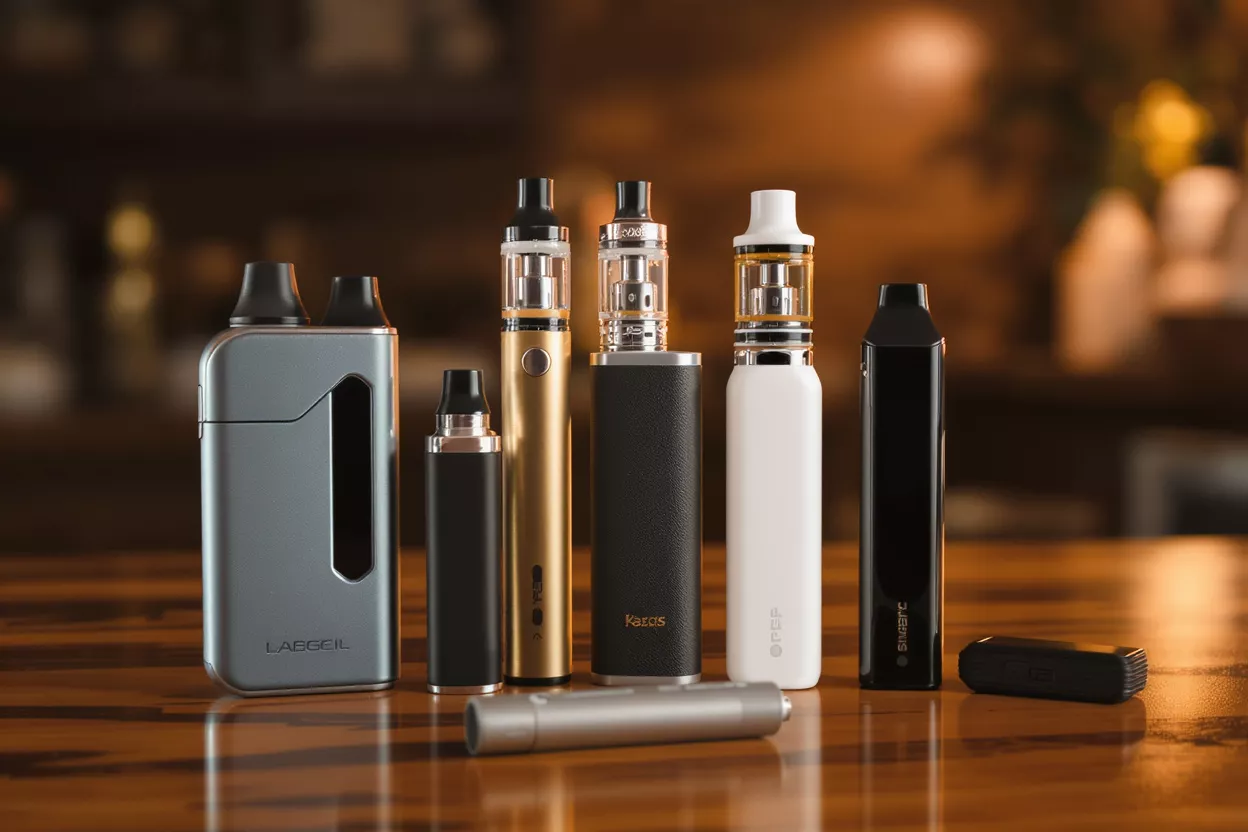
Portable vaporizers run on rechargeable batteries and slip into a pocket or bag. They sacrifice some of the raw power of desktop units in exchange for mobility, and modern models close the gap with impressive vapor quality. Vape pens, a slim subset of the portable family, are designed primarily for oil cartridges and concentrates.
- 🏠 Desktop: maximum vapor density and control for home use.
- 🎒 Portable: battery powered, pocket friendly, balanced performance.
- 🖊️ Vape pen: compact, oil and concentrate focused, ultra discreet.
- 🌿 Dry herb: built specifically for ground flower rather than extracts.
Dry Herb Vaporizer Guide
A dry herb vaporizer is engineered around ground cannabis flower rather than oils or waxes, and it has become the default choice for users who want to taste the full character of a strain. Loading is simple: you grind your flower to a medium consistency, pack the chamber without cramming it, and let the device do the work.
Grind consistency matters more than people expect. Too coarse and hot air rushes past clumps without fully extracting them; too fine and the powder can clog the airflow path or fall through the screen. A medium grind, similar to coarse ground coffee, gives hot air enough surface area to pull cannabinoids and terpenes evenly across the load.
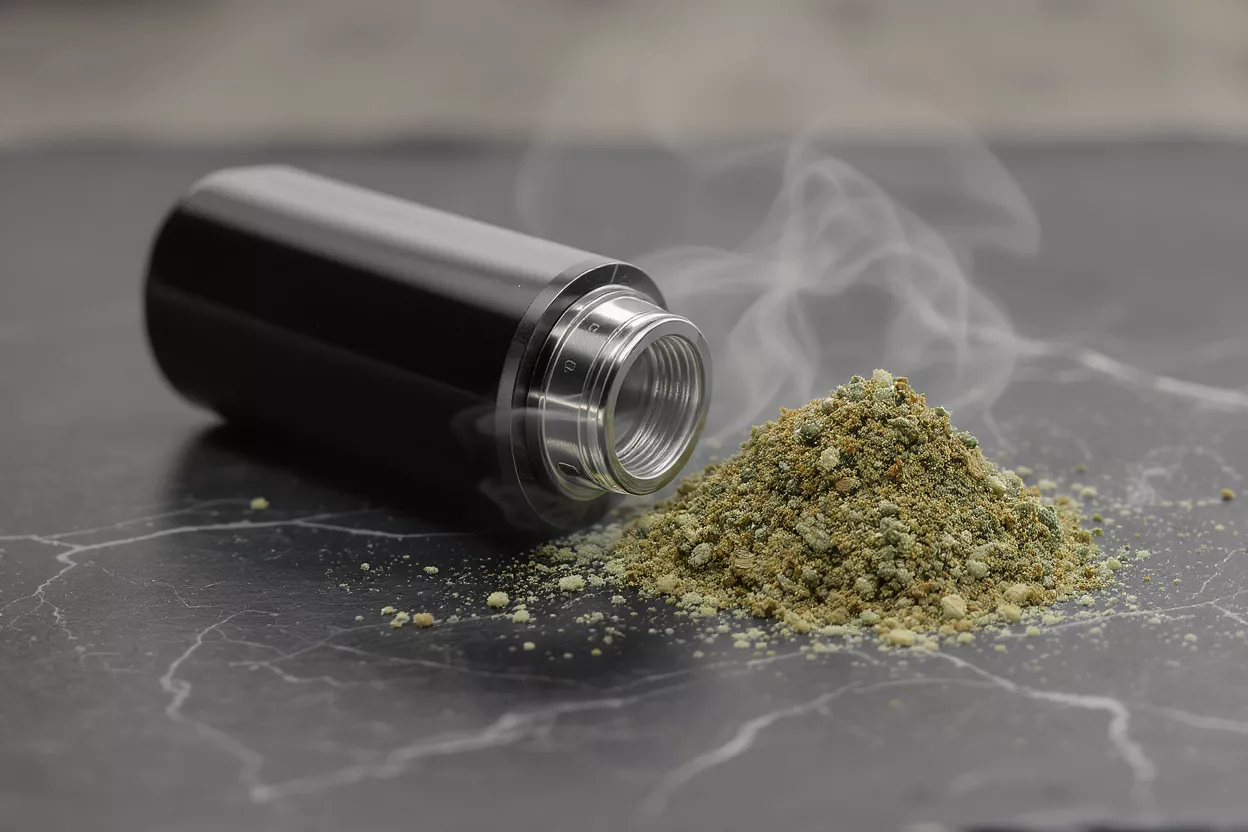
Packing density is the other variable worth dialing in. A loosely packed chamber favors airflow and flavor, while a firmer pack produces thicker vapor at the cost of a tighter draw. Experimenting with both ends of that spectrum on your specific device is the fastest way to find a draw that feels right.
Vaporizer vs Smoking: What Changes
The most common reason people switch to a vaporizer is the move away from combustion, and the differences are tangible from the first draw. Smoke is the product of burning, which means it inevitably carries tar, ash, and a long list of combustion byproducts. Vapor sidesteps that chemistry entirely by stopping short of the burn.
Flavor is the second big shift. Because terpenes are delicate and many evaporate or degrade at combustion temperatures, vaporizing at a controlled heat preserves the aromatic nuances that smoke tends to flatten into a generic char. Users often report tasting citrus, pine, or pepper notes they never noticed when smoking the same flower.
- 💨 Vapor: no smoke, cooler draw, preserved terpene flavor, less lingering odor.
- 🔥 Smoke: instant and familiar, but harsher, with combustion byproducts and stronger smell.
- ♻️ Efficiency: vaporized flower can often be repurposed into edibles afterward.
Efficiency rounds out the comparison. Vaporizing extracts cannabinoids more completely at lower temperatures, and the leftover material, often called already-vaped bud, still contains compounds usable in infusions or edibles rather than going up in smoke.
Vaporizer Temperature Settings Explained
Temperature is the single most powerful tool a vaporizer gives you, because it lets you sculpt the experience by selectively releasing different compounds. Each cannabinoid and terpene boils off at its own point, so a few degrees can meaningfully change flavor, potency, and effect.
Low temperatures (157°C to 176°C) emphasize flavor and a clear, gentle effect. At this range you release the most volatile terpenes and a modest amount of THC, producing thin, tasty vapor that suits daytime use or new users easing in.
Mid temperatures (177°C to 199°C) strike a balance, delivering fuller cannabinoid release alongside good flavor. This is the sweet spot most people settle into for a well rounded session.
- 🌱 Low (157–176°C): bright flavor, mild effect, minimal vapor.
- ⚖️ Mid (177–199°C): balanced potency and taste, the all-purpose zone.
- 🔆 High (200–220°C): dense vapor, stronger sedative effect, fuller extraction.
Vaporizer Benefits for Discreet Use
Discretion is one of the underrated reasons a vaporizer earns a permanent place in someone's routine. Vapor dissipates far faster than smoke and leaves little of the clinging odor that announces a smoking session from across a room, which matters in shared living spaces and travel.
Odor control is the headline benefit here. Because vapor is cooler and carries no burnt plant matter, the smell is lighter and fades within minutes rather than soaking into fabric and hair. Portable units add a visual discretion factor, resembling everyday electronics rather than obvious paraphernalia.
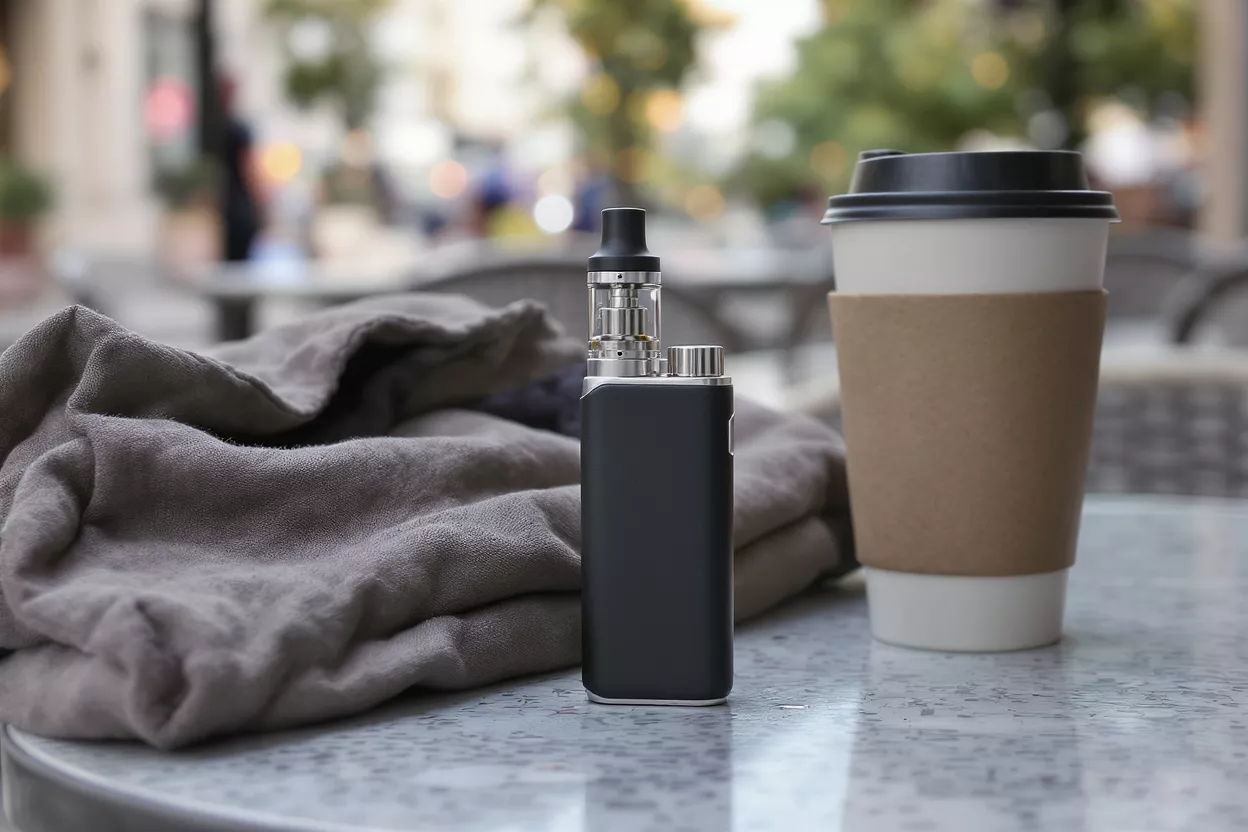
Beyond discretion, many users cite the gentler inhalation experience as a genuine quality-of-life improvement. The cooled, smoother vapor is easier on the throat during longer sessions, and the absence of ash and lighters streamlines the whole ritual into something cleaner and more deliberate.
How to Use a Vaporizer Step by Step
Getting a great session from a vaporizer is mostly about a handful of small habits that compound into consistent results. The process is forgiving, but a deliberate approach pays off in flavor and efficiency from the very first bowl.
Start by grinding your flower to a medium consistency and loading the chamber to the fill line without packing it too tightly. Set your target temperature, give the device time to fully preheat, and then begin with slow, steady draws rather than the sharp pulls a cigarette would invite.
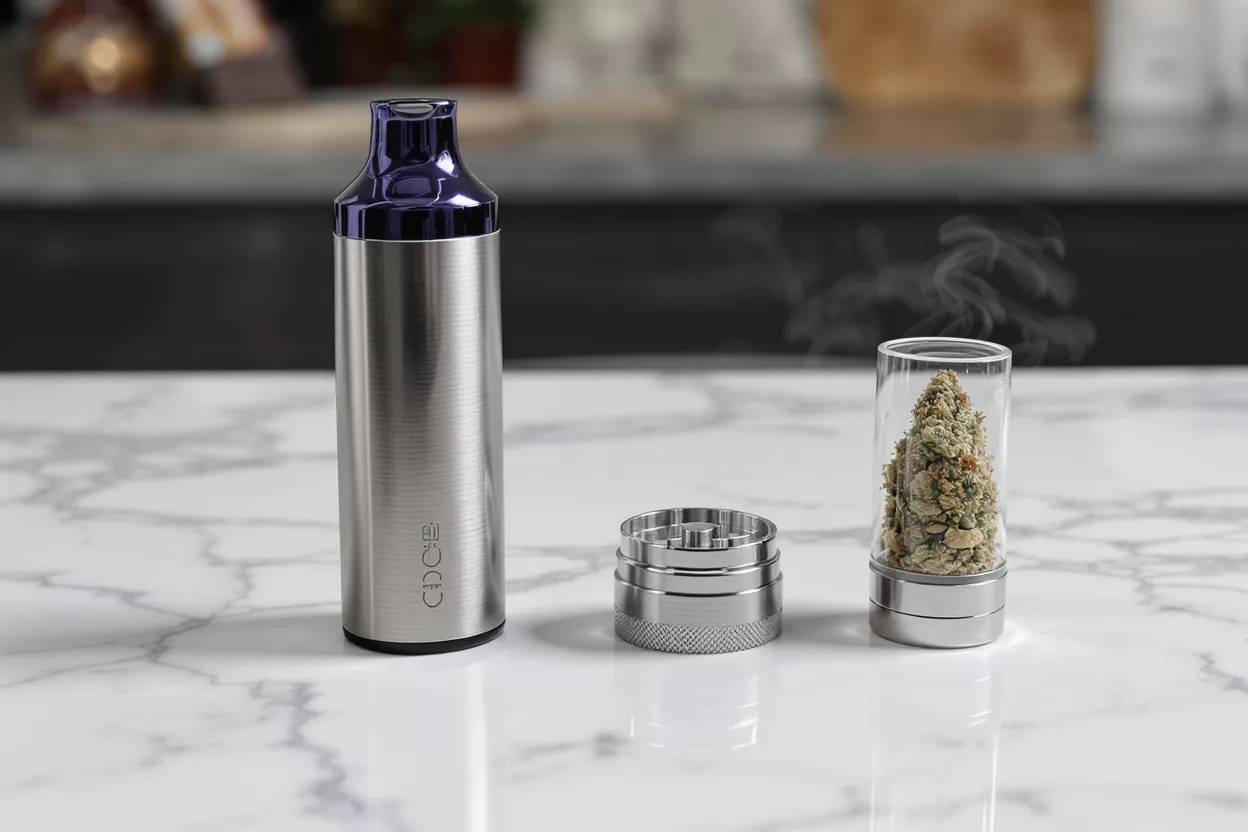
Draw technique shapes the result more than most newcomers realize. Long, gentle inhalations give hot air time to move through the material and extract evenly, while aggressive pulls cool the chamber and thin the vapor. Pausing between draws lets the heating element recover and keeps extraction steady across the whole bowl.
Cleaning and Maintaining a Vaporizer
A clean vaporizer tastes better, draws easier, and lasts longer, making maintenance the least glamorous but most rewarding habit in the whole routine. Resin and fine plant particles accumulate in the chamber and airflow path over time, dulling flavor and restricting draw if left unchecked.
For most devices, a regular wipe-down handles the bulk of the work. Empty the chamber after each session while it is still slightly warm, brush out loose debris, and periodically soak removable glass or stainless parts in isopropyl alcohol to dissolve stubborn resin.
- 🧹 After each use: empty the chamber and brush away loose residue.
- 🧴 Weekly: soak removable mouthpieces and screens in isopropyl alcohol.
- 🔋 Ongoing: keep contacts clean and store batteries away from extreme heat.
Battery care deserves a mention for portable units. Avoiding full discharges, storing the device at room temperature, and using the supplied charger all extend the life of the cell that powers your sessions, sparing you the frustration of a dead device when you reach for it.
Are Vaporizers Safe to Use
Because a vaporizer avoids combustion, it eliminates many of the tar and irritant byproducts associated with smoking, which is the foundation of its appeal to health-conscious users. Heating cannabis below the burn point means the inhaled vapor contains far fewer of the harsh compounds produced when plant matter actually catches fire.
That said, safety still depends on the device and the material. Reputable dry herb and flower vaporizers from established manufacturers use medical-grade or food-safe materials in the air path, which matters because cheap components can off-gas when heated. Sourcing your device and your cannabis from trusted suppliers is the simplest way to keep the experience clean.
To summarize, a vaporizer offers a smoother, more flavorful, and more discreet way to enjoy cannabis by harnessing precise heat instead of fire. Whether you favor the raw power of a desktop unit, the convenience of a portable, or the simplicity of a dry herb model, understanding heating methods, temperature ranges, and basic maintenance turns a good device into a great daily companion. Pair that knowledge with quality materials and a little cleaning discipline, and your vaporizer will reward you session after session.

Comments