








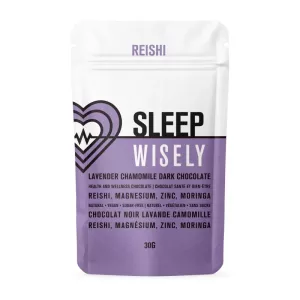
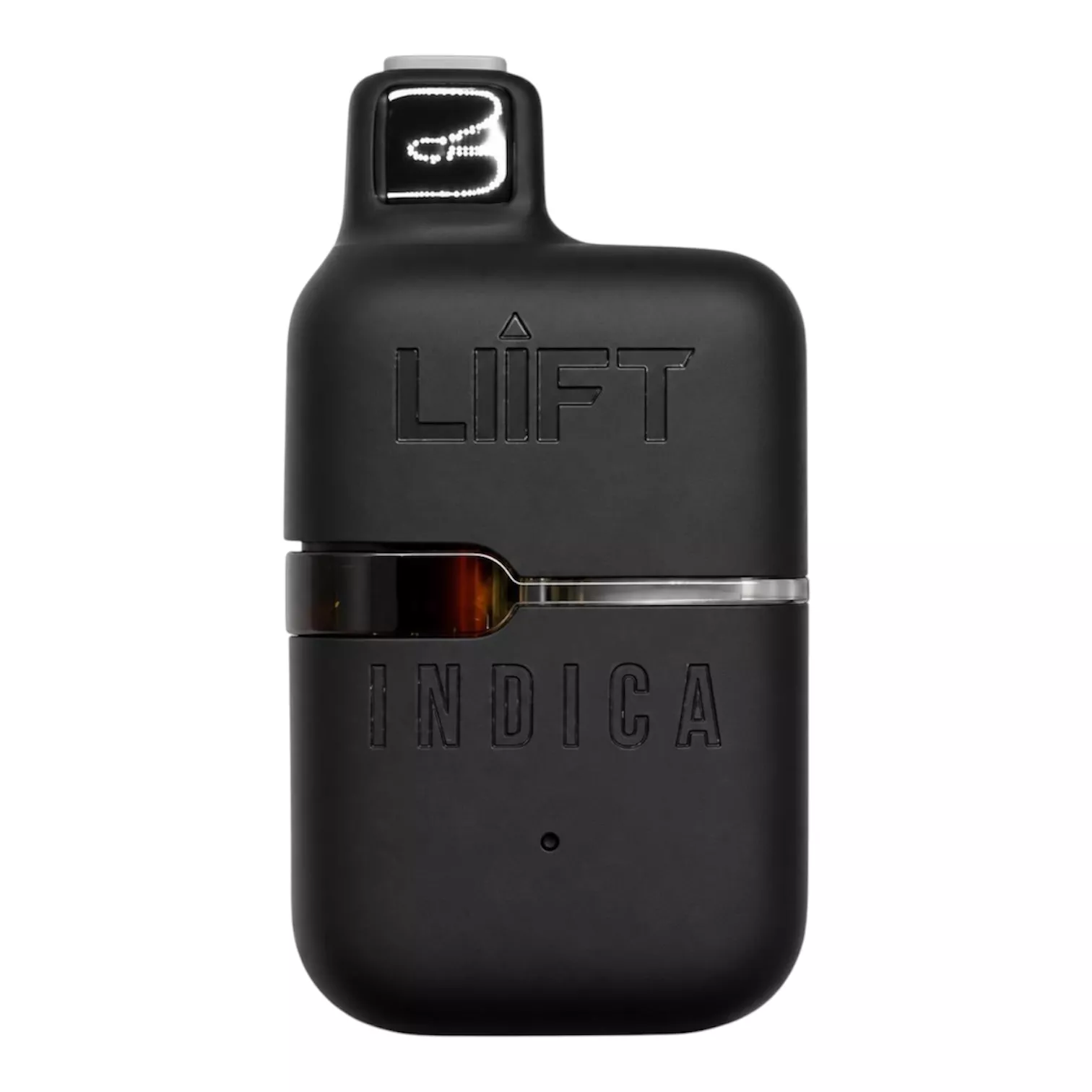

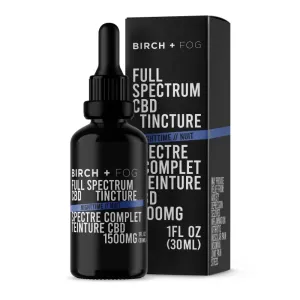








THC & CBD for Sleep: Unlocking the Power of Cannabinoids for a Restful Night
Introduction
In today's hyperconnected, high-stress society, achieving quality sleep has become one of the most pressing health challenges facing millions of people worldwide. With the constant bombardment of digital stimuli, work pressures, and lifestyle demands, it's no surprise that sleep disorders have reached epidemic proportions, affecting nearly 70 million Americans according to the CDC. Traditional pharmaceutical sleep aids, while effective for some, often come with concerning side effects including dependency, morning grogginess, and potential interactions with other medications.
🌙 The Sleep Crisis and Natural Solutions
The modern sleep crisis extends beyond simple insomnia, encompassing a complex spectrum of sleep-related disorders including sleep apnea, restless leg syndrome, circadian rhythm disruptions, and anxiety-induced sleep disturbances. As awareness grows about the limitations and risks associated with conventional sleep medications, more individuals are turning to natural alternatives that work with the body's inherent regulatory systems rather than against them.
Cannabis-derived compounds, particularly THC (tetrahydrocannabinol) and CBD (cannabidiol), have emerged as promising natural solutions for sleep optimization. These cannabinoids interact with the body's sophisticated endocannabinoid system, which plays a fundamental role in regulating sleep cycles, stress responses, and overall homeostasis. Unlike synthetic sleep aids that often work by suppressing natural brain activity, cannabinoids support and enhance the body's existing sleep mechanisms.
🔬 Scientific Foundation and Growing Research
Recent scientific research has validated what traditional medicine practitioners have observed for centuries—that cannabis compounds possess remarkable therapeutic potential for sleep-related issues. Clinical studies have demonstrated that both THC and CBD can significantly improve sleep quality, reduce sleep latency (time to fall asleep), and enhance overall sleep satisfaction without the harsh side effects commonly associated with pharmaceutical alternatives.
The Endocannabinoid System and Sleep
To fully comprehend how THC and CBD influence sleep patterns, it's essential to understand the intricate workings of the endocannabinoid system (ECS), one of the most important regulatory networks in the human body. Discovered relatively recently in the 1990s, the ECS represents a complex communication system that extends throughout virtually every organ and tissue, with particularly high concentrations in the brain, nervous system, and immune system.
🧠 ECS Components and Sleep Regulation
The endocannabinoid system consists of three primary components: endocannabinoids (naturally produced cannabinoids), cannabinoid receptors (CB1 and CB2), and metabolic enzymes that break down cannabinoids after use. This sophisticated network functions as the body's master regulatory system, constantly working to maintain optimal balance across all physiological processes, including the complex mechanisms that govern sleep and wakefulness.
CB1 receptors are predominantly located in the brain and central nervous system, particularly in areas responsible for sleep regulation such as the hypothalamus, which controls circadian rhythms, and the brainstem, which manages sleep-wake transitions. CB2 receptors are primarily found in immune system tissues and peripheral organs, where they help regulate inflammation and pain responses that can significantly impact sleep quality.
⏰ Circadian Rhythm Integration
Research has revealed that endocannabinoid levels naturally fluctuate throughout the day in sync with circadian rhythms, with peak levels occurring during evening hours when the body prepares for sleep. This natural rhythm suggests that the ECS plays a crucial role in signaling the transition from wakefulness to sleep, helping coordinate the complex physiological changes necessary for restorative rest.
The interaction between the ECS and other sleep-regulating systems, including melatonin production and adenosine accumulation, creates a comprehensive network that orchestrates healthy sleep patterns. When this system functions optimally, it promotes natural sleepiness at appropriate times while maintaining alertness during waking hours.
CBD for Sleep: A Natural Alternative to Traditional Sleep Aids
Cannabidiol (CBD) has gained significant attention as a natural sleep aid that offers unique advantages over conventional pharmaceutical options. Unlike traditional sleep medications that often work by sedating the central nervous system, CBD promotes sleep through multiple complementary mechanisms that address underlying causes of sleep disturbances rather than simply masking symptoms.
🧘 Anxiety and Stress Reduction Mechanisms
One of CBD's most well-documented effects is its ability to reduce anxiety and stress levels, which are among the most common causes of sleep difficulties. CBD modulates the activity of GABA (gamma-aminobutyric acid), the brain's primary inhibitory neurotransmitter responsible for promoting relaxation and reducing neural excitation. By enhancing GABA function, CBD helps calm racing thoughts and physical tension that prevent peaceful sleep onset.
Additionally, CBD influences serotonin receptors in ways that can improve mood stability and reduce anxiety-related sleep disruptions. This dual-action approach makes CBD particularly effective for individuals whose sleep problems stem from stress, worry, or anxiety disorders that cause persistent mental hyperarousal during bedtime hours.
💊 Pain Management and Sleep Quality
Chronic pain affects millions of people worldwide and represents one of the most significant barriers to quality sleep. CBD's analgesic and anti-inflammatory properties work through multiple pathways to provide relief from various types of pain that can interfere with sleep, including neuropathic pain, inflammatory conditions, and muscle tension.
Unlike opioid pain medications that can disrupt natural sleep architecture and create dependency issues, CBD provides pain relief while supporting healthy sleep patterns. Research indicates that CBD can reduce pain perception without causing respiratory depression or other dangerous side effects associated with traditional pain medications.
🔄 Sleep Architecture Optimization
CBD appears to optimize sleep architecture by promoting longer periods of deep sleep (slow-wave sleep) while reducing excessive REM sleep that can lead to vivid dreams or nightmares. This rebalancing effect helps create more restorative sleep cycles that leave individuals feeling more refreshed and energized upon waking.
Studies have shown that CBD can help regulate sleep-wake cycles by influencing the release of sleep-promoting neurotransmitters while reducing the production of stress hormones like cortisol that can interfere with natural sleep rhythms.
THC for Sleep: The Sedative Effects of Marijuana
Tetrahydrocannabinol (THC), the primary psychoactive compound in cannabis, has been used for centuries as a natural sleep aid due to its potent sedative properties. While THC's psychoactive effects often overshadow its therapeutic applications, research has revealed sophisticated mechanisms through which THC can significantly improve sleep quality and duration for many individuals.
😴 Direct Sedative Properties
THC's sedative effects result from its direct interaction with CB1 receptors in brain regions responsible for sleep regulation. When THC binds to these receptors, it triggers a cascade of neurochemical changes that promote drowsiness and facilitate the transition from wakefulness to sleep. This mechanism can be particularly beneficial for individuals who struggle with sleep onset insomnia or those who find their minds racing when they try to fall asleep.
Research has demonstrated that THC can significantly reduce sleep latency (the time required to fall asleep) while increasing total sleep time. These effects are often more pronounced than those achieved with many prescription sleep medications, making THC an attractive option for individuals seeking natural alternatives to pharmaceutical interventions.
🌊 Deep Sleep Enhancement
One of THC's most valuable sleep-related benefits is its ability to increase the amount of time spent in slow-wave sleep, the deepest and most restorative stage of the sleep cycle. During slow-wave sleep, the body performs crucial repair processes, consolidates memories, and releases growth hormones essential for physical and mental recovery.
Many users report that THC not only helps them fall asleep faster but also promotes more restful, uninterrupted sleep that leaves them feeling more refreshed in the morning. This improvement in sleep quality can have cascading positive effects on daytime energy levels, cognitive function, and overall well-being.
💪 Muscle Relaxation and Physical Comfort
THC's muscle relaxant properties make it particularly beneficial for individuals whose sleep is disrupted by physical discomfort, muscle spasms, or tension-related pain. By promoting muscle relaxation and reducing physical restlessness, THC can help create the physical comfort necessary for peaceful sleep onset and maintenance.
This muscle relaxant effect is especially valuable for individuals with conditions like fibromyalgia, multiple sclerosis, or chronic back pain that can cause sleep-disrupting muscle tension or spasms throughout the night.
Combining THC and CBD for Optimal Sleep Benefits
While both THC and CBD offer individual benefits for sleep enhancement, the combination of these compounds often produces superior results through complementary mechanisms and synergistic effects. This collaborative approach allows users to achieve optimal sleep benefits while minimizing potential drawbacks associated with using either compound alone.
🔄 The Entourage Effect and Sleep
The concept of the "entourage effect" describes how cannabis compounds work together to enhance each other's therapeutic benefits while reducing unwanted side effects. When it comes to sleep, this synergy is particularly evident in how CBD can modulate some of THC's more stimulating effects while THC enhances CBD's relaxation-promoting properties.
CBD appears to buffer some of THC's psychoactive effects that might otherwise interfere with sleep, such as anxiety or racing thoughts, while preserving THC's beneficial sedative properties. This modulation allows users to access THC's sleep-promoting benefits without experiencing unwanted mental stimulation or anxiety that can sometimes occur with THC use alone.
🌿 Full-Spectrum Products for Sleep
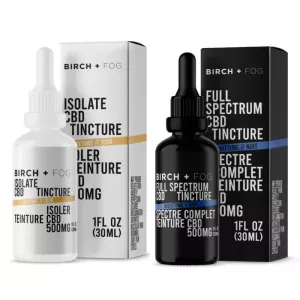
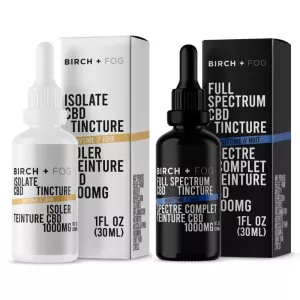
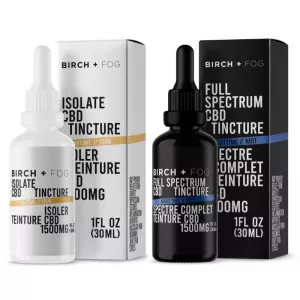
Full-spectrum CBD products, which contain the complete range of cannabinoids and terpenes found in cannabis (including trace amounts of THC), often provide superior sleep benefits compared to CBD isolate products. The presence of minor cannabinoids like CBN (cannabinol), CBG (cannabigerol), and CBC (cannabichromene) contributes additional therapeutic effects that enhance overall sleep quality.
CBN, in particular, has gained attention for its potent sedative properties and is often referred to as the "sleepy cannabinoid." When combined with CBD and THC, CBN can significantly enhance the sleep-promoting effects of cannabis products, making full-spectrum formulations particularly effective for sleep applications.
⚖️ Ratio Optimization for Individual Needs
The optimal THC:CBD ratio for sleep varies significantly among individuals based on factors including tolerance, sensitivity, underlying health conditions, and personal preferences. Common effective ratios range from 1:1 (equal parts THC and CBD) to 1:4 (higher CBD content), with some individuals preferring even higher CBD ratios to minimize psychoactive effects while maximizing therapeutic benefits.
Sleep Disorders and Cannabis Research
🔬 Clinical Research on Insomnia
Multiple clinical studies have investigated the efficacy of cannabinoids for treating various forms of insomnia. A 2019 study published in The Permanente Journal found that 66.7% of patients experienced improved sleep scores within the first month of CBD treatment, with sustained improvements noted throughout the study period. These results suggest that CBD may be particularly effective for anxiety-related insomnia.
Research has also demonstrated that THC can be highly effective for sleep onset insomnia, with studies showing significant reductions in the time required to fall asleep. However, some studies have noted that long-term THC use may lead to tolerance development, requiring dosage adjustments or periodic breaks to maintain effectiveness.
😷 Sleep Apnea and Breathing Disorders
Emerging research suggests that certain cannabinoids may help address sleep-disordered breathing conditions like sleep apnea. Preliminary studies indicate that THC may help stabilize breathing patterns during sleep by affecting respiratory control centers in the brainstem, though more research is needed to fully understand these mechanisms and their clinical applications.
🦵 Restless Leg Syndrome and Movement Disorders
Several case studies and small clinical trials have reported improvements in restless leg syndrome (RLS) symptoms with cannabis use. The muscle relaxant properties of THC, combined with CBD's anti-inflammatory effects, may help reduce the uncomfortable sensations and involuntary movements that characterize RLS and disrupt sleep.
Product Types and Delivery Methods
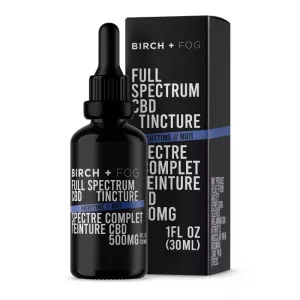
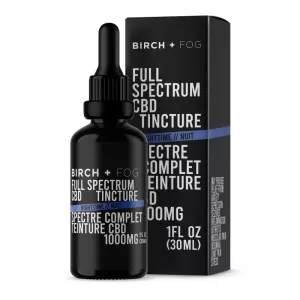
💧 Tinctures and Sublingual Oils
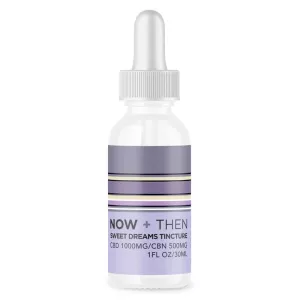
Sublingual tinctures represent one of the most popular and effective delivery methods for sleep-focused cannabinoid products. When held under the tongue for 30-90 seconds before swallowing, tinctures bypass digestive processing and enter the bloodstream directly through sublingual absorption, providing effects within 15-45 minutes that can last 4-6 hours.
This delivery method offers excellent dose control, allowing users to start with small amounts and gradually increase until they find their optimal dosage. Many manufacturers offer sleep-specific tincture formulations that combine CBD and THC in ratios optimized for sleep promotion, often enhanced with additional sleep-supporting ingredients like melatonin or calming terpenes.
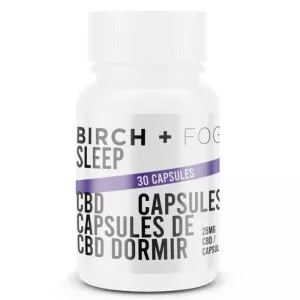
🍯 Edibles and Capsules
Cannabis edibles and capsules provide longer-lasting effects that can be ideal for maintaining sleep throughout the night. While onset times are slower (typically 30-90 minutes), the effects can last 6-8 hours or longer, making them excellent for individuals who struggle with middle-of-the-night awakening or early morning arousal.
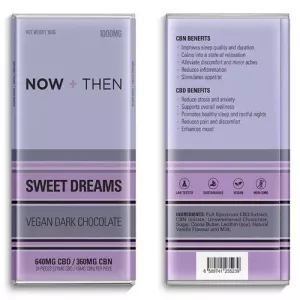
Sleep-specific edible formulations often incorporate additional sleep-promoting ingredients such as melatonin, L-theanine, chamomile, or valerian root to enhance their effectiveness. The precise dosing available in capsules makes them particularly appealing for users who prefer consistent, measured dosing without the variability sometimes associated with other consumption methods.
💨 Vaporization for Rapid Onset
Vaporizing cannabinoids provides the fastest onset of effects (within 2-5 minutes), making it useful for individuals who need immediate relief from acute insomnia or anxiety that prevents sleep onset. However, the effects typically last only 2-4 hours, which may require redosing for individuals who wake during the night.
Many users find that combining vaporization for immediate effects with edibles for sustained benefits provides optimal sleep support throughout the entire night.
Timing and Sleep Hygiene
⏰ Optimal Timing Strategies
The timing of cannabinoid consumption plays a crucial role in maximizing sleep benefits. For most products, taking CBD 30-60 minutes before desired bedtime allows sufficient time for onset while ensuring peak effects coincide with sleep onset. THC-containing products may require different timing based on the delivery method and individual metabolism.
For individuals using edibles, consuming them 60-90 minutes before bedtime accounts for the longer onset time while ensuring effects last throughout the night. Fast-acting methods like tinctures or vaporizers can be taken closer to bedtime, typically 15-30 minutes before attempting to sleep.
🌙 Integration with Sleep Hygiene Practices
Cannabinoids work most effectively when combined with good sleep hygiene practices. This includes maintaining consistent sleep and wake times, creating a comfortable sleep environment, limiting screen time before bed, and avoiding caffeine or large meals close to bedtime.
Many users find that incorporating cannabinoids into a broader bedtime routine—including activities like reading, gentle stretching, or meditation—enhances their overall effectiveness while promoting healthy sleep habits that support long-term sleep quality.
Potential Side Effects and Considerations
⚠️ Common Side Effects and Management
While cannabinoids are generally well-tolerated, some users may experience side effects, particularly when starting treatment or using inappropriate dosages. Common side effects include dry mouth, drowsiness during the day, changes in appetite, and mild digestive upset with edible products.
THC-specific side effects can include anxiety, paranoia, or cognitive impairment, particularly at higher doses. These effects are typically dose-dependent and can often be managed by reducing the THC content or increasing the CBD ratio to provide balancing effects.
🏥 Drug Interactions and Medical Considerations
Cannabinoids can interact with certain medications, particularly those metabolized by the liver's cytochrome P450 enzyme system. Individuals taking prescription medications, especially blood thinners, seizure medications, or sedatives, should consult with healthcare providers before incorporating cannabinoids into their sleep routine.
People with certain medical conditions, including liver disease, heart conditions, or psychiatric disorders, may require special monitoring or modified dosing approaches when using cannabinoids for sleep support.
🤰 Special Populations and Contraindications
Pregnant and breastfeeding women should avoid cannabis products due to potential risks to fetal and infant development. Adolescents and young adults should also exercise caution, as their developing brains may be more susceptible to adverse effects from cannabinoid use.
Dosage and Administration of THC and CBD for Sleep
📊 CBD Dosing Guidelines
Starting dosages for CBD sleep applications typically range from 10-25mg taken 30-60 minutes before bedtime. Individuals new to CBD should begin at the lower end of this range and gradually increase by 5-10mg every few days until achieving desired effects. Some individuals may require higher doses (50-100mg or more) depending on factors including body weight, metabolism, and severity of sleep issues.
The "start low and go slow" approach allows users to find their minimum effective dose while avoiding potential side effects associated with excessive consumption. Most people find their optimal CBD dose within 1-2 weeks of consistent use.
🌿 THC Dosing Considerations
THC dosing for sleep requires particular caution due to its psychoactive properties and the potential for unwanted side effects at higher doses. Beginners should start with 1-2.5mg of THC and increase gradually only if needed. Most people find effective sleep benefits with doses ranging from 2.5-10mg, though some experienced users may require higher amounts.
For smoking or vaporizing, users should start with one small inhalation and wait 15-20 minutes to assess effects before consuming more. With edibles, patience is crucial as effects can take up to 2 hours to fully manifest.
⚖️ Ratio-Based Formulations
Many users find success with combination products that provide specific THC:CBD ratios. Popular ratios for sleep include:
- 🌙 1:1 ratio: Balanced effects with moderate sedation and anxiety relief
- 🛌 1:2 ratio: Enhanced relaxation with reduced psychoactive effects
- 😴 1:4 ratio: Maximum anxiety relief with minimal psychoactivity
- 🌿 2:1 ratio: Stronger sedative effects for severe insomnia
Building Tolerance and Long-Term Use
🔄 Understanding Tolerance Development
Regular use of cannabinoids, particularly THC, can lead to tolerance development over time, requiring higher doses to achieve the same effects. This tolerance typically develops gradually over weeks to months of consistent use and affects different individuals at varying rates based on factors including genetics, usage patterns, and dosing levels.
CBD appears to have less tolerance development potential compared to THC, with many users maintaining consistent effectiveness at stable doses over extended periods. However, some individuals may still experience reduced effects with very long-term use.
📅 Tolerance Management Strategies
To maintain long-term effectiveness and minimize tolerance development, many users employ various strategies including:
- 🔄 Periodic tolerance breaks: Taking 1-2 weeks off every few months
- 📊 Dose cycling: Alternating between higher and lower doses
- 🔀 Product rotation: Switching between different strains or formulations
- ⚖️ Ratio adjustment: Modifying THC:CBD ratios over time
🏥 Long-Term Safety Considerations
Current research suggests that cannabinoids have a favorable long-term safety profile compared to many conventional sleep medications. However, long-term studies are still limited, and individual responses can vary significantly. Regular check-ins with healthcare providers can help monitor for any potential issues and optimize treatment approaches over time.
Conclusion
The therapeutic potential of THC and CBD for sleep enhancement represents a paradigm shift in how we approach sleep disorders and optimization. Unlike conventional pharmaceutical sleep aids that often work by suppressing natural brain function, cannabinoids support and enhance the body's existing sleep regulatory mechanisms through their interaction with the endocannabinoid system.
🌟 The Future of Cannabinoid Sleep Therapy
As research continues to unveil the complex mechanisms underlying cannabinoid effects on sleep, we can expect to see increasingly sophisticated formulations and delivery methods designed to address specific sleep challenges. Emerging areas of research include personalized dosing based on genetic factors, combination therapies that integrate cannabinoids with other natural sleep aids, and targeted formulations for specific sleep disorders.
The growing acceptance of cannabis-based therapeutics, combined with expanding legalization and regulatory frameworks, is creating unprecedented opportunities for individuals to access safe, effective, natural alternatives to conventional sleep medications. This shift represents not just a treatment option, but a fundamental change in how we understand and approach sleep health.
💡 Key Takeaways for Success
Successful use of cannabinoids for sleep requires patience, experimentation, and a commitment to finding the right combination of products, dosages, and timing that works for your individual needs. The "start low and go slow" approach, combined with good sleep hygiene practices and regular monitoring of effects, provides the foundation for achieving optimal results.
Whether you choose CBD for its anxiety-relieving and non-psychoactive properties, THC for its potent sedative effects, or a combination that leverages the entourage effect, cannabinoids offer a promising pathway to the restorative sleep that forms the foundation of optimal health and well-being. As with any therapeutic intervention, consulting with knowledgeable healthcare providers can help ensure safe and effective use while maximizing the potential benefits of these remarkable natural compounds.
We have an incredible wealth of information in the tabs above, listed in point form Q & A to help answer any questions you could possibly have in regards to this category of cannabis products. If you would like to read even more information, please check out the Fog Blog where we make entire articles about the most important aspects of how to benefit from cannabis products safely and effectively, as well as ideas for how to get the most from your experience in our store, and with respect to your use of THC & CBD products. We have also created a beginners guide to help you along your journey to wellness and listed it below for your convenience:
Getting started with CBD Capsules for Sleep | A Beginners Guide