cbd isolate
Learn what cbd isolate is, how it's made, and why it's the purest CBD option.
What Is CBD Isolate?
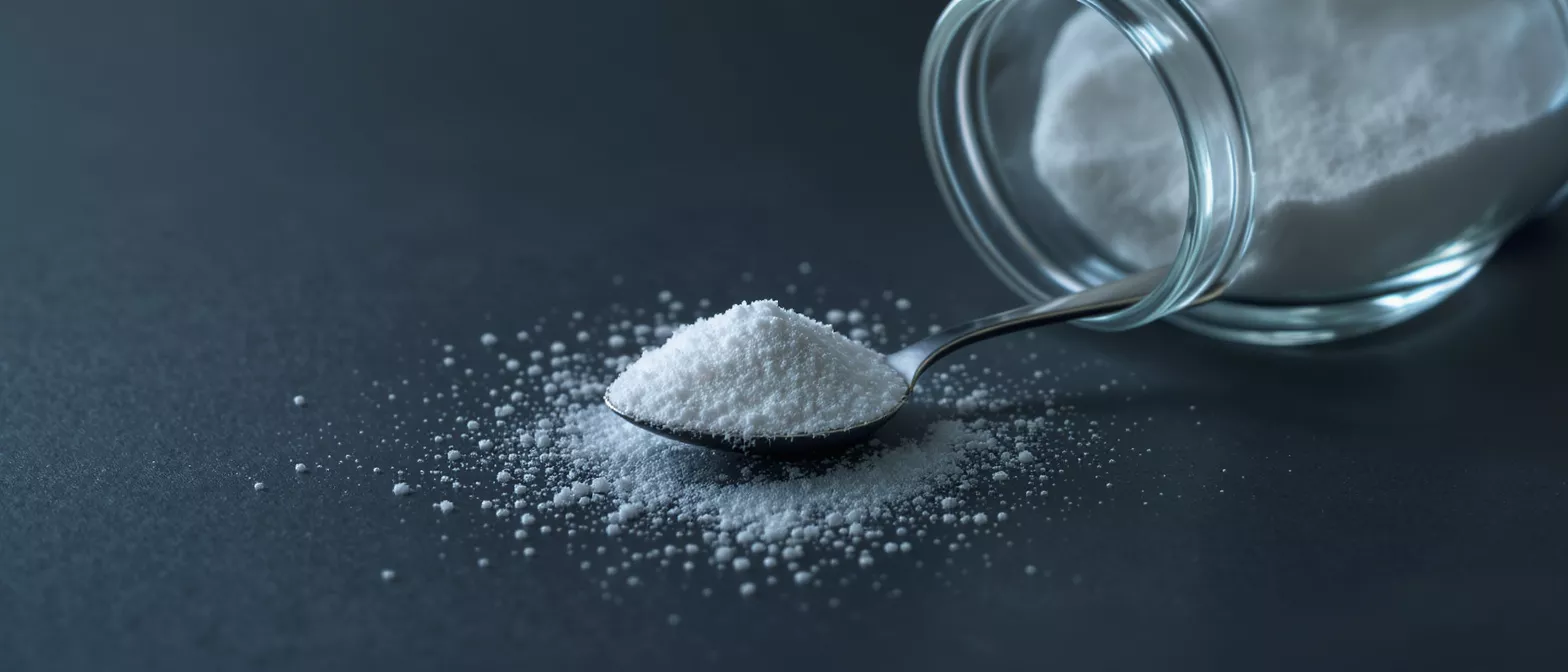
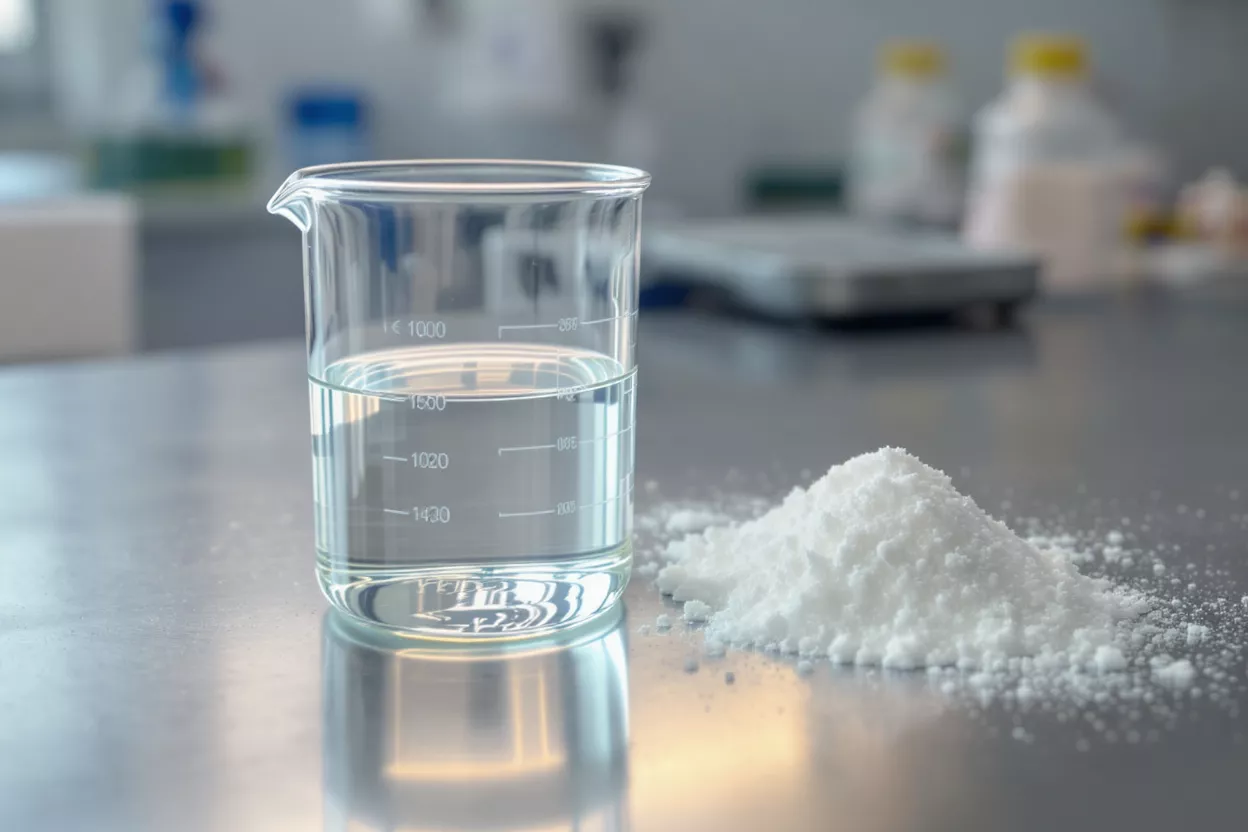
CBD isolate is the purest form of cannabidiol available, typically tested at 99% or higher purity. Unlike whole-plant extracts that carry a complex slurry of cannabinoids, terpenes, and plant compounds, CBD isolate has been stripped of everything except a single molecule. The result is a crystalline white powder or a fine, sugar-like substance that contains no THC, no chlorophyll, and none of the plant's natural aromatics. For people who want the effects associated with cannabidiol without any of the surrounding compounds, isolate is the cleanest starting point on the market.
Why purity matters to so many buyers: Because CBD isolate is a single, isolated compound, it offers a level of predictability that full-plant products struggle to match. There is no terpene profile to influence flavor, no minor cannabinoids contributing subtle effects, and crucially, no detectable THC to worry about on a drug test. According to WebMD, cannabidiol is generally well tolerated, and isolate removes many of the variables that make dosing whole-plant extracts unpredictable.
The texture and appearance of CBD isolate can vary slightly depending on how it was processed. Some batches resemble a fine crystalline powder, while others look more like a crumble or a loose concentrate. Regardless of texture, the chemistry is the same: one purified cannabinoid, free of the entourage of compounds you would find in a fresh cola or a homegrown clone. This makes it a favorite ingredient for manufacturers who need to formulate products with exact, repeatable cannabinoid content.
How CBD Isolate Is Made
The journey from cannabis or hemp cultivation to finished isolate involves several refinement stages. It begins with a raw extract, often produced through CO2 extraction, a method that uses pressurized carbon dioxide to pull cannabinoids and other compounds from plant material. The resulting CO2 oil is rich but impure, containing cannabinoids, terpenes, fats, and waxes that must be progressively removed.
From crude oil to crystalline powder: After the initial extraction, the concentrate slurry undergoes winterization to remove fats and lipids, followed by distillation to concentrate the cannabinoids. To reach isolate-grade purity, the material is then crystallized, a process that coaxes pure CBD molecules out of solution and leaves impurities behind. The WebMD overview of cannabidiol notes that extraction quality directly affects the final product, which is why reputable producers test every batch.
CO2 extraction is favored because it avoids residual solvents and produces a cleaner starting material than many alternatives. Once the isolate crystals form, they are washed and dried into the familiar white powder. Quality producers publish third-party lab results confirming purity, cannabinoid content, and the absence of contaminants like pesticides or heavy metals. When shopping, a lab-tested CBD isolate powder with a current certificate of analysis is the safest choice, because purity claims mean little without independent verification.
CBD Isolate vs Full Spectrum and Broad Spectrum
Understanding where isolate sits among the three main CBD categories helps you choose the right product. Full spectrum extracts contain the complete range of plant compounds, including trace THC, while broad spectrum removes THC but keeps other cannabinoids and terpenes. CBD isolate goes a step further, eliminating everything except cannabidiol itself.
The practical differences come down to what is called the entourage effect, the theory that cannabinoids and terpenes work better together than in isolation. Some users prefer the rounded effects of full-spectrum products, while others find isolate more than sufficient for their needs. Here is a quick comparison:
- 🧪 CBD Isolate: 99%+ pure cannabidiol, zero THC, no flavor or aroma, maximum predictability.
- 🌿 Broad Spectrum: Multiple cannabinoids and terpenes, THC removed, partial entourage effect.
- 🌱 Full Spectrum: Complete plant profile including trace THC, strongest entourage potential.
For anyone subject to workplace drug testing or who simply wants to avoid THC entirely, isolate is the clear winner. It also gives formulators a blank canvas, letting them build products without the earthy terpene notes that compounds like citronellol or cymene contribute to full-plant extracts. If you have ever experienced couch lock or a crossfade from THC-containing products, the THC-free nature of isolate sidesteps those concerns completely.
CBD Isolate Benefits and Why People Choose It
The appeal of CBD isolate rests on three pillars: purity, versatility, and control. Because it contains a single compound, you always know exactly how much cannabidiol you are taking, which simplifies dosing dramatically. This precision is hard to achieve with whole-plant products where cannabinoid ratios shift from batch to batch.
Zero THC for peace of mind: The total absence of THC is the single most cited reason people choose isolate. Athletes, professionals in safety-sensitive roles, and anyone facing routine drug screening can use isolate without the lingering worry that trace THC might accumulate. There is no risk of the crossfade effect or any intoxication, since cannabidiol is non-impairing.
A flavorless, flexible ingredient: Isolate has virtually no taste or smell, which makes it ideal for blending into foods, beverages, and topicals without altering flavor. You can stir it into a morning smoothie, fold it into homemade gummies, or mix it with a carrier oil to make your own tincture. Many people pair it with complementary wellness ingredients like curcumin or cordyceps to build a personalized routine. For those new to cannabidiol, a flavorless CBD isolate tincture offers an easy entry point without committing to a strong herbal taste.
Types of CBD Isolate Products
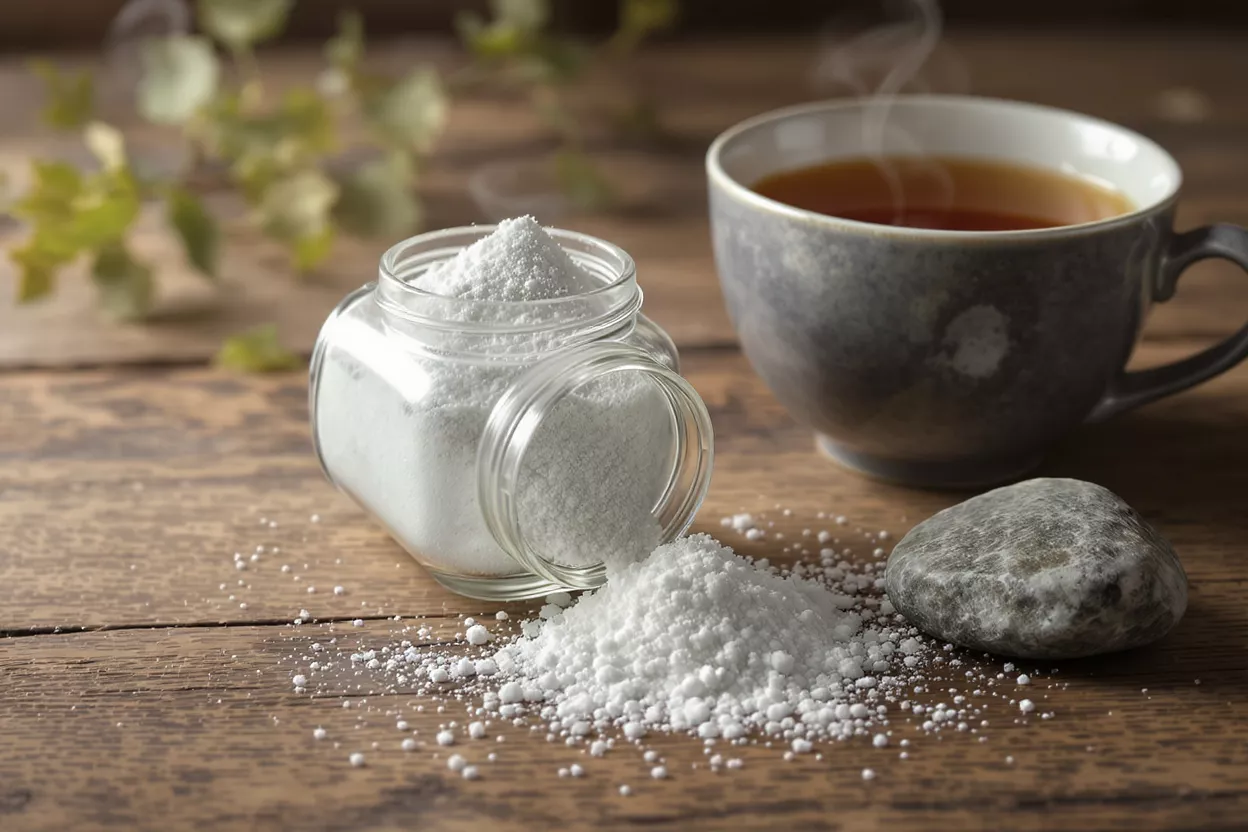
Although isolate begins as a raw powder, it appears in a surprising range of finished formats. The base material itself is sold as loose crystalline powder, but it also serves as the active ingredient in countless consumer products. Understanding the formats helps you match a product to your lifestyle.
Some forms preserve the pure powder for maximum flexibility, while others package it into convenient, pre-dosed servings. The most common product types include:
- 💧 Tinctures: Isolate dissolved in a carrier oil, taken under the tongue for steady absorption.
- 🍬 Edibles: Gummies, capsules, and chews with precise per-piece dosing.
- 🧴 Topicals: Creams and balms applied directly to skin for localized comfort.
- ❄️ Raw Powder: Pure crystalline isolate for DIY formulation and custom dosing.
- 💨 Vape Concentrates: Isolate-infused products designed for inhalation.
Raw powder remains the most versatile choice for hands-on users who want to control every variable. It also tends to offer the best value per milligram, since you are paying for pure compound rather than packaging and formulation. That said, pre-made products win on convenience, and a quality broad spectrum CBD softgel can be a smart pick when you want something portable that does not require measuring.
How to Use CBD Isolate
One of the biggest advantages of isolate is the sheer number of ways you can use it. The right method depends on how quickly you want effects and how much control you prefer over your serving size. There is no single correct approach, only what fits your goals.
Sublingual and oral methods: Placing isolate powder or an isolate tincture under your tongue allows the compound to absorb through the mucous membranes, which is faster than swallowing. Holding it for sixty seconds before swallowing improves uptake. Alternatively, you can simply add the powder to food or drinks, though digestion slows the onset considerably.
For making your own products at home, isolate dissolves readily in fats and oils thanks to its lipophilic nature. A gentle warm method works best: dissolve the powder into a carrier oil like MCT or coconut oil using low, convection-style heat, stirring until fully incorporated. This lets you create a custom tincture at whatever strength you prefer. Some makers even press isolate into their own capsules or fold it into baked goods, treating it much like any other powdered ingredient.
CBD Isolate Dosing Guide
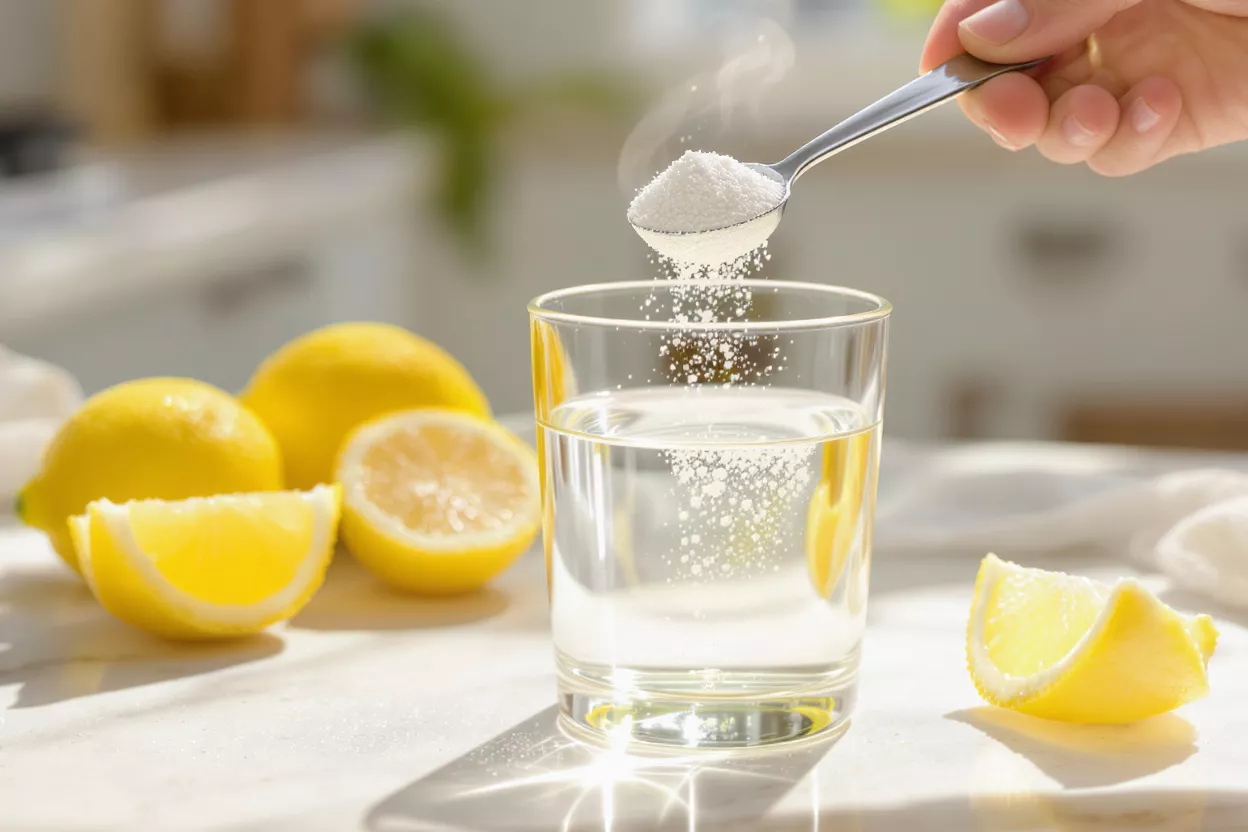
Because isolate is a single, measurable compound, dosing is more straightforward than with whole-plant products. The general principle is to start low and increase gradually until you find the amount that works for you. Individual factors like body weight, metabolism, and your reason for using cannabidiol all influence the ideal serving.
Finding your starting point: Most newcomers begin with a low daily dose and adjust upward over several days. Because isolate is so concentrated, an accurate scale or a tincture with clear measurement markings is essential. Research summarized by WebMD indicates that cannabidiol is generally well tolerated across a wide range of doses, but individual responses vary, so personal titration matters.
One quirk worth knowing is the biphasic nature of cannabidiol: lower doses can feel different from higher ones, and more is not always better. Keeping a simple log of your dose and how you feel helps you zero in on your personal sweet spot without guesswork. If you are formulating your own products, weigh the raw isolate precisely rather than estimating by volume, since a small scoop of fine powder can contain far more compound than it appears to.
Is CBD Isolate Safe?
For most people, CBD isolate has a favorable safety profile, and its purity actually reduces certain risks compared to less-refined products. Because it contains no THC, there is no risk of intoxication, impairment, or the disorienting crossfade some people experience when mixing cannabis with alcohol. The most commonly reported side effects of cannabidiol are mild and may include drowsiness, dry mouth or cottonmouth, and changes in appetite.
Drug interactions to consider: Cannabidiol can interact with certain medications by affecting the enzymes that metabolize them in the liver. According to WebMD, this means anyone taking prescription drugs, particularly blood thinners, should consult a healthcare provider before adding CBD to their routine. This caution applies regardless of whether you use isolate or a full-spectrum product.
The biggest safety variable is product quality rather than the compound itself. Unregulated CBD has historically suffered from mislabeling, so buying from companies that publish third-party lab results is the most important step you can take. A genuine certificate of analysis confirms both the purity of the isolate and the absence of contaminants like residual solvents, pesticides, and heavy metals that poor curing or careless extraction can leave behind.
Best CBD Isolate for Beginners
If you are new to cannabidiol, isolate is arguably the most beginner-friendly form available precisely because it removes so many variables. You do not need to learn a strain's terpene profile, worry about THC content, or decode complex cannabinoid ratios. You simply choose a purity-verified product and a comfortable starting dose.
For first-timers, simplicity and verification should guide your purchase. Keep these priorities in mind when shopping:
- ✅ Third-Party Lab Results: Always confirm a current certificate of analysis backs the purity claim.
- 📏 Easy Measurement: Choose a tincture with clear markings or pre-dosed pieces to simplify dosing.
- 🌾 Hemp Source Transparency: Look for clear information about where and how the hemp was grown.
- 💵 Fair Value: Compare price per milligram rather than total package price.
Beginners often do best starting with a low-strength tincture or pre-dosed edible rather than raw powder, since these remove the need for precise weighing. Once you understand how your body responds, you can graduate to raw isolate for full control and better value. The flavorless quality of isolate also means there is no learning curve around taste, which makes the first few weeks of experimentation far more pleasant than with strongly flavored full-spectrum oils.
CBD Isolate Storage and Shelf Life
One underrated benefit of CBD isolate is its impressive stability. Because it lacks the volatile terpenes, lipids, and plant matter found in whole-plant extracts, it resists degradation far better than oils or flower. Stored correctly, isolate can remain potent for a year or longer without significant loss of strength.
Ideal storage conditions: Keep your isolate in an airtight container away from heat, light, and moisture. A cool, dark cupboard is ideal, and many users store theirs in the refrigerator for maximum longevity. Light and oxygen are the main enemies of cannabinoid stability, so resealing the container promptly after each use preserves quality. Unlike flower that requires careful curing to stay fresh, isolate needs no such ongoing maintenance.
If you notice your isolate clumping or changing texture, that is usually just a response to humidity rather than a sign of spoilage, and the compound itself remains intact. Keeping a small desiccant packet in the container helps prevent moisture absorption in humid climates. With its long shelf life, neutral flavor, THC-free profile, and unmatched versatility, CBD isolate stands out as one of the most practical and dependable ways to incorporate cannabidiol into a wellness routine, whether you buy finished products or formulate your own from the pure powder up.