




































THC: A Comprehensive Guide
Introduction
THC (Tetrahydrocannabinol) stands as one of the most fascinating and controversial compounds in modern medicine and society, representing far more than simply the psychoactive component that creates cannabis's characteristic euphoric effects. As the primary cannabinoid responsible for marijuana's mind-altering properties, THC has captured the attention of researchers, healthcare providers, policymakers, and consumers worldwide, sparking intense debates about its therapeutic potential, safety profile, and societal implications.
🧬 The Molecular Foundation of Cannabis Effects
At its core, THC represents a remarkable example of how a single molecule can profoundly influence human consciousness, physiology, and therapeutic outcomes. This complex cannabinoid interacts with the body's sophisticated endocannabinoid system, a vast network of receptors and signaling pathways that regulate everything from mood and memory to pain perception and immune function. Understanding THC requires appreciating not just its psychoactive properties, but its intricate role in modulating these fundamental biological processes.
The discovery and isolation of THC in 1964 by Israeli researcher Raphael Mechoulam opened new frontiers in cannabis science, leading to decades of research that continues to reveal new therapeutic applications and mechanisms of action. This scientific foundation has transformed cannabis from a purely recreational substance into a legitimate medical therapy for numerous conditions, while simultaneously raising important questions about regulation, safety, and appropriate use.
🌍 A Global Paradigm Shift
Today's THC landscape represents a dramatic departure from the prohibition-era understanding of cannabis, with mounting evidence supporting its therapeutic value across a broad spectrum of medical conditions. From treating childhood epilepsy to managing chronic pain in cancer patients, THC has demonstrated remarkable versatility as a therapeutic agent, challenging traditional pharmaceutical approaches while offering hope to patients who have exhausted conventional treatment options.
This comprehensive guide explores the top 20 critical points about THC, providing essential knowledge for anyone seeking to understand this remarkable compound's properties, therapeutic applications, potential risks, and evolving role in modern medicine and society. Whether you're a healthcare provider evaluating treatment options, a patient considering medical cannabis, or simply curious about this influential cannabinoid, understanding these key aspects will provide the foundation for informed decision-making and responsible use.
20 THC and the Brain
THC's profound effects on consciousness and cognition result from its sophisticated interaction with the brain's endocannabinoid system, particularly through activation of CB1 receptors distributed throughout neural networks responsible for pleasure, memory, thinking, concentration, movement, coordination, and sensory and time perception. When THC binds to these receptors, it triggers a complex cascade of neurochemical events that fundamentally alter how the brain processes information and experiences reality.
🧠 Neurotransmitter Modulation and Reward Pathways
The euphoric effects associated with THC use result primarily from its ability to stimulate dopamine release in the brain's reward system, particularly in the nucleus accumbens and ventral tegmental area. This dopamine surge creates the characteristic feelings of pleasure and well-being that users experience, while simultaneously affecting other neurotransmitter systems including GABA, glutamate, and acetylcholine that influence memory formation, learning, and cognitive processing.
Advanced neuroimaging studies have revealed that THC use temporarily alters brain connectivity patterns, particularly in regions associated with executive function, working memory, and attention. These changes can enhance creativity and alter perception in ways that some users find beneficial, while potentially impairing performance on tasks requiring sustained attention or complex decision-making.
🔬 Neuroplasticity and Long-Term Brain Changes
Emerging research suggests that THC may influence neuroplasticity—the brain's ability to form new neural connections and adapt to changing circumstances. While acute THC use can temporarily impair certain cognitive functions, some studies indicate that controlled, therapeutic use may promote beneficial neuroplastic changes, particularly in areas related to stress response and emotional regulation.
However, chronic heavy use, especially during adolescence when the brain is still developing, may lead to persistent changes in brain structure and function that could affect cognitive performance and emotional well-being throughout life. Understanding these complex interactions is crucial for developing appropriate use guidelines and therapeutic protocols.
19 Medicinal Benefits
THC's therapeutic applications extend far beyond its well-known ability to stimulate appetite and reduce nausea, encompassing a comprehensive range of medical conditions that affect millions of patients worldwide. Clinical research and patient reports have documented significant benefits for treating chronic pain, muscle spasticity, glaucoma, insomnia, low appetite, nausea, anxiety, PTSD, epilepsy, and numerous other conditions where conventional treatments have proven inadequate or problematic.
💊 Pain Management and Inflammatory Conditions
THC's analgesic properties work through multiple mechanisms, including direct activation of cannabinoid receptors in pain-processing regions of the brain and spinal cord, modulation of inflammatory responses, and interaction with other pain-signaling pathways. This multi-target approach often provides superior pain relief compared to single-mechanism pharmaceuticals, while potentially requiring lower doses and causing fewer side effects.
For patients with conditions like fibromyalgia, multiple sclerosis, arthritis, and neuropathic pain, THC has demonstrated remarkable efficacy in reducing both the intensity of pain and its impact on daily functioning. Many patients report that THC not only reduces their pain levels but also improves their ability to sleep, maintain social relationships, and engage in meaningful activities.
🧬 Neurological and Psychiatric Applications
Recent research has revealed THC's potential in treating various neurological and psychiatric conditions, including treatment-resistant epilepsy, Parkinson's disease, Huntington's disease, and certain forms of depression and anxiety. The compound's ability to modulate neurotransmitter systems and reduce inflammation in the brain may contribute to these therapeutic effects.
In cancer care, THC serves multiple therapeutic roles, helping patients manage treatment-related nausea and vomiting, stimulating appetite during chemotherapy, reducing cancer-related pain, and potentially even contributing to direct anti-tumor effects through mechanisms that researchers are still investigating.
🏥 Clinical Evidence and Medical Acceptance
The growing body of clinical evidence supporting THC's therapeutic benefits has led to increasing acceptance within the medical community, with numerous medical organizations updating their positions on medical cannabis use. Controlled clinical trials have demonstrated significant benefits for specific conditions, while real-world evidence from legal medical cannabis programs provides valuable insights into optimal dosing, delivery methods, and patient outcomes.
18 THC vs. CBD
The distinction between THC and CBD (cannabidiol) represents one of the most important concepts for understanding cannabis therapeutics, as these two primary cannabinoids offer dramatically different effects and therapeutic applications. While THC produces psychoactive effects that alter consciousness and perception, CBD is non-intoxicating and often provides therapeutic benefits without the mental alterations that some patients prefer to avoid.
⚖️ Complementary Mechanisms and Entourage Effects
Rather than viewing THC and CBD as competing compounds, modern cannabis medicine recognizes their synergistic potential through the entourage effect, where multiple cannabis compounds work together to enhance therapeutic benefits while minimizing unwanted side effects. CBD can modulate some of THC's psychoactive effects, reducing anxiety and paranoia while preserving therapeutic benefits, making combination products particularly valuable for certain medical applications.
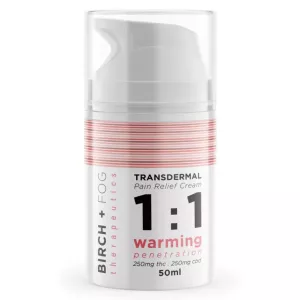
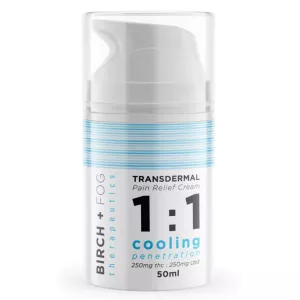
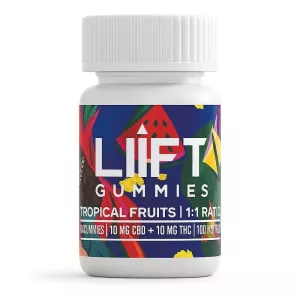
This synergy has led to the development of precisely formulated products with specific THC:CBD ratios designed to optimize therapeutic outcomes for different conditions. For example, balanced 1:1 ratios often provide effective pain relief with manageable psychoactive effects, while higher CBD ratios may be preferred for pediatric patients or those requiring daytime symptom management without impairment.
🎯 Targeted Therapeutic Applications
THC and CBD show distinct advantages for different medical conditions and patient preferences. THC typically provides superior benefits for appetite stimulation, severe pain, insomnia, and conditions requiring the mood-altering effects that can help patients cope with chronic illness. CBD often proves more effective for anxiety, inflammation, seizure disorders, and situations where maintaining mental clarity is essential.
Understanding these differences enables healthcare providers and patients to select the most appropriate cannabinoid profile for specific therapeutic goals, treatment schedules, and lifestyle considerations. This personalized approach to cannabis medicine represents a significant advancement over one-size-fits-all treatment strategies.
17 Legality
The legal landscape surrounding THC continues to evolve rapidly, creating a complex patchwork of regulations that varies dramatically by jurisdiction, application, and product type. While THC remains federally controlled in many countries, a growing number of states, provinces, and nations have implemented medical and/or recreational cannabis programs that provide legal access under specific circumstances and regulatory frameworks.
🏛️ Medical vs. Recreational Legal Frameworks
Medical cannabis laws typically establish more restrictive regulatory environments compared to recreational programs, often requiring patient registration, physician recommendations, and adherence to specific dosing or product limitations. These medical programs usually permit higher THC concentrations and broader product varieties while maintaining strict oversight of cultivation, manufacturing, and distribution.
Recreational legalization represents a more comprehensive policy shift, allowing adult use without medical justification while establishing taxation, regulation, and public safety frameworks similar to alcohol control models. These programs often include provisions for home cultivation, retail sales, and social consumption venues, though specific regulations vary significantly between jurisdictions.
🌍 International Variations and Compliance Challenges
The international legal status of THC creates significant challenges for patients, travelers, and businesses operating across jurisdictional boundaries. Even in regions with legal cannabis programs, federal-level restrictions may limit banking services, interstate commerce, and research activities, creating operational complications and legal uncertainties.
Understanding local laws is crucial for anyone considering THC use, as penalties for illegal possession or use can be severe in jurisdictions without legal cannabis programs. Legal requirements for product testing, labeling, and quality control also vary significantly, affecting product availability and consumer protections.
📈 Regulatory Evolution and Future Trends
Legal trends suggest continued expansion of cannabis access, with more jurisdictions implementing medical programs and several moving toward recreational legalization. However, this expansion often occurs gradually, with regulatory frameworks evolving based on accumulated experience, public health data, and changing social attitudes toward cannabis use.
16 Different Strains and Potency
Modern cannabis cultivation has produced an extraordinary diversity of strains with THC concentrations ranging from virtually zero to over 30%, along with unique combinations of other cannabinoids and terpenes that significantly influence effects and therapeutic applications. Understanding strain differences and potency variations is essential for selecting appropriate products and achieving desired outcomes while minimizing unwanted effects.
🌱 Strain Classification and Effect Profiles
Traditional strain classification divides cannabis into three primary categories: sativa strains typically associated with energizing, cerebral effects; indica strains known for relaxing, sedating properties; and hybrid strains that combine characteristics from both categories. However, modern research suggests that terpene profiles and cannabinoid ratios may be more predictive of effects than traditional sativa/indica classifications.
High-THC strains bred for maximum potency can produce intense psychoactive effects that may be overwhelming for inexperienced users or those seeking mild therapeutic benefits. Conversely, low-THC, high-CBD strains may provide therapeutic benefits with minimal intoxication, making them suitable for daytime use or patients requiring mental clarity.
🔬 Terpene Interactions and Customized Effects
Terpenes, the aromatic compounds that give cannabis its distinctive scents, play crucial roles in modifying THC's effects through complex interactions that influence onset time, duration, intensity, and subjective experience quality. For example, myrcene may enhance THC's sedating effects, while limonene might provide mood elevation and stress relief.
This understanding has led to the development of terpene-enhanced products and strain selection strategies based on specific therapeutic goals. Patients seeking sleep benefits might prefer myrcene-rich strains, while those requiring focus and creativity might choose varieties high in pinene or terpinolene.
📊 Potency Testing and Standardization
Accurate potency testing has become essential for safe and effective cannabis use, enabling consumers to make informed decisions about dosing and expected effects. Laboratory testing typically measures not only total THC content but also THCA (the non-psychoactive precursor), CBD, minor cannabinoids, and sometimes terpene profiles.
However, potency can vary significantly even within the same strain due to factors including cultivation methods, harvest timing, processing techniques, and storage conditions. Understanding these variations helps users adjust their consumption accordingly and explains why effects may differ between batches or suppliers.
15 Consumption Methods
The method of THC consumption dramatically influences onset time, duration, intensity, and overall experience quality, making understanding of different delivery methods crucial for achieving therapeutic goals while minimizing unwanted effects. Each consumption method offers distinct advantages and limitations that make them more or less suitable for specific applications, patient preferences, and lifestyle considerations.
💨 Inhalation Methods: Smoking and Vaporization
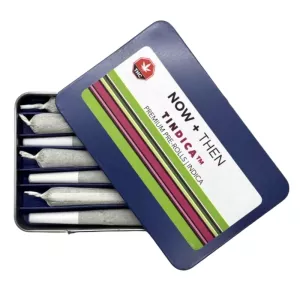
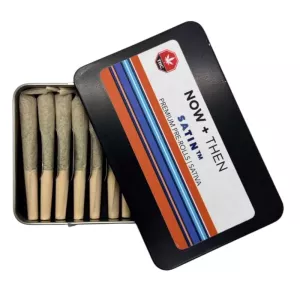
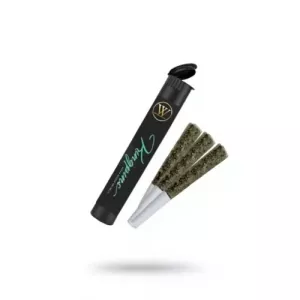
Smoking and vaporizing provide the fastest onset of THC effects, typically within 2-5 minutes, making them ideal for acute symptom relief and precise dose titration. However, smoking may pose respiratory risks due to combustion byproducts, while vaporization offers a cleaner alternative that preserves more cannabinoids and terpenes while eliminating harmful combustion compounds.
Vaporization technology has advanced significantly, with devices offering precise temperature control that allows users to optimize cannabinoid and terpene delivery while minimizing harsh vapors. Different temperature ranges extract different compounds, enabling customized effects and enhanced therapeutic specificity.
🍯 Oral Consumption: Edibles and Capsules
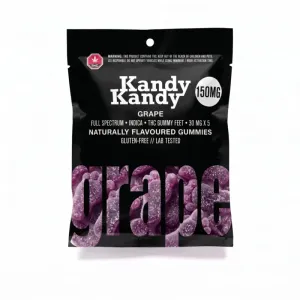
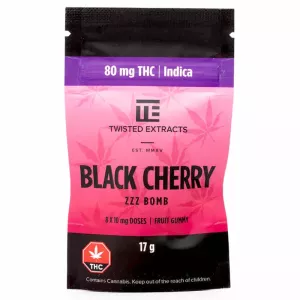
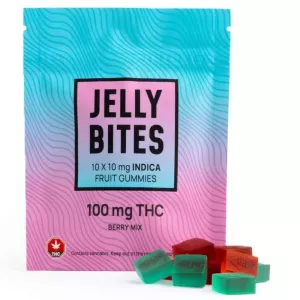
Edible THC products offer longer-lasting effects (typically 4-8 hours) with delayed onset (30-120 minutes), making them excellent for sustained symptom management but requiring patience and careful dosing to avoid overconsumption. The liver's metabolism of THC into 11-hydroxy-THC during digestion creates more potent and longer-lasting effects compared to inhalation methods.
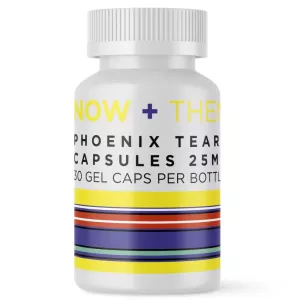
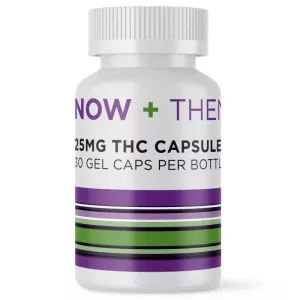
Capsules provide precise dosing and discrete consumption without flavor considerations, while edible products offer variety and palatability but may have less predictable absorption due to individual differences in digestion and metabolism. Factors including stomach contents, individual metabolism, and product formulation significantly influence onset time and effect intensity.
💧 Sublingual and Transdermal Delivery
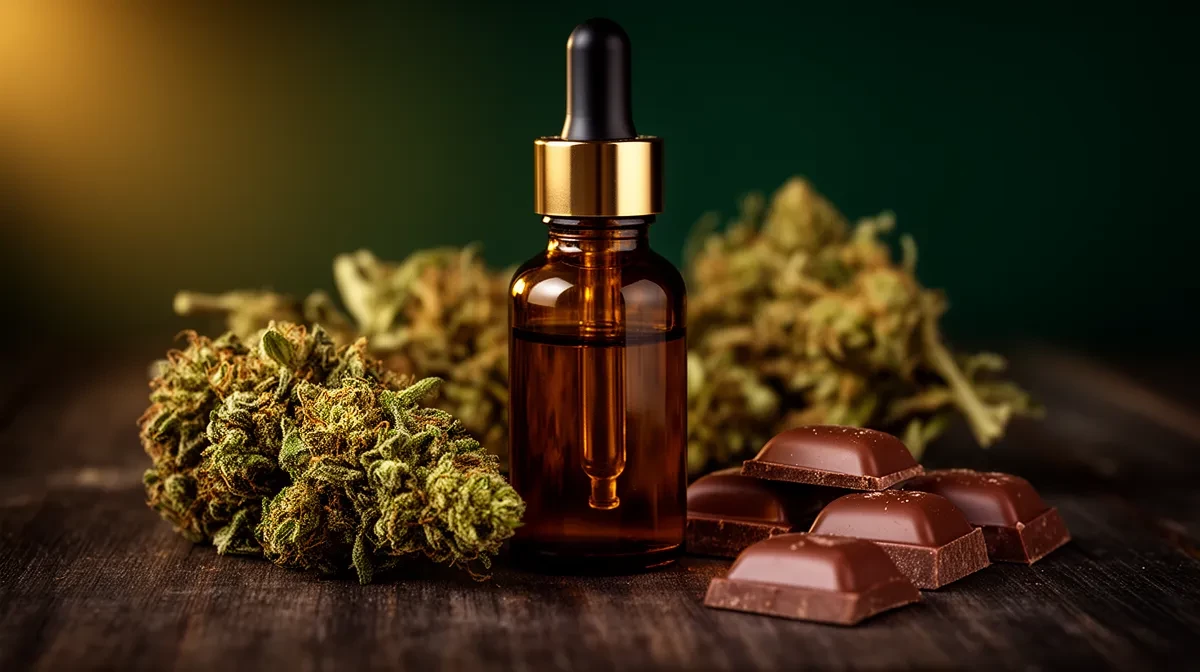
Sublingual tinctures and oils absorbed under the tongue offer a middle ground between inhalation and oral consumption, providing onset within 15-45 minutes and lasting 2-4 hours. This method bypasses digestive metabolism, providing more predictable effects and better dose control compared to edibles.
Transdermal patches and topical applications provide localized or systemic delivery with extended release profiles, often lasting 8-12 hours. These methods are particularly valuable for patients requiring consistent medication levels or those experiencing gastrointestinal issues that interfere with oral consumption.
14 Side Effects
Understanding THC's potential side effects is crucial for safe and effective use, as even therapeutic applications can produce unwanted effects that range from mild and temporary to more serious and persistent. Most side effects are dose-dependent and often resolve with tolerance development, dose adjustment, or consumption method modification, but awareness and monitoring remain essential for optimal outcomes.
⚠️ Acute Physical Side Effects
Common immediate physical side effects of THC use include dry mouth (cottonmouth), red eyes, increased heart rate, coordination impairment, and slower reaction times. These effects typically occur within minutes to hours of consumption and usually resolve as THC levels decline in the body.
More serious acute effects can include significant cardiovascular changes, severe anxiety or panic attacks, and cognitive impairment that affects driving ability and complex task performance. These risks increase with higher doses, inexperienced users, and certain pre-existing medical conditions, particularly cardiovascular or psychiatric disorders.
🧠 Cognitive and Psychological Effects
THC can temporarily impair short-term memory, attention, concentration, and decision-making abilities, effects that are generally reversible but may persist longer with heavy or chronic use. Some users experience increased anxiety, paranoia, or depersonalization, particularly with high-dose consumption or in stressful environments.
These cognitive effects vary significantly among individuals based on factors including tolerance, strain characteristics, dose, consumption method, and psychological state. Understanding personal sensitivity and maintaining appropriate set and setting can minimize negative psychological experiences.
⏰ Long-Term and Chronic Use Considerations
Regular, heavy THC use may lead to more persistent side effects including potential impacts on motivation, cognitive performance, and emotional regulation. Cannabis use disorder can develop in approximately 9% of users, characterized by continued use despite negative consequences and difficulty controlling consumption.
Chronic users may experience tolerance requiring increased doses for the same effects, and discontinuation can produce withdrawal symptoms including irritability, sleep disturbances, decreased appetite, and mood changes. These symptoms are generally mild compared to other substances but can affect quality of life during cessation periods.
13 Impact on Mental Health
THC's relationship with mental health represents one of the most complex and intensely studied aspects of cannabis use, with research revealing both therapeutic potential and risk factors that vary significantly among individuals, usage patterns, and underlying mental health conditions. Understanding these nuanced interactions is essential for safe and effective therapeutic use while minimizing potential harm to vulnerable populations.
🧠 Therapeutic Mental Health Applications
Clinical evidence supports THC's efficacy for treating various mental health conditions, including PTSD, where it may help reduce nightmares, improve sleep, and decrease hypervigilance; certain forms of anxiety and depression where it can provide mood stabilization and stress relief; and treatment-resistant conditions where conventional medications have proven inadequate.
For many patients with chronic mental health conditions, THC provides relief from symptoms that significantly impact quality of life, enabling better sleep, reduced anxiety, and improved social functioning. However, therapeutic use requires careful dose optimization, strain selection, and ongoing monitoring to maximize benefits while minimizing risks.
⚠️ Risk Factors and Vulnerable Populations
Research indicates that THC can exacerbate or potentially trigger mental health issues in individuals predisposed to certain conditions, particularly psychotic disorders like schizophrenia. High-potency THC products and frequent use appear to increase these risks, especially among adolescents and young adults with family histories of psychiatric illness.
Heavy, chronic use may contribute to the development of cannabis-induced psychiatric symptoms including persistent anxiety, depression, or cognitive impairment. However, distinguishing between cannabis-caused mental health issues and pre-existing conditions that may lead to increased cannabis use remains challenging for researchers and clinicians.
🎯 Personalized Risk Assessment and Monitoring
Effective mental health management with THC requires individualized risk assessment considering factors including personal and family psychiatric history, age of first use, frequency and quantity of consumption, and concurrent mental health treatments. Regular monitoring and communication with healthcare providers can help identify potential issues early and adjust treatment approaches accordingly.
For individuals with existing mental health conditions, THC use should ideally be coordinated with mental health professionals who can provide guidance on appropriate products, dosing, and monitoring for both therapeutic benefits and potential adverse effects.
12 Tolerance and Dependence
Regular THC use can lead to tolerance development, requiring progressively higher doses to achieve the same therapeutic or recreational effects, while some users may develop dependence characterized by difficulty controlling use and withdrawal symptoms upon cessation. Understanding these phenomena is crucial for maintaining therapeutic effectiveness while minimizing potential problems associated with problematic use patterns.
🔄 Tolerance Mechanisms and Development Patterns
THC tolerance results from downregulation and desensitization of cannabinoid receptors in response to repeated exposure, a process that can begin within days of regular use and may become significant within weeks to months. This biological adaptation affects both therapeutic and psychoactive effects, though different aspects of THC's effects may develop tolerance at different rates.
Tolerance development varies significantly among individuals based on factors including genetics, usage patterns, dose levels, and consumption methods. Some users find that alternating strains, adjusting consumption schedules, or implementing periodic tolerance breaks can help maintain therapeutic effectiveness while minimizing tolerance-related issues.
📊 Dependence Risk Factors and Recognition
Cannabis use disorder affects approximately 9% of cannabis users, with higher rates among those who begin use during adolescence or who use high-potency products regularly. Dependence symptoms may include continued use despite negative consequences, inability to control consumption, tolerance requiring increased doses, and withdrawal symptoms during cessation attempts.
Risk factors for developing dependence include early age of first use, frequent use patterns, high-potency products, co-occurring mental health conditions, and genetic predisposition. Recognizing these risk factors enables more informed decision-making and early intervention when problematic use patterns develop.
🛑 Withdrawal Management and Recovery Strategies
THC withdrawal symptoms, while generally less severe than those associated with alcohol or opioids, can include irritability, anxiety, sleep disturbances, decreased appetite, restlessness, and mood changes. These symptoms typically begin within 1-3 days of cessation and may persist for 1-2 weeks, though sleep disturbances may continue longer.
Effective withdrawal management may include gradual dose reduction, lifestyle modifications to support sleep and mood stability, professional counseling or support groups, and sometimes short-term medications to manage specific symptoms. Many individuals successfully reduce or eliminate THC use with appropriate support and strategies.
11 Impact on Adolescents
The developing adolescent brain shows particular vulnerability to THC's effects, with research consistently demonstrating that regular cannabis use during adolescence can have lasting impacts on cognitive development, educational achievement, and mental health outcomes. These findings have significant implications for policy development, prevention programs, and clinical decision-making regarding medical cannabis use in young people.
🧠 Neurodevelopmental Considerations
The human brain continues developing until approximately age 25, with areas responsible for executive function, decision-making, and impulse control among the last to mature. THC use during this critical period may interfere with normal brain development processes, potentially leading to persistent changes in brain structure and function that affect cognitive performance throughout life.
Longitudinal studies have found associations between adolescent cannabis use and reduced educational attainment, impaired memory and attention, and increased risk of mental health problems. However, determining causation versus correlation remains challenging, as adolescents who use cannabis may differ from non-users in other important ways that could influence outcomes.
📚 Academic and Social Impact
Research consistently shows associations between regular adolescent cannabis use and decreased academic performance, including lower grades, reduced school engagement, and increased dropout rates. These effects may result from THC's cognitive impacts, changes in motivation and priorities, or social factors associated with cannabis use.
Social consequences may include changes in peer groups, conflicts with family members, and legal problems in areas where cannabis remains illegal. These secondary effects can compound the direct neurological impacts and create additional barriers to healthy development and future success.
⚕️ Medical Cannabis in Pediatric Populations
Despite concerns about recreational use, medical cannabis, including THC-containing products, may provide significant benefits for adolescents with serious medical conditions including treatment-resistant epilepsy, cancer, and severe mental health disorders. In these cases, the potential therapeutic benefits may outweigh developmental risks, particularly when conventional treatments have failed.
Pediatric medical cannabis use requires specialized expertise, careful risk-benefit analysis, and ongoing monitoring to optimize therapeutic outcomes while minimizing potential adverse effects on development. This often involves using products with lower THC content, precise dosing protocols, and comprehensive support services.
10 Therapeutic Window
THC's therapeutic window—the dose range where benefits are maximized while adverse effects are minimized—varies dramatically among individuals and represents one of the most critical concepts for successful medical cannabis treatment. Understanding and optimizing this therapeutic window requires careful consideration of individual factors, systematic dose adjustment, and ongoing monitoring to achieve optimal outcomes.
🎯 Individual Variability and Optimization
The therapeutic window for THC is influenced by numerous factors including genetics, body weight, metabolism, tolerance, underlying medical conditions, concurrent medications, and psychological factors. What represents an optimal dose for one patient may be ineffective or cause unwanted side effects in another, necessitating individualized approaches to dosing and product selection.
Finding the optimal therapeutic window often requires systematic experimentation starting with very low doses and gradually increasing until therapeutic benefits are achieved without problematic side effects. This process, often called "start low and go slow," may take weeks or months but is essential for maximizing therapeutic value while ensuring safety and tolerability.
⚖️ Balancing Benefits and Side Effects
The ideal therapeutic window provides maximum symptom relief with minimal impairment of cognitive function, daily activities, or quality of life. For many patients, this means finding doses that provide pain relief, improved sleep, or anxiety reduction without causing significant intoxication, sedation, or other unwanted effects.
This balance may shift over time due to tolerance development, changes in underlying conditions, or life circumstances that affect therapeutic goals. Regular reassessment and dose adjustment help maintain optimal therapeutic outcomes while adapting to changing needs and circumstances.
📊 Factors Affecting Therapeutic Response
Genetic variations in cannabinoid receptor density, metabolism enzymes, and neurotransmitter systems can significantly influence individual responses to THC. Some patients may be naturally more or less sensitive to THC's effects, requiring dose adjustments to achieve optimal therapeutic outcomes.
Environmental factors including stress levels, diet, exercise, sleep quality, and social support can also influence therapeutic response and may require consideration when optimizing THC treatment protocols. Comprehensive treatment approaches that address these factors alongside cannabis therapy often produce superior outcomes.
9 Interactions with Other Medications
THC can interact with numerous medications through various mechanisms including competition for liver enzymes, synergistic or antagonistic effects, and alterations in drug absorption or distribution. These interactions can potentially alter the effectiveness or safety of both THC and concurrent medications, making awareness and professional oversight crucial for patients using multiple treatments.
🧬 Metabolic Interactions and Enzyme Competition
THC is primarily metabolized by liver enzymes in the cytochrome P450 system, particularly CYP2C9 and CYP3A4, which also process many common medications including blood thinners, anti-seizure drugs, and certain antidepressants. Competition for these enzymes can lead to altered blood levels of either THC or concurrent medications, potentially affecting efficacy or increasing side effect risk.
Patients taking medications with narrow therapeutic windows—where small changes in blood levels can have significant clinical consequences—require particular caution and monitoring when adding THC to their treatment regimen. This includes medications like warfarin, digoxin, and certain psychiatric medications where dose adjustments may be necessary.
💊 Pharmacodynamic Interactions and Additive Effects
THC can enhance or interfere with the effects of other medications through pharmacodynamic interactions that don't involve metabolism changes. For example, THC's sedating effects may be additive with other central nervous system depressants including alcohol, benzodiazepines, or opioids, potentially increasing impairment or respiratory depression risk.
Conversely, THC may interfere with or enhance the effects of medications used for blood pressure, immune system function, or psychiatric conditions through its interactions with various neurotransmitter and physiological systems. These interactions may require dose adjustments or alternative treatment approaches.
⚕️ Clinical Management and Monitoring
Effective management of potential drug interactions requires open communication between patients and healthcare providers about all medications, supplements, and cannabis products being used. Healthcare providers can assess interaction risks, adjust dosing as needed, and implement appropriate monitoring to ensure safe and effective treatment.
Some interactions may be beneficial, such as THC's potential to reduce opioid requirements for pain management, while others may require careful management or avoidance. Professional guidance helps navigate these complex interactions while optimizing therapeutic outcomes.
8 Research and Evidence
The scientific understanding of THC continues to evolve rapidly as regulatory barriers decrease and research methodologies improve, revealing both the remarkable therapeutic potential and important limitations of this complex cannabinoid. Current evidence encompasses rigorous clinical trials, large-scale observational studies, and extensive preclinical research that collectively provide increasingly comprehensive insights into THC's mechanisms, applications, and safety profile.
🔬 Clinical Trial Evidence and Methodological Advances
Randomized controlled trials, the gold standard for medical evidence, have demonstrated THC's efficacy for numerous conditions including chronic pain, chemotherapy-induced nausea and vomiting, multiple sclerosis spasticity, and appetite stimulation in HIV/AIDS patients. These studies provide robust evidence for specific therapeutic applications while establishing dosing guidelines and safety parameters.
However, clinical cannabis research faces unique challenges including regulatory restrictions, standardization difficulties, and ethical considerations around placebo controls for severely ill patients. Innovative study designs including crossover trials, observational cohort studies, and real-world evidence collection are helping overcome these limitations while providing valuable insights into optimal treatment approaches.
📊 Emerging Research Areas and Therapeutic Frontiers
Current research is exploring THC's potential applications in areas including cancer treatment (both for symptom management and potential anti-tumor effects), neurodegenerative diseases like Alzheimer's and Parkinson's, inflammatory bowel diseases, and treatment-resistant psychiatric conditions. These investigations are revealing new mechanisms of action and therapeutic possibilities that extend far beyond traditional cannabis applications.
Advanced research techniques including neuroimaging, genomics, and pharmacokinetic modeling are providing unprecedented insights into how THC affects brain function, varies among individuals, and interacts with other treatments. This research foundation is enabling more precise, personalized approaches to cannabis medicine.
🏥 Real-World Evidence and Patient Outcomes
Large-scale patient registries and observational studies from legal cannabis programs provide valuable real-world evidence about THC's effectiveness, safety, and optimal use patterns across diverse patient populations. These studies complement clinical trial data by providing insights into long-term outcomes, patient preferences, and treatment patterns in natural settings.
Patient-reported outcome measures consistently show significant improvements in quality of life, symptom management, and reduced use of conventional medications among medical cannabis patients. This real-world evidence is increasingly recognized as valuable for informing clinical practice guidelines and regulatory decisions.
7 Economic Impact
The legalization and commercialization of THC-containing cannabis products has generated substantial economic activity across multiple sectors, creating new industries, employment opportunities, and tax revenue streams while disrupting traditional markets and creating both opportunities and challenges for businesses, governments, and communities.
💰 Market Growth and Industry Development
The legal cannabis industry has experienced explosive growth, with global market valuations reaching tens of billions of dollars and projections suggesting continued expansion as more jurisdictions implement legalization programs. This growth has created entirely new industry sectors including cultivation, processing, manufacturing, testing, retail, and ancillary services that support the cannabis supply chain.
Investment in cannabis businesses has attracted significant capital from traditional industries, driving innovation in cultivation technologies, product development, and business operations. This capital influx has accelerated industry maturation while creating opportunities for both large corporations and small entrepreneurs.
🏭 Employment Creation and Workforce Development
The cannabis industry has created hundreds of thousands of jobs across various skill levels, from entry-level positions in cultivation and retail to specialized roles in extraction, testing, and product development. Many of these positions offer competitive wages and benefits while providing career advancement opportunities in a growing industry.
Educational institutions have developed cannabis-specific training programs and degree offerings to meet industry workforce needs, while professional organizations have established certification programs and standards for various cannabis industry roles. This workforce development is creating new career pathways and economic opportunities in many communities.
🏛️ Tax Revenue and Public Benefits
Legal cannabis programs generate significant tax revenue for state and local governments through various mechanisms including excise taxes, sales taxes, and licensing fees. These revenues often fund public programs including education, healthcare, substance abuse treatment, and criminal justice reform initiatives.
However, the economic benefits of legalization extend beyond direct tax revenue to include reduced criminal justice costs, decreased illegal market activity, and increased legitimate economic activity that generates additional tax revenue through income taxes, property taxes, and business licensing fees.
6 Cultural Influence
THC and cannabis culture have profoundly influenced various aspects of society, from music, art, and literature to social movements, fashion, and lifestyle trends. This cultural impact reflects both the substance's consciousness-altering properties and its role as a symbol of counterculture, personal freedom, and alternative approaches to medicine and wellness.
🎵 Artistic Expression and Creative Industries
Cannabis has inspired countless works of music, visual art, literature, and film, with many artists crediting THC with enhancing creativity, providing new perspectives, and facilitating artistic breakthroughs. From jazz musicians in the early 20th century to contemporary hip-hop artists, cannabis has played a documented role in creative expression across multiple genres and cultural movements.
The relationship between THC and creativity extends beyond individual artistic expression to influence broader cultural movements, aesthetic trends, and artistic communities that have shaped popular culture for decades. This influence continues to evolve as legalization normalizes cannabis use and removes some of the stigma associated with its cultural representation.
✊ Social Justice and Reform Movements
Cannabis legalization has become intertwined with broader social justice movements addressing issues including criminal justice reform, racial equity, and individual liberty. The disproportionate impact of cannabis prohibition on minority communities has made legalization a central issue for activists working to address systemic inequalities in law enforcement and criminal justice.
Many legalization programs include social equity provisions designed to address historical harms from prohibition while ensuring that communities most affected by cannabis criminalization can participate in the legal market. These programs represent attempts to use cannabis legalization as a tool for broader social justice reform.
🌍 Global Cultural Shifts and Normalization
The growing acceptance of cannabis and THC represents a significant cultural shift away from prohibition-era attitudes toward more nuanced understanding of cannabis's risks and benefits. This normalization process involves changing representations in media, evolving social norms around cannabis use, and increased integration of cannabis into mainstream healthcare and wellness practices.
This cultural evolution affects everything from workplace policies and insurance coverage to family dynamics and social relationships, as society adapts to new realities around legal cannabis access and use.
5 Environmental Considerations
Cannabis cultivation, particularly indoor growing operations, can have significant environmental impacts through energy consumption, water usage, waste generation, and chemical inputs. As the legal cannabis industry expands, addressing these environmental concerns has become increasingly important for sustainable industry development and regulatory compliance.
🌱 Cultivation Methods and Resource Consumption
Indoor cannabis cultivation often requires intensive energy use for lighting, climate control, and air filtration systems, potentially contributing to significant carbon footprints and electricity grid impacts. High-intensity lighting systems, while essential for maximizing yields and controlling growing conditions, can consume enormous amounts of electricity and generate substantial heat requiring additional cooling.
Water consumption represents another significant environmental consideration, as cannabis plants require substantial irrigation, and hydroponic systems may use even more water than traditional soil cultivation. Additionally, nutrient runoff and chemical inputs used in cultivation can potentially impact local water systems and soil health if not properly managed.
♻️ Sustainable Practices and Innovation
The cannabis industry is increasingly adopting sustainable practices including renewable energy sources, water recycling systems, organic cultivation methods, and integrated pest management strategies that reduce environmental impacts while maintaining product quality and yields. LED lighting technology has significantly reduced energy consumption while providing better spectral control for plant growth.
Outdoor and greenhouse cultivation methods often have lower environmental impacts compared to indoor growing, though they may face limitations related to climate, security, and regulatory restrictions. Many cultivators are exploring regenerative agriculture practices that actually improve soil health and carbon sequestration while producing high-quality cannabis.
🌍 Regulatory Frameworks and Environmental Protection
Many jurisdictions with legal cannabis programs have implemented environmental regulations covering energy efficiency, water use, waste disposal, and chemical inputs to minimize ecological impacts. These regulations often include requirements for environmental impact assessments, energy audits, and sustainable practices reporting.
Industry organizations and certification programs are also developing environmental standards and best practices that go beyond regulatory requirements to promote truly sustainable cannabis production. These initiatives help consumers identify environmentally responsible products while encouraging industry-wide adoption of sustainable practices.
4 Innovations in THC Products
The legal cannabis market has driven remarkable innovation in THC product development, creating sophisticated delivery systems, precise dosing technologies, and novel formulations that enhance therapeutic effectiveness while improving user experience and safety. These innovations represent the convergence of pharmaceutical technology, consumer preferences, and regulatory requirements to create a new generation of cannabis products.
💊 Advanced Delivery Systems and Bioavailability Enhancement
Nanoemulsion technology has revolutionized THC product development by creating microscopic particles that significantly improve bioavailability and provide faster, more predictable onset times compared to traditional edibles. These formulations can reduce onset time from 1-2 hours to 15-30 minutes while providing more consistent effects across different users and consumption conditions.
Transdermal patches utilize sophisticated drug delivery technologies to provide controlled release of THC over 8-12 hours, offering sustained therapeutic effects without peaks and valleys associated with other consumption methods. Advanced patch designs can provide localized or systemic delivery while allowing users to easily discontinue treatment if needed.
🔬 Precision Dosing and Targeted Formulations
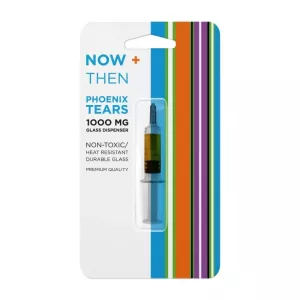
Modern THC products increasingly feature precise dosing systems including measured-dose inhalers, sublingual strips, and capsules that provide pharmaceutical-grade accuracy in cannabinoid delivery. These technologies enable healthcare providers and patients to implement dosing protocols similar to conventional medications while maintaining the therapeutic benefits of cannabis.
Targeted formulations combine THC with specific cannabinoids, terpenes, and other compounds to create products optimized for particular therapeutic applications such as sleep, pain relief, anxiety management, or appetite stimulation. These formulations leverage emerging understanding of cannabis synergies to provide more effective and predictable therapeutic outcomes.
🚀 Novel Product Categories and Consumer Innovation
The cannabis industry continues to develop entirely new product categories including cannabis beverages, dissolvable powders, rapid-onset edibles, and sophisticated vaporization devices that provide unprecedented control over dosing and effects. These innovations address consumer demands for convenience, discretion, and precise control while expanding cannabis access to users who prefer alternatives to smoking.
Smart devices and app-connected products are beginning to incorporate technology that tracks consumption, monitors effects, and provides personalized dosing recommendations based on user feedback and biometric data. These innovations represent the beginning of truly personalized cannabis medicine approaches.
3 The Role in Palliative Care
THC has emerged as an invaluable tool in palliative care, providing comprehensive symptom management and quality of life improvements for patients with serious illnesses including cancer, HIV/AIDS, and neurodegenerative diseases. Its unique ability to address multiple symptoms simultaneously while often improving mood and social functioning makes it particularly valuable for end-of-life care and chronic disease management.
🏥 Comprehensive Symptom Management
In palliative care settings, THC addresses multiple distressing symptoms including pain, nausea, appetite loss, anxiety, depression, and sleep disturbances that commonly affect patients with serious illnesses. This multi-target approach often provides superior symptom control compared to single-target pharmaceuticals while reducing pill burden and potential drug interactions.
Cancer patients undergoing chemotherapy frequently experience significant benefits from THC for managing treatment-related nausea and vomiting that may not respond adequately to conventional antiemetics. Additionally, THC's appetite-stimulating effects can help address cancer cachexia and treatment-related appetite loss that significantly impact patient strength and treatment tolerance.
💙 Quality of Life and Psychosocial Benefits
Beyond direct symptom relief, THC often provides important psychosocial benefits for palliative care patients including improved mood, enhanced social interaction, and better coping with illness-related stress and anxiety. Many patients report that THC helps them maintain connection with family and friends while preserving aspects of their personality and interests despite serious illness.
The ability to reduce reliance on opioids and other medications with significant side effects represents another important advantage of THC in palliative care, potentially reducing sedation, constipation, and cognitive impairment while maintaining effective symptom control.
👨⚕️ Integration with Conventional Palliative Care
Successful integration of THC into palliative care requires collaboration between patients, families, and healthcare teams to establish appropriate treatment goals, monitor outcomes, and adjust approaches as conditions evolve. This often involves education for both patients and providers about cannabis options, dosing strategies, and potential interactions with other treatments.
Palliative care programs increasingly recognize cannabis as a legitimate therapeutic option and are developing protocols for safe and effective use in seriously ill patients. This integration helps ensure that patients receive comprehensive care that addresses their physical, emotional, and spiritual needs during challenging times.
2 Education and Awareness
Comprehensive education about THC's effects, benefits, risks, and appropriate use represents a critical component of successful cannabis policy and public health approaches. As legalization expands and scientific understanding grows, developing effective educational strategies becomes essential for promoting safe use while maximizing therapeutic benefits and minimizing potential harms.
📚 Healthcare Provider Education and Training
Many healthcare providers received little or no training about cannabis during their professional education, creating knowledge gaps that can limit their ability to provide appropriate guidance to patients considering or using cannabis treatments. Comprehensive continuing education programs covering cannabis pharmacology, clinical applications, dosing strategies, and potential risks are essential for enabling providers to offer evidence-based guidance.
Professional medical organizations are increasingly developing educational resources, practice guidelines, and certification programs to help healthcare providers incorporate cannabis medicine into their practice safely and effectively. This education helps ensure that patients receive appropriate medical oversight while accessing cannabis treatments.
👥 Public Education and Harm Reduction
Effective public education programs provide balanced, science-based information about cannabis that enables individuals to make informed decisions about use while promoting safer consumption practices. These programs often focus on topics including recognizing impairment, understanding product labeling, avoiding drug interactions, and implementing appropriate dosing strategies.
Youth-focused education programs are particularly important given the unique risks associated with adolescent cannabis use. Effective approaches typically provide accurate information about risks while acknowledging that some young people will choose to use cannabis despite recommendations against use.
🌐 Research Translation and Evidence Communication
Translating complex scientific research into accessible, actionable information represents a ongoing challenge for cannabis education efforts. Effective communication strategies help bridge the gap between laboratory findings and practical applications while acknowledging uncertainties and limitations in current knowledge.
Educational initiatives increasingly emphasize the importance of individual variation in cannabis response, the need for personalized approaches to treatment, and the value of professional guidance for medical applications. This nuanced approach helps promote realistic expectations while encouraging safe and effective use practices.
1 The Future of THC
The future of THC is intrinsically linked to advancing scientific research, evolving legal frameworks, changing societal attitudes, and technological innovations that promise to transform how we understand, produce, and utilize this remarkable cannabinoid. As barriers to research continue to fall and acceptance grows, THC's role in medicine, wellness, and society will likely expand in ways we can only begin to imagine.
🔬 Research Frontiers and Scientific Advancement
Emerging research areas including personalized medicine based on genetic testing, targeted delivery systems for specific medical conditions, and combination therapies that optimize therapeutic outcomes while minimizing side effects represent just the beginning of THC's therapeutic evolution. Advanced research techniques including brain imaging, biomarker analysis, and artificial intelligence-driven drug discovery are revealing new mechanisms and applications.
The development of synthetic cannabinoids with modified properties, while controversial, may provide opportunities to enhance therapeutic benefits while reducing unwanted effects. Similarly, advances in plant breeding and genetic modification may produce cannabis varieties with unprecedented cannabinoid and terpene profiles optimized for specific therapeutic applications.
🌍 Global Policy Evolution and Market Development
International trends suggest continued expansion of medical cannabis access and growing consideration of recreational legalization across diverse jurisdictions. This global shift creates opportunities for international collaboration in research, standardization of quality and safety requirements, and development of evidence-based regulations that balance public health considerations with individual access rights.
As more countries implement legal frameworks for cannabis, international trade, investment opportunities, and technology transfer will likely accelerate innovation while reducing costs and improving product quality. These developments may make THC-based treatments more accessible to patients worldwide while creating new economic opportunities.
💡 Technology Integration and Innovation
The convergence of cannabis with digital health technologies, artificial intelligence, and personalized medicine approaches promises to revolutionize how THC is prescribed, monitored, and optimized for individual patients. Smart devices that track consumption and effects, AI algorithms that predict optimal dosing based on patient characteristics, and real-time monitoring systems that adjust treatment protocols represent the cutting edge of cannabis medicine.
These technological innovations, combined with growing scientific understanding and evolving social acceptance, position THC to play an increasingly important role in addressing some of the most challenging health problems facing modern society while opening new frontiers in consciousness research, therapeutic innovation, and human wellness optimization.
Conclusion
THC represents far more than simply the psychoactive component of cannabis—it embodies a complex therapeutic agent with remarkable potential for addressing diverse medical conditions while simultaneously raising important questions about safety, regulation, and appropriate use. As our understanding of this fascinating cannabinoid continues to evolve through rigorous scientific research and real-world clinical experience, its role in modern medicine and society will undoubtedly expand and mature.
🌟 The Paradigm Shift in Cannabis Medicine
The transformation of THC from a stigmatized recreational substance to a legitimate therapeutic option represents one of the most significant paradigm shifts in modern medicine. This evolution reflects not only advancing scientific knowledge but also changing societal attitudes toward natural medicines, patient autonomy, and the importance of quality of life in healthcare decision-making.
The comprehensive understanding provided by these 20 critical points demonstrates that successful THC use—whether for medical or recreational purposes—requires appreciation of its complex pharmacology, individual variability in response, potential for both benefits and risks, and the importance of appropriate education, regulation, and clinical oversight.
🔬 Evidence-Based Practice and Continued Learning
As the scientific foundation for THC use continues to strengthen through well-designed clinical trials, observational studies, and mechanistic research, healthcare providers, patients, and policymakers will have increasingly robust evidence to guide decision-making. This evidence-based approach helps ensure that THC's remarkable therapeutic potential can be realized safely and effectively while minimizing potential harms.
The future of THC will likely be characterized by increasingly personalized approaches that account for individual genetic, physiological, and psychological factors to optimize therapeutic outcomes. This precision medicine approach, combined with technological innovations and expanding access, promises to unlock THC's full potential as a therapeutic agent while addressing the diverse needs of patients and communities worldwide.
In conclusion, while THC is best known for its psychoactive properties, its multifaceted role in medicine, economy, culture, and society makes it a subject of tremendous importance and complexity. Understanding THC thoroughly requires balanced consideration of both its remarkable benefits and potential risks, guided by scientific evidence, clinical experience, and evolving societal norms that reflect our growing appreciation for this extraordinary cannabinoid's place in modern life.