
Anxiety Tinctures
Find Your Calm: Premium Anxiety Tinctures

Therapeutic solutions for tranquility and balance

Don't forget to check out the Weekly Deals from BIRCH+FOG!

Woman meditating on a mat, wearing a white shirt and beige pants, with a bottle nearby.

Anxiety Tinctures

Discover premium anxiety tinctures with fast-acting CBD relief.

Showing 1–28 of 28 results
★★★★★ (168)💧
Original price was: $30.00.Current price is: $21.00.

Premium Anxiety Tinctures: Your Complete Guide to Fast-Acting Stress Relief

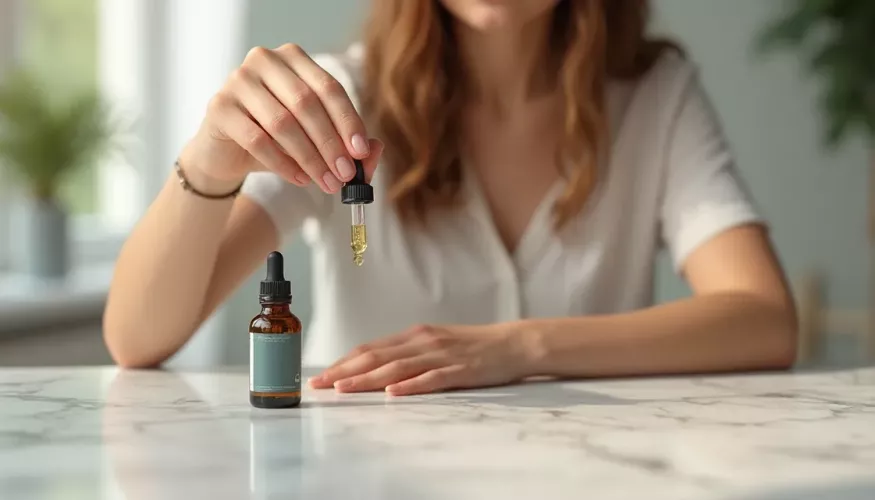
When stress overwhelms your peace of mind, anxiety tinctures deliver targeted relief that works within minutes, not hours. These concentrated liquid extracts absorb directly through tissues under your tongue, bypassing digestion for rapid nervous system support. Whether you're managing daily tension or acute stress episodes, premium anxiety tinctures offer precise dosing control and predictable effects that make them essential tools for modern wellness. The sublingual delivery method ensures therapeutic compounds reach your bloodstream quickly, providing the fast-acting relief you need when anxiety strikes. 🌿

What Are Anxiety Tinctures and Their Key Benefits

Anxiety tinctures are concentrated liquid extracts containing therapeutic compounds designed to calm your nervous system and reduce stress responses naturally. Unlike capsules or edibles that must pass through your digestive system, these potent formulations deliver CBD or herbal compounds directly into your bloodstream through sublingual absorption. This direct pathway allows you to experience relief within 15-30 minutes, making tinctures ideal for managing unexpected anxiety or maintaining daily emotional balance. Quality anxiety tinctures combine scientific extraction methods with therapeutic botanicals to create reliable wellness solutions that fit seamlessly into your daily routine. ✨

Rapid Onset for Immediate Relief

The sublingual delivery method provides therapeutic benefits faster than any other oral consumption method, with most users experiencing noticeable calm within 20-30 minutes of administration.

Precise Dosing Control

Measured droppers allow you to start with small amounts and adjust gradually until you find your optimal therapeutic dose, avoiding the guesswork associated with other consumption methods.

How Do Anxiety Tinctures Work So Fast

The remarkable speed of anxiety tinctures stems from their unique absorption pathway that bypasses your digestive system entirely. When you hold tincture drops under your tongue for 30-60 seconds, therapeutic compounds absorb directly through the rich network of blood vessels in your sublingual tissues. This direct entry into your circulatory system avoids first-pass liver metabolism, which typically reduces potency and delays effects in edible products. Cannabinoids and herbal compounds then interact with your endocannabinoid system and neurotransmitter pathways to modulate stress responses and promote nervous system balance. 🧠

Sublingual Absorption Science

The tissue under your tongue contains dense capillary networks that allow small molecules to pass directly into your bloodstream, achieving bioavailability rates significantly higher than oral ingestion.

Neurotransmitter Interaction Mechanisms

Quality anxiety tinctures support healthy GABA production and serotonin function while modulating your body's natural stress response systems for comprehensive emotional wellness support.

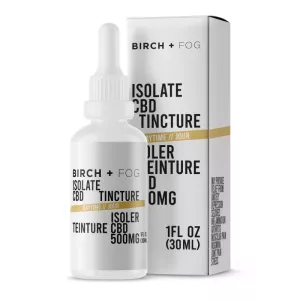
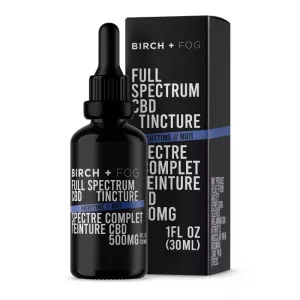
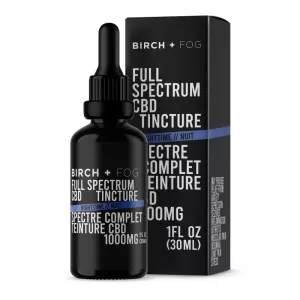
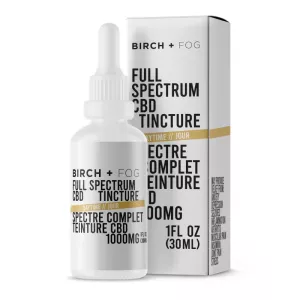
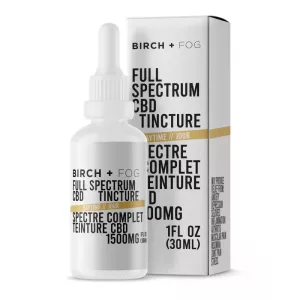
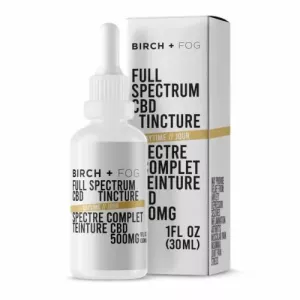
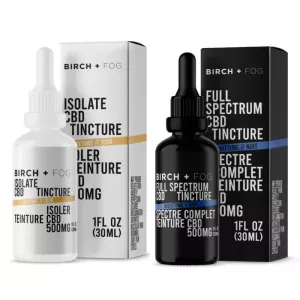
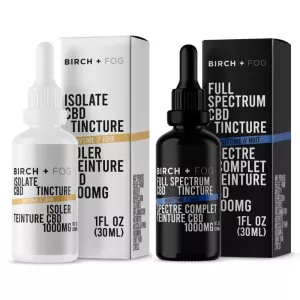
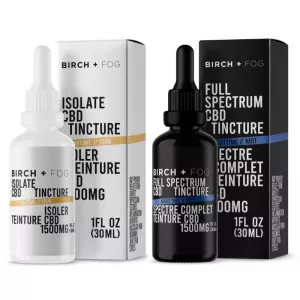
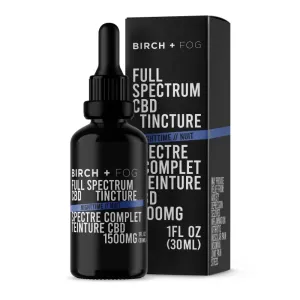
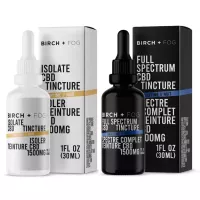
Day + Night CBD Tincture Duo 1500mg - BIRCH+FOG $105.00

Best Anxiety Tinctures for Daily Stress Management

Daily anxiety management requires consistent, non-sedating formulations that provide steady nervous system support without interfering with your productivity or mental clarity. Premium anxiety tinctures designed for regular use combine precise cannabinoid ratios with complementary terpenes to create balanced effects that calm without causing drowsiness. Full-spectrum CBD tinctures often provide superior therapeutic benefits through the entourage effect, where multiple cannabinoids work synergistically for enhanced stress relief. Consistent daily dosing helps build therapeutic momentum in your system, lowering baseline anxiety levels and improving your overall stress resilience. 📊

Morning Routine Integration

The best daily anxiety tinctures work seamlessly with your morning routine, providing calm focus that enhances rather than impairs your cognitive performance throughout the day.

Professional-Grade Consistency

Quality manufacturers ensure batch-to-batch consistency through rigorous testing and standardized extraction processes, giving you predictable results with every bottle.

  • 💧 Fast-Acting Sublingual Delivery: Works within 15-30 minutes for rapid stress relief
  • 🎯 Precise Dosing Control: Measured droppers for personalized therapeutic amounts
  • 🌱 Non-Psychoactive Formulations: Clear-headed calm without intoxicating effects
  • ⚖️ Balanced Cannabinoid Profiles: Optimized ratios for sustained anxiety relief
  • 🔄 Daily Use Compatibility: Gentle formulations suitable for consistent routine use

Types of Anxiety Relief Tinctures Available

The modern wellness landscape offers diverse anxiety tincture formulations tailored to specific therapeutic needs and individual preferences. Cannabis-derived options range from pure CBD isolates that provide predictable, non-psychoactive effects to broad-spectrum formulations containing complementary cannabinoids like CBG for enhanced focus. Herbal anxiety tinctures feature time-tested botanicals like ashwagandha, passionflower, lemon balm, and holy basil that support your nervous system through different mechanisms than cannabinoids. Many premium brands combine both approaches, creating hybrid formulations that leverage the benefits of cannabis compounds alongside traditional adaptogenic herbs for comprehensive stress management. 🌿

Specialized evening formulations incorporate calming compounds like CBN and relaxing terpenes to ease the transition into restful sleep, while daytime blends focus on maintaining alertness and productivity while reducing anxious thoughts and physical tension.

Cannabis-Based Anxiety Solutions

CBD tinctures work through your endocannabinoid system to modulate stress responses naturally, with full-spectrum options providing enhanced benefits through the entourage effect of multiple plant compounds working together.

Traditional Herbal Formulations

Adaptogenic herb tinctures like ashwagandha and reishi mushroom support long-term stress resilience while providing gentle, sustained anxiety relief without the rapid onset of cannabis-based products.
Anxiety Tinctures Dosing Guide for Beginners

Finding your optimal anxiety tincture dose requires a systematic approach that respects individual biochemistry and tolerance levels while ensuring safety and effectiveness. Most experts recommend starting with 2.5-5mg of CBD or equivalent herbal compounds, taken twice daily to establish a baseline therapeutic level in your system. Hold the tincture under your tongue for 30-60 seconds before swallowing to maximize sublingual absorption and onset speed. Avoid taking your first dose immediately upon waking, as natural cortisol elevation helps establish healthy circadian rhythms—instead, incorporate your morning dose after completing your initial routine, typically 1-2 hours after rising. 📏

Gradual dose increases every 3-5 days allow you to find your minimum effective dose without overshooting into sedation or unwanted effects. Many users discover their optimal therapeutic range falls between 10-25mg per serving, though individual needs vary significantly based on body weight, metabolism, and anxiety severity.

Daily Maintenance Protocol

Consistent twice-daily dosing builds therapeutic momentum, with many finding success taking their first serving mid-morning and second dose in early afternoon for sustained stress management throughout their active hours.

Acute Stress Management

For unexpected anxiety episodes, slightly higher doses can provide rapid relief, but always respect maximum daily limits and avoid exceeding manufacturer recommendations for safety.

  1. 🎯 Start Low (2.5-5mg): Begin with minimal doses to assess individual sensitivity
  2. Consistent Timing: Take at the same times daily for steady therapeutic levels
  3. 📈 Gradual Increases: Adjust slowly every 3-5 days until optimal effects achieved
  4. 💧 Proper Technique: Hold under tongue 30-60 seconds for maximum absorption
  5. 📝 Track Results: Monitor effects and adjust timing or dosage as needed

CBD vs Herbal Anxiety Tinctures Comparison

The choice between CBD and herbal anxiety tinctures depends on your specific therapeutic goals, lifestyle preferences, and individual response patterns to different compound classes. CBD anxiety tinctures work through your endocannabinoid system to provide relatively rapid stress relief with predictable, dose-dependent effects that typically last 4-6 hours. These formulations excel at acute anxiety management and offer precise dosing control that appeals to users seeking consistent, measurable results. Herbal tinctures featuring adaptogens like ashwagandha, rhodiola, and lemon balm work through different pathways to support long-term stress resilience and nervous system health. 🌱

Many experienced users find success combining both approaches—using CBD tinctures for immediate relief during high-stress situations while maintaining daily herbal support for overall nervous system strength and adaptability.

CBD Tincture Advantages

Cannabis-derived tinctures provide rapid onset, precise dosing, and well-researched mechanisms of action through the endocannabinoid system, making them ideal for predictable anxiety management.

Herbal Tincture Benefits

Traditional botanical formulations offer gentle, sustained support with centuries of traditional use backing their safety profiles, plus they work synergistically to support multiple body systems simultaneously.

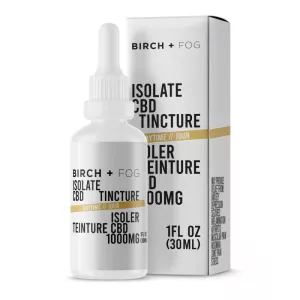
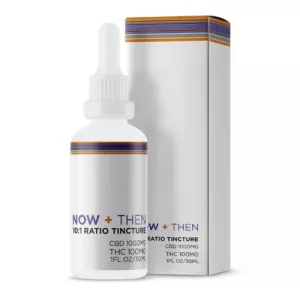
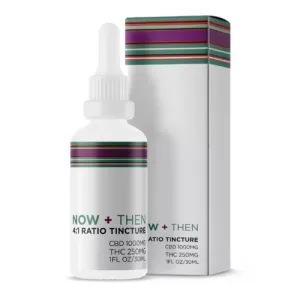
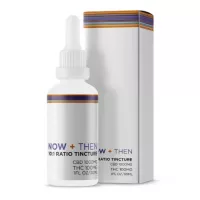
Ratio tincture 1000mg CBD 250mg THC - NOW+THEN $50.00

Choosing Quality Anxiety Tinctures Safely

Identifying premium anxiety tinctures requires understanding the quality markers that separate therapeutic-grade products from inferior alternatives flooding the wellness market. The highest quality formulations feature third-party lab testing with complete panels screening for potency, pesticides, heavy metals, and microbials—look for certificates of analysis showing results at parts-per-billion sensitivity levels. Premium extraction methods like supercritical CO2 or low-temperature alcohol processing preserve delicate therapeutic compounds while eliminating harmful contaminants that compromise both safety and effectiveness. 🏆

Source material quality directly impacts therapeutic results, with organic cultivation methods ensuring clean plant material free from pesticides, herbicides, and synthetic fertilizers that can interfere with natural healing processes. Quality manufacturers also use fresh, properly cured botanicals rather than degraded plant matter that has lost potency during extended storage.

Laboratory Testing Requirements

Reputable brands provide comprehensive certificates of analysis from independent laboratories, showing exact cannabinoid profiles, terpene content, and safety screening results for every batch produced.

Extraction Method Quality Indicators

Premium extraction processes maintain the full spectrum of beneficial compounds while ensuring purity and potency that meets pharmaceutical-grade standards for therapeutic applications.

Are Anxiety Tinctures Safe for Long-Term Use

The safety profile of anxiety tinctures for extended use depends heavily on formulation quality, individual health status, and potential interactions with medications or existing conditions. High-quality CBD tinctures generally exhibit excellent safety profiles with minimal side effects when used appropriately, though some users may experience mild drowsiness, dry mouth, or temporary digestive changes during initial adaptation periods. Herbal anxiety tinctures featuring well-researched adaptogens like ashwagandha and holy basil have centuries of traditional use supporting their long-term safety when sourced from reputable manufacturers. 🛡️

However, both CBD and certain herbal compounds can interact with prescription medications by affecting liver enzyme systems responsible for drug metabolism. Always consult healthcare providers before combining anxiety tinctures with existing treatments, particularly blood thinners, seizure medications, or drugs carrying grapefruit interaction warnings.

Medication Interaction Considerations

CBD can inhibit certain cytochrome P450 enzymes that process many common medications, potentially altering drug effectiveness or increasing side effects—professional guidance helps ensure safe combinations.

Building Tolerance and Dependence

Quality anxiety tinctures typically don't produce tolerance or dependence when used as directed, though consistent daily use helps maintain steady therapeutic levels for optimal stress management results.
Premium anxiety tinctures represent a sophisticated approach to modern stress management, combining rapid-acting relief with precise dosing control that fits seamlessly into contemporary wellness routines. Whether you choose CBD formulations that work through your endocannabinoid system or traditional herbal blends featuring time-tested adaptogens, these concentrated extracts provide the fast, reliable relief essential for maintaining emotional balance in demanding daily life. The sublingual delivery method ensures therapeutic compounds reach your system quickly when you need them most, while quality manufacturing standards guarantee both safety and effectiveness for ongoing wellness support. With proper dosing and quality sourcing, anxiety tinctures become invaluable tools for building resilience and maintaining calm clarity in an increasingly stressful world. 🌟

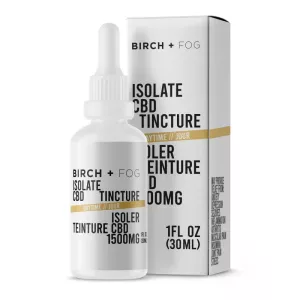
Ratio Tincture 1000mg CBD 100mg THC - NOW+THEN $50.00


Frequently Asked Questions

How quickly do anxiety tinctures work compared to other CBD products?

Anxiety tinctures work within 15-30 minutes when taken sublingually, much faster than edibles which can take 1-2 hours. The sublingual absorption allows cannabinoids to enter your bloodstream directly through tissues under your tongue, bypassing digestive processing for rapid relief.

What's the recommended starting dose for CBD anxiety tinctures?

Begin with 2.5-5mg taken twice daily, holding the tincture under your tongue for 30-60 seconds before swallowing. Most users find their optimal therapeutic dose ranges between 10-25mg per serving, but individual needs vary based on body weight, metabolism, and anxiety severity.

Are full-spectrum or CBD isolate tinctures better for anxiety relief?

Full-spectrum tinctures often provide superior anxiety relief due to the entourage effect, where CBD works synergistically with other cannabinoids and terpenes. However, CBD isolate tinctures offer predictable effects without any THC presence, making them ideal for those concerned about drug testing or THC sensitivity.

How long do the effects of anxiety tinctures typically last?

The calming effects of sublingual CBD tinctures typically last 4-6 hours, making them ideal for managing daily stress or specific anxiety-inducing situations. The duration can vary based on individual metabolism, dosage, and the specific cannabinoid profile of the tincture.

Can I take anxiety tinctures with other medications?

While CBD generally has a good safety profile, it can interact with certain medications by affecting liver enzymes that process drugs. Always consult with a healthcare provider before combining CBD tinctures with prescription medications, especially blood thinners or seizure medications.

What should I look for when choosing a quality anxiety tincture?

Look for CO2-extracted tinctures with third-party lab testing, accurate cannabinoid labeling, and certificates of analysis showing purity. Quality indicators include organic source material, proper carrier oils like MCT oil for bioavailability, and clear dosing instructions with measured droppers.

Do anxiety tinctures have any psychoactive effects?

Pure CBD anxiety tinctures produce no psychoactive effects or 'high.' Full-spectrum products contain trace amounts of THC (under 0.3%) but remain non-intoxicating while potentially providing enhanced therapeutic benefits through the entourage effect.

How should I store my CBD anxiety tinctures for maximum potency?

Store tinctures in a cool, dark place away from direct sunlight and heat sources. Room temperature storage in a medicine cabinet or pantry maintains potency for 12-24 months. Refrigeration can extend shelf life but may cause the oil to thicken temporarily.

Are anxiety tinctures safe for daily long-term use?

High-quality CBD and herbal anxiety tinctures generally have excellent safety profiles for long-term daily use when used as directed. However, always consult healthcare providers if taking prescription medications, as some compounds can affect drug metabolism.

What's the difference between CBD and herbal anxiety tinctures?

CBD tinctures work through your endocannabinoid system for rapid, predictable anxiety relief lasting 4-6 hours. Herbal tinctures use adaptogens like ashwagandha and passionflower to support long-term nervous system resilience through different pathways, often with gentler, more sustained effects.

Popular Categories

Canada's #1 Online Cannabis Dispensary: Over 600 Premium Products with Daily Deals

Learn More About Anxiety Tinctures

What Are Anxiety Tinctures

Anxiety tinctures represent a rapidly growing segment of the wellness market, offering a precise and discreet method for managing anxiety symptoms through plant-based compounds. These liquid concentrates combine traditional herbal medicine principles with modern extraction techniques to deliver consistent, measurable doses of anxiety-relieving compounds. Understanding what anxiety tinctures are, their composition, and their therapeutic potential is essential for anyone considering this approach to anxiety management.

Understanding Anxiety Tinctures

Anxiety tinctures are concentrated liquid extracts designed specifically to address anxiety symptoms through the therapeutic properties of various plant compounds. Unlike traditional oral medications, tinctures offer sublingual absorption, allowing active compounds to enter the bloodstream rapidly through the mucous membranes under the tongue. This delivery method provides faster onset times compared to capsules or edibles while maintaining precise dosing capabilities.

The foundation of anxiety tinctures lies in their ability to interact with the body's endocannabinoid system and other neurotransmitter pathways involved in mood regulation and stress response. These products typically contain either CBD (cannabidiol), THC (tetrahydrocannabinol), or combinations of both, along with other complementary compounds like terpenes and minor cannabinoids that contribute to their therapeutic effects.

The liquid format of tinctures provides several advantages over other consumption methods. Users can easily adjust their dosage drop by drop, making it possible to find the minimal effective dose for their specific needs. The onset time typically ranges from 15 to 45 minutes when taken sublingually, faster than edibles but more controlled than inhalation methods. This predictable timing makes tinctures particularly suitable for managing anticipatory anxiety or maintaining consistent daily anxiety management.

Most anxiety tinctures are formulated with specific ratios of active compounds based on research indicating optimal therapeutic effects for anxiety relief. Common formulations include CBD-dominant products for those seeking non-psychoactive anxiety relief, balanced CBD:THC ratios for enhanced therapeutic benefits, and specialized blends incorporating additional botanicals known for their calming properties.

Extraction Methods and Ingredients

The quality and effectiveness of anxiety tinctures depend heavily on the extraction methods used to concentrate the active compounds from the source plant material. CO2 extraction is considered the gold standard for producing high-quality tinctures, as this method preserves the full spectrum of beneficial compounds while avoiding the use of potentially harmful solvents. This supercritical CO2 process uses pressurized carbon dioxide to selectively extract cannabinoids, terpenes, and other therapeutic compounds without leaving residual chemicals in the final product.

Ethanol extraction represents another common method for producing anxiety tinctures, particularly for products marketed as full-spectrum or broad-spectrum formulations. Food-grade ethanol effectively extracts both water-soluble and fat-soluble compounds from cannabis or hemp plants, creating a comprehensive profile of active ingredients. The ethanol is then carefully removed through evaporation processes, leaving behind a concentrated extract that can be formulated into tinctures.

The carrier oil used in anxiety tinctures plays a crucial role in both the stability and bioavailability of the active compounds. Medium-chain triglyceride (MCT) oil, typically derived from coconut oil, is the most popular carrier due to its neutral taste, long shelf life, and ability to enhance the absorption of cannabinoids. Some manufacturers use hemp seed oil as a carrier, which provides additional nutritional benefits through its omega fatty acid content, though it may have a shorter shelf life and more pronounced flavor.

Beyond the primary active compounds and carrier oils, many anxiety tinctures incorporate additional ingredients to enhance their therapeutic effects or improve user experience. Natural flavoring agents like mint, citrus, or vanilla help mask the earthy taste of cannabis extracts, making the tinctures more palatable for regular use. Some products include complementary botanicals such as chamomile, lavender, or passionflower, which have their own anxiolytic properties and may work synergistically with cannabinoids.

Quality anxiety tinctures also undergo rigorous testing to ensure accurate potency labeling and the absence of contaminants. Third-party laboratory testing typically examines cannabinoid profiles, terpene content, residual solvents, pesticides, heavy metals, and microbial contaminants. This testing provides consumers with confidence in both the safety and efficacy of their chosen products.

Types of Anxiety Tinctures

The diversity of anxiety tinctures available in today's market reflects the growing understanding of how different compound profiles affect anxiety symptoms. CBD-isolate tinctures contain pure cannabidiol without other cannabinoids or terpenes, making them ideal for users who want to avoid any possibility of psychoactive effects or who need to avoid THC entirely due to drug testing concerns. These products typically provide consistent, predictable effects that focus solely on CBD's anti-anxiety properties.

Full-spectrum anxiety tinctures contain the complete range of compounds naturally found in the cannabis or hemp plant, including minor cannabinoids, terpenes, and trace amounts of THC (typically less than 0.3% in hemp-derived products). These products leverage the entourage effect, where multiple cannabis compounds work together to enhance therapeutic benefits. Many users report that full-spectrum tinctures provide more comprehensive anxiety relief compared to isolate products.

Broad-spectrum tinctures occupy a middle ground between isolate and full-spectrum products, containing multiple cannabinoids and terpenes while specifically removing THC. This formulation allows users to experience potential entourage effects without any risk of psychoactive effects or positive drug tests. For individuals sensitive to THC or those in professions requiring drug testing, broad-spectrum anxiety tinctures offer an attractive compromise.

High-CBD, low-THC tinctures typically feature ratios like 20:1, 10:1, or 5:1 CBD to THC. These formulations provide the potential benefits of both cannabinoids while minimizing psychoactive effects. Research suggests that small amounts of THC may enhance CBD's anti-anxiety effects, making these balanced tinctures particularly effective for some users.

Specialty anxiety tinctures may incorporate additional therapeutic compounds beyond cannabinoids. Some products include adaptogenic herbs like ashwagandha or holy basil, which have their own stress-reducing properties. Others feature specific terpene profiles designed to enhance relaxation, such as formulations high in myrcene, linalool, or limonene. These targeted approaches allow users to select products that address their specific anxiety symptoms and personal preferences.

Benefits and Advantages

Anxiety tinctures offer numerous advantages that make them an attractive option for managing anxiety symptoms. The precise dosing capability stands out as one of the most significant benefits, allowing users to customize their intake based on their specific needs and tolerance levels. Unlike pre-dosed products like capsules or gummies, tinctures enable micro-dosing and gradual dose adjustments that help users find their optimal therapeutic range without experiencing unwanted effects.

The rapid onset of effects through sublingual administration provides another key advantage for anxiety management. When held under the tongue for 30-60 seconds before swallowing, tinctures can begin working within 15-30 minutes, making them suitable for addressing acute anxiety episodes. This quick onset time, combined with effects that typically last 4-6 hours, provides both immediate relief and sustained anxiety management throughout the day.

Discretion and convenience make anxiety tinctures particularly appealing for users who need to manage anxiety symptoms in professional or social settings. The small bottle size makes tinctures highly portable, and the liquid can be taken quickly and quietly without drawing attention. Many users appreciate the ability to add tinctures to beverages or food, further enhancing discretion while maintaining therapeutic benefits.

The long shelf life and stability of properly formulated anxiety tinctures provide economic advantages over other anxiety management options. When stored in cool, dark conditions, quality tinctures can maintain their potency for 12-24 months or longer. This stability, combined with the precise dosing capability, often makes tinctures more cost-effective per dose compared to other cannabinoid products.

Tinctures also offer advantages for users with dietary restrictions or sensitivities. Unlike edibles that may contain allergens, artificial ingredients, or unwanted calories, tinctures typically have minimal ingredients and can accommodate various dietary needs. The liquid format avoids potential digestive issues that some users experience with capsules or edibles, making tinctures suitable for individuals with sensitive stomachs.

The customization potential of tinctures extends beyond dosing to include the ability to combine different products for personalized effects. Advanced users may blend different tinctures to create custom ratios of CBD, THC, and other compounds that address their specific anxiety patterns and preferences.

Quality Indicators

Identifying high-quality anxiety tinctures requires understanding several key indicators that distinguish premium products from inferior alternatives. Third-party laboratory testing represents the most critical quality marker, providing independent verification of cannabinoid content, purity, and safety. Reputable manufacturers make these Certificate of Analysis (COA) documents easily accessible through QR codes on packaging or direct links on their websites.

The source of the hemp or cannabis used in anxiety tinctures significantly impacts product quality. Premium manufacturers typically use organically grown plants from reputable farms with established quality control practices. The cultivation methods, including soil quality, pest management approaches, and harvesting techniques, all influence the final product's therapeutic potential and safety profile.

Extraction method transparency serves as another important quality indicator. Companies that openly discuss their extraction processes, including the specific methods used and quality control measures implemented, demonstrate confidence in their manufacturing practices. Look for products that specify the extraction method (CO2, ethanol, etc.) and avoid products that don't provide this information.

Accurate and detailed labeling indicates a commitment to quality and regulatory compliance. High-quality anxiety tinctures clearly state the concentration of active compounds per serving, total bottle content, and recommended usage instructions. The label should also include batch numbers, expiration dates, and contact information for the manufacturer, enabling traceability and customer support.

The carrier oil quality affects both the stability and bioavailability of the tincture. Premium products typically use high-quality MCT oil or organic hemp seed oil rather than generic vegetable oils. The absence of artificial preservatives, colors, or unnecessary additives often indicates a focus on purity and quality.

Consistent color, clarity, and taste across different batches suggest reliable manufacturing processes and quality control. While some variation is normal in natural products, significant changes in appearance or flavor may indicate quality issues or improper storage conditions.

Choosing the Right Tincture

Selecting the appropriate anxiety tincture requires careful consideration of individual needs, preferences, and circumstances. Begin by assessing your specific anxiety symptoms and patterns to determine whether you need immediate relief for acute episodes, ongoing management for generalized anxiety, or a combination of both approaches. This assessment will help guide decisions about onset time requirements, duration of effects, and optimal dosing schedules.

Consider your tolerance to psychoactive effects when choosing between different cannabinoid profiles. If you're new to cannabis products, sensitive to THC, or concerned about mental clarity during daily activities, CBD-dominant or CBD-isolate tinctures may be most appropriate. Users comfortable with mild psychoactive effects might benefit from balanced ratios that leverage the therapeutic synergy between CBD and THC.

Your lifestyle and schedule should influence product selection decisions. Professionals who undergo drug testing should choose THC-free products, while those with demanding cognitive requirements during work hours might prefer lower concentrations that can be taken throughout the day. Consider whether you need morning, afternoon, or evening formulations, as some products are specifically designed for different times of day.

Budget considerations play a practical role in product selection, but focus on value rather than simply choosing the cheapest option. Calculate the cost per dose based on the concentration and recommended serving size to make accurate comparisons. Higher-concentration tinctures often provide better value despite higher upfront costs, as they require smaller doses and last longer.

Research the manufacturer's reputation, customer reviews, and industry standing before making a purchase. Companies with established track records, responsive customer service, and consistent positive feedback from users typically produce more reliable products. Look for manufacturers that provide educational resources, dosing guidance, and transparent communication about their products.

Start with lower concentrations and work gradually toward higher potencies as you gain experience with anxiety tinctures. This approach minimizes the risk of unwanted effects while allowing you to find your optimal therapeutic dose. Many experienced users maintain multiple products with different concentrations or ratios to address varying anxiety levels and situations throughout their daily routine.

Anxiety tinctures represent a sophisticated approach to natural anxiety management, combining traditional herbal medicine principles with modern extraction and formulation techniques. Their precision dosing, rapid onset, and versatility make them valuable tools for individuals seeking alternatives to conventional anxiety treatments. Understanding the various types, quality indicators, and selection criteria empowers users to make informed decisions that align with their specific needs and circumstances. As research continues to expand our understanding of cannabinoids and their therapeutic applications, anxiety tinctures will likely continue evolving to provide even more targeted and effective solutions for anxiety management.

How Anxiety Tinctures Work

Understanding how anxiety tinctures work in your body is crucial for making informed decisions about their use and optimizing their therapeutic benefits. These liquid cannabis extracts interact with multiple biological systems to potentially reduce anxiety symptoms through complex mechanisms involving cannabinoid receptors, neurotransmitters, and metabolic processes. The effectiveness of anxiety tinctures depends on various factors including absorption methods, individual physiology, and proper administration techniques.

Absorption Mechanisms

Anxiety tinctures work through multiple absorption pathways, each offering distinct advantages and characteristics. The primary method involves sublingual absorption, where the tincture is held under the tongue for 30-60 seconds before swallowing. This technique allows cannabinoids to pass directly through the mucous membranes into the bloodstream, bypassing the digestive system and liver metabolism that can reduce bioavailability.

During sublingual administration, the rich network of capillaries beneath the tongue rapidly absorbs the dissolved cannabinoids. This direct entry into systemic circulation typically produces effects within 15-45 minutes, making it faster than traditional edibles but slower than smoking or vaping. The sublingual route also provides more consistent dosing compared to inhalation methods, as the absorption rate remains relatively stable across uses.

When tinctures are swallowed rather than held sublingually, they follow the same absorption pathway as edibles. The cannabinoids travel through the digestive system to the liver, where they undergo first-pass metabolism. This process can convert some compounds into different metabolites, potentially altering their effects and extending their duration.

The carrier oil used in tinctures significantly impacts absorption efficiency. Medium-chain triglyceride (MCT) oil, derived from coconut oil, enhances cannabinoid absorption due to its molecular structure and digestive properties. Olive oil and hemp seed oil are also common carriers, each offering different absorption characteristics and additional nutritional benefits that may complement the anxiety-reducing effects.

Endocannabinoid System Interaction

The therapeutic effects of anxiety tinctures primarily occur through interactions with the endocannabinoid system (ECS), a complex network of receptors, enzymes, and endogenous cannabinoids that helps regulate various physiological processes including mood, stress response, and emotional processing. This system plays a crucial role in maintaining homeostasis and responding to anxiety-inducing stimuli.

CBD, the primary anxiolytic compound in many anxiety tinctures, doesn't directly bind to CB1 or CB2 receptors like THC does. Instead, it works as a negative allosteric modulator of CB1 receptors, meaning it changes the shape of these receptors and reduces their affinity for other compounds. This indirect action helps modulate the overall activity of the endocannabinoid system without producing intoxicating effects.

CBD also influences the endocannabinoid system by inhibiting the enzyme fatty acid amide hydrolase (FAAH), which breaks down anandamide, often called the "bliss molecule." By preventing anandamide degradation, CBD effectively increases levels of this naturally occurring cannabinoid, which is associated with feelings of well-being and reduced anxiety. This mechanism helps explain why CBD tinctures may promote a sense of calm and emotional balance.

When THC is present in anxiety tinctures, it directly activates CB1 receptors in the brain and nervous system. Low doses of THC may reduce anxiety by activating these receptors in brain regions associated with fear and stress response. However, higher doses can have the opposite effect, potentially increasing anxiety in some individuals. This dose-dependent relationship highlights the importance of proper dosing when using THC-containing anxiety tinctures.

Neurotransmitter Effects

Beyond endocannabinoid system interactions, anxiety tinctures influence several neurotransmitter systems directly involved in anxiety regulation. These effects help explain the multi-faceted approach that cannabinoids take in addressing anxiety symptoms and why different individuals may respond differently to various tincture formulations.

CBD significantly impacts the serotonin system by acting as a partial agonist of the 5-HT1A receptor, the same target of many prescription anti-anxiety medications. This interaction can promote feelings of well-being and reduce anxiety symptoms by enhancing serotonin signaling in brain regions responsible for mood regulation. The serotonin pathway is particularly important for managing generalized anxiety, social anxiety, and panic symptoms.

The GABA (gamma-aminobutyric acid) system, the brain's primary inhibitory neurotransmitter network, is also influenced by cannabinoids in anxiety tinctures. GABA helps calm neural activity and reduce excitability, making it essential for managing anxiety and promoting relaxation. Some research suggests that cannabinoids may enhance GABA function, contributing to the calming effects experienced by many tincture users.

Dopamine regulation represents another pathway through which anxiety tinctures may provide benefits. Chronic anxiety often involves dysregulated dopamine signaling, particularly in brain circuits associated with reward and motivation. Cannabinoids can help modulate dopamine release and receptor sensitivity, potentially improving mood and reducing anxiety-related symptoms like anhedonia or motivational deficits.

Additionally, anxiety tinctures may influence the hypothalamic-pituitary-adrenal (HPA) axis, the body's primary stress response system. By modulating cortisol release and stress hormone regulation, cannabinoids can help reduce the physiological manifestations of anxiety, including elevated heart rate, muscle tension, and hypervigilance.

Onset Times and Duration

The temporal characteristics of anxiety tinctures make them particularly suitable for managing both acute anxiety episodes and chronic anxiety conditions. Understanding onset times and duration helps users plan their dosing schedules and set appropriate expectations for therapeutic effects.

Sublingual administration typically produces initial effects within 15-30 minutes, with peak effects occurring around 1-2 hours after administration. This relatively quick onset makes tinctures useful for managing sudden anxiety attacks or preparing for anxiety-inducing situations. The effects generally last 4-6 hours, providing sustained relief that bridges the gap between fast-acting inhalation methods and longer-lasting edibles.

When tinctures are swallowed, the onset time extends to 45-90 minutes, similar to other edible cannabis products. However, the duration typically increases to 6-8 hours, making this method preferable for all-day anxiety management or nighttime use for anxiety-related sleep issues. The extended duration can be particularly beneficial for individuals with persistent anxiety symptoms.

Individual factors significantly influence these timelines. Metabolism rate, body composition, recent food intake, and liver function all affect how quickly cannabinoids are processed and eliminated from the system. Users with faster metabolisms may experience shorter durations but potentially more intense effects, while those with slower metabolisms might need to wait longer for onset but enjoy extended relief.

The biphasic nature of some cannabinoids, particularly THC, means that effects may change over time during a single dose. Initial anxiety reduction might be followed by different sensations or altered effectiveness as the compound is metabolized. Understanding this pattern helps users better manage their expectations and dosing schedules.

Bioavailability Factors

Bioavailability, the proportion of administered cannabinoids that reaches systemic circulation in active form, varies significantly based on multiple factors that users can often influence through proper administration techniques and timing considerations.

The sublingual method offers superior bioavailability compared to oral ingestion, with studies suggesting absorption rates of 15-35% for sublingual administration versus 6-20% for oral consumption. This difference occurs because sublingual absorption bypasses first-pass liver metabolism, which can significantly reduce the amount of active compounds reaching the bloodstream.

Food intake timing significantly impacts tincture bioavailability, particularly for oral administration. Taking tinctures with fatty foods can enhance absorption of fat-soluble cannabinoids, potentially increasing effectiveness by 3-5 times compared to taking them on an empty stomach. However, food also delays onset times, requiring users to balance enhanced bioavailability against slower effects.

The formulation of the tincture itself plays a crucial role in bioavailability. Full-spectrum tinctures containing multiple cannabinoids and terpenes may offer enhanced effectiveness through the entourage effect, where compounds work synergistically to improve therapeutic outcomes. Nano-emulsified tinctures use advanced processing techniques to create smaller particle sizes that may improve absorption and reduce onset times.

Individual physiological factors also affect bioavailability. Age, sex, body mass index, and genetic variations in liver enzymes can all influence how efficiently cannabinoids are absorbed and metabolized. Regular cannabis users may experience altered bioavailability due to tolerance development or changes in receptor sensitivity over time.

Individual Response Variations

The effectiveness of anxiety tinctures varies considerably between individuals due to genetic, physiological, and lifestyle factors that influence how each person processes and responds to cannabinoids. Understanding these variations helps explain why standardized dosing recommendations often require personalization.

Genetic polymorphisms in cytochrome P450 enzymes, particularly CYP2C9 and CYP3A4, significantly affect cannabinoid metabolism. Individuals with genetic variants that produce more active enzymes may metabolize cannabinoids more quickly, requiring higher doses or more frequent administration. Conversely, those with less active enzyme variants may be more sensitive to standard doses and experience longer-lasting effects.

Baseline anxiety levels and anxiety disorder subtypes influence tincture effectiveness. Individuals with generalized anxiety disorder may respond differently than those with social anxiety or panic disorder. The severity and chronicity of anxiety symptoms also affect treatment response, with some individuals requiring combination approaches or specific cannabinoid ratios to achieve optimal results.

Previous cannabis experience impacts both tolerance and expectations, which can influence therapeutic outcomes. Cannabis-naive individuals often experience more pronounced effects from lower doses, while experienced users may require higher concentrations or different formulations to achieve anxiety relief. Tolerance development can occur over time, necessitating periodic dose adjustments or tolerance breaks.

Concurrent medications and supplements can interact with anxiety tinctures, potentially altering their effectiveness. Some medications may inhibit or enhance cannabinoid metabolism, while others might have additive or contradictory effects on anxiety symptoms. Mental health medications, in particular, may interact with cannabinoid systems in complex ways that require careful monitoring.

Lifestyle factors including sleep patterns, exercise habits, diet, and stress levels all influence how individuals respond to anxiety tinctures. Regular exercise may enhance the anxiety-reducing effects of cannabinoids, while poor sleep or high stress levels might reduce treatment effectiveness. These interactions highlight the importance of a holistic approach to anxiety management.

Maximizing Effectiveness

Optimizing the therapeutic potential of anxiety tinctures requires attention to administration techniques, timing strategies, and complementary lifestyle factors that can enhance cannabinoid effectiveness and overall anxiety management outcomes.

Proper sublingual technique maximizes absorption and consistency of effects. Hold the tincture under the tongue for at least 60 seconds, avoiding swallowing during this period. The area under the tongue should be clear of food debris, and users should avoid eating or drinking for 15 minutes after administration to prevent premature removal of the tincture from absorption sites.

Timing tincture administration relative to anxiety triggers can significantly improve outcomes. For predictable anxiety situations, taking a tincture 30-60 minutes beforehand allows peak effects to coincide with the stressful event. For general anxiety management, consistent daily dosing at the same times helps maintain stable cannabinoid levels and provides more predictable symptom control.

Starting with low doses and gradually increasing allows users to find their optimal therapeutic window while minimizing potential side effects. This approach is particularly important for THC-containing tinctures, where the dose-response curve for anxiety can be narrow, with higher doses potentially increasing rather than decreasing anxiety symptoms.

Keeping a detailed log of dosing, effects, and anxiety levels helps identify patterns and optimize treatment protocols. Track the dose amount, administration method, timing, onset of effects, duration, effectiveness rating, and any side effects. This information becomes invaluable for fine-tuning treatment approaches and discussing progress with healthcare providers.

Combining tincture use with other anxiety management techniques can enhance overall effectiveness. Mindfulness meditation, regular exercise, adequate sleep, and stress reduction techniques all support the anxiety-reducing effects of cannabinoids. Some users find that tinctures enhance their ability to engage with therapeutic practices like meditation or cognitive behavioral therapy exercises.

Understanding how anxiety tinctures work provides the foundation for making informed decisions about their use in anxiety management. The complex interactions between cannabinoids, the endocannabinoid system, and various neurotransmitter pathways create multiple opportunities for therapeutic benefit, while individual response variations ensure that personalized approaches yield the best outcomes. By optimizing administration techniques, timing, and complementary lifestyle factors, users can maximize the potential of anxiety tinctures as part of a comprehensive anxiety management strategy.

CBD vs THC Tinctures for Anxiety: Understanding the Key Differences

When exploring cannabis-based solutions for anxiety management, understanding the distinct differences between CBD and THC tinctures becomes crucial for making informed therapeutic decisions. While both cannabinoids interact with the body's endocannabinoid system, they produce markedly different effects, legal implications, and therapeutic outcomes for anxiety disorders. This comprehensive comparison will help you navigate the complexities of cannabinoid selection for anxiety management.

Understanding the Fundamental Differences

The primary distinction between CBD and THC tinctures lies in their psychoactive properties and mechanisms of action within the brain. CBD (cannabidiol) is non-psychoactive, meaning it doesn't produce the characteristic "high" associated with cannabis use. Instead, CBD works by indirectly influencing the endocannabinoid system, modulating serotonin receptors, and promoting homeostasis without altering consciousness or cognitive function.

THC (tetrahydrocannabinol), conversely, is the primary psychoactive compound in cannabis that directly binds to CB1 receptors in the brain, producing euphoric effects alongside its therapeutic benefits. This fundamental difference significantly impacts how each cannabinoid addresses anxiety symptoms and influences daily functioning.

The molecular structure of these compounds also affects their bioavailability and metabolism. CBD has a longer half-life in the body, providing sustained therapeutic effects, while THC is metabolized more rapidly but with more immediate onset of effects. Understanding these pharmacokinetic differences helps predict how each tincture type will perform in real-world anxiety management scenarios.

CBD Tinctures for Anxiety

CBD tinctures have gained widespread acceptance as a first-line cannabinoid treatment for anxiety due to their excellent safety profile and lack of intoxicating effects. Research suggests that CBD's anxiolytic properties stem from its interaction with the 5-HT1A serotonin receptor, which plays a crucial role in mood regulation and anxiety response. This mechanism makes CBD particularly effective for generalized anxiety disorder, social anxiety, and panic-related symptoms.

The non-psychoactive nature of CBD tinctures makes them suitable for daytime use without impacting work performance, driving ability, or cognitive clarity. Many users report that CBD provides a subtle calming effect that reduces the physical symptoms of anxiety—such as rapid heartbeat, muscle tension, and restlessness—without sedation or euphoria.

CBD tinctures typically require consistent daily dosing to achieve optimal therapeutic effects, as the compound works by gradually restoring balance to the endocannabinoid system rather than providing immediate symptom relief. Most users find that effects become more pronounced after several days to weeks of regular use, with benefits including improved sleep quality, reduced worry, and enhanced stress resilience.

The versatility of CBD tinctures allows for precise dosing adjustments, starting with low doses (5-10mg) and gradually increasing until therapeutic effects are achieved. This approach minimizes the risk of adverse effects while maximizing therapeutic benefits for anxiety management.

THC Tinctures for Anxiety

THC tinctures present a more complex therapeutic profile for anxiety management, offering potent benefits alongside potential risks that require careful consideration. At low doses, THC can provide significant anxiety relief through its direct activation of the endocannabinoid system, promoting relaxation and stress reduction. However, the relationship between THC and anxiety follows a biphasic response pattern, where low doses may reduce anxiety while higher doses can potentially increase anxious feelings.

The psychoactive effects of THC can be beneficial for individuals whose anxiety stems from chronic pain, severe insomnia, or treatment-resistant conditions where conventional therapies have failed. THC's ability to provide immediate symptom relief makes it particularly valuable for acute anxiety episodes or panic attacks when rapid intervention is needed.

However, THC tinctures require more cautious dosing protocols due to their psychoactive nature and potential for inducing anxiety in sensitive individuals. The "start low, go slow" approach is especially critical with THC, beginning with micro-doses (1-2.5mg) and allowing several hours between doses to assess tolerance and effects.

Individual tolerance to THC varies significantly based on factors including prior cannabis experience, body weight, metabolism, and genetic variations in cannabinoid processing. New users should be prepared for potential side effects including dry mouth, red eyes, increased heart rate, and altered perception, which may initially increase rather than decrease anxiety symptoms.

Full-Spectrum vs Isolate Options

The choice between full-spectrum and isolate tinctures significantly impacts therapeutic outcomes for anxiety management. Full-spectrum CBD tinctures contain the complete profile of cannabinoids, terpenes, and other beneficial compounds found in cannabis, creating what researchers call the entourage effect.

This synergistic interaction often produces enhanced therapeutic benefits compared to CBD isolate products, which contain only pure CBD without additional cannabinoids or terpenes. Full-spectrum products typically provide more robust anxiety relief due to the presence of minor cannabinoids like CBG, CBN, and anxiety-reducing terpenes such as linalool and myrcene.

However, full-spectrum CBD products contain trace amounts of THC (less than 0.3% by law), which may be problematic for individuals subject to drug testing or those with extreme THC sensitivity. In these cases, broad-spectrum tinctures offer a middle ground, providing the entourage effect benefits while removing detectable THC levels.

THC-dominant tinctures are typically full-spectrum by nature, containing various cannabinoids and terpenes that can modulate THC's effects. Certain terpene profiles can enhance THC's anxiolytic properties while reducing potential anxiety-inducing effects, making strain selection and terpene profiles important considerations for THC-based anxiety treatment.

Choosing the Right Cannabinoid Ratio

Balanced CBD:THC ratios offer unique advantages for anxiety management by combining CBD's stabilizing effects with THC's therapeutic benefits while minimizing psychoactive intensity. Common therapeutic ratios include 1:1, 2:1, 5:1, 10:1, and 20:1 (CBD:THC), each providing different therapeutic profiles suitable for various anxiety conditions and individual tolerances.

A 20:1 or 10:1 CBD:THC ratio provides primarily CBD benefits with minimal psychoactive effects, making these ratios ideal for anxiety-prone individuals who want to avoid THC's potential anxiety-inducing properties while still benefiting from the entourage effect. These ratios are particularly effective for daytime anxiety management and social anxiety situations.

Balanced 1:1 ratios offer equal amounts of both cannabinoids, providing more substantial therapeutic effects for severe anxiety, panic disorders, or anxiety associated with chronic pain conditions. However, these ratios require careful dosing and may not be suitable for THC-naive users or those requiring clear-headed functionality.

High-CBD ratios (5:1 to 2:1) strike a middle ground, offering enhanced therapeutic benefits compared to CBD-only products while maintaining minimal psychoactive effects. These ratios are often preferred by users transitioning from CBD-only products who want increased therapeutic potency without significant intoxication.

Onset Time and Duration Comparison

The pharmacokinetic profiles of CBD and THC tinctures differ substantially in terms of onset time, peak effects, and duration of action. CBD tinctures typically exhibit a gradual onset when taken sublingually, with initial effects appearing within 15-45 minutes and reaching peak concentrations after 1-2 hours. The therapeutic effects of CBD generally last 4-6 hours, providing sustained anxiety relief throughout the day.

THC tinctures demonstrate faster onset times, particularly when held under the tongue for sublingual absorption. Users often report initial effects within 15-30 minutes, with peak psychoactive and therapeutic effects occurring within 1-3 hours. THC's duration of action varies significantly based on dose, individual metabolism, and tolerance, typically lasting 3-8 hours for anxiety-related benefits.

The gradual onset of CBD makes it ideal for preventive anxiety management and daily maintenance dosing, while THC's more rapid onset makes it better suited for acute anxiety episodes or breakthrough symptoms. Understanding these timing differences helps users plan dosing schedules that align with their daily routines and anxiety patterns.

Individual factors such as empty versus full stomach, sublingual absorption time, and concurrent medications can significantly influence onset and duration for both cannabinoid types. Users should maintain consistent administration methods and timing to predict and optimize therapeutic effects for anxiety management.

The legal landscape surrounding CBD and THC tinctures varies dramatically by jurisdiction and significantly impacts accessibility and practical use. CBD derived from hemp (containing less than 0.3% THC) is federally legal in the United States under the 2018 Farm Bill, making CBD tinctures widely available through various retail channels including online purchases, health food stores, and specialized CBD retailers.

THC tinctures, however, remain federally classified as controlled substances and are only legally available in states with medical and/or recreational cannabis programs. This legal distinction creates practical barriers for THC access, requiring medical recommendations or adult-use purchase from licensed dispensaries, often with significant cost differences compared to CBD products.

Workplace drug testing policies present another crucial consideration, as even legal THC use can result in positive drug tests and potential employment consequences. CBD products, while generally not targeted by standard drug tests, may contain trace THC amounts that could accumulate with heavy use and potentially trigger positive results.

Travel considerations also differ significantly between CBD and THC tinctures. CBD products can generally be transported across state lines and on domestic flights (following TSA guidelines), while THC products cannot legally cross state boundaries and face severe federal penalties for interstate transport.

Effectiveness for Different Anxiety Types

Different anxiety disorders respond variably to CBD versus THC-based treatments, making cannabinoid selection crucial for optimal therapeutic outcomes. Generalized anxiety disorder (GAD) typically responds well to CBD tinctures due to their sustained, non-intoxicating effects that provide consistent daily anxiety management without impairing cognitive function or daily activities.

Social anxiety disorder often benefits from CBD's subtle calming effects, which reduce physical anxiety symptoms without the self-consciousness that THC's psychoactive effects might exacerbate in social situations. However, some individuals find that low-dose THC helps reduce social inhibitions and anxiety, though this requires careful individual assessment.

Panic disorder presents unique challenges, as THC's potential to increase heart rate and alter perception may trigger panic episodes in susceptible individuals. CBD's ability to counteract anxiety without physiological stimulation makes it generally preferable for panic disorder management, though some patients benefit from specific CBD:THC ratios that provide enhanced therapeutic effects.

Performance anxiety and situational anxiety often respond well to either cannabinoid type, depending on the specific situation and individual tolerance. CBD provides anxiety relief without cognitive impairment, making it suitable for work or academic performance situations, while THC might be appropriate for social or recreational performance anxiety where mild intoxication is acceptable.

Combination Therapy Approaches

Combining CBD and THC tinctures through strategic dosing schedules can optimize therapeutic benefits while minimizing potential adverse effects. Many experienced users employ CBD as a daily baseline therapy for consistent anxiety management, supplemented with low-dose THC tinctures for breakthrough symptoms or evening relaxation.

Sequential dosing involves taking CBD tinctures during daytime hours for sustained anxiety relief and cognitive clarity, followed by THC tinctures in the evening for enhanced relaxation and sleep quality. This approach maximizes the benefits of both cannabinoids while minimizing workplace or daytime functionality concerns.

Layered dosing strategies involve combining different CBD:THC ratios throughout the day based on varying anxiety levels and situational demands. Morning doses might emphasize CBD-dominant ratios for clear-headed anxiety management, while evening doses incorporate higher THC content for deeper relaxation and sleep preparation.

Integration with conventional anxiety treatments requires careful coordination with healthcare providers, as cannabinoids can interact with psychiatric medications and may enhance or interfere with other therapeutic approaches. Some users find that CBD or THC tinctures allow them to reduce conventional medication doses under medical supervision, while others use cannabinoids as adjunct therapies alongside existing treatments.

The choice between CBD and THC tinctures for anxiety management ultimately depends on individual factors including symptom severity, tolerance for psychoactive effects, legal considerations, lifestyle requirements, and specific anxiety disorder characteristics. While CBD offers broader accessibility and fewer side effects, THC may provide more potent therapeutic benefits for certain individuals and conditions. Many users find that experimentation with different ratios, dosing schedules, and combination approaches leads to optimal anxiety management outcomes, emphasizing the importance of personalized cannabinoid therapy under appropriate medical guidance.

Anxiety Tinctures Dosage Guidelines

Determining the proper dosage for anxiety tinctures requires careful consideration of multiple factors including your experience level, body weight, metabolism, and the specific cannabinoid profile of your chosen product. Unlike prescription medications with standardized dosing protocols, cannabis tinctures require a personalized approach that begins conservatively and adjusts based on individual response. This comprehensive guide provides evidence-based recommendations for finding your optimal therapeutic dose while minimizing potential side effects.

Understanding Dosage Basics

Tincture dosages are typically measured in milligrams of active cannabinoids, most commonly CBD or THC. A standard dropper typically holds 1 milliliter of liquid, though this varies between manufacturers. Most commercial tinctures provide clear labeling indicating the total cannabinoid content per bottle and per serving, making dose calculation straightforward.

The bioavailability of tinctures depends largely on administration method. Sublingual administration, where drops are held under the tongue for 60-90 seconds before swallowing, allows for faster absorption through mucous membranes with effects typically beginning within 15-30 minutes. When swallowed immediately, tinctures must pass through the digestive system, resulting in delayed onset of 1-2 hours but potentially longer duration of effects.

Individual tolerance varies significantly based on previous cannabis experience, genetic factors affecting cannabinoid metabolism, and personal sensitivity to psychoactive compounds. First-time users may experience notable effects from doses as low as 1-2.5mg of THC, while experienced users might require 10mg or more for comparable results.

Starting Dose Recommendations

The fundamental principle of cannabis dosing is "start low and go slow." For anxiety management, this approach is particularly important as excessive doses can paradoxically increase anxiety symptoms. Beginners should start with the minimum effective dose and gradually increase until desired therapeutic effects are achieved.

For CBD-dominant tinctures, first-time users should begin with 2.5-5mg taken once or twice daily. This conservative starting point allows users to assess their individual sensitivity while minimizing the risk of unwanted side effects. Users can increase by 2.5-5mg every 3-5 days until optimal anxiety relief is achieved.

THC-containing tinctures require even greater caution due to their psychoactive properties. New users should start with 1-2.5mg of THC, preferably in the evening when daily responsibilities are minimal. This allows users to experience the full range of effects in a controlled environment. Increases should be limited to 1-2.5mg increments with at least 3-5 days between adjustments.

Experienced cannabis users may start with slightly higher doses but should still exercise caution when switching to tinctures, as the onset and duration profiles differ significantly from smoking or vaping. Even seasoned users benefit from starting at 5-10mg for CBD or 2.5-5mg for THC when first using tinctures.

CBD Tincture Dosing

CBD dosing for anxiety typically ranges from 10-50mg per day, though some individuals require higher doses for optimal therapeutic benefit. Research suggests that CBD exhibits a bell-shaped dose-response curve, meaning that very high doses may be less effective than moderate doses for anxiety management.

Mild anxiety symptoms often respond well to 10-20mg of CBD taken once or twice daily. This dosage range provides therapeutic benefits without significant side effects for most users. The dose can be split into morning and evening administrations or taken as a single daily dose based on individual preference and symptom patterns.

Moderate anxiety may require 20-40mg daily, divided into two or three doses throughout the day. This higher dosage range often provides more consistent anxiety relief and may be particularly beneficial for individuals with generalized anxiety disorder or social anxiety. Users should monitor their response carefully at these doses, as some individuals may experience mild sedation.

Severe anxiety symptoms might necessitate doses of 40-50mg or higher, though users should work closely with healthcare providers when using CBD at these therapeutic levels. Higher doses increase the likelihood of side effects and potential drug interactions, making medical supervision advisable for optimal safety and efficacy.

THC Tincture Dosing

THC dosing for anxiety requires careful titration due to the compound's biphasic effects. Low doses of THC (1-5mg) often provide anti-anxiety benefits, while higher doses may increase anxiety and paranoia in sensitive individuals. The therapeutic window for THC in anxiety management is typically narrower than for CBD.

Microdosing with 1-2.5mg of THC can provide subtle anxiety relief without significant psychoactive effects. This approach is particularly suitable for daytime use or for individuals who need to maintain normal cognitive function while managing anxiety symptoms. Effects at this dose level are often described as a gentle sense of calm and improved mood.

Standard therapeutic doses range from 2.5-10mg, with most users finding their optimal dose within this range. Doses in this range provide more noticeable anxiety relief but may produce mild psychoactive effects including euphoria, altered time perception, and mild cognitive changes. Evening use is often preferred at these dose levels.

Doses exceeding 10mg are generally not recommended for anxiety management, as higher THC levels frequently exacerbate rather than alleviate anxiety symptoms. Users who find that doses above 10mg are necessary for anxiety relief should consider CBD-dominant formulations or consult with cannabis-experienced healthcare providers.

Factors Affecting Dosage

Body weight influences cannabinoid dosing requirements, though the relationship is not strictly linear. Generally, individuals with higher body weight may require slightly higher doses to achieve comparable effects, though personal sensitivity often outweighs weight considerations in determining optimal dosage.

Metabolism plays a crucial role in cannabinoid processing. Individuals with faster metabolisms may experience shorter duration of effects and require more frequent dosing or slightly higher individual doses. Conversely, slower metabolism often results in longer-lasting effects and may necessitate lower doses or extended intervals between doses.

Existing medications can significantly impact cannabinoid dosing requirements. Certain medications may enhance or inhibit cannabinoid metabolism, potentially requiring dose adjustments. Of particular importance are medications metabolized by the same liver enzymes as cannabinoids, including some anxiety medications, blood thinners, and seizure medications.

Individual tolerance develops over time with regular use, potentially requiring gradual dose increases to maintain therapeutic effectiveness. However, tolerance to therapeutic effects typically develops more slowly than tolerance to psychoactive effects, allowing many users to maintain consistent dosing for extended periods.

Anxiety severity and type influence optimal dosing strategies. Acute anxiety episodes may respond well to higher single doses, while chronic anxiety often benefits from consistent daily dosing with moderate amounts. Social anxiety might require timing doses before specific situations, while generalized anxiety typically responds better to regular daily dosing.

Dosing Schedule and Timing

Timing tincture administration optimizes therapeutic benefits while minimizing interference with daily activities. For anxiety management, most users benefit from consistent daily dosing rather than as-needed administration, as cannabinoids often provide cumulative benefits with regular use.

Morning dosing with CBD-dominant tinctures can provide all-day anxiety relief without sedation or cognitive impairment. Starting the day with 10-20mg of CBD often establishes a foundation of calm that helps manage stress throughout daily activities. Morning THC dosing should be limited to microdoses (1-2.5mg) to avoid psychoactive effects during work or driving.

Evening dosing allows for higher doses of either CBD or THC without concern for daytime impairment. Many users find that evening doses of 10-20mg CBD or 2.5-5mg THC provide anxiety relief while promoting better sleep quality. This timing strategy is particularly effective for individuals whose anxiety peaks in the evening or interferes with sleep.

Divided dosing throughout the day maintains more consistent cannabinoid levels and may provide superior anxiety management for some individuals. A typical divided schedule might include smaller morning and afternoon CBD doses with an optional evening dose adjusted based on daily stress levels and sleep needs.

Adjusting Your Dose

Dose adjustment requires patience and systematic observation of effects over time. Changes should be made gradually, with at least 3-5 days between adjustments to allow for full evaluation of each dose level. Keeping a dosing journal helps track the relationship between dose amounts, timing, and therapeutic outcomes.

Upward adjustments should be made in small increments—typically 2.5-5mg for CBD or 1-2.5mg for THC. Larger increases risk overshooting the therapeutic window and may result in unwanted side effects that require several days to subside. If a dose increase doesn't provide additional benefit after one week, consider adjusting timing or frequency rather than further increasing the amount.

Downward adjustments may be necessary if side effects develop or if lower doses prove equally effective. Reducing doses should also be done gradually to avoid potential rebound anxiety. Some users find that after establishing therapeutic benefits with higher doses, they can maintain effects with lower maintenance doses.

Tolerance breaks, or "T-breaks," involving temporary cessation of cannabinoid use can help reset tolerance and restore sensitivity to lower doses. These breaks typically last 3-14 days and should be planned carefully to avoid disrupting anxiety management during stressful periods.

Special Considerations

Elderly users typically require lower starting doses due to age-related changes in drug metabolism and increased sensitivity to psychoactive effects. Starting doses of 1mg THC or 2.5mg CBD with slower titration schedules help minimize risks while achieving therapeutic benefits. Close monitoring for drug interactions is particularly important in this population.

Individuals with liver conditions may experience altered cannabinoid metabolism, potentially requiring dose adjustments and medical supervision. Both CBD and THC are processed by liver enzymes that may be compromised in liver disease, leading to increased effects or prolonged duration of action.

Pregnancy and breastfeeding present significant safety concerns with cannabinoid use. Current medical guidance advises against cannabis use during pregnancy and lactation due to limited safety data and potential developmental risks. Women who are pregnant or breastfeeding should consult healthcare providers about alternative anxiety management strategies.

Mental health medications may interact with cannabinoids in complex ways. While some combinations may be beneficial, others could result in excessive sedation, altered drug levels, or unexpected side effects. Users taking psychiatric medications should work with their prescribing physicians when incorporating cannabis tinctures into their treatment regimens.

Monitoring Effectiveness

Tracking tincture effectiveness requires attention to both subjective improvements in anxiety symptoms and objective measures of daily functioning. Maintaining a detailed log of dosing, timing, and effects helps identify optimal protocols and recognize when adjustments are needed.

Subjective measures include rating anxiety levels on a consistent scale before and after tincture use, noting changes in specific anxiety symptoms such as racing thoughts, physical tension, or social avoidance. Many users find mobile apps or simple written logs helpful for tracking these daily variations.

Objective measures might include sleep quality, ability to complete daily tasks, frequency of panic attacks, or social interactions. These concrete indicators often provide clearer evidence of therapeutic benefit than subjective symptom reports alone.

Duration of effects varies significantly between individuals and administration methods. Sublingual tinctures typically provide 4-6 hours of anxiety relief, while swallowed tinctures may last 6-8 hours but take longer to take effect. Understanding your personal duration profile helps optimize dosing schedules.

Signs of optimal dosing include noticeable reduction in anxiety symptoms without significant side effects, maintained daily functioning, and sustainable long-term use without requiring frequent dose increases. Users should reassess their dosing protocol monthly to ensure continued effectiveness and appropriateness.

Common Dosing Mistakes

Impatient dose escalation represents the most frequent error in tincture use. New users often increase doses too quickly when effects aren't immediately apparent, potentially leading to excessive intake and negative experiences. Waiting adequate time between adjustments allows for proper evaluation of each dose level.

Inconsistent timing undermines the effectiveness of cannabinoid therapy for anxiety. Taking doses at dramatically different times each day prevents establishment of stable cannabinoid levels and makes it difficult to assess true therapeutic effects. Consistency in timing enhances both efficacy and predictability of effects.

Ignoring individual factors such as food intake, stress levels, and concurrent medications can result in highly variable effects that make dose optimization difficult. Tinctures taken with fatty foods may have enhanced absorption, while high-stress days might require slightly higher doses for comparable relief.

Mixing different tincture products without accounting for varying potencies and cannabinoid profiles can lead to unpredictable effects and dosing confusion. Users should establish optimal dosing with one product before introducing additional tinctures or changing brands.

Inadequate record-keeping prevents users from identifying successful dosing patterns and learning from less effective approaches. Simple daily notes about dose, timing, and effects provide invaluable data for long-term optimization of anxiety management protocols.

Finding the optimal dosage for anxiety tinctures requires patience, careful observation, and systematic adjustment based on individual response patterns. Starting with conservative doses and making gradual increases while monitoring both therapeutic benefits and potential side effects ensures safe and effective anxiety management. Remember that optimal dosing may change over time due to tolerance, life circumstances, or changes in anxiety severity, making ongoing assessment and adjustment an integral part of successful cannabinoid therapy for anxiety disorders.

Anxiety Tinctures Side Effects Guide

While anxiety tinctures can provide therapeutic benefits for many users, understanding potential side effects is crucial for safe and effective use. This comprehensive guide examines the various adverse reactions associated with CBD and THC tinctures, risk factors that may increase susceptibility, and strategies for minimizing unwanted effects while maximizing therapeutic outcomes.

Common Side Effects

Most anxiety tincture users experience mild to moderate side effects, particularly during the initial adjustment period. The frequency and severity of these effects often depend on dosage, individual tolerance, and the specific cannabinoid profile of the tincture being used.

Drowsiness and fatigue rank among the most frequently reported side effects across both CBD and THC tinctures. This sedating effect, while sometimes desired for evening use, can interfere with daily activities when tinctures are taken during daytime hours. Users often report feeling mentally foggy or experiencing decreased alertness, particularly with higher doses or THC-dominant formulations.

Gastrointestinal disturbances represent another common category of side effects. Many users experience nausea, especially when taking tinctures on an empty stomach or at higher doses. Diarrhea, stomach discomfort, and changes in appetite are also frequently reported. The carrier oil used in tinctures can contribute to digestive issues, particularly in individuals with sensitivities to MCT oil or other common tincture bases.

Dry mouth, medically known as xerostomia, occurs frequently with cannabis tinctures due to cannabinoids' interaction with salivary gland receptors. This effect can range from mild mouth dryness to significant discomfort requiring increased fluid intake and oral care adjustments.

Dizziness and lightheadedness, particularly upon standing, can occur as cannabinoids may temporarily affect blood pressure regulation. This orthostatic effect is more pronounced in new users and typically diminishes as tolerance develops.

CBD-Specific Side Effects

CBD tinctures are generally well-tolerated, but they can produce specific side effects that users should recognize. Unlike THC, CBD doesn't produce intoxication, but it can still cause notable physiological changes.

Liver enzyme elevation represents one of the most clinically significant CBD-related side effects. High doses of CBD can increase liver enzymes, particularly in individuals taking other medications metabolized by the liver. This interaction is especially concerning for users taking medications with narrow therapeutic windows, such as blood thinners or seizure medications.

Changes in appetite and weight are commonly reported with CBD use. While some users experience increased hunger, others report appetite suppression. These effects can be particularly pronounced during the initial weeks of use and may stabilize over time.

Mood changes, including irritability or emotional lability, can occur with CBD tinctures. Paradoxically, some individuals experience increased anxiety when starting CBD, often due to dosing issues or individual biochemical variations. This initial anxiety spike typically resolves with dosage adjustments or continued use.

Sleep pattern disruption can occur with CBD, particularly when taken at inappropriate times or doses. While CBD can promote relaxation, it may interfere with natural sleep cycles in some individuals, leading to fragmented sleep or difficulty maintaining deep sleep phases.

Blood pressure changes, typically mild decreases, can occur with CBD use. This effect is generally beneficial but may be problematic for individuals with already low blood pressure or those taking antihypertensive medications.

THC-Specific Side Effects

THC tinctures produce more pronounced psychoactive effects and carry additional risks compared to CBD-only formulations. The intoxicating nature of THC contributes to a broader range of potential side effects.

Psychoactive effects including euphoria, altered perception, and impaired cognition are inherent to THC use. While some users seek these effects, they can be unwanted or problematic, particularly for those needing to maintain normal daily function. Impaired memory, both short-term and working memory, can interfere with learning and task performance.

Anxiety and paranoia, ironically, can be triggered by THC despite its intended use for anxiety treatment. This paradoxical effect typically occurs with higher doses or in anxiety-sensitive individuals. The anxiety produced by THC can be more intense than the original anxiety being treated, creating a counterproductive cycle.

Cardiovascular effects are more pronounced with THC than CBD. Increased heart rate (tachycardia) is common, potentially problematic for individuals with heart conditions. Blood pressure changes, typically increases during acute intoxication followed by decreases, can affect cardiovascular stability.

Coordination and motor skill impairment present significant safety concerns with THC tinctures. Users may experience decreased reaction times, impaired balance, and reduced fine motor control. These effects can persist for several hours after tincture consumption and significantly impact driving ability and workplace safety.

Red eyes and dilated pupils are common physical signs of THC use, resulting from changes in ocular blood flow and pupil response. While medically benign, these effects can be socially or professionally problematic for some users.

Psychological dependence risk is higher with THC than CBD. Regular THC use can lead to tolerance, requiring higher doses to achieve the same effects, and some users develop cannabis use disorder characterized by difficulty controlling use despite negative consequences.

Drug Interactions and Contraindications

Anxiety tinctures can interact significantly with various medications, creating potentially dangerous combinations that require careful consideration and professional oversight.

Cytochrome P450 enzyme system interactions represent the most clinically significant drug interaction mechanism. Both CBD and THC can inhibit or induce these liver enzymes responsible for metabolizing many common medications. This interaction can lead to increased or decreased blood levels of prescription drugs, potentially causing toxicity or therapeutic failure.

Central nervous system depressants, including benzodiazepines, opioids, and alcohol, can have additive sedating effects when combined with cannabis tinctures. This combination increases the risk of excessive sedation, respiratory depression, and impaired cognitive function. The interaction is particularly dangerous with opioid medications, potentially increasing overdose risk.

Anticoagulant medications such as warfarin can be significantly affected by cannabis tinctures. CBD can increase warfarin blood levels, potentially leading to dangerous bleeding complications. Regular monitoring of clotting parameters is essential for patients using both medications.

Seizure medications, particularly those metabolized by liver enzymes, can be affected by cannabis tinctures. While CBD has anticonvulsant properties, it can alter the blood levels of other seizure medications, requiring careful monitoring and potential dose adjustments.

Blood pressure medications may have enhanced effects when combined with cannabis tinctures, particularly CBD. This combination can lead to excessive blood pressure reduction, causing dizziness, falls, and other complications related to hypotension.

Immunosuppressive medications used for autoimmune conditions or organ transplants may be affected by cannabis tinctures. The interaction could potentially alter immune function or medication effectiveness, requiring specialized medical oversight.

Individual Risk Factors

Certain populations face elevated risks for side effects from anxiety tinctures, requiring modified approaches or enhanced monitoring during use.

Age-related considerations significantly impact tincture tolerance and metabolism. Elderly users typically experience enhanced sensitivity to cannabinoids due to slower metabolism, increased body fat percentage, and potential medication interactions. Younger users, particularly adolescents, may face risks related to developing brain structures and increased susceptibility to psychological effects.

Pregnancy and breastfeeding present significant safety concerns for anxiety tincture use. THC can cross the placenta and enter breast milk, potentially affecting fetal development and infant health. Even CBD use during pregnancy lacks sufficient safety data, making most medical professionals recommend avoiding all cannabis products during these periods.

Mental health conditions can influence both therapeutic response and side effect risk. Individuals with bipolar disorder may experience mood destabilization, particularly with THC-containing tinctures. Those with psychotic disorders face increased risks of symptom exacerbation, particularly with THC use. Paradoxically, some individuals with severe anxiety may experience worsened symptoms with certain cannabinoid ratios.

Liver disease significantly impacts cannabinoid metabolism and clearance. Individuals with hepatitis, cirrhosis, or other liver conditions may experience prolonged effects and increased side effect risks due to impaired drug processing capabilities.

Cardiovascular disease creates additional risks, particularly with THC tinctures. Heart rhythm disorders, recent heart attacks, and unstable angina can be exacerbated by THC's cardiovascular effects.

Substance abuse history may predispose individuals to problematic cannabis use patterns. Those with previous alcohol or drug dependencies may face higher risks of developing cannabis use disorder, particularly with THC-containing formulations.

Managing and Minimizing Side Effects

Effective side effect management involves proactive strategies that can significantly reduce the likelihood and severity of unwanted reactions while maintaining therapeutic benefits.

Proper dosing protocols represent the most critical factor in side effect prevention. Starting with micro-doses and gradually increasing allows users to identify their optimal therapeutic window while minimizing adverse reactions. The "start low, go slow" approach is particularly important for cannabis-naive users and elderly populations.

Timing optimization can dramatically impact side effect experiences. Taking tinctures with food can reduce gastrointestinal distress but may delay onset and alter absorption patterns. Evening dosing can make sedating effects beneficial rather than problematic, while morning doses might be better suited for energizing formulations.

Hydration management is crucial for minimizing dry mouth and supporting overall comfort during tincture use. Increasing water intake, using sugar-free gum or lozenges, and maintaining good oral hygiene can significantly reduce xerostomia discomfort.

Environmental modifications can help manage psychoactive effects and anxiety responses. Creating calm, familiar surroundings for tincture use, particularly during the adjustment period, can reduce anxiety and paranoia risks. Having trusted individuals present during initial use can provide reassurance and safety monitoring.

Cannabinoid ratio adjustments offer sophisticated approaches to side effect management. CBD can counteract some THC-related side effects, including anxiety and cognitive impairment. Finding the optimal CBD:THC ratio for individual needs often requires experimentation and professional guidance.

Supplemental interventions may help manage specific side effects. Terpenes like limonene may help with mood-related side effects, while myrcene might enhance sedating effects for those struggling with stimulating responses.

When to Seek Medical Attention

Recognizing when side effects require professional medical intervention is crucial for user safety and optimal treatment outcomes.

Severe allergic reactions, though rare, require immediate medical attention. Symptoms including difficulty breathing, widespread rash, severe swelling, or anaphylactic responses warrant emergency treatment. Some individuals may be allergic to specific carrier oils or other tincture components rather than the cannabinoids themselves.

Persistent or worsening anxiety symptoms despite continued tincture use indicate the need for professional reassessment. This could suggest inappropriate dosing, unsuitable cannabinoid ratios, or underlying conditions requiring different treatment approaches.

Cardiovascular symptoms including chest pain, severe palpitations, or significant blood pressure changes require immediate medical evaluation. While mild cardiovascular effects are common, severe symptoms could indicate serious interactions or underlying heart conditions.

Signs of liver dysfunction, including yellowing of skin or eyes, dark urine, severe fatigue, or abdominal pain, particularly in high-dose CBD users, require prompt medical assessment and potential liver function testing.

Psychological symptoms including severe paranoia, panic attacks, or thoughts of self-harm necessitate immediate professional intervention. While mild anxiety or mood changes may be manageable, severe psychological reactions require specialized care.

Drug interaction symptoms, particularly in individuals taking multiple medications, should prompt immediate medical consultation. Changes in the effectiveness of prescription medications or new symptoms following tincture initiation may indicate dangerous interactions.

Long-Term Safety Considerations

Long-term anxiety tincture use requires ongoing attention to safety factors that may not be apparent during initial treatment periods.

Tolerance development can necessitate dose escalations over time, particularly with THC-containing formulations. Regular tolerance breaks and dose reassessment can help maintain therapeutic effectiveness while minimizing the need for continuous dose increases.

Periodic medical monitoring is advisable for long-term users, particularly those taking high doses or using products with significant THC content. Regular check-ups can identify emerging issues before they become serious problems and allow for treatment optimization.

Quality assurance becomes increasingly important with long-term use. Regular third-party testing results review and product consistency monitoring help ensure continued safety and effectiveness. Changes in tincture formulations or manufacturing processes could alter side effect profiles.

Dependency assessment should be ongoing for all users, but particularly those using THC-containing products regularly. Signs of problematic use patterns include inability to reduce doses, continued use despite negative consequences, and anxiety about tincture availability.

Understanding and managing anxiety tincture side effects is essential for safe, effective treatment. While most side effects are mild and manageable, awareness of potential risks, individual factors, and when to seek help ensures that users can maximize therapeutic benefits while minimizing unwanted reactions. Regular communication with healthcare providers and careful attention to individual responses facilitates optimal anxiety management with minimal adverse effects.

The legal landscape surrounding anxiety tinctures remains complex and rapidly evolving, with significant variations between federal and state regulations. Understanding these legal considerations is crucial for anyone considering anxiety tinctures as a therapeutic option. The distinction between hemp-derived CBD products and THC-containing tinctures creates different legal frameworks that consumers must navigate carefully to ensure compliance with applicable laws.

At the federal level, the 2018 Farm Bill fundamentally changed the legal status of hemp-derived products by removing hemp from the Controlled Substances Act. This legislation legalized hemp and its derivatives, including CBD, as long as they contain no more than 0.3% THC by dry weight. Consequently, anxiety tinctures derived from legally compliant hemp are federally legal, while those containing higher THC concentrations remain federally prohibited.

The Drug Enforcement Administration continues to classify cannabis with THC levels above 0.3% as a Schedule I controlled substance. This classification means that THC-containing anxiety tinctures are illegal under federal law, regardless of their therapeutic potential or state-level legalization efforts. The federal prohibition creates ongoing tensions between state and federal authorities in jurisdictions that have legalized cannabis for medical or recreational use.

Federal agencies like the Food and Drug Administration maintain regulatory oversight of CBD products, including anxiety tinctures. The FDA has approved only one CBD medication, Epidiolex, for specific epilepsy conditions. All other CBD products, including tinctures for anxiety, exist in a regulatory gray area where the FDA prohibits making specific medical claims without proper approval while generally allowing their sale as supplements or wellness products.

State-by-State Variations

State-level cannabis laws create a complex patchwork of regulations affecting anxiety tincture legality. Currently, over 30 states have legalized cannabis for medical use, while more than 15 states permit recreational cannabis use. Each state maintains its own specific regulations regarding THC limits, licensing requirements, testing protocols, and approved medical conditions for cannabis treatment.

Medical cannabis states typically require patients to obtain medical marijuana cards through licensed physicians and state-approved programs. These programs often include anxiety, PTSD, and other mental health conditions as qualifying conditions for medical cannabis use. Patients with valid medical marijuana cards can legally purchase THC-containing anxiety tinctures from licensed dispensaries within their state's regulatory framework.

Recreational cannabis states generally allow adults over 21 to purchase and possess cannabis products, including anxiety tinctures, without medical recommendations. However, these states maintain strict regulations regarding purchase limits, possession amounts, consumption locations, and retail licensing. Some recreational states also impose additional taxes on cannabis products that can significantly impact pricing.

States with limited CBD-only programs present another legal category, where specific CBD products may be legal for certain medical conditions while broader cannabis use remains prohibited. These programs often have strict THC limits, specific qualifying conditions, and limited access points for patients seeking anxiety tinctures.

Hemp-Derived CBD Regulations

Hemp-derived CBD anxiety tinctures operate under relatively permissive federal regulations established by the Farm Bill, but state implementations vary significantly. Most states have aligned their hemp programs with federal requirements, allowing the cultivation, processing, and sale of compliant hemp products. However, several states have implemented additional restrictions or requirements that affect CBD tincture availability and legality.

Quality control and testing requirements for hemp-derived CBD products differ substantially between states. Some states require comprehensive laboratory testing for potency, pesticides, heavy metals, and contaminants, while others rely primarily on federal guidelines or manufacturer self-regulation. These variations can affect product availability and pricing in different markets.

Labeling and marketing restrictions for CBD anxiety tinctures remain contentious areas where state and federal regulations may conflict. The FDA prohibits health claims about CBD products treating specific medical conditions, while some states allow more permissive marketing language. Manufacturers and retailers must navigate these competing requirements carefully to avoid regulatory violations.

Interstate commerce in hemp-derived CBD products is generally legal under federal law, allowing manufacturers to ship compliant anxiety tinctures across state lines. However, some states have implemented restrictions on CBD product imports or require additional licensing for out-of-state manufacturers, creating potential compliance challenges for consumers and businesses.

THC Tincture Restrictions

THC-containing anxiety tinctures face significantly more restrictive legal frameworks due to their classification as controlled substances under federal law. Even in states with legal cannabis programs, THC tinctures are subject to strict regulations regarding potency limits, packaging requirements, testing protocols, and distribution channels.

Possession limits for THC tinctures vary widely between legal states, with some states treating liquid cannabis products differently from flower or edible products. These limits typically range from one to several ounces of liquid cannabis products, but the actual THC content may be subject to separate restrictions. Exceeding legal possession limits can result in criminal penalties even in states with legal cannabis programs.

Interstate transportation of THC tinctures remains federally illegal regardless of the legal status in departure and destination states. This restriction means that patients and consumers cannot legally transport THC-containing anxiety tinctures across state lines, even when traveling between two legal cannabis states. Violations can result in serious federal criminal charges.

Home cultivation laws in legal states may affect the ability to produce homemade THC anxiety tinctures. States with legal home cultivation typically allow adults to process their legally grown cannabis into various forms, including tinctures, for personal use. However, these activities are subject to plant limits, processing restrictions, and local zoning regulations that vary significantly between jurisdictions.

Workplace Drug Testing Implications

Using anxiety tinctures, particularly those containing THC, can have significant implications for workplace drug testing and employment. Federal employees and those in safety-sensitive positions regulated by the Department of Transportation face strict prohibitions on cannabis use regardless of state legal status or medical recommendations.

Private employers in legal cannabis states maintain varying policies regarding employee cannabis use. Some employers have modified their drug testing policies to accommodate legal medical cannabis use, while others maintain zero-tolerance policies regardless of state law. Employees should carefully review their workplace policies and consult with HR representatives before using any cannabis-derived anxiety tinctures.

CBD anxiety tinctures can potentially cause positive drug test results if they contain trace amounts of THC within the legal 0.3% limit. Regular use of full-spectrum CBD products may result in THC accumulation sufficient to trigger positive drug tests, particularly with sensitive testing methods. Employees concerned about drug testing should consider THC-free isolate or broad-spectrum CBD products.

Professional licensing boards in healthcare, education, transportation, and other regulated industries may have specific restrictions on cannabis use that supersede state legal protections. Licensed professionals should consult with their regulatory boards and professional organizations before using any anxiety tinctures to avoid potential disciplinary actions or license revocation.

Travel Considerations

Traveling with anxiety tinctures requires careful consideration of federal, state, and international laws that may apply during transportation and at destinations. Hemp-derived CBD products with compliant THC levels are generally legal for domestic travel within the United States, but international travel presents additional complexities and risks.

The Transportation Security Administration has updated its policies to allow hemp-derived CBD products on aircraft, provided they comply with federal THC limits and liquid restrictions for carry-on luggage. However, passengers should be prepared to provide documentation of product compliance and understand that final determination rests with TSA agents and local law enforcement.

International travel with any cannabis-derived products, including CBD anxiety tinctures, can result in serious legal consequences in countries with strict drug laws. Many countries classify CBD as a controlled substance regardless of its legal status in the United States. Travelers should thoroughly research destination country laws and consider leaving all cannabis products at home to avoid potential imprisonment or severe penalties.

Crossing state lines with THC-containing anxiety tinctures remains federally illegal and can result in serious criminal charges. This prohibition applies even when traveling between states with legal cannabis programs, as federal law governs interstate commerce and transportation. Patients requiring THC-containing medications during travel should consult with attorneys familiar with cannabis law before making transportation decisions.

Purchasing and Compliance

Purchasing anxiety tinctures legally requires understanding the regulatory framework in your jurisdiction and ensuring compliance with all applicable laws. In states with legal cannabis programs, THC-containing tinctures must be purchased from licensed dispensaries that follow state tracking, testing, and taxation requirements.

Age verification and identification requirements apply to all cannabis product purchases, including anxiety tinctures. Most states require purchasers to be at least 21 years old for recreational products or 18 years old with valid medical recommendations. Some states allow minors to access medical cannabis products with parental consent and physician recommendations for specific qualifying conditions.

Purchase limits and daily allowances vary significantly between states and product types. These limits may be based on THC content, total product weight, or other factors that affect how much anxiety tincture can be legally purchased in a single transaction or time period. Exceeding purchase limits can result in denial of sale or potential legal consequences.

Online purchasing of hemp-derived CBD anxiety tinctures is generally legal under federal law, but some states have implemented restrictions on internet sales or require specific licensing for online retailers. Consumers should verify that online retailers comply with their state's requirements and only purchase from reputable companies that provide comprehensive lab testing and compliance documentation.

Medical Recommendations and Prescriptions

The relationship between medical recommendations and anxiety tincture legality varies significantly depending on the specific product and jurisdiction. Physicians in medical cannabis states can provide recommendations for THC-containing anxiety tinctures as part of state-regulated medical marijuana programs, but they cannot technically "prescribe" cannabis products due to federal scheduling.

Medical marijuana recommendations typically require establishing a physician-patient relationship, documenting qualifying medical conditions, and following state-specific protocols for cannabis recommendations. Anxiety, PTSD, and related mental health conditions are qualifying conditions in many medical cannabis states, but the specific requirements and approval processes vary considerably.

Hemp-derived CBD anxiety tinctures do not require medical recommendations or prescriptions under current federal regulations, as they are classified as hemp products rather than controlled substances. However, patients should still consult with healthcare providers before using CBD tinctures, particularly if they have existing medical conditions or take other medications that might interact with cannabis compounds.

Insurance coverage for anxiety tinctures remains limited due to federal scheduling and FDA approval status. Most health insurance plans do not cover medical cannabis products, including THC-containing anxiety tinctures, leaving patients responsible for all costs. Some states are exploring insurance coverage options for medical cannabis, but comprehensive coverage remains uncommon.

Age Restrictions and Requirements

Age-related legal restrictions significantly impact access to anxiety tinctures, with different requirements applying to hemp-derived CBD products and THC-containing tinctures. Most states set the minimum age for recreational cannabis purchases at 21, following the alcohol regulatory model, while medical cannabis programs may allow younger patients with appropriate medical documentation.

Minors seeking access to medical cannabis, including anxiety tinctures, typically require parental consent, physician recommendations, and sometimes additional approvals from state medical cannabis programs. These requirements are designed to ensure appropriate medical oversight while recognizing that some pediatric conditions may benefit from cannabis treatment under careful medical supervision.

Hemp-derived CBD products exist in a less regulated space regarding age restrictions, with some retailers implementing voluntary age limits while others treat CBD products similarly to other dietary supplements. However, many states are implementing specific age requirements for CBD product purchases, typically setting minimum ages at 18 or 21 years old.

School and educational institution policies regarding student use of anxiety tinctures vary widely and may not align with state legal protections. Students and parents should carefully review institutional policies and work with school administrators and healthcare providers to address any medical needs while complying with educational institution requirements.

The legal landscape for anxiety tinctures continues evolving rapidly, with ongoing legislative efforts at federal and state levels that may significantly impact future accessibility and regulation. Federal cannabis reform proposals, including the SAFE Banking Act and various decriminalization bills, could fundamentally change how anxiety tinctures are regulated and accessed.

FDA regulatory development regarding CBD products remains an active area that could affect hemp-derived anxiety tinctures. The agency continues reviewing CBD safety data and considering comprehensive regulatory frameworks that might establish clearer guidelines for CBD product marketing, labeling, and quality control requirements.

State-level cannabis legalization efforts continue expanding, with additional states likely to implement medical or recreational cannabis programs in coming years. These developments will increase access to THC-containing anxiety tinctures while potentially creating new regulatory frameworks that affect product availability and compliance requirements.

International cannabis policy changes may also impact domestic anxiety tincture regulations, as countries around the world reconsider their cannabis policies and international treaties that affect global cannabis commerce. These changes could influence everything from product development to travel policies affecting anxiety tincture users.

Understanding the legal considerations surrounding anxiety tinctures is essential for making informed decisions about their use while maintaining compliance with applicable laws. The complex interplay between federal and state regulations, ongoing policy developments, and varying enforcement approaches creates a dynamic legal environment that requires careful attention and regular updates. Consumers should stay informed about legal changes in their jurisdictions, consult with knowledgeable professionals when needed, and always prioritize compliance with applicable laws while exploring anxiety tincture options for their therapeutic needs.

Top 10 Best Anxiety Tinctures for 2024

Finding the right anxiety tincture can be overwhelming with countless products flooding the market. Our comprehensive ranking evaluates the top 10 anxiety tinctures based on effectiveness, quality, third-party testing, customer reviews, and overall value. Each product on this list has demonstrated consistent results for anxiety relief while maintaining high safety standards and transparency in manufacturing.

10. Charlotte's Web Calm CBD Oil

Charlotte's Web established itself as a pioneer in the CBD industry with their whole-plant hemp extract formulations. Their Calm CBD Oil combines their signature full-spectrum hemp extract with lemon balm and other botanical ingredients specifically chosen for their calming properties. The company's commitment to quality shows through their extensive third-party testing and consistent potency across batches.

While Charlotte's Web products command premium pricing, users report reliable anxiety relief without drowsiness. The olive oil base provides good bioavailability, and the earthy flavor profile is well-tolerated by most consumers. The 17mg per serving concentration makes dosing straightforward for beginners.

9. CBDmd PM Tincture

CBDmd's PM Tincture targets nighttime anxiety with a blend of broad-spectrum CBD and melatonin. This combination addresses both the racing thoughts that fuel anxiety and the sleep disruption that often accompanies anxious states. The tincture uses superior CO2 extraction methods and maintains consistent potency levels across their product line.

The addition of chamomile and passionflower creates a synergistic effect that many users find more effective than CBD alone. However, the melatonin content makes this product less suitable for daytime anxiety management, limiting its versatility compared to other options on this list.

8. Medterra CBD Calm Drops

Medterra's Calm Drops feature a precisely formulated blend of CBD isolate with L-theanine, an amino acid known for promoting relaxation without sedation. This combination provides clean, focused anxiety relief without the potential variability of full-spectrum products. The company's pharmaceutical-grade manufacturing processes ensure exceptional consistency and purity.

The unflavored formulation appeals to users seeking a neutral taste profile, while the isolate-based formula works well for individuals who prefer to avoid trace amounts of THC. The 25mg CBD per serving provides substantial potency for moderate to severe anxiety symptoms.

7. Kiva Camino Midnight Blueberry Drops

Kiva's Camino Midnight Blueberry Drops represent a sophisticated approach to anxiety relief with their carefully balanced 5:1 CBD to THC ratio enhanced with chamomile and lavender. The low THC content provides the benefits of the entourage effect without intoxicating effects for most users. Kiva's reputation for precision dosing and quality control makes this a reliable choice for consistent results.

The pleasant blueberry flavoring masks the natural hemp taste effectively, while the botanical additions enhance the calming properties. This product works particularly well for evening anxiety and stress-related sleep issues, though the THC content may not be suitable for all users or workplace drug testing situations.

6. Papa & Barkley Releaf Drops

Papa & Barkley's Releaf Drops utilize a unique whole-plant approach that preserves the full spectrum of cannabinoids and terpenes found in cannabis. Their 30:1 CBD to THC ratio provides powerful anxiety relief while minimizing psychoactive effects. The company's commitment to sustainable farming practices and artisanal extraction methods results in a premium product with exceptional therapeutic potential.

The coconut oil carrier enhances absorption and provides a smooth, pleasant taste experience. Users consistently report significant reductions in both acute anxiety episodes and generalized anxiety symptoms. The higher price point reflects the artisanal quality and extensive testing protocols that ensure batch-to-batch consistency.

5. Wyld Elderberry 2:1 Tincture

Wyld's Elderberry 2:1 Tincture combines the anxiety-relieving properties of cannabis with the immune-supporting benefits of elderberry extract. The 2:1 CBD to THC ratio provides balanced effects that address both mental and physical manifestations of anxiety. Real fruit flavoring creates an enjoyable consumption experience that doesn't compromise on therapeutic effectiveness.

This tincture excels in social anxiety situations where a mild mood elevation from THC complements CBD's calming effects. The elderberry addition provides antioxidant benefits and a rich, fruity flavor that appeals to users who struggle with the taste of traditional cannabis tinctures. Quality control measures ensure consistent potency and purity across all batches.

4. Select Balance 1:1 Drops

Select's Balance 1:1 Drops offer equal parts CBD and THC in a precisely formulated tincture designed for comprehensive anxiety management. This balanced ratio provides the maximum therapeutic benefit from the entourage effect while maintaining functional clarity for daily activities. Select's pharmaceutical-grade production standards ensure exceptional consistency and safety.

The micro-dosing friendly concentration allows users to find their optimal dose gradually, making this an excellent choice for both beginners and experienced users. The THC content provides additional benefits for anxiety-related muscle tension and racing thoughts, while CBD moderates any potential intoxicating effects. Third-party testing results are readily available, demonstrating the company's commitment to transparency.

3. Lord Jones Royal Oil

Lord Jones Royal Oil represents the pinnacle of luxury cannabis tinctures with their broad-spectrum formulation enhanced with premium MCT oil for superior bioavailability. The company's meticulous attention to detail in sourcing, extraction, and formulation results in a product that delivers consistent, powerful anxiety relief. Each batch undergoes extensive testing for potency, pesticides, and heavy metals.

The unflavored formulation allows the natural hemp profile to shine through while remaining palatable for daily use. Users report rapid onset of effects and sustained relief lasting 4-6 hours. The premium pricing reflects the exceptional quality and the brand's commitment to using only the finest ingredients and most advanced extraction techniques available.

2. Care By Design 18:1 Drops

Care By Design's 18:1 Drops provide one of the most CBD-dominant ratios available, making them ideal for users seeking maximum anxiety relief with minimal psychoactive effects. The high CBD content addresses multiple anxiety pathways simultaneously, while the trace amounts of THC enhance therapeutic effectiveness through the entourage effect. Care By Design's focus on medical cannabis patients ensures pharmaceutical-grade quality standards.

Clinical studies supporting this specific ratio demonstrate significant efficacy for anxiety disorders without impairment of cognitive function. The company's commitment to education and dosing guidance makes this an excellent choice for medical cannabis patients transitioning from pharmaceutical anxiety medications. Rigorous testing protocols and detailed lab results provide confidence in product safety and consistency.

1. Lazarus Naturals Calm Tincture

Lazarus Naturals Calm Tincture earns the top position through its exceptional combination of effectiveness, quality, and value. This full-spectrum formulation includes specifically selected terpenes known for their anxiolytic properties, creating a synergistic blend that outperforms isolated compounds. The company's vertical integration from seed to shelf ensures quality control at every step while maintaining affordable pricing.

What sets Lazarus Naturals apart is their commitment to accessibility through assistance programs for veterans, low-income individuals, and those with disabilities. The high potency formulation provides excellent value per milligram of CBD, while comprehensive third-party testing ensures safety and consistency. Users consistently report significant improvements in both acute anxiety episodes and long-term anxiety management, making this the most reliable choice for comprehensive anxiety relief.