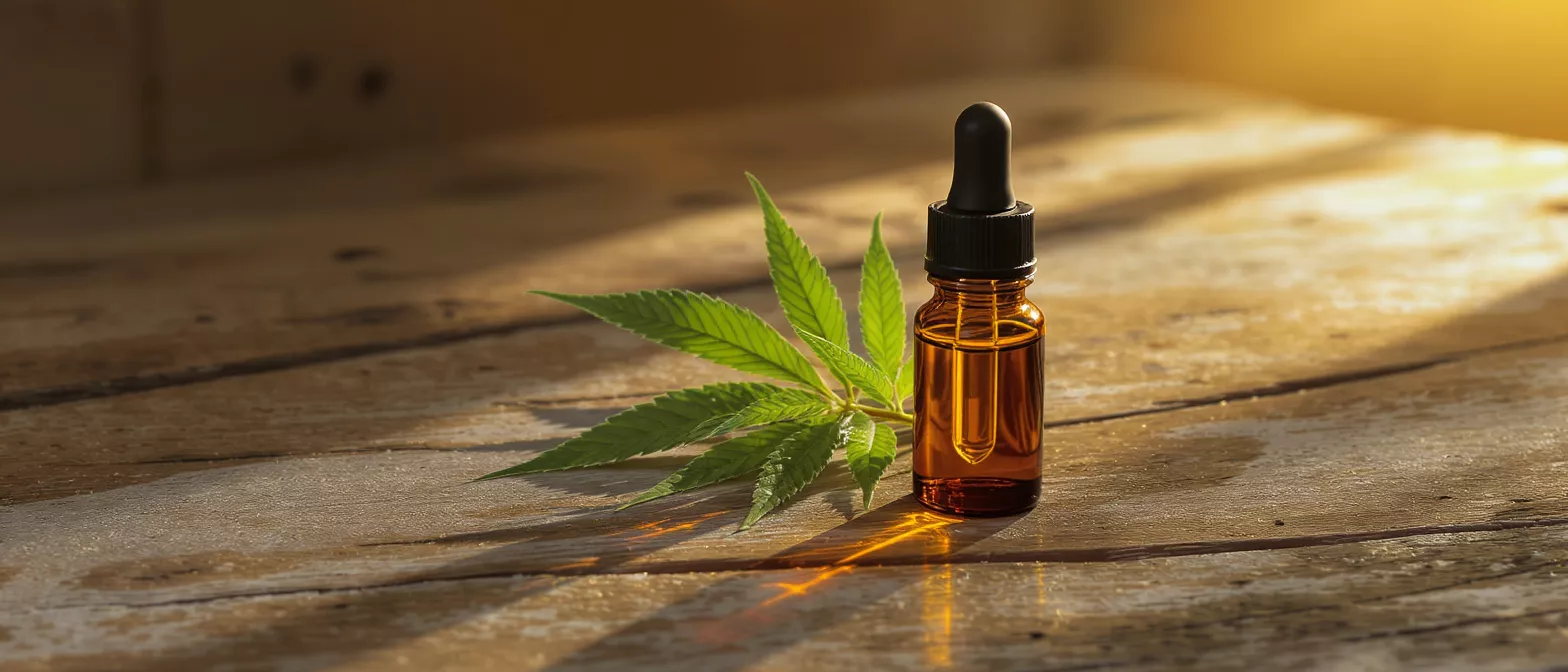
cbd tincture
Learn everything about CBD tincture — how it works, dosing tips, and benefits.
What Is a CBD Tincture
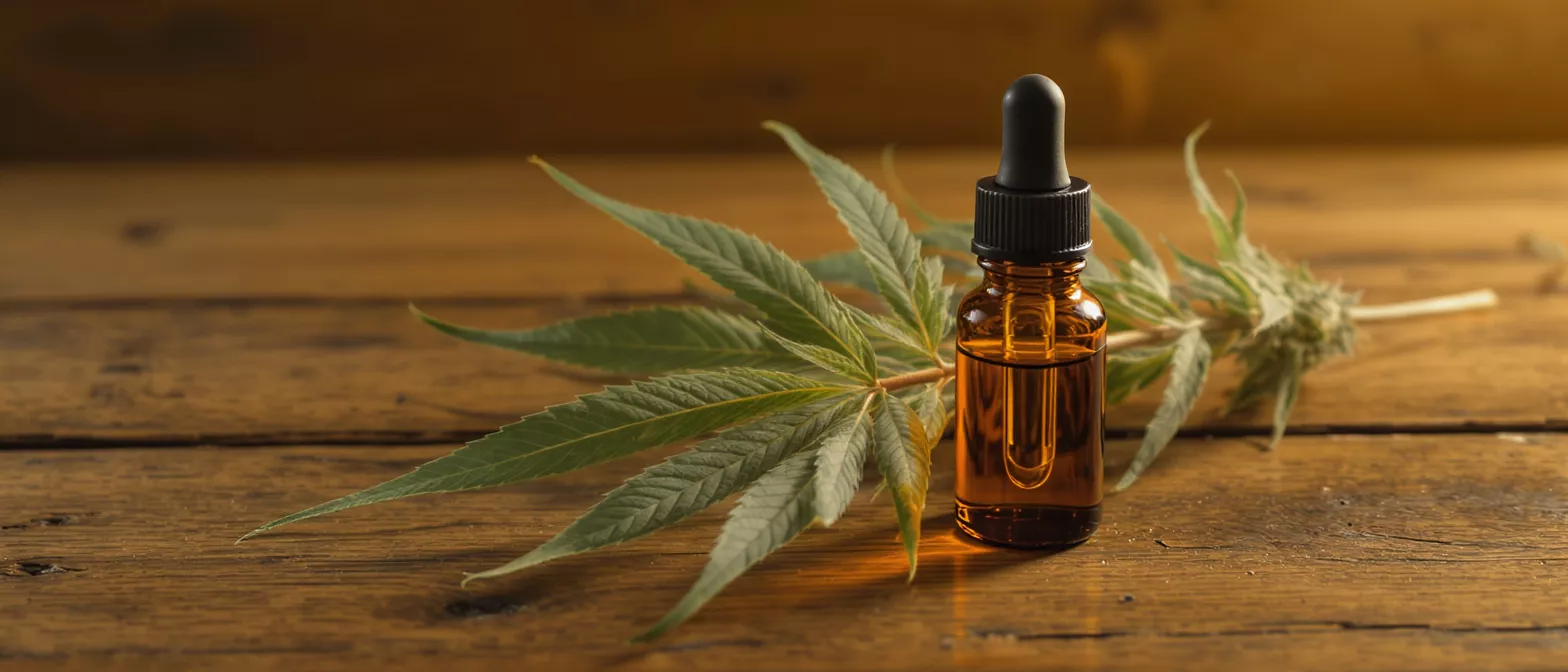
A CBD tincture is a concentrated liquid extract of cannabidiol suspended in a carrier liquid, designed to be measured by the dropper and absorbed quickly under the tongue. It has become one of the most popular ways to take cannabidiol because it offers precise control over dose, fast onset, and a discreet format that fits easily into a daily wellness routine. Unlike capsules or edibles, a tincture lets you fine-tune exactly how much you take from one day to the next.
The word "tincture" traditionally refers to an extract made by soaking plant material in alcohol, and the earliest cannabis tinctures from the nineteenth century were exactly that. Modern products have evolved considerably, with many manufacturers now using clean CO2 extraction to pull cannabinoids from hemp flower without harsh solvents. The resulting concentrate slurry is then refined and blended into a carrier oil or alcohol base.
Why the format endures: tinctures bridge the gap between potency and convenience. They deliver a measurable dose without the smoke of flower or the slow, unpredictable timing of edibles. For people new to cannabidiol who want something approachable, a well-made CBD tincture is often the easiest place to start.
How CBD Tinctures Work in the Body
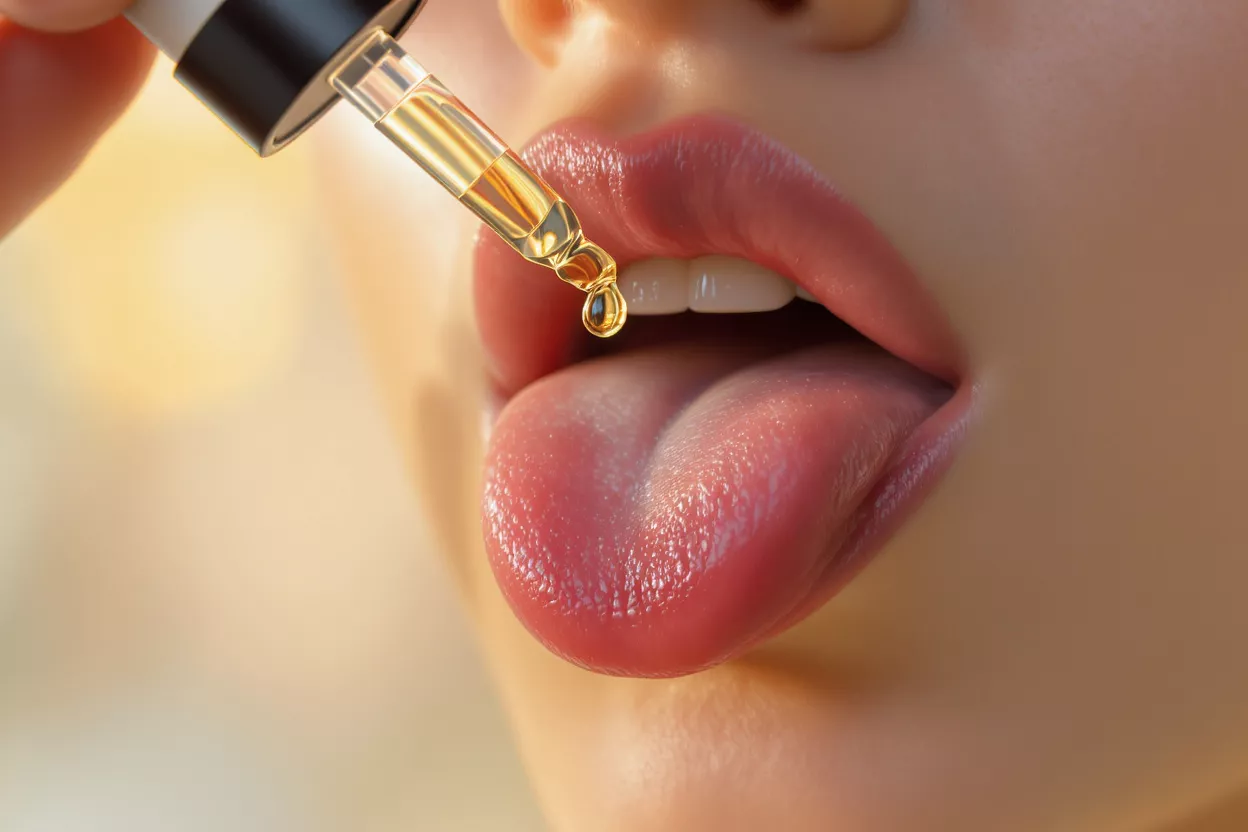
When you place a CBD tincture under your tongue, the cannabidiol is absorbed through the thin, blood-rich tissue of the sublingual gland and oral mucosa. This route bypasses the digestive system and first-pass liver metabolism, meaning more of the compound reaches your bloodstream faster than it would through a swallowed capsule. Most people notice effects within fifteen to forty-five minutes when using a tincture sublingually.
Once absorbed, cannabidiol interacts with the body's endocannabinoid system, a network of receptors that helps regulate mood, sleep, appetite, and the perception of discomfort. Research summarized by the Mayo Clinic notes that CBD does not bind directly to the same receptors that produce intoxication, which is why a quality hemp-derived tincture will not cause the couch lock or crossfade sensations associated with high-THC products.
Sublingual versus swallowed: if you swallow a tincture rather than holding it under your tongue, it behaves more like an edible, passing through digestion with a slower onset and reduced bioavailability. Holding the liquid for sixty to ninety seconds before swallowing gives the sublingual tissue time to absorb the cannabinoids directly, which is the most efficient way to use the format.
Types of CBD Tincture Explained
Not all CBD tinctures are formulated the same way, and the differences matter for both effect and legal considerations. The three main categories are defined by which compounds from the hemp plant survive the extraction and refinement process. Understanding them helps you match a product to your goals.
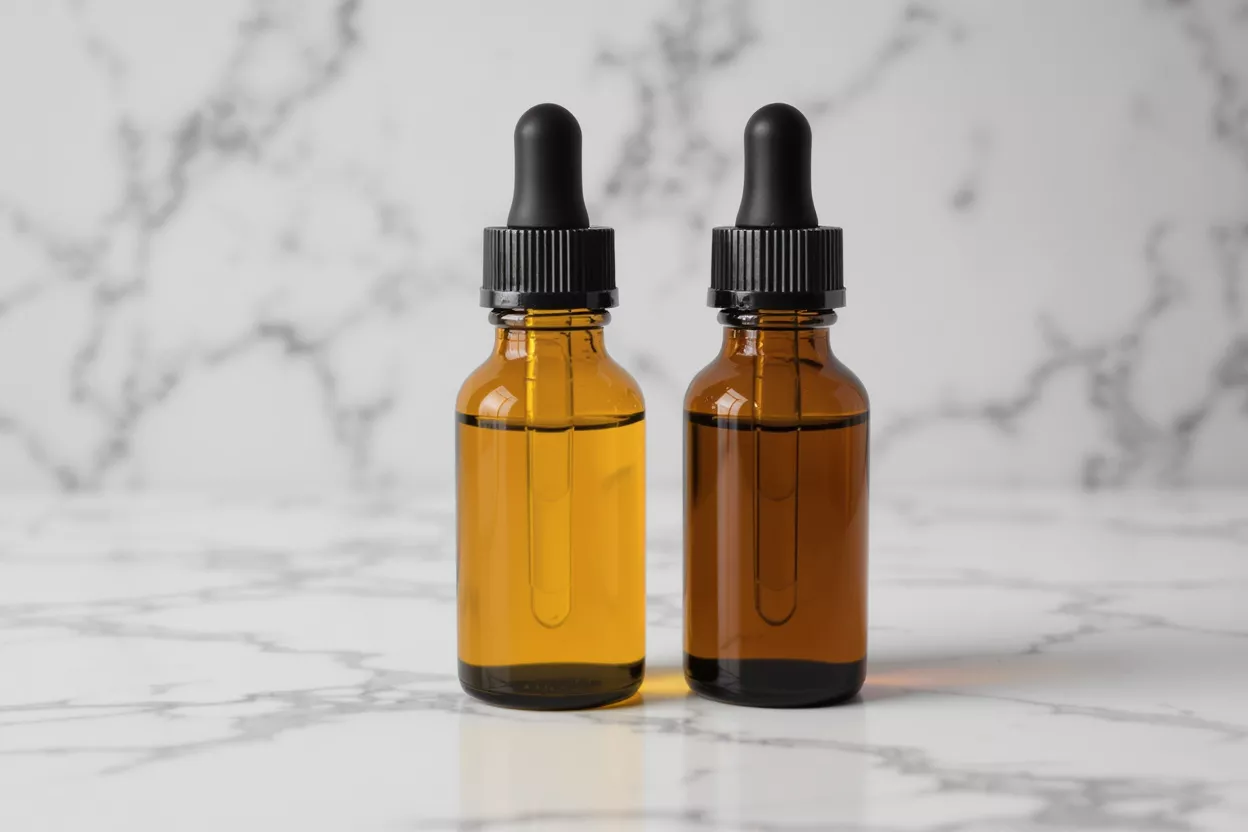
Each type carries the cannabinoid through a carrier base, most often MCT coconut oil or a hemp seed oil, sometimes with botanical terpenes like citronellol or cymene added back for flavor and an entourage effect. Here is a quick comparison of the standard categories:
- 🌿 Full-spectrum: contains CBD plus the full range of minor cannabinoids and trace THC (under 0.3%), delivering the strongest entourage effect.
- 🍃 Broad-spectrum: keeps the supporting cannabinoids and terpenes but removes detectable THC, a middle ground for those avoiding it entirely.
- 💧 CBD isolate: pure cannabidiol with everything else stripped away, ideal for precise dosing and zero plant taste.
Choosing your spectrum: if you want the most complete plant profile, a full-spectrum CBD oil tincture is the traditional choice. If you undergo drug testing or simply prefer no THC, broad-spectrum offers most of the benefit without the trace compound. Many people experimenting with a broad-spectrum CBD tincture find it the most flexible starting point.
CBD Tincture vs CBD Oil: What's the Difference
The terms CBD tincture and CBD oil are used almost interchangeably in the marketplace, which causes plenty of confusion. Strictly speaking, a true tincture uses an alcohol base, while a CBD oil uses a fat-based carrier like MCT or hemp seed oil. In practice, most products labeled "tincture" today are actually oil-based, and the dropper bottle format is what most shoppers associate with the word.
The distinction that genuinely affects your experience is the carrier and the extraction method behind it. Oil-based products tend to taste milder and are gentler on the mouth, while alcohol-based tinctures may have a sharper bite but a longer shelf life. Both can deliver CO2 oil derived from the same clean extraction process.
According to health information published by the Mayo Clinic, the quality and consistency of the extract matters far more than the label terminology. What you should focus on is third-party testing, cannabinoid content, and carrier transparency rather than whether the bottle says "tincture" or "oil." A reliable full-spectrum hemp oil will list all of this clearly.
CBD Tincture Benefits Worth Knowing
People reach for a CBD tincture for a variety of reasons, and while research is still maturing, several applications have meaningful evidence behind them. The format itself contributes to the appeal: precise dosing and fast sublingual absorption make it easier to find an effective routine than with less controllable products. The cottonmouth common to THC products is generally minimal with CBD-focused tinctures.
The most commonly cited reasons people incorporate a tincture into their wellness routine include the following, though individual results vary and none of these constitute medical advice:
- 😴 Sleep support: many users take an evening dose to wind down, sometimes alongside adaptogens like cordyceps for a broader nighttime stack.
- 🧘 Everyday calm: a measured daytime dose may help take the edge off stress without sedation.
- 🦵 Post-activity recovery: some pair a tincture with topicals containing curcumin to address exercise-related discomfort.
- 🎯 Dosing precision: the dropper allows micro-adjustments that capsules cannot match.
Setting realistic expectations: cannabidiol is not a cure-all, and reputable sources caution against overstated claims. The most honest framing is that a tincture can be a useful tool within a broader routine of sleep hygiene, movement, and nutrition. Benefits tend to build with consistent daily use rather than appearing dramatically from a single dose.
CBD Tincture Dosing Guide for Beginners
Dosing a CBD tincture comes down to a simple principle: start low and go slow. A standard one-ounce bottle typically lists its total cannabidiol content on the label, and dividing that figure by the number of milliliters tells you how much CBD sits in a single full dropper. From there you can scale up or down by partial droppers with real precision.
Most beginners do well starting in the range of ten to twenty milligrams per day and holding that for several days before adjusting. The endocannabinoid system responds individually, so the dose that works for a friend may not be yours. Body weight, metabolism, and the reason you are taking it all influence the sweet spot. Patience is the most important ingredient.
Reading the label math: if a 30 ml bottle contains 1,500 mg of CBD, each full 1 ml dropper holds roughly 50 mg. A half dropper is 25 mg, and a quarter is about 12.5 mg. The Mayo Clinic recommends discussing cannabidiol with your healthcare provider before starting, particularly if you take other medications, since CBD can interact with how the liver processes certain drugs.
How to Use a CBD Tincture Correctly
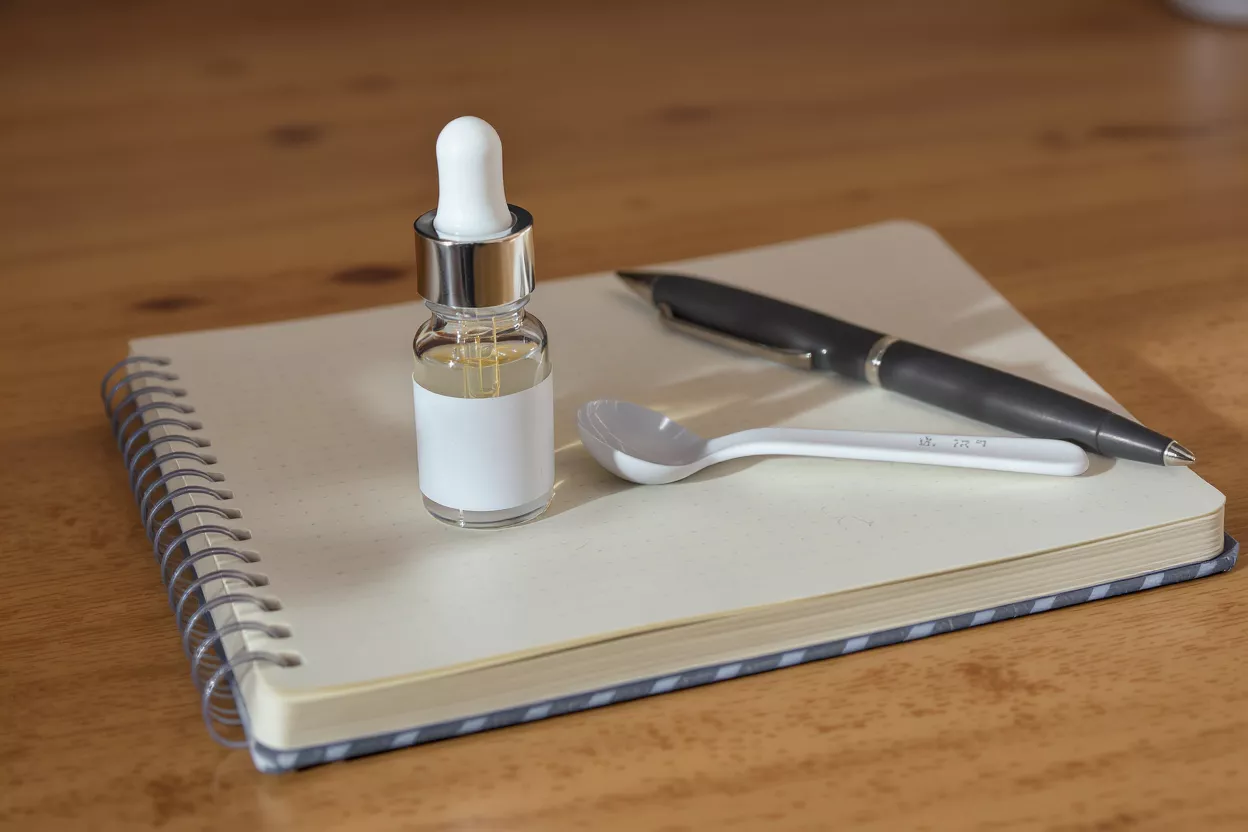
Using a tincture is straightforward once you know the technique. Shake the bottle gently to redistribute the extract, draw your measured amount into the dropper, and dispense it under your tongue. The key step that many people skip is holding the liquid in place rather than swallowing immediately, which is what makes the sublingual route effective.
Consistency matters more than timing. Taking your tincture at roughly the same time each day helps your routine stick and lets you judge effects fairly. Some people split their daily amount into a morning and evening dose, while others prefer a single dose aligned with their main goal, such as bedtime for sleep support.
Getting the most from each dose: hold the liquid under your tongue for sixty to ninety seconds before swallowing to maximize sublingual absorption. Avoid eating or drinking for a few minutes afterward so you do not wash the extract down prematurely. If the flavor is strong, a tincture with added terpenes or natural flavoring can make the daily ritual more pleasant.
Are CBD Tinctures Safe to Take Daily
For most healthy adults, a quality CBD tincture is well tolerated, and daily use is common. The cannabidiol in hemp-derived products is non-intoxicating, so it will not impair you the way a high-THC cross or crossfade would. That said, "natural" does not mean risk-free, and a responsible approach includes understanding potential side effects and interactions.
The Mayo Clinic notes that reported side effects of cannabidiol are generally mild and can include drowsiness, dry mouth, reduced appetite, or digestive upset, particularly at higher doses. The most significant safety consideration is drug interaction: CBD can affect the metabolism of medications processed through the same liver enzymes, so anyone on prescription drugs should consult a physician first.
Who should be cautious: people who are pregnant or breastfeeding, those with liver conditions, and anyone taking blood thinners or seizure medication should speak with a healthcare provider before starting. For everyone else, beginning with a low dose and observing how your body responds over a week or two is the safest path. A trustworthy lab-tested CBD oil reduces the risk of contaminants and mislabeled potency.
How to Choose a Quality CBD Tincture
The CBD market is crowded and lightly regulated, which means product quality varies enormously. The single most important indicator of a trustworthy tincture is a current third-party certificate of analysis, or COA, which verifies the cannabinoid content and screens for pesticides, heavy metals, and residual solvents. If a brand will not show you lab results, walk away.
Beyond testing, look at the source of the hemp and the extraction method. Hemp cultivation matters because the plant absorbs whatever is in its soil, so organically grown, domestically sourced hemp is preferable. CO2 extraction is widely regarded as the cleanest method, producing a pure CO2 oil without the solvent residues that cheaper processes can leave behind.
Use this checklist when comparing products:
- 🔬 Third-party COA: recent, batch-specific lab results you can actually read.
- 🌱 Hemp source: organically grown, ideally U.S. cultivation with transparent sourcing.
- ⚗️ Extraction: CO2 or other clean methods over solvent-heavy processing.
- 🏷️ Clear labeling: total CBD, per-serving amount, spectrum type, and carrier oil all stated.
CBD Tincture Storage and Shelf Life
A CBD tincture is a relatively stable product, but proper storage protects its potency and flavor over time. Heat, light, and air are the three enemies of cannabinoids, gradually degrading the cannabidiol and any supporting compounds. Keeping your bottle in a cool, dark cupboard rather than on a sunny windowsill makes a real difference in how long it stays effective.
Most tinctures carry a shelf life of one to two years when stored correctly, and the amber or cobalt glass bottles many brands use are designed to block degrading light. Alcohol-based tinctures tend to last longest because alcohol is a natural preservative, while oil-based products can eventually go rancid if neglected, so checking for off smells or flavors is worthwhile.
Simple storage habits: keep the cap sealed tightly between uses to limit air exposure, avoid storing the bottle in a hot car or steamy bathroom, and keep the dropper clean to prevent contamination. With these basic precautions a quality tincture will hold its strength through its full shelf life.
A CBD tincture remains one of the most practical and approachable ways to add cannabidiol to a wellness routine, combining precise dosing, fast sublingual absorption, and a discreet format in a single bottle. Whether you choose full-spectrum, broad-spectrum, or isolate, the fundamentals that matter most are clean extraction, honest third-party testing, and a sensible start-low-go-slow approach. Pair good product selection with proper storage and a conversation with your healthcare provider, and you will have everything you need to use a tincture confidently and well.