

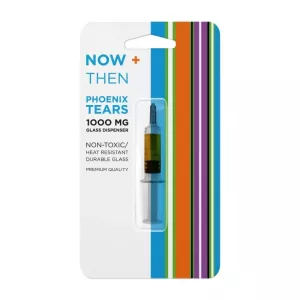
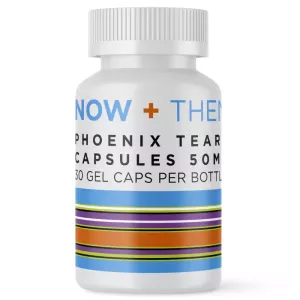
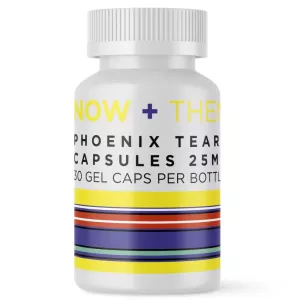


RSO (Phoenix Tears): The Complete Guide to Rick Simpson Oil
What is RSO?
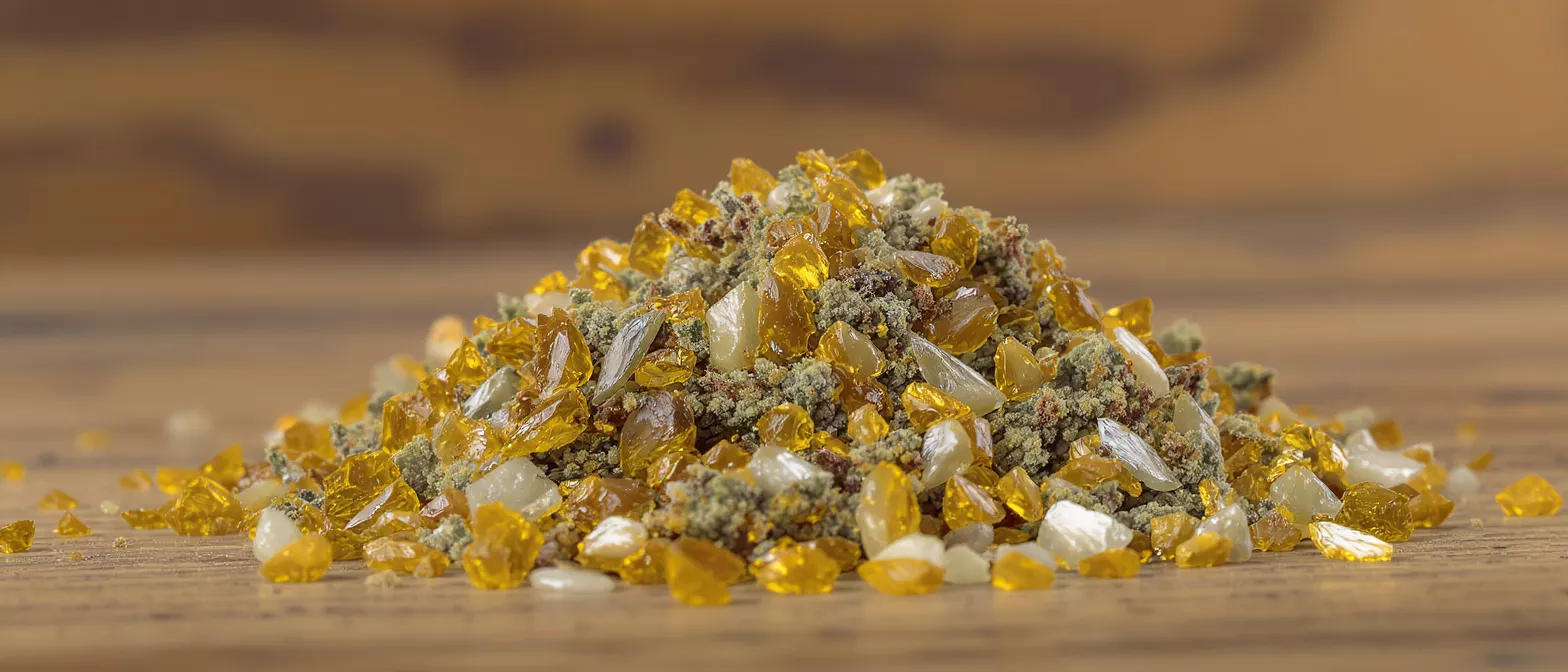
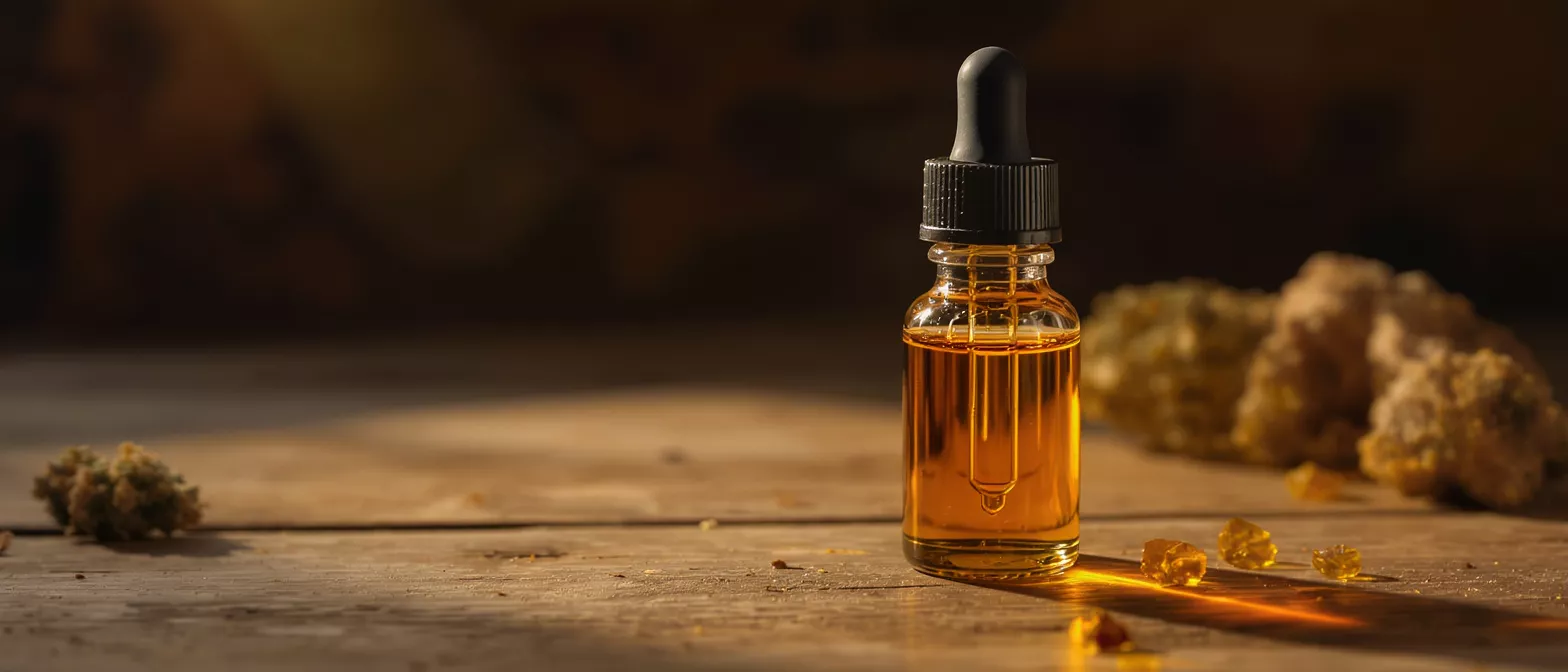
Simply put, RSO is a cannabis oil made from the whole plant (like Phoenix Tears), not just trichomes. The long extraction process is like making a tincture. RSO is very dark and doesn't taste great since it uses the entire plant.
- 🌿 Whole Plant Extract: Phoenix Tears are a highly concentrated cannabis extract, also called Rick Simpson Oil (RSO)
- 👨⚕️ Medical Origins: Developed by Canadian Rick Simpson to treat his skin cancer
- ⚗️ Extraction Process: Made by extracting cannabinoids like THC and CBD from cannabis into an oil
- 💪 High Potency: Contains very high levels of THC, typically over 90%
RSO was created to treat cancer and other conditions like MS and asthma. Though Rick Simpson no longer makes it himself, it's still used by patients across North America.
🔬 The Science of Full-Spectrum Cannabis Extraction
Rick Simpson Oil represents one of the most concentrated forms of cannabis medicine available, utilizing a comprehensive extraction process that captures the entire spectrum of therapeutic compounds found in the cannabis plant. Unlike selective extraction methods that target specific cannabinoids, RSO preservation maintains the complex chemical profile that many believe creates enhanced therapeutic effects through the entourage effect.
The extraction process involves using solvents to dissolve and concentrate cannabinoids, terpenes, flavonoids, and other beneficial compounds from cannabis plant material. This results in a dark, thick oil with potency levels that can exceed 90% total cannabinoids, making it one of the most concentrated cannabis preparations available to patients and consumers.
🧬 Advanced Therapeutic Mechanisms and Cannabinoid Profiles
Modern RSO production has evolved to incorporate sophisticated understanding of cannabinoid chemistry and therapeutic mechanisms. While traditional RSO focuses primarily on THC concentration, contemporary formulations may include balanced cannabinoid profiles that optimize therapeutic benefits while managing psychoactive effects.
The therapeutic potential of RSO stems from multiple mechanisms of action:
- 🎯 Direct Cannabinoid Receptor Activation: High THC content provides powerful CB1 and CB2 receptor stimulation
- 🔥 Anti-inflammatory Action: Multiple compounds work synergistically to reduce inflammation
- 🧠 Neuroprotective Effects: Cannabinoids protect brain cells from damage and promote regeneration
- 💊 Anti-tumor Properties: Research suggests potential cancer-fighting mechanisms
- ⚡ Pain Modulation: Multiple pathways contribute to analgesic effects
📊 Market Evolution and Medical Integration
The medical cannabis community has increasingly embraced RSO as a legitimate therapeutic option, with healthcare providers developing protocols for safe administration and monitoring. This integration reflects growing recognition of concentrated cannabis preparations as valuable tools in comprehensive treatment strategies.
Modern RSO production incorporates pharmaceutical-grade quality controls, standardized potency testing, and safety protocols that ensure consistent, reliable products for medical applications. Leading manufacturers employ advanced extraction technologies and purification methods that produce cleaner, more potent preparations than traditional home-production methods.
🌍 Global Research and Clinical Applications
International research institutions have begun investigating RSO's therapeutic potential through controlled clinical studies, moving beyond anecdotal reports toward evidence-based medicine. Countries with established medical cannabis programs have integrated RSO into official treatment protocols for specific conditions.
Research priorities include understanding optimal dosing strategies, identifying ideal patient populations, and developing standardized production methods that ensure therapeutic consistency. These efforts promise to establish RSO as a legitimate pharmaceutical option backed by rigorous scientific evidence.
Who is Rick Simpson?
Rick Simpson didn't intend to become a cannabis icon. He was an engineer in Canada in 1997 when he was exposed to asbestos on the job, causing him to pass out and injure himself. He developed tinnitus and dizziness, with no medication helping. Despite illegality and his doctor's advice, he used medical marijuana with great success.
In 2003 Simpson was diagnosed with skin cancer. By then, cannabis was legal for medical use in Canada, but he still faced obstacles. A 1975 study showed cannabis inhibited tumor growth in mice, inspiring Simpson to create RSO.
Simpson claims he cured his cancer by applying RSO topically, but this hasn't been verified. He began giving RSO away to patients for free. In 2009 his property was raided and plants seized, so Simpson moved to Croatia to avoid prosecution.
👨🔬 From Engineer to Cannabis Pioneer
Rick Simpson's transformation from industrial engineer to global cannabis advocate represents one of the most compelling stories in modern medical marijuana history. His methodical, engineering approach to developing RSO reflects systematic problem-solving skills that distinguished his extraction methods from traditional cannabis preparations.
Simpson's journey illustrates the challenges faced by early medical cannabis pioneers who operated outside established medical systems while developing treatments that would later gain widespread acceptance. His willingness to share his extraction methods freely, despite legal risks, established foundational knowledge that continues to benefit patients worldwide.
🌍 Global Impact and Legacy
The influence of Rick Simpson's work extends far beyond his original cancer treatment goals, inspiring international research initiatives and treatment protocols that have helped thousands of patients access concentrated cannabis medicine. His open-source approach to sharing extraction methods democratized access to powerful cannabis preparations.
Simpson's advocacy has contributed to policy changes in multiple countries, with medical cannabis programs specifically recognizing RSO as a legitimate therapeutic option. His story demonstrates how individual innovation can catalyze broader medical and social change when supported by compelling evidence and passionate advocacy.
Benefits of Phoenix Tears (RSO)
- 🩹 Pain relief: Activates cannabinoid receptors involved in pain regulation
- 🔥 Anti-inflammatory: THC and other compounds have anti-inflammatory properties
- 😴 Improved sleep: THC helps induce sleep and increase sleep duration
- 🍽️ Increased appetite: THC stimulates hunger hormones
- 🎗️ Cancer treatment: Anecdotal success treating cancers, but clinical data still needed
While lacking extensive clinical research, many anecdotal reports suggest RSO helps manage symptoms of various conditions. As more jurisdictions legalize cannabis, more data is becoming available to support these therapeutic claims.
💊 Comprehensive Therapeutic Applications
Clinical observations and patient reports have documented RSO's effectiveness across a broad spectrum of medical conditions, making it one of the most versatile cannabis preparations available for therapeutic use.
Documented therapeutic benefits include:
- 🎗️ Cancer Support: Symptom management and potential anti-tumor effects
- 🧠 Neurological Conditions: Epilepsy, multiple sclerosis, and neurodegenerative diseases
- 🦴 Chronic Pain: Arthritis, fibromyalgia, and neuropathic pain conditions
- 😰 Mental Health: Anxiety, PTSD, and depression management
- 🛡️ Autoimmune Disorders: Inflammatory bowel disease and rheumatoid arthritis
- 🌙 Sleep Disorders: Insomnia and sleep disturbance management
🔬 Emerging Research and Clinical Evidence
Recent studies have begun validating many of the therapeutic claims associated with RSO, providing scientific foundation for its use in medical applications. Research institutions worldwide are investigating specific mechanisms of action and optimal treatment protocols.
Key research findings include:
- 📊 Anti-tumor Activity: Laboratory studies showing cancer cell death
- 🧬 Neuroprotection: Protection against brain injury and degeneration
- 💉 Anti-inflammatory Effects: Reduced inflammatory markers in clinical studies
- ⚡ Pain Management: Significant pain reduction in chronic conditions
- 🛡️ Immune Modulation: Balanced immune system responses
Rick Simpson Oil for Cancer Treatment
- 🔬 Clinical Evidence: A 2013 study showed RSO significantly decreased leukemia cells in a terminal cancer patient without toxicity.
- 🏥 Symptom Management: RSO may help manage symptoms of conditions like MS, epilepsy, cancer, insomnia, chronic pain, and asthma based on anecdotal patient reports.
- 💊 Therapeutic Effects: The high THC potency offers potential therapeutic effects including pain relief, appetite stimulation, nausea reduction, and sleep aid.
- 📚 Research Needs: More research is still needed to confirm RSO's benefits and best practices for integrating it into cancer treatment.
- 👨⚕️ Healthcare Integration: A 2021 study found many cancer patients used cannabis but their doctors lacked guidance on properly incorporating it.
- 🧬 Scientific Foundation: Rick Simpson created RSO after his own cancer diagnosis, aiming to replicate a 1975 study showing cannabis killed cancer cells in mice.
- 🎯 Treatment Claims: Simpson claims he cured his skin cancer with topical RSO, but this is unverified. Many patients use RSO to improve cancer symptoms.
- ⚕️ Medical Consultation: Cancer patients should consult their doctor before trying RSO to discuss options and safe integration.
While RSO shows promise in managing cancer symptoms based on some studies and anecdotal evidence, more research is still needed. Cancer patients interested in RSO should involve their healthcare team to explore safe options. RSO may offer pain relief, appetite stimulation, and other benefits, but outcomes can vary.
🎗️ Cancer Treatment Integration and Support
Modern oncology increasingly recognizes the potential role of cannabis-based treatments like RSO in comprehensive cancer care, with many cancer centers developing protocols for safe integration alongside conventional therapies.
Integration considerations include:
- 🤝 Multidisciplinary Approach: Collaboration between oncologists and cannabis specialists
- 📊 Symptom Monitoring: Tracking pain, nausea, appetite, and quality of life improvements
- 💊 Drug Interactions: Careful management of RSO with chemotherapy and other medications
- 📋 Treatment Protocols: Standardized dosing and administration guidelines
- 🎯 Patient Selection: Identifying optimal candidates for RSO therapy
RSO for Back Pain
Most RSO recipes call for high-THC, indica-dominant cannabis. The final product is highly intoxicating, so dosing starts small. THC binds to receptors that reduce sensations of pain.
- 📊 Prevalence: One of the most popular uses for RSO is chronic back pain relief. Back pain impacts up to 80% of people at some point.
- 🌿 Strain Selection: RSO recipes typically use high-THC, indica-dominant cannabis strains. This makes the final oil product highly intoxicating.
- ⚖️ Dosing Strategy: Gradual dosage increase is recommended to avoid an uncomfortably strong high from the RSO when treating back pain.
- 🧠 Mechanism: THC binds to CB1 receptors concentrated in the brain and nerves. This interaction reduces sensations of pain when using RSO.
RSO can be an effective remedy for chronic back pain, which plagues up to 80% of people at some point. The high THC content of most RSO binds with receptors in the brain and nerves, reducing feelings of pain. Slowly increasing dosage helps avoid an overly strong intoxicating effect.
🦴 Comprehensive Pain Management Applications
RSO's effectiveness for back pain reflects its ability to address multiple components of chronic pain conditions, including inflammation, muscle tension, nerve sensitization, and pain-related sleep disruption.
Pain management benefits include:
- 🎯 Multi-target Action: Addresses pain, inflammation, and muscle tension simultaneously
- ⏰ Extended Duration: Long-lasting relief compared to other delivery methods
- 💤 Sleep Improvement: Enhanced sleep quality supporting pain recovery
- 🧘 Stress Reduction: Decreased anxiety and tension contributing to pain
- 🔄 Functional Improvement: Enhanced mobility and daily activity tolerance
How to Use Phoenix Tears (RSO)
- 👅 Sublingually: Place oil under tongue and let absorb
- 🍽️ Edibles: Add to food, drinks, capsules to mask taste
- 🧴 Topicals: Apply to skin for localized relief without psychoactivity
- 💨 Vaping: Use small amount in suitable vaporizer for fast effects
The two main ways to use RSO are orally and topically. Simpson himself used it topically to purportedly cure skin cancer.
It takes weeks to build up tolerance to RSO without getting overly intoxicated. Benefits may be felt within days, but most notice significant effects after reaching 1 gram per day, which can take 4-5 weeks.
For skin conditions, apply RSO topically. For internal use, ingest it. This requires gradually increasing doses over weeks. Consult a doctor familiar with RSO to discuss proper use.
📋 Administration Methods and Optimization
Different administration routes offer unique advantages for specific therapeutic goals and patient preferences, enabling customized treatment approaches that maximize therapeutic benefits while managing side effects.
Detailed administration strategies include:
- 👅 Sublingual Administration: Fastest absorption through mouth tissues, effects within 15-30 minutes
- 🍽️ Oral Ingestion: Longer-lasting effects (4-8 hours) but slower onset (30-120 minutes)
- 🧴 Topical Application: Localized effects without psychoactivity, ideal for skin conditions
- 💨 Inhalation: Immediate effects but shorter duration, requires careful dosing
- 💊 Encapsulation: Precise dosing in convenient, taste-neutral format
RSO Dosing Regimen
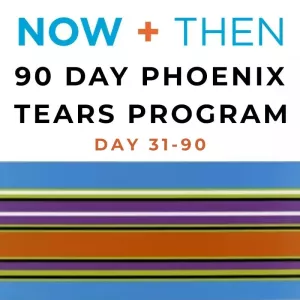
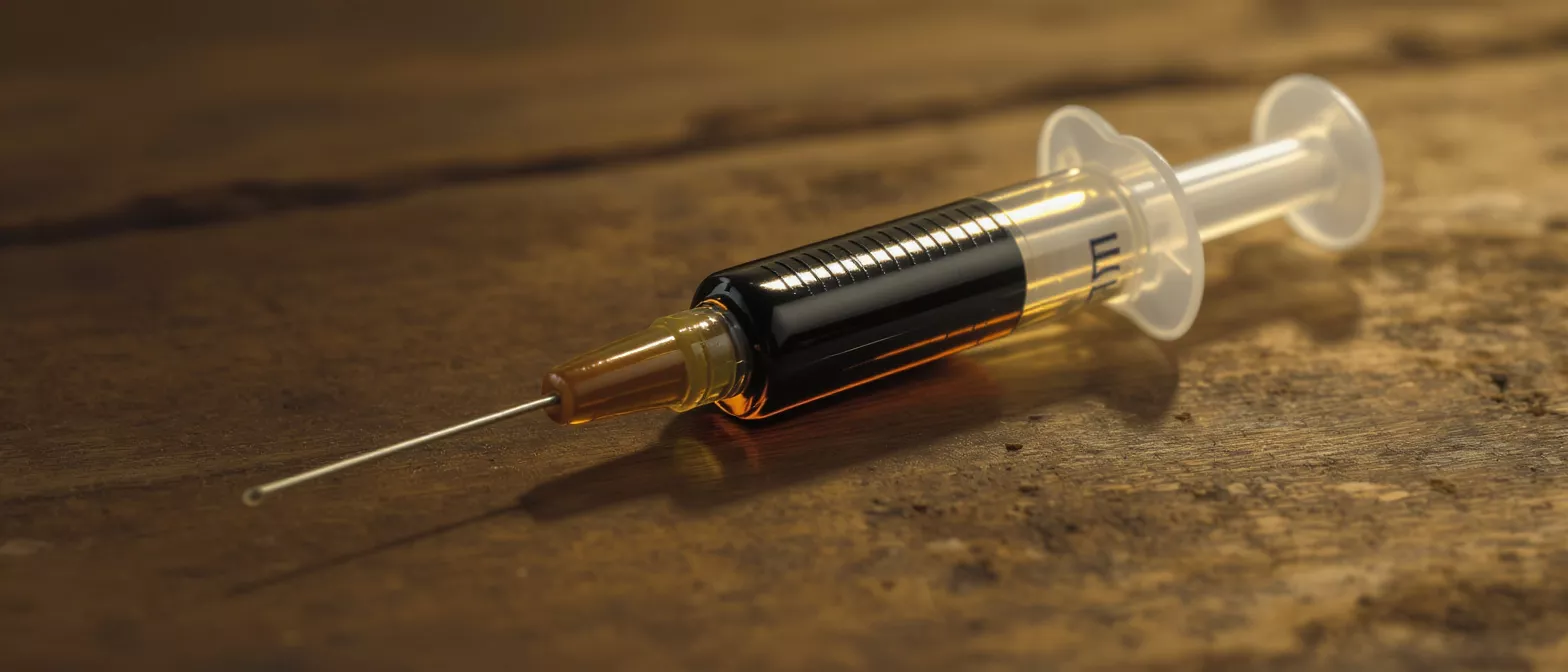
Dosing often starts with half a grain of rice-sized dose 3 times a day, slowly increasing over 90 days to 1 gram per day. Once the 90-day regimen is done, a maintenance dose of 1-2 grams per month is recommended.
⚖️ Systematic Dosing Protocols and Guidelines
Successful RSO therapy requires careful dose escalation that allows patients to build tolerance while achieving therapeutic benefits. The standard protocol developed by Rick Simpson provides a framework that can be adapted for individual needs.
Standard dosing progression includes:
- 🟢 Week 1-2: Rice grain size (0.25ml) three times daily
- 🔵 Week 3-5: Double dose every 4 days until reaching 1ml/day
- 🟡 Week 6-12: Maintain 1ml daily divided into multiple doses
- 🟠 Maintenance: 1-2ml monthly or as needed for symptom control
- 📊 Monitoring: Track symptoms and adjust based on response
👨⚕️ Medical Supervision and Protocol Adaptation
Healthcare providers increasingly recognize the importance of supervised RSO protocols that ensure patient safety while optimizing therapeutic outcomes. Medical supervision enables protocol modifications based on individual responses and health status.
Cooking with RSO
- 👨🍳 Cooking Compatibility: Yes, you can use Rick Simpson Oil in cooking and baking recipes.
- 🌡️ Temperature Limits: However, heating cannabis above 300°F burns off cannabinoids, making the RSO less effective.
- 🔥 Heat Preservation: For best results, add RSO to food after cooking at lower temperatures to keep its strength.
- 🥗 No-Heat Options: Good ways to use RSO without heating include salad dressings, dips, sauces, smoothies, etc.
- 🧈 Texture Advantages: RSO's thick, sticky texture makes it easy to mix into foods like guacamole or hummus.
- 🧁 Baking Applications: When baking edibles with RSO, add it to frostings, toppings or fillings rather than dough or batters.
- 🛢️ Distribution Methods: Mixing RSO with oils or butter can evenly distribute it in recipes when cooking is required.
- ⏰ Duration Benefits: Eating RSO with food provides longer effects compared to inhaling or taking it under the tongue.
In summary, you can definitely use RSO to make infused foods, drinks and baked goods. To keep its strength, avoid exposing it to over 300°F. Instead, add RSO after cooking or in things needing little to no heat. Adding RSO to recipes provides longer lasting effects than other methods.
👨🍳 Culinary Integration and Recipe Development
Advanced culinary techniques enable seamless integration of RSO into diverse recipes while preserving therapeutic potency and improving palatability. Professional chefs and cannabis culinary experts have developed methods that mask RSO's bitter taste while maintaining its medicinal properties.
Smoking and Dabbing RSO
- 🚬 Smoking Compatibility: Since RSO has some plant matter, you can smoke it, but avoid putting it directly in pipes or bongs.
- 🌿 Flower Mixing: Mixing small amounts of RSO with cannabis flower works best for smoking. Add just a rice-sized bit to a packed bowl.
- 📜 Joint Application: Adding thin lines of RSO horizontally in joints or blunt wraps helps it burn slowly and evenly.
- 🔥 Activation Method: Distributing RSO this way ensures proper heating to activate cannabinoids when smoked.
- 💨 Dabbing Potential: You can technically dab RSO too, but only if it's from a trusted source with lab purity testing.
- ⚠️ Purity Concerns: Homemade RSO may have impurities that can be harmful when dabbed at high temps.
- ⚗️ Potency Considerations: Decarboxylation during RSO production may make its effects less potent when dabbed vs. other concentrates.
- 🎯 Dosing Caution: Start with small RSO dabs of lab-tested product to gauge potency before increasing the dose.
In summary, you can smoke RSO when combined right with flower or mixes. Dabbing is an option but only with pure, lab-tested RSO, not homemade stuff. Carefully check the strength of effects, starting small. Smoking or dabbing RSO requires extra care but can be done safely.
Side Effects of RSO
- 📈 Gradual Increase: Slowly increasing the RSO dose over time is the best way to minimize side effects.
- 😵 Potential Effects: Potential side effects include feeling sedated, dizzy or generally unwell from too strong of a dose.
- 🌿 CBD Moderation: Adding CBD-rich cannabis can reduce unwanted psychoactive effects from the high THC potency.
- ✅ Positive Reports: Most patients largely report positive effects from RSO like less pain and nausea, better sleep, etc.
- ⬆️ Dose Progression: Always start low with RSO doses and gradually increase over days and weeks to safely build tolerance.
- 📊 Effect Tracking: Track any side effects to find your optimal dosage based on your unique body.
- 🍽️ Food Moderation: Eating RSO with food can help modulate effects compared to taking it under the tongue.
- 💧 Health Monitoring: Stay hydrated and listen to your body's response to determine your ideal RSO regimen.
In summary, slowly ramping up RSO doses helps reduce side effects. CBD can also counteract unwanted THC effects. While mostly positive for patients, custom dosage and tracking side effects is key for optimizing benefits. Take a cautious, gradual approach to find your best RSO protocol.
Is RSO Dangerous?
- ✅ Safety Profile: RSO won't cause overdose, death or lasting side effects, even with the high THC levels. The risks are similar to any cannabis product – mainly getting too intoxicated if the dose is too large.
- 🔬 Quality Assurance: Purchasing lab-tested RSO from a licensed dispensary ensures a clean, quality product without contaminants.
- ⚠️ Home Production Risks: Making RSO at home can be risky due to using flammable solvents that could be explosive or leave toxic fumes. Homemade RSO may also retain some solvents.
- 🏪 Safe Sourcing: If ever uncertain about the safety or quality of homemade RSO, it's best to source it from a licensed dispensary that lab tests their products.
While RSO itself is not inherently dangerous due to the high THC concentration, improper homemade preparation can introduce risks. Purchasing lab-tested RSO from licensed dispensaries such as BIRCH+FOG provides the highest quality and safety. If opting to make it yourself, take extreme care in handling flammable solvents in an open, well-ventilated area.
Where to Get RSO
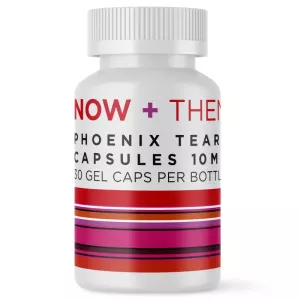
You can find 5 different types of Rick Simpson oil at BIRCH+FOG, as well as at our authorized retailers fine stores in Vancouver, Toronto, Regina, and Montreal.
🏪 Quality Sources and Product Selection
Choosing the right RSO source is crucial for ensuring product safety, consistency, and therapeutic efficacy. Licensed dispensaries offer advantages including lab testing, standardized production, and professional guidance that support optimal therapeutic outcomes.
Selection considerations include:
- 🔬 Lab Testing: Verification of potency, purity, and absence of contaminants
- 📋 Product Variety: Different strains and cannabinoid profiles for specific needs
- 👨⚕️ Professional Guidance: Knowledgeable staff to assist with product selection
- 🛡️ Quality Assurance: Consistent production standards and safety protocols
- 📄 Documentation: Complete product information and usage guidelines
Rick Simpson Oil / Phoenix Tears Legality
- 🇺🇸 United States: Federally illegal in U.S. but legal in states with recreational/medical marijuana
- 🇨🇦 Canada: Legal to possess and use in Canada within limits on THC potency
- ⚖️ Local Compliance: Always check local laws before obtaining RSO
🌍 Global Legal Landscape and Regulatory Evolution
The legal status of RSO continues evolving as jurisdictions worldwide recognize the therapeutic potential of concentrated cannabis preparations. Patients and healthcare providers must stay informed about local regulations while advocating for expanded access to these potentially life-saving medicines.
Conclusion
RSO represents a powerful therapeutic tool that has helped countless patients manage serious medical conditions when conventional treatments have fallen short. While more research is needed to fully validate its therapeutic claims, the existing evidence and patient testimonials provide compelling support for its continued development and integration into medical cannabis programs.
The key to successful RSO therapy lies in careful dosing, quality product selection, and ideally, medical supervision. As the cannabis industry continues to mature and regulatory frameworks evolve, patients can expect improved access to standardized, high-quality RSO products that meet pharmaceutical standards for safety and efficacy.
Whether used for cancer support, chronic pain management, or other serious medical conditions, RSO offers hope for patients seeking natural alternatives to conventional pharmaceuticals. With proper education, medical guidance, and access to quality products, RSO can be a valuable component of comprehensive treatment strategies that prioritize both efficacy and patient safety.