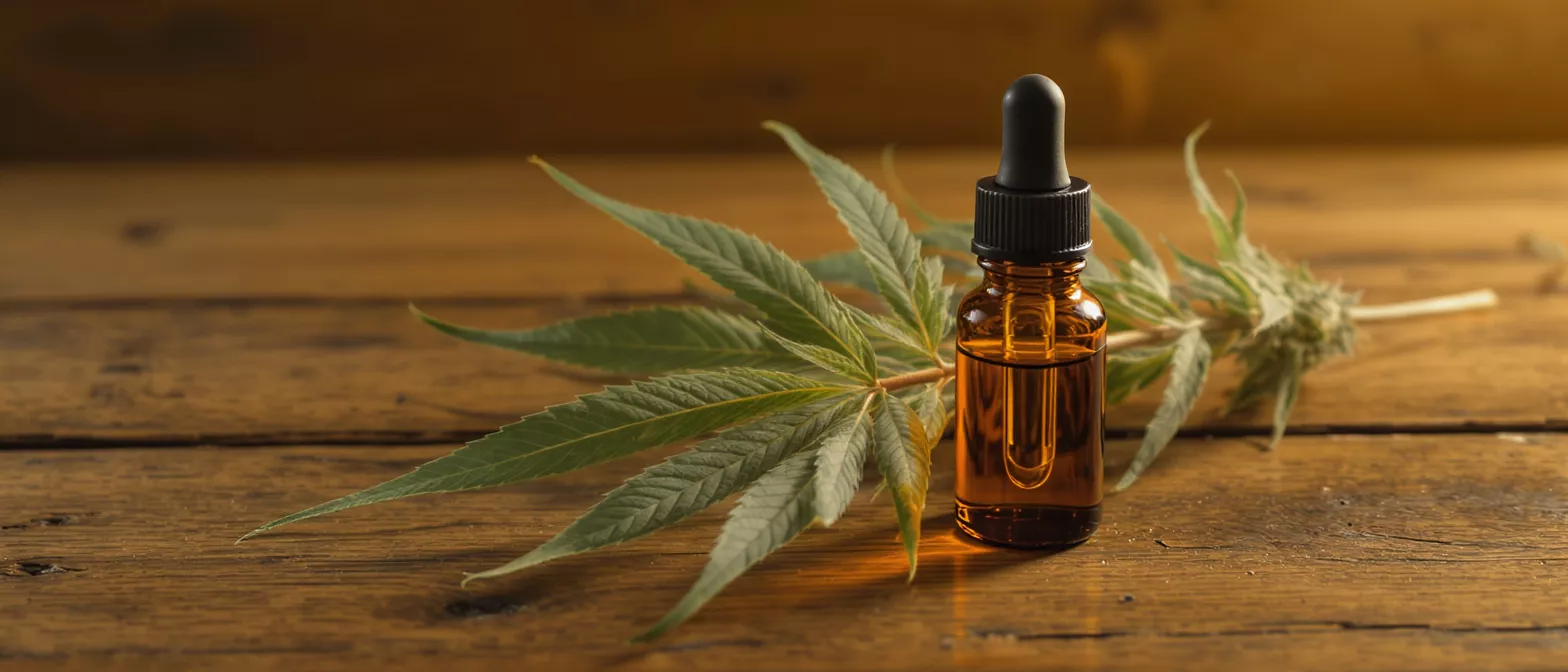
High
Curious about the cannabis high?
What Does Being High Mean?
Few words in the cannabis vocabulary are as universal — or as slippery — as "high." Whether you call it being baked, lifted, or simply elevated, getting high describes the temporary shift in perception, mood, and body sensation that follows cannabis use. It is the subjective experience produced when cannabinoids interact with your nervous system, and no two highs feel exactly alike. Understanding what a high actually is helps you use cannabis more intentionally, whether you are a first-timer at a dispensary or a seasoned consumer chasing a specific vibe.
Where the word comes from: The term predates modern dispensaries by decades, rooted in mid-century slang alongside words like dope and dank that described both quality and effect. Today "high" has become the catch-all for any psychoactive cannabis experience, distinct from the milder, non-intoxicating wellness effects associated with cannabinoids like CBD.
High versus stoned versus buzzed: Casual users often blur these terms, but they describe a spectrum. A buzz is a light, early lift; being high is the full cerebral and physical experience; and being stoned usually refers to the heavier, couch-locking sedation that can follow potent indica strains. Recognizing where you sit on that spectrum makes dosing far more predictable.
How Does Getting High Work in the Body?
The high you feel is the work of your endocannabinoid system, a network of receptors that helps regulate mood, appetite, pain, and memory. When you consume cannabis, delta-9 THC — the primary intoxicating compound — binds to CB1 receptors concentrated in the brain, triggering the cascade of effects we recognize as being high. According to the National Center for Complementary and Integrative Health, the body produces its own cannabinoid-like molecules, and plant compounds essentially mimic and amplify those natural signals.
Why the delivery method matters: How you consume changes how fast and how hard the high lands. Inhaling vapor or smoke from a quality flower delivers THC to the bloodstream within seconds, while edibles must pass through the digestive system and liver first. That liver conversion transforms delta-9 into a more potent metabolite, which is why an edible high feels different — slower to arrive and longer to fade.
Individual biology plays a huge role too. Body weight, metabolism, tolerance, and even genetics all influence how intensely a given dose hits. This is why a beginner and a daily consumer can share the same joint and walk away with completely different experiences. For newcomers, a measured approach with low-dose THC edibles makes the learning curve far gentler.
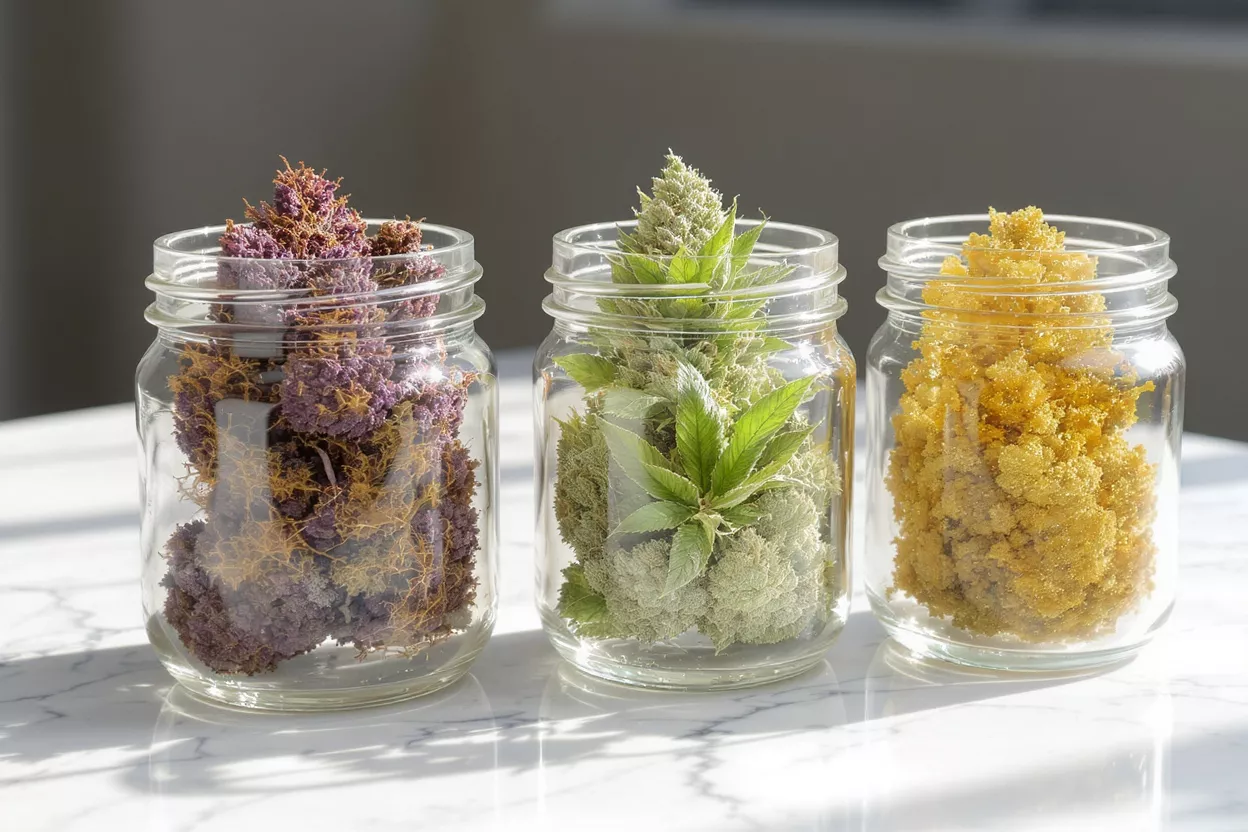
What Does a Cannabis High Feel Like?
A cannabis high is multidimensional, touching mind and body at once. Mentally, many people report euphoria, creativity, giggling fits, deep focus on music or art, or a pleasant sense of time slowing down. Physically, the high can bring warmth, heaviness in the limbs, increased appetite — the famous munchies — and a soothing release of tension. The exact blend depends on the strain, the dose, and your own state of mind going in.
Not every high is purely pleasant, and honesty matters here. Higher doses can tip euphoria into anxiety, racing thoughts, dry mouth, or a spinning sensation. These effects are temporary and not dangerous, but they explain why "start low and go slow" is the most repeated advice in cannabis culture.
Set and setting shape everything: The same product can feel blissful in a relaxed living room and uneasy in a loud, crowded space. Researchers have long noted that environment and expectation heavily color the subjective experience, so a comfortable setting, good company, and a calm headspace stack the odds toward a great high.
Types of High From Different Cannabinoids
Not all highs come from the same molecule. The cannabis plant and its derivatives offer a whole family of intoxicating cannabinoids, each with its own character. Understanding the differences helps you shop at a dispensary or distributor with real intention rather than guesswork.
- 🌿 Delta-9 THC: The classic high — potent, cerebral, and full-bodied. This is the benchmark against which every other cannabinoid is measured.
- 😌 Delta-8: A gentler, clearer-headed cousin that many describe as roughly half the strength of delta-9, with less anxiety for sensitive users.
- ⚡ Delta-10: Often reported as more uplifting and energetic, leaning toward a daytime, sativa-style buzz.
- 💎 Concentrates and diamonds: Ultra-pure THCA crystals that deliver an intense, fast-hitting high when dabbed on an e-nail or domeless nail.
Concentrates deserve special caution. Products like diamonds, dewaxing-refined extracts, and live resin can test well above 80% THC, meaning a single dab from an e-rig can equal several puffs of flower. For most people, a balanced approach using flower with moderate THC levels offers a more controllable high than jumping straight to potent extracts.
Edibles and elixirs add yet another layer. Because the liver metabolizes ingested THC differently, the high from a gummy or a cannabis-infused elixir tends to be more body-centered and longer-lasting than inhalation. The National Center for Complementary and Integrative Health notes that research into these distinct delivery routes is ongoing as the science matures.
Indica vs Sativa High Differences
Walk into any dispensary and you will be asked the eternal question: indica or sativa? While modern science treats this division as a simplification, the labels remain a useful shorthand for the kind of high you can expect. The real driver is the strain's blend of cannabinoids and terpenes, but the indica-sativa framework still helps newcomers choose.
The indica high: Indica-leaning strains tend to produce that heavy, relaxing, body-focused high — the "in-da-couch" sedation prized for evenings, sleep, and unwinding. If you want to melt into the sofa after a long day, indica genetics usually deliver.
The sativa high: Sativa-dominant strains lean cerebral and energizing, sparking creativity, conversation, and focus. Many people reach for a classic diesel strain when they want a daytime lift that keeps them functional and engaged rather than glued to the cushions.
Hybrids blend both worlds, and most modern strains are hybrids to some degree. If you are unsure where to start, a balanced hybrid offers the safest middle ground, and trying a daytime sativa-leaning strain versus a nighttime indica is the best way to learn your own preferences firsthand.
How Long Does a High Last?
Duration is one of the most practical things to understand before you consume, because the last thing you want is to be unexpectedly lifted for hours. The timeline depends heavily on your method of consumption, your dose, and your tolerance.
- 💨 Smoking or vaping: Onset within minutes, peak around 30 minutes, and the bulk of the high fading within 1–3 hours.
- 🍪 Edibles: Onset in 30 minutes to 2 hours, with effects that can last 4–8 hours or longer — sometimes leading to an edible hangover the next morning.
- 🔥 Dabs and concentrates: Rapid, intense onset similar to smoking but often stronger, with duration shaped by the heavy dose.
- 💧 Tinctures and elixirs: Variable, sitting between inhalation and edibles depending on whether they are absorbed orally or swallowed.
Edibles surprise people most. Because the high arrives so slowly, impatient users sometimes take a second dose too early and end up far more elevated than intended. Some manufacturers use enteric coating to delay release even further, so patience is essential. Wait at least two hours before redosing any edible.
Tolerance also compresses duration over time. A daily consumer's high fades faster than a once-a-month user's, which is why some people periodically take a tolerance break to restore sensitivity and stretch their high back out.
How to Get High Faster or Stronger
Sometimes you want a quicker or more intense onset, and a few evidence-informed tricks can help. The most reliable lever is your method: inhalation simply gets you high faster than any oral route because THC bypasses digestion and enters the bloodstream through the lungs.
Potency and product selection: Higher-THC flower, concentrates, and diamonds naturally produce a stronger high. If you are working with flower, proper storage matters — well-cured, dank buds that haven't dried out preserve both potency and flavor. A clean piece of gear, from a simple dugout to an e-nail, also delivers a more efficient hit.
There is also intriguing research on the "entourage effect," the idea that terpenes and minor cannabinoids work together to modulate and amplify the high. According to the National Center for Complementary and Integrative Health, full-spectrum products that retain these compounds may feel different from isolated THC. For a richer experience, many enthusiasts prefer full-spectrum concentrates over distillate-only options.
How to Come Down From Being Too High
It happens to nearly everyone eventually: you get higher than you intended and want to dial it back. The first and most important thing to remember is that no one has ever fatally overdosed on cannabis alone. The discomfort is temporary and will pass, usually within an hour or two as your body metabolizes the THC.
Practical ways to ease an intense high: Hydrate with water, find a quiet and comfortable space, and try to relax with calming music or a distraction. Some people swear by black pepper — chewing or sniffing a few peppercorns, whose terpenes may counteract anxiety. A light snack and lying down can also help you ride it out.
- 💧 Hydrate: Sip water to ease dry mouth and stay grounded.
- 🌶️ Black pepper: A folk remedy with a plausible terpene-based mechanism.
- 🧘 Rest and breathe: Slow breathing and a calm setting shorten the discomfort.
- ⏳ Wait it out: Remind yourself the effects are temporary and harmless.
The best cure is prevention. Knowing your dose, respecting the slow onset of edibles, and avoiding mixing cannabis with alcohol all dramatically reduce the odds of an uncomfortably strong high. If you do overdo it, treat it as a learning experience rather than an emergency.
Is Getting High Safe?
For most healthy adults, getting high responsibly carries a relatively low risk profile, but "safe" deserves nuance. Acute effects like impaired coordination, slowed reaction time, and altered judgment make activities such as driving genuinely dangerous while high. Treat being lifted the way you would treat any intoxicant — never behind the wheel.
Who should be cautious: People with a personal or family history of psychosis, pregnant or breastfeeding individuals, and those on certain medications should approach cannabis carefully or avoid it. The National Center for Complementary and Integrative Health emphasizes that more research is needed on long-term effects, especially for heavy and adolescent use, when the developing brain is more vulnerable.
Buying from a licensed dispensary or reputable distributor is one of the simplest safety steps you can take. Regulated products are lab-tested for potency and contaminants like pesticides and heavy metals, which the unregulated market cannot guarantee. Knowing exactly what is in your product makes every high more predictable and safer.
Tips for a Better, More Controlled High
Once you understand the mechanics, getting the high you actually want becomes a matter of small, repeatable habits. The difference between a forgettable session and a great one usually comes down to preparation rather than potency.
Dial in your dose and environment: Start with a low dose, especially with a new product or format, and give it time before deciding whether to take more. Pair your session with a comfortable setting, good company, and an activity you enjoy. Set and setting are not afterthoughts — they are half the experience.
- 📋 Keep a journal: Note strains, doses, and how each high felt to find your sweet spot.
- 🌿 Match strain to goal: Indica to wind down, sativa to energize, hybrid for balance.
- 💧 Stay hydrated: Water on hand keeps dry mouth and discomfort at bay.
- ⏳ Respect the timeline: Especially with edibles, patience prevents overdoing it.
Ultimately, the perfect high is personal. By understanding how cannabinoids work, choosing the right product for the moment, and respecting dose and setting, you transform getting high from a roll of the dice into a craft you can refine. Whether you prefer the cerebral spark of a sativa or the deep calm of an indica, knowledge is what turns a good high into a consistently great one — and keeps the whole experience safe, intentional, and genuinely enjoyable.