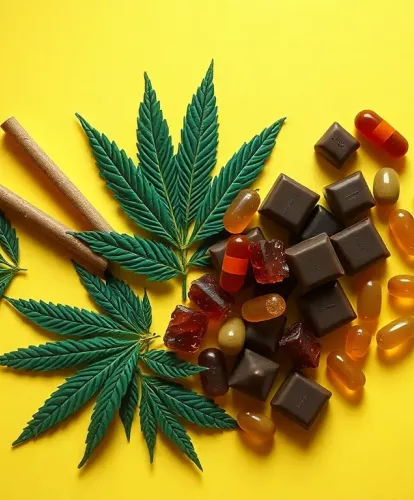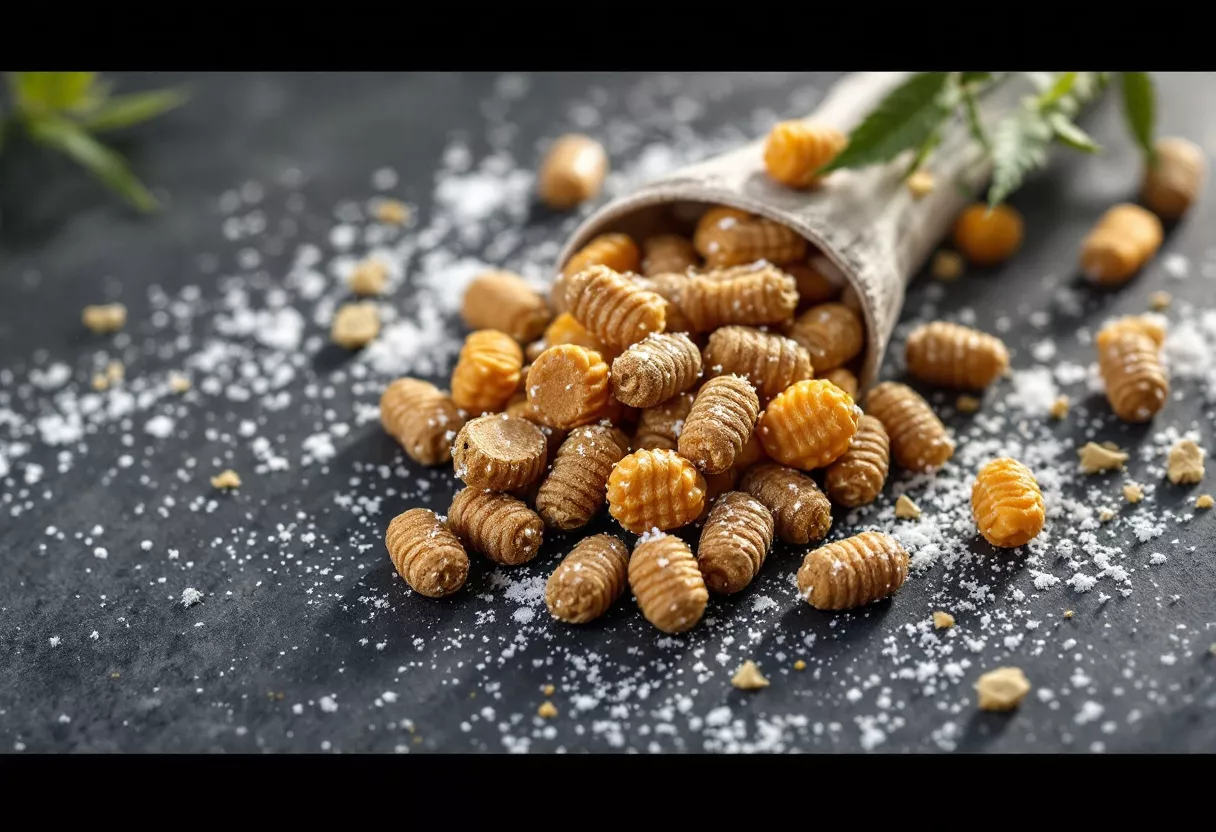



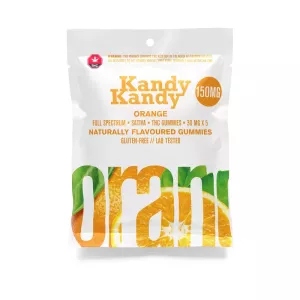
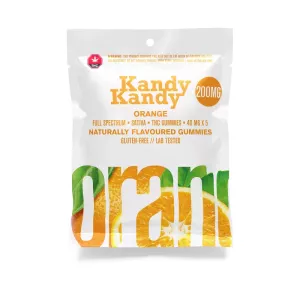
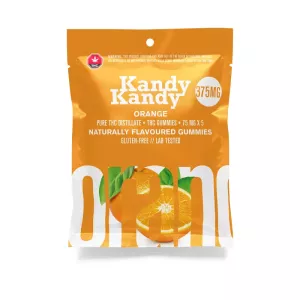
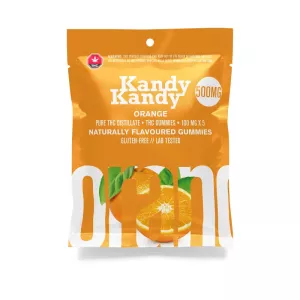
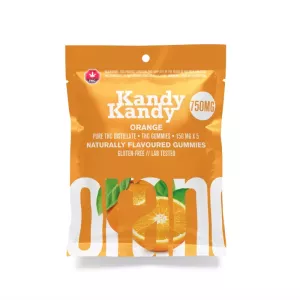
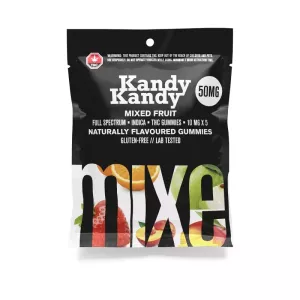
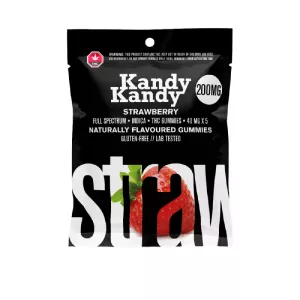
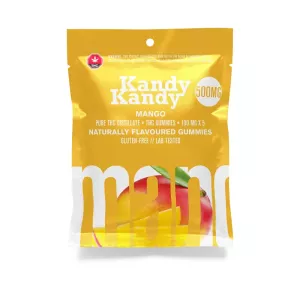
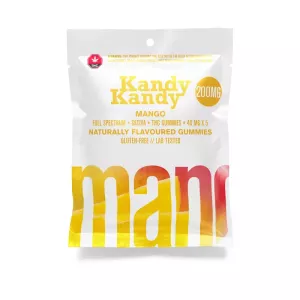
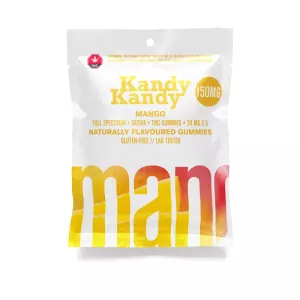
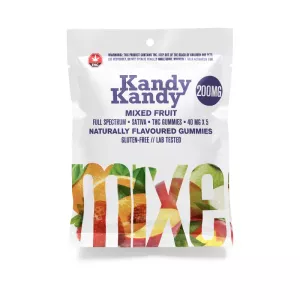
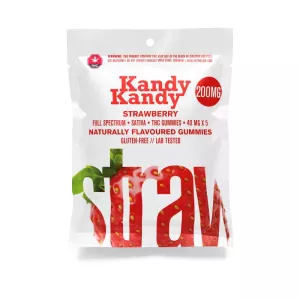
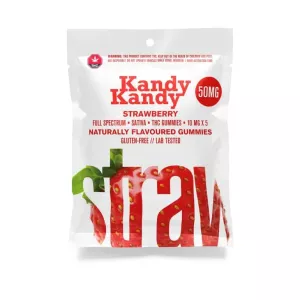
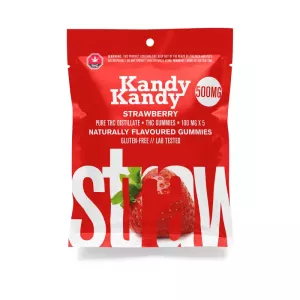
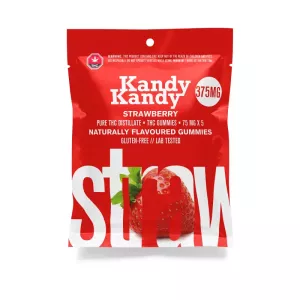
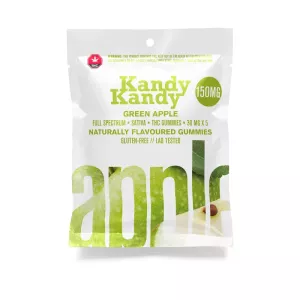

THC edibles have reshaped how people approach cannabis, trading smoke and combustion for something you simply eat, savour, and let work over the course of an afternoon or evening. Instead of the rapid spike of inhaled cannabis, edibles unfold gradually, deliver a longer arc of effects, and lend themselves to precise, repeatable dosing. This guide walks through how THC edibles work, the formats you'll encounter, sensible dosing, and how to separate genuinely good products from forgettable ones — whether you're chasing chronic pain relief, deeper sleep, or a measured recreational experience.
What Are THC Edibles and How Do They Work
THC edibles are food and drink products infused with tetrahydrocannabinol, the primary psychoactive cannabinoid in cannabis. The defining difference from smoking isn't the THC itself but the route it takes through your body. When you eat an edible, the cannabinoid travels through your digestive tract to the liver, where it's converted into 11-hydroxy-THC — a metabolite that crosses into the brain more readily and tends to produce a heavier, more body-centred effect than inhaled THC.
Why edibles feel different from a joint: that liver conversion step is the whole story. Inhaled THC peaks within minutes and fades within a couple of hours because it enters the bloodstream almost directly through the lungs. An edible has to be digested first, so onset is slower but the resulting compound lingers far longer. The trade-off is patience for endurance — a single, well-judged dose can carry you through most of an evening.
Most modern edibles are built around a cannabis-infused oil or fat, because THC is fat-soluble rather than water-soluble. Whether the base is cannabutter folded into a brownie or an infused coconut oil suspended in a gummy, the principle is identical: bind the cannabinoid to a lipid so your body can absorb it during digestion. Understanding that foundation makes everything else — dosing, onset, even why certain products hit harder — far easier to predict.
Types of THC Edibles Available Today
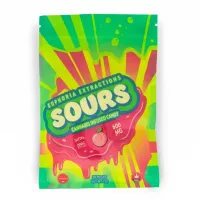
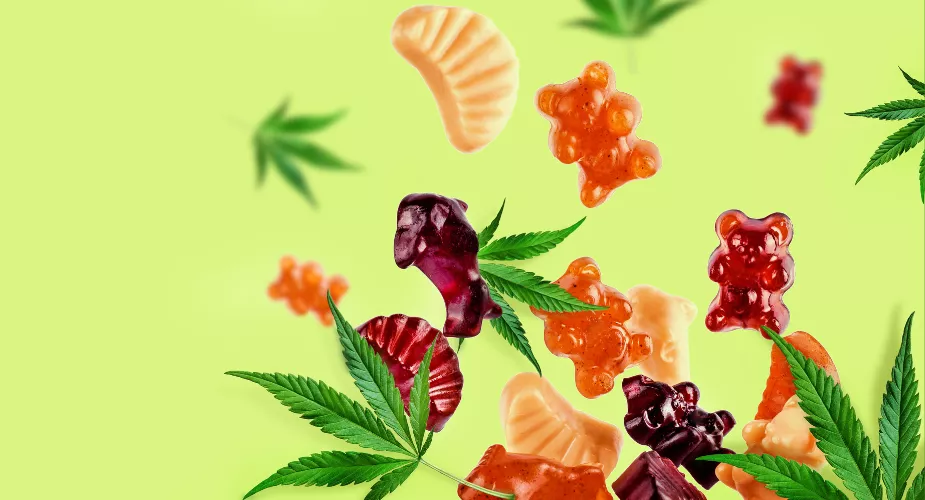
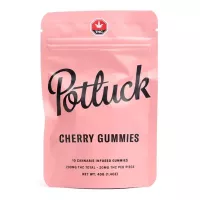
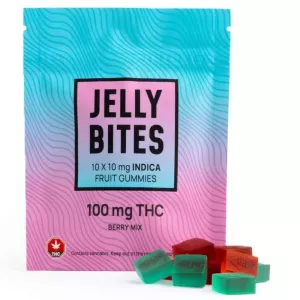
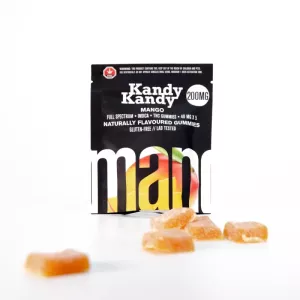
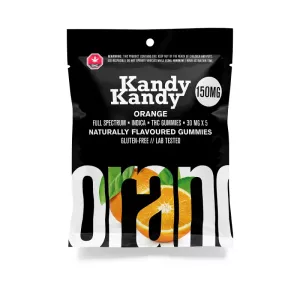
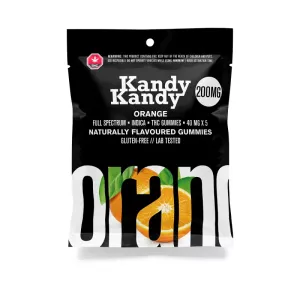
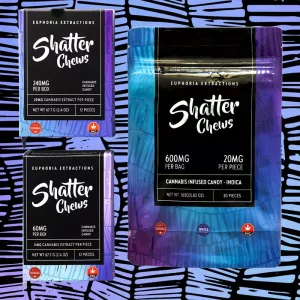
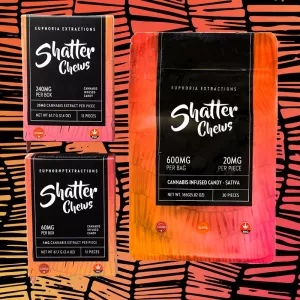
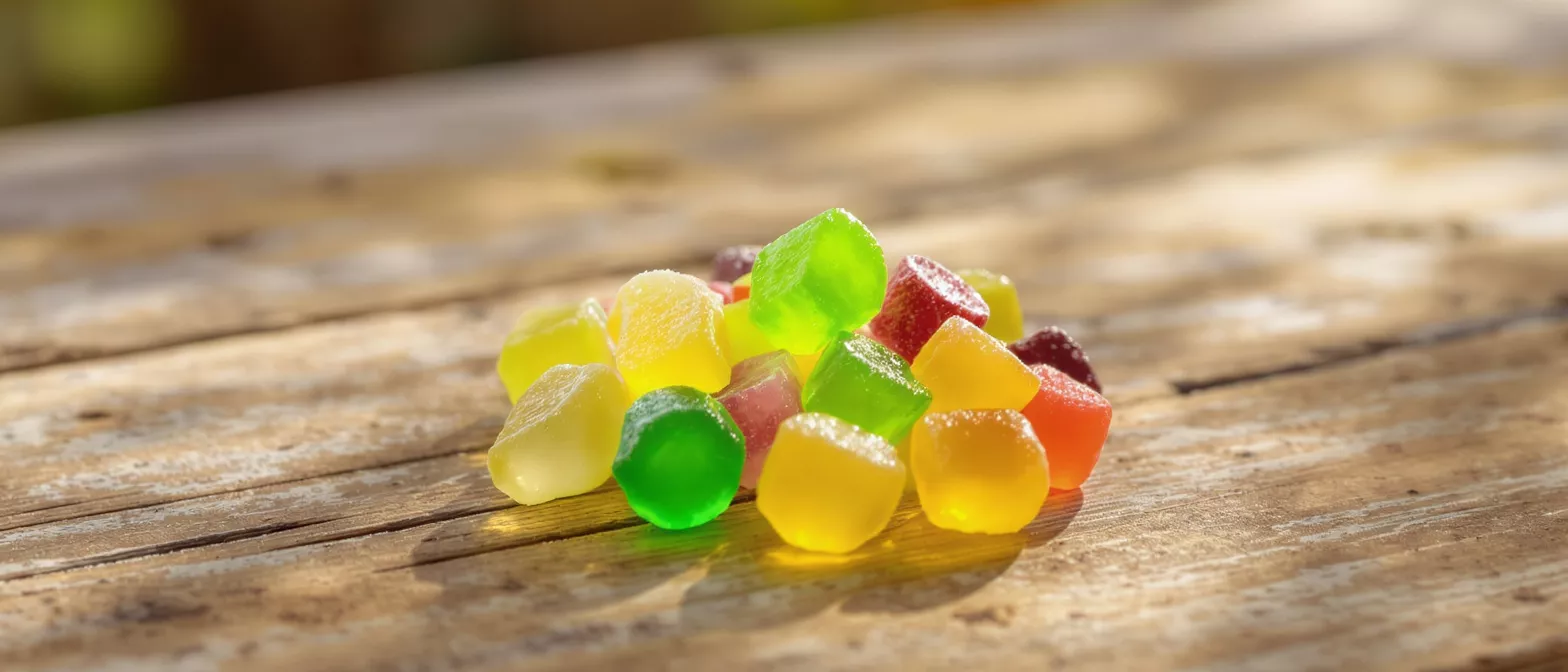
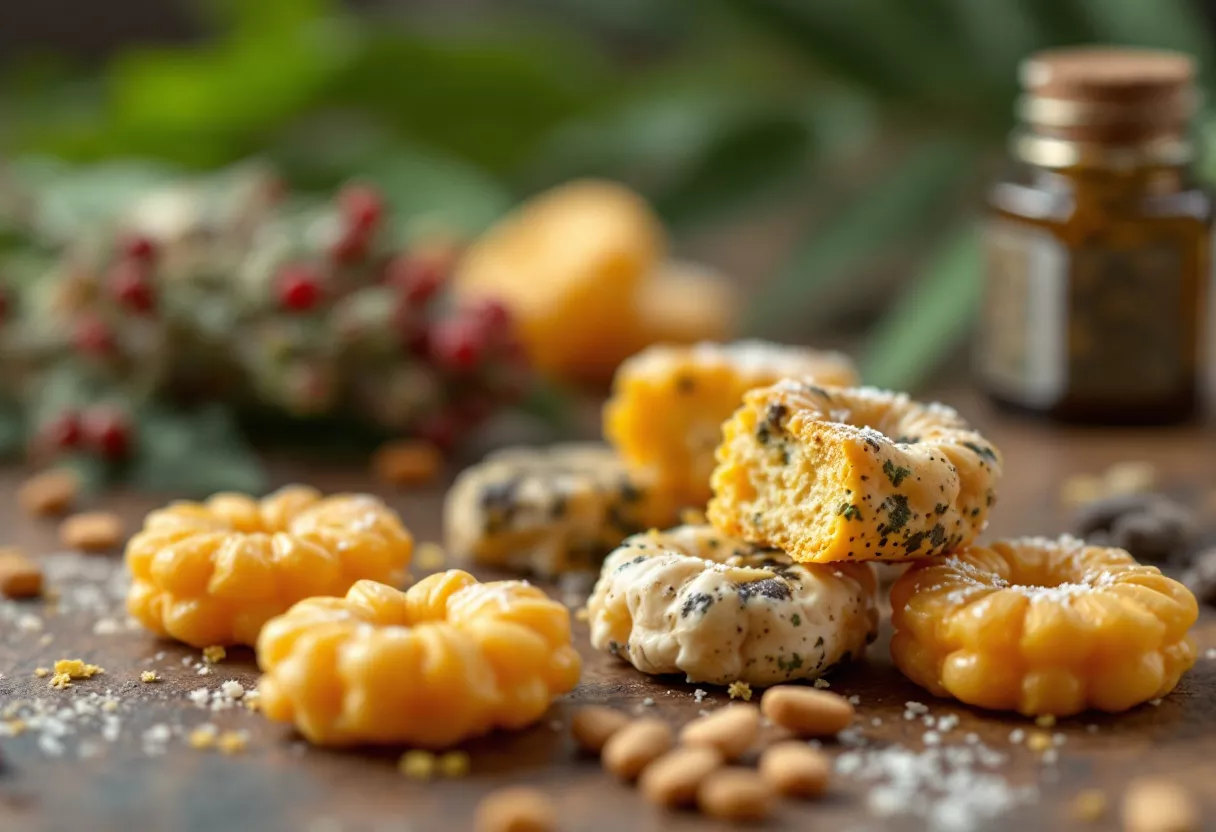
The edibles category has grown well beyond the homemade brownie of decades past. Today you'll find precisely portioned gummies, gourmet chocolate, infused beverages, hard candies, and even savoury options, each with its own onset profile and ideal use case. Gummies and soft candies dominate the market because they make dosing almost foolproof — each piece carries a known milligram count, so calibrating your experience is straightforward.
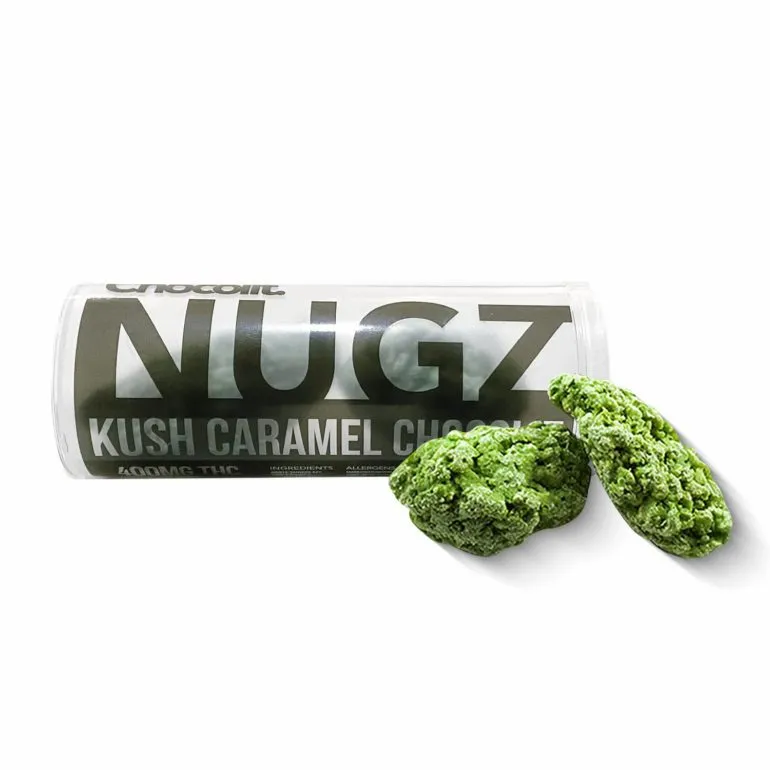
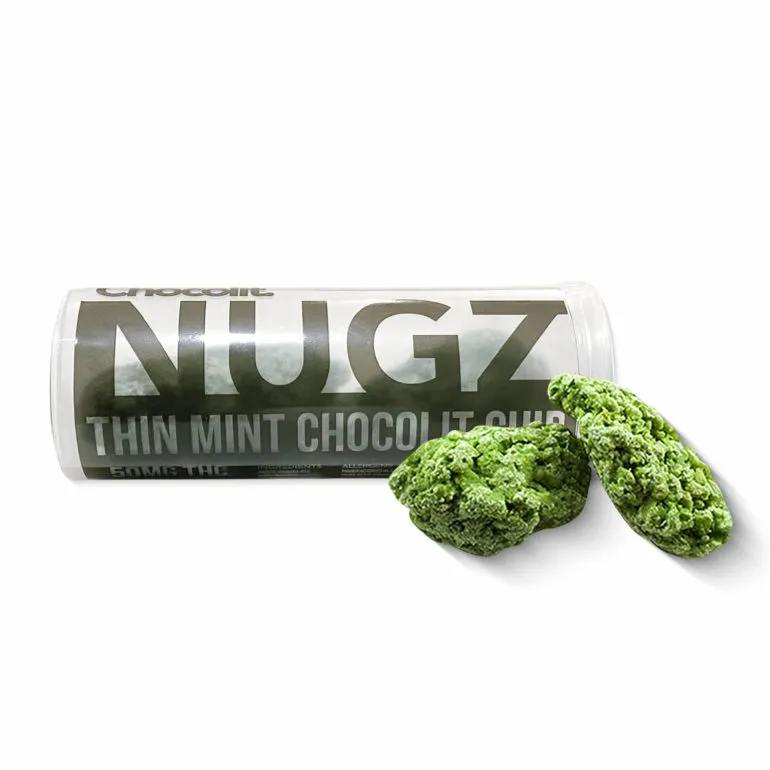
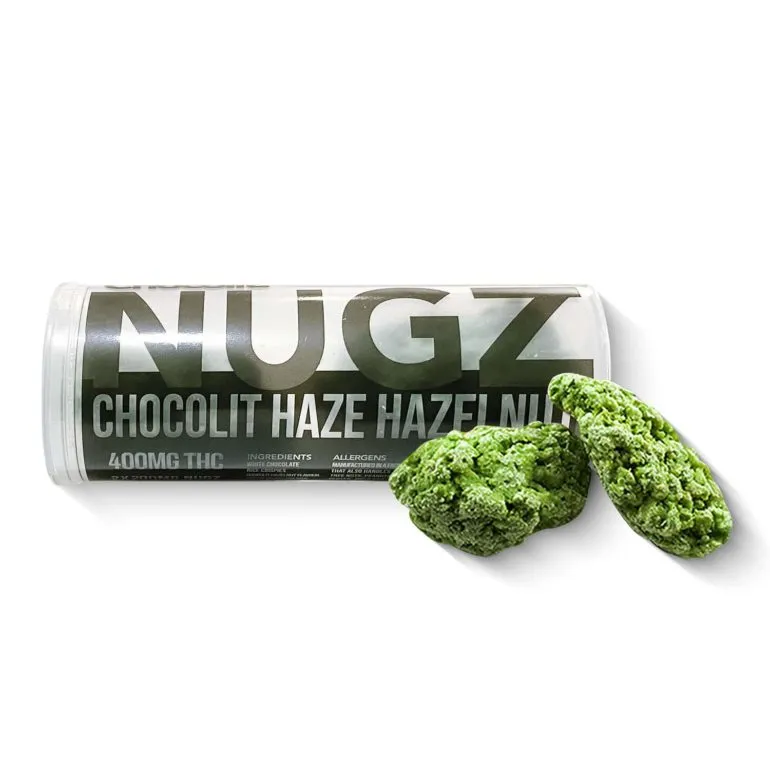
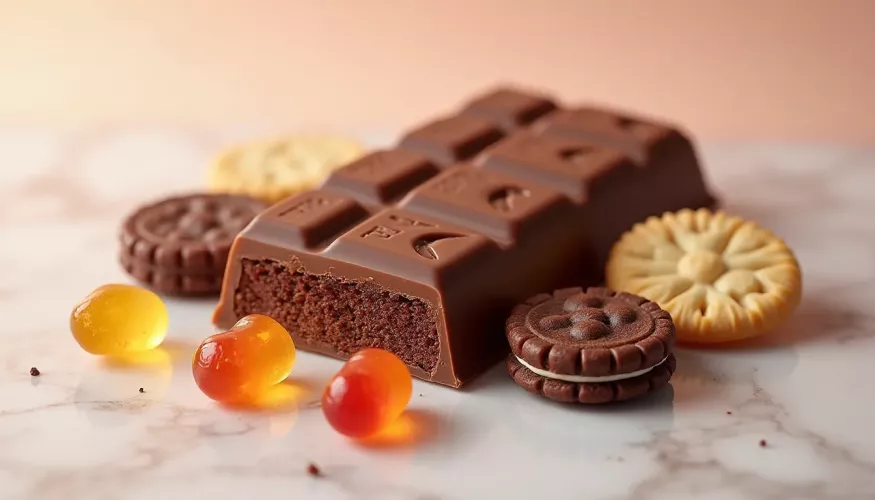
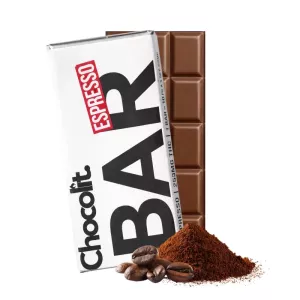
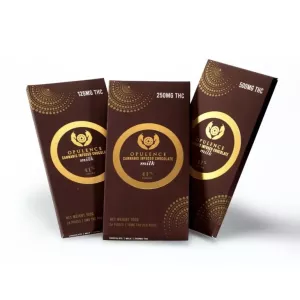
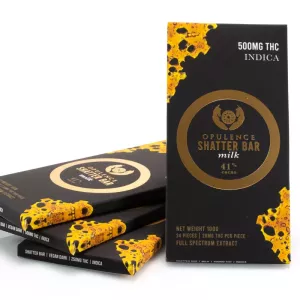
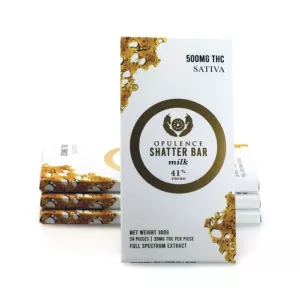
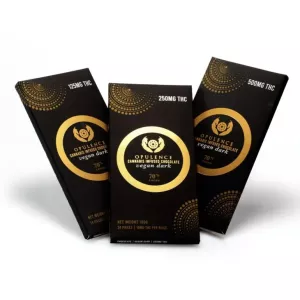
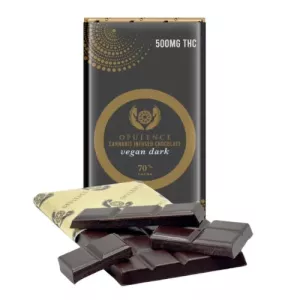
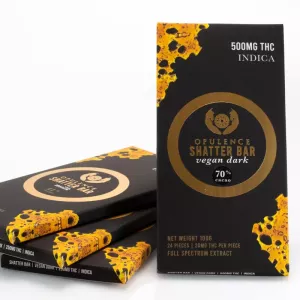
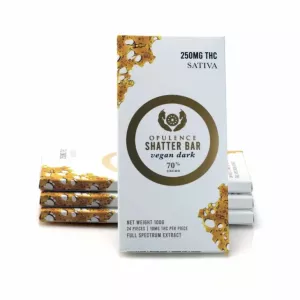
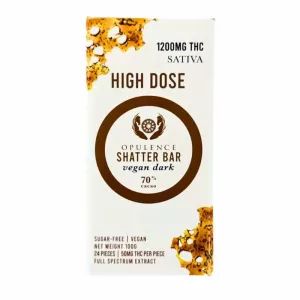
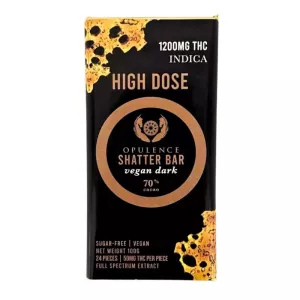
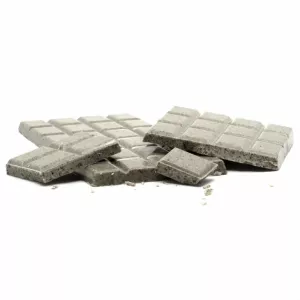
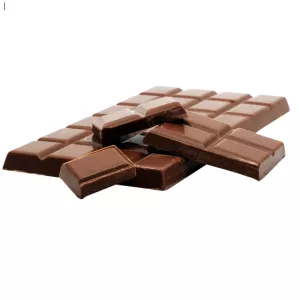
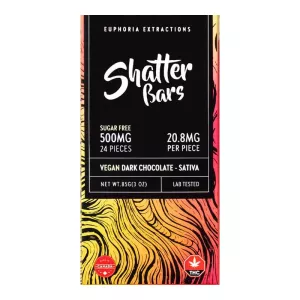
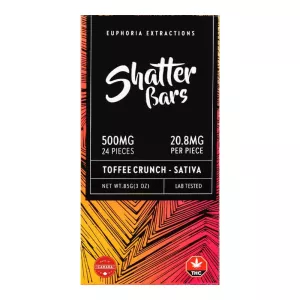
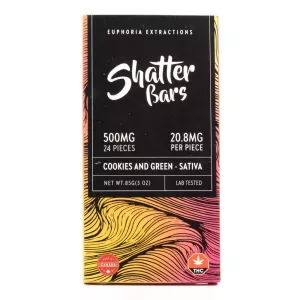
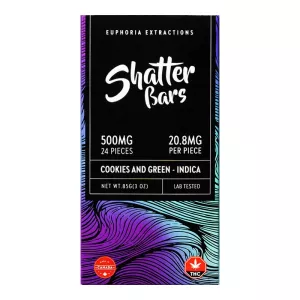
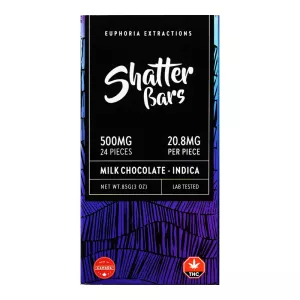
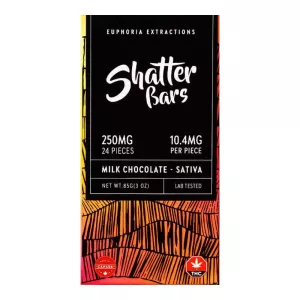
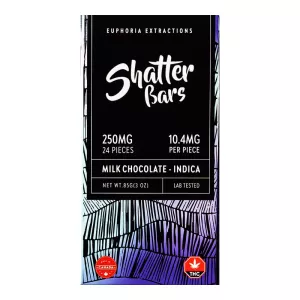
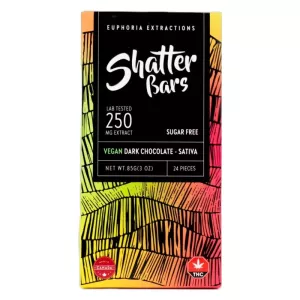
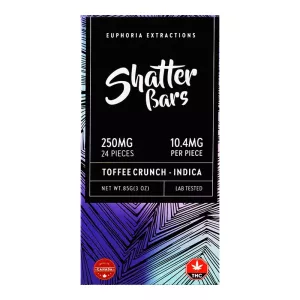
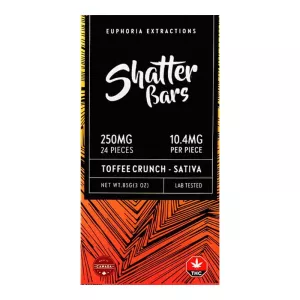
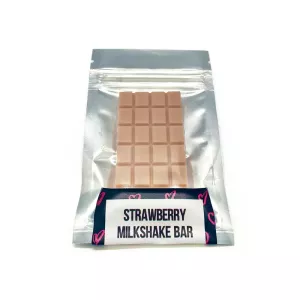
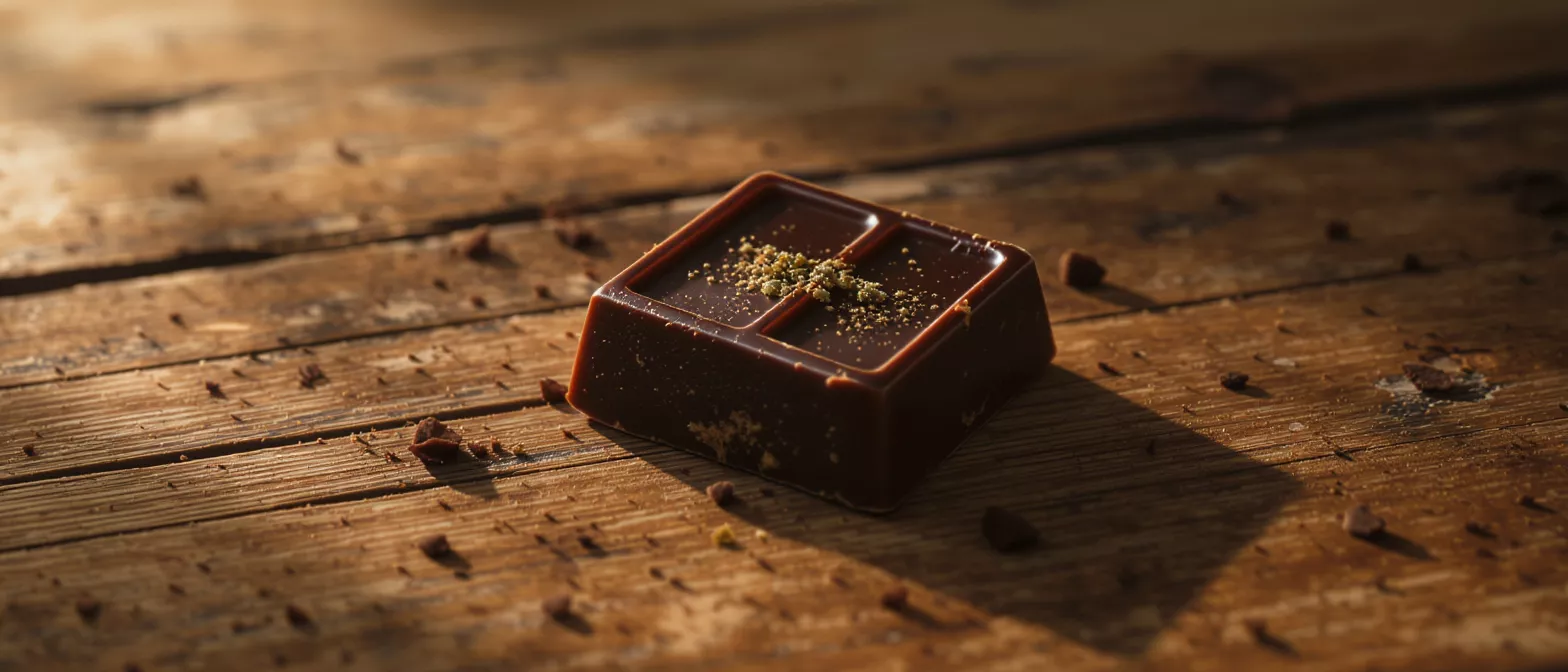
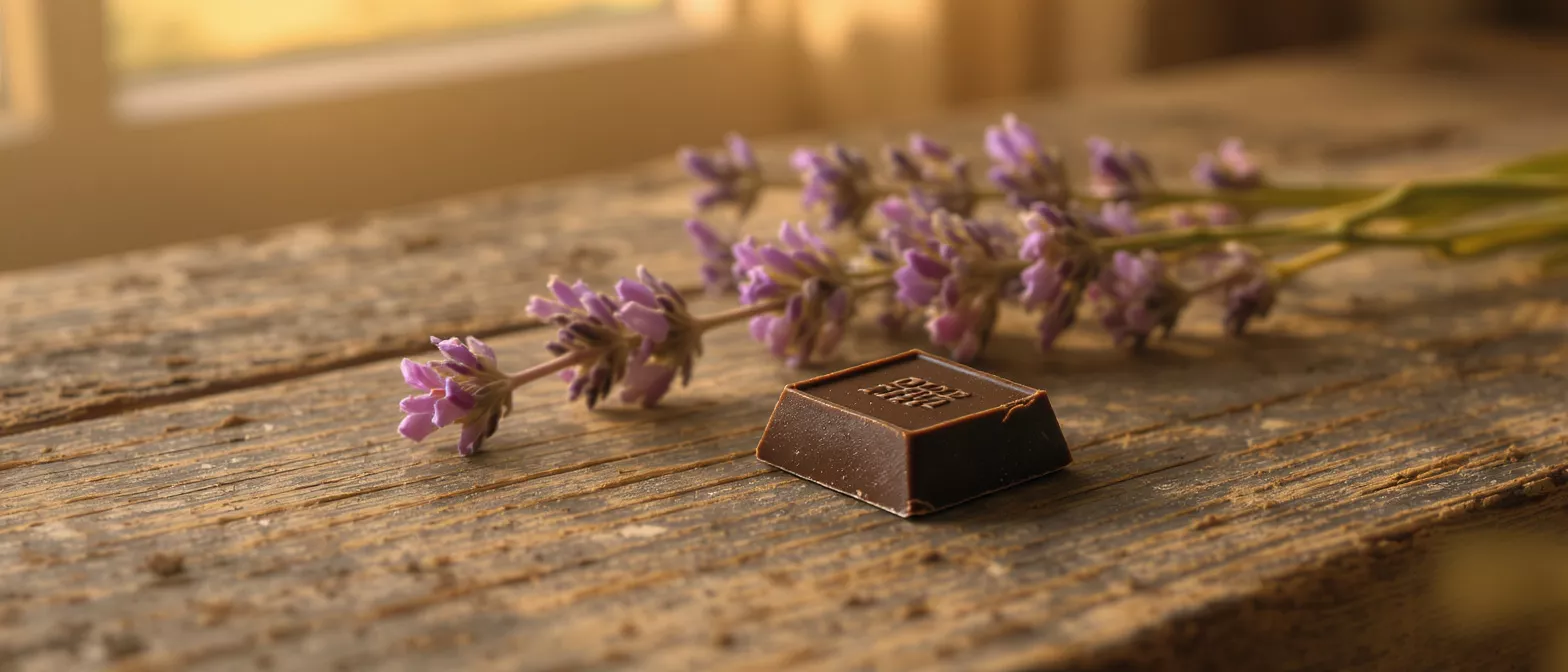
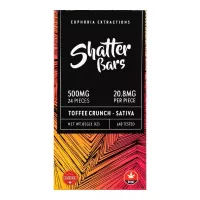
Chocolate and confections sit at the premium end, pairing cannabis with real cocoa for a slower, indulgent ritual. Bars like the sativa chocolate shatter bars divide into roughly 20mg squares, letting you snap off a precise portion rather than committing to a whole serving. Hard candies and lozenges behave a little differently — held in the mouth, some of their THC absorbs sublingually, producing a faster, partially inhalation-style onset before the swallowed portion kicks in through digestion.
For those who want a drinkable option, cannabis milk, infused teas, and sparkling beverages have matured into reliable fast-onset products. Across every format you'll also encounter related curiosities — a cannabis lollipop for slow sublingual delivery, cannabis cough drops marketed for soothing relief, or cannabis jelly used as a spreadable base. The breadth means there's a sensible entry point for nearly any palate or dietary need.
- 🍬 Gummies: The most popular format — precise per-piece dosing, broad flavour range, easy to split for microdosing
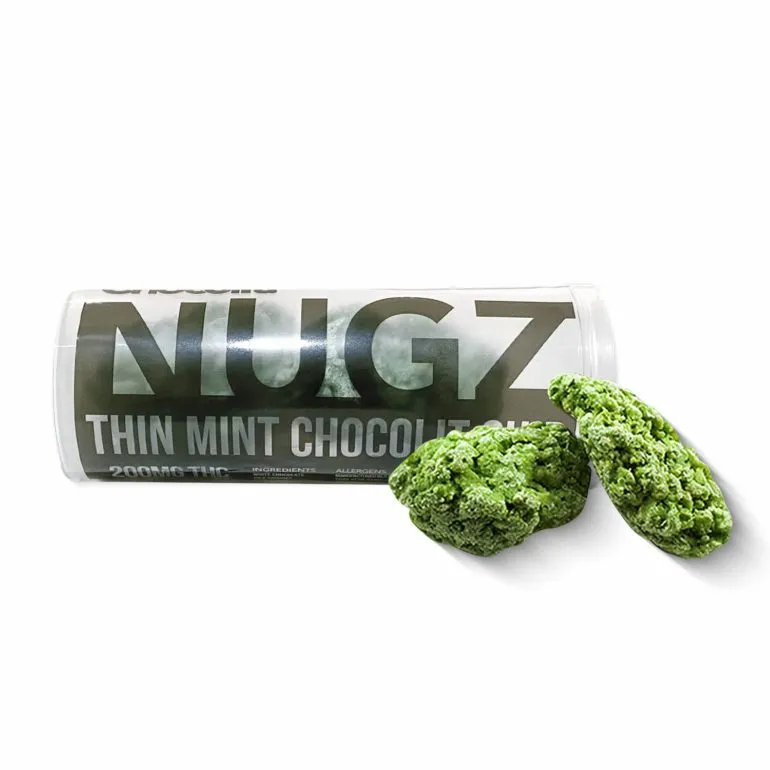
- 🍫 Chocolates: Premium, slow-burning experience; squares offer built-in portion control
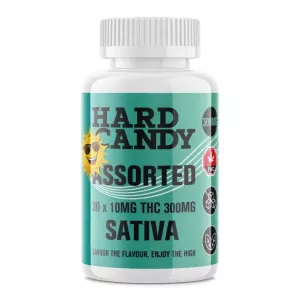
- 🍭 Hard candies & lollipops: Partial sublingual absorption means a quicker, gentler onset
- 🥛 Beverages & cannabis milk: Liquid edibles that tend to act faster than solid food
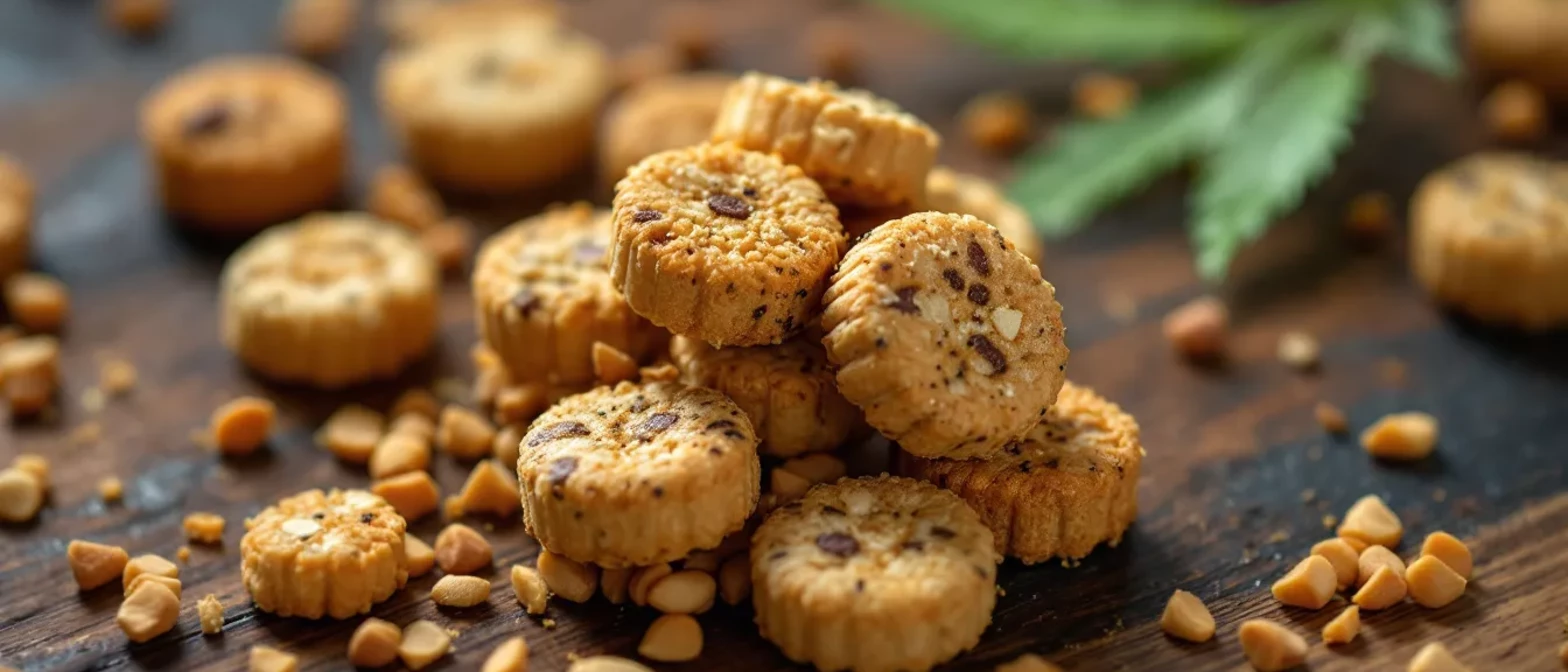
- 🍪 Baked goods: The classic format, built on cannabutter or infused oil
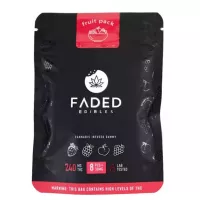
THC Edibles Effects vs Smoking Cannabis
The single biggest difference between edibles and inhaled cannabis is the clock. Smoking or vaping delivers effects within minutes, peaks quickly, and clears within one to three hours. Edibles take 30 minutes to two hours to announce themselves and then run for four to eight hours. That extended duration is precisely why edibles suit people managing all-day or overnight symptoms who don't want to redose every ninety minutes.
The overconsumption trap catches almost every newcomer at some point. Because nothing seems to happen for the first hour, it's tempting to eat more — and then both doses arrive together, often uncomfortably. The discipline of waiting at least two hours before considering a second serving isn't cautious advice for beginners alone; even seasoned users respect it, because the 11-hydroxy-THC produced by digestion can feel noticeably stronger than the dose suggests on paper.
It's also worth understanding that edible effects tend to be more physical and immersive. Where a few puffs might feel heady and cerebral, a comparable edible dose often settles deeper into the body — useful for pain and sleep, but something to plan around if you have responsibilities ahead. Treat the two methods as different tools rather than interchangeable ones.
How THC Edibles Are Made
Every quality edible begins with decarboxylation — gently heating raw cannabis so its non-intoxicating THCA converts into active THC. Skip this step and even a generously dosed batch will do almost nothing. Once activated, the cannabinoids are infused into a fat: butter becomes cannabutter, oil becomes cannabis-infused oil, and these carriers are what allow the THC to survive cooking and absorb during digestion.
From extract to finished product: commercial manufacturers often work from concentrates rather than raw flower for consistency. Some chocolate and candy makers build their products around BHO, or butane hash oil, refined into clean distillate so the milligram count per piece is exact. This precision is the entire advantage of a commercial edible over a kitchen experiment — when a gummy claims 10mg, lab calibration ensures it actually delivers close to 10mg, batch after batch.
Texture and stability matter more than people expect. A poorly made batch can suffer from uneven distribution, where one corner of a tray holds most of the THC and another holds almost none. Reputable producers homogenise their infusion thoroughly and test the finished product, which is why a trustworthy lab-tested THC gummies option is worth paying a little more for compared with an unverified homemade alternative.
How to Dose THC Edibles Safely
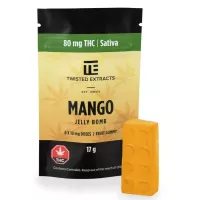
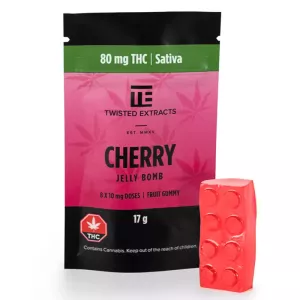
Start low and go slow is the rule that never expires. Beginners should open with 2.5–5mg of THC and treat the first session as pure reconnaissance. Most people find a comfortable range between 5 and 20mg, while higher-tolerance consumers may climb well beyond that. Products such as Cherry Sativa Jelly THC Gummies 10mg x 8pcs (80mg) - Twisted Extracts $12.00 arrive in tidy 10mg portions that make calibrating your personal threshold simple and repeatable.
Patience is the dose: the most common dosing mistake has nothing to do with milligrams and everything to do with timing. Wait a minimum of two hours before adding more. Onset depends heavily on individual factors — body weight, metabolism, and crucially whether you've eaten. An edible taken on a full stomach absorbs more slowly and gently, while the same dose on an empty stomach can arrive faster and harder.
- 🌱 Beginner: 2.5–5mg THC — wait a full 2+ hours before considering more
- 🍃 Standard: 5–10mg THC for moderate, reliable effects
- ⚡ Experienced: 15–30mg THC for noticeably stronger effects
- 🔥 High tolerance: 30mg and above for seasoned, regular users
If you do overshoot, remember that an uncomfortable edible experience is unpleasant but not dangerous — it passes. Hydrate, find a calm space, and wait it out. Keeping a simple log of doses and how they felt turns trial and error into a genuine personal map of what works for you.
How to Choose Quality THC Edibles
Lab testing comes first. A credible edible is backed by a certificate of analysis confirming its potency and screening for pesticides, residual solvents, heavy metals, and microbial contamination. Accurate labelling is non-negotiable — you cannot dose responsibly if the stated milligrams are guesswork. Any brand reluctant to share testing data isn't worth your trust or your money.
Ingredients tell you who made it. The best edibles lean on real flavours and clean carriers rather than a wall of artificial additives. The quality of the underlying extract matters too: full-spectrum infusions preserve a broader range of cannabinoids and terpenes, which many users feel produces a rounder, more complete effect than isolate-based products. For everyday enjoyment, a well-formulated batch of fruit-flavoured THC gummies often delivers the most consistent and approachable experience.
Finally, weigh consistency and reputation. Established producers earn their standing by delivering the same effect from one purchase to the next — a reliability that casual or unverified makers rarely match. Reviews, transparent sourcing, and clear manufacturing practices are all signals that a product will behave the way its label promises.
THC Edibles Benefits for Wellness
The long duration that makes edibles tricky for the impatient is exactly what makes them valuable for wellness. A single evening dose can provide sustained relief through the night, which is why people managing chronic pain, persistent inflammation, or stubborn insomnia often prefer them to short-acting methods that demand constant redosing.
Discretion and consistency are underrated benefits. There's no smoke, no smell, and no equipment — an edible is just a gummy or a square of chocolate, suitable for situations where lighting up would be impossible. Paired with precise dosing, that discretion lets patients fold cannabis into a daily routine the same way they would any other measured supplement, with predictable results each time.
Edibles also open the door to dietary inclusivity. Vegan, gelatin-free, and allergen-conscious formulations mean very few people are excluded on the basis of what they can or can't eat. From appetite stimulation to mood support, the combination of reliable dosing and extended effect makes thoughtfully chosen edibles a genuinely practical wellness tool rather than a novelty.
Are THC Edibles Safe to Use
The physical safety profile is reassuring. There is no known lethal dose of THC, and used sensibly, edibles carry minimal physical risk. The real hazard is behavioural: overconsumption driven by impatience. Taking too much can produce hours of anxiety, paranoia, racing heart, and impaired coordination — deeply unpleasant, but temporary and not life-threatening.
Who should be cautious: edibles aren't for everyone or every moment. Avoid them during pregnancy or breastfeeding, never drive or operate machinery under their influence, and approach them carefully if you have a history of anxiety or a personal or family vulnerability to psychiatric conditions. Combining edibles with alcohol amplifies impairment and is best avoided.
Storage is a safety issue people routinely underestimate. Because so many edibles look exactly like ordinary candy, they must be kept in clearly labelled, child-resistant packaging far out of reach of children and pets. A locked drawer or high cupboard is a small effort that prevents the most common and most serious edible accidents.
Best THC Edibles for Beginners
Newcomers are best served by products with low, clearly marked doses and a predictable onset. Gummies are the natural starting point because each piece is a known quantity and larger pieces can be cut in half or quarters for true microdosing. Beginning in the evening, with nothing important scheduled afterward, removes the pressure of wondering how strongly a dose will land.
Indica-leaning edibles suit first-timers who want relaxation and easier sleep, since their effects tend toward calm rather than stimulation. Save sativa-forward products for daytime once you understand your tolerance. Above all, buy from established brands with visible reviews and published lab results — a good first experience does more to build confidence than any amount of marketing, and it starts with a product you can actually trust.
If you're unsure where to begin, a single 5mg gummy on a relaxed evening is close to a universal recommended starting point. From there you can adjust upward in small steps, session by session, until you find the dose that fits your body and your goals.
How to Store THC Edibles Properly
Proper storage protects both potency and people. Keep edibles in their original, labelled packaging in a cool, dry, dark place — heat, light, and air all degrade THC over time and can turn a carefully dosed product into an unpredictable one. A pantry or cupboard away from the stove and any sunny window is ideal for most products.
Chocolate and fat-based edibles are especially sensitive to temperature, softening and blooming in the heat, while gummies can dry out or grow sticky if exposed to air. Resealing packages tightly and, where appropriate, refrigerating heat-prone items keeps texture and dose intact. Always keep the original label with the product so the milligram count is never in doubt.
THC edibles ultimately reward a little knowledge and a lot of patience. Understand the slow onset, respect the long duration, dose conservatively, and store everything safely, and edibles become one of the most controllable and rewarding ways to use cannabis. Start small, wait for the effects, learn how your body responds, and you'll have a smoke-free option that fits comfortably into both wellness routines and relaxed evenings alike.