Best Cannabis for Stress Guide: What to Know in 2026
Discover the best cannabis for stress in 2026.
Stress has quietly become one of the most common reasons people reach for cannabis, and the demand for honest, research-grounded guidance keeps growing. Finding the best cannabis for stress is less about chasing the strongest product and more about matching the right cannabinoid balance, terpene profile, and delivery method to how your body actually responds. This guide cuts through marketing noise and walks you through what genuinely works in 2026, from the science of stress relief to practical dosing and routine-building advice you can use today.
Whether you are completely new to cannabis or you have been experimenting for years without consistent results, the goal here is the same: help you understand the mechanisms, avoid the common pitfalls, and make choices rooted in evidence rather than hype. Stress is deeply personal, and the most effective approach treats it that way.
What Is the Best Cannabis for Stress?
There is no single "best" product for everyone. The best cannabis for stress is the one that calms your nervous system without leaving you foggy, anxious, or sedated when you do not want to be. For most people that means a product with a moderate THC level, a meaningful amount of CBD, and a terpene profile rich in relaxing compounds. The interplay between these elements matters far more than any single number on a label.
Why balance beats potency. High-THC flower can actually worsen stress and trigger anxiety in sensitive users, especially at larger doses. A product offering a 1:1 or CBD-dominant ratio tends to deliver the calming effects people associate with stress relief while blunting the racy, paranoid edge that pure THC can produce. According to Drugs.com, cannabinoids interact with multiple systems involved in mood and anxiety regulation, which is why thoughtful formulation matters.
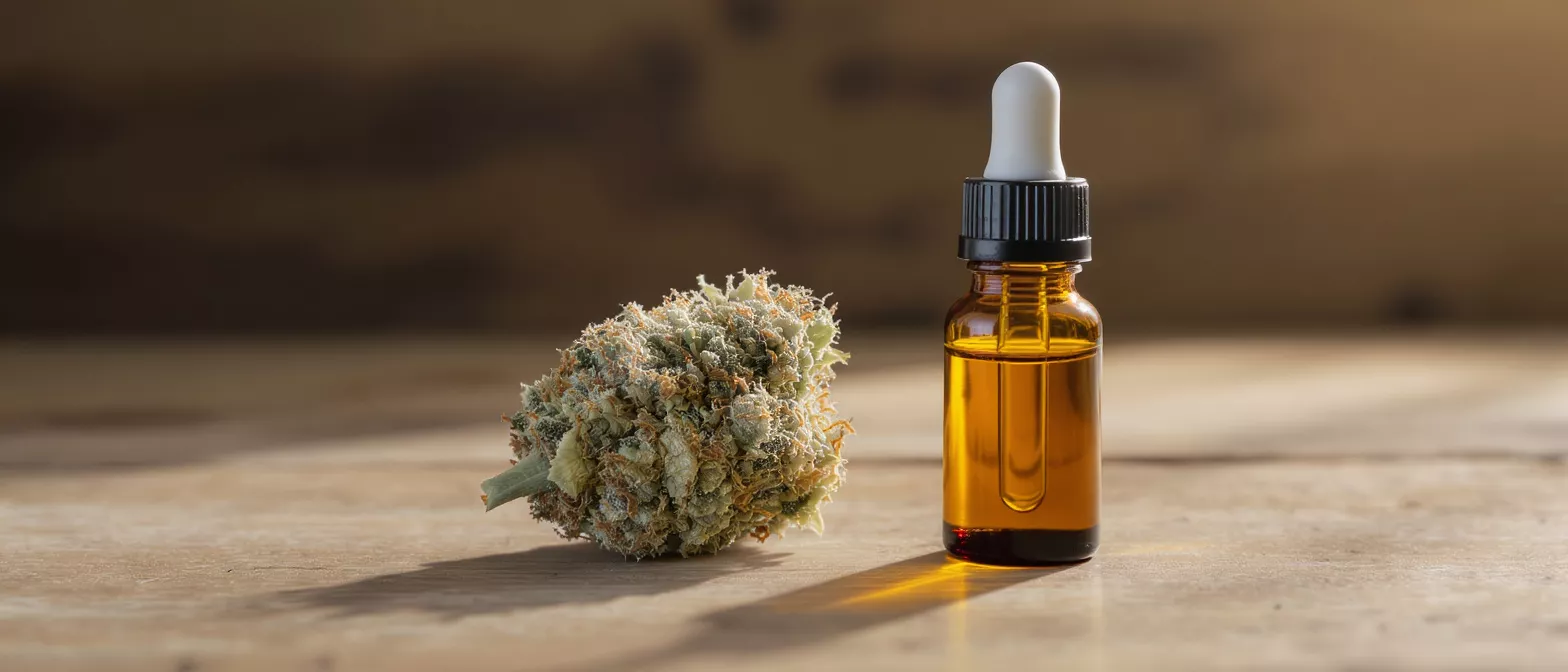
For everyday stress management, many users gravitate toward a quality balanced CBD:THC tincture because it offers predictable, controllable effects without the commitment of smoking. The best choice ultimately depends on your tolerance, your schedule, and whether you need daytime calm or nighttime decompression.
How Cannabis for Stress Works in the Body
The endocannabinoid system is the key. Your body produces its own cannabinoids that help regulate mood, sleep, appetite, and the stress response. When you consume cannabis, plant compounds like Delta-9 THC and CBD interact with this system, nudging it toward balance. During chronic stress, endocannabinoid signaling can become depleted, which is one theory for why supplementing with plant cannabinoids may help restore equilibrium.
THC binds directly to CB1 receptors concentrated in the brain, producing the familiar euphoria and, at the right dose, a sense of relaxation. CBD works more indirectly, influencing serotonin signaling and tempering some of THC's more activating effects. This is why the two compounds together often outperform either one alone for stress, a phenomenon sometimes called the entourage effect.
Stress also lives in the body, not just the mind. By easing muscle tension and slowing a racing heart rate, cannabis can interrupt the physical feedback loop that keeps anxiety spinning. The result, when dosed correctly, is a calmer baseline rather than an artificial high.
Indica vs Sativa: Which Cannabis for Stress Is Better?
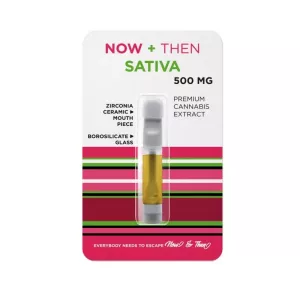
The indica-sativa divide is more of a spectrum. The old shorthand says indica relaxes and sativa energizes, but modern understanding points to terpenes and cannabinoid ratios as the real drivers of effect. Still, the labels offer a useful starting point. Indica-leaning cultivars tend toward body-heavy relaxation, making them popular for evening stress and winding down before sleep.
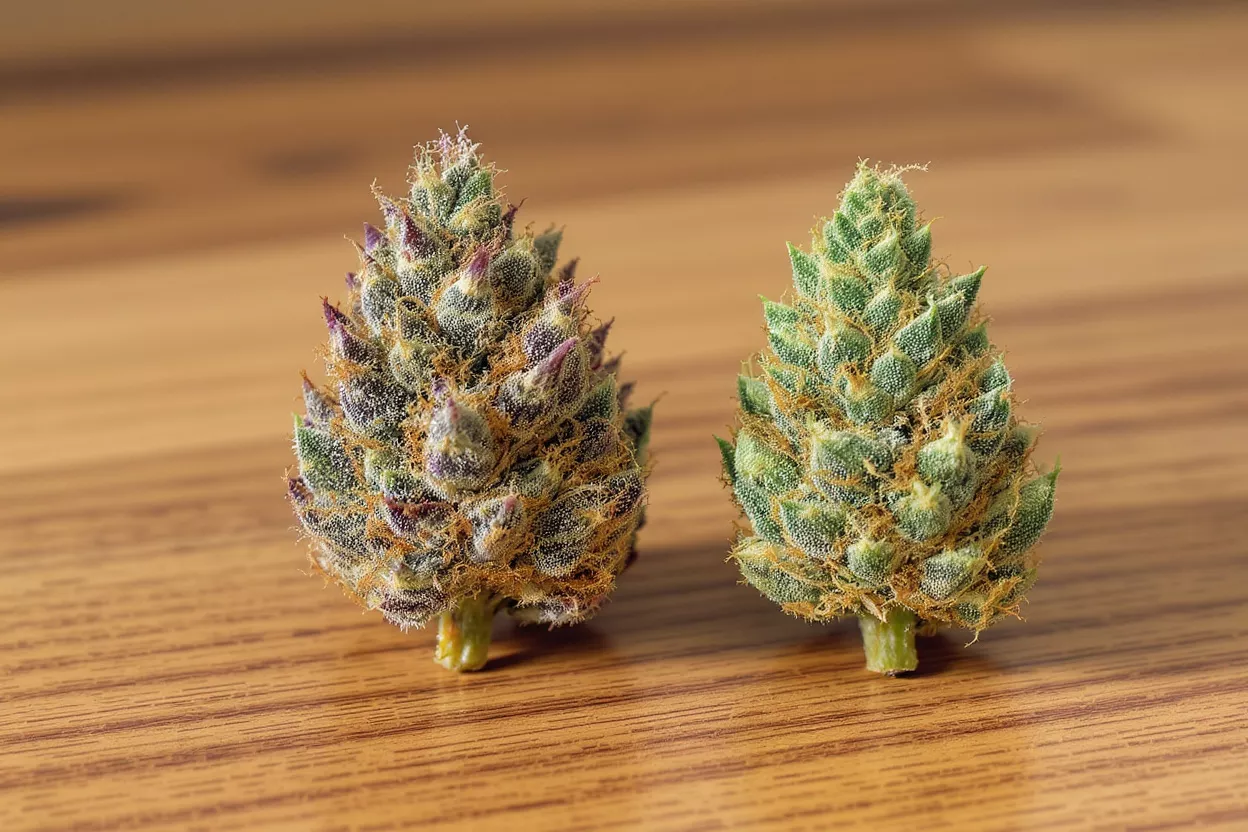
Sativa for functional daytime calm. Some people find sativa-leaning options ease mental stress while keeping them clear-headed and productive. The catch is that high-THC sativas can tip into overstimulation for anxiety-prone users, so a lower dose is wise. A hybrid that leans slightly indica is often the sweet spot for all-day stress without heavy sedation.
Rather than fixating on the indica or sativa label, read the full profile. A so-called sativa rich in linalool and myrcene may feel more relaxing than an indica loaded with energizing terpenes. Let the chemistry guide you, not just the name on the jar.
Best Cannabis Strains for Stress and Anxiety
Certain cultivars have earned strong reputations for stress relief thanks to their consistent terpene profiles and balanced effects. While individual results vary, these are the categories worth exploring when you want reliable calm.
- 🌿 Balanced hybrids: Strains around a 1:1 effect tend to relax without overwhelming, ideal for newcomers managing daily stress.
- 😌 CBD-dominant cultivars: Options high in CBD with low THC deliver clarity and calm with minimal intoxication.
- 🌙 Myrcene-rich indicas: Best reserved for evenings, these promote deep physical relaxation and easier sleep.
- 🍋 Limonene-forward hybrids: Bright, mood-lifting profiles that ease mental tension without heavy sedation.
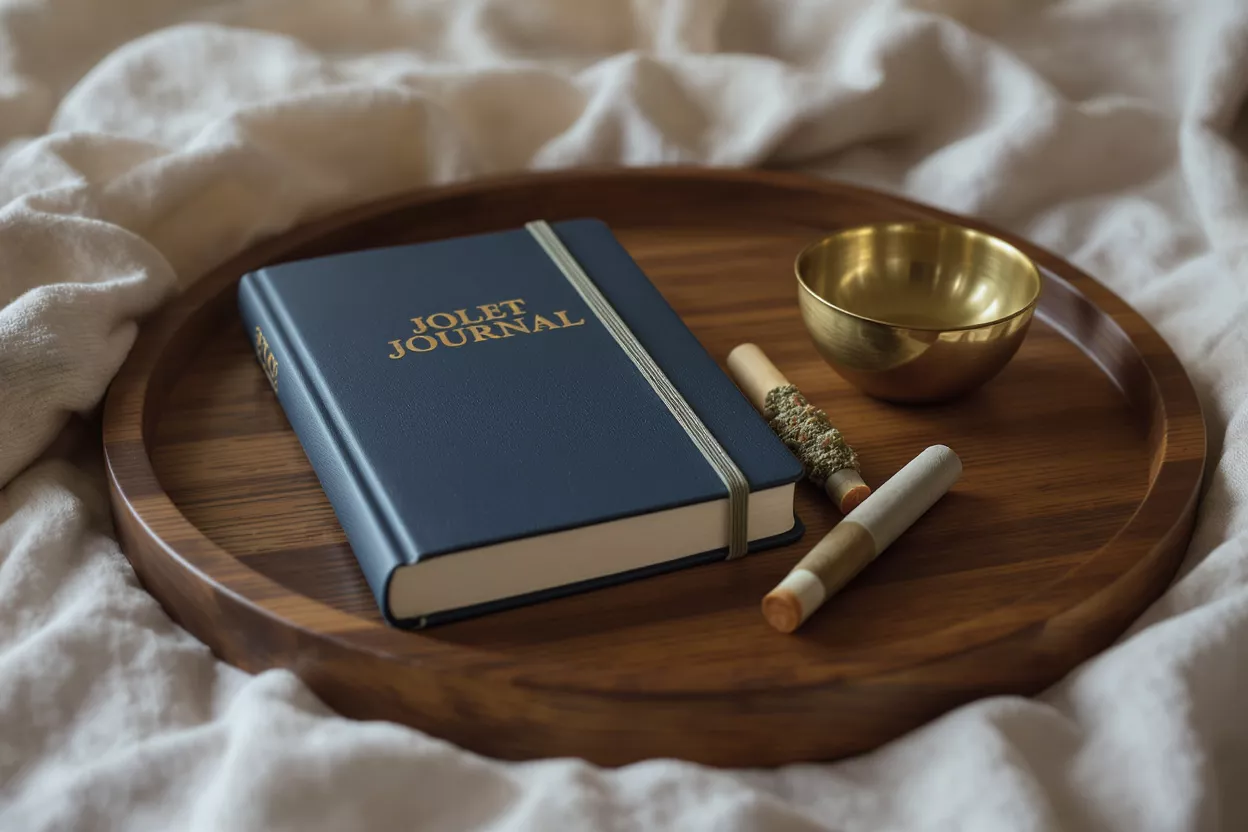
When sampling new cultivars, keep a simple log of dose, time, and how you felt an hour later. Patterns emerge quickly, and within a few weeks you will know which profiles serve your stress best. This kind of self-tracking is the single most valuable habit a cannabis user can build.
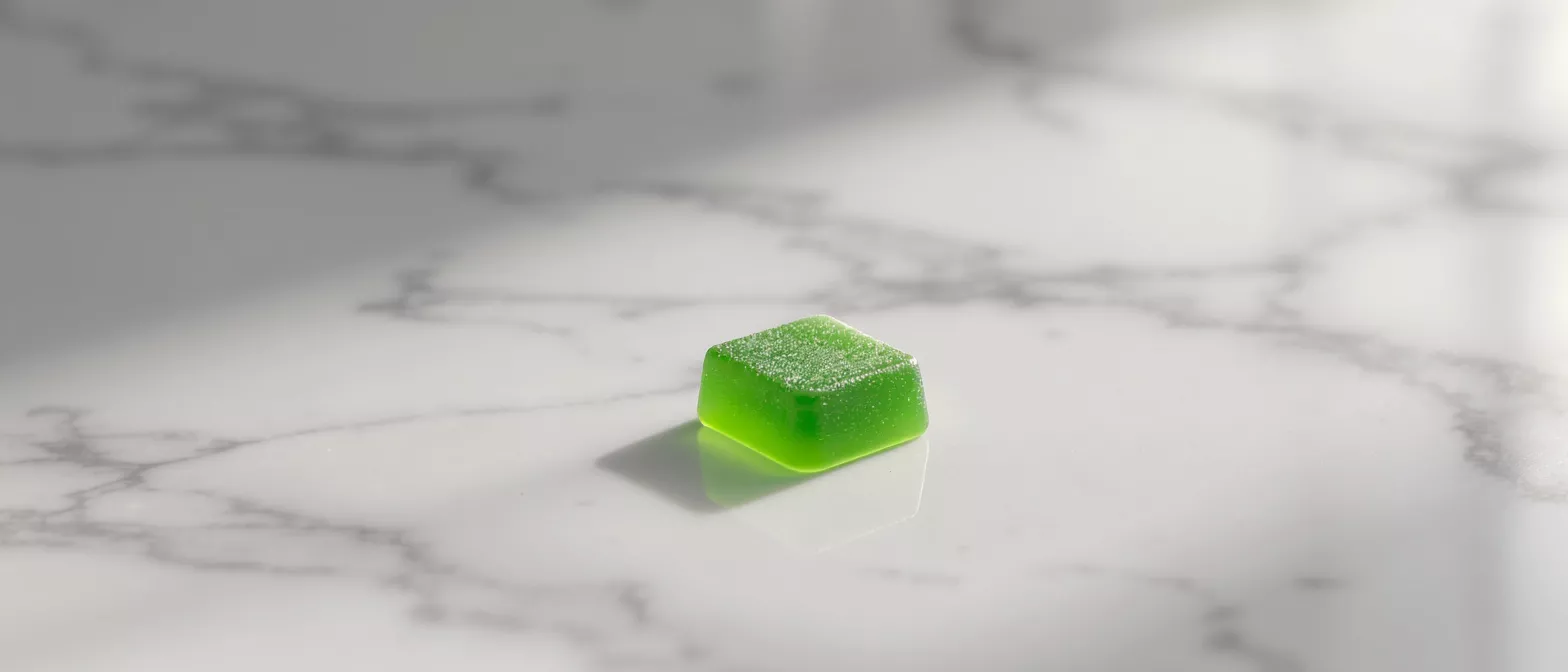
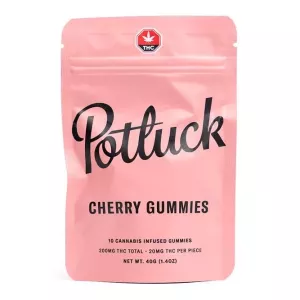
For convenience and consistency, many people prefer a low-dose calming gummy over flower, since each piece delivers a measured amount and removes the guesswork that comes with rolling or packing a bowl.
CBD vs THC for Stress Relief
CBD is the gentle workhorse. Cannabidiol does not produce intoxication, yet it offers meaningful anxiolytic potential, especially at higher doses. For people who want to stay fully functional, a CBD-forward product or elixir can take the edge off stress without altering perception. It pairs beautifully with daytime responsibilities and demanding schedules.
THC, by contrast, is more powerful but more double-edged. Low doses can dissolve stress and lift mood, while higher doses risk amplifying the very anxiety you are trying to escape. The therapeutic window for THC and stress is narrow, which is exactly why microdosing has become so popular among wellness-focused users.
The smartest approach for most people is combining the two. A small amount of THC provides genuine relief while a larger CBD component keeps the experience grounded and comfortable. Think of CBD as the seatbelt that lets you enjoy THC's benefits safely.
Best Consumption Methods for Stress
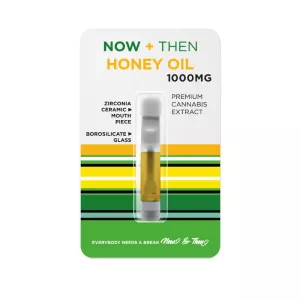
Inhalation offers the fastest relief. When stress hits hard and you need calm within minutes, smoking or a disposable vape delivers effects almost immediately, letting you titrate dose by dose. The trade-off is a shorter duration and the respiratory considerations that come with any combustion. For acute stress moments, though, speed is the advantage.
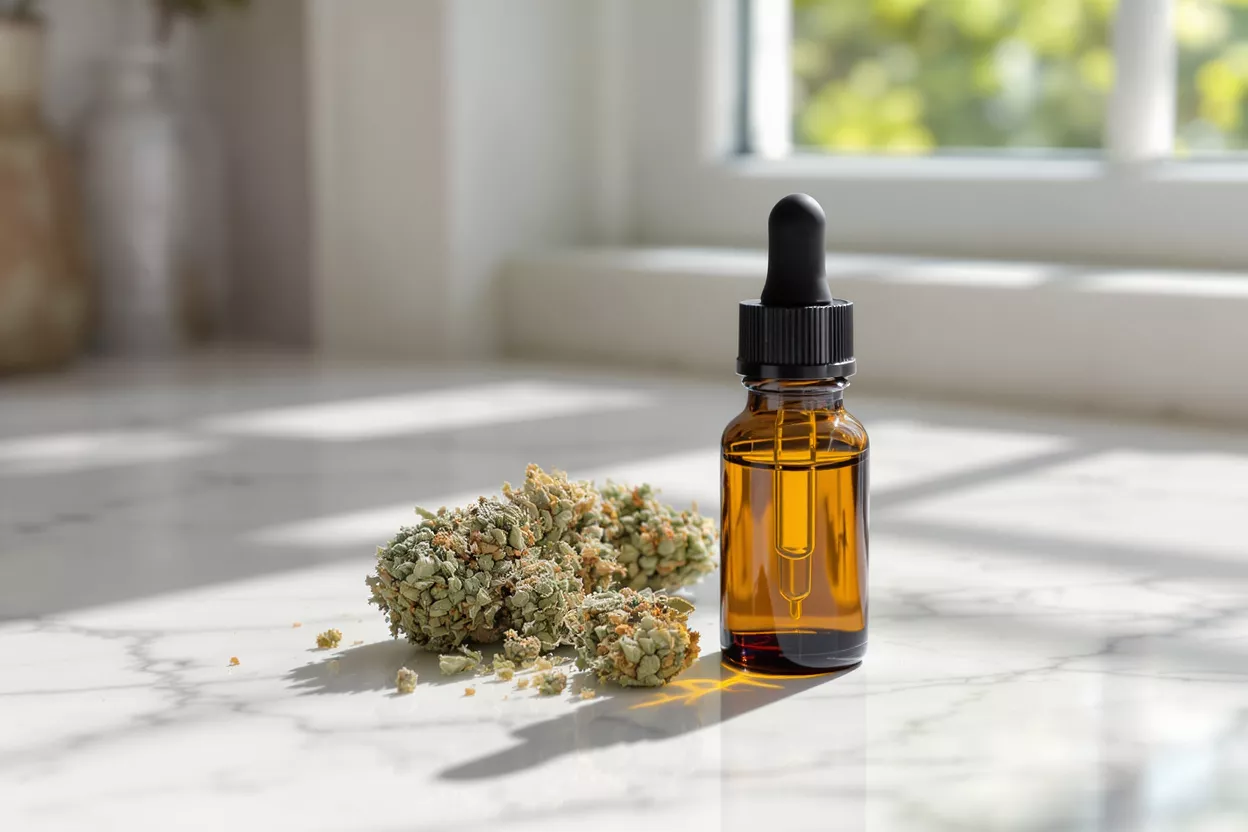
Edibles and tinctures for lasting calm. Ingested cannabis takes longer to kick in but produces a steadier, longer-lasting effect, which suits people managing ongoing background stress. Tinctures placed under the tongue split the difference, offering faster onset than edibles with similar convenience. An emulsion-based beverage or fast-acting gummy can also smooth the onset curve.
Each method has a place depending on the moment. The list below summarizes the trade-offs so you can match the tool to the stressor.
- 💨 Vaping or smoking: Onset in minutes, lasts 1-3 hours. Best for sudden, acute stress.
- 💧 Tinctures: Onset 15-45 minutes, lasts 4-6 hours. Great for precise, discreet dosing.
- 🍪 Edibles: Onset 30-90 minutes, lasts 4-8 hours. Ideal for sustained, all-day or overnight calm.
- 🧴 Topicals: Localized relief for stress-related muscle tension, with no intoxication.
Cannabis for Stress Dosing Guide
Start low and go slow is the golden rule. For stress in particular, less is often more, since overdoing THC can flip relaxation into anxiety. A sensible starting point for edibles is 2.5 milligrams of THC, waiting a full two hours before considering more. With CBD, many people begin in the 10 to 25 milligram range and adjust upward over several days.
Tolerance builds over time, so the dose that worked perfectly in month one may feel weaker by month three. Periodic tolerance breaks help reset your sensitivity and keep your effective dose low, which is both healthier and more economical. Consistency in timing also matters more than people expect.
Pay attention to set and setting. The same dose can feel calming in a relaxed environment and overwhelming in a stressful one. Document your experiences and let your personal data, not someone else's recommendation, define your ideal amount.
Terpenes That Support Stress Relief
Terpenes shape the experience as much as cannabinoids. These aromatic compounds give cannabis its scent and meaningfully influence its effects. For stress relief, a handful of terpenes stand out, and learning to read a product's terpene profile is one of the most useful skills for choosing wisely.
Linalool, the same compound found in lavender, is prized for its calming, anti-anxiety reputation. Myrcene, abundant in many indica cultivars, promotes the heavy, relaxed body feel often described as couch-lock at higher levels. Limonene lifts mood and may ease the mental component of stress, while beta-caryophyllene interacts directly with cannabinoid receptors and shows promise for stress reduction.
- 💜 Linalool: Floral and calming, associated with reduced anxiety and easier sleep.
- 🛋️ Myrcene: Earthy and sedating, the classic relaxation terpene.
- 🍊 Limonene: Citrusy and uplifting, eases mental tension and brightens mood.
- 🌶️ Beta-caryophyllene: Peppery and unique, binds CB2 receptors for stress and inflammation support.
Is Cannabis for Stress Safe?
For most healthy adults, cannabis is well tolerated. Used responsibly and in moderate doses, cannabis carries a favorable safety profile compared with many pharmaceutical anxiety treatments. That said, it is not risk-free, and certain people should approach it cautiously or avoid it entirely, including those with a history of psychosis, pregnant individuals, and adolescents whose brains are still developing.
Dependence and overuse are real considerations. Relying on cannabis as your only coping tool can lead to tolerance and, for some, problematic patterns. The healthiest approach treats it as one component of a broader stress strategy that also includes sleep, exercise, and connection. If you take other medications, check for interactions before combining them with cannabis.
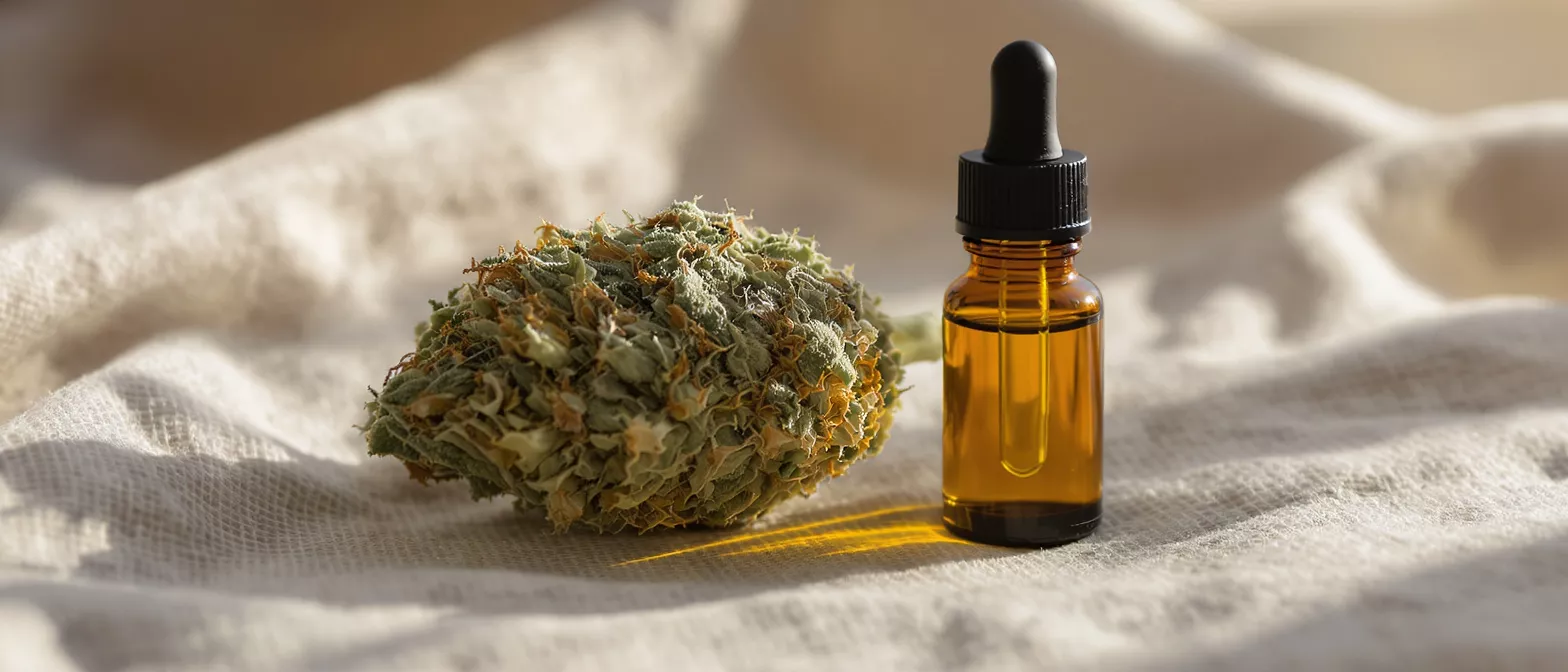
Quality and sourcing matter for safety too. Choose lab-tested products from reputable distributors so you know exactly what you are consuming, free from contaminants and accurately labeled. A trustworthy lab-tested CBD oil gives you confidence in both the dose and the purity of what you are putting into your body.
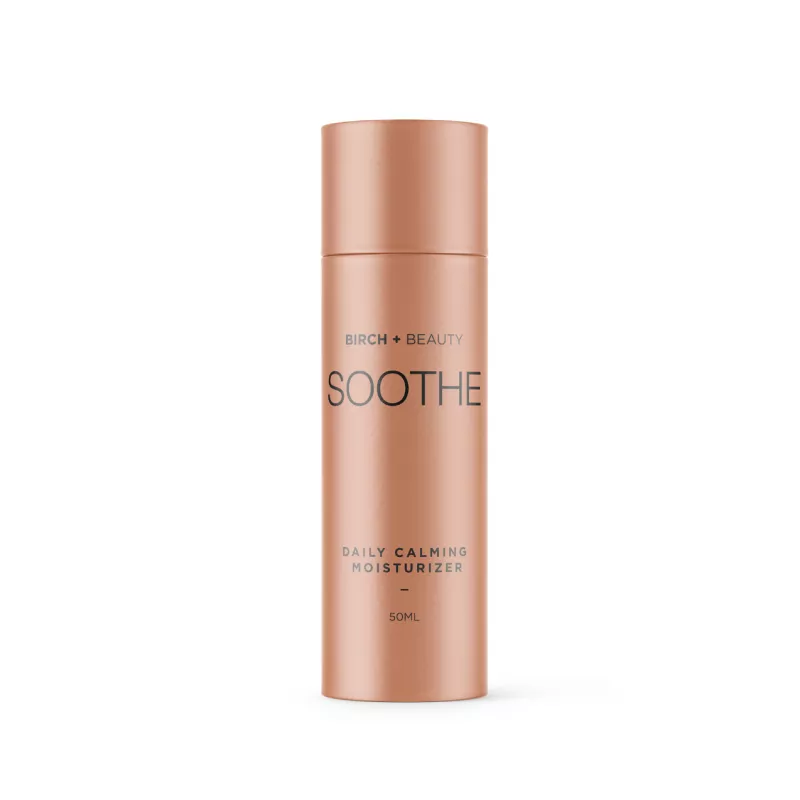

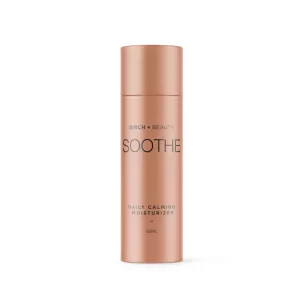
Soothe Daily Calming CBD Moisturizer 500mg – BIRCH+BEAUTY
A peace treaty for reactive skin. Birch+Beauty's Soothe moisturizer brings 500mg of CBD together with ceramides, colloidal oatmeal, and centella to calm redness and rebuild a stressed skin barrier. Gentle and deeply comforting, it's the daily balm for sensitive, easily-irritated complexions — instant comfort now, steadier, calmer skin over time.
- Inflammation Control : 500mg CBD dramatically reduces redness and irritation at the cellular level
- Barrier Repair : Ceramides rebuild compromised skin barriers for long-term resilience
- Instant Comfort : Colloidal oatmeal provides immediate relief from itching and burning
- Healing Acceleration : Centella asiatica speeds recovery from irritation and prevents scarring
- Sensitivity Shield : Creates protective layer against environmental triggers and allergens
Building a Cannabis for Stress Routine
Consistency turns occasional relief into lasting management. Rather than reaching for cannabis only when stress peaks, many people find that a thoughtful, regular routine works better. That might mean a low CBD dose in the morning for baseline calm and a balanced product in the evening to decompress, all tuned to your personal response.
Pair cannabis with non-cannabis practices for compounding benefits. A short walk, breathwork, or journaling alongside your dose can amplify the calming effect and reduce how much you need over time. The plant works best as a supportive ally rather than a sole solution, and the people who get the most from it treat it that way.
The best cannabis for stress in 2026 is ultimately the one you understand deeply: how it affects you, when you take it, and why it helps. Start low, favor balanced formulations, track your results, and lean on lab-tested products from sources you trust. With patience and a little self-observation, you can build a calming routine that fits your life and genuinely eases the weight of everyday stress.