Best Functional Mushroom Guide: What to Know in 2026
Discover how functional mushrooms support energy, immunity, and focus.
What Are Functional Mushrooms?
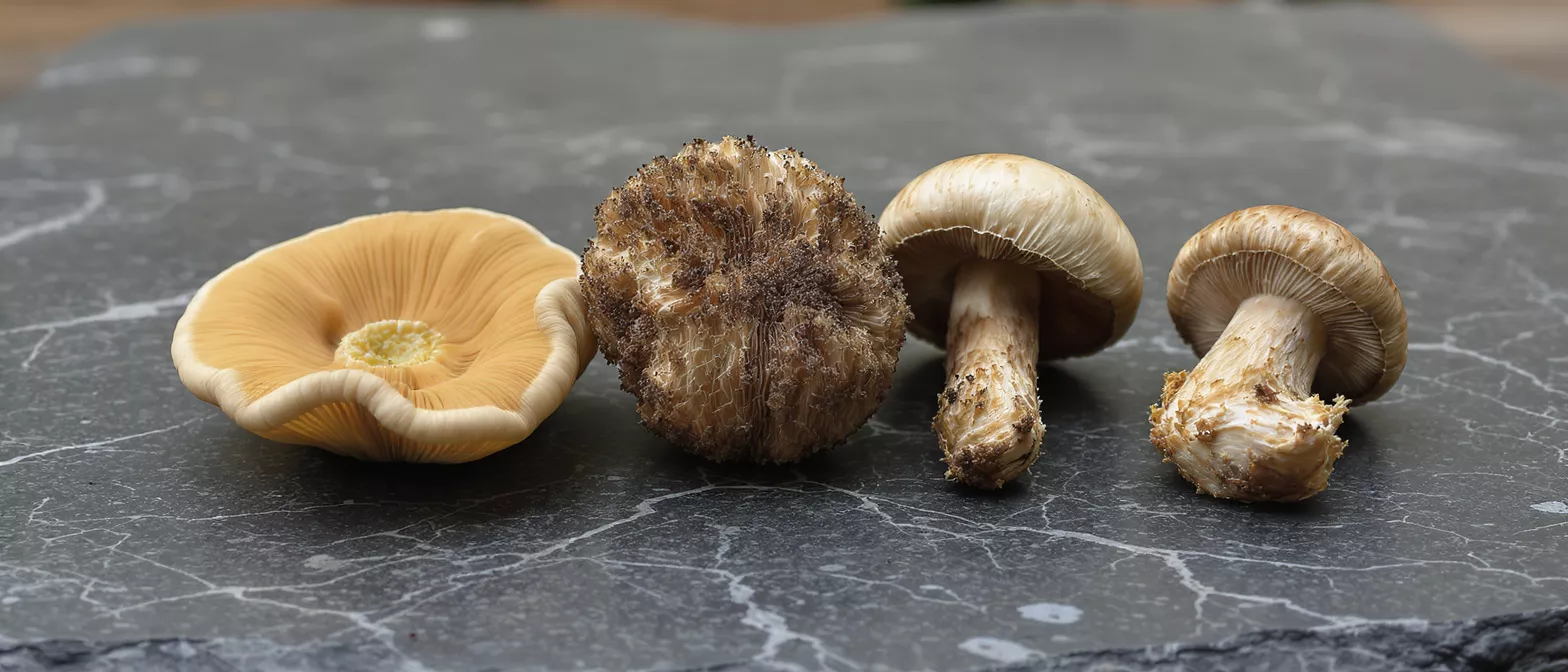
Functional mushrooms are edible and medicinal fungi valued less for flavor and more for the bioactive compounds they contain. Unlike the button mushrooms tossed into a stir-fry, these species — think reishi, lion's mane, and cordyceps — have been studied for their effects on immunity, cognition, stamina, and stress resilience. The phrase "functional" simply signals that the mushroom does something beyond basic nutrition, delivering compounds that interact meaningfully with human physiology.
The category sits at the intersection of ancient herbalism and modern science. Traditional Chinese medicine and folk healers across Asia have leaned on reishi and Chaga for centuries, often brewing them into a slow-simmered elixir meant to fortify the body over time. What separates today's market from those traditions is the analytical rigor: researchers can now isolate beta-glucans, triterpenes, and other molecules, then measure their activity in controlled studies.
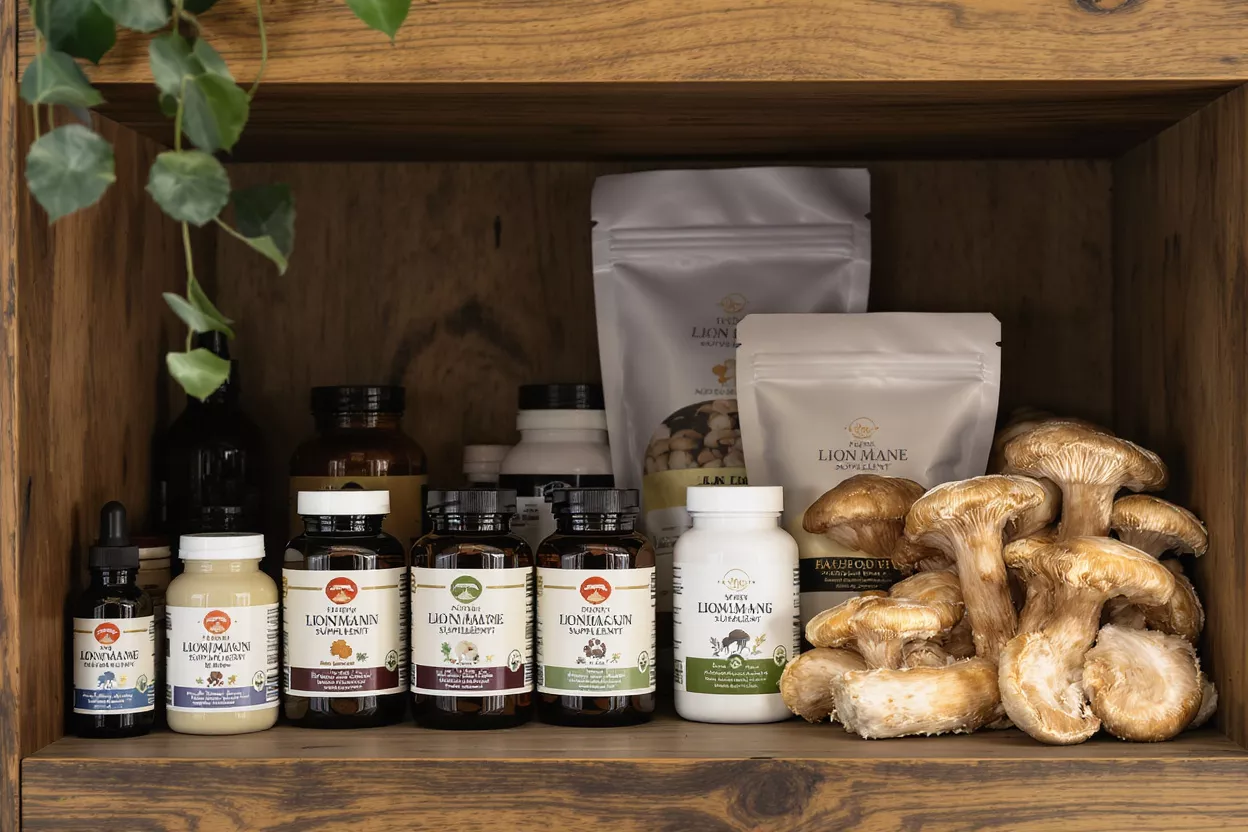
Demand has exploded as consumers look for gentle, food-based ways to support wellness. You'll find these fungi in coffee blends, capsules, tinctures, and gummies. Before you buy, it helps to understand what each species offers, how the compounds behave once you swallow them, and what distinguishes a quality product from marketing noise — which is exactly what this guide unpacks.
How Functional Mushrooms Work in the Body
Beta-glucans and immune signaling: The headline compounds in most functional mushrooms are beta-glucans, complex polysaccharides found in the cell walls of the fruiting body. When consumed, these molecules interact with receptors on immune cells in the gut lining, essentially priming the body's defenses to respond more efficiently. This is why so much research focuses on immune modulation rather than stimulation — the goal is balance, not overdrive.
Triterpenes and the stress response: Reishi in particular is rich in triterpenes, the bitter compounds responsible for its woody taste. These molecules appear to influence how the body regulates cortisol and inflammation, which is part of why reishi earned its reputation as a calming, adaptogenic fungus. According to Everyday Health, adaptogens are substances thought to help the body resist physical and mental stressors, though clinical evidence varies by compound and dose.
Bioavailability is where products succeed or fail. A raw mushroom powder may contain beta-glucans, but the rigid chitin in fungal cell walls locks much of that value away from your digestive system. Hot-water extraction — the same principle behind that traditional simmered tea — breaks down those walls and frees the active compounds. This single processing detail explains most of the quality gap you'll encounter while shopping.
Types of Functional Mushrooms Worth Knowing
Each functional mushroom has a personality, a signature set of compounds and traditional uses that make it suited to specific goals. Knowing the lineup helps you match a species to what you actually want, instead of chasing whatever a brand is pushing this season.
Here's a scannable rundown of the most studied species and what they're typically reached for:
- 🦁 Lion's Mane: Prized for cognitive support; contains hericenones and erinacines linked to nerve growth factor activity.
- 🍄 Reishi: The calming "mushroom of immortality," loaded with triterpenes for stress and sleep support.
- ⚡ Cordyceps: A stamina and oxygen-utilization favorite among athletes and endurance seekers.
- 🛡️ Turkey Tail: Among the most researched for immune support, exceptionally high in beta-glucans.
- 🌲 Chaga: A dark, antioxidant-dense fungus harvested from birch trees, often brewed as a tea.
Beyond these five, you'll encounter maitake, shiitake, and tremella, each with niche applications. The point isn't to take everything at once. A well-formulated daily mushroom complex blend can combine complementary species, but starting with a single mushroom helps you gauge how your body responds before layering in others.
Best Functional Mushroom for Energy and Focus
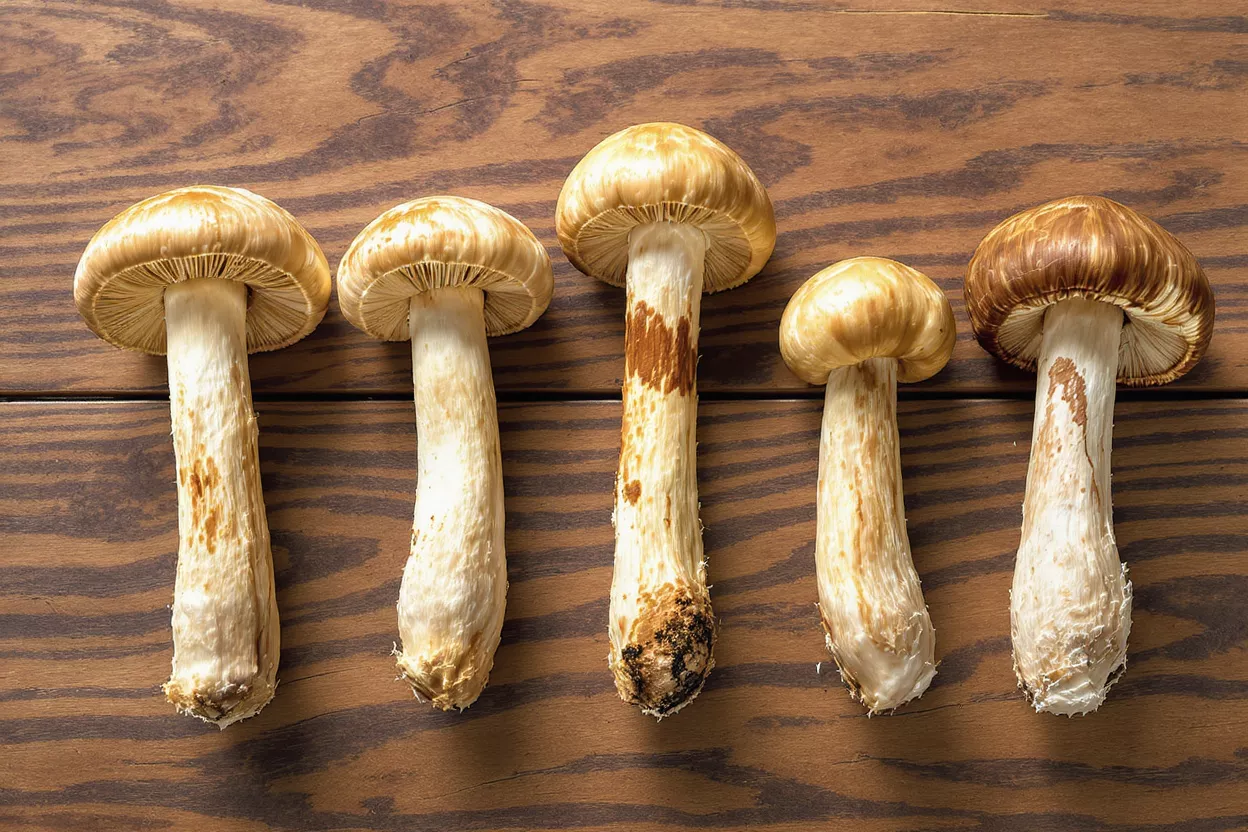
Cordyceps for physical stamina: If energy is your priority, cordyceps is the species most often recommended. Athletes use it because of its association with improved oxygen utilization and ATP production — the cellular currency of energy. Unlike caffeine, cordyceps doesn't deliver a jittery spike followed by a crash; the effect is subtler, building a foundation of stamina rather than a quick jolt.
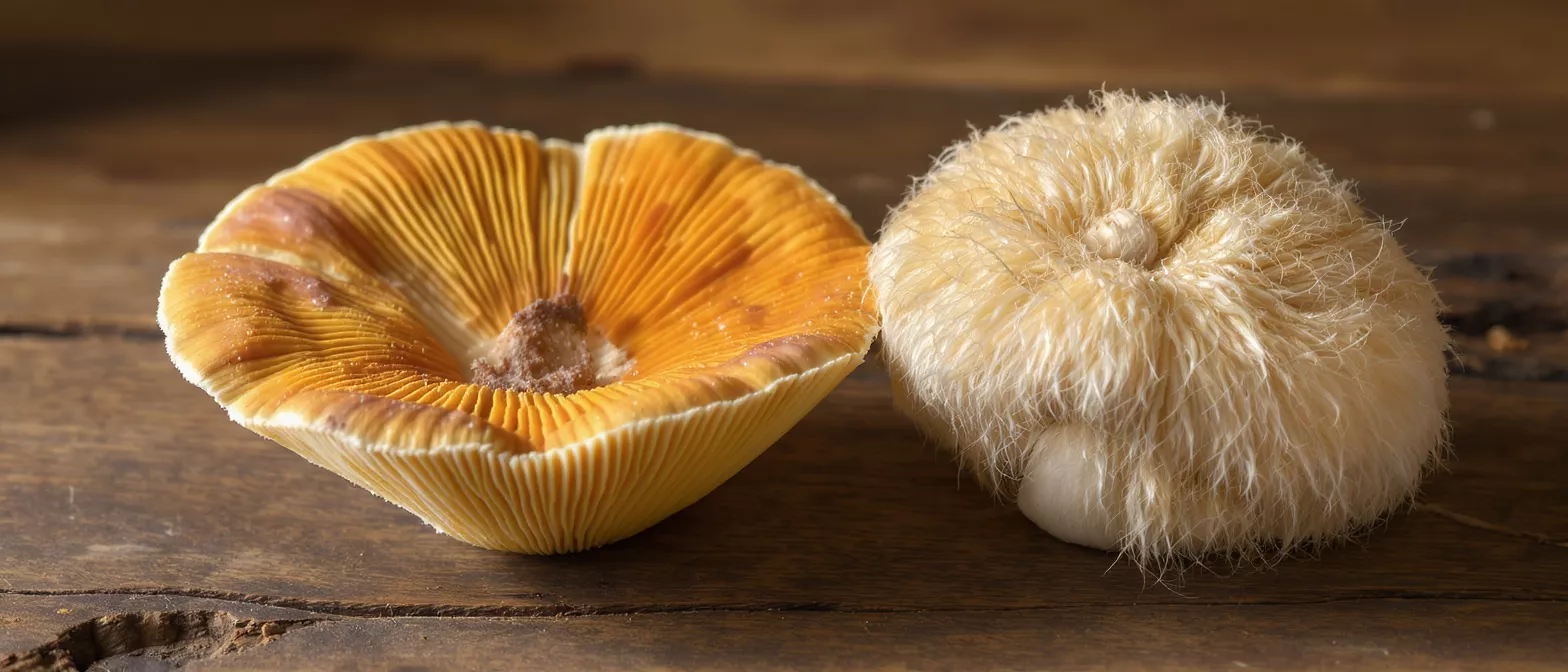
Lion's mane for mental clarity: For focus that's more about cognition than physical output, lion's mane is the standout. Its compounds support the production of nerve growth factor, a protein involved in maintaining and regenerating neurons. Many users describe a clearer, less foggy mental state after consistent use, though benefits accumulate over weeks rather than appearing instantly.
The smartest energy strategy often pairs the two. Cordyceps handles the body, lion's mane handles the mind, and together they cover the full spectrum of what most people mean when they say they want "more energy." Some prefer a morning cordyceps coffee alternative that delivers gentle lift without the harsh edges of straight caffeine, an approach that has become a staple in the functional wellness routine.
Functional Mushroom Benefits Backed by Research
The benefits attributed to functional mushrooms are extensive, but it's worth separating well-supported effects from optimistic marketing. The strongest evidence clusters around immune modulation, where beta-glucans have decades of laboratory and clinical attention behind them.
Cognitive and mood support is an emerging but promising area. Small human trials on lion's mane have suggested measurable improvements in mild cognitive complaints, while reishi's calming reputation aligns with its observed effects on inflammation and the stress response. The research is encouraging without being conclusive, and honest brands acknowledge that nuance rather than overstating it.
Here are the benefit areas with the most credible support behind them:
- 🛡️ Immune balance: Beta-glucans help regulate immune activity rather than blindly stimulating it.
- 🧠 Cognitive support: Lion's mane shows promise for memory and mental clarity in early trials.
- 😌 Stress resilience: Reishi's triterpenes are linked to calmer cortisol regulation.
- 💪 Stamina: Cordyceps is associated with better oxygen use and endurance.
- ✨ Antioxidant defense: Chaga ranks among the densest natural antioxidant sources.
The common thread is that these are supportive, cumulative effects — not pharmaceutical interventions. Functional mushrooms reward consistency, working best as part of a broader wellness routine rather than a standalone fix.

Functional Mushroom Extracts vs Powders
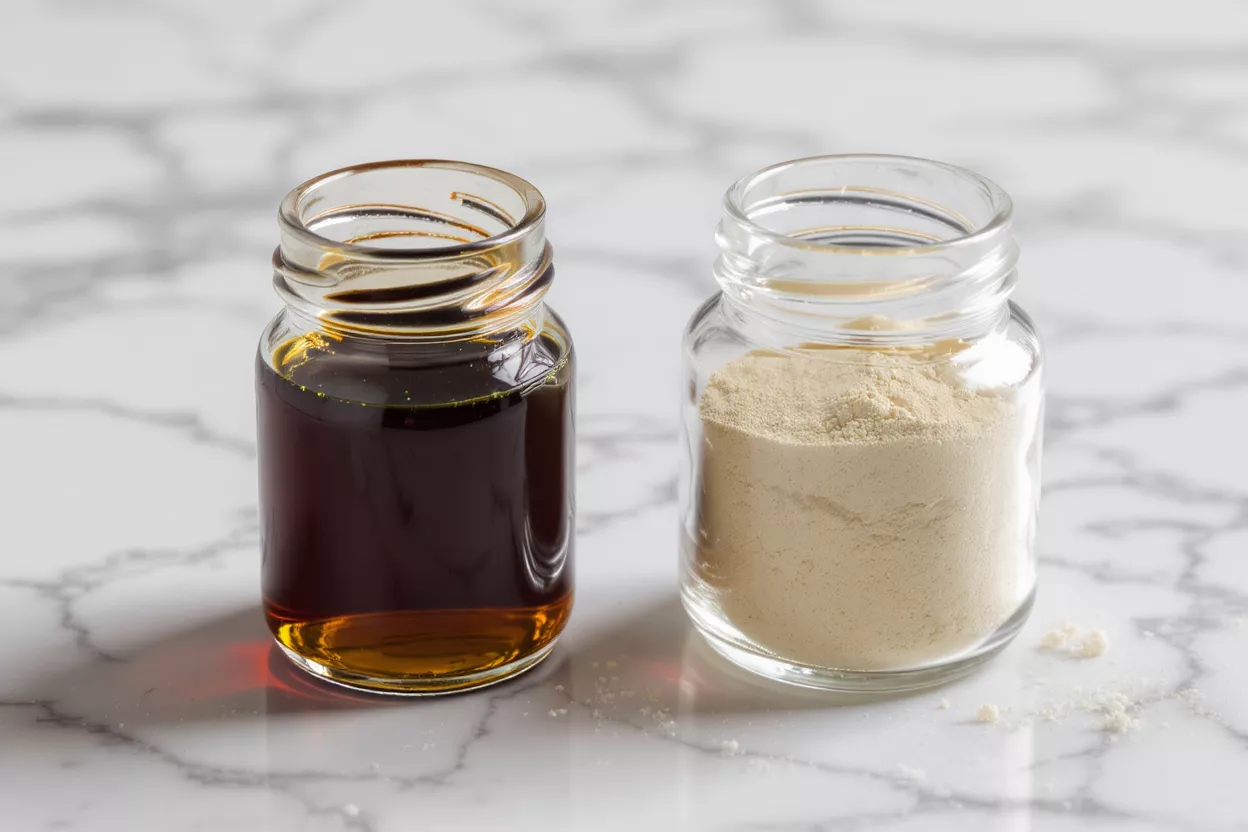
Why extraction matters: The single most consequential decision in functional mushroom shopping is extract versus raw powder. Raw mushroom powder is simply dried, milled mushroom — economical, but its beta-glucans remain locked behind indigestible chitin. An extract uses solvents like hot water or ethanol to dissolve and concentrate the active compounds, dramatically improving how much your body can actually absorb.
Water versus alcohol extraction: Different compounds dissolve in different solvents. Beta-glucans are water-soluble and release through hot-water extraction, while triterpenes — the calming compounds in reishi — are better captured with an ethanol process. The most thorough products use a dual extraction, combining both methods to capture the full chemical profile. An experienced extraction artist will list the extraction method and the resulting beta-glucan percentage right on the label.
Watch the language carefully. Some products tout impressive "polysaccharide" percentages, but polysaccharides include starches and other fillers that aren't the active beta-glucans. A trustworthy label specifies beta-glucan content directly. If a brand won't tell you the extraction method or the beta-glucan figure, treat that silence as an answer in itself.
Functional Mushroom Dosing Guide for Beginners
Dosing functional mushrooms is more art than precise science, since optimal amounts vary by species, extract strength, and individual goals. That said, sensible starting ranges exist, and beginning conservatively lets you assess tolerance before scaling up. Most extracts suggest a daily serving in the range of one to three grams, though concentrated extracts may call for less.
Timing by species: When you take a mushroom matters as much as how much. Cordyceps and lion's mane suit the morning, supporting energy and focus through the day. Reishi, with its calming triterpenes, fits the evening and may complement a wind-down routine. Turkey tail and Chaga are flexible and can be taken whenever convenient.
Consistency over megadoses: Functional mushrooms aren't acute remedies — they build their effects through steady daily use. A modest dose taken consistently for several weeks generally outperforms an occasional large one. Many people find a daily dual-extract mushroom tincture the easiest way to stay consistent, since a few dropper squeezes into coffee or tea removes the friction of capsules. Start low, hold steady, and adjust only after you've given a routine a fair trial.
Are Functional Mushrooms Safe to Take Daily?
For most healthy adults, the well-studied functional mushrooms have a strong safety profile and are generally well tolerated with daily use. These are food-derived fungi with long histories of human consumption, and serious adverse effects are uncommon at typical doses. The most frequently reported issues are mild digestive upset or, rarely, an allergic response in those sensitive to mushrooms.
That broad reassurance comes with real caveats. People on blood thinners should be cautious, since some mushrooms may affect clotting, and those with autoimmune conditions should consult a clinician given the immune-modulating activity. Anyone pregnant, nursing, or managing a chronic condition should talk to a healthcare provider before starting — functional mushrooms are supportive, not a replacement for medical care.
Quality is its own safety dimension. Because mushrooms absorb compounds from their growing environment, poorly sourced products can carry heavy metals or contaminants. Reputable brands publish third-party lab results confirming purity and potency. Buying from a trustworthy distributor and reviewing those certificates of analysis is the simplest way to keep daily use both effective and safe.

How to Choose a Functional Mushroom Supplement
Fruiting body versus mycelium: One of the biggest quality distinctions is what part of the fungus the product uses. The fruiting body — the mushroom you'd recognize — typically contains the highest concentration of beneficial compounds. Mycelium-on-grain products are cheaper to produce but are often grown on rice or oats, leaving the final powder diluted with starchy filler and lower in active beta-glucans.
Reading the label like a pro: Look for the species name, the part used, the extraction method, and a specified beta-glucan percentage. Bonus points for an organic certification and a published certificate of analysis. Vague terms like "mushroom blend" with no breakdown, or "10:1 extract" with no compound data, are signals to keep looking.
Match the format to your life, too. Capsules offer convenience and precise dosing, tinctures absorb quickly and mix into drinks, and powders fold neatly into coffee or smoothies. None is inherently superior — the best format is the one you'll actually use consistently, since consistency is what unlocks the benefits in the first place.
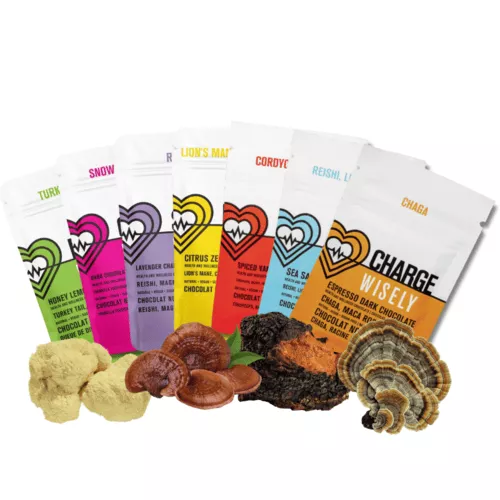

Functional Mushroom Dark Chocolate Bars Multi-Pack 7 Bars – Wisely
The whole functional-mushroom lineup, in one box. Wisely's seven-bar multi-pack spans the range — reishi for calm, lion's mane for clarity, chaga and turkey tail for everyday defence — all in rich, sugar-free dark chocolate. It's the easy way to find your favourite or rotate by mood: a week of considered, adaptogen-rich indulgence with no sugar and no cannabis.
- Reishi: traditionally used to calm stress and support skin resilience with antioxidant properties.
- Chaga: rich in antioxidants to help protect skin from environmental stressors and promote a healthy complexion.
- Lion's Mane: supports cognitive clarity and nervous-system health, which can help reduce stress-related skin issues.
- Turkey Tail : A traditional functional mushroom in the blend
- Maitake & Cordyceps: boost energy and circulation for improved skin tone and a natural glow.
Functional Mushroom Trends to Watch in 2026
The functional mushroom space is maturing fast, and 2026 is shaping up to reward consumers who understand the category. The biggest shift is toward transparency: shoppers increasingly demand beta-glucan disclosures and lab results, pushing brands to compete on verifiable potency rather than vague claims. This is genuinely good news for anyone who reads labels.
Functional beverages are another fast-growing frontier. Mushroom coffees, adaptogenic sodas, and ready-to-drink elixirs are moving these fungi out of the supplement aisle and into everyday rituals. Expect more sophisticated formulations that pair mushrooms with complementary botanicals — Curcumin for inflammation support, or calming herbs alongside reishi — though the smartest products keep dosing meaningful rather than sprinkling in trace amounts for label appeal.
Ultimately, the throughline for 2026 is informed consumption. The best functional mushroom for you depends on your goals, the quality of the extract, and your willingness to stay consistent. Prioritize fruiting-body extracts with disclosed beta-glucan content, match the species to what you want, start with a sensible dose, and give it time. Do that, and you'll cut through the marketing noise to find products that actually earn a place in your daily routine.