Best CBD vs THC Guide: What to Know in 2026
Learn the cbd vs thc difference—effects, dosing, legality & more.
If you have ever stood in front of a dispensary shelf or scrolled an online menu and felt paralyzed by the choice, you are not alone. The CBD vs THC question sits at the center of nearly every cannabis decision, and the answer shapes everything from how you feel to whether you can drive afterward. These two molecules come from the same plant, share a nearly identical chemical skeleton, and yet they behave like distant cousins once they reach your bloodstream. Understanding the CBD vs THC distinction is the single most useful thing a new consumer can learn in 2026.
This guide unpacks the science, the sensations, the legal landscape, and the practical buying decisions in plain language. We will move from how each compound interacts with your physiology to how to read a label, set a dose, and avoid the most common beginner mistakes. By the end, you should be able to look at any product and confidently predict roughly how it will treat you.
What Is the CBD vs THC Difference?
The molecular split that changes everything: Cannabidiol (CBD) and tetrahydrocannabinol (THC) are both cannabinoids, and on paper they look almost like twins. They share the same chemical formula but arrange their atoms slightly differently. That tiny structural rearrangement is why one compound gets you high and the other does not. THC fits neatly into the brain's receptors like a key into a lock, while CBD slides in at an angle, nudging the system rather than flipping the switch.
Why people confuse the two: Marketing has muddied the water for years. Both compounds are sold as oils, gummies, and tinctures that look identical on a shelf, and both get lumped under the umbrella term "cannabis." But the experiences diverge sharply. CBD is the wellness-leaning, clear-headed option many reach for during the workday, whereas THC is the intoxicating compound responsible for the classic euphoric effect. According to Forbes, consumer interest in clearly labeled, single-cannabinoid products has climbed steadily as buyers grow more sophisticated.
The simplest way to hold the difference in your head is this: THC alters your perception, and CBD generally does not. Everything else, the legality, the dosing strategy, the use cases, flows downstream from that one fact. A good extraction artist can isolate either compound cleanly, which is why you now see products that are nearly pure CBD or nearly pure THC rather than the muddled blends of the past.
How CBD and THC Work in the Body
Your body runs an internal signaling network called the endocannabinoid system, a web of receptors that helps regulate mood, appetite, pain, and sleep. Both CBD and THC interact with this system, but they do so through very different doors. THC binds directly and strongly to the CB1 receptors concentrated in the brain, which is what produces its psychoactive punch.
CBD plays the modulator: Rather than binding tightly to CB1, CBD influences the system indirectly. It can slow the breakdown of your body's own cannabinoids and interact with receptors tied to serotonin and inflammation. The result is a subtler, non-intoxicating effect. This is also why CBD can sometimes take the edge off THC's intensity when the two are taken together, an interaction researchers continue to study.
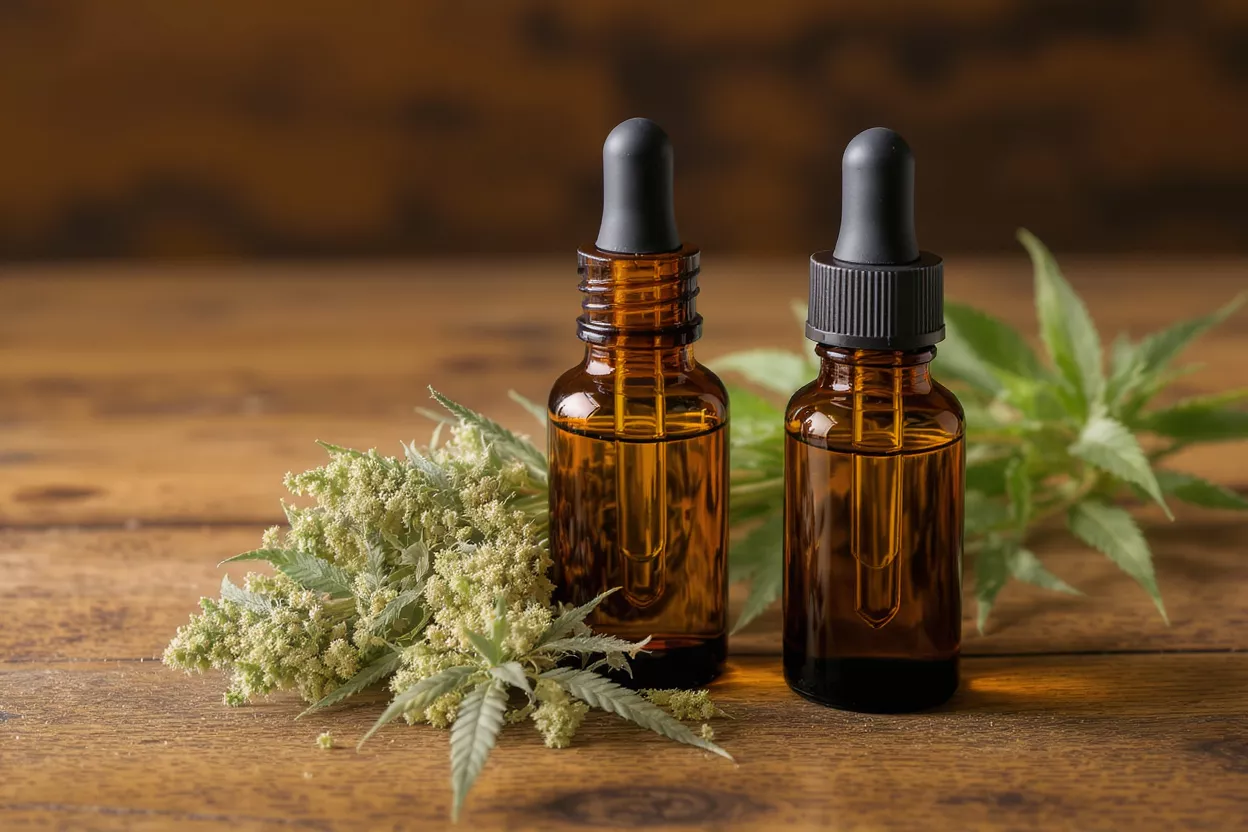
The entourage idea: Whole-plant products contain dozens of supporting compounds beyond the headline cannabinoids, including terpenes like eucalyptol and fenchol that lend aroma and may shape effects. Some manufacturers add a curcumin-based excipient or build a stable emulsion to improve how the compounds absorb. Whether you choose a broad-spectrum elixir or an isolated formula depends on whether you want that fuller chemical chorus or a clean, predictable single note. Many newcomers find a broad-spectrum CBD tincture a gentle entry point because it delivers supporting compounds without measurable THC.
CBD vs THC Effects: What to Expect
The most practical difference shows up in how you feel an hour after dosing. THC produces the familiar high: shifts in perception, heightened sensory enjoyment, sometimes giggly euphoria, and for some users, anxiety or a racing heart if the dose runs too high. CBD, by contrast, tends to feel like a quiet exhale, a loosening of tension without any change to your clarity or coordination.
The morning-after factor: THC can linger. A heavy edible the night before may leave you foggy the next morning, sometimes described as a cannabis hangover. CBD rarely produces this residue, which is part of why it slots so easily into daytime routines. People who want function alongside relief frequently lean CBD-forward and save THC for evenings.
Here is a quick side-by-side to anchor the differences:
- 🧠 Head effect: THC is intoxicating and alters perception; CBD is clear-headed and non-intoxicating.
- ⏱️ Onset and duration: Both depend on format, but THC's psychoactive arc is more noticeable and longer-lasting.
- 🌙 Best time of day: CBD suits mornings and work; THC tends to fit evenings and downtime.
- 🚗 Drug testing: THC can trigger a positive result; isolate CBD typically will not.
Is CBD or THC Better for Pain and Sleep?
This is the question that drives most first purchases, and the honest answer is that it depends on the problem and the person. For sleep, THC can shorten the time it takes to drift off and is favored by many who struggle to switch off at night. CBD's role in sleep is gentler and more indirect, often working by easing the anxiety or discomfort that keeps people awake in the first place.
Pain is rarely one-size-fits-all: Inflammatory and nerve-related pain may respond differently than acute muscular soreness. Many people report the best results from a balanced ratio rather than a pure compound, letting CBD temper THC's intensity while both contribute relief. A balanced 1:1 sleep gummy is a popular starting point for exactly this reason, offering a measured dose of each compound.
It is worth being clear-eyed about evidence. Some applications, like CBD's use in certain seizure disorders, are well documented, while broader claims about pain and sleep are still being studied. Treat product marketing as a hypothesis to test on yourself at a low dose rather than a promise. Keep a simple log of dose, time, and effect so you can spot what actually helps.

Types of CBD and THC Products
Both cannabinoids come in a wide array of formats, and the delivery method matters as much as the molecule itself. Inhaled products hit fast and fade fast; edibles take longer to arrive but last for hours. Topicals stay local and rarely reach the bloodstream in meaningful amounts. Your goal and your schedule should drive the format you pick.
A field guide to common formats: The vocabulary can be intimidating, so here is a scannable breakdown of what you will actually encounter while shopping:
- 💧 Tinctures and oils: Dropper-based, easy to dose precisely, taken under the tongue for moderate onset.
- 🍬 Edibles and gummies: Slow onset, long duration; easy to overdo, so start small.
- 🌬️ Vapes and flower: Fast onset using a dry-herb device, a downstem-equipped piece, or an e-rig with an e-nail for concentrates.
- 🧴 Topicals and balms: Localized relief, non-intoxicating, ideal for targeted soreness.
- 🧪 Concentrates: Potent extracts such as ethanol hash oil (EHO), best left to experienced users.
Hardware shapes the experience too. Dabbing fans debate the merits of a quartz banger versus a titanium cannon, while inhalation purists fuss over crutch placement in a rolled joint. Concentrate users increasingly favor an e-rig for its temperature control. None of this hardware changes the CBD vs THC equation, but it does change how cleanly and consistently a dose lands. For a gentle, no-equipment option, a fast-acting CBD softgel removes the guesswork entirely.
CBD vs THC Legal Status in 2026
Legality is where the CBD vs THC line draws sharpest. In the United States, hemp-derived CBD containing very little THC occupies a far more permissive legal space than high-THC cannabis, which remains restricted at the federal level and governed by a patchwork of state rules. This is why CBD products ship nationwide while THC products are typically confined to licensed in-state retailers.
The fine print matters: "Hemp-derived" and "marijuana-derived" are legal categories defined by THC concentration, not by plant species or quality. A product can be chemically similar to another yet land on opposite sides of the law purely because of its THC percentage. Always check your state's current rules, since this landscape shifts frequently and a product legal in one state may not be in the next.
For travelers, the safest assumption is that THC does not cross state lines and certainly does not cross national borders. CBD enjoys more latitude but is not universally accepted abroad. When in doubt, leave it home and buy locally at your destination from a licensed source.
Are CBD and THC Safe to Use?
Both compounds have strong safety profiles compared with many common substances, and neither carries the overdose risk associated with opioids. That said, "safe" does not mean "without effects." THC can cause anxiety, rapid heartbeat, and impaired judgment at high doses, while CBD's most notable risk involves how it interacts with other medications.
The drug-interaction caveat: CBD can inhibit the liver enzymes that metabolize many prescription drugs, potentially raising their concentration in your blood. If you take medication, especially blood thinners or anything with a "grapefruit warning," talk to a doctor before adding CBD. This is one of the few hard rules in an otherwise forgiving category.
Quality is a safety issue: The biggest avoidable risk is a poorly made product. Unregulated extracts may contain residual solvents, pesticides, or heavy metals. Look for current third-party lab results, often called a certificate of analysis, that confirm potency and screen for contaminants. A clean product from a careful manufacturer using food-grade ethanol extraction is worlds apart from a gas-station mystery oil.
CBD vs THC Dosing Guide for Beginners
The oldest piece of cannabis advice remains the best: start low and go slow. Your ideal dose depends on body chemistry, tolerance, the product format, and what you are trying to achieve. There is no universal number, and the person who can handle a heavy dose is not tougher, just differently wired.
A sane starting framework: For THC edibles, many beginners start with 2 to 5 milligrams and wait a full two hours before considering more, because edibles fool people into redosing too soon. CBD has a wider comfort window; people often begin around 10 to 25 milligrams and adjust upward over days. The key with either compound is consistency and patience rather than chasing an immediate result.
A few practical habits make dosing far more reliable:
- ⏳ Wait it out: Give edibles two hours before taking more; impatience is the top cause of uncomfortable highs.
- 📓 Keep a log: Record dose, format, time, and effect so you can find your sweet spot.
- 🍽️ Mind the food: A fatty meal can intensify and lengthen an edible's effect.
- 🔁 Reset tolerance: If THC stops working well, a short break often restores sensitivity.
How to Choose Between CBD and THC
Choosing comes down to matching the molecule to your goal and your constraints. If you need to stay clear-headed, drive, work, or pass a drug test, CBD is the obvious choice. If you are seeking recreational enjoyment, strong sleep support, or relief that a clear-headed compound has not delivered, THC enters the conversation, assuming it is legal where you are.
When a blend beats a single compound: Many people discover that a small amount of THC alongside CBD outperforms either alone, the CBD smoothing the edges of THC's intensity. Ratios like 2:1 or 4:1 CBD to THC give you a gentle lift without overwhelming psychoactivity. Think of it as seasoning rather than the main course.
Be honest about your environment and obligations, too. A compound that suits a relaxed weekend at home may be a poor fit for a workday or a long drive. Match the experience to the moment, buy from a transparent source, and start conservatively whenever you try a new product or ratio. Your future self will thank you for the restraint.
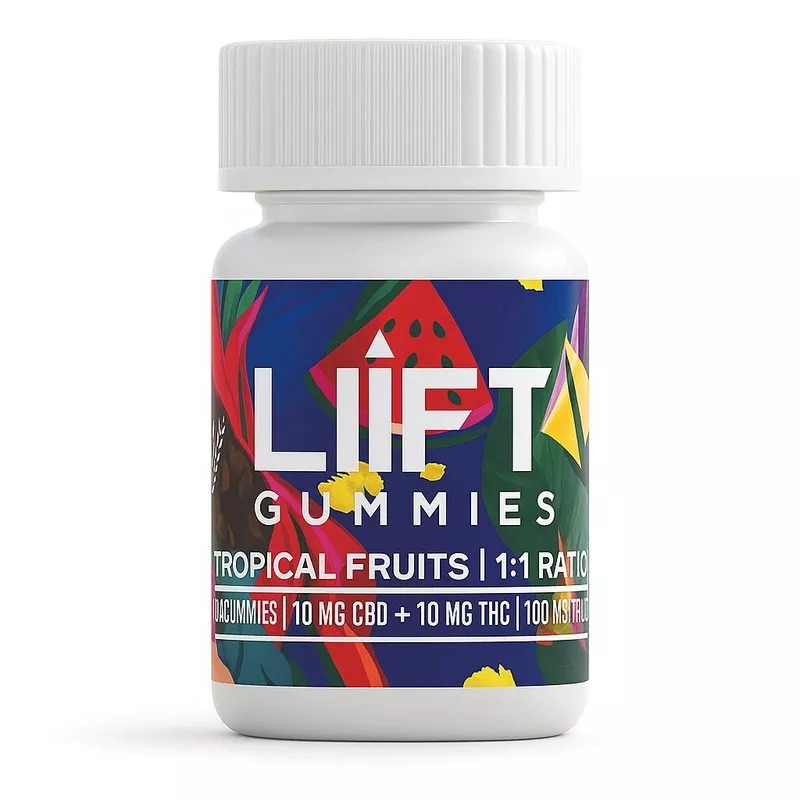
Tropical 1:1 Ratio Fruit Gummies 10mg CBD : THC x 10pcs (100mg) – LIIFT
Balance you can taste. LIIFT's Tropical 1:1 gummies pair 10mg of CBD with 10mg of THC in each tropical bite — a gentle, even-keeled lift where the CBD keeps the edges soft. Made for sensitive users and easy afternoons, they let you stay present and relaxed without the intensity. Ten bites of effortless, fruit-forward calm.
- Balanced High : CBD and THC work together
- Calming Support : Built-in calm from CBD
- Gentle Effects : Perfect for sensitive users
- Mood Enhancement : Uplifting without intensity
- Functional Relief : Stay present while relaxed
CBD vs THC Myths Worth Unlearning
A surprising amount of folk wisdom about these compounds is simply wrong, and bad assumptions lead to bad experiences. The myth that "CBD does nothing" usually comes from underdosing or from low-quality products, not from the molecule itself. Conversely, the belief that THC is uniformly dangerous ignores how dose-dependent its effects truly are.
Strain mythology, revisited: The old indica-equals-sleepy, sativa-equals-energetic framework is more marketing than science. A plant's actual effect comes from its full chemical profile, including cannabinoid ratios and terpenes, not just its label. Two plants sold under the same strain name can behave quite differently depending on how they were grown and processed, right down to the fan leaf trimming and curing.
One more myth worth retiring: that more is always better. With both compounds, there is often a sweet spot beyond which effects plateau or turn unpleasant, particularly with THC. The skilled consumer treats dosing like cooking with a strong spice, where precision beats excess every time. Whether you reach for a clean isolate or a full-spectrum elixir, restraint and good information will always serve you better than guesswork.
The CBD vs THC choice is not about which compound is "better" in some absolute sense; it is about which is better for your specific goal, your legal situation, and your daily life. CBD offers clear-headed, non-intoxicating support that fits seamlessly into a working day, while THC delivers the intoxicating effects and potent relief that many seek for evenings and downtime. Understand how each works, respect dosing, buy from transparent sources with real lab testing, and you will navigate any menu with confidence. Armed with the fundamentals in this guide, you are ready to make choices that fit your life rather than someone else's marketing.