Best Cannabis Rosin Guide: What to Know in 2026
Discover what cannabis rosin is, how it's made, and why it's the top solventless concentrate.
What Is Cannabis Rosin
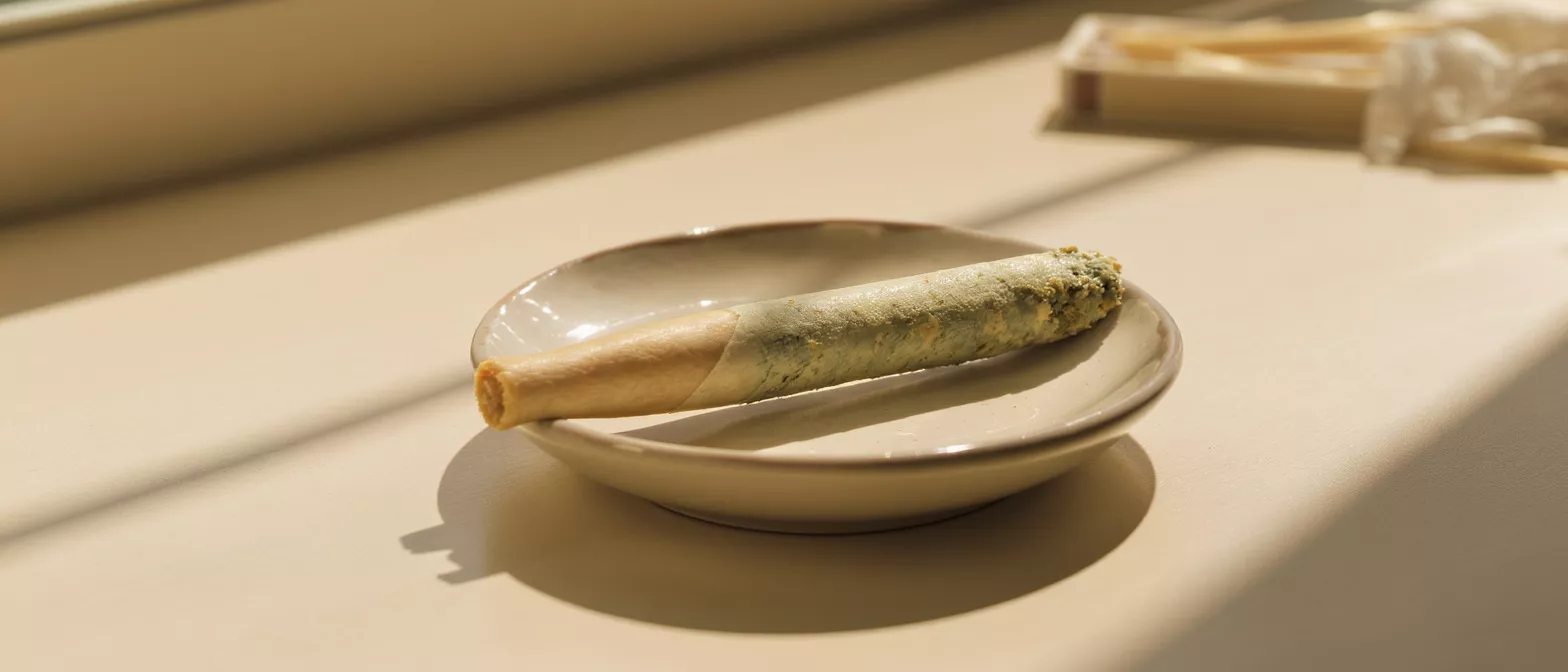
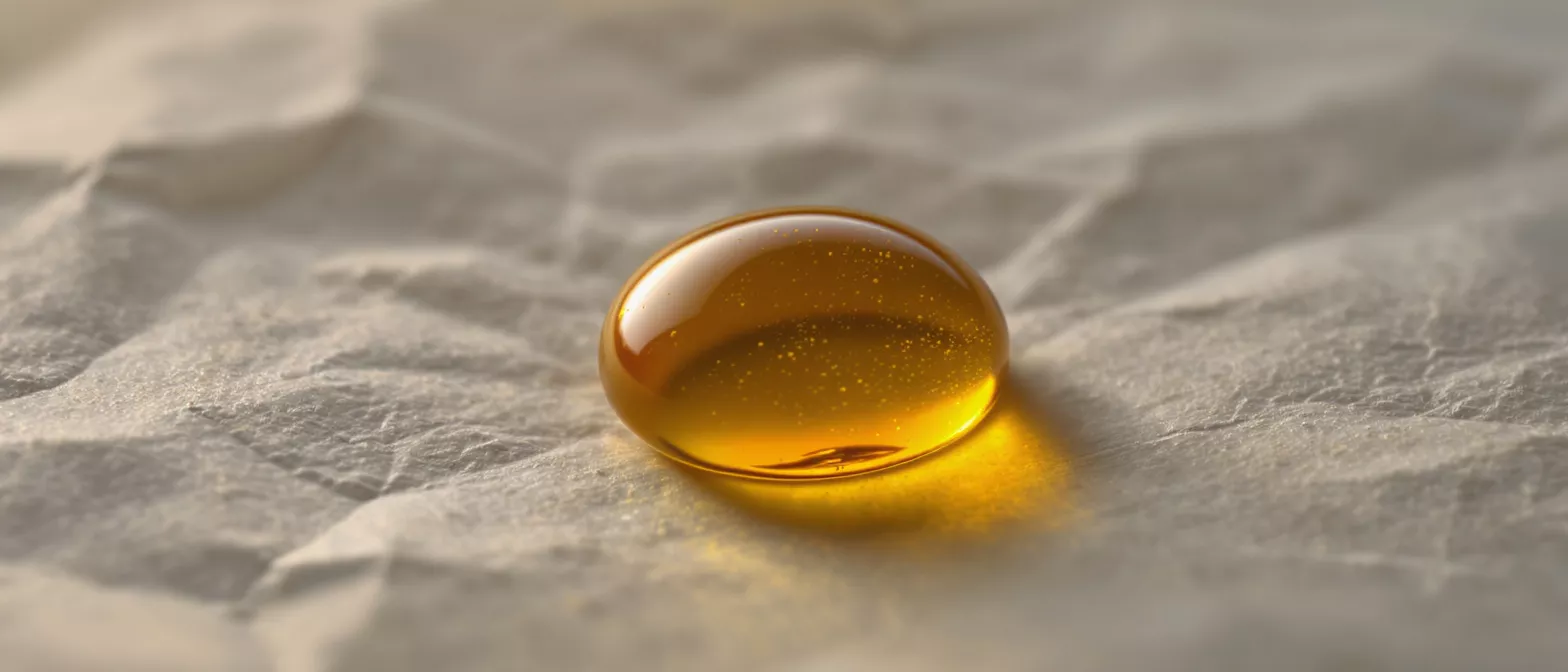
Cannabis rosin has quietly become one of the most sought-after concentrates on the market, and for good reason. At its core, cannabis rosin is a solventless extract produced by applying heat and pressure to cannabis flower, kief, or hash. No butane, no ethanol, no chemical solvents of any kind — just mechanical force and warmth coaxing the resin out of the plant. The result is a golden, sappy concentrate that captures the full aromatic and chemical fingerprint of the starting material.
The appeal lies in its purity. Because rosin skips the chemical extraction process entirely, there is no risk of residual solvents lingering in the final product. This makes it a favorite among purists who want the cleanest possible dab. Many consumers describe rosin as tasting closer to the living plant than any solvent-based concentrate, and that flavor fidelity is precisely why demand keeps climbing heading into 2026.
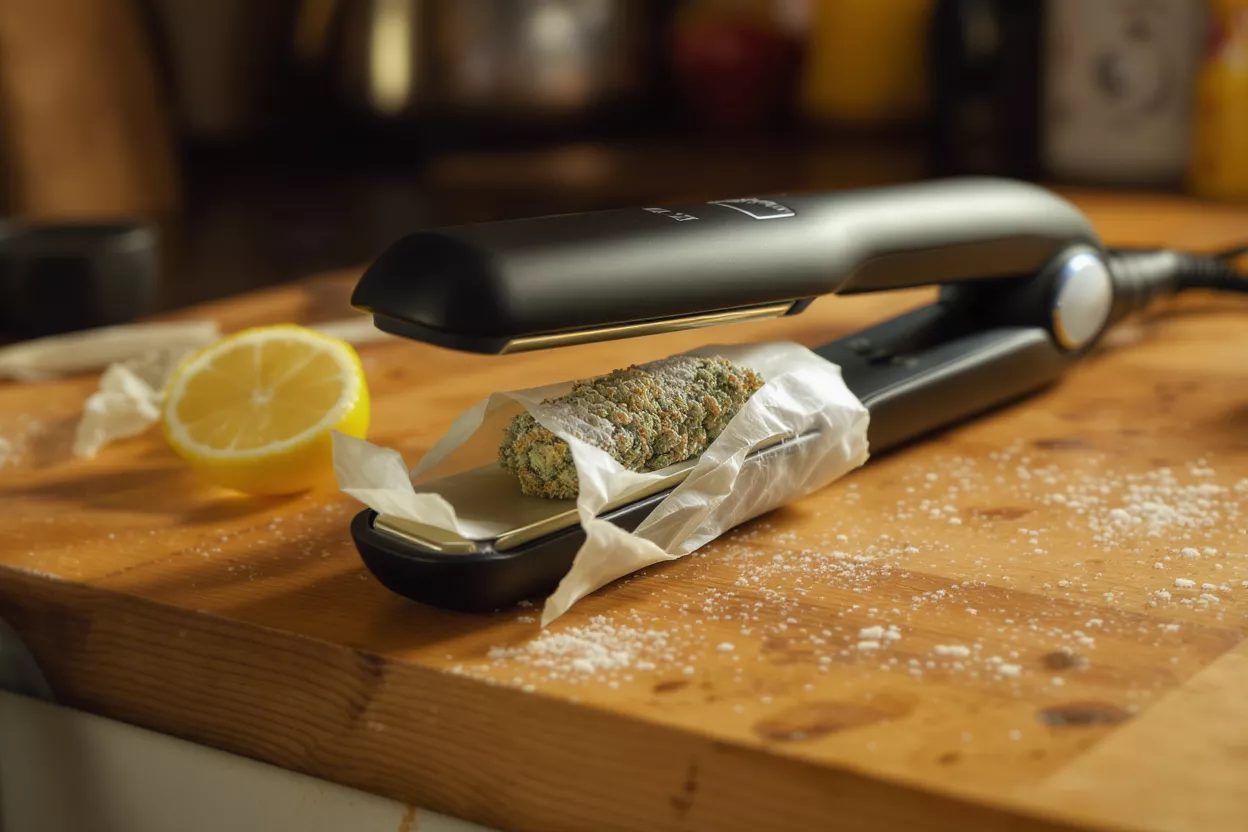
Why rosin earned its reputation: The technique was popularized by home extraction artists experimenting with hair straighteners and parchment paper roughly a decade ago, then refined into a commercial science. What began as a kitchen-table hack now rivals — and often exceeds — the quality of professionally produced solvent extracts. The democratization of this method means a skilled extraction artist can produce top-shelf concentrate without a licensed lab, which has reshaped the entire concentrate landscape.
How Cannabis Rosin Is Made
The fundamental process behind cannabis rosin is deceptively simple: heat plus pressure equals extraction. Material is placed inside a folded piece of parchment, loaded between two heated plates, and squeezed. The trichome heads rupture and the resinous oils flow out onto the parchment, where they are collected and refined. While the concept is straightforward, the variables that separate mediocre rosin from exceptional rosin are anything but.
Temperature control matters enormously. Pressing at lower temperatures, generally between 160°F and 190°F, tends to yield a thicker, budder-like consistency that preserves volatile terpenes. Higher temperatures produce a runnier, more translucent oil with higher yields but often at the cost of flavor. Skilled producers dial in their settings based on the specific cultivar, since a high-terpene strain behaves very differently under the press than a drier, older harvest.
According to Healthline, cannabis concentrates can be significantly more potent than flower, which is why understanding the production method helps consumers gauge what they are actually inhaling. The starting material defines the ceiling: fresh-frozen flower pressed into live rosin captures a more vibrant terpene profile, while pressed hash rosin concentrates the most resinous parts of the plant for an intensely flavorful result.
The quality of the input cannot be overstated. You cannot press low-grade trim and expect connoisseur-grade output. The best results come from clean, well-cured flower or fresh-frozen material with abundant trichome coverage. For those new to dabbing, a quality solventless concentrate starter kit makes the learning curve far gentler than improvising with mismatched gear.
Types of Cannabis Rosin
Not all cannabis rosin is created equal, and the category has fractured into several distinct types based on starting material and post-processing. Understanding these distinctions helps you choose the product that matches your priorities, whether that is flavor, potency, texture, or value.
Flower rosin versus hash rosin: Flower rosin is pressed directly from cured buds, making it the most accessible and budget-friendly option. Hash rosin, by contrast, is pressed from bubble hash or dry-sift kief, removing much of the plant material before pressing. This extra refinement yields a cleaner, more potent concentrate that commands premium prices and represents the pinnacle of solventless craft.
- 🌿 Flower Rosin: Pressed from cured buds; accessible price point, robust flavor, slightly more plant material.
- 🧊 Live Rosin: Made from fresh-frozen flower; vibrant terpenes and a true-to-plant aroma profile.
- 💎 Hash Rosin: Pressed from bubble hash; exceptionally clean, potent, and prized by connoisseurs.
- 🍯 Cold Cure Rosin: Cured at low temperatures to develop a creamy, badder-like consistency.
Post-press techniques further diversify the category. Cold curing involves jarring fresh rosin and letting it sit at controlled temperatures, transforming the texture into a homogeneous badder. Whipping introduces air for a lighter mouthfeel. Each method tweaks the final product without ever introducing a solvent, keeping every variant firmly in the solventless family that defines true rosin.
Cannabis Rosin vs Resin: Key Differences
One of the most common points of confusion among newcomers is the difference between rosin and resin. The names sound nearly identical, yet they describe fundamentally different products. Getting this distinction right will save you money and help you shop with confidence.
The core distinction is the solvent. Rosin is solventless — extracted with heat and pressure alone. Live resin, despite its premium reputation, is produced using hydrocarbon solvents like butane to strip the cannabinoids and terpenes from fresh-frozen plant material. Both can be exceptional, but only rosin guarantees zero chance of residual solvent in your concentrate. For consumers who prioritize purity above all else, that single difference is decisive.
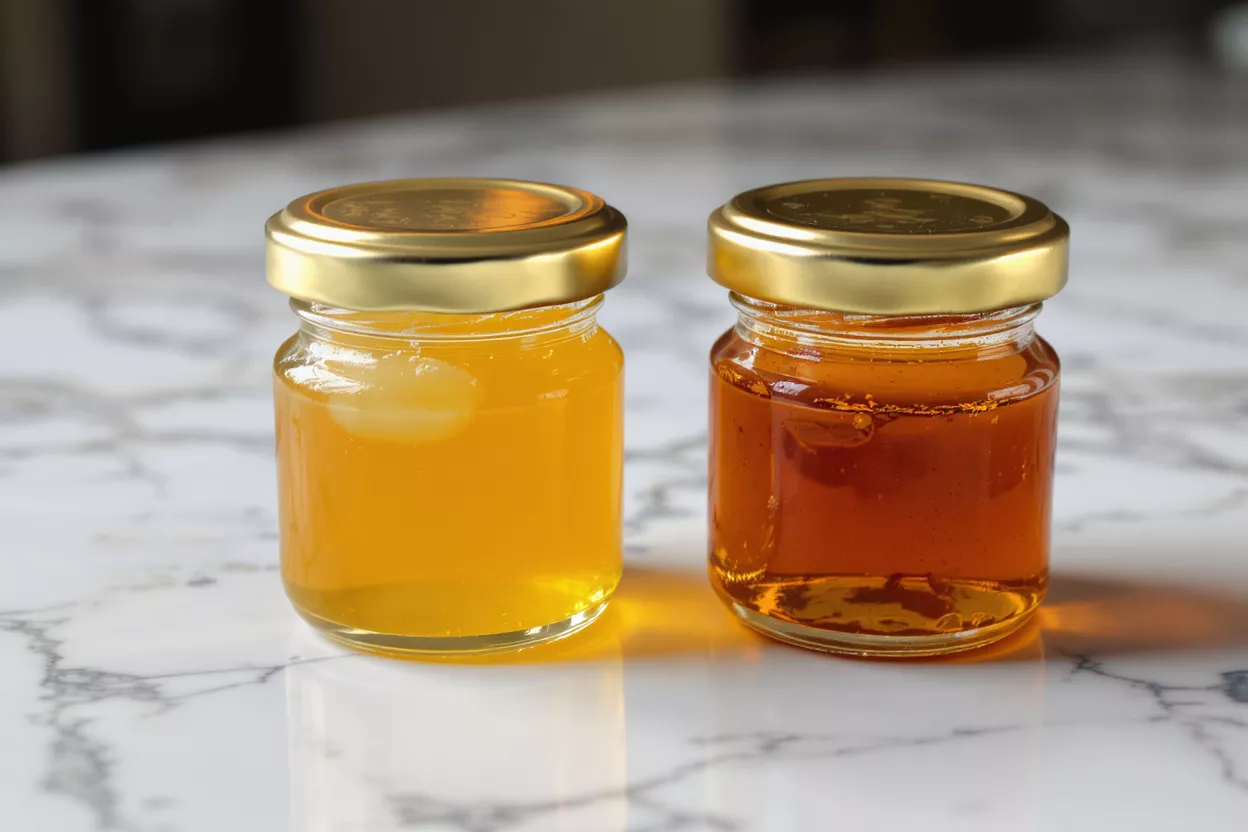
There is also a textural and flavor conversation here. Live resin tends to be glossy and sauce-like, sometimes separating into crystalline THCa and a terpene-rich liquid. Rosin spans a wider range of consistencies depending on the press and cure. Many seasoned dabbers keep both an e-rig and a traditional setup on hand precisely because different concentrates shine in different delivery methods.
Price is the final consideration. Hydrocarbon extraction scales efficiently in a licensed lab, often making live resin slightly cheaper to produce at volume. Solventless rosin, being more labor-intensive and yield-limited, frequently carries a higher price tag. You are paying for the absence of chemicals and the craft involved, and for many that premium is entirely justified.
Best Cannabis Rosin for Dabbing
When it comes to dabbing, cannabis rosin is arguably the gold standard. The full-spectrum nature of a quality press delivers a flavor experience that solvent concentrates struggle to match, especially when vaporized at the right temperature on a clean surface.
Temperature is your most important variable. Dabbing rosin too hot incinerates the delicate terpenes and produces a harsh, acrid hit. Low-temperature dabbing, typically between 480°F and 550°F, preserves flavor and produces a smoother, more nuanced experience. An e-nail or e-rig gives you precise digital control over your dab temperature, which is why so many enthusiasts consider one essential for getting the most out of premium rosin.
For those who value convenience without sacrificing too much quality, a rosin-filled disposable vape offers an approachable entry point. While a fresh dab off an e-rig will always represent the flavor ceiling, modern solventless carts have closed the gap considerably. Pairing your concentrate with a high-quality quartz banger for low-temp dabs dramatically improves both flavor and vapor production.
- 🌡️ Start low: Begin around 500°F and adjust upward only if vapor production is too thin.
- 🧼 Keep it clean: Swab your banger after each session to prevent old residue from tainting flavor.
- ⏱️ Heat cycle: Allow your banger to cool to the target temperature before dropping in your dab.
- 💨 Small portions: A rice-grain-sized dab of potent rosin goes a remarkably long way.
The vessel matters too. A quartz banger retains heat evenly and imparts no flavor, while a properly seasoned downstem keeps your rig pulling smoothly. Whether you favor a traditional torch setup or a modern e-rig, clean equipment is non-negotiable for tasting rosin at its best.
Cannabis Rosin Benefits and Flavor
The benefits of cannabis rosin extend well beyond its solventless purity. The most frequently cited advantage is the unparalleled flavor — a faithful reproduction of the source plant's terpene profile that dabbers describe as bright, complex, and remarkably true to life. Because no solvent strips or alters the volatile compounds, what you taste is essentially the distilled essence of the flower itself.
Full-spectrum entourage effect: Rosin preserves a wide array of cannabinoids and terpenes in their natural ratios. Many users report that this full-spectrum profile delivers a more rounded, satisfying experience than isolated concentrates. The synergy between Delta-9 THC, minor cannabinoids, and the plant's native terpenes — including eucalyptol and other aromatic compounds — is often described as more nuanced than a single-compound extract could ever be.
Beyond flavor and effect, there is genuine peace of mind in choosing a product made without chemical excipients. For health-conscious consumers, the absence of any potential solvent residue is a meaningful reassurance. While research into cannabis is still maturing, the clean production method gives rosin a transparency advantage that few other concentrates can claim. If you appreciate herbal wellness, a curated terpene-rich solventless dab sampler is a fantastic way to explore the spectrum of flavors available.
How to Store Cannabis Rosin
Proper storage is what separates rosin that tastes vibrant six months from now from rosin that has gone flat and dark. Because rosin is rich in delicate terpenes and lacks the stabilizing solvents found in some other concentrates, it is genuinely sensitive to heat, light, and air exposure.
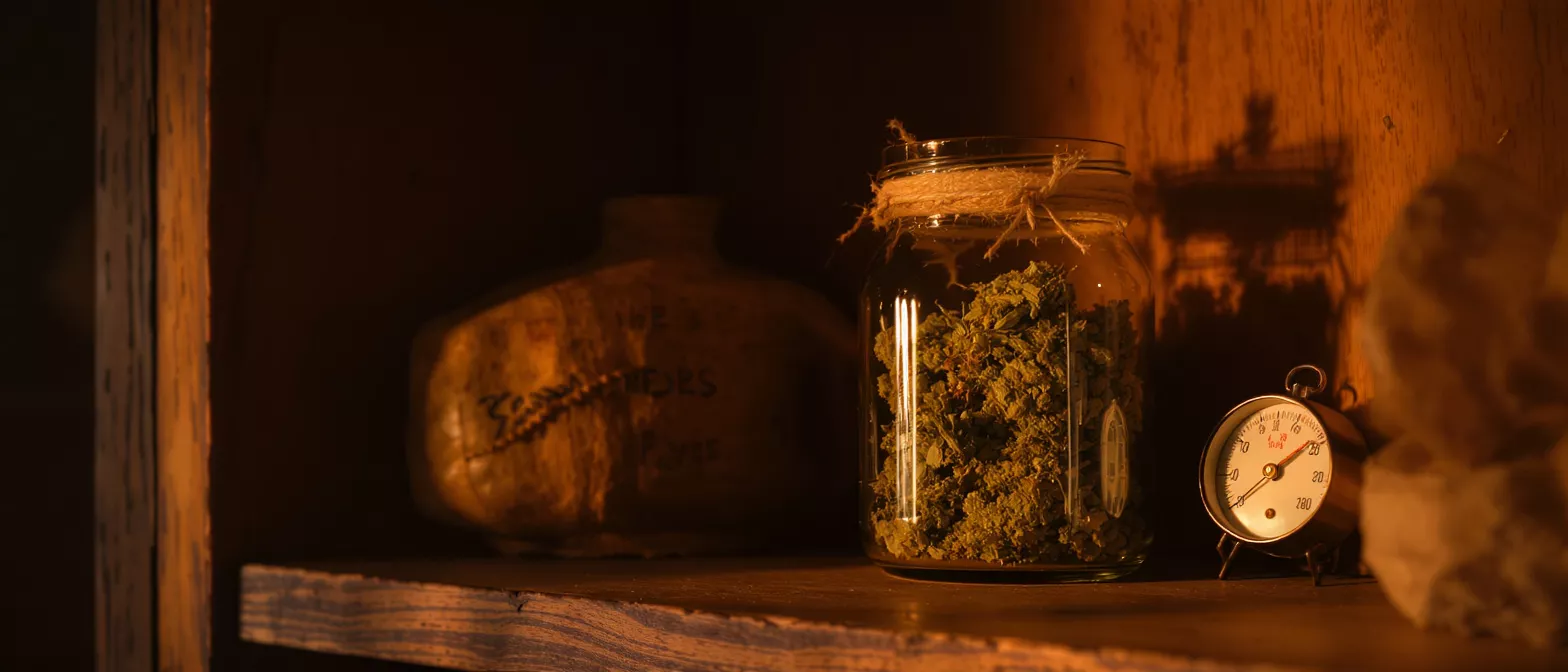
Cold storage preserves freshness. The single most effective thing you can do is keep your rosin in an airtight, non-stick container in the refrigerator or freezer. Cold temperatures slow the degradation of terpenes and prevent the concentrate from melting into a hard-to-handle puddle. Just allow it to return to room temperature before opening to avoid condensation, which introduces moisture that can degrade your product.
Light and air are the other two enemies. UV exposure breaks down cannabinoids over time, converting potent THC into less desirable byproducts, so amber or opaque glass containers are ideal. Minimize the time your jar sits open, and use a clean dab tool every time to avoid introducing contaminants. Stored correctly, quality rosin retains its character for many months.
- ❄️ Refrigerate or freeze: Cold slows terpene loss and keeps consistency manageable.
- 🫙 Airtight glass: Use non-stick silicone or amber glass to block light and air.
- 🧊 Thaw before opening: Let cold rosin warm up to prevent condensation inside the jar.
- 🧽 Clean tools only: Always handle with a fresh dab tool to avoid contamination.
Cannabis Rosin Dosing Guide
Because rosin is a concentrate, it is dramatically more potent than flower, and dosing accordingly is essential — especially for those new to dabbing. A single dab can deliver a cannabinoid load equivalent to several bowls of flower, so restraint at the outset prevents an uncomfortably intense experience.
Start with a rice-grain dose. For beginners, a portion roughly the size of a grain of rice is more than enough to assess your tolerance. You can always take a second dab, but you cannot undo one that was too large. Wait fifteen to twenty minutes between dabs to let the effects fully express before deciding whether you want more. This measured approach keeps the experience pleasant and controllable.
Tolerance varies enormously between individuals, and factors like body chemistry, frequency of use, and the specific cultivar all influence how a given dose feels. Seasoned consumers may comfortably handle larger dabs, but even veterans benefit from a low-and-slow approach when sampling an unfamiliar batch. Listen to your body and adjust gradually rather than chasing intensity.
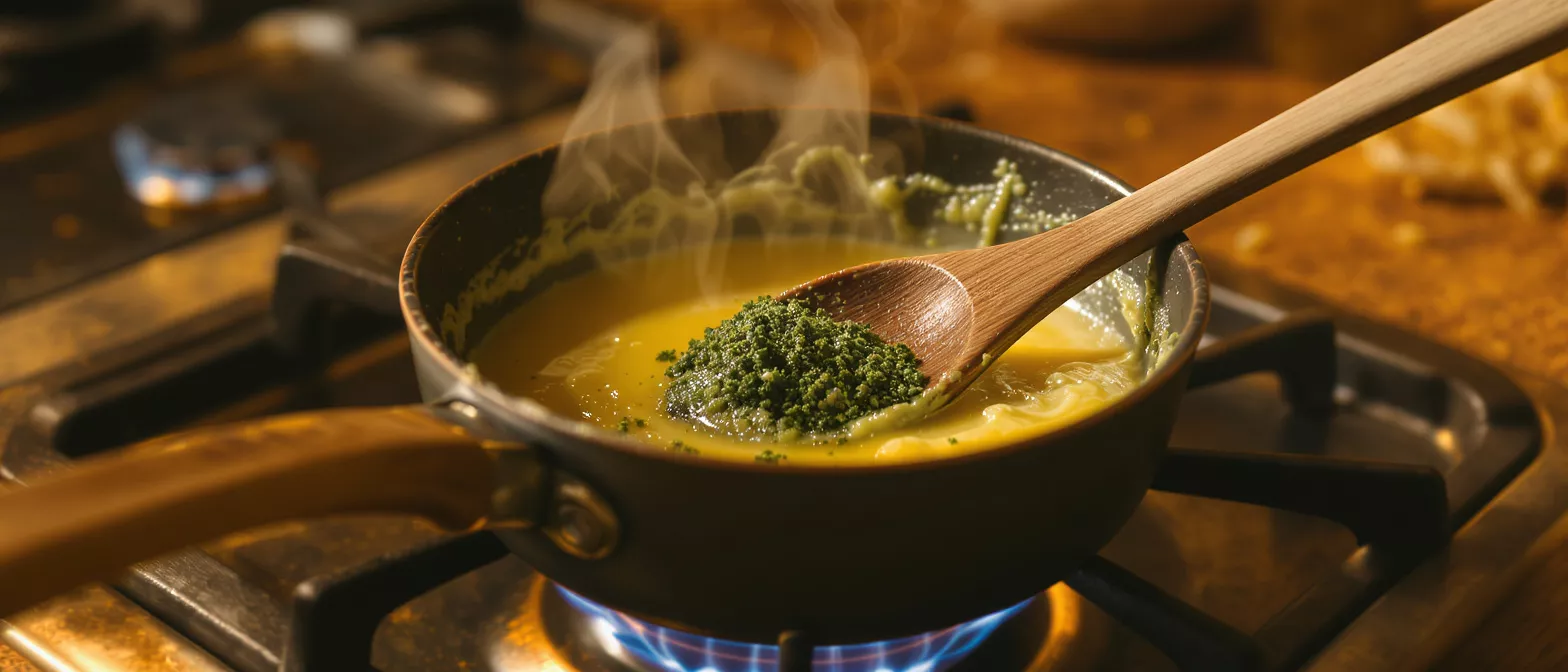
It is also worth noting that the method of consumption affects onset and intensity. Inhaled rosin acts within seconds, making it easy to titrate, whereas rosin infused into an edible or elixir behaves very differently, with a delayed onset that can catch the unprepared off guard. Match your dose to your delivery method and your goals for the session.
Is Cannabis Rosin Safe to Use
Safety is a reasonable concern with any concentrate, and cannabis rosin holds up well to scrutiny on this front. Its solventless production is its strongest safety credential: with no butane, ethanol, or other extraction chemicals involved, there is no possibility of residual solvent contamination — a concern that legitimately applies to poorly purged hydrocarbon extracts.
Potency is the real consideration. The primary safety factor with rosin is not contamination but concentration. Because it can exceed flower potency several times over, overconsumption is the most common pitfall, particularly for inexperienced users. The effects of an excessive dab — anxiety, dizziness, rapid heart rate — are uncomfortable but not dangerous, and they pass. Sensible dosing virtually eliminates this issue.
Source quality remains paramount. Rosin pressed from contaminated flower will concentrate whatever was on that flower, including pesticides or mold, so buying from reputable producers who test their inputs is important. As with any cannabis product, those who are pregnant, nursing, taking medications, or managing health conditions should consult a healthcare professional before use. Used responsibly by healthy adults, quality rosin is among the cleanest concentrates available.
Buying Cannabis Rosin in 2026
The rosin market in 2026 is more vibrant and competitive than ever, which is excellent news for consumers but also makes informed shopping essential. With dozens of brands and a spectrum of quality, knowing what to look for separates a memorable purchase from a forgettable one.
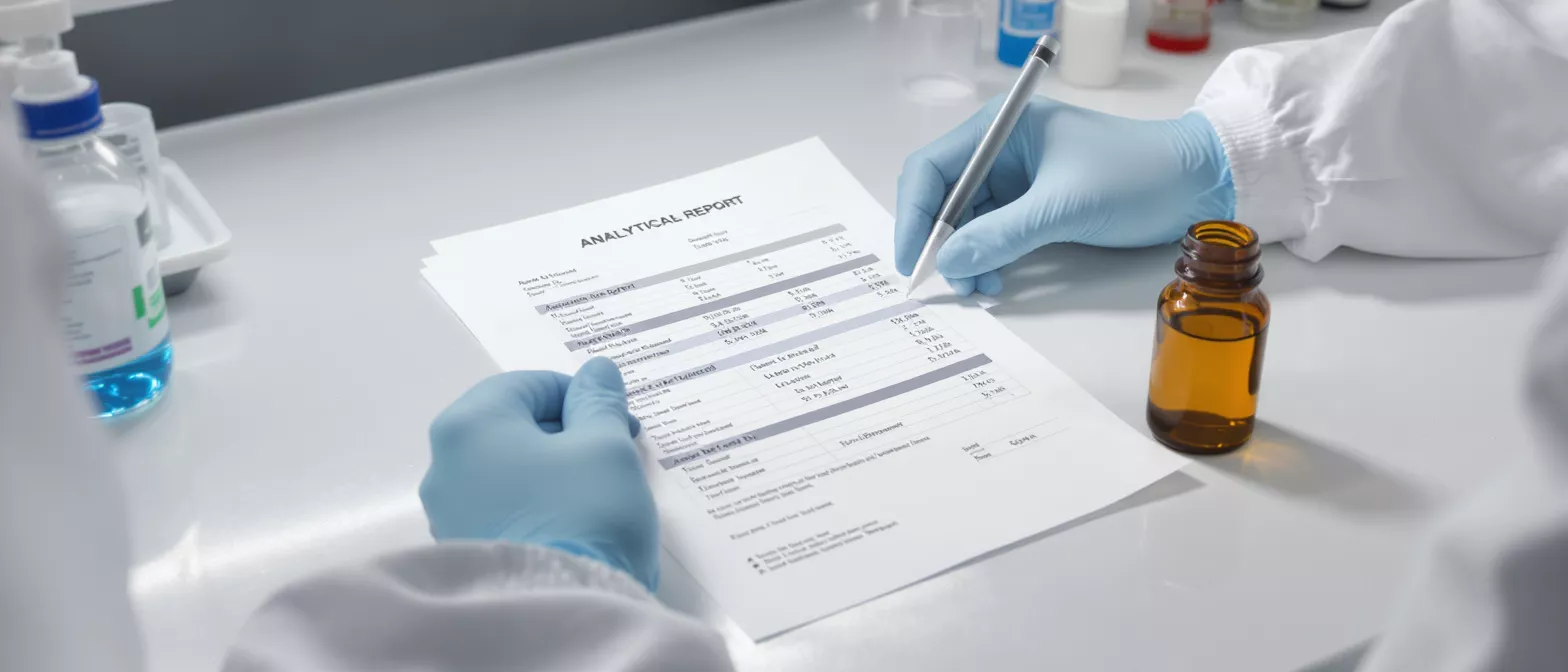
Read the label like a pro. Premium rosin should clearly state whether it is live, hash, or flower rosin, the source cultivar, the press date, and ideally the wash and micron details for hash rosin. Look for lab testing that confirms potency and screens for contaminants. A reputable distributor or extraction artist will be transparent about their process; vague labeling is a red flag worth heeding.
Color and consistency offer useful clues, though they are not the whole story. Fresh, quality rosin typically ranges from light blond to amber, while very dark, oily rosin may indicate older material or high-temperature pressing. That said, a perfectly delicious cold-cure badder can look creamy and opaque, so judge by reputation, testing, and ultimately your own palate rather than appearance alone.
In closing, cannabis rosin represents the purest expression of the plant available in concentrate form — solventless, flavorful, and potent. From understanding how it is pressed to dosing wisely and storing it properly, the knowledge in this guide equips you to shop and consume with confidence. Whether you are a seasoned dabber chasing the perfect terpene profile or a newcomer taking your first careful dab, rosin rewards those who approach it with curiosity and care. As the market matures through 2026, the consumers who thrive will be the ones who prioritize quality, transparency, and responsible use above all else.