Best Cannabutter Guide: What to Know in 2026
Master cannabutter with our complete 2026 guide.
What Is Cannabutter and Why It Matters
Cannabutter is the cornerstone of nearly every homemade edible, and understanding it well is the difference between a forgettable batch and a consistently great one. At its simplest, cannabutter is regular butter that has been gently infused with the active compounds from cannabis flower or trim. Because cannabinoids are fat-loving molecules, butter — rich in dairy fat — becomes an ideal carrier, drawing those compounds out of the plant material and locking them into a medium you can bake, sauté, or spread.
The reason cannabutter has endured for decades, while flashier extracts and gummies come and go, is its sheer versatility. A single jar can become brownies, pasta sauce, morning toast, or a finishing drizzle over roasted vegetables. The plant's full chemical profile — the cannabinoids alongside aromatic terpenes and protective flavonoids — transfers into the fat, giving the result a depth that isolated distillates often lack.
Making your own also gives you control that store-bought products simply cannot match. You choose the genotype, the potency, the quality of the butter, and the exact ratio of plant to fat. That control is why so many home cooks treat cannabutter as a foundational skill rather than a one-off recipe. Once you master it, the door opens to an entire kitchen of possibilities, and you stop guessing about what is actually in your food.
How Cannabutter Works in the Body
Why fat matters so much: Cannabinoids such as THC and CBD are lipophilic, meaning they bind readily to fat rather than water. When you simmer flower in butter, the dairy fat acts like a sponge, absorbing those compounds. This is also why edibles feel different from smoking: your liver metabolizes ingested cannabinoids into a more potent, longer-lasting form before they reach your bloodstream. Research compiled by the National Center for Biotechnology Information documents this first-pass liver metabolism in detail.
The onset is the biggest behavioral difference. Inhaled cannabis hits within minutes, but cannabutter eaten in a baked good can take 45 minutes to two hours to register, depending on your metabolism and whether you ate it on an empty stomach. That delay is the single most common reason newcomers overdo it — they assume nothing is happening and eat more.
The effects also last considerably longer, often four to eight hours. A full-spectrum infusion that retains the plant's natural terpene and flavonoid content tends to produce a rounder, more balanced experience than a one-note distillate. If you are new to infused cooking, a low-dose infused butter starter kit makes it far easier to build tolerance gradually rather than gambling on a heavy homemade batch.
Best Cannabutter Ingredients to Start With
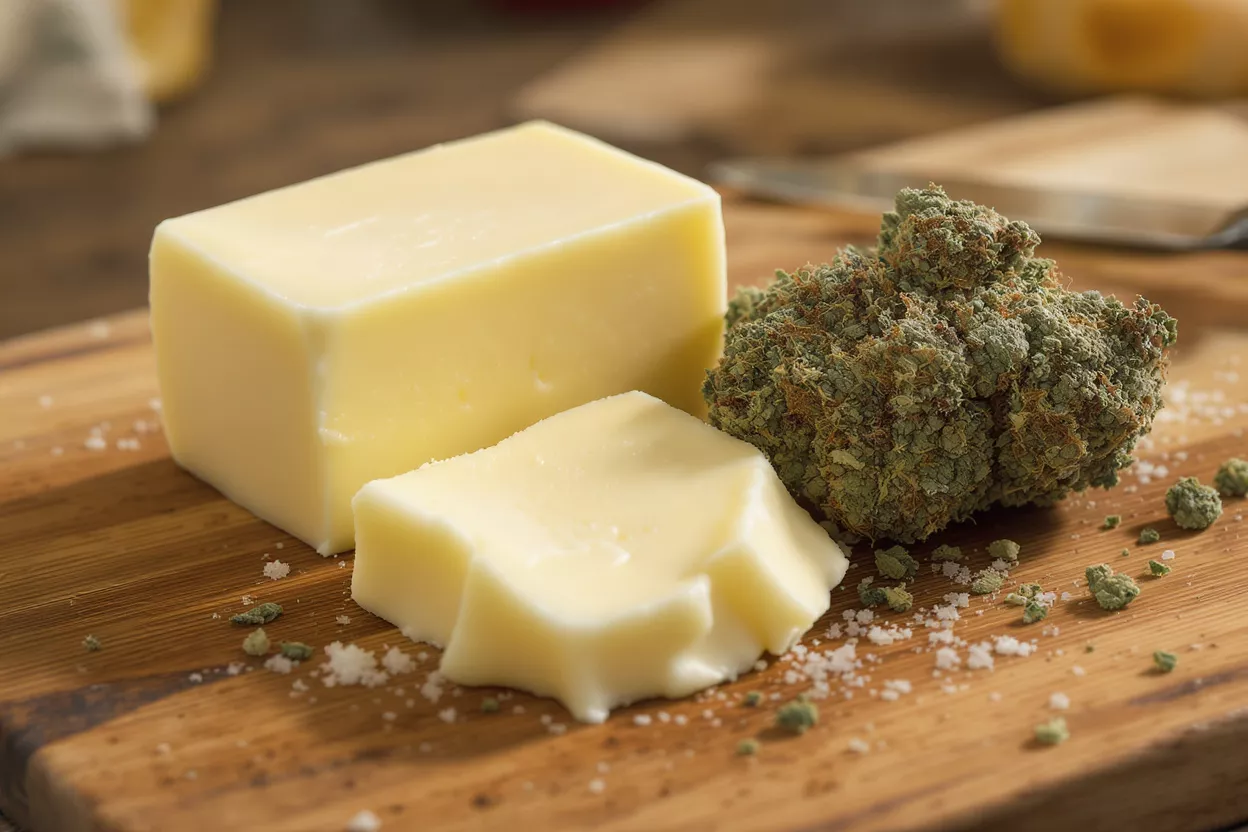
Choosing your butter: Use a high-fat, unsalted butter whenever possible. The higher the fat content, the more cannabinoids it can hold, and unsalted gives you full control over seasoning in the final dish. Some cooks blend in a little clarified or fractionated coconut oil to raise the fat ceiling and improve shelf stability, though pure butter remains the classic choice for flavor.
Choosing your flower: The quality of your starting material defines the ceiling of your result. Whether you grew it from feminized seeds or bought it from a dispensary, look for well-cured, aromatic flower. Trim and smaller buds work perfectly for infusions, so this is a smart place to use material you would not necessarily smoke. A small amount of lecithin, often derived from glycerin-rich sources, can help emulsify the fat and is thought by many cooks to improve absorption.
Beyond the two essentials, a few supporting ingredients make the process smoother. Here is a quick starter list to gather before you begin:
- 🧈 Unsalted butter: one pound (four sticks) per quarter-ounce of flower is a reliable starting ratio.
- 🌿 Cured flower or trim: dried thoroughly so it grinds without clumping.
- 💧 Filtered water: added to the simmer to prevent scorching and lift away chlorophyll.
- 🧂 Cheesecloth or fine strainer: for separating spent plant material cleanly.
- 🌡️ A reliable thermometer: the single most underrated tool for consistent results.
How to Make Cannabutter Step by Step
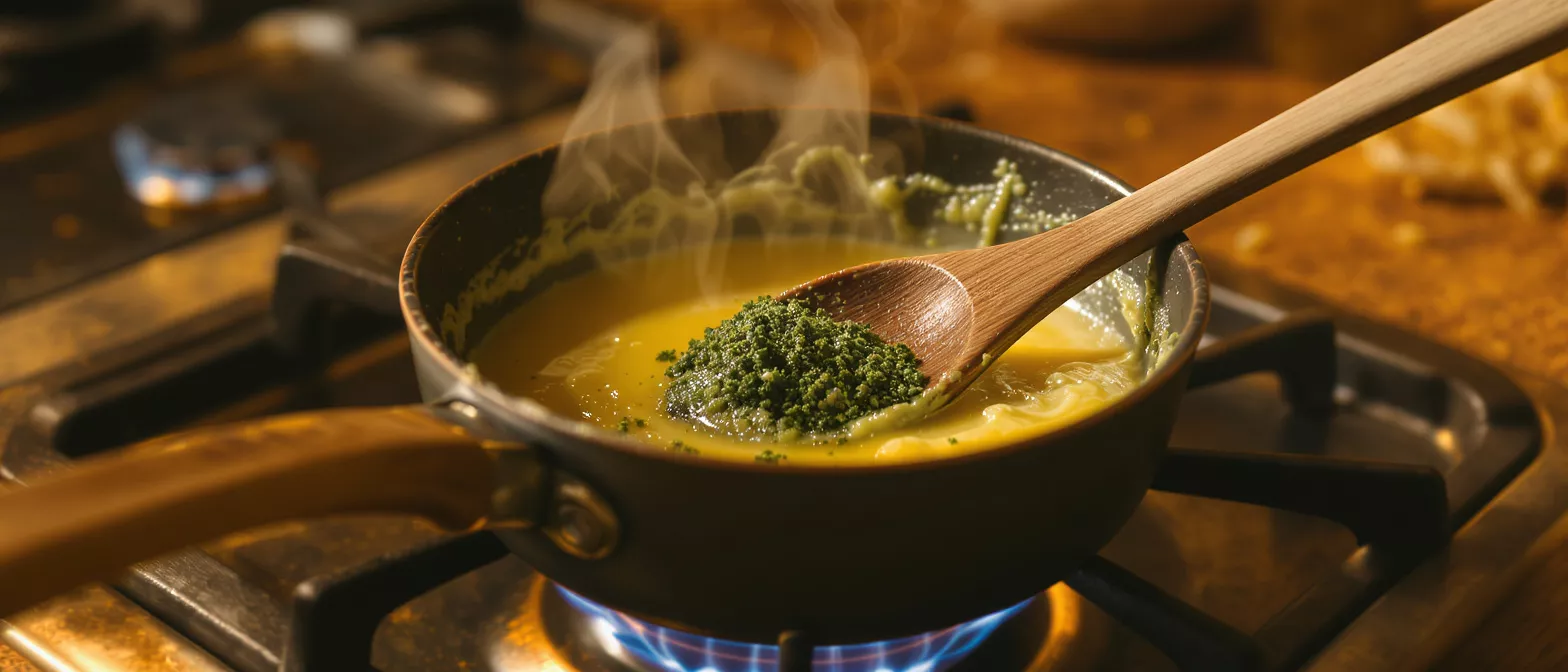
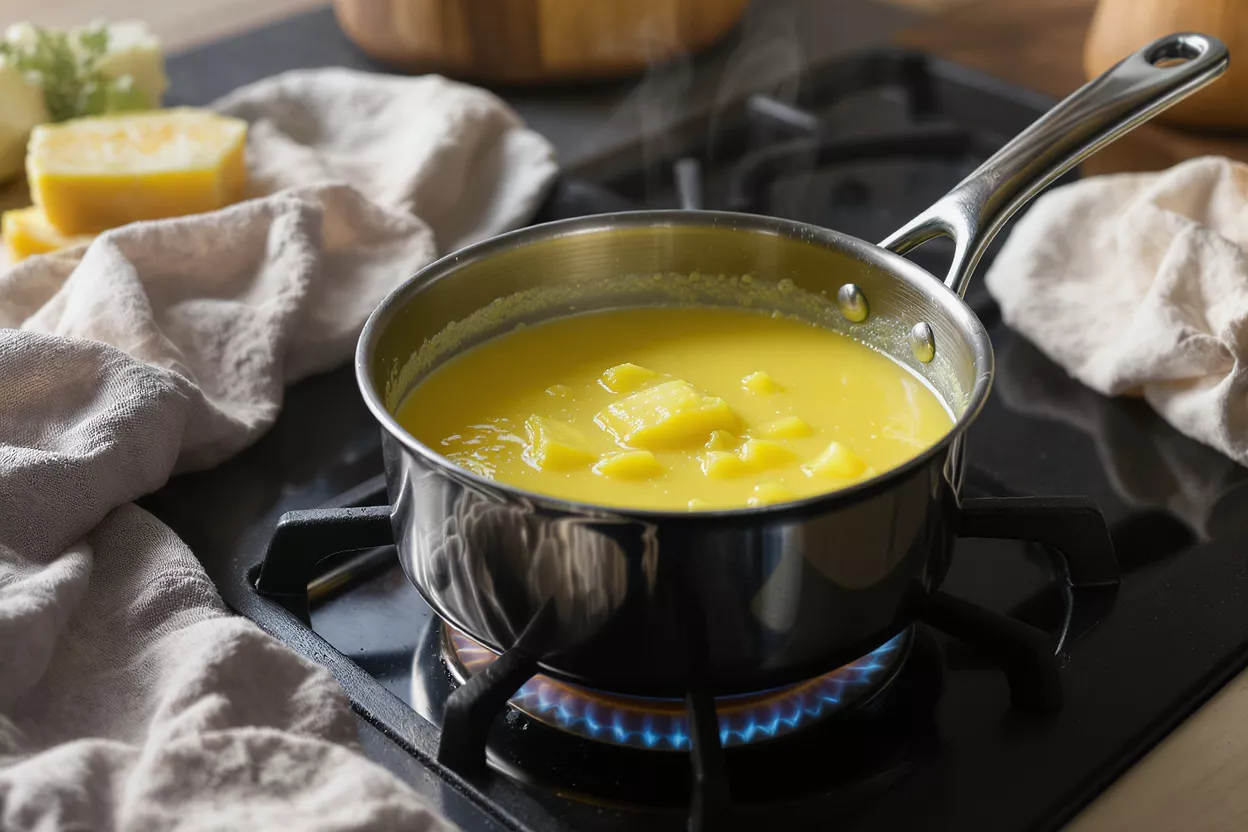
The actual cooking is forgiving once you respect temperature. Begin by decarboxylating your flower (covered in detail in the next section), then add it to a saucepan with your butter and a roughly equal volume of water. The water acts as a thermal buffer, keeping the butter from climbing into the range where cannabinoids and terpenes start to degrade.
Low and slow wins: Maintain a gentle simmer between 160°F and 200°F for two to three hours, stirring occasionally. You never want a rolling boil. The mixture should look glossy and gently bubble around the edges. After simmering, strain through cheesecloth into a heat-safe container, pressing lightly — squeezing too hard pushes bitter chlorophyll and a vegetal flavor into the finished butter.
Once strained, refrigerate the container. The butter will solidify and rise to the top, leaving the water and impurities below. Lift off the hardened disc, discard the water, and you have your finished cannabutter. The whole process rewards patience over aggression; a precision kitchen thermometer removes nearly all the guesswork that trips up first-timers.
Decarboxylation Explained for Cannabutter
What decarbing actually does: Raw cannabis contains acidic cannabinoids like THCA that are not intoxicating. Heat converts them into their active forms through a chemical reaction called decarboxylation — the same reason smoking or vaping works instantly. Skip this step and your cannabutter will be weak no matter how long you simmer it. The peer-reviewed literature indexed by PubMed describes how this conversion depends on both temperature and time.
The standard home method is straightforward: spread ground flower on a parchment-lined tray and bake at roughly 240°F for 30 to 45 minutes, stirring once halfway. You are aiming to activate the cannabinoids without cooking off the delicate terpenes such as fenchol or the geranyl-derived aromatics that give each strain its character. Too hot, and you trade potency and flavor for a harsh, toasted note.
Texture is your visual cue. Properly decarbed flower turns a light golden-brown and crumbles easily, almost like dried oregano. If it scorches dark brown, you have pushed too far. Letting it cool before infusing also helps preserve the fragile aromatic compounds that survive the oven.
Cannabutter Dosing Guide for Beginners
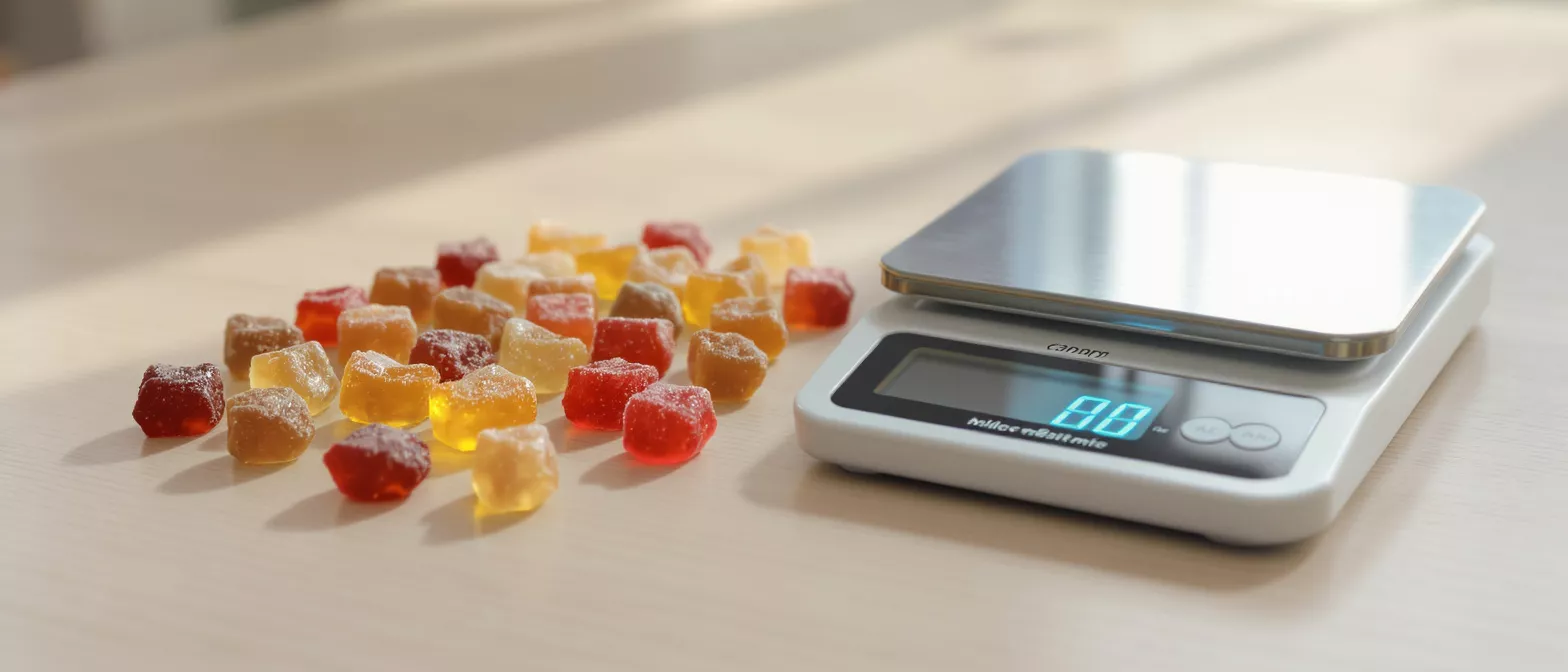
Dosing homemade cannabutter is inherently an estimate, because flower potency varies and home infusions are never lab-perfect. The safest approach treats every new batch as unknown territory. Start with a small portion of any finished dish, wait a full two hours before deciding whether to eat more, and write down what you used so you can reproduce or adjust next time.
Estimating potency: If you know the rough THC percentage of your flower, you can ballpark a batch. A quarter-ounce of 20% THC flower contains roughly 1,400 mg of THC before any cooking losses. Infusions are inefficient, so assume real-world transfer well below that, then divide across the number of servings. The math is imperfect, which is exactly why the slow-and-cautious tasting approach matters more than the calculator.
The golden rule for newcomers is to under-dose deliberately. Here is a simple reference for thinking about strength per serving:
- 🟢 Microdose (1–2.5 mg): subtle, functional, ideal for first-timers testing tolerance.
- 🔵 Low (2.5–5 mg): mild relaxation, good for casual social use.
- 🟡 Moderate (5–10 mg): noticeable effects; respect the onset delay.
- 🔴 Strong (10 mg+): experienced users only; easy to overshoot with homemade butter.
If you do overshoot, do not panic. Greening out is uncomfortable but not dangerous — hydrate, find a calm space, and let time do its work. A CBD-balanced tincture kept on hand can take the edge off an overly intense experience for some people.
Best Cannabutter Recipes to Try at Home
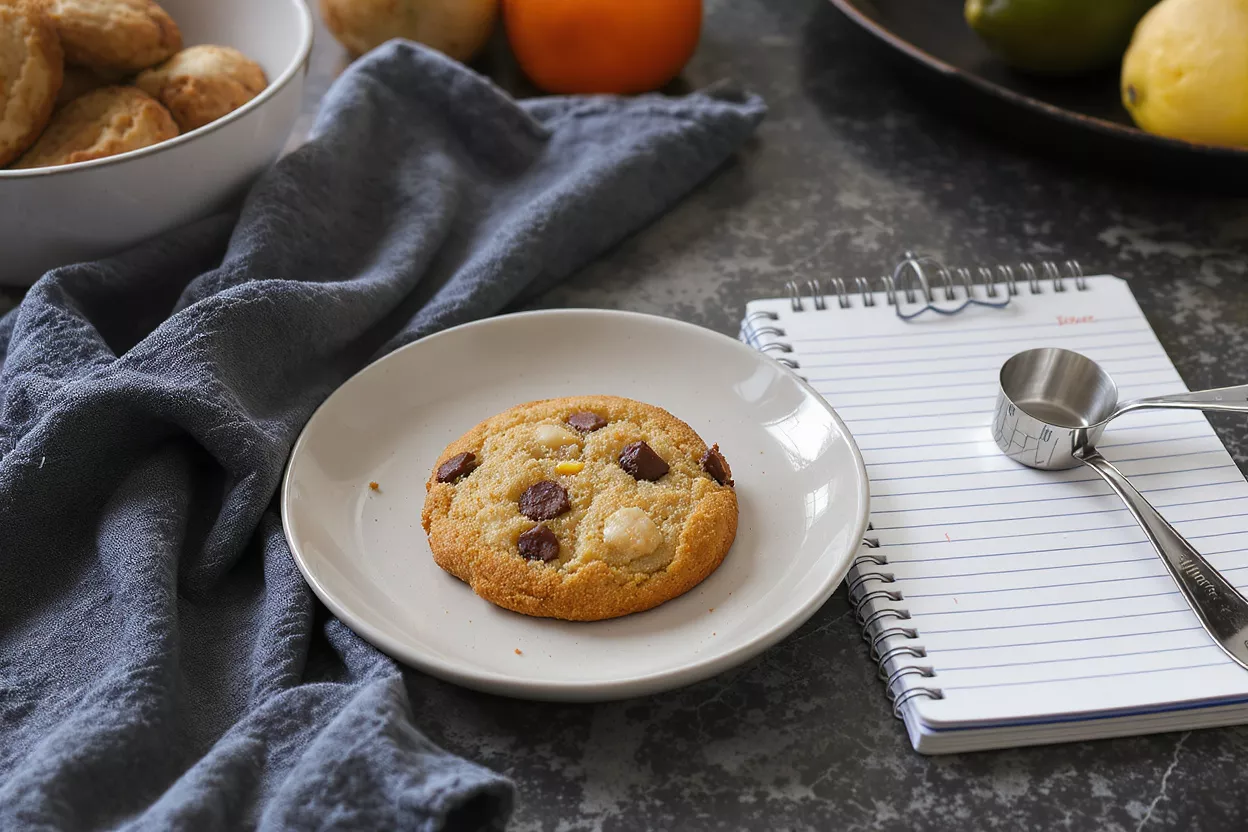
Once your butter is made, almost any recipe that calls for butter becomes a canvas. Classic brownies remain popular for a reason — their rich cocoa flavor masks the herbal undertone beautifully — but cannabutter shines just as well in savory cooking. Stirred into a finished risotto, melted over popcorn, or whisked into a garlic compound butter for steak, it adapts effortlessly.
Heat is the one rule: Whatever you cook, keep temperatures moderate. Cannabinoids begin degrading well below the smoke point of butter, so avoid recipes that demand prolonged high-heat frying. Folding cannabutter into a sauce at the end, or using it in low-and-slow baked goods, protects the potency you worked to build. This is the same principle behind flushing impurities during cultivation — gentle handling preserves the good and removes the harsh.
Flavor pairing is worth a thought, too. The cannabis flavor profile leans herbal and slightly piney, which complements chocolate, browned butter, citrus, and bold savory dishes. If the grassy note bothers you, a touch more salt, vanilla, or aromatic spice in the recipe rounds it out without masking what makes infused cooking enjoyable.
Storing Cannabutter for Maximum Freshness
Refrigeration and freezing: Treat cannabutter like premium dairy. In an airtight container in the refrigerator, it keeps for about two to three weeks. For longer storage, freeze it — well-wrapped cannabutter holds its quality for up to six months. Portioning it into a silicone mold or ice-cube tray before freezing gives you pre-measured pieces you can pull as needed.
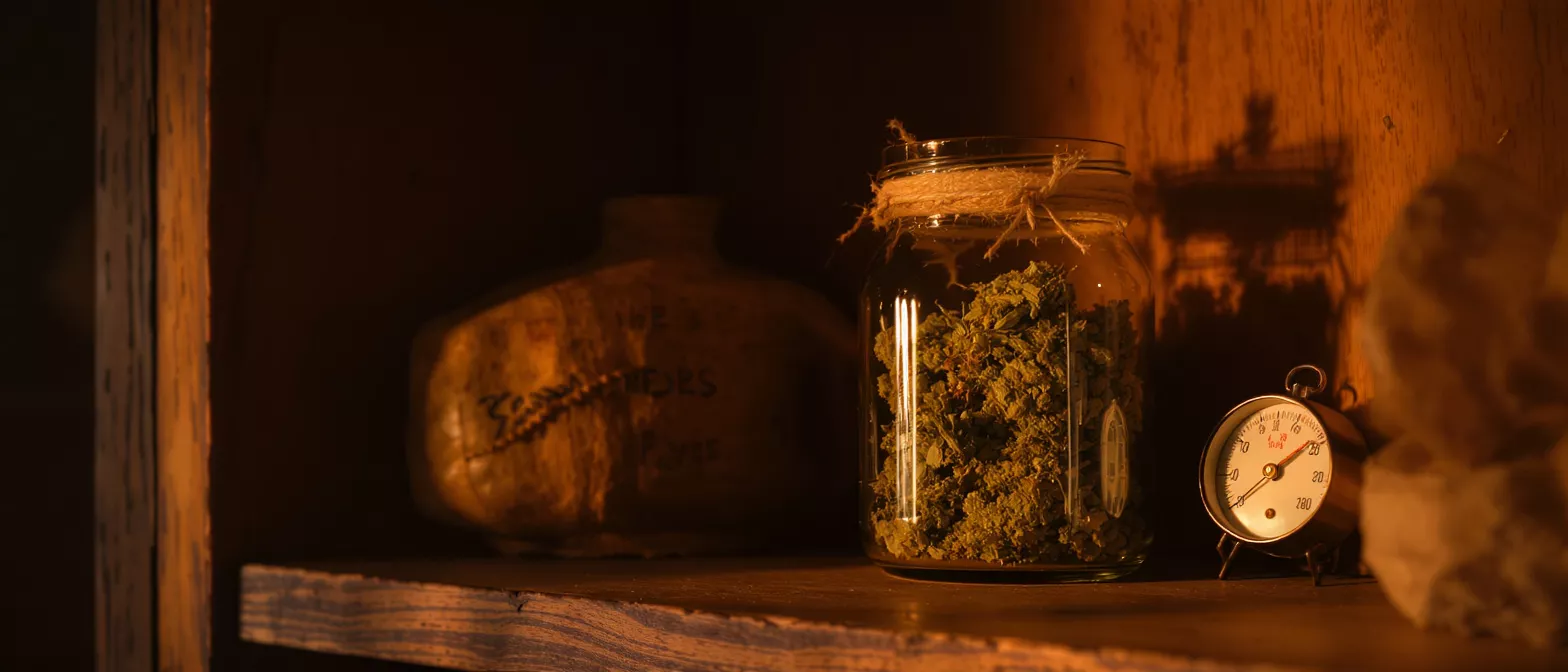
Light, heat, and air are the enemies of potency. Cannabinoids degrade with exposure to oxygen and ultraviolet light, so an opaque or amber container stored in the back of the fridge outperforms a clear dish on the counter. Label everything with the date and your potency notes; a month from now you will not remember which batch was which.
If you notice any off smell, discoloration, or signs of spoilage, trust your senses and discard it, just as you would with regular butter. Properly handled cannabutter stays fresh, fragrant, and reliable across its entire storage window.
Is Cannabutter Safe to Use Regularly
For healthy adults using it responsibly, cannabutter is generally considered low-risk, but a few honest caveats apply. The biggest practical danger is accidental overconsumption, especially when infused food looks identical to ordinary food. Edibles must be stored well out of reach of children and pets, ideally in a locked or clearly labeled container, because a curious child cannot tell a regular brownie from a medicated one.
Who should be cautious: People who are pregnant or breastfeeding, anyone on medications metabolized by the liver, and those with a history of cardiovascular or psychiatric conditions should consult a healthcare professional before using infused products. Because edibles route through the liver, they can interact with certain prescriptions more significantly than inhaled cannabis does.
Beyond cannabis itself, remember you are still eating butter — a calorie-dense fat. Moderation serves both your tolerance and your overall diet. Functional ingredients are no excuse to overindulge, and the same restraint you would apply to any rich food applies here. Used thoughtfully, cannabutter fits comfortably into an adult's wellness routine.
Cannabutter Troubleshooting and Common Mistakes
Weak butter: The most frequent complaint is butter that barely works, and the culprit is almost always skipped or rushed decarboxylation, or a simmer that never reached an effective temperature. Re-check your decarb time and use a thermometer rather than guessing — heat that is too low fails to activate, while heat that is too high burns off potency. There is a real sweet spot, and tools help you hit it.
Another common error is over-pressing the cheesecloth, which forces bitter chlorophyll into the finished butter and produces that intensely vegetal, hay-like flavor many people dislike. Strain gently and let gravity do most of the work. Using too much plant material relative to fat creates the same problem, crowding the butter with harsh compounds without meaningfully boosting strength.
Finally, inconsistency between batches usually traces back to inconsistent inputs. Different flower, different ratios, and different simmer times all shift the result. Keep a simple log of what you used and what happened. Over a few rounds, you will dial in a repeatable method that produces the same reliable butter every time — which is the entire point of making it yourself. With patience, good ingredients, and a little record-keeping, cannabutter becomes one of the most rewarding and dependable skills in any home kitchen.