

Best Cannabis for Appetite Guide: What to Know in 2026
Discover the best cannabis for appetite in 2026.
What Is the Best Cannabis for Appetite?
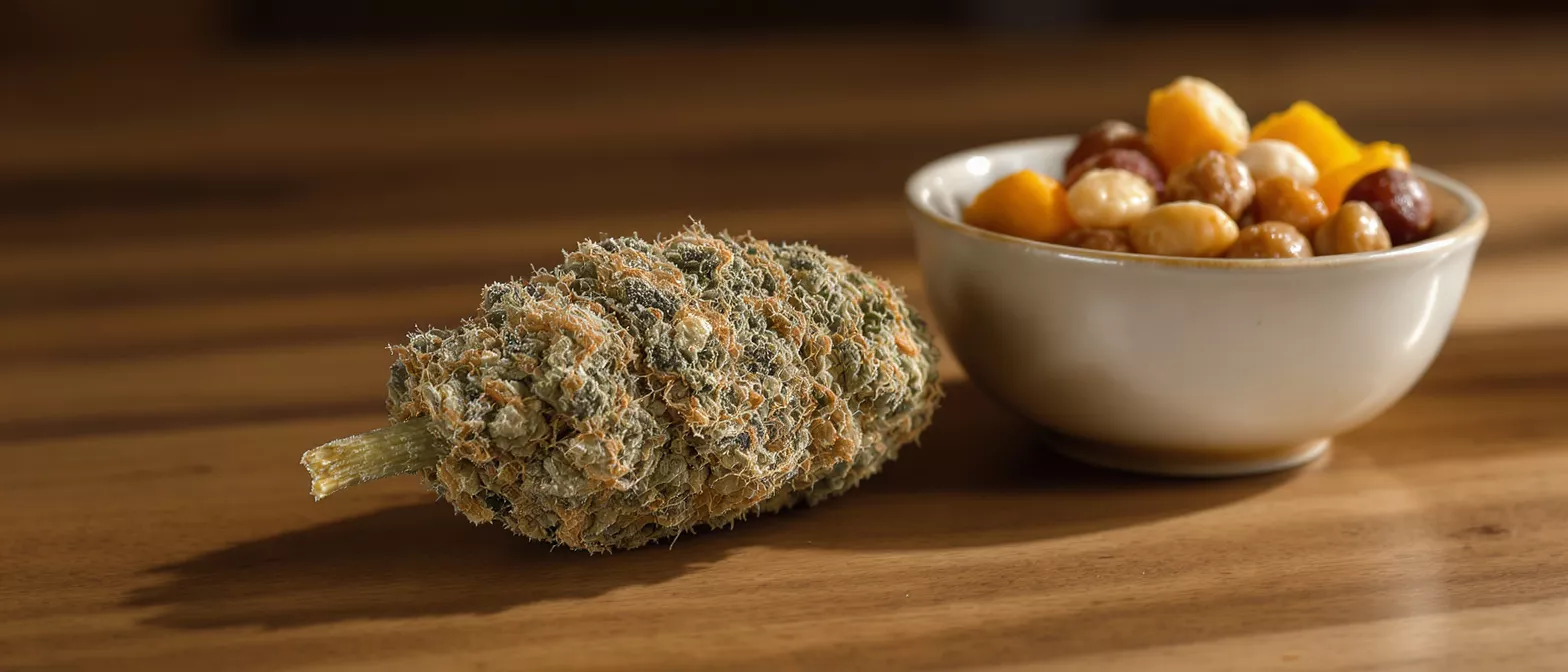
The best cannabis for appetite is the flower, concentrate, or edible that reliably triggers hunger signals without leaving you sedated, anxious, or foggy. For many people, a poor appetite is more than an inconvenience — it can accompany chemotherapy, certain medications, digestive disorders, or simply a stressful season of life that flattens the desire to eat. Cannabis has earned a long-standing reputation as a hunger stimulant precisely because compounds within the plant interact directly with the systems that regulate when and why we feel like eating.
Not every product works the same way, though. A high-THC indica may melt you into the couch and spark a ravenous craving, while a balanced hybrid keeps you functional and gently nudges your stomach awake. Understanding which variety suits your goals is the difference between a frustrating experience and a genuinely helpful one. The "best" choice is personal, and it depends on potency, terpene profile, format, and your own tolerance.
Throughout this guide we will unpack the science, compare strain types, walk through dosing, and look at the formats worth shopping in 2026. Whether you are new to the plant or a seasoned consumer refining your routine, the goal is to give you the knowledge to choose confidently rather than guess.
How Cannabis for Appetite Works in the Body
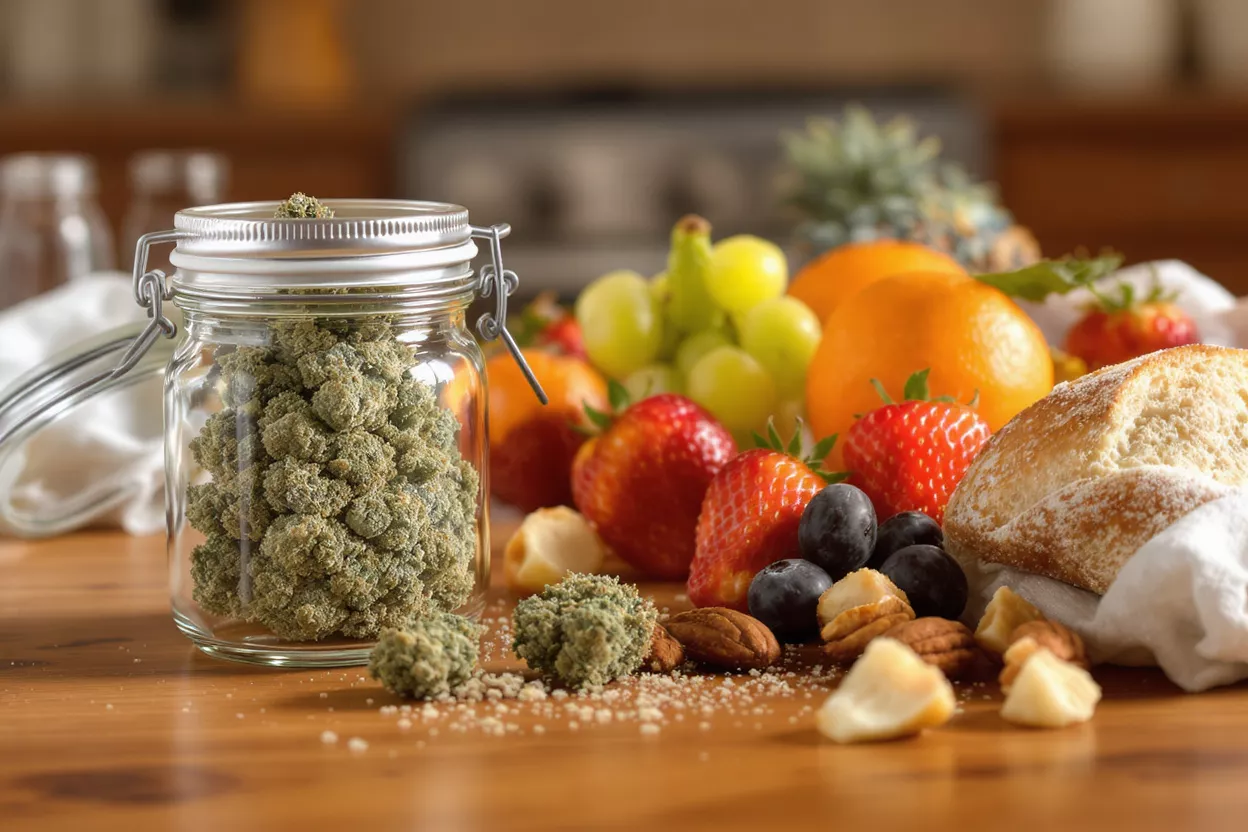
The endocannabinoid system and hunger: Your body has a built-in network called the endocannabinoid system that helps balance mood, pain, sleep, and — crucially here — appetite. THC mimics the body's own endocannabinoids, binding to CB1 receptors concentrated in the hypothalamus and brainstem, regions that orchestrate feeding behavior. When THC activates these receptors, it can amplify the brain's perception of hunger even when the stomach is technically full. Research published in Nature has explored how cannabinoid signaling sharpens the sensory reward of food, which helps explain why flavors seem more vivid after consuming.
Why THC makes food more rewarding: Beyond simply switching hunger on, THC appears to heighten the pleasure of eating by interacting with dopamine pathways and the olfactory bulb. This is why a meal that felt unappealing an hour earlier can suddenly seem irresistible. The plant essentially turns up the volume on taste and smell, making food more enticing rather than just permissible.
Hormones matter too. THC influences ghrelin, the hormone that signals hunger, and may blunt leptin, the hormone that tells you you are full. The combined effect is a body more inclined to seek out and enjoy a meal. For someone whose appetite has been suppressed, this cascade can restore an otherwise missing cue to eat.
Best Strains of Cannabis for Appetite Stimulation
Certain cultivars have built a loyal following specifically for their hunger-inducing punch. While individual chemistry varies, strains rich in THC and certain terpenes tend to deliver the most reliable munchies. Below is a scannable shortlist of cultivars long associated with appetite stimulation.
- 🍪 Girl Scout Cookies: A potent hybrid whose dessert-like terpenes seem to prime the palate for sweets and rich foods.
- 🥭 Mango Kush: Loaded with myrcene, this strain pairs a relaxed body feel with a notable craving boost.
- 🌬️ Pineapple Express: An uplifting choice that stirs hunger without flattening your energy.
- 🛋️ Northern Lights: A classic indica that brings deep relaxation and a strong urge to snack.
- 🔥 Skywalker OG: Heavy hitting and sedating, popular among those needing a powerful appetite jump-start.
When browsing dispensary shelves, look at the terpene panel as closely as the THC percentage. Myrcene, the dominant terpene in many of these cultivars, contributes to the sedating, hunger-forward effect, while caryophyllene and limonene round out the experience. A well-curated high-myrcene indica flower often outperforms a generic high-THC strain when appetite is the priority.
Keep in mind that growing conditions, the skill of the extraction artist behind a concentrate, and how the fan leaf and trim were handled all influence the final terpene expression. Two batches of the same strain can feel surprisingly different, so treat strain names as a starting point rather than a guarantee.
Indica vs Sativa: Which Cannabis Boosts Appetite?
The indica reputation for the munchies: Indica-leaning varieties carry the classic association with appetite because they tend to be higher in myrcene and deliver the heavy, relaxed body effect people link with snacking. If your goal is to wind down in the evening and rediscover your hunger, an indica or indica-dominant hybrid is usually the more dependable starting point.
Sativas are not out of the running, however. Many sativa-leaning strains still spark appetite while keeping you alert and social, which suits daytime use when you cannot afford to feel couch-locked. The energizing profile can also help people whose poor appetite stems from low mood or fatigue, since feeling brighter often makes eating more appealing.
The truth is that the indica-versus-sativa divide is a loose marketing framework rather than a precise predictor. Cannabinoid and terpene content matter far more than the label. Rather than fixating on the category, examine the chemical profile and your own response. Keeping a simple journal of what you tried, the dose, and how hungry you felt afterward will teach you more than any generalization.
Delta-9 THC and the Munchies Explained
Delta-9 THC is the primary psychoactive compound responsible for the famous munchies. It is the cannabinoid that binds most enthusiastically to CB1 receptors and drives the appetite surge that consumers expect. When a product lists its THC content, it is most often referring to delta-9 THC concentration.
Why concentration matters for appetite: Higher delta-9 THC does not always mean a stronger appetite effect — there is a ceiling, and too much can flip relaxation into anxiety, which suppresses hunger. A moderate, well-tolerated dose tends to produce the cleanest craving without the unwanted edge. This is why precise dosing, covered later, is so important.
Other cannabinoids play supporting roles. THCV, sometimes called the "diet weed" cannabinoid, can actually blunt appetite at certain doses, so strains marketed for weight management often feature it. CBD modulates THC's intensity and may smooth out anxiety, which indirectly protects appetite. Understanding this interplay helps you read a label and predict how a balanced THC and CBD tincture might behave compared to a pure THC extract or elixir.

Types of Cannabis for Appetite: Edibles, Vapes and More
The format you choose shapes how quickly appetite arrives and how long it lasts. Each delivery method has trade-offs in onset speed, duration, and convenience. Here is a quick comparison to help you match the format to your needs.
- ⚡ Vaping flower or a disposable vape: Fast onset within minutes, ideal when you need to spark hunger before a meal that is already on the table.
- 🍬 Edibles and gummies: Slow onset of 30 to 90 minutes but long-lasting, useful for sustained appetite across a difficult day.
- 💧 Tinctures and elixirs: Sublingual drops offer moderate onset and easy, precise dosing control.
- 🌫️ Dabbing concentrates: Using an e-rig or e-nail with an emulsion or ethanol hash oil delivers intense, immediate effects for experienced users.
- 🚬 Smoking a joint with a crutch: The traditional route, with quick onset and full control over how much you consume puff by puff.
For most people seeking appetite support, inhalation offers the advantage of timing — you can take a few draws and feel hungry within minutes, then eat while the effect is fresh. A clean disposable vape or a session through a downstem-equipped piece both work well for this immediate approach.
Edibles, by contrast, require planning. Because the liver converts THC into a more potent metabolite, edibles hit harder and last longer, which is excellent for someone who struggles to eat across an entire afternoon. Start low with edibles, since the delayed onset tempts people to redose too soon. A reliable low-dose appetite gummy lets you build up gradually without overshooting.
Cannabis for Appetite Dosing Guide
Finding your minimum effective dose: The golden rule is to start low and go slow. For inhaled cannabis, one or two draws and a ten-minute wait is enough to gauge your response. For edibles, 2.5 to 5 milligrams of THC is a sensible starting point for newcomers, with experienced consumers often comfortable at 10 milligrams or more. The aim is the lowest dose that reliably wakes up your appetite without unwanted side effects.
Tolerance shifts the math. Regular consumers need more to feel the same craving, while a long break resets sensitivity. If you find yourself climbing doses, a short tolerance break can restore your responsiveness and let you return to lower, more comfortable amounts.
Below is a simple framework many people use to dial in their routine.
- 🌱 Microdose first: Try the smallest amount and observe for a full onset window before adding more.
- 📝 Track your response: Note dose, format, and how hungry you felt to refine over time.
- 🕒 Time it to meals: Dose so the peak effect aligns with when food will be available.
- ⬆️ Adjust gradually: Increase by small increments only if the previous dose fell short.
Cannabis for Appetite Benefits Beyond Hunger
Restoring appetite is rarely the only thing people want from cannabis. The same compounds that switch on hunger often address the underlying reasons appetite vanished in the first place. Nausea, for instance, is a common appetite killer, and THC's antiemetic properties can settle the stomach enough to make eating possible again.
Mood, sleep, and the appetite connection: Stress, anxiety, and poor sleep all suppress the desire to eat. Cannabis varieties that calm the nervous system can indirectly rebuild appetite by removing these obstacles. A relaxed mind and a rested body are far more receptive to food, so the appetite benefit is sometimes a downstream effect of better sleep and lower stress rather than a direct hunger trigger.
Pain relief belongs in this conversation too. Chronic pain drains energy and dulls interest in meals, and easing that discomfort can free up the mental space to enjoy eating. Some consumers also pair cannabis with wellness staples like cordyceps, chaga, or curcumin in their broader routine, layering complementary supports rather than relying on a single lever. The plant rarely works in isolation, and appreciating its overlapping effects helps you set realistic expectations.
Is Cannabis for Appetite Safe to Use?
For most healthy adults, using cannabis to support appetite is well tolerated, but it is not risk-free and deserves a thoughtful approach. The most common downsides are temporary: dry mouth, drowsiness, mild dizziness, or — at high doses — anxiety. Staying hydrated and choosing a comfortable setting reduces most of these.
Who should be cautious: People who are pregnant, breastfeeding, managing a heart condition, or taking medications that interact with cannabis should consult a clinician before starting. Adolescents should avoid recreational use, since the developing brain is more sensitive to THC. If appetite loss is sudden or severe, treat it as a medical issue first and see a healthcare provider rather than self-treating.
Quality and sourcing matter for safety as much as dosing. Buy from a reputable distributor that provides third-party lab results confirming the product is free of pesticides, heavy metals, and residual solvents. A trustworthy excipient and clean extraction process keep concentrates and edibles safe, so transparency from the brand is non-negotiable. Knowing where your cannabis comes from is one of the simplest ways to protect yourself.
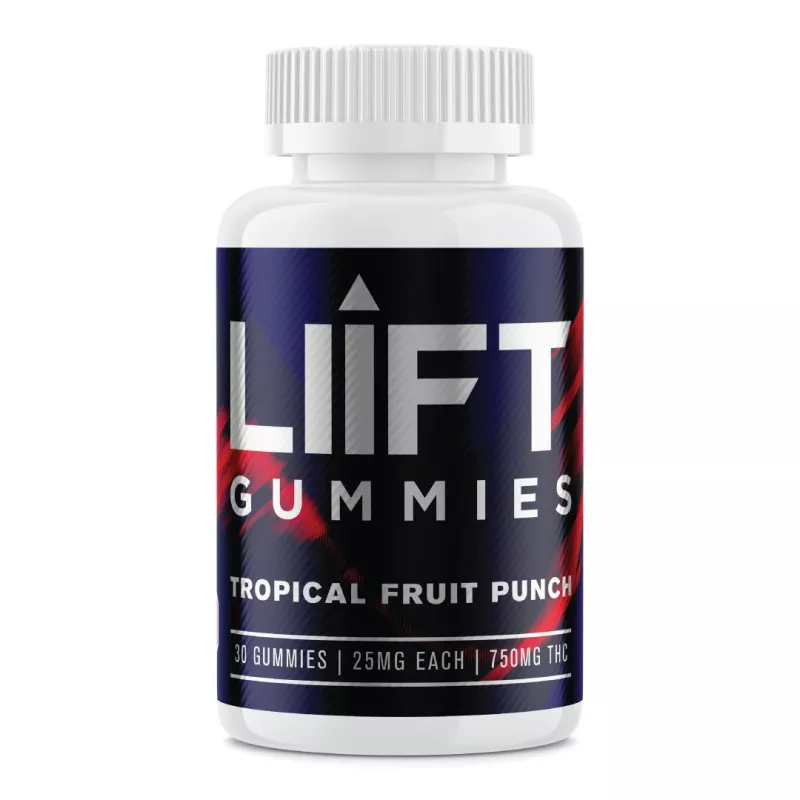

Tropical Fruit Punch THC Gummies 25mg x 30pcs (750mg) – LIIFT
A month of paradise, precisely dosed. LIIFT's Tropical Fruit Punch gummies pack 25mg of THC into each of 30 sugar-dusted cubes — 750mg of reliable, fruit-forward elevation. Bright punch flavour keeps every piece interesting, and the consistent dose makes it easy to find your level. Stock up once and keep good vibes on hand all month.
- Extended Supply : Month of consistent relief
- Value Pricing : Better cost per dose
- Flavor Variety : Punch blend stays interesting
- Reliable Dosing : 25mg consistency
- Convenience Factor : Less dispensary trips
How to Choose Cannabis for Appetite in 2026
The market in 2026 is richer and more transparent than ever, which is good news for anyone shopping with intention. Start by clarifying your goal: do you need a daytime nudge that keeps you functional, or an evening reset that relaxes you into a full meal? That single question narrows the field dramatically and points you toward the right strain category and format.
Next, read the lab certificate and terpene panel rather than chasing the highest THC number. A moderate-potency flower with a hunger-friendly terpene profile will often serve you better than a sky-high extract that tips you into anxiety. Match the delivery method to your timing needs, whether that is a fast-acting vape before dinner or a long-lasting edible to carry you through the afternoon.
Cannabis can be a genuinely useful tool for restoring appetite when chosen with care. Understand how THC engages your endocannabinoid system, respect the importance of dose, favor terpene-rich varieties associated with hunger, and buy from transparent sources. Pair that knowledge with attention to your own response, and you will land on the best cannabis for appetite for your body and your goals — eating well, feeling better, and staying in control of the experience.