Best Cannabis Beverages Guide: What to Know in 2026
Discover the best cannabis beverages for 2026.
What Are Cannabis Beverages
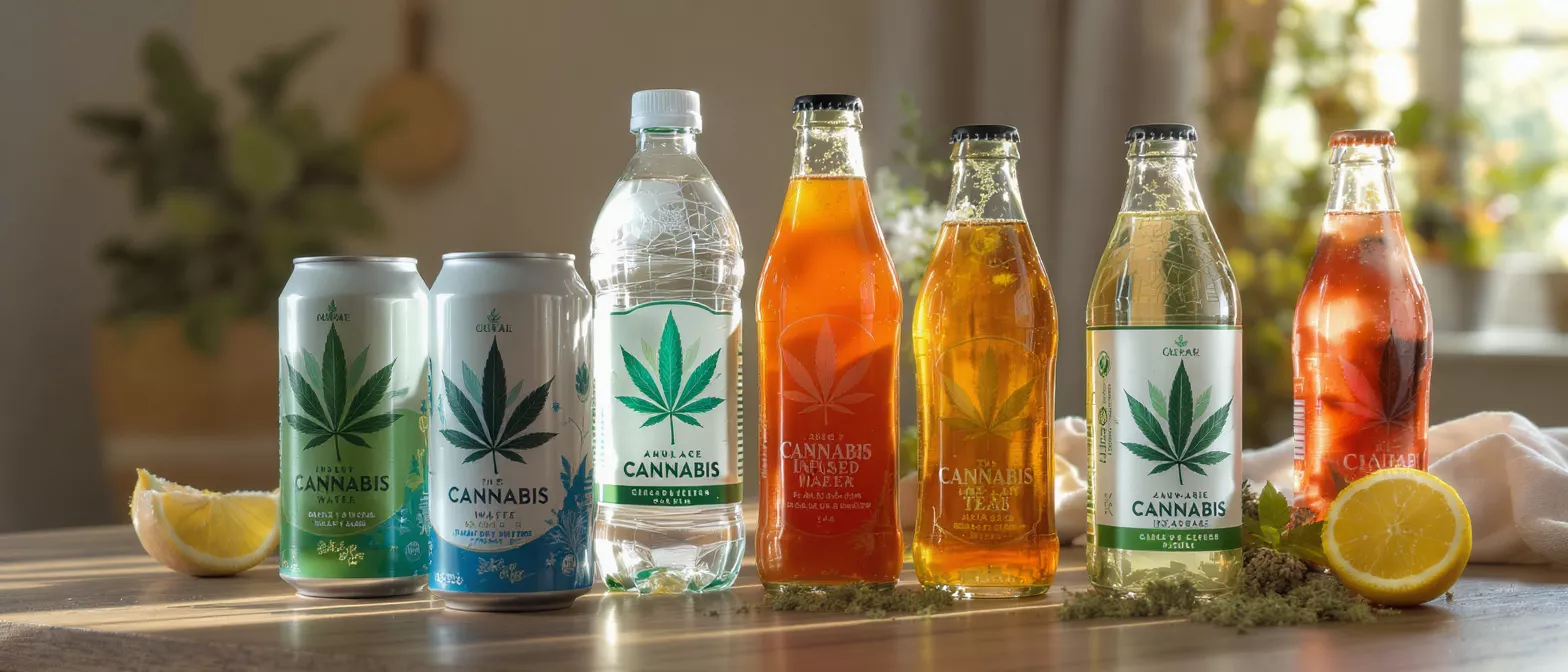
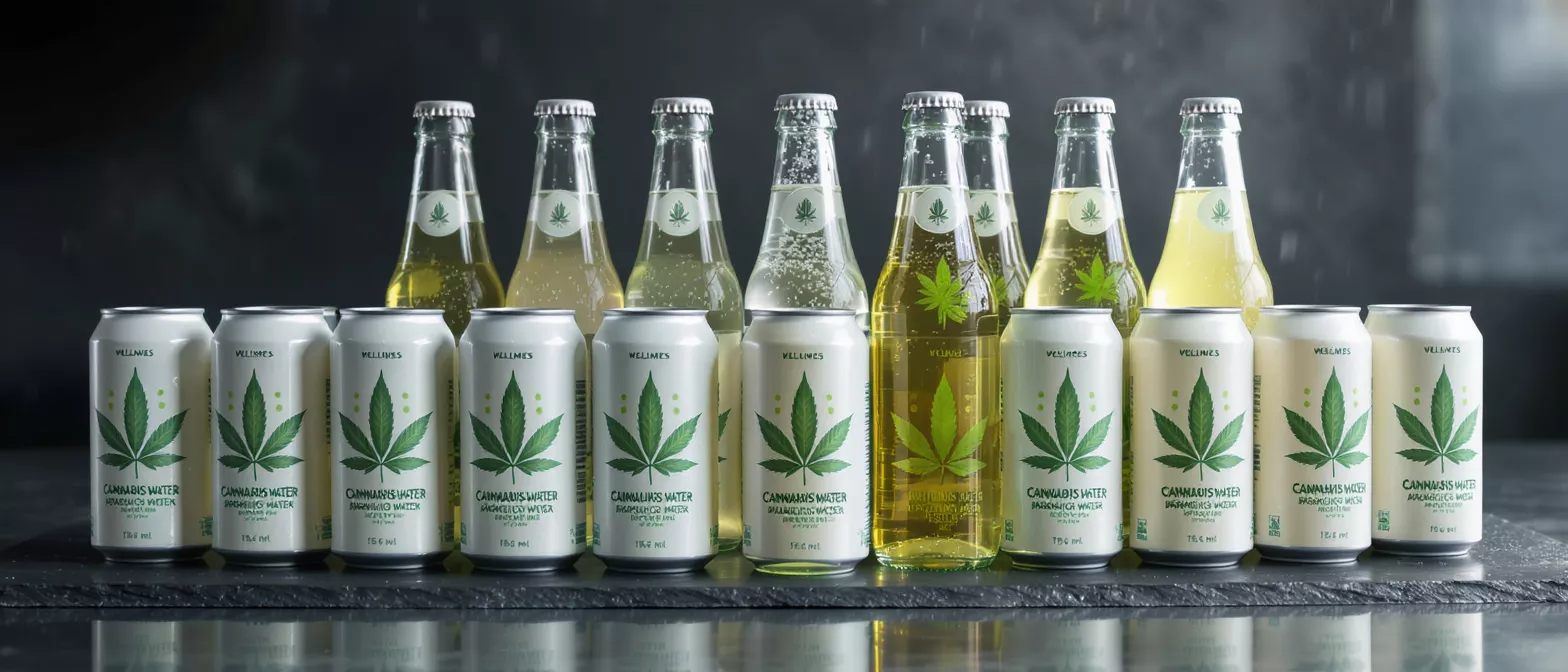
Cannabis beverages have moved from novelty curiosity to one of the fastest-growing corners of the legal market, and for good reason. These are drinks—sparkling waters, sodas, teas, mocktails, even craft-style brews—that have been infused with cannabinoids such as THC or CBD. Instead of inhaling smoke or chewing a gummy, you sip something that looks and feels like an ordinary beverage, which makes the whole experience approachable for people who would never light a joint or pack a bowl.
The category exists because formulators solved a hard chemistry problem. Cannabinoids are oils, and oil does not dissolve in water. Early infused drinks separated, tasted harsh, and delivered effects that arrived an hour late and hit twice as hard as expected. Modern products rely on nanoemulsion technology—a fine emulsion that suspends microscopic cannabinoid droplets evenly throughout the liquid—so the dose is consistent from the first sip to the last.
Why the market shifted toward drinkables: Consumers wanted the social ritual of holding a glass without the calories of alcohol or the next-morning regret. A growing body of research on alcohol's risks, summarized by outlets like Harvard Health, has pushed many adults to look for alternatives. Cannabis beverages slot neatly into that gap, offering a buzz that is easier to control and free of the toxic byproducts of fermentation.
How Cannabis Beverages Work in the Body
When you drink an infused beverage, the cannabinoids travel a different route than they would if you smoked them. Some absorb through the tissues of your mouth and throat, entering the bloodstream quickly. The remainder passes into the stomach and small intestine, where it is metabolized by the liver before reaching circulation. This dual pathway is why a well-made drink can feel faster than a gummy yet still carry a longer tail than a vape.
Nanoemulsion is the key that unlocks this speed. By shrinking cannabinoid droplets to a nanoscale size, formulators dramatically increase the surface area available for absorption. The result is a noticeably quicker onset—often fifteen to thirty minutes rather than the ninety minutes a traditional edible can take. That predictability is one reason a quality fast-acting THC seltzer has become the gateway product for so many newcomers.
The first-pass metabolism factor: Whatever cannabinoid content reaches your liver is converted into different, sometimes more potent compounds. Delta-9 THC, for example, becomes 11-hydroxy-THC, which crosses into the brain efficiently and contributes to the body-heavy feel some drinkers report. Understanding this helps explain why two products with identical milligram counts can feel different depending on how much absorbs orally versus through digestion.
Types of Cannabis Beverages to Know
The drinkables aisle is more diverse than most shoppers expect. What started as a handful of fizzy waters has bloomed into a full menu of formats, each tuned to a different mood and moment. Knowing the categories makes it far easier to pick something you will actually enjoy rather than gambling on the first can you see.
Below is a quick map of the major styles you will encounter, along with what each one tends to do best.
- 🥤 Seltzers and sparkling waters: Low or zero sugar, light and crisp, usually 2–10mg per can—ideal for social sipping.
- 🍵 Infused teas and tonics: Often paired with adaptogens like chaga or cordyceps for a wellness-forward profile.
- 🥂 Mocktails and elixirs: Richer flavors built to replace a cocktail, sometimes with a botanical elixir base.
- 🧃 Juices and shots: Concentrated single-serve formats for a quick, measured dose.
- ☕ Coffee and energy blends: Caffeine plus cannabinoids for daytime focus seekers.
Some premium lines lean on a true emulsion crafted by an experienced extraction artist, while value brands may simply blend a distillate into syrup. The difference shows up in clarity, taste, and how evenly the dose lands. If a drink tastes greasy or leaves an oily film, that is usually a sign the excipient system and emulsion were not dialed in.
Best Cannabis Beverages for Beginners
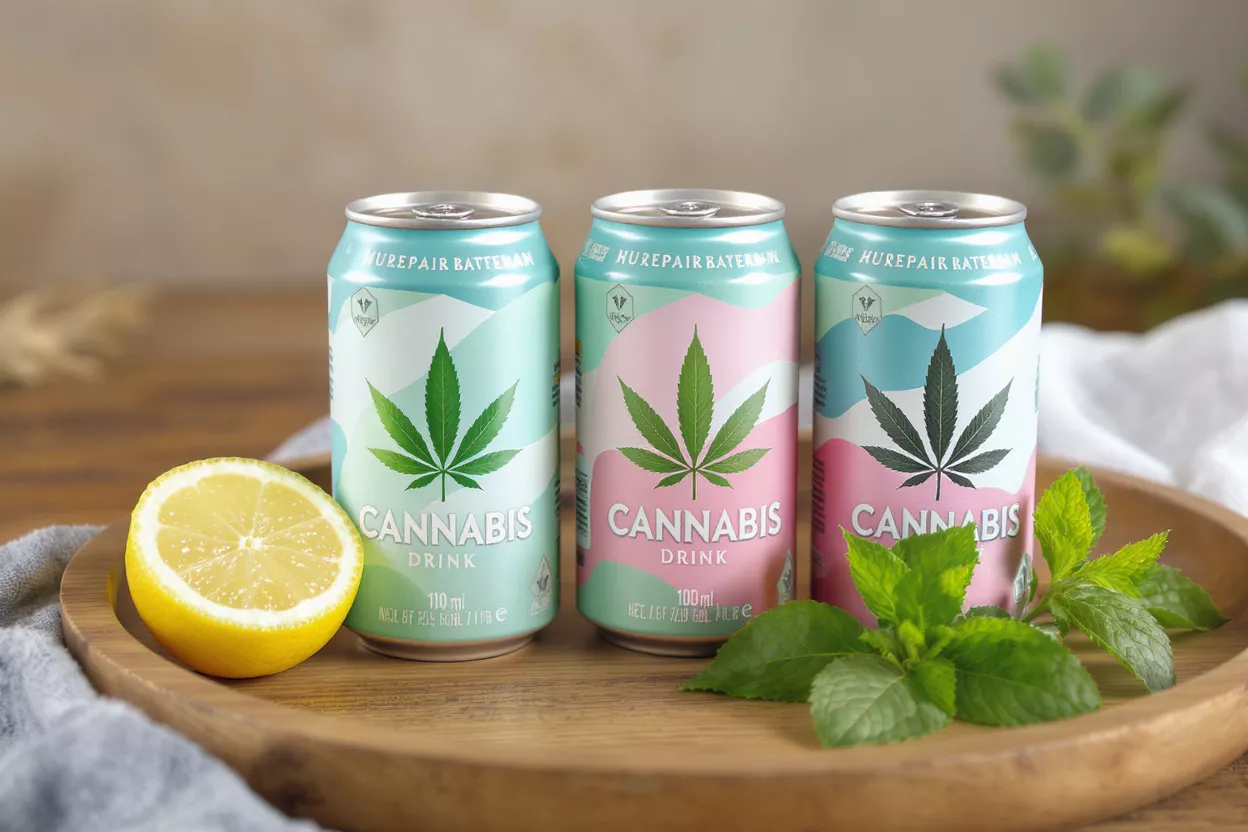
If you are new to drinkables, the best cannabis beverages for you are the ones with the lowest, most forgiving doses. A 2mg or 5mg sparkling water lets you find your threshold without risking an uncomfortable evening. You can always drink a second can; you cannot un-drink a strong one. Starting low is the single most important habit a beginner can build.
What makes a beginner-friendly drink: Look for clear milligram labeling, a balanced ratio of THC to CBD, and a flavor you genuinely like so you are not tempted to gulp it. Many newcomers do well with a microdosed lemon-lime seltzer or a CBD-forward tonic that takes the edge off without much intoxication. A reliable low-dose CBD tonic is a smart first purchase for anyone cannabis-curious but cautious.
Set and setting still matter, even with a mild drink. Try your first beverage at home, on a day with nothing critical on the schedule, and keep water and a snack nearby. Avoid stacking it with alcohol, which can amplify dizziness. Treating the experience with a little respect turns a guessing game into a pleasant, repeatable ritual.
Cannabis Beverage Dosing Guide
Dosing drinkables is part science, part self-knowledge. Because the onset is faster than a gummy but still gradual, the cardinal rule is to wait a full forty-five minutes before reaching for more. Many over-consumption stories come from impatient drinkers who finished a second can before the first had even started to work.
Use the following ranges as a starting framework, then adjust based on your own tolerance and body chemistry.
- 🌱 Microdose (1–2.5mg): Barely-there lift, great for daytime or first-timers.
- 🍃 Low (2.5–5mg): Gentle relaxation and mild euphoria, the social sweet spot.
- 🌿 Moderate (5–10mg): Clear, noticeable effects—suited to experienced drinkers.
- 🔥 High (10mg+): Strong and long-lasting; reserve for seasoned tolerance only.
How food and timing change the curve: Drinking on an empty stomach tends to speed onset and intensity, while a full meal slows and softens it. Hydration matters too, since dehydration can worsen the dizziness some people feel at higher doses. As research summarized by mainstream health publications consistently notes, individual metabolism varies widely, so the milligram that floors your friend may barely register for you.
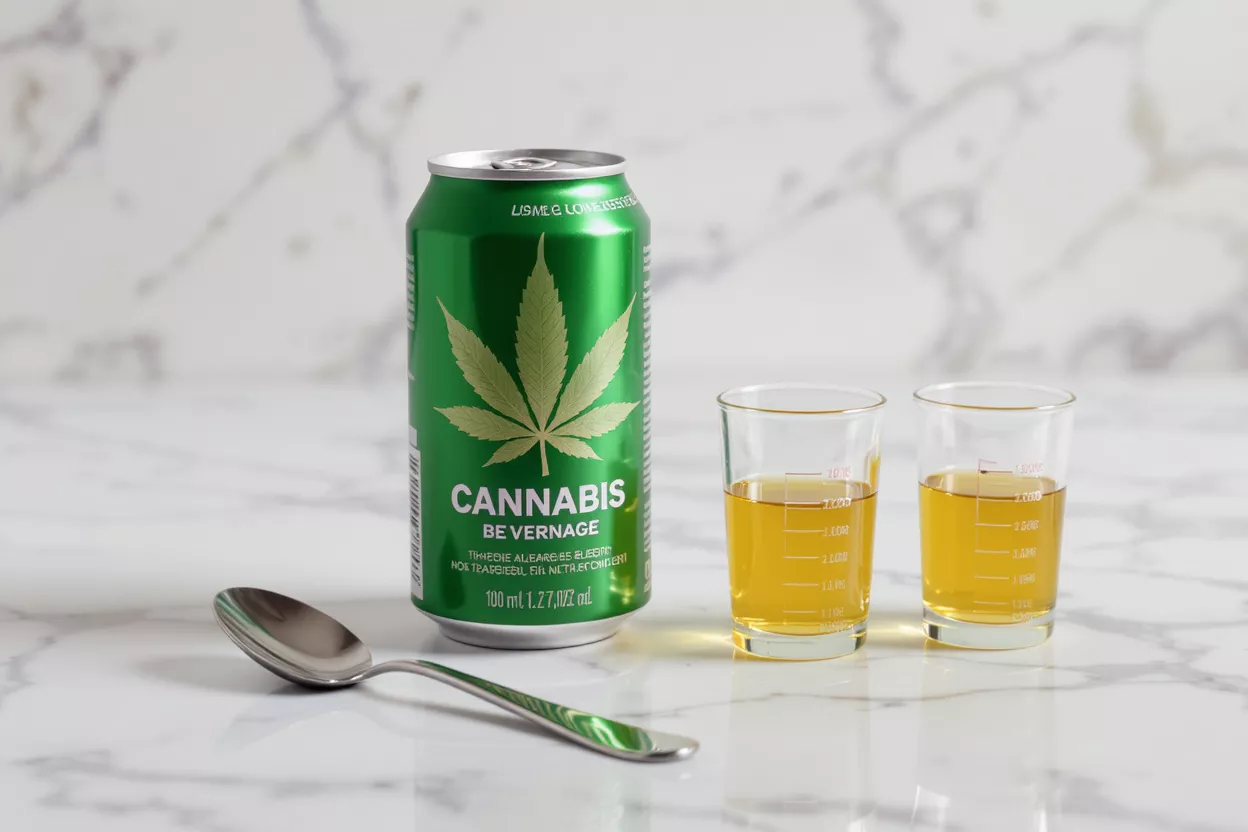
Cannabis Beverages Benefits Over Other Methods
The appeal of drinkables goes well beyond novelty. They deliver several practical advantages that explain why even longtime flower enthusiasts keep a few cans in the fridge. The most obvious is that nothing is combusted—no smoke, no tar, no lingering smell on your clothes or in the room.
Here is where infused beverages tend to outshine other formats:
- 💧 Lung-friendly: No inhalation means none of the respiratory irritation tied to smoking or a disposable vape.
- ⏱️ Faster than edibles: Nanoemulsion onset beats the slow climb of a brownie or gummy.
- 📏 Precise dosing: Every can is lab-measured, removing the guesswork of dope of unknown strength.
- 🥂 Social ease: A drink in hand fits any gathering without the awkwardness of passing a pipe.
- 🚫 No hangover: Skip alcohol's dehydration and morning regret.
The wellness crossover: Many modern formulas blend cannabinoids with functional ingredients—curcumin for its anti-inflammatory reputation, eucalyptol for a cooling herbal note, or mushrooms like chaga for an earthy adaptogenic boost. This turns a simple beverage into a deliberate ritual, and a thoughtfully built functional mushroom seltzer can stand in for both your evening cocktail and your supplement routine.
Are Cannabis Beverages Safe to Drink
For most healthy adults, cannabis beverages are safe when consumed responsibly, but "responsibly" is doing real work in that sentence. The biggest risk is not toxicity—it is over-consumption from impatience, which can lead to anxiety, rapid heartbeat, and a deeply unpleasant few hours. None of these effects are life-threatening, yet they are entirely avoidable with patience and a low starting dose.
Quality control is the other pillar of safety. Reputable brands publish a certificate of analysis from a third-party lab confirming the cannabinoid content and screening for pesticides, heavy metals, and residual solvents like ethanol or the byproducts of ethanol hash oil production. If a product cannot show you its testing, treat that as a red flag and walk away.
Certain groups should be more cautious or abstain entirely: people who are pregnant or nursing, anyone on medications metabolized by the liver, and those with a history of cardiovascular issues. Cannabinoids can interact with prescription drugs, so a quick conversation with a physician is wise before adding regular use. As with any psychoactive substance, the goal is informed, intentional consumption rather than reckless experimentation.
How to Choose Cannabis Beverages That Fit You
With shelves filling fast, choosing well comes down to reading the can and knowing your goal. Start with the cannabinoid profile: do you want the clear euphoria of Delta-9 THC, the calm of CBD, or a balanced blend of both? Your answer narrows the field immediately and saves you from buying something that fights your intentions.
Reading the label like a pro: Beyond total milligrams, check for per-serving versus per-container dosing, the sugar content, and the emulsion or excipient list. A short, recognizable ingredient list usually signals a cleaner product. Brands that name their downstem suppliers, distributors, or sourcing partners tend to be more transparent overall, which is a good proxy for quality you cannot taste directly.
Flavor matters more than people admit. A drink you dislike is a drink you will rush, and rushing is how mild evenings turn messy. Sample a few formats—a crisp seltzer, a richer elixir, an herbal tonic—until you find the profile you reach for naturally. The best beverage is the one that fits your palate, your tolerance, and the moment you want it for.
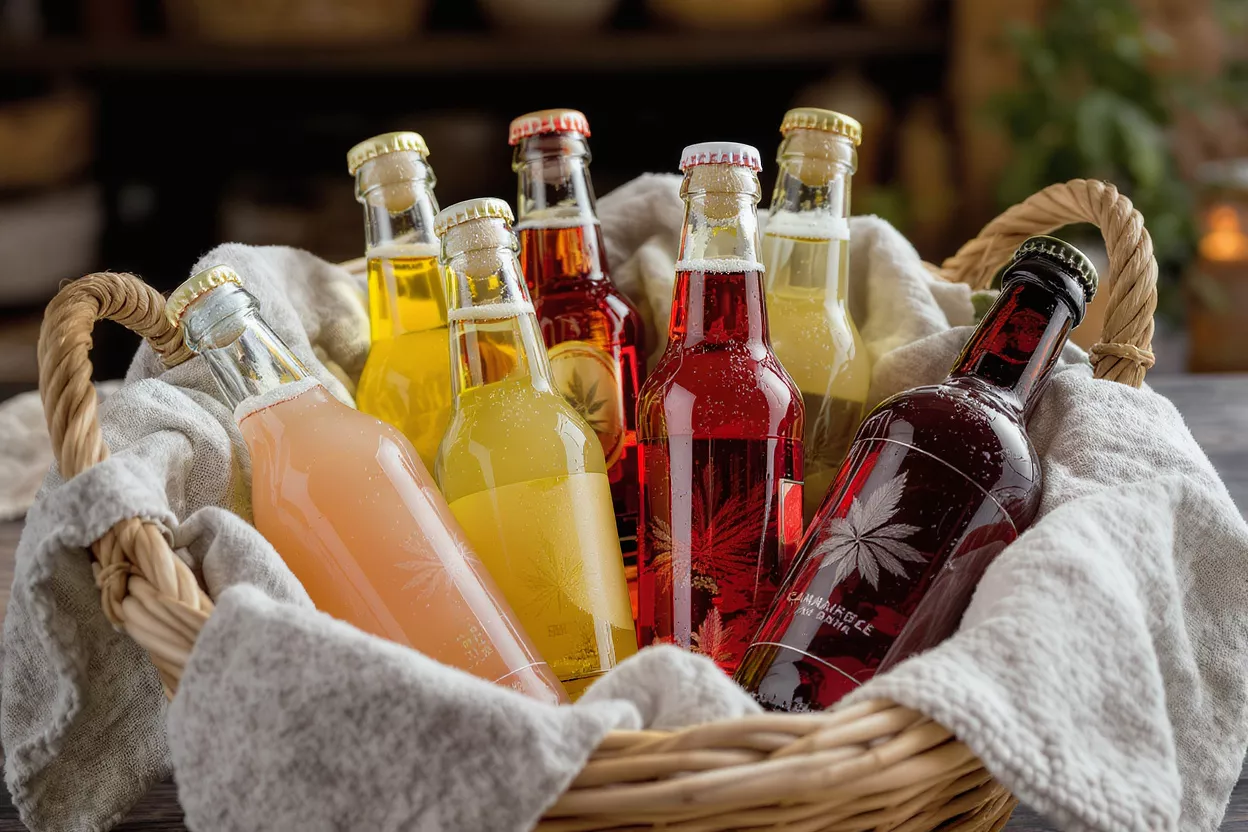
Cannabis Beverages vs Edibles Compared
Drinkables and edibles are cousins, both relying on oral consumption, but they behave differently enough to warrant a direct comparison. The headline difference is onset: a nanoemulsified beverage often kicks in within twenty to thirty minutes, while a classic gummy or baked good can take an hour or more as it works through full digestion.
Duration tips the other way. Because more of an edible is metabolized through the liver, its effects usually last longer—sometimes six to eight hours versus the three to five of a typical drink. That makes edibles a better fit for a long evening at home and beverages a better fit for a controlled, social, or daytime experience where you want the option to taper off sooner.
Which one should you choose: Pick a beverage when you value speed, hydration, and social ritual; pick an edible when you want a long, deep, body-forward experience and do not mind the wait. Many seasoned consumers keep both on hand and choose based on the occasion rather than loyalty to one format. Neither is inherently superior—they simply solve different problems.
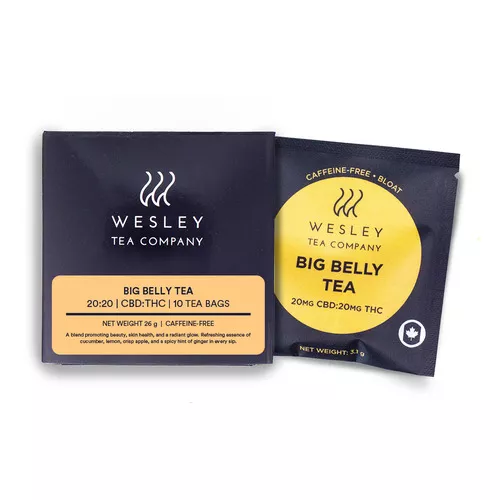

Tummy Tea Ratio CBD : THC 20:20mg / 1 Tea Bag – Wesley
Settle your stomach and your mind at once. Wesley's Tummy Tea balances 20mg of CBD with 20mg of THC over a digestive blend of ginger, peppermint, cinnamon, and lemon balm — a warm, spiced cup made for after dinner or an unsettled afternoon. Soothing, well-rounded, and gentle, it's comfort in a mug when both body and head need easing.
- Ginger: Aids digestion and reduces inflammation.
- Peppermint: Soothes the stomach and eases nausea.
- Cinnamon: Supports metabolism and has antioxidant properties.
- Cardamom: Promotes digestion and freshens breath.
- Lemon balm: Calms the mind and reduces stress.
Cannabis Beverages Trends to Watch in 2026
The drinkables category is evolving quickly, and 2026 looks set to push it further into the mainstream. Expect tighter, faster nanoemulsions that shrink onset times even more, blurring the line between the immediacy of inhalation and the convenience of a sip. Formulators are also racing to eliminate the faint herbal aftertaste that once gave infused drinks away.
Functional stacking is the other major theme. Beverages that pair cannabinoids with adaptogens—cordyceps for energy, chaga for calm, curcumin for recovery—are reframing the category as a wellness tool rather than just an alternative buzz. Expect more zero-sugar formulas, more precise microdose options, and more crossover with the non-alcoholic movement as adults look for genuine alternatives to a nightly drink.
To wrap up, cannabis beverages have earned their place as one of the most approachable and versatile ways to enjoy cannabinoids. They offer faster onset than edibles, none of the respiratory downsides of smoke, precise and repeatable dosing, and a social ritual that needs no apology. Whether you start with a 2mg seltzer or graduate to a richer functional elixir, the keys are the same: start low, wait patiently, read your labels, and choose products backed by transparent lab testing. Do that, and the drinkables aisle becomes one of the most rewarding spaces in the entire cannabis market—worth revisiting again and again as the category keeps maturing through 2026 and beyond.