Best Certificate of Analysis Guide: What to Know in 2026
Learn how to read a certificate of analysis for cannabis and wellness products.
What Is a Certificate of Analysis?
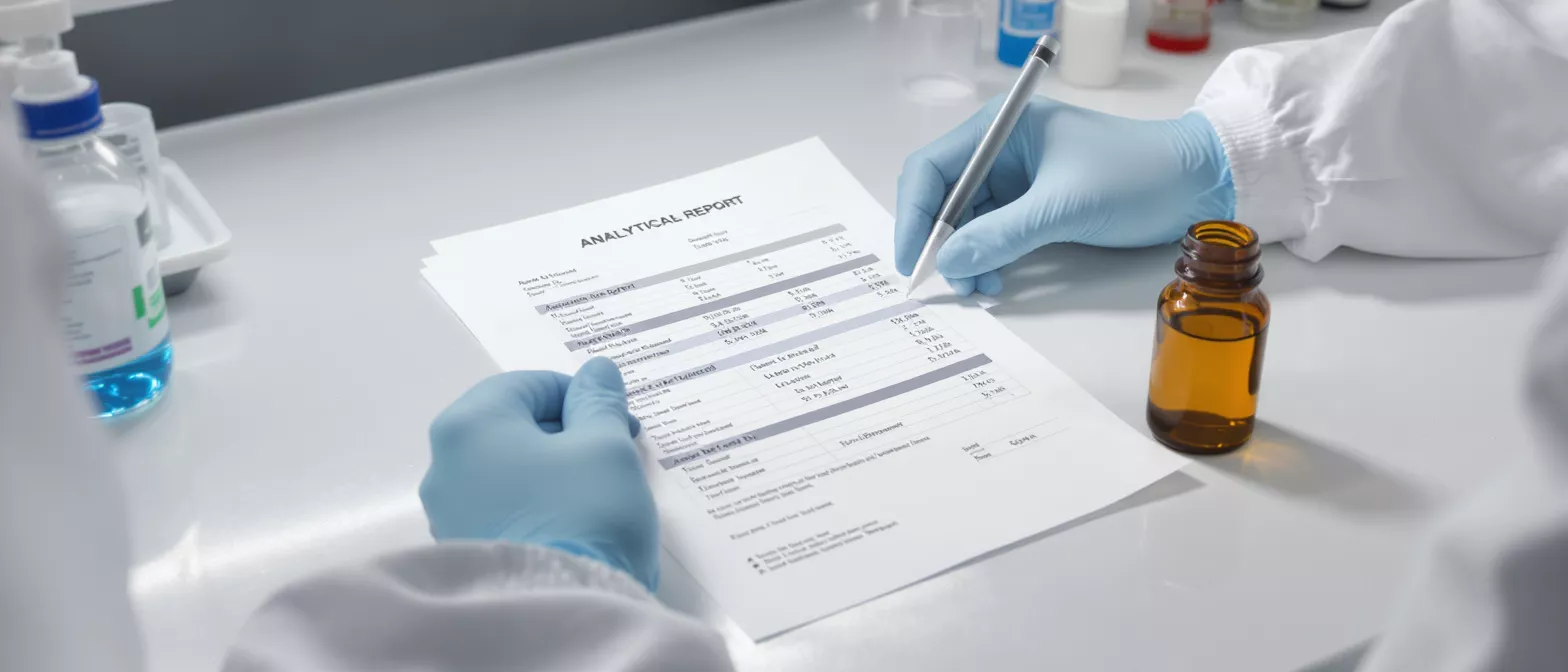
A certificate of analysis is the single most important document standing between you and a product you simply have to take on faith. In the wellness, cannabis, and supplement worlds, what is printed on a label and what actually sits inside the bottle can diverge dramatically. The certificate of analysis, often shortened to COA, closes that gap by documenting exactly what an independent laboratory found when it tested a specific batch. Understanding this document is the difference between an informed purchase and a blind gamble.
At its core, a certificate of analysis is a formal report issued by a testing laboratory that confirms a product was analyzed and lists the measurable results of that analysis. It ties to a specific batch or lot number, carries a date, and is signed off by the lab that performed the work. Rather than relying on a brand's marketing claims, you get a third party's measured findings about potency, purity, and safety.
Who issues a certificate of analysis? The credibility of any COA rests on the independence of the lab that produced it. Reputable certificates come from third-party laboratories that have no financial stake in selling the product, ideally those accredited to international standards such as ISO 17025. When a brand tests its own goods in-house and publishes the results without outside verification, the document carries far less weight. Organizations like the Society of Cannabis Clinicians have long emphasized that independent verification is foundational to consumer trust in any consumable product.
Why a Certificate of Analysis Matters in 2026
The landscape for supplements, cannabis, and functional mushroom products has grown more crowded and more complex every year. As more brands enter the market, the gap between premium operators and fly-by-night sellers has widened. A certificate of analysis is now the practical tool that lets an ordinary shopper sort genuine quality from glossy packaging and bold marketing language.
Regulation is uneven across product categories. Cannabis is tested under strict state rules in legal markets, but hemp-derived cannabinoids, mushroom extracts, and many dietary supplements occupy looser regulatory territory. That uneven oversight means the burden of verification falls heavily on the buyer. A current certificate of analysis effectively lets you perform your own quality control before anything reaches your body, checking that a full-spectrum extract really contains the compounds it advertises.
Contamination is a real and rising concern. Plants and fungi concentrate whatever they absorb from their growing environment. A Cordyceps or Chaga extract grown on a contaminated substrate can carry heavy metals, while improperly flushed cannabis may retain pesticide or nutrient residue. The certificate of analysis is the only reliable way to confirm those hazards were screened for and came back within safe limits. When you shop for lab-tested full-spectrum tinctures, the COA is what transforms a leap of faith into a measured decision.
How to Read a Certificate of Analysis
A certificate of analysis can look intimidating the first time you open one. Rows of compound names, percentages, and abbreviations like ND, LOQ, and ppm can feel like a foreign language. Once you understand the structure, though, the document becomes quick to scan and genuinely useful. Every COA follows roughly the same logic, even if the formatting varies between labs.
Start at the top, where you will find identifying information: the product name, the batch or lot number, the date the sample was received, and the date results were issued. Match the batch number on the COA to the batch number on the actual product you own. A certificate that does not correspond to your specific lot tells you nothing reliable about what you are holding.
The body of the report lists each test category alongside its result. Here are the abbreviations you will encounter most often and what they actually mean:
- 🔬 ND (Not Detected): The lab found no measurable amount of the substance, which is what you want to see for contaminants.
- 📏 LOQ (Limit of Quantification): The lowest amount the instrument can reliably measure; results below it are reported as ND or under-LOQ.
- ⚖️ ppm / ppb: Parts per million or billion, the units used for trace contaminants like heavy metals and pesticide residues.
- 📊 % (w/w): Weight-by-weight percentage, the standard way potency of active compounds is expressed.
- ✅ Pass / Fail: A simple verdict against an action limit; a fail means the batch exceeded a safety threshold.
What Tests Appear on a Certificate of Analysis
A thorough certificate of analysis covers far more than the headline potency number most shoppers fixate on. The depth of testing is one of the clearest signals of a quality-minded brand. A COA that reports only the active compound percentage and nothing else leaves the most important safety questions unanswered.
Potency testing comes first for most buyers. This panel quantifies the active compounds, whether that is a cannabinoid profile for a cannabis product or the beta-glucan content of a functional mushroom extract. For cannabis, potency results also break out the terpene profile, which is where compounds like Fenchol and geranyl-derived aromatics show up. Terpenes shape both effect and aroma, so their presence on a COA reflects a more complete analysis. A strong genotype expressed in the right growing conditions produces the rich profile you can verify here.
Beyond potency, a complete certificate of analysis should include contaminant screening. The Society of Cannabis Clinicians and similar bodies stress that safety testing matters as much as potency, since contaminants pose health risks that no amount of active compound can offset. The standard contaminant panels include:
- 🧪 Pesticides: Screens for agricultural chemicals that can linger when crops are not flushed properly before harvest.
- 🦠 Microbials: Tests for bacteria, mold, and yeast such as E. coli, salmonella, and aspergillus.
- ⚙️ Heavy metals: Measures lead, arsenic, cadmium, and mercury, which plants and fungi readily absorb from soil.
- 💧 Residual solvents: Detects leftover extraction chemicals in concentrates and oils, critical for any fractionated or distilled product.
- 🌾 Mycotoxins: Identifies toxic compounds produced by certain molds, especially relevant for plant and mushroom material.
Certificate of Analysis for Cannabis Products
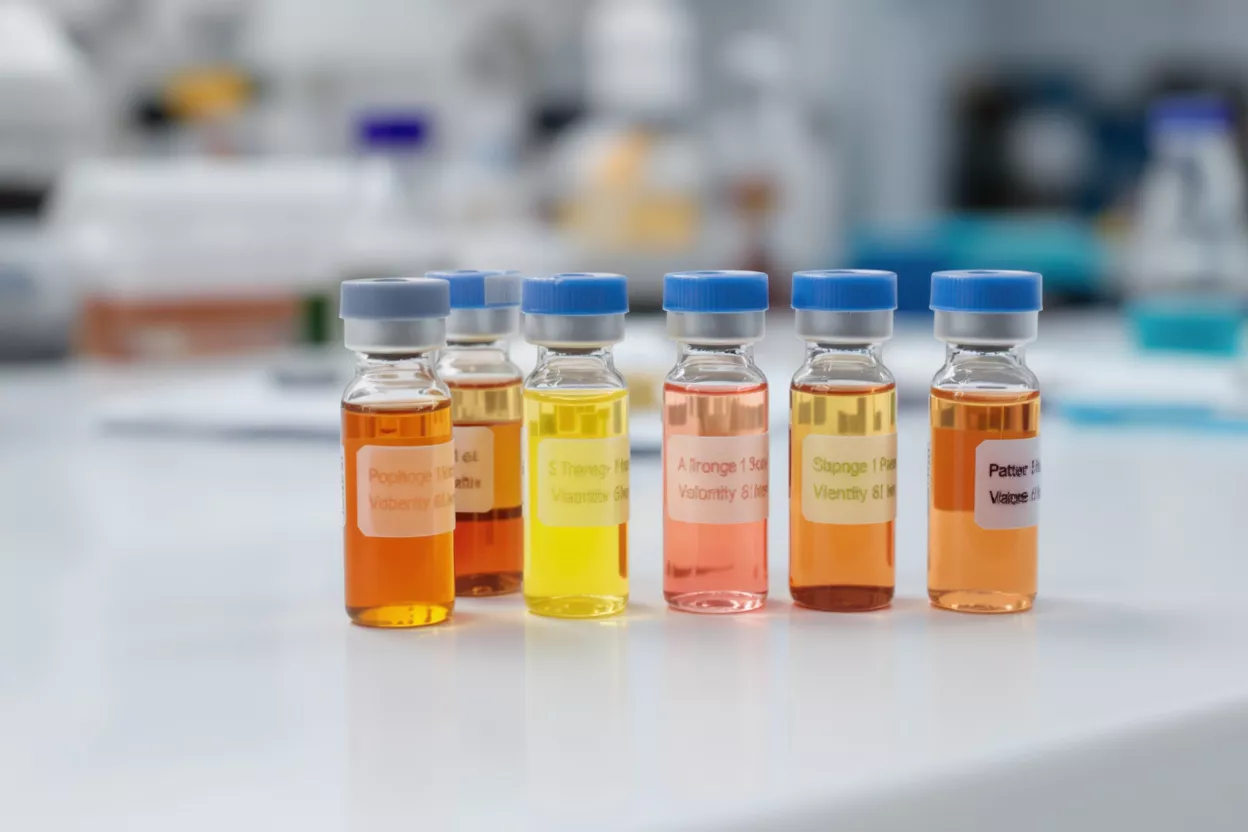
Cannabis is where certificate of analysis culture is most developed, driven by state regulations in legal markets that mandate testing before any product can reach a dispensary shelf. Whether you call it cannabis or ganja, the principle is identical: a verified COA protects you from mislabeled potency and hidden contaminants. For cannabis specifically, the document carries a few details worth understanding in depth.
Cannabinoid profiles tell the real story. A cannabis COA lists not just total THC and CBD but the full slate of minor cannabinoids and their acidic precursors. This matters because the relationship between THCA and active THC reveals how the product will behave, and a complete profile confirms whether you are buying a true full-spectrum extract or an isolate dressed up in spectrum language. Pairing a cannabinoid breakdown with a verified terpene-rich flower selection lets you predict effect with far more accuracy than a strain name alone.
Terpenes deserve their own attention on a cannabis certificate of analysis. These aromatic compounds influence everything from flavor to the subjective character of an experience. Fenchol contributes earthy, herbal notes, while geranyl-derived terpenes lean floral. Seeing a detailed terpene panel signals a brand confident enough to document the nuance of its product rather than hide behind a single potency figure. It also helps the cautious user, since understanding a product's profile is part of avoiding an unpleasant experience like greening out from an unexpectedly intense batch.
Certificate of Analysis for Functional Mushrooms
Functional mushroom products have surged in popularity, and the certificate of analysis is just as critical here as it is for cannabis, arguably more so given the lighter regulation. A functional mushroom is only as good as the substrate it grew on and the extraction method used to concentrate its active compounds, and a COA is your window into both.
Beta-glucans are the number that matters most. Many mushroom supplements advertise a high "polysaccharide" content, but polysaccharides include starch from grain substrate, not just the beneficial beta-glucans. A trustworthy certificate of analysis measures beta-glucan content directly, separating genuine active compounds from filler. When you compare a Cordyceps or Chaga product, the beta-glucan figure on the COA cuts through marketing spin instantly.
Heavy metal testing is especially important for mushrooms because fungi are bioaccumulators, drawing minerals and metals out of their growing medium with remarkable efficiency. That same property makes them valuable and potentially risky, so the contaminant section of a mushroom COA deserves close attention. Extraction method shows up here too: products using glycerin or alcohol carriers, or those that are fractionated for concentration, should confirm residual solvent results came back clean. Choosing a dual-extracted mushroom blend with a published COA gives you confidence in both potency and purity.
How to Verify a Certificate of Analysis Is Real
A certificate of analysis is only as trustworthy as its source, and unfortunately, fabricated or doctored COAs do circulate. Verifying authenticity takes only a few minutes and protects you from documents designed to look legitimate while telling you nothing true about the product in your hands.
The most reliable verification step is to contact the testing laboratory directly or look up the batch number on the lab's own portal. Many accredited labs offer online verification where you enter a sample ID and see the original results. If the lab named on the document has no record of the batch, or if the lab itself does not appear to exist, treat the certificate as worthless. A QR code that links back to the lab's verified record, rather than to the brand's own website, is a strong positive sign.
Cross-check every detail for internal consistency. The batch number, product name, and dates on the COA should match the product packaging exactly. Watch the issue date as well; a certificate from several years ago does not reflect the current batch, and potency in particular degrades over time. Fresh testing on the specific lot you are buying is the standard to insist on.
Red Flags on a Certificate of Analysis
Learning to spot the warning signs on a certificate of analysis is as valuable as knowing what a good one looks like. Several recurring red flags separate a document worth trusting from one engineered to create a false sense of security. Recognizing them quickly saves you from products that cut corners.
Missing contaminant panels are the biggest tell. A COA showing only potency, with no pesticide, microbial, or heavy metal results, is incomplete by design. The most expensive and revealing tests are the safety panels, so leaving them off is often a deliberate cost-saving choice that shifts risk onto you. Watch for these warning signs whenever you review a certificate:
- 🚩 No batch number: A COA that cannot be tied to a specific lot is generic and proves nothing about your product.
- 📅 Stale dates: Old testing dates suggest the brand reuses one report across many batches.
- 🏷️ In-house testing only: Results from the brand's own lab, with no independent accreditation, lack outside accountability.
- 🖼️ Image-only documents: A flat screenshot with no verifiable source or lab portal link is easy to fabricate.
- ❓ Vague units: Results without clear units or action limits make it impossible to judge whether a number is safe.
Another subtle red flag is a result that sits suspiciously close to a passing threshold across multiple categories, which can indicate selective sampling. Genuine testing produces varied, sometimes imperfect numbers; a report where everything passes by the slimmest possible margin deserves a second look and a question to the brand.
Best Certificate of Analysis Practices for Shoppers
Putting certificate of analysis knowledge into practice does not require a chemistry degree, just a consistent habit of checking before you buy. The best shoppers treat the COA as a non-negotiable part of evaluating any consumable wellness product, the same way you would read nutrition facts before choosing a food.
Make the COA a precondition, not an afterthought. Before purchasing, find the certificate for the exact product and batch. If a brand cannot or will not provide one, that absence is itself an answer. Quality operators make their certificates easy to locate, often linking them directly from the product page or printing a QR code on the label. The willingness to be transparent is itself a meaningful signal of confidence in what they make.
Build a simple mental checklist and run every certificate through it. Over time this becomes second nature, and you will scan a COA in under a minute. Whether you are buying tinctures made with glycerin carriers, fractionated concentrates, or whole flower, the same discipline applies. Feminized seeds, germination supplies, and finished extracts all benefit from the same scrutiny when a COA is available, since transparency tends to run through a brand's entire operation rather than just one product line.
The fundamentals to confirm on any certificate of analysis are consistent across product types:
- 🔎 Independent lab: Confirm the test came from an accredited third party, not the brand itself.
- 🔢 Matching batch: Verify the lot number on the COA matches your product exactly.
- 🧫 Full panels: Look for potency plus pesticides, microbials, heavy metals, and solvents.
- 🕒 Recent date: Insist on testing that reflects the current batch, not a years-old report.
- 🔗 Verifiable source: Prefer COAs you can confirm through the lab's own portal or a QR link.
Certificate of Analysis Frequently Asked Questions
A few questions come up again and again as people learn to use certificates of analysis confidently. Clearing these up rounds out a practical understanding of the document and removes the last bits of uncertainty that keep shoppers from using COAs effectively.
Does every product need a certificate of analysis? Any consumable where potency and purity matter benefits from one, including cannabis, hemp-derived cannabinoids, functional mushroom extracts, and many dietary supplements. Compounds like curcumin and flavonoid-rich botanical extracts are also commonly tested, since concentration and contamination both affect their value. The more a product makes specific potency claims, the more important an independent COA becomes to back those claims up.
Can a certificate of analysis expire? A COA itself does not expire in a formal sense, but its relevance fades. Because it describes a single batch at a single point in time, factors like first-pass metabolism considerations, storage, and natural degradation mean an old certificate may no longer reflect the product accurately. Active compounds break down, so a fresh test on the current lot always carries more weight than an aging report, regardless of how a product is consumed, whether through a dropper, a capsule, or a gravity bong.
Used well, the certificate of analysis transforms you from a passive buyer into an informed one. It replaces marketing claims with measured facts, confirms that what is on the label matches what is in the bottle, and screens out contaminants that no amount of branding can disguise. As regulation continues to evolve unevenly across cannabis, mushrooms, and supplements through 2026, the COA remains your most dependable tool for buying with confidence. Make checking one a habit, learn to read it in a glance, and you will consistently choose products that genuinely earn your trust.