

Best Hash and Kief Guide: What to Know in 2026
Discover everything about hash and kief — potency, types, uses, and storage.
What Is Hash and Kief?
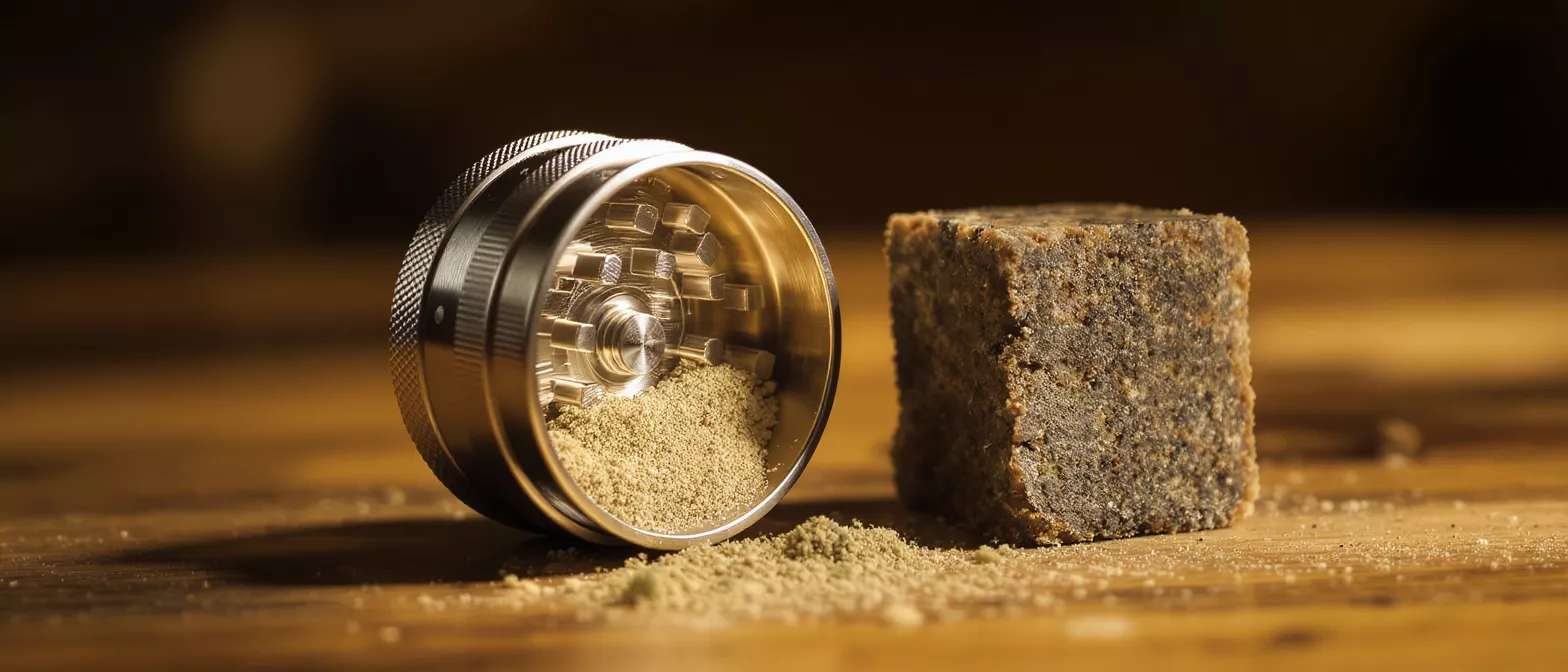
If you have spent any time exploring concentrates, you have probably bumped into the words hash and kief, sometimes used interchangeably and sometimes treated as entirely separate products. Understanding the difference is the foundation of everything else in this guide. Hash and kief both originate from the same humble starting point: the resin glands of the cannabis plant. Those glands, called trichomes, are where the plant concentrates its cannabinoids and aromatic terpenes, and they are the reason a sprinkle of golden powder can pack a far stronger punch than the flower it came from.
Kief is the simplest concentrate that exists. It is nothing more than the loose, powdery trichomes that fall away from dried flower when it is agitated, sifted, or ground. Anyone who has emptied the bottom chamber of a three-piece grinder has collected kief without even trying. Hash, on the other hand, is what you get when you take that same trichome material and press, heat, or otherwise compact it into a solid, cohesive mass. In other words, kief is the raw ingredient and hash is one of the things you can make from it.
Why the distinction matters for buyers: When you understand that hash begins life as kief, the entire concentrate aisle starts to make sense. Pressed bricks, crumbly temple balls, and soft pliable charas are all members of the same family, differentiated mainly by how the trichomes were separated and compacted. According to WebMD, cannabis concentrates can contain dramatically higher cannabinoid levels than raw flower, which is exactly why learning the basics protects you from overdoing it. A little goes a long way, and that principle echoes through this entire guide.
How Hash and Kief Are Made
The journey from sticky flower to refined concentrate is largely a story of separation. The goal is always the same: remove the resinous trichome heads from the plant material while leaving behind the fan leaf, stem, and other vegetal matter that adds harshness without adding potency. The cleaner that separation, the more refined and flavorful the final product becomes.
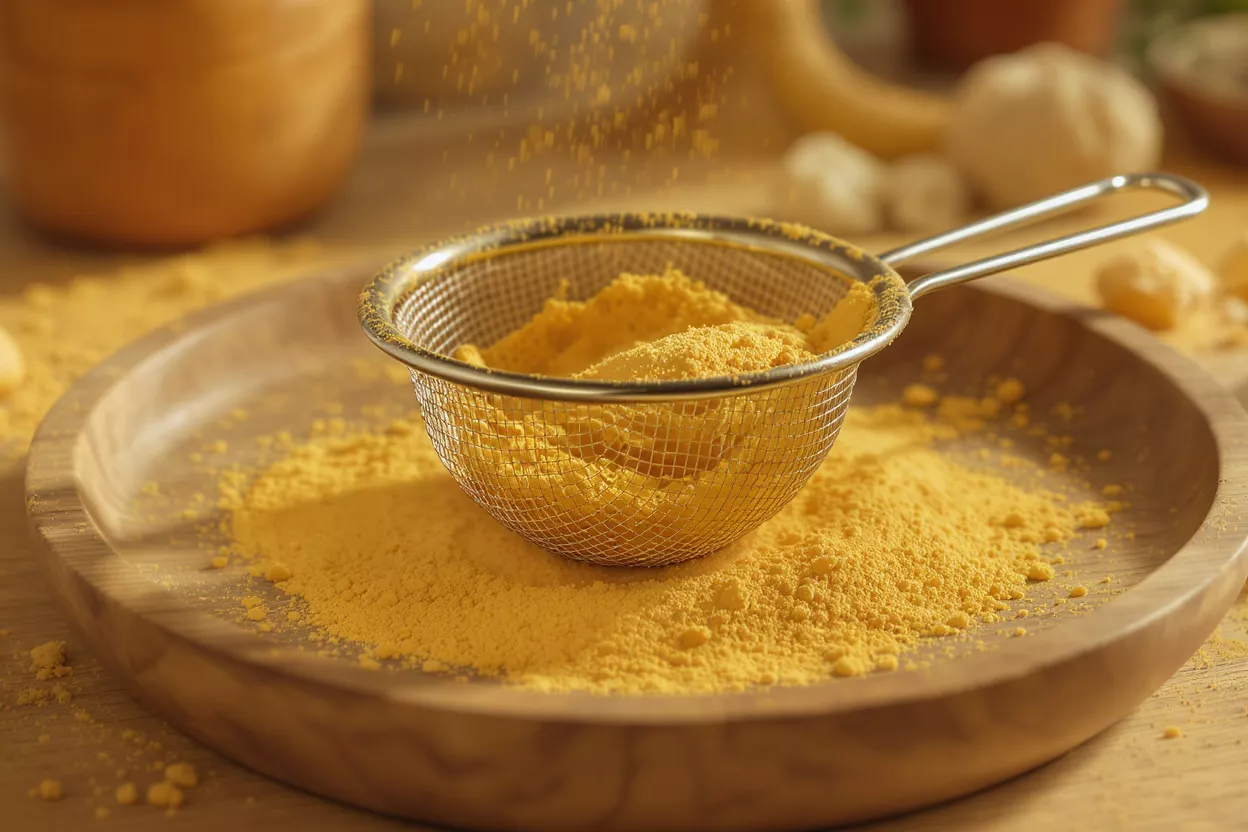
Dry sift and the classic grinder method: The oldest and most accessible technique is mechanical. Dried flower is rubbed across fine mesh screens so the brittle trichomes snap off and fall through, leaving a powder behind. This is essentially kief production scaled up. A skilled extraction artist will use a graduated series of screens to grade the powder by purity, with the cleanest fractions commanding the highest prices. For pressing into hash, that powder is then warmed and compacted, sometimes by hand and sometimes with a press.
Water-based extraction, often called ice water or bubble hash, takes a gentler approach. Frozen plant material is agitated in icy water so the cold, brittle trichomes break away and sink, then everything is filtered through a stack of micron bags. The result is a clean, solventless product prized by purists. Modern producers may finish the process with an e-rig or e-nail when consuming the end product, though the extraction itself relies on nothing but cold water and motion. For convenience seekers, a well-made solventless hash vape captures much of this character in a far more portable format.
Types of Hash and Kief Explained
Walk into any well-stocked dispensary and the variety of hash on offer can be dizzying. Each style reflects a different tradition, region, or production method, and each carries its own texture, flavor, and intensity. Knowing the major categories helps you shop with confidence rather than guesswork.
Here are the most common forms you are likely to encounter, summarized for quick comparison:
- 🌿 Kief: Loose trichome powder, the raw building block, ideal for sprinkling on bowls or pressing yourself.
- 🧊 Bubble hash: Ice-water extracted, solventless, ranging from sandy to full-melt depending on quality.
- 🔨 Pressed dry sift: Sifted kief compacted into firm blocks, a traditional and versatile staple.
- ✋ Charas: Hand-rubbed from living plants, soft and pliable, with a rich, spicy character.
- 🏛️ Temple ball: Hand-rolled hash aged into a glossy sphere, smooth and slow-burning.
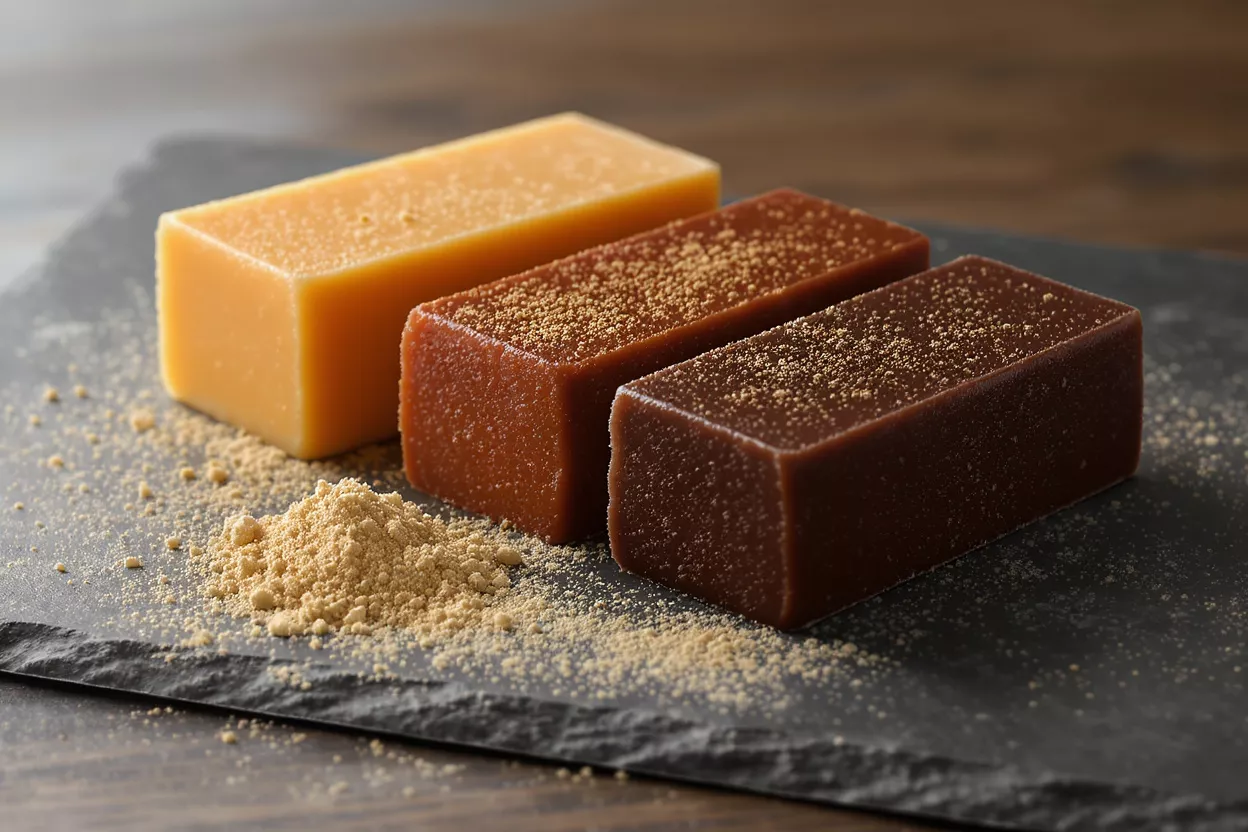
How region shapes character: Traditional hash-producing regions each developed signature styles. Moroccan and Lebanese hash leans toward pressed, blonde-to-brown blocks, while the charas of the Himalayan foothills is famously hand-rubbed and dark. These regional fingerprints come down to climate, cultivar, and centuries of refined technique. Treating each as its own elixir of plant resin helps you appreciate why two products labeled simply as hash can taste and feel worlds apart.
How Potent Are Hash and Kief?
Potency is where concentrates truly separate themselves from flower. Because hash and kief are concentrated trichomes, they deliver a far higher percentage of cannabinoids by weight than the buds they were sifted from. Where quality flower might test in the high teens or low twenties for total cannabinoids, kief and hash routinely reach well beyond that, with premium full-melt bubble hash sometimes climbing into the sixties or higher.
The dominant compound in most of this material is Delta-9 THC, the cannabinoid responsible for the classic intoxicating effect. Because that compound is so concentrated, dosing discipline becomes essential. A pinch of kief on top of a packed bowl can transform a mild session into an intense one. Beginners are wise to start with a fraction of what they think they need and wait before adding more.
Reading a potency label without getting fooled: A high cannabinoid percentage is not the only marker of quality. Terpene content, melt quality, and how cleanly the product was made all matter just as much for the overall experience. A clean dry-sift at a moderate percentage often delivers a more pleasant, flavorful session than a harsh, contaminated product boasting a bigger number. When in doubt, prioritize aroma and clarity over raw potency figures, and consider a measured low-dose concentrate sampler to calibrate your tolerance gently.
Best Ways to Use Hash and Kief
One of the great appeals of hash and kief is versatility. Unlike some concentrates that demand specialized rigs, these classic forms slot into almost any consumption ritual you already enjoy. The right method depends on the texture of your material and the experience you are after.
Here are the most reliable ways to enjoy hash and kief, with notes on when each shines:
- 🔥 Top a bowl: Sprinkle kief or crumble hash over flower in a pipe or bong fitted with a clean downstem for an easy potency boost.
- 🚬 Roll it in: Layer hash or kief into a joint or blunt; a paper crutch keeps everything tidy at the mouthpiece.
- 💨 Dab full-melt: High-grade bubble hash vaporizes cleanly on an e-rig, delivering pure flavor without combustion.
- 🍪 Infuse edibles: Decarbed kief stirred into butter or oil makes a potent base for homemade treats.
- 🥄 Press your own: Warm and compress kief into a personal block of hash for a satisfying DIY project.
Matching method to material quality: Not every form suits every method. Full-melt bubble hash is wasted in an edible, where its delicate terpenes vanish in the heat, but it excels on a dab nail. Conversely, a sandy lower-grade sift that leaves residue is better infused into an emulsion for cooking than dabbed. Pairing the right material with the right method is the single biggest upgrade most people can make to their concentrate experience.
Hash and Kief Benefits and Effects
Beyond raw strength, hash and kief offer a set of practical advantages that explain their enduring popularity across centuries and continents. These benefits are rooted in the concentrated, refined nature of the product rather than marketing hype.
Efficiency and economy over time: Because a small amount delivers a strong effect, hash and kief can stretch your supply. Collecting kief from a grinder essentially recycles potency that would otherwise be lost, and pressing it into hash turns kitchen-drawer scraps into a premium product. Over months, that recovered material adds up to meaningful value for regular users.
The flavor and aroma profile is another genuine draw. Well-made hash preserves a dense concentration of terpenes, producing rich, layered tastes that range from spicy and earthy to floral and fruity. Cannabis researchers and outlets covering wellness note that these aromatic compounds may contribute to the overall character of the experience beyond cannabinoids alone. For those who appreciate nuance, a thoughtfully crafted terpene-rich hash selection turns an ordinary session into something closer to a tasting.
It is worth being clear-eyed, however. The same potency that makes these products efficient also makes them easy to overdo, and the effects can be intense and long-lasting, especially with edibles. Respecting the strength is part of enjoying the benefits responsibly.
How to Store Hash and Kief Properly
Concentrates are an investment, and proper storage protects both their potency and their flavor. The enemies of hash and kief are the same forces that degrade most botanical products: heat, light, oxygen, and excess humidity. Manage those four variables and your material will stay fresh far longer.
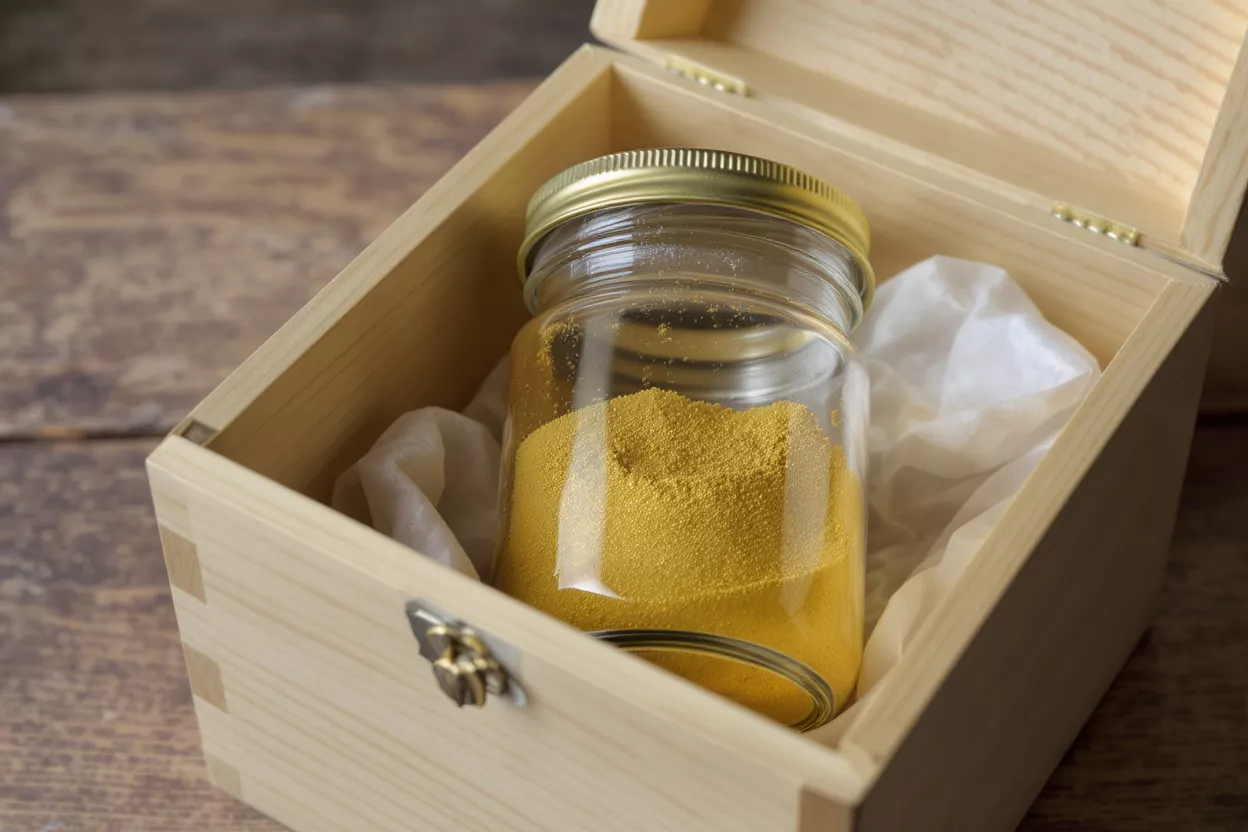
Containers and conditions that preserve quality: Airtight glass is the gold standard. Store kief and hash in a small sealed jar kept in a cool, dark place such as a drawer or cabinet away from windows and appliances. Avoid plastic for long-term storage, since static can cling to fine kief and some plastics can interact with the resin over time. Keeping the container full minimizes the air pocket that oxidizes the surface.
Temperature deserves special attention. Excessive heat will cause hash to sweat and degrade, and it can prematurely volatilize the lighter terpenes that give the product its character. A stable, cool room temperature is generally ideal for material you plan to use within a few months. For longer storage, some enthusiasts refrigerate or freeze airtight containers, though condensation must be avoided by letting the jar return to room temperature before opening.
Are Hash and Kief Safe to Use?
Safety is a reasonable concern with any concentrated product, and hash and kief are no exception. The good news is that solventless forms like dry sift and bubble hash are among the cleanest concentrates available, since they involve no residual solvents such as ethanol or other chemicals. The product is essentially just compressed plant resin.
That said, intensity is the main risk factor. Because the cannabinoid concentration is so high, the most common adverse experience is simply consuming too much. Effects can include anxiety, rapid heartbeat, dizziness, and discomfort that, while not dangerous in the medical-emergency sense, can be deeply unpleasant. Starting low, going slow, and keeping water nearby are the practical safeguards that prevent most bad experiences.
Sourcing and contamination concerns: The biggest safety variable is provenance. Poorly made hash can harbor mold, pesticides, or plant contaminants, especially if the source flower was not clean to begin with. Buying from reputable, tested sources is the single most important safety decision you can make. As with any cannabis product, individuals who are pregnant, nursing, or managing health conditions should consult a healthcare professional before use, and no one should drive or operate machinery while impaired.
How to Choose Quality Hash and Kief
Once you understand the categories, picking a quality product becomes a matter of engaging your senses and asking the right questions. Premium hash and kief reveal themselves through appearance, aroma, and texture long before you ever consume them.
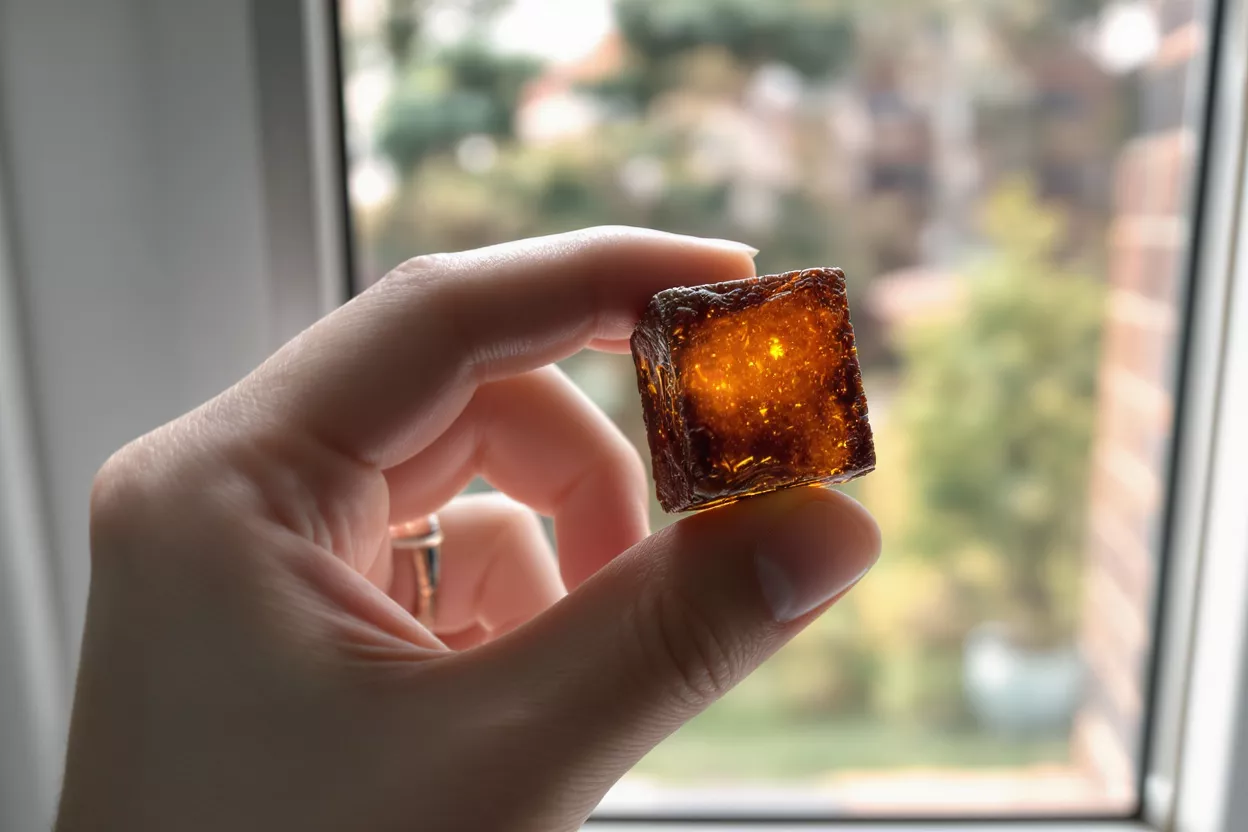
Visual and aromatic cues of quality: Color is a useful first signal. Fresh, clean material tends toward blonde, golden, or light brown tones, while very dark or greenish hash can indicate plant contamination or oxidation. The aroma should be vibrant and pungent rather than musty or hay-like; a flat smell often means stale or degraded material. Texture tells a story too, with high-grade bubble hash crumbling into sandy granules and quality charas yielding a soft, pliable feel.
Melt is the connoisseur's test for bubble hash. Place a small amount on a hot surface and watch how it behaves. Full-melt grades bubble and vaporize cleanly, leaving little residue, while lower grades leave a charred remnant. That behavior reflects how pure the trichome separation was. For dry sift, the cleanest fractions feel almost greasy when pressed and stick to themselves rather than scattering.
Finally, demand transparency. Reputable sellers can speak to where the material came from, how it was made, and ideally provide lab results. A distributor who is vague about sourcing is a distributor to approach with caution. Trustworthy documentation is the modern equivalent of a craftsman's signature on their work.
Hash and Kief Trends in 2026
The concentrate landscape continues to evolve, and 2026 finds hash and kief enjoying a genuine renaissance. After years dominated by high-tech extracts, consumers are circling back to solventless, traditional methods that prioritize flavor, craft, and a cleaner ingredient list.
The solventless revival and modern formats: The biggest trend is the elevation of solventless hash to premium status. Hash rosin, pressed from bubble hash or kief using only heat and pressure, has become the connoisseur's choice, and that demand is pulling traditional dry sift and ice-water hash along with it. At the same time, portable formats have matured, so a quality disposable vape filled with solventless extract now offers the craft experience without any setup. Even classic accessories endure, with the humble grinder, downstem, and crutch remaining everyday staples for those who like to top a bowl with fresh kief.
Education is another defining theme of the year. Consumers are increasingly curious about terpenes, melt grades, and the artistry behind their concentrates, treating hash with the same appreciation once reserved for fine spirits or coffee. This shift rewards skilled producers and pushes the whole category toward higher quality and greater transparency.
To wrap up, hash and kief represent both the oldest and, in many ways, the most exciting corner of the cannabis world. From a pinch of grinder kief to a glossy aged temple ball, these concentrates reward curiosity with rich flavor, efficient potency, and a tangible connection to centuries of craft. Understand the types, respect the strength, store it well, and buy from sources you trust, and you will be well equipped to enjoy everything this resilient category has to offer in 2026 and beyond.
