Fan leaf
Learn what a fan leaf does, how it differs from sugar leaves, and how to read plant health.
What Is a Fan Leaf on a Cannabis Plant
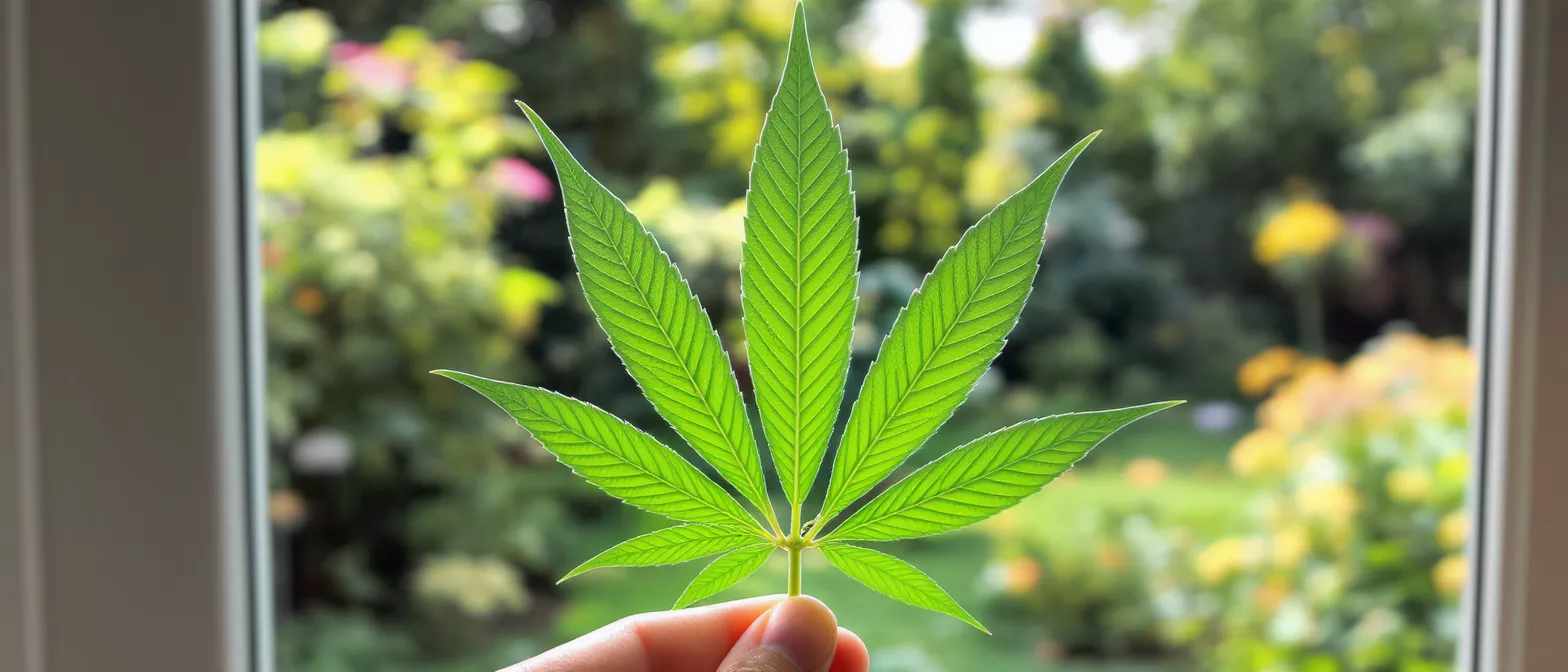
The fan leaf is the iconic, broad-fingered leaf that most people picture the instant cannabis comes to mind. These are the large, palm-shaped leaves that fan out from the main stems and branches, collecting light and powering the plant's growth. Unlike the smaller leaves tucked into the flowers, a fan leaf is built for one primary job: capturing sunlight and converting it into the energy the plant uses to build stems, roots, and ultimately buds.
Why fan leaves are the workhorses of the plant: Every fan leaf functions like a small solar panel. Through photosynthesis, it transforms light, water, and carbon dioxide into sugars that fuel development. According to WebMD, the cannabis plant produces hundreds of chemical compounds, but the fan leaves themselves are relatively low in the resin where most cannabinoids concentrate. Their value is mechanical and metabolic rather than potent.
For new growers, learning to recognize the fan leaf is the first step toward understanding the whole plant. These leaves are your dashboard. When a fan leaf yellows, curls, or drops, the plant is telling you something about its nutrients, water, light, or environment. Reading them well separates a thriving grow from a struggling one, and it is a skill that pays off season after season.
Fan Leaf vs Sugar Leaf: Key Differences
One of the most common points of confusion for beginners is the difference between a fan leaf and a sugar leaf. The two serve very different roles, and knowing which is which changes how you prune, trim, and process your harvest. Fan leaves are the large structural leaves; sugar leaves are the small leaves that poke out from inside the buds, often coated in a frosty layer of trichomes that gives them their name.
How to tell them apart at a glance: Fan leaves grow on the branches away from the flowers and are typically too low in resin to be worth saving for potency. Sugar leaves grow within the cola and carry enough trichomes to be used in extracts or edibles. During trimming, most growers remove fan leaves entirely and trim sugar leaves more carefully, since those frosty trimmings can be repurposed.
- 🍃 Fan leaf: Large, broad, low resin, grows on branches, removed during trim and often composted.
- ❄️ Sugar leaf: Small, trichome-dusted, grows in the buds, saved for hash, kief, or cooking.
- ✂️ Trimming goal: Strip fan leaves first, then manicure sugar leaves to your desired tightness.
Because sugar leaves carry actual cannabinoid content, they are the leaf you would lean on if you wanted to make ethanol hash oil (EHO) or other concentrates at home. Fan leaves, by contrast, shine in juicing, mulching, or composting rather than extraction.
What Does a Fan Leaf Do for the Plant
A fan leaf is fundamentally an energy factory. Its wide surface area exists to intercept as much light as possible, and the more efficiently it does that, the faster and stronger the plant grows. During the vegetative stage especially, healthy fan leaves drive explosive growth, building the framework that will eventually support heavy flowers.
Photosynthesis and energy storage: Fan leaves also act as nutrient reservoirs. When a plant transitions into flowering, it often pulls stored nutrients from older fan leaves to feed developing buds, which is why lower leaves naturally yellow and fade late in the cycle. This is normal senescence, not always a problem. The WebMD overview of plant biology echoes a broader truth: leaves are dynamic organs that store and redistribute resources as the organism's needs shift.
Directional airflow around fan leaves matters too. Good air movement keeps the leaf surface cool, prevents mold, and strengthens stems. Growers chasing dense, dank flowers know that a canopy with healthy, well-spaced fan leaves and steady airflow produces noticeably better results than a crowded, stagnant one. If you are building out a grow space, a quality clip-on circulation fan pays for itself quickly.
Fan Leaf Anatomy, Shape, and Finger Count
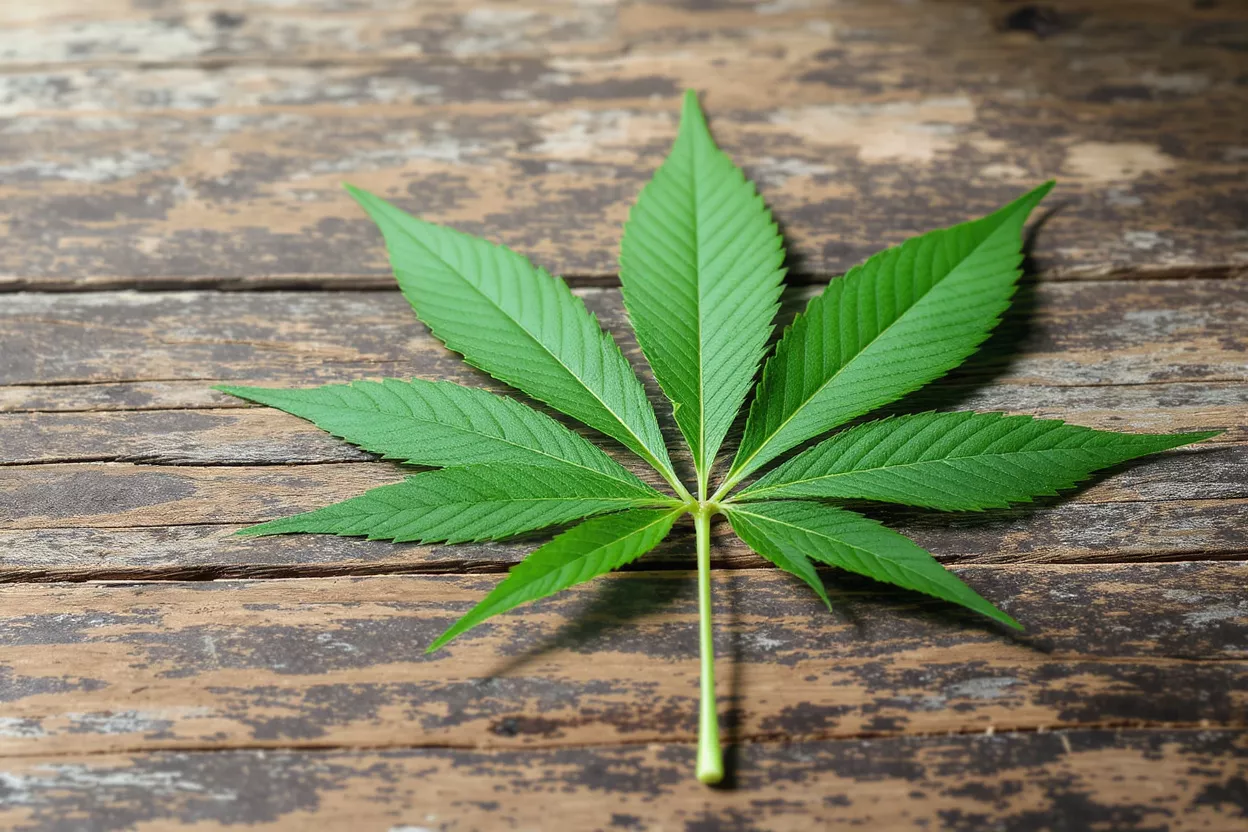
The classic cannabis fan leaf is palmately compound, meaning its individual leaflets, often called fingers, radiate from a single point like the spread of a hand. The number of fingers varies with genetics, age, and growing conditions. Young seedlings may start with a single finger, then progress to three, five, seven, and sometimes nine or more as the plant matures.
What finger count actually tells you: Finger count is largely cosmetic and genetic rather than a measure of quality. A nine-fingered fan leaf is not inherently better than a seven-fingered one. The serrated edges, vein patterns, and overall leaf shape do, however, hint at the plant's lineage and can help distinguish broad indica-style leaves from slender sativa-style ones.
- 🌱 Seedling stage: First true leaves often appear with one or three fingers.
- 🖐️ Vegetative stage: Mature fan leaves commonly show five, seven, or nine fingers.
- 🔍 Genetics matter: Finger count and width reflect heritage more than potency or health.
The waxy cuticle on the leaf surface protects against water loss and pests. That same protective layer is why some growers reference dewaxing in extraction conversations, though that process applies to concentrates rather than the fan leaf itself. For the leaf, the cuticle is simply armor.
How to Read Fan Leaves for Plant Health
Fan leaves are the most honest diagnostic tool a grower has. Their color, texture, and posture broadcast the plant's condition long before problems become severe. Learning to read them turns guesswork into informed action, and it is a skill that improves with every grow cycle.
Color and curl as warning signs: Uniform yellowing from the bottom up late in flowering is usually normal nutrient redistribution. Yellowing that climbs the plant quickly, or spreads in patches, often signals a nutrient deficiency or pH problem at the roots. Leaves that curl up like a canoe frequently indicate heat stress, while downward clawing can point to overwatering or nitrogen excess.
Spotting, crisping edges, and unusual discoloration each tell their own story. Rusty brown spots may mean a calcium or magnesium issue, while pale new growth can flag an iron problem. A reliable digital pH and moisture meter removes much of the mystery, letting you confirm what the leaves are hinting at before you adjust anything.
- 🟡 Yellowing: Bottom-up and gradual is often normal; rapid or patchy suggests deficiency.
- 🌡️ Upward curl: Commonly heat or light stress on the canopy.
- 💧 Downward claw: Frequently overwatering or excess nitrogen.
Fan Leaf Defoliation: When and Why to Remove Them
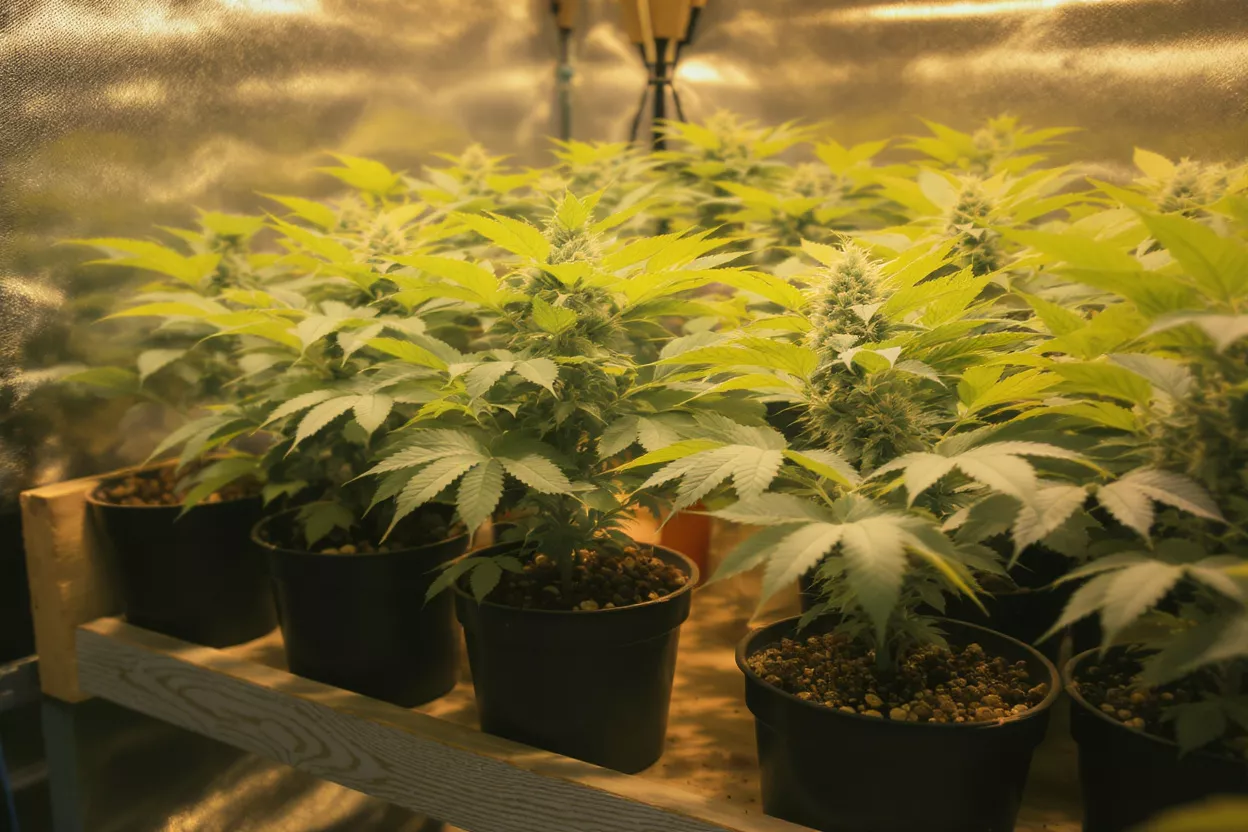
Defoliation is the deliberate removal of fan leaves to improve light penetration and airflow into the lower canopy. Done thoughtfully, it can encourage more even bud development and reduce humidity pockets that invite mold. Done recklessly, it stresses the plant and can stunt growth, so timing and restraint matter enormously.
When defoliation helps: Strategic defoliation usually happens during late vegetation and early flowering. Removing a portion of large fan leaves that shade bud sites allows light to reach interior flowers, which can improve overall yield and consistency. The goal is never to strip the plant bare but to open it up, much like thinning branches on a fruit tree.
It is worth remembering that fan leaves are the plant's solar panels, so each one removed is a small loss of photosynthetic capacity. Healthy, vigorous plants tolerate defoliation far better than struggling ones. If a plant looks weak or is recovering from stress, leave the fan leaves alone and let it rebuild strength first.
- 🌿 Wait for vigor: Only defoliate plants growing strongly with no active stress.
- ✂️ Target shade leaves: Remove large fan leaves blocking light to lower bud sites.
- ⏱️ Space it out: Defoliate in stages, never all at once, to avoid shocking the plant.
Can You Use Cannabis Fan Leaves
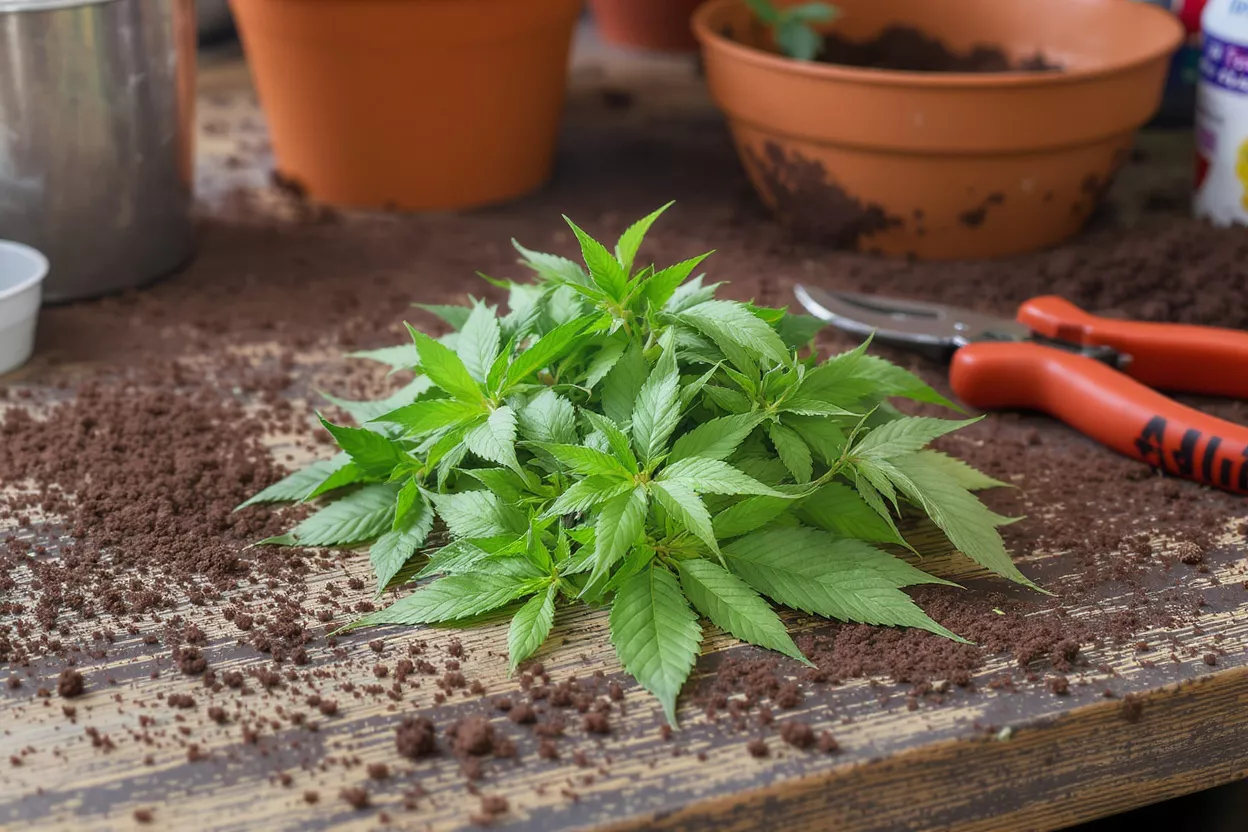
Many growers assume fan leaves are pure waste, but they have several practical uses beyond the compost pile. While they lack the resin and cannabinoids that make sugar leaves valuable for concentrates, fan leaves are rich in chlorophyll, fiber, and other plant compounds that lend themselves to other applications.
Juicing and culinary uses: Raw fan leaves can be juiced or blended into smoothies, where they contribute the acidic, non-intoxicating precursors to cannabinoids rather than the activated compounds. They will not produce an edible hangover the way a strong infused edible might, because raw fan leaves are not decarboxylated. Some wellness enthusiasts add them to green juices much like kale or spinach, though research on benefits remains limited.
Beyond the kitchen, fan leaves make excellent mulch and compost, returning nutrients to the soil and supporting your next grow. Crafters dry and press them for art, and some growers brew them into mild teas. If juicing appeals to you, a sturdy masticating juicer handles fibrous leaves far better than a standard centrifugal model.
Indica vs Sativa Fan Leaf Differences
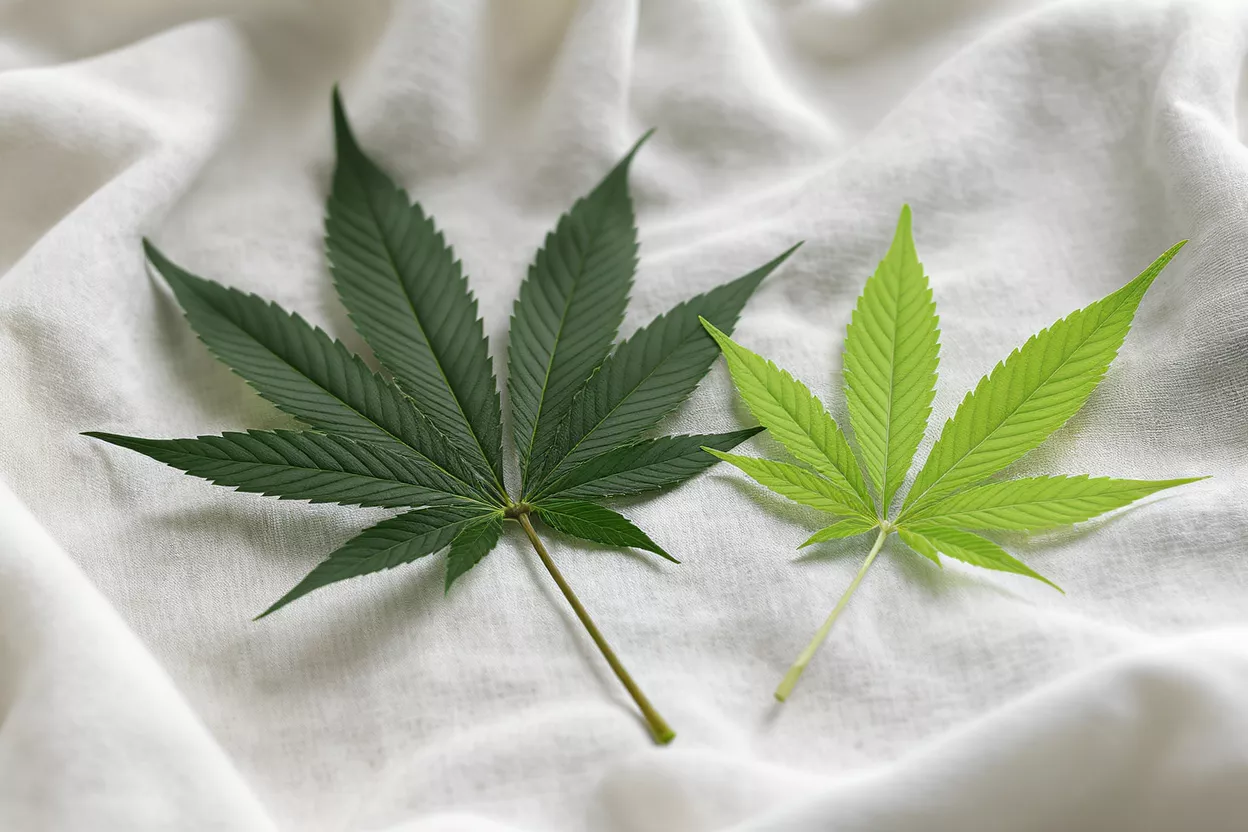
Fan leaf shape is one of the classic clues growers use to guess a plant's heritage. Indica-leaning plants tend to produce broad, wide-fingered fan leaves in a deep green, while sativa-leaning plants typically show slender, narrow fingers in a lighter shade. These visual cues are generalizations, since most modern genetics are hybrids, but the patterns still hold useful meaning.
Why leaf shape correlates with growth habit: Broad indica leaves evolved in cooler, shorter-season climates where capturing maximum light quickly was an advantage. Narrow sativa leaves developed in hot, humid equatorial regions where slimmer leaflets resist mold and shed heat. As WebMD notes in its discussions of cannabis varieties, the indica and sativa labels are increasingly blurred, yet they still shape grower expectations.
For the home grower, leaf morphology offers a quick read on what to expect. Broad-leaf plants often finish faster and stay shorter, suiting indoor tents, while narrow-leaf plants stretch tall and reward patience. Neither is superior; they simply ask for different management. Recognizing the difference early helps you plan spacing, training, and harvest timing.
Common Fan Leaf Problems and Fixes
Most fan leaf troubles trace back to a handful of common causes: nutrient imbalance, watering mistakes, pH drift, pests, or environmental stress. The good news is that because fan leaves react so visibly, you usually get an early warning that lets you correct course before the whole plant suffers.
Nutrient and pH issues: Locked-out nutrients are a frequent culprit. When root-zone pH drifts out of range, the plant cannot absorb available nutrients no matter how much you feed, and fan leaves show deficiency symptoms anyway. Flushing with pH-corrected water and resetting your feeding schedule often reverses the damage on new growth, even if affected leaves never fully recover.
Pests like spider mites, thrips, and fungus gnats also leave telltale marks on fan leaves, from fine stippling to silvery trails. Inspecting the undersides regularly catches infestations early. Maintaining steady directional airflow, proper humidity, and clean grow space prevents most outbreaks before they start.
- 🐛 Pests: Check leaf undersides for mites, eggs, and stippling; act fast.
- ⚗️ pH lockout: Keep root-zone pH in range so nutrients stay available.
- 🌬️ Airflow: Steady circulation reduces mold and strengthens leaf tissue.
Fan Leaf FAQ and Final Takeaways
By now the fan leaf should feel less like background scenery and more like the central nervous system of your plant's health. These broad leaves power growth, store nutrients, and constantly report on conditions, making them the single most useful indicator a grower can learn to read. Whether you are managing a single plant or a full tent, your fan leaves will guide nearly every decision you make.
Quick answers to common fan leaf questions: No, a fan leaf will not get you high, since it carries negligible cannabinoids compared to the buds and sugar leaves. Yes, you can remove some fan leaves through careful defoliation to improve light and air, but only on healthy plants and never all at once. And yes, fan leaves have a second life as compost, mulch, or juice rather than landing in the trash.
Treat your fan leaves as the honest messengers they are. Watch their color, posture, and texture; respond to what they tell you; and prune them with intention rather than habit. Master that relationship and you will grow healthier, more productive plants season after season, reading the language of the leaves as fluently as any seasoned cultivator.