Chaga
Learn what chaga is, how it works, and why it pairs well with cannabis wellness.
What Is Chaga and Where Does It Grow
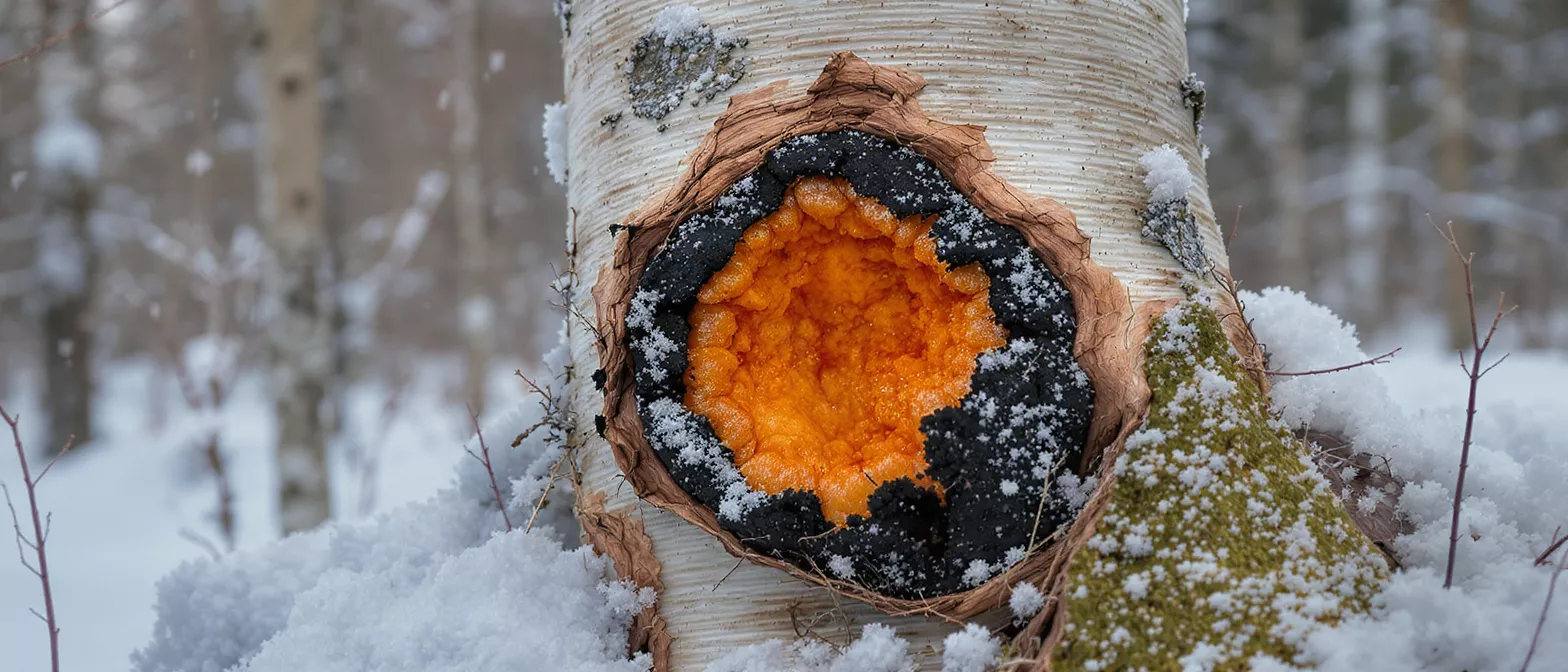
Chaga is a slow-growing fungus that develops on the bark of living birch trees throughout the cold northern forests of Russia, Scandinavia, Canada, and the northern United States. Despite looking like a charred lump of burnt charcoal on the outside, the interior reveals a rusty, golden-orange flesh packed with bioactive compounds. For centuries, foragers and folk healers across Siberia and northern Europe have harvested this odd-looking growth and brewed it into a dark, earthy tea valued for its grounding, restorative qualities.
Technically, chaga is not a true mushroom in the way most people picture one. It is a sterile conk, a dense mass of mycelium that the fungus Inonotus obliquus forms as it draws nutrients from its host tree over a span of several years. This long maturation is part of what makes chaga so concentrated in antioxidants and other compounds, since the fungus essentially absorbs and transforms components of the birch wood as it grows.
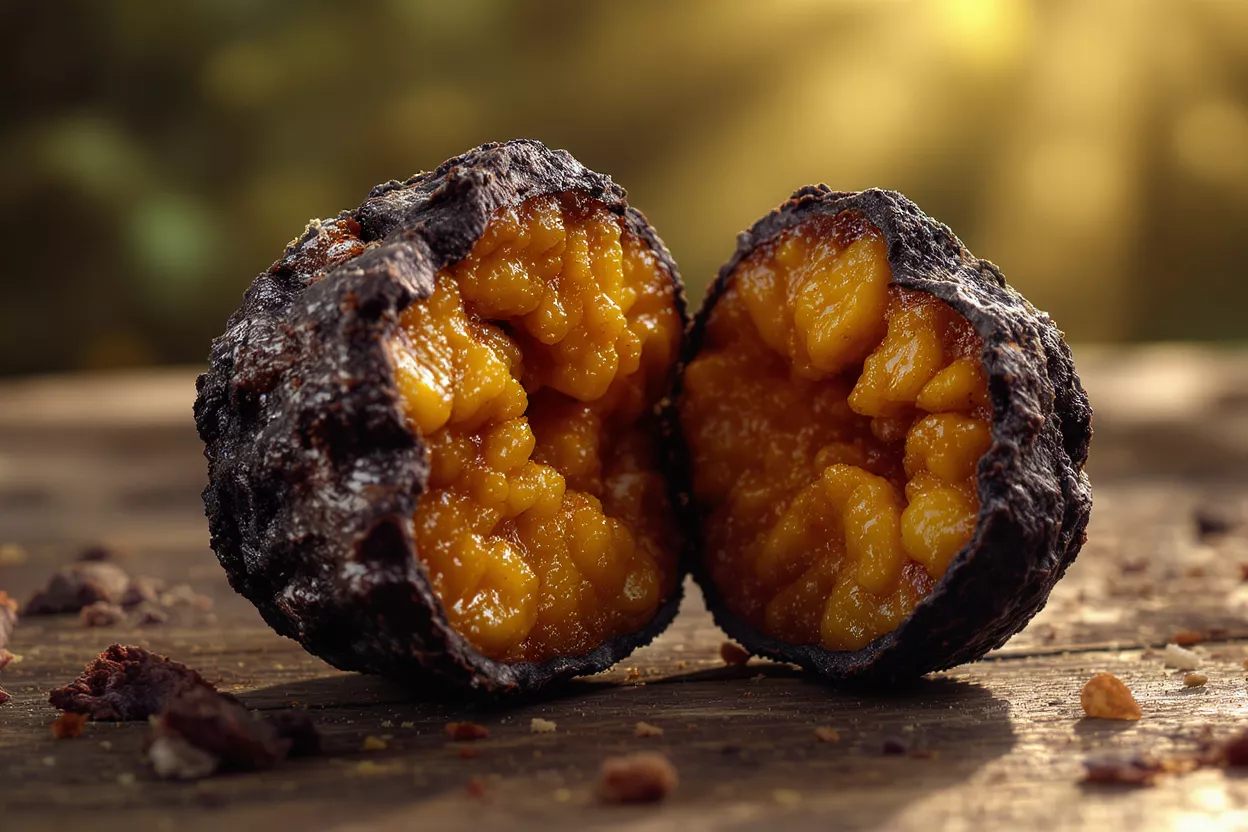
Why chaga looks burnt: The black, cracked exterior is rich in melanin, the same pigment that protects human skin from ultraviolet light. This outer crust shields the fungus from the harsh subarctic climate and contributes to chaga's reputation as a potent antioxidant source. When harvesters describe a good specimen as "dank" and dense, they are pointing to that deeply pigmented, resin-like interior that signals maturity.
How Chaga Works in the Body
The reason chaga has held human attention for so long comes down to its chemistry. The conk is loaded with polysaccharides, particularly beta-glucans, along with triterpenes, polyphenols, and a notably high concentration of superoxide dismutase, an enzyme that helps neutralize free radicals. According to research summarized by Analytical Cannabis, fungal compounds like these are increasingly studied for the way they interact with the body's immune signaling pathways.
Beta-glucans and immune modulation: Rather than simply stimulating the immune system, beta-glucans appear to act as immunomodulators, meaning they help the body respond more appropriately to stress and pathogens. This is the same class of compounds that draws interest in other functional fungi, and it is part of why chaga is grouped with adaptogens that aim to bring the body toward balance rather than push it in one direction.
Chaga is also one of the richest natural sources of antioxidants measured by ORAC value, a laboratory scale that estimates a substance's capacity to absorb free radicals. While ORAC numbers should be read with caution, the sheer density of polyphenols in chaga gives it a meaningful place in many wellness routines, and people who already lean on a daily adaptogenic mushroom blend often add chaga for its earthy depth and antioxidant profile.
Chaga Benefits Backed by Research
Most of the excitement around chaga centers on its antioxidant and anti-inflammatory potential. Laboratory and animal studies suggest that chaga extracts may help moderate oxidative stress, support healthy inflammation responses, and assist the immune system in distinguishing real threats from background noise. It is worth being honest, though, that large human clinical trials remain limited, so chaga should be framed as a promising traditional tonic rather than a proven medicine.
Here is a quick, scannable summary of the areas where chaga shows the most research interest:
- 🛡️ Immune support: Beta-glucans may help regulate immune activity rather than blindly overstimulate it.
- 🍃 Antioxidant defense: High polyphenol and melanin content helps counter oxidative stress.
- 🔥 Inflammation balance: Triterpenes are studied for calming overactive inflammatory pathways.
- 🩸 Metabolic markers: Early animal data hints at support for healthy blood sugar and cholesterol.
- 🧠 Stress resilience: As an adaptogen, chaga may help the body cope with daily stressors.
The most reasonable way to view these benefits is cumulative and gentle. Chaga is not a quick fix or an elixir that delivers dramatic overnight results. Its value tends to show up over weeks of consistent use, much the way a steady wellness habit compounds quietly in the background of a healthy lifestyle.
How Chaga Pairs With Cannabis Wellness Routines
For people who already integrate cannabis into their wellness practice, chaga makes a thoughtful companion. Where Delta-9 THC and its cousins like Delta-8 and Delta-10 deliver familiar mood and body effects, chaga occupies a completely different lane, offering caffeine-free grounding without intoxication. Many users brew chaga tea in the morning and save their cannabis for the evening, treating the two as bookends to a balanced day.
The earthy flavor connection: Chaga's deep, woody, slightly bitter profile mirrors the earthy notes cannabis enthusiasts already appreciate. The same palate that enjoys a resin-heavy Diesel-leaning flower tends to enjoy chaga's roasted, almost coffee-like character, which is why some craft beverage makers blend the two in functional drinks and tinctures.
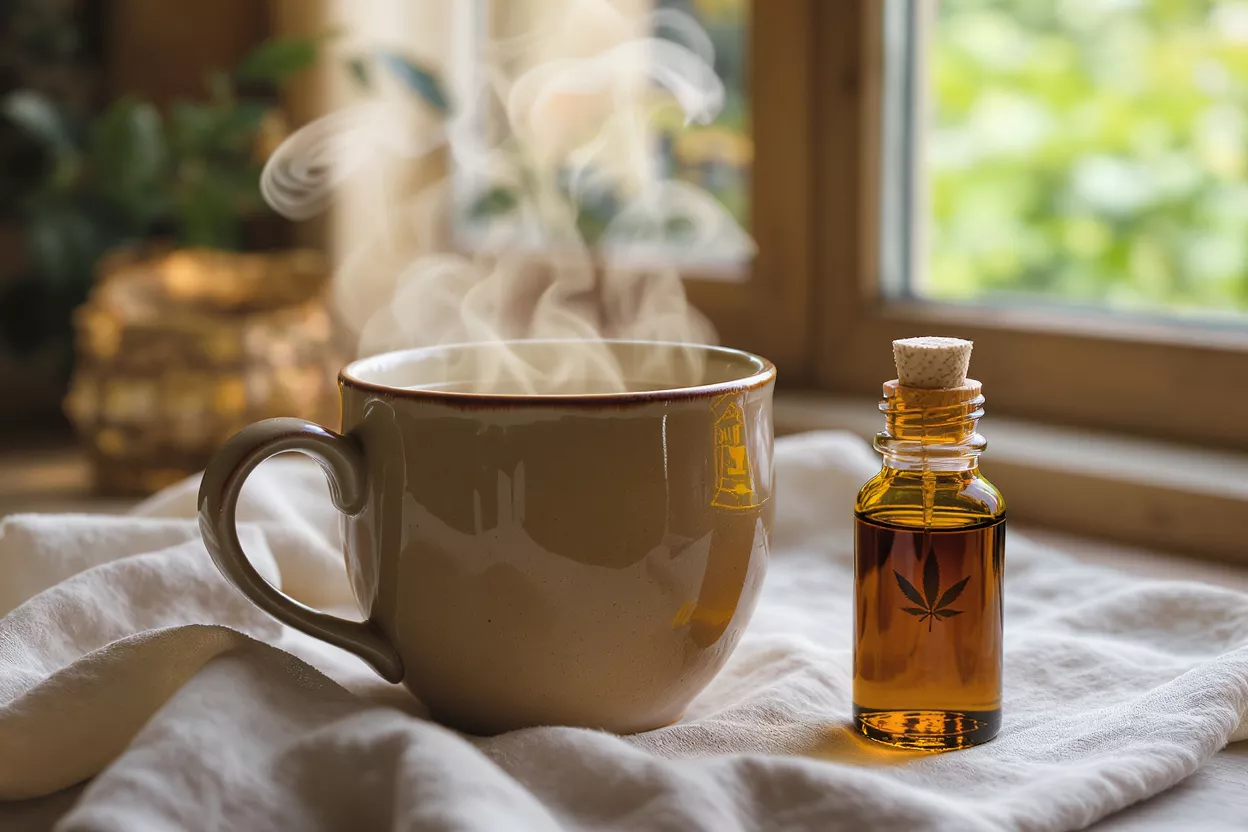
Because chaga contains no THC and produces no high, it carries none of the edible hangover that can follow an overdone cannabis edible. That makes it a clean daytime addition for anyone who wants the ritual of a warm, restorative drink without any psychoactive load, and pairing it with a quality CBD wellness tincture gives a gentle, non-intoxicating routine that complements rather than competes with cannabis.
Types of Chaga Products and Preparations
Chaga reaches the market in several formats, each with trade-offs in convenience, potency, and flavor. Understanding these options helps you choose a product that fits your routine rather than buying on guesswork.
- 🪵 Raw chunks: Hand-harvested pieces brewed slowly into tea; the most traditional and flavorful, but the slowest to prepare.
- ☕ Ground powder: Faster to brew and easy to blend into coffee or smoothies, though slightly less aromatic than fresh chunks.
- 💧 Dual-extract tinctures: Concentrated liquid that pulls both water-soluble and alcohol-soluble compounds for a fuller spectrum.
- 💊 Capsules: The most convenient daily option, ideal for travelers who want consistency without brewing.
- 🍫 Functional blends: Chaga mixed into hot cocoa, lattes, or elixir-style drink mixes for everyday enjoyment.
Why dual extraction matters: Chaga's most valuable compounds split between two solubility groups. The beta-glucans dissolve in hot water, while the triterpenes need alcohol to release fully. A true dual-extract captures both, which is why serious users often reach for a dual-extraction chaga tincture instead of a single-method product that leaves part of the spectrum behind.
Whichever format you choose, the source material matters more than the packaging. Wild-harvested birch chaga from cold climates consistently tests higher in beneficial compounds than fast-grown cultivated alternatives, and a reputable distributor will be transparent about where and how their chaga was sourced.
Chaga Dosing Guide for Beginners
There is no official medical dosage for chaga, but traditional use and supplement labeling offer reasonable guideposts. A common starting point is roughly one to three grams of chaga powder or one cup of brewed tea per day, with extracts dosed according to their concentration. As with any new supplement, the smartest approach is to start low and build gradually while watching how your body responds.
Finding your personal baseline: Begin with a single daily serving for the first week, then assess. Some people feel a subtle lift in energy or digestion; others notice nothing dramatic, which is normal for an adaptogen working quietly in the background. Resources compiled by Analytical Cannabis emphasize that natural compounds often work cumulatively, so consistency matters more than large single doses.
Timing is flexible. Because chaga is caffeine-free, you can enjoy it morning or night without disrupting sleep. Many people fold it into a morning ritual as a coffee alternative or pair it with breakfast, treating the daily cup as a grounding anchor much the way some keep a one-hitter and a dugout for a quick, measured cannabis ritual.
How to Brew Chaga Tea the Right Way
Brewing chaga properly is the difference between a thin, watery cup and a rich, restorative one. Unlike delicate herbal teas, chaga is dense and woody, so it needs heat and time to release its compounds. The traditional method is a long, low simmer rather than a quick steep.
Follow this simple process for a strong, well-extracted cup:
- 🪵 Add chaga: Use one or two chunks, or a tablespoon of powder, per liter of water.
- 🌡️ Heat gently: Bring to a low simmer around 160–180°F; avoid a hard boil that can degrade compounds.
- ⏳ Simmer long: Let it brew for at least an hour, or up to several hours for chunks.
- ♻️ Reuse chunks: Quality pieces can be re-simmered multiple times until the brew runs pale.
- 🍯 Finish to taste: Strain and add honey, cinnamon, or a splash of milk for balance.
The resulting brew should be dark, glossy, and faintly sweet with an earthy backbone. If you appreciate the resinous depth of cannabis flower or the slow ritual of an e-nail session, you will recognize the same patient, craft-minded attention that good chaga brewing rewards. The slower you go, the richer the cup.
Is Chaga Safe and Who Should Avoid It
For most healthy adults, chaga is considered safe in normal culinary and supplemental amounts, with a long history of traditional use supporting its general tolerability. That said, "natural" never automatically means "risk-free," and there are real considerations worth understanding before making chaga a daily habit.
Oxalate content and kidney concerns: Chaga is high in oxalates, compounds that can contribute to kidney stones in susceptible individuals. Anyone with a history of kidney stones or kidney disease should be cautious and consult a healthcare provider. Reporting gathered by Analytical Cannabis reinforces that even well-tolerated natural products warrant individual medical guidance.
Chaga may also affect blood sugar and blood clotting, so people on diabetes medication, blood thinners, or those scheduled for surgery should speak with a doctor first. Pregnant and breastfeeding individuals are generally advised to avoid it due to a lack of safety data. As with cannabis products, responsible use starts with knowing your own health context rather than assuming a substance is universally appropriate.
Buying Quality Chaga: What to Look For
The chaga market ranges from genuinely premium wild-harvested conks to questionable filler products, so knowing what separates quality from junk protects both your wallet and your results. The single most important factor is sourcing: authentic chaga grows wild on birch, and the cold-climate, slow-grown specimens carry the richest compound profiles.
Reading the label like an expert: Look for products that specify wild-harvested birch chaga, state the extraction method, and ideally provide a beta-glucan percentage rather than a vague "polysaccharide" number, which can be inflated by added starch. A trustworthy brand publishes third-party lab testing and is upfront about whether the product is a dual extract.
Use this quick checklist when comparing options:
- 🌲 Source: Wild-harvested from birch in a cold northern climate.
- 🔬 Testing: Third-party lab results for compounds and contaminants.
- 📊 Beta-glucans: A stated percentage, not just "polysaccharides."
- 💧 Extraction: Dual extraction for tinctures and powders.
- 🤝 Transparency: A distributor willing to share origin and processing details.
Treat chaga the way a discerning shopper treats premium flower: the difference between dope marketing and a genuinely dank, high-quality product comes down to sourcing, testing, and honesty. Pay for verified quality and you will actually feel the difference in the cup.
Chaga Questions People Ask Most
Does chaga contain caffeine? No. Chaga is naturally caffeine-free, which is why it works equally well as a morning coffee alternative or an evening wind-down drink. Its energizing reputation comes from supporting overall vitality rather than from stimulants, making it suitable any time of day.
Can I take chaga every day? For most healthy adults, daily use in moderate amounts is well within traditional practice, and consistency is actually where chaga shines as an adaptogen. The main cautions involve its oxalate content and possible interactions, so anyone with kidney issues or on certain medications should check with a doctor before committing to a daily routine.
Chaga is a remarkable example of how a humble, burnt-looking growth on a birch tree can carry centuries of traditional value and a genuinely interesting modern research story. It offers caffeine-free grounding, a deep antioxidant profile, and an earthy ritual that pairs naturally with a mindful cannabis lifestyle. Approach it with realistic expectations, prioritize verified quality over marketing, respect the handful of real safety considerations, and chaga can become a quietly rewarding fixture in your daily wellness routine.