Best Cannabis for Inflammation Guide: What to Know in 2026
Discover the best cannabis for inflammation in 2026.
Inflammation sits at the root of more chronic conditions than most people realize, from arthritis and autoimmune flare-ups to the lingering soreness of an overworked body. As interest in plant-based wellness grows, the search for the best cannabis for inflammation has moved from fringe forums into mainstream conversation. This guide cuts through the noise to explain how the plant interacts with your body's inflammatory pathways, which products and compounds matter most, and how to approach dosing with confidence as we move into 2026.
Whether you are managing a diagnosed condition or simply curious about natural alternatives, understanding the mechanics behind cannabis and inflammation helps you make smarter choices. We will cover strains, product formats, safety considerations, and the latest science, all written for real people looking for real answers rather than marketing hype.
What Is Cannabis for Inflammation and How Does It Work
The endocannabinoid system connection: Cannabis influences inflammation primarily through the endocannabinoid system, a network of receptors that helps regulate immune response, pain signaling, and tissue repair. When cannabinoids like CBD and Delta-9 THC bind to or modulate CB1 and CB2 receptors, they can dampen the overactive immune signals that drive chronic swelling. The CB2 receptor in particular concentrates in immune tissue, making it a natural target for calming inflammatory cascades.
Inflammation itself is not the enemy. It is your body's defense mechanism, sending immune cells to injured or infected sites. The trouble begins when that response refuses to switch off, becoming chronic and damaging healthy tissue over months or years. Cannabis appears to help restore balance rather than simply suppressing immunity outright, which is part of why researchers find it so compelling.
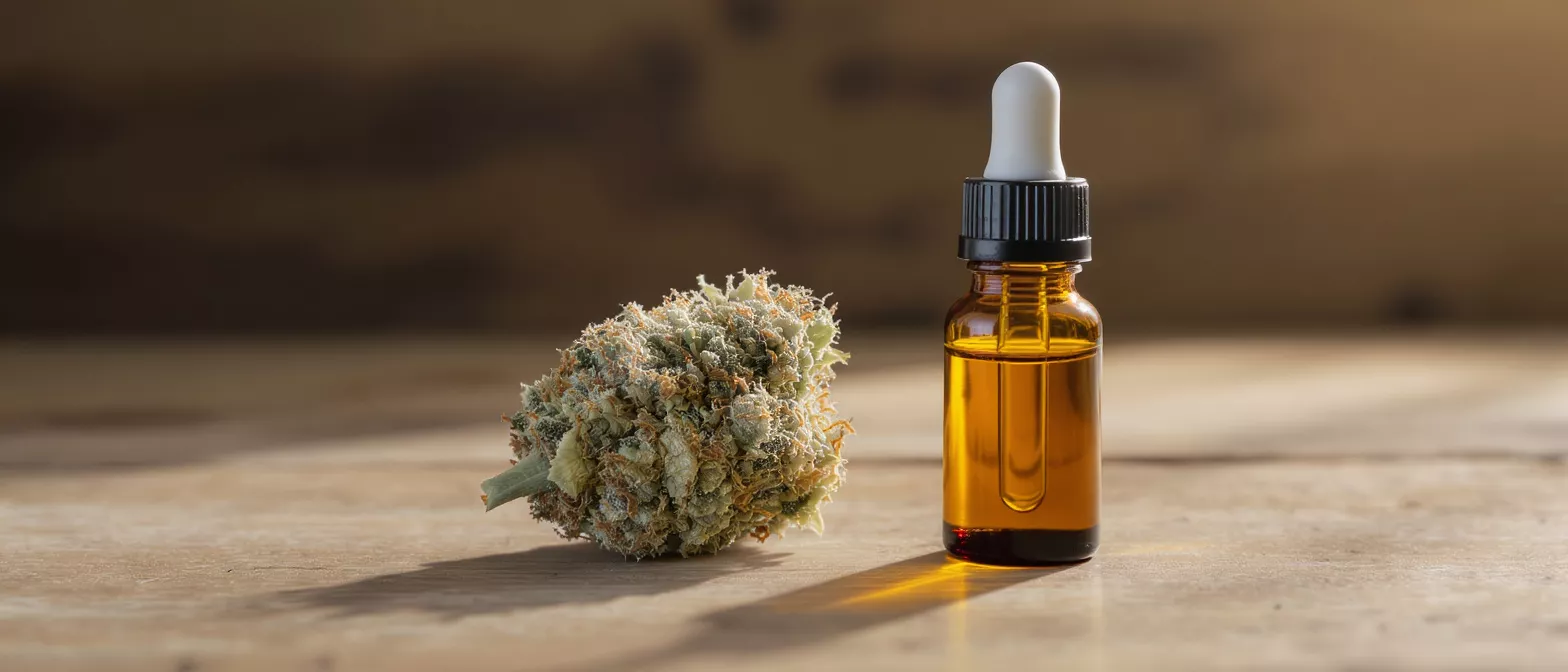
Why people turn to cannabis: Traditional anti-inflammatory drugs like NSAIDs carry real risks for the stomach, kidneys, and heart when used long term. Many people seeking gentler, plant-derived options explore a quality CBD wellness tincture as a daily addition to their routine. The appeal lies in addressing the underlying inflammatory tone of the body rather than masking a single symptom.
How Cannabis Reduces Inflammation in the Body
At the molecular level, cannabinoids interfere with the production of pro-inflammatory cytokines, the signaling proteins that recruit immune cells and amplify swelling. By reducing cytokine output, compounds like CBD can lower the intensity of an inflammatory flare without shutting down the immune system entirely. Research published by Nature has explored how cannabinoid receptors influence these immune pathways, lending scientific weight to anecdotal reports.
The role of terpenes: Cannabinoids do not work alone. Aromatic compounds called terpenes contribute their own anti-inflammatory properties. Eucalyptol, found in eucalyptus and some cannabis cultivars, has been studied for its ability to calm airway and tissue inflammation. Other terpenes work alongside cannabinoids in what is often called the entourage effect, where the whole plant produces a more rounded benefit than any isolated molecule.
Beyond cytokines, cannabis influences oxidative stress, a partner of chronic inflammation. Antioxidant activity helps neutralize the free radicals that accumulate during prolonged immune activity. This dual action, calming both the inflammatory signal and the oxidative damage it produces, explains why so many users report improvements that go beyond simple pain relief.
Best Cannabis Strains for Inflammation Relief
Choosing the right cultivar matters because cannabinoid and terpene profiles vary widely between strains. For inflammation, many people gravitate toward balanced or CBD-dominant cultivars that deliver relief without overwhelming intoxication. The fan leaf of the plant may get the attention, but it is the resinous flower that holds the therapeutic compounds you actually want.
Strains commonly favored for inflammation: While individual response varies, certain profiles appear repeatedly in user reports and dispensary recommendations. The list below highlights popular options and their typical character.
- 🌿 ACDC: A high-CBD, low-THC cultivar prized for clear-headed relief and minimal psychoactivity.
- 🌿 Harlequin: Balanced CBD-to-THC ratio that softens inflammation while keeping you functional.
- 🌿 Cannatonic: Mellow and CBD-forward, often chosen for daytime use.
- 🌿 Northern Lights: A relaxing indica leaning option for evening soreness and rest.
- 🌿 Blueberry: Rich in myrcene, a terpene linked to muscle relaxation.
Quality sourcing matters as much as the strain name. A skilled extraction artist can preserve a fuller spectrum of cannabinoids and terpenes during processing, while careless methods strip away the very compounds that make a cultivar effective. When shopping, prioritize lab-tested products with transparent cannabinoid and terpene breakdowns over flashy branding.
CBD vs THC for Inflammation: Which Works Better
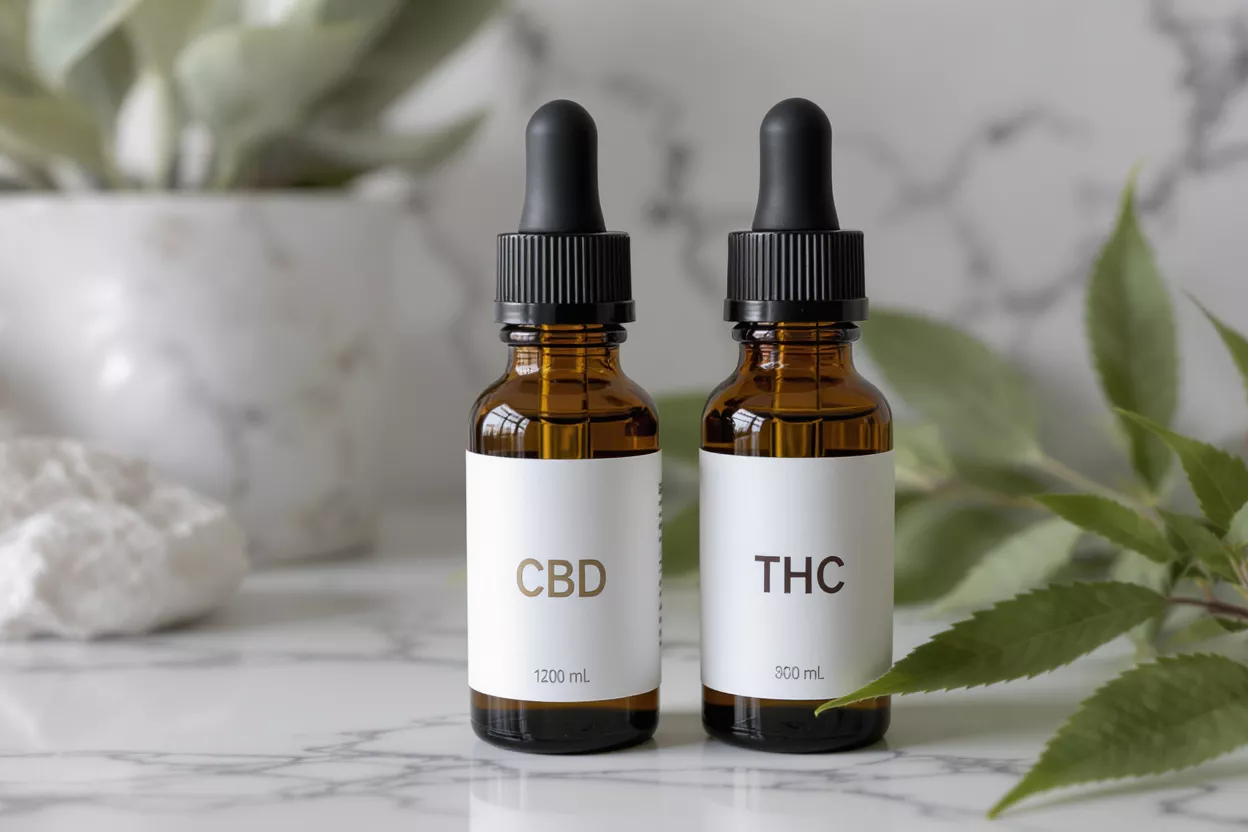
The case for CBD: Cannabidiol is non-intoxicating and carries one of the strongest anti-inflammatory profiles among cannabinoids. It works well for people who need relief throughout the day without impairment, and it pairs neatly with a busy lifestyle. Many users start here precisely because it sidesteps the high while still engaging the immune-modulating receptors.
The case for THC: Delta-9 THC also fights inflammation and adds powerful pain relief, but it brings psychoactive effects that some users want and others avoid. For nighttime use or severe discomfort, a modest amount of THC can deepen relief considerably. The key is finding your personal threshold, since too much can introduce anxiety or grogginess.
For most people, the answer is not either-or but a thoughtful blend. A balanced ratio harnesses the strengths of both compounds, and products formulated for synergy often outperform single-cannabinoid options. Some find that a broad-spectrum softgel capsule offers a convenient, measured way to combine cannabinoids without guesswork. The right ratio is deeply individual, so a period of careful experimentation pays off.
Types of Cannabis Products for Inflammation
The format you choose shapes how quickly relief arrives and how long it lasts. Inhalation acts fast but fades quicker, while edibles and capsules take longer to kick in yet provide sustained, body-wide effects. Topicals offer targeted relief without entering the bloodstream in meaningful amounts, making them ideal for localized joint or muscle inflammation.
Matching the product to your need: The table-style summary below breaks down common formats and where each shines.
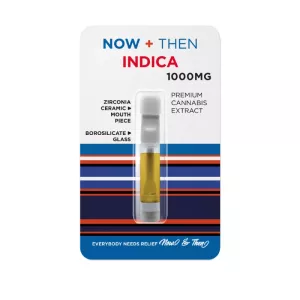
- 💨 Vaping: A disposable vape delivers near-instant relief, useful for acute flare-ups, though effects last only an hour or two.
- 🍯 Edibles and elixirs: An infused elixir or gummy offers long-lasting, systemic effects ideal for persistent inflammation.
- 🧴 Topicals: Balms and creams target specific joints without psychoactive effects.
- 💧 Tinctures: Sublingual oils balance speed and duration with precise dosing control.
- 💊 Capsules: Pre-measured doses for consistent, repeatable daily routines.
Concentrates deserve a mention for experienced users. Products made through methods like ethanol hash oil extraction, sometimes called EHO, deliver potent cannabinoid concentrations. An e-rig or e-nail vaporizes these extracts at controlled temperatures, preserving terpenes that gentler heating retains. These tools serve people who need significant relief and already understand their tolerance, rather than newcomers easing in.
Cannabis for Inflammation Dosing Guide
Start low and go slow: This phrase has become a mantra in cannabis wellness for good reason. Beginning with a small dose, often 5 to 10 milligrams of CBD or 2.5 milligrams of THC, lets you gauge your body's response before increasing. Inflammation relief often builds with consistent use over days or weeks rather than appearing instantly, so patience matters as much as the number on the label.
Body weight, metabolism, and the severity of your inflammation all influence the ideal dose. A petite person with mild soreness needs far less than a larger individual managing rheumatoid arthritis. Keep a simple journal noting dose, timing, and effect, since this record quickly reveals patterns that generic charts cannot capture for your unique physiology.
Timing your doses: For chronic inflammation, consistent daily dosing maintains steady cannabinoid levels and prevents the inflammatory tone from rebuilding. Splitting your total into morning and evening doses often works better than a single large amount. Always consult a healthcare provider before combining cannabis with prescription medications, particularly blood thinners or drugs metabolized by the liver.

Cannabis Inflammation Benefits Backed by Research
The scientific case for cannabis and inflammation has strengthened considerably over the past decade. Studies in arthritis, inflammatory bowel conditions, and neuroinflammation have all reported reductions in inflammatory markers and symptom severity. While much research remains preclinical, the consistency across models gives clinicians cautious optimism about therapeutic potential.
Beyond pain relief: Reduced inflammation ripples outward into other areas of health. Lower systemic inflammation is linked to better sleep, improved mood, and reduced cardiovascular strain. Many users who begin cannabis for joint pain notice these secondary improvements, which makes sense given how deeply inflammation intertwines with overall wellness.
It is worth distinguishing genuine evidence from marketing claims. Cannabis is not a cure for inflammatory disease, and reputable sources avoid overpromising. What the literature does support is meaningful symptom management and quality-of-life improvement for many people, especially when cannabis complements rather than replaces a comprehensive treatment plan guided by a physician.
Is Cannabis Safe for Chronic Inflammation
The safety profile: For most adults, cannabis used responsibly carries a favorable safety profile compared to long-term NSAID or steroid use. It does not damage the stomach lining or kidneys the way prolonged NSAID use can, and it lacks the systemic complications of chronic corticosteroids. That said, safe does not mean risk-free, and individual circumstances matter enormously.
Certain groups should approach cannabis with extra caution or avoid it entirely. People who are pregnant, have a history of psychosis, or take medications with cannabinoid interactions should consult a doctor first. Younger users face particular concern because the developing brain remains sensitive to THC, so age-appropriate guidance is essential.
Quality and contamination: Safety also depends heavily on product purity. Unregulated products may contain residual solvents, pesticides, or heavy metals. Look for certificates of analysis from accredited labs, and favor a distributor or brand with a transparent track record. An excipient or carrier oil used in formulation should be food-grade and clearly disclosed, never an afterthought hidden behind vague labeling.

Cannabis for Inflammation Side Effects to Know
Even with a strong safety record, cannabis produces side effects worth understanding. CBD at high doses can cause drowsiness, dry mouth, or mild digestive upset, while THC may bring dizziness, increased heart rate, or temporary anxiety. Most effects are dose-dependent, meaning they ease when you reduce the amount you take.
Managing common reactions: The quick reference below covers the side effects users encounter most and simple ways to reduce them.
- 😴 Drowsiness: Shift dosing to the evening or lower your amount.
- 👄 Dry mouth: Stay hydrated before and during use.
- 😵 Dizziness: Sit down, avoid driving, and reduce future doses.
- 🍽️ Appetite changes: Plan meals around your dosing schedule.
Drug interactions deserve special attention. Cannabinoids are processed by the same liver enzymes that metabolize many prescription drugs, which can alter how those medications work. If you take any regular medication, a conversation with your pharmacist or physician protects you from unexpected interactions and helps you dose cannabis safely alongside your existing regimen.
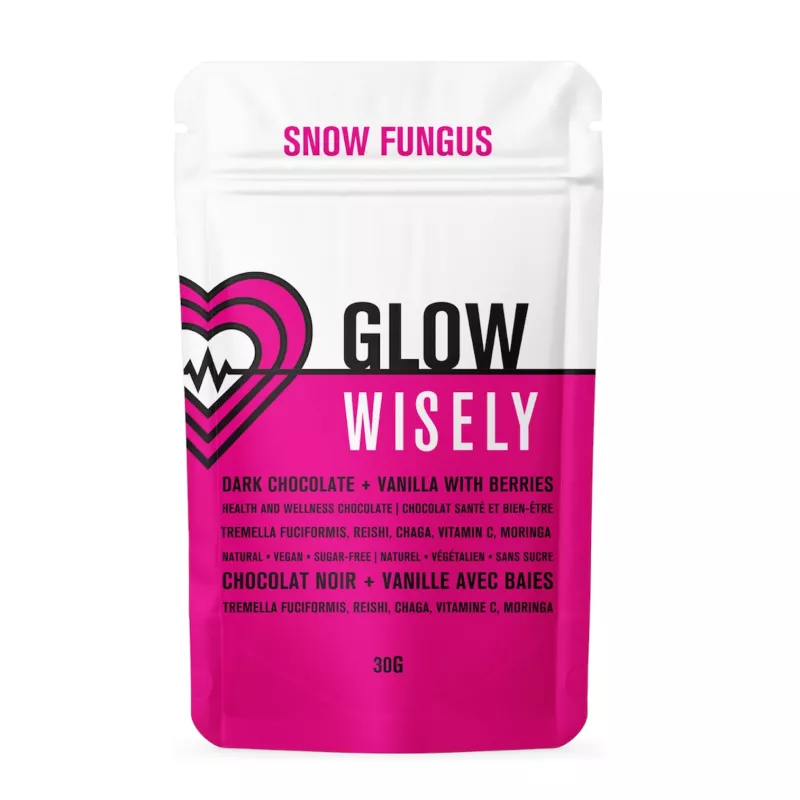

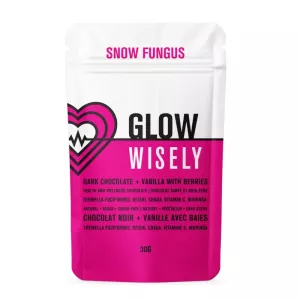
GLOW Functional Mushroom Vanilla + Berry Dark Chocolate 30g / 6pcs – Wisely
Beauty as a daily ritual. Wisely's GLOW folds skin-loving functional mushrooms into vanilla-berry sugar-free dark chocolate — six squares for radiance that starts from within. Sweet-tart and rich, with no sugar and no cannabis, it turns your beauty routine into something you'll look forward to. A small, antioxidant-rich indulgence on the way to your natural glow.
- Skin Radiance : Support natural glow from within
- Collagen Support : Mushrooms boost production naturally
- Antioxidant Protection : Fight aging at cellular level
- Inflammation Reduction : Calm skin conditions internally
- Texture Improvement : Smoother skin over time
Choosing Cannabis for Inflammation in 2026
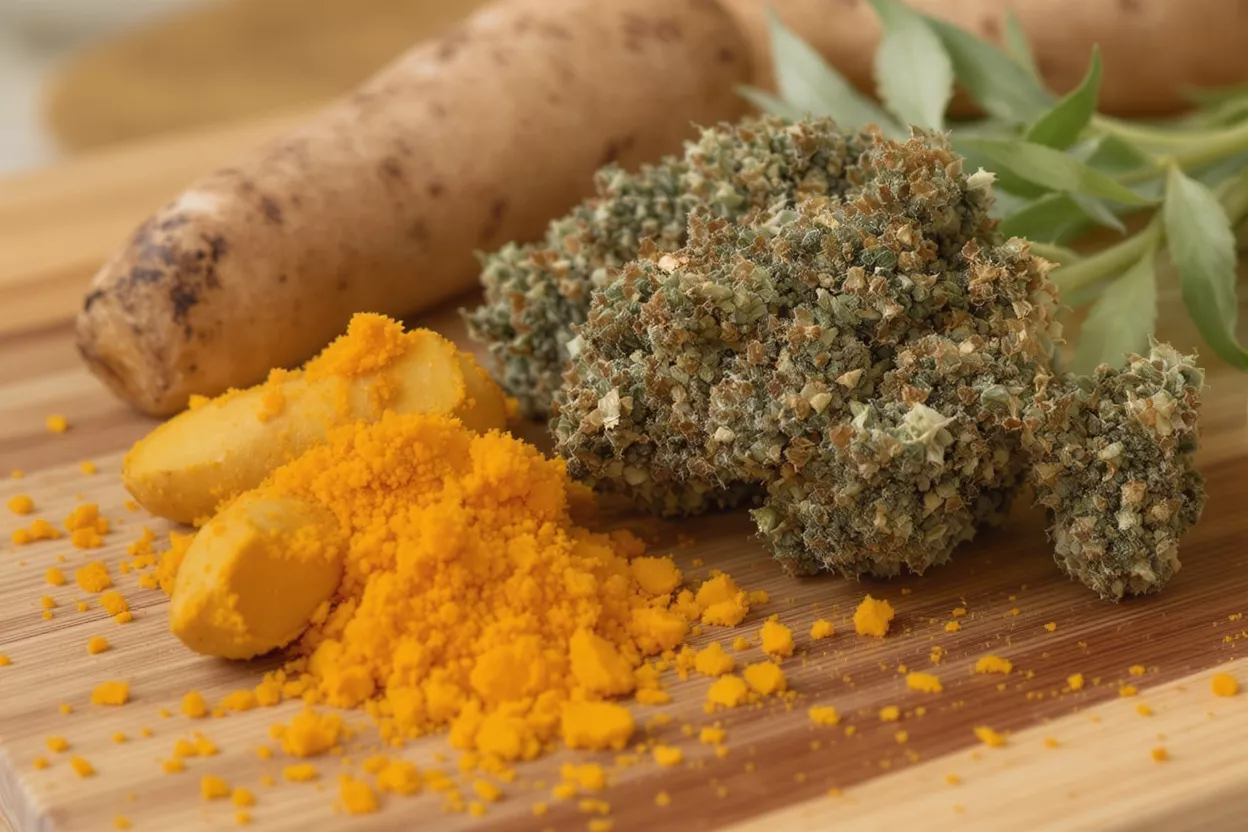
What is changing in 2026: The cannabis market continues to mature, with better lab standards, more precise formulations, and a growing body of research guiding product development. Expect to see more targeted blends formulated specifically for inflammation, combining cannabinoids with supportive botanicals like Curcumin, the active compound in turmeric, or adaptogenic mushrooms such as Chaga and Cordyceps. These thoughtful combinations reflect a shift from generic products toward condition-specific wellness.
When choosing among products in this evolving landscape, prioritize transparency, third-party testing, and formulations matched to your specific needs. A reputable brand will explain its extraction methods, disclose its full cannabinoid and terpene profile, and never hide behind buzzwords. Whether you prefer a tincture, capsule, topical, or vape, the same principles of quality and clarity apply across every format.
The best cannabis for inflammation is ultimately the one that fits your body, your condition, and your lifestyle, chosen with patience and informed care. Start low, track your response, prioritize tested products, and work alongside a healthcare provider when managing a diagnosed condition. With the science maturing and product quality improving year over year, 2026 offers more thoughtful, effective options than ever before for those seeking natural relief from chronic inflammation.