Best Cannabis for Migraines Guide: What to Know in 2026
Discover the best cannabis for migraines: strains, CBD ratios, terpenes & dosing tips.
What Is the Best Cannabis for Migraines?
Finding the best cannabis for migraines is less about chasing a single legendary strain and more about understanding how cannabinoids, terpenes, and delivery methods interact with your particular pattern of attacks. Migraine is a neurological condition, not just a bad headache, and the way cannabis influences pain signaling, nausea, and light sensitivity makes it genuinely interesting for people who have exhausted conventional options. The right approach pairs the right chemistry with the right timing.
People come to cannabis for migraines from very different starting points. Some want abortive relief the moment an aura appears; others want a gentle, daily preventive routine that reduces how often attacks strike at all. Those two goals call for different products, different cannabinoid ratios, and different consumption formats, which is why a one-size-fits-all recommendation rarely holds up.
Throughout this guide we will treat cannabis as a toolkit rather than a magic bullet. We will look at strains, ratios, terpenes, dosing, and safety with the same scrutiny a careful patient would bring to any therapy. The goal is a routine you can actually trust during the disorienting hours of a migraine, when clear thinking is hard and reliability matters most.
How Cannabis for Migraines Works in the Body
The endocannabinoid system and migraine: Your body contains a signaling network called the endocannabinoid system, which helps regulate pain perception, inflammation, mood, and vascular tone. Researchers have long observed that some migraine sufferers may have lower baseline endocannabinoid activity, a concept sometimes described as clinical endocannabinoid deficiency. Cannabis introduces plant cannabinoids like THC and CBD that interact with the same receptors, which may help recalibrate pain-processing pathways during an attack.
THC primarily engages CB1 receptors concentrated in the brain and central nervous system, which is where much of cannabis's analgesic and anti-nausea effect comes from. CBD works more indirectly, influencing serotonin signaling and dampening inflammatory cascades without producing intoxication. According to research summarized by Frontiers, cannabinoids show measurable potential in modulating the neural and vascular components that drive migraine pain.
It helps to think of the plant as an elixir of dozens of active compounds rather than a single drug. Beyond THC and CBD, minor cannabinoids and aromatic terpenes contribute to the overall effect through what is often called the entourage effect. That complexity is exactly why a full-spectrum extraction artist's concentrate can feel different from an isolate, even at the same THC number.
Best Cannabis Strains for Migraine Relief
What makes a strain migraine-friendly: The most useful migraine strains tend to balance meaningful pain relief with manageable head effects, because an overwhelming high can worsen the disorientation and light sensitivity that already accompany an attack. Look for genetics with documented anti-inflammatory terpene profiles and a cannabinoid ratio that suits your tolerance rather than the highest THC percentage on the menu.
While individual chemistry varies, several lineages come up repeatedly in patient reports and dispensary guidance. These are starting points for experimentation, not guarantees:
- 🌿 Harlequin: A high-CBD, balanced strain that takes the edge off pain while keeping you clear-headed.
- 💜 Granddaddy Purple: A heavy indica favored for nighttime attacks paired with insomnia and tension.
- 🍋 Lemon OG: Citrus-forward genetics often chosen for nausea and the foggy heaviness that follows an attack.
- 🌸 ACDC: Very low THC and high CBD, ideal for daytime relief without intoxication.
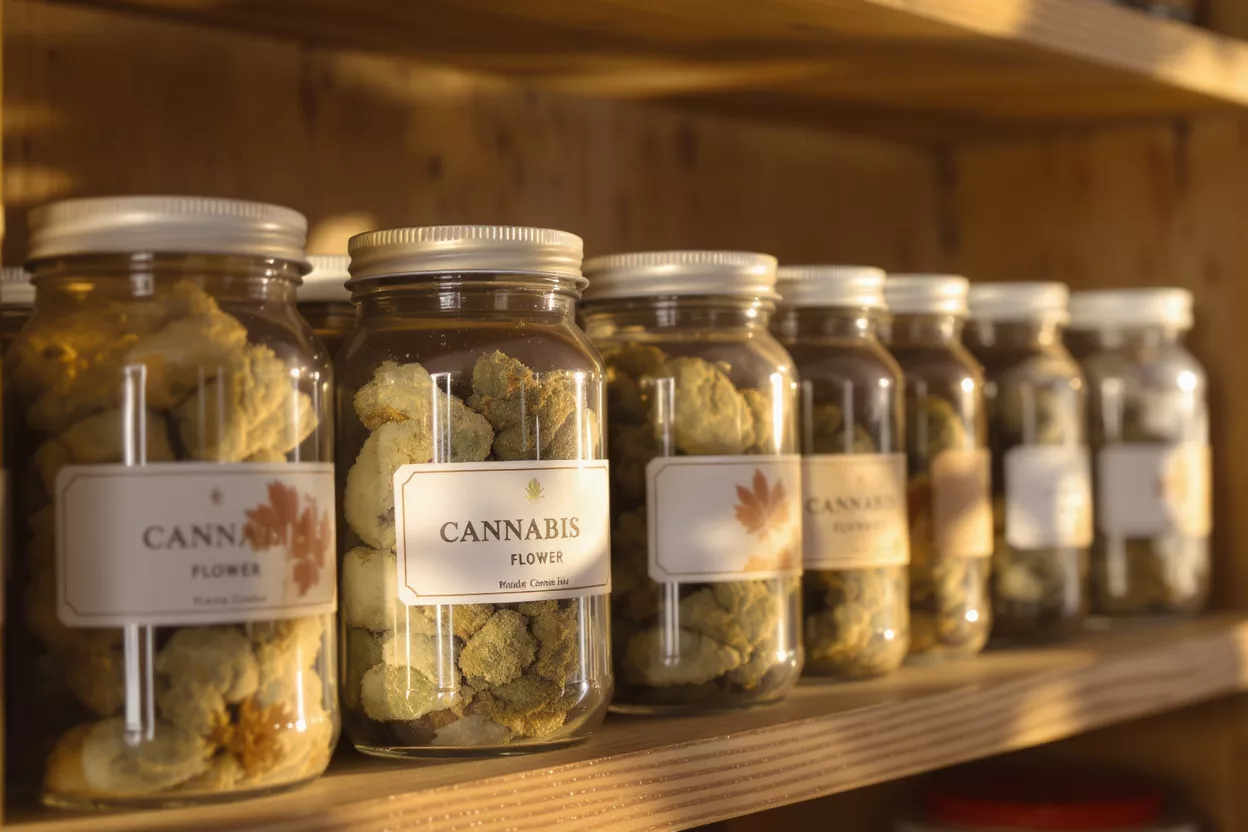
When you shop, consider starting with high-CBD balanced flower so you can dial in relief without committing to strong psychoactivity on day one. Buying feminized seeds or asking your budtender about the plant's fan leaf health and cure quality can also signal whether you are getting a well-grown product worth your money.
Indica vs Sativa for Migraine Headaches
The indica reputation: Indica-leaning cultivars are traditionally associated with body-heavy, sedating effects, which many migraine sufferers prefer when an attack drives them into a dark, quiet room. The relaxation can ease the neck and shoulder tension that frequently accompanies head pain, and the drowsiness may be welcome if you are trying to sleep through the worst hours.
Sativa-leaning cultivars tend to feel more cerebral and energizing, which can be a double-edged sword. Some people find a clear-headed sativa useful for daytime relief that lets them keep functioning, while others discover that the racy, stimulating quality aggravates light and sound sensitivity. The honest answer is that the indica-versus-sativa label is a rough marketing shorthand rather than a precise predictor.
Modern guidance leans on the actual chemical fingerprint instead. Two plants both sold as indica can produce wildly different experiences depending on their terpene and cannabinoid content. That is why dispensaries increasingly print lab data, and why a thoughtful consumer learns to read a certificate of analysis the way a sommelier reads a label.
THC and CBD Ratios for Migraine Prevention
Why ratio matters more than potency: The relationship between THC and CBD shapes the experience far more than raw potency. A high-CBD, low-THC product offers gentle anti-inflammatory and calming effects suited to daytime prevention, while a THC-forward product delivers stronger abortive relief at the cost of more pronounced head effects. Many migraine patients settle on a balanced ratio that splits the difference.
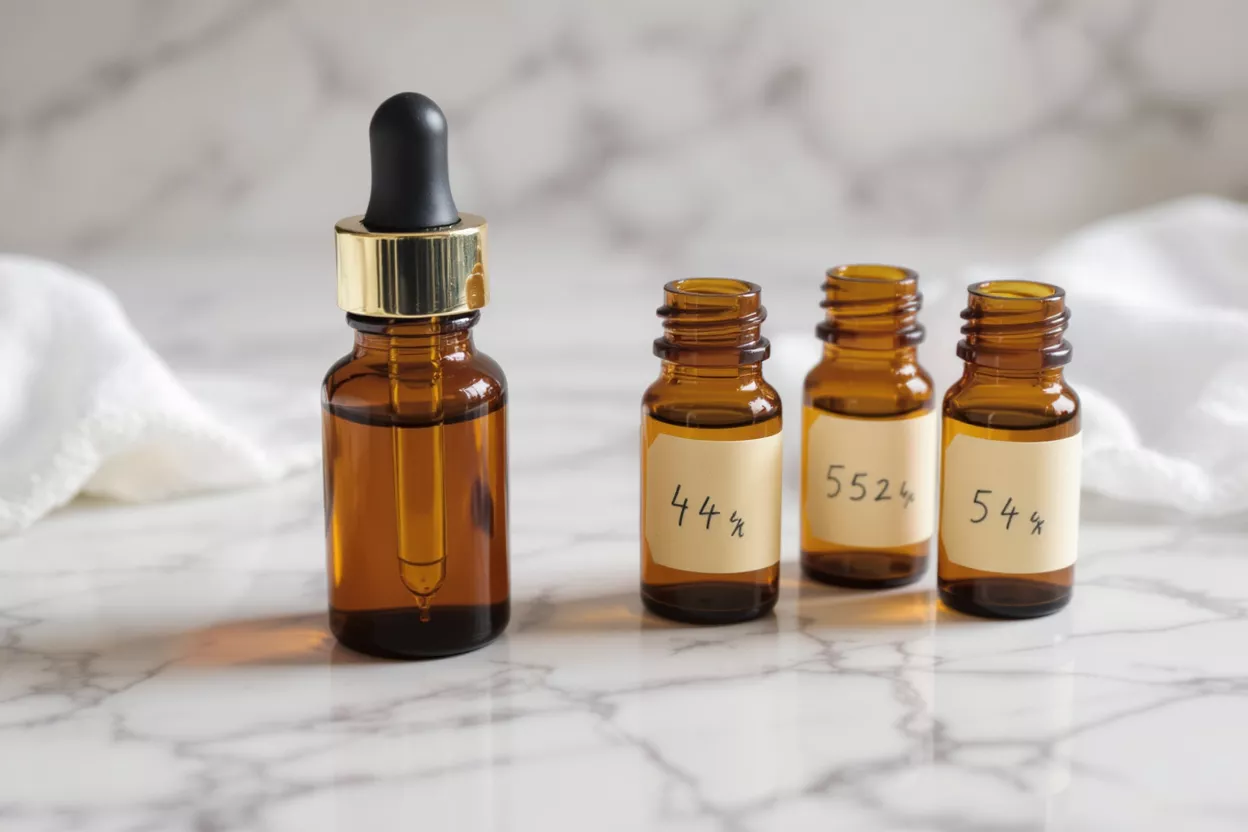
For prevention, lower and steadier wins. A consistent low dose of CBD-dominant product, taken daily, may help reduce baseline inflammation and stress reactivity that prime the nervous system for attacks. CBD's lack of intoxication makes it practical for morning use, and pairing it with curcumin from turmeric is a popular stacking strategy among people chasing broader anti-inflammatory support.
- 🌙 20:1 CBD:THC: Daytime prevention and high-frequency sufferers who must stay functional.
- ⚖️ 1:1 CBD:THC: Balanced abortive relief with moderate head effects.
- 🔥 High-THC, low-CBD: Acute, severe attacks where strong relief is the priority.
If daily prevention is your aim, a CBD-dominant daily tincture is one of the easiest formats to dose precisely and integrate into a routine. Some patients reinforce that base with adaptogenic mushrooms like reishi, chaga, or cordyceps, hoping to support stress resilience that indirectly influences migraine frequency.
Best Consumption Methods for Fast Migraine Relief
Speed versus duration: How you consume cannabis determines how fast relief arrives and how long it lasts, a critical trade-off during an attack. Inhalation works within minutes, which matters enormously when you feel an aura building, while edibles can take well over an hour to engage but deliver hours of steady coverage once they do.
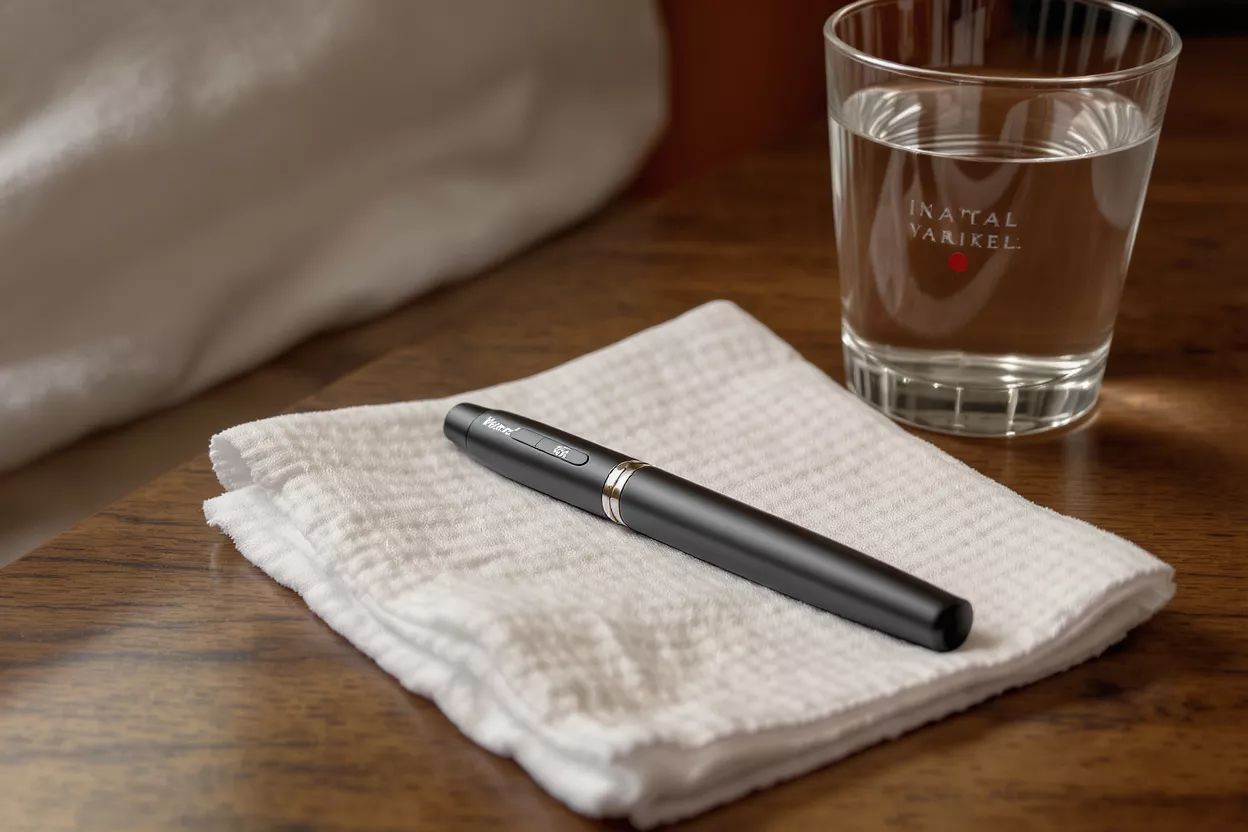
Inhalation options range widely in sophistication. A simple glass piece with a downstem and a fresh bowl is the classic entry point, while temperature-controlled devices like an e-nail or e-rig give concentrate users precise control to avoid the harsh, throat-scorching hits that can themselves trigger nausea. Whatever the hardware, the appeal is the near-instant onset that makes it possible to intervene before pain fully escalates.
Sublingual and oral products tell a slower story. A tincture or an emulsion-based beverage absorbs gradually and lasts longer, which suits prevention and overnight relief better than acute rescue. Many patients keep both categories on hand, reaching for fast-acting vaporizer cartridges during an active attack and saving longer-lasting edibles for steady background coverage.
Cannabis for Migraines Dosing Guide
Start low and go slow: This is the single most important principle in cannabis dosing, and it is doubly true for migraine, where overshooting can produce a fresh wave of nausea, dizziness, or anxiety. Begin with the smallest meaningful dose, wait long enough to feel the full effect, and only then decide whether to add more.
Concrete starting points help newcomers avoid guesswork. For edibles, 2.5 to 5 milligrams of THC is a sensible first dose, and many migraine patients never need more than 10. For inhalation, a single small inhalation followed by a five-minute pause lets you read your body before continuing. CBD has a wider comfort range, with many people starting at 10 to 25 milligrams daily for prevention.
Keep a simple log of dose, product, timing, and outcome. Migraine is notoriously variable, and a short written record reveals patterns that memory alone will miss, especially the difference between what aborts an attack and what merely dulls it. Over a few weeks, that log becomes your most valuable dosing tool.
Terpenes That Help With Migraine Symptoms
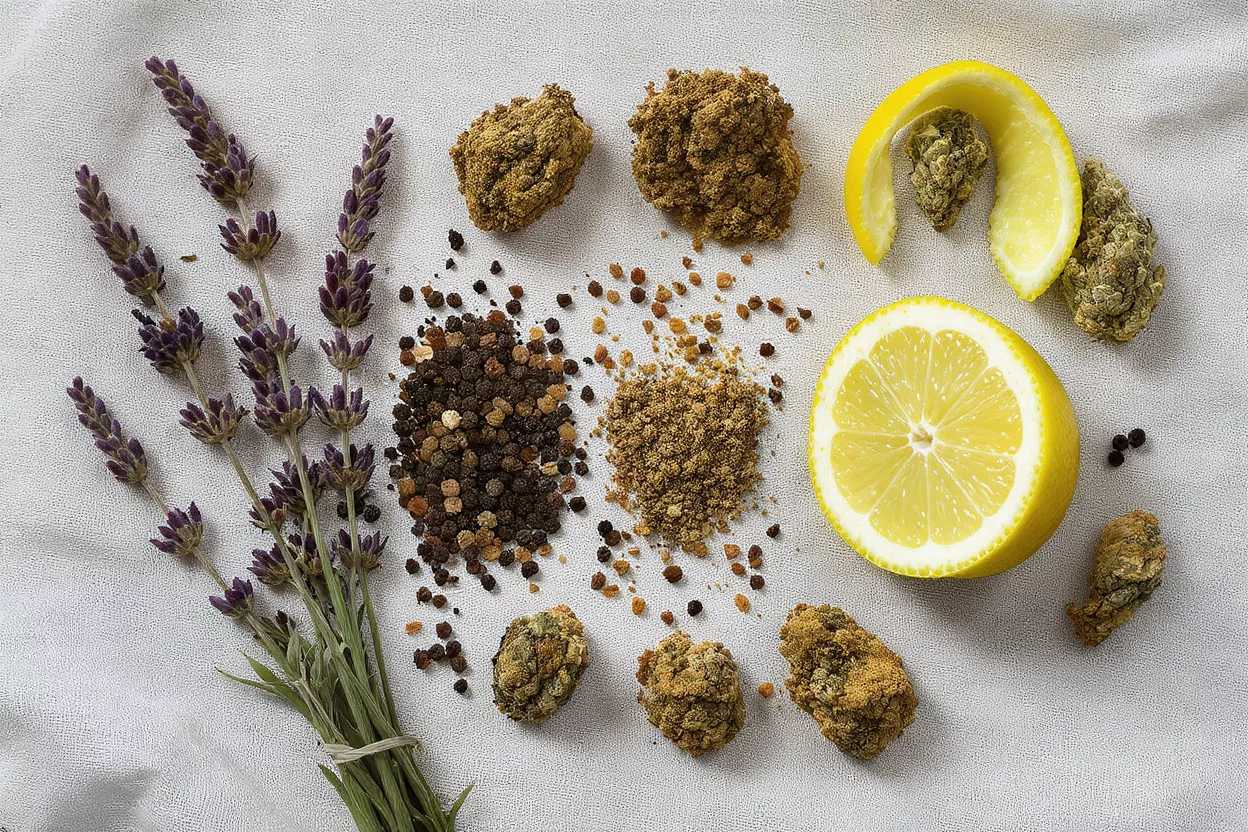
Aromatic compounds with real jobs: Terpenes are the fragrant molecules that give each cultivar its smell, and several appear to contribute to migraine-relevant effects. Beta-caryophyllene interacts with cannabinoid receptors and shows anti-inflammatory promise, while myrcene is associated with the sedating, couch-locking quality of many heavy indicas.
Other terpenes round out the picture. Eucalyptol, the cooling compound also found in eucalyptus, is studied for its potential to ease congestion and tension that can feed sinus-adjacent head pain. Fenchol and linalool lean calming and may temper the anxiety that frequently rides alongside an attack, while pinene adds a bright, clarifying note that some people find helpful during daytime relief.
The practical takeaway is to treat terpene profiles as part of your selection criteria rather than an afterthought. A product rich in calming, anti-inflammatory terpenes may serve a migraine sufferer better than a higher-THC product with a harsh, stimulating profile. Reading lab panels for these compounds is a habit worth building.
Are Cannabis Treatments for Migraines Safe?
Understanding the real risks: Cannabis carries a strong safety profile relative to many migraine medications, but it is not free of caveats. The most relevant concern for headache sufferers is medication-overuse headache, the rebound pattern where frequent use of any acute remedy can paradoxically increase attack frequency. Reserving high-THC products for genuine attacks, rather than daily indulgence, helps avoid this trap.
Other considerations deserve honest attention. THC can cause dizziness, increased heart rate, and anxiety in sensitive users, and combining cannabis with alcohol or sedatives amplifies impairment. Pregnant people, adolescents, and anyone with a history of psychosis should approach with particular caution and professional guidance.
Quality and sourcing matter as much as chemistry. Products made with clean extraction, free of residual solvents and contaminants, reduce avoidable risk. Whether a concentrate is made with ethanol hash oil or another method, look for tested products from reputable makers, and be wary of anything where an unfamiliar excipient or thinning agent appears on the label without explanation.


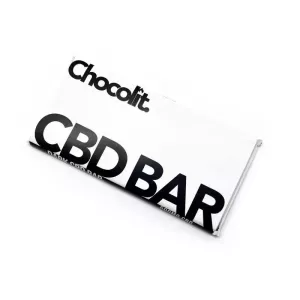
CBD Vegan Dark Chocolate Bar 500mg / 24pcs – Chocolit
Rich, dark, and quietly calming. Chocolit's vegan dark CBD bar folds 500mg of CBD into 70% cacao sweetened with monk fruit — completely sugar-free and plant-based. Deep and slightly bitter in the best way, with antioxidant-rich cacao doing double duty, it's the wholesome wind-down square for stress that doesn't need a high. Indulgence you can feel good about.
- Anxiety Relief : 500mg CBD provides powerful calming effects
- Blood Sugar Friendly : Zero glycemic impact from monk fruit
- Anti-Inflammatory : CBD plus dark chocolate compounds
- Vegan Wellness : Plant-based relief aligns with ethics
- Antioxidant Boost : High cacao content fights free radicals
Building a Cannabis Migraine Routine in 2026
From experimentation to system: The best cannabis for migraines in 2026 is the routine you have personally tested and refined, not whatever trends online. Pull together what you have learned: a low-dose preventive base, a fast-acting abortive option for active attacks, terpene profiles that suit your symptoms, and a dosing log that keeps you honest about what actually works.
Layering matters. Many patients run a daily CBD-forward foundation for prevention, then keep a separate THC-leaning product staged for the first sign of an attack. Pairing that with non-cannabis basics like hydration, consistent sleep, and trigger avoidance creates a defense that is far stronger than any single product. Cannabis works best as one well-chosen instrument in a larger plan.
Finally, stay in conversation with a knowledgeable clinician, especially if you take other medications or your migraines are escalating. The science is advancing quickly, dispensary lab data keeps improving, and what serves you best today may evolve as new products and better-characterized cultivars reach the market. Build your routine on evidence, track your results, and adjust with intention rather than guesswork.