Best Cannabis Topicals Guide: What to Know in 2026
Discover how cannabis topicals work, their benefits for pain relief, and what to buy.
What Are Cannabis Topicals and How Do They Work
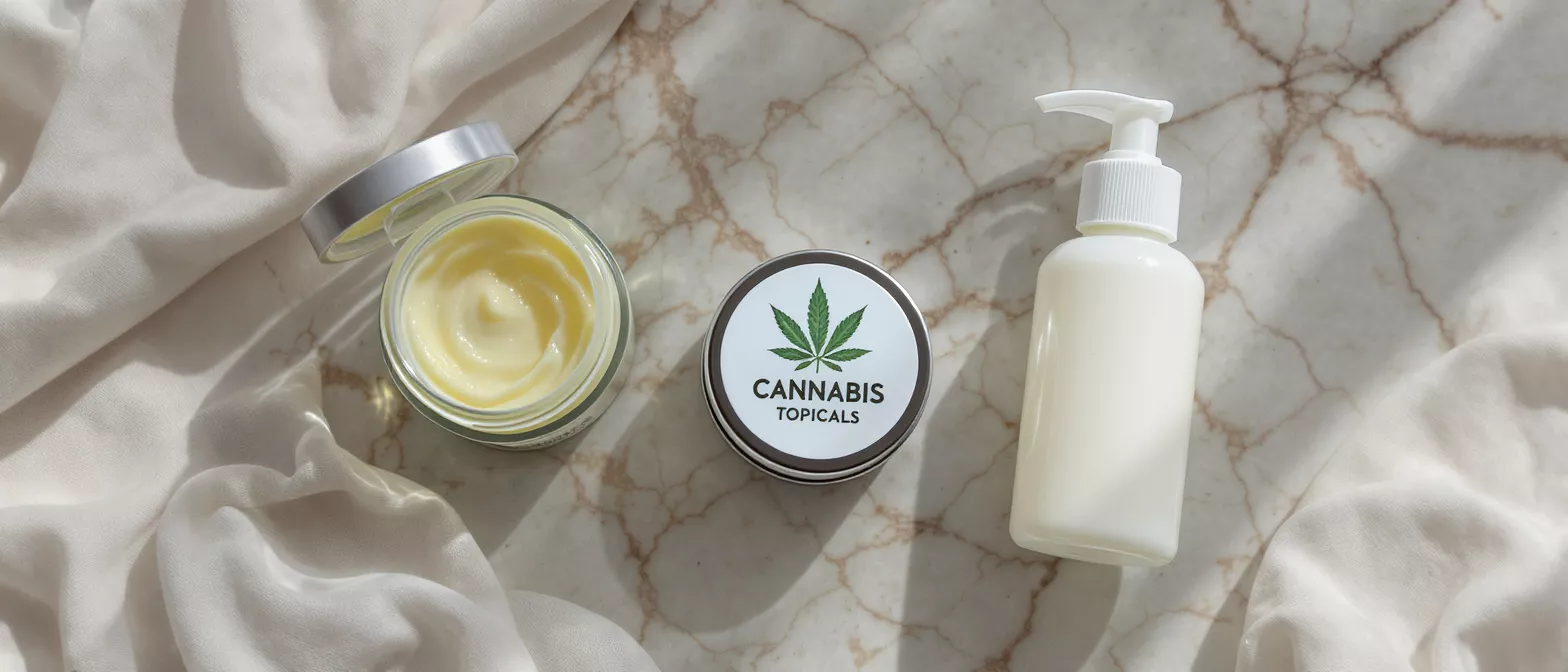
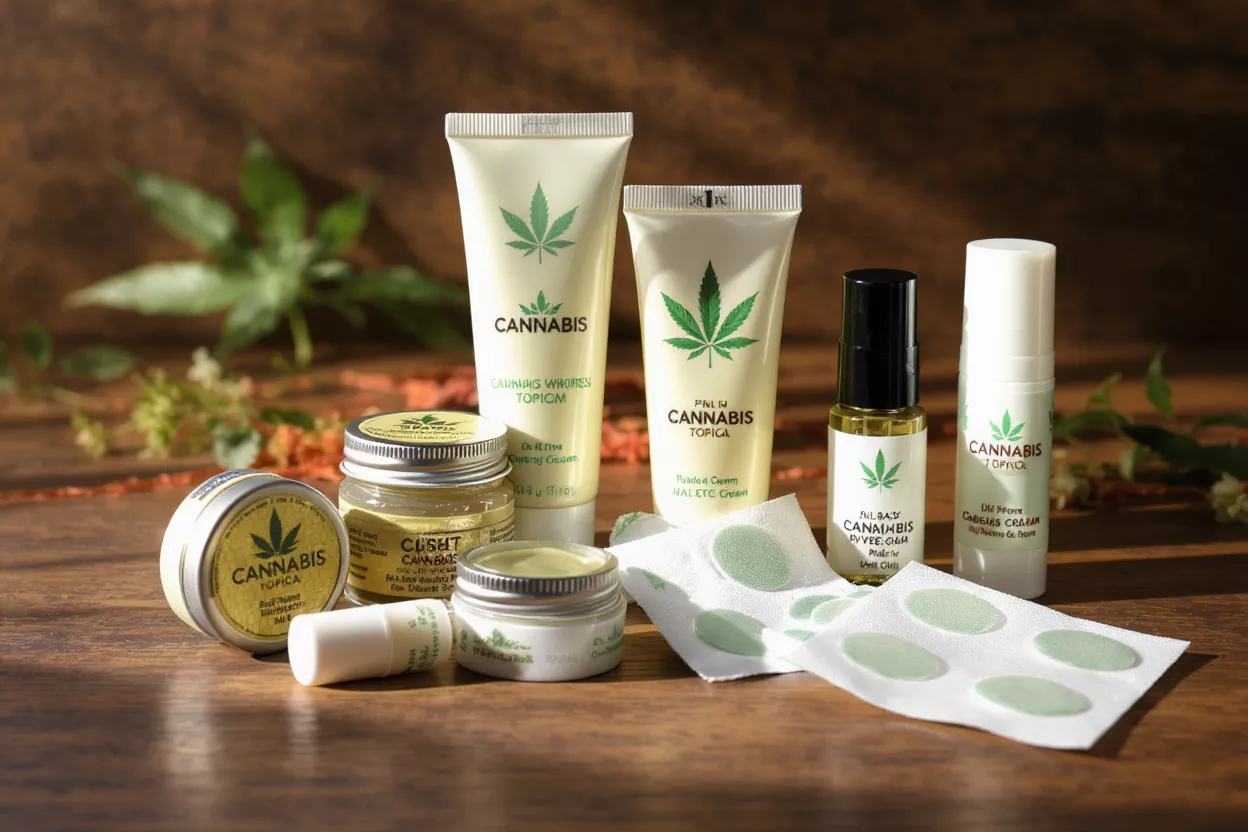
Cannabis topicals are products infused with cannabinoids that you apply directly to your skin rather than inhaling or swallowing them. Think creams, balms, lotions, salves, transdermal patches, and bath soaks — all carrying compounds like CBD, Delta-9 THC, or a blend of both into the tissue right where you need relief. For anyone curious about plant-based wellness but wary of feeling intoxicated, cannabis topicals offer one of the most approachable entry points available in 2026.
The appeal is rooted in how these products engage the body. Your skin and underlying tissues are dense with cannabinoid receptors that form part of the endocannabinoid system, the regulatory network that helps manage pain signaling, inflammation, and immune response. When you rub a topical over a sore knee or stiff shoulder, the cannabinoids interact with those local receptors instead of traveling through your bloodstream to the brain.
Why localized application matters: Because most conventional cannabis topicals stay in the upper layers of skin and muscle, they deliver targeted effects without a systemic high. That distinction is the single most misunderstood point about this category, and it shapes nearly every decision a new user makes — from product selection to dosing. Understanding it up front saves a lot of confusion later.
Types of Cannabis Topicals Explained
The category has expanded dramatically, and walking into a dispensary or browsing online can feel overwhelming. Each format has a distinct texture, absorption rate, and ideal use case. Knowing the differences helps you match the product to your goal, whether that's quick relief after a workout or steady comfort through a long workday.
Balms and salves are the workhorses of the topical world. Built on a base of oils and waxes — often with botanical additions like eucalyptol from eucalyptus or curcumin from turmeric — they create a thick barrier that holds cannabinoids against the skin. They're ideal for concentrated spot treatment on knuckles, elbows, or the soles of the feet.
- 🧴 Lotions and creams: Lighter and faster-absorbing than balms, great for larger areas like the back or legs and for daily, full-body use.
- 🛁 Bath soaks and bombs: Dissolve cannabinoids into warm water for whole-body muscle relaxation and a calming ritual.
- 🩹 Transdermal patches: Engineered to drive cannabinoids through the skin into the bloodstream for sustained, systemic effects — the one exception to the "no high" rule.
- 💆 Roll-ons and sticks: Mess-free applicators ideal for travel and precise targeting of small areas.
Some brands position their richest formulas as a wellness elixir, blending cannabinoids with adaptogenic mushrooms like chaga and cordyceps. These hybrid products reflect a broader trend toward layering complementary botanicals, and a quality full-spectrum CBD balm often becomes a daily-use favorite for exactly that reason.
How Cannabis Topicals Work on the Skin
To appreciate why topicals behave the way they do, it helps to understand the journey a cannabinoid takes once it touches your skin. The outermost layer, the stratum corneum, is a tough barrier designed to keep things out. Cannabinoids are fat-soluble, which lets them penetrate this layer slowly and accumulate in the tissue below, where the receptors live.
The role of carrier ingredients: A topical is only as effective as its delivery system. Manufacturers use an excipient — an inactive carrier such as a specific oil, emulsion, or penetration enhancer — to help cannabinoids move past the skin barrier efficiently. Without a well-designed emulsion binding the oil and water phases together, even a high-cannabinoid product may simply sit on the surface and do little.
This is where extraction quality becomes relevant. The skill of the extraction artist determines how clean and potent the starting oil is. Methods range from ethanol hash oil (EHO) to CO2 extraction, and a refined input means fewer residual solvents and a more consistent finished product. According to Verywell Health, topical cannabinoid products are generally well tolerated, though research on absorption depth is still developing and product quality varies widely between manufacturers.
Cannabis Topicals Benefits for Pain and Inflammation
The most common reason people reach for cannabis topicals is pain — specifically the localized, nagging kind that doesn't necessarily warrant an oral medication. Sore muscles, overworked joints, tension knots, and minor skin irritation are all candidates for topical treatment. The benefit isn't just relief; it's relief you can direct to one spot without affecting the rest of your body.
Anti-inflammatory action is a major draw. Cannabinoids interact with receptors involved in the inflammatory cascade, and many users report reduced swelling and warmth in treated areas. Adding botanicals like curcumin, prized for its own anti-inflammatory reputation, can complement the cannabinoids and is a reason some people prefer a botanically rich cooling muscle salve after intense activity.
- 🔥 Targeted pain relief: Apply directly to the source rather than dosing your whole system.
- 💧 Skin and inflammation support: Many formulas pair cannabinoids with soothing botanicals for irritated skin.
- 🌙 No intoxication: Standard topicals let you function normally while managing discomfort.
- ⚡ Fast, flexible use: Reapply as often as needed throughout the day.
It's worth tempering expectations: topicals are best for surface-level and near-surface discomfort. Deep nerve pain or systemic conditions may respond better to other delivery methods. The honest framing is that topicals are a precise tool for a specific job, not a cure-all.
Best Cannabis Topicals for Arthritis and Joint Pain
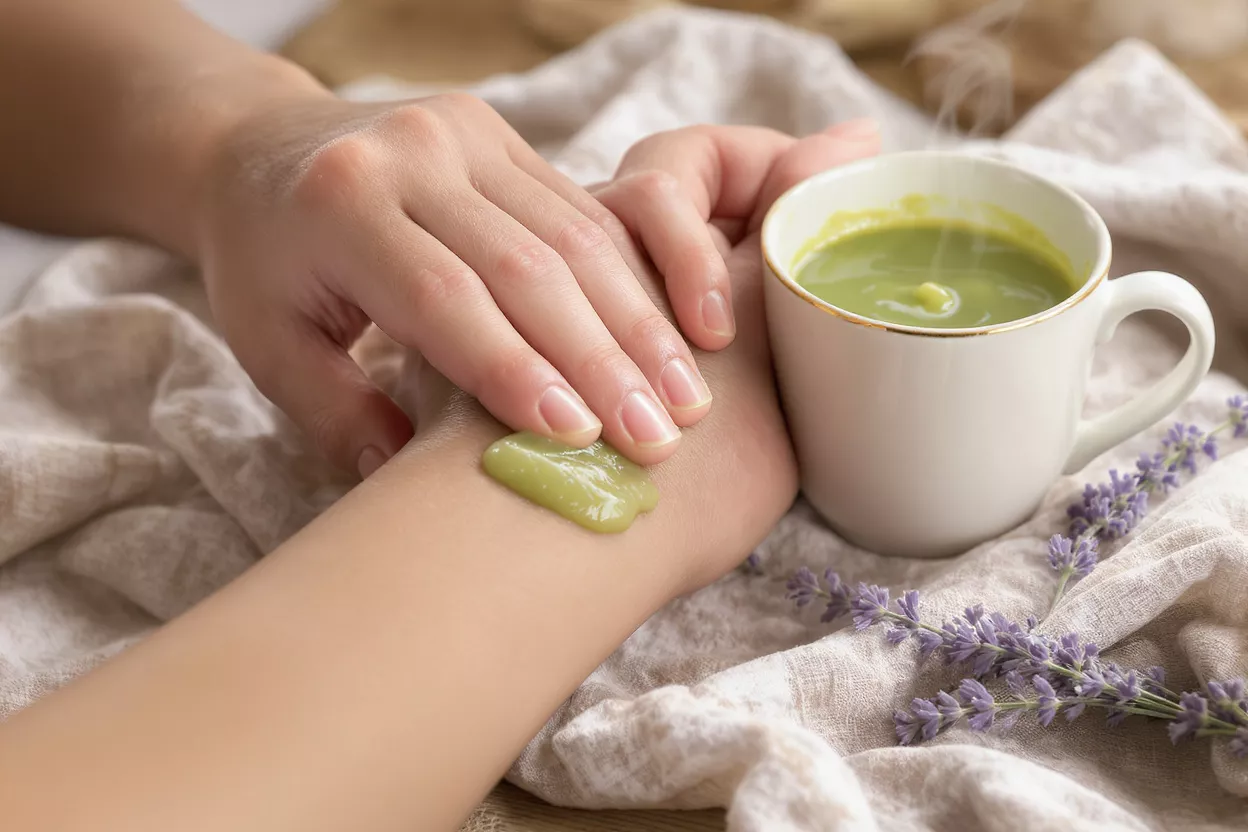
Arthritis is one of the most cited reasons people experiment with cannabis topicals, and for good reason — the condition produces persistent, localized joint inflammation that responds well to direct application. Hands, knees, and wrists are easy to treat with a balm or roll-on, making topicals a practical option for daily joint management.
What works best for joints: Thicker formulations tend to outperform thin lotions on arthritic joints because they hold the active ingredients in place longer. A salve with a high cannabinoid concentration, applied generously and massaged in, gives the compounds time to penetrate. Some users layer a transdermal patch over a major joint overnight for sustained effect.
Consistency matters more than potency for chronic conditions. Rather than chasing the strongest single dose, regular daily application tends to produce the most noticeable improvement over weeks. Many people find a high-potency joint relief stick fits neatly into a morning and evening routine, much like any other part of a wellness ritual.
THC vs CBD Topicals: Which Should You Choose
The cannabinoid you choose shapes the experience, even in a topical. CBD-dominant products are non-intoxicating in every form and are favored by people who want anti-inflammatory and soothing effects without any psychoactive risk. THC topicals, including those with Delta-9 THC, may offer stronger relief for some users because THC binds more directly to certain receptors.
Crucially, applying a THC topical to intact skin almost never produces a high — the compound stays local. The exception, as noted earlier, is the transdermal patch, which is specifically designed to deliver cannabinoids systemically. If avoiding any chance of intoxication is a priority, a patch is the one format to approach with full awareness of its intent.
Many of the best products combine both cannabinoids along with minor compounds and terpenes, leveraging what's often called the entourage effect. A balanced formula gives you the soothing profile of CBD with the receptor affinity of THC, and the broader botanical blend — sometimes including a touch of dope-grade flower extract — rounds out the experience.
- 🌿 CBD-only: Best for sensitive users, daytime use, and zero intoxication risk.
- 🍃 THC-dominant: Potentially stronger localized relief; ideal for stubborn aches.
- ⚖️ Balanced 1:1: A middle path that many users find most effective for pain.
How to Use Cannabis Topicals for Best Results
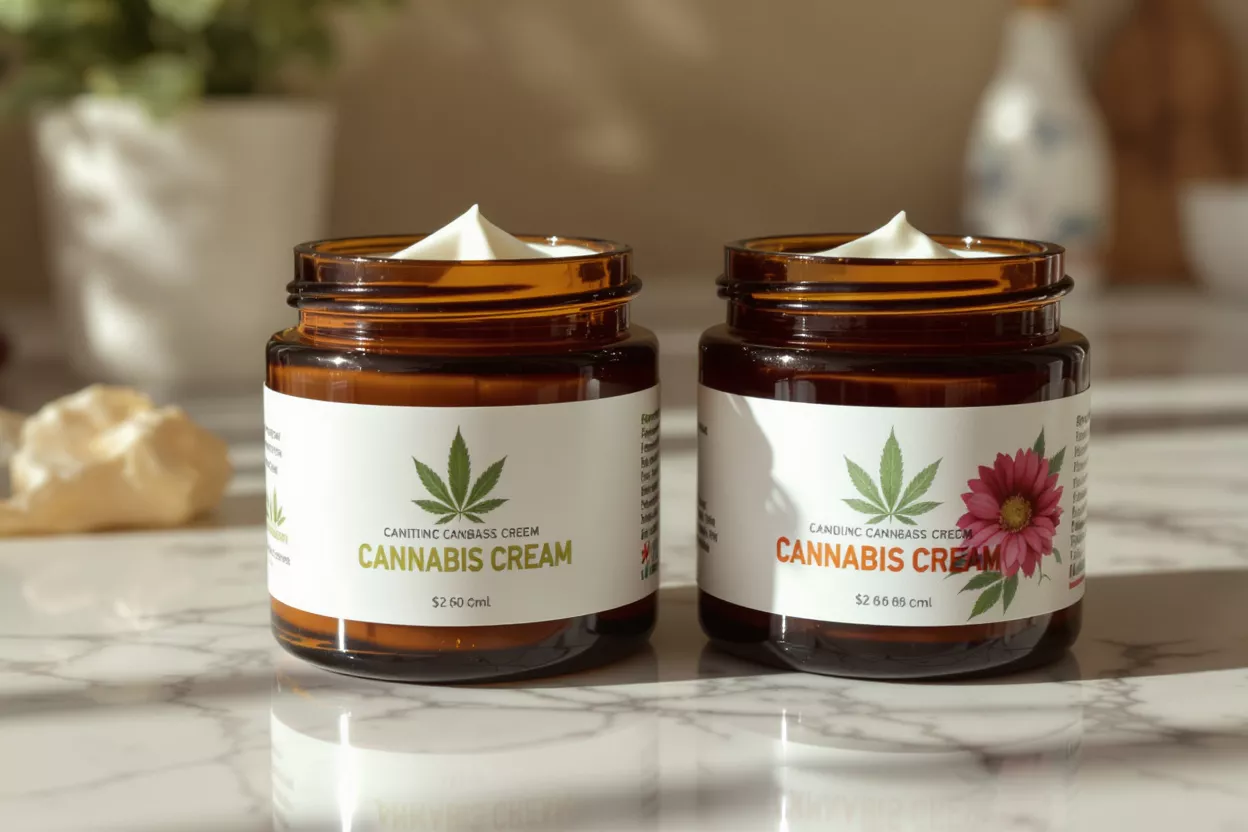
Application technique influences results more than most people expect. Start with clean, dry skin so nothing blocks absorption. Apply a generous amount to the target area and massage it in thoroughly — the friction and warmth help open the skin and drive the cannabinoids deeper. A thin, hurried application is the most common reason people conclude a topical "doesn't work."
Dosing and timing: Unlike edibles or vapes, topicals are forgiving when it comes to dosing. You can't easily overdo it, so the guidance is to apply enough to cover the area and reapply every few hours as needed. Onset is typically within 15 to 45 minutes, and effects last a couple of hours for most formulas, longer for transdermals.
Storage protects your investment. Keep balms and salves away from direct heat and sunlight, which can degrade cannabinoids and break down the emulsion. A cool, dark cabinet preserves potency far longer than a sunny bathroom shelf. If a product separates, gentle warming and stirring usually restores its texture.
Are Cannabis Topicals Safe and Will They Get You High
For the vast majority of users, conventional cannabis topicals are among the safest ways to use cannabinoids. Because the compounds stay local and don't enter the bloodstream in meaningful amounts, the systemic side effects associated with oral or inhaled cannabis are largely absent. No impairment, no significant interaction with most medications, and no risk to your ability to drive or work.
Will standard topicals get you high? No — applying a THC balm or lotion to unbroken skin does not produce intoxication. The cannabinoids simply don't reach your brain in sufficient quantity. The clear exception remains transdermal patches, which are built to cross into the bloodstream and can produce systemic effects, including from Delta-9 THC.
The main safety considerations are skin sensitivity and product purity. Patch-test a new product on a small area first to rule out a reaction to fragrances or botanical additives. Choose products from brands that publish third-party lab results, since contaminants from poor extraction or low-grade source material are the real risk — not the cannabinoids themselves.

What to Look For When Buying Cannabis Topicals
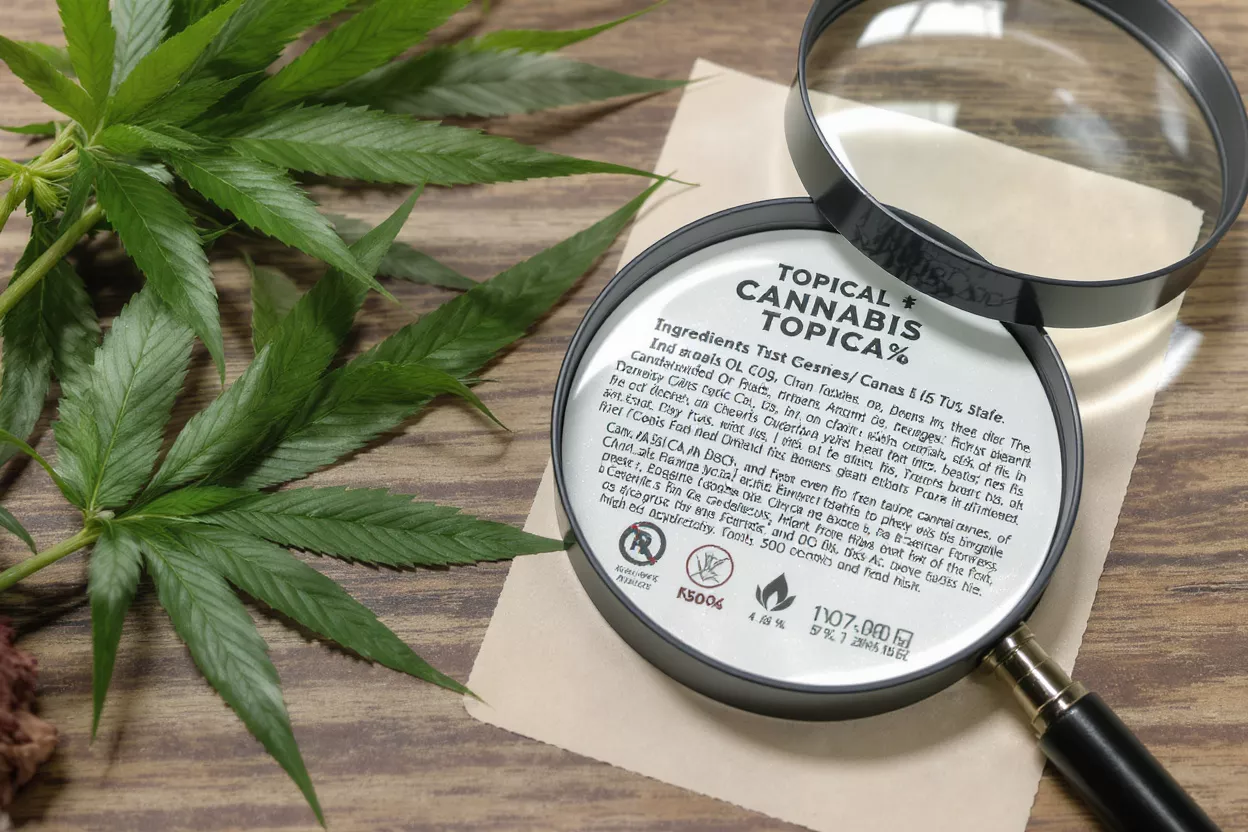
Quality varies enormously across this category, so knowing how to read a label is your best defense. The first thing to check is the certificate of analysis — a third-party lab report confirming the cannabinoid content and screening for pesticides, heavy metals, and residual solvents. A reputable distributor will make this easy to find rather than burying it.
Read the ingredient list: A good topical pairs its cannabinoids with skin-friendly carriers and recognizable botanicals. Look for clean oils, natural waxes, and functional additions like eucalyptol or curcumin. Be wary of long lists of synthetic fillers or vague "fragrance" entries that can irritate sensitive skin.
Finally, match potency to your needs. Total cannabinoid milligrams per container matter more than marketing buzzwords, and a higher concentration generally means better value for chronic use. Compare the per-milligram cost across products rather than the sticker price alone, and favor brands transparent about their extraction methods and sourcing.
- ✅ Lab tested: Always demand an accessible certificate of analysis.
- 🌱 Clean ingredients: Recognizable oils, waxes, and botanicals over synthetic fillers.
- 💪 Stated potency: Clear total-milligram labeling for honest comparison.
- 🏷️ Transparent sourcing: Brands open about extraction and source material.
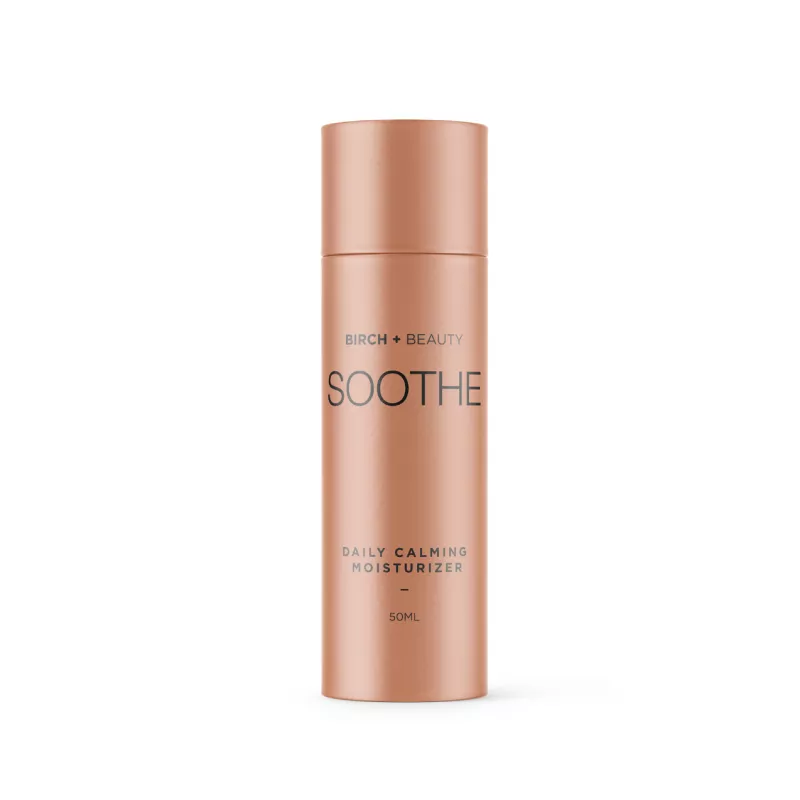

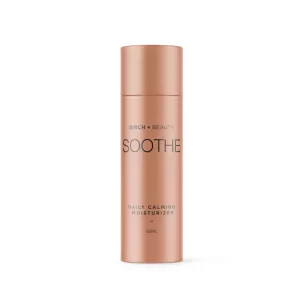
Soothe Daily Calming CBD Moisturizer 500mg – BIRCH+BEAUTY
A peace treaty for reactive skin. Birch+Beauty's Soothe moisturizer brings 500mg of CBD together with ceramides, colloidal oatmeal, and centella to calm redness and rebuild a stressed skin barrier. Gentle and deeply comforting, it's the daily balm for sensitive, easily-irritated complexions — instant comfort now, steadier, calmer skin over time.
- Inflammation Control : 500mg CBD dramatically reduces redness and irritation at the cellular level
- Barrier Repair : Ceramides rebuild compromised skin barriers for long-term resilience
- Instant Comfort : Colloidal oatmeal provides immediate relief from itching and burning
- Healing Acceleration : Centella asiatica speeds recovery from irritation and prevents scarring
- Sensitivity Shield : Creates protective layer against environmental triggers and allergens
Cannabis Topicals: Common Questions Answered
New users tend to circle back to the same handful of questions, so it helps to address them directly. How long until they work? Most people feel something within 15 to 45 minutes, with peak effect around the one-hour mark. Transdermal patches build more slowly but last considerably longer, sometimes through an entire day or night.
Can you use them every day? Yes. Topicals are well suited to daily, routine use, and consistency often produces better results than occasional heavy application. Because there's no intoxication and minimal systemic absorption with standard formats, there's little downside to incorporating them into a regular wellness routine.
Do they show up on a drug test? Standard topicals applied to intact skin are very unlikely to cause a positive result, since the cannabinoids don't enter the bloodstream meaningfully. Transdermal patches are the exception and could theoretically register, so users subject to testing should choose carefully and read product labels closely.
To wrap up, cannabis topicals have earned their place as one of the most practical and approachable categories in the cannabinoid world. They deliver targeted relief for sore muscles and aching joints without intoxication, suit daily use, and carry an excellent safety profile when you buy lab-tested products from transparent brands. Whether you start with a simple CBD balm or a balanced 1:1 salve, the key takeaways are the same — apply generously to clean skin, stay consistent, and let ingredient quality guide your choices. With those fundamentals in hand, you're well equipped to find the right topical for your needs in 2026 and beyond.