


Eucalyptol
Discover what eucalyptol does in cannabis — from its cooling aroma to respiratory benefits.
What Is Eucalyptol in Cannabis?
Eucalyptol is a naturally occurring terpene recognized for its bright, cooling, eucalyptus-like aroma. Also known by its chemical name 1,8-cineole, it belongs to a class of aromatic compounds that plants produce to deter pests, attract pollinators, and protect themselves from environmental stress. While it appears in cannabis in relatively modest quantities compared to dominant terpenes, its presence can meaningfully shape both the sensory experience and the potential effects of a given cultivar.
In the cannabis plant, eucalyptol is synthesized within the resinous trichomes that coat the flowers and surrounding leaves. These glandular structures are the same factories responsible for producing cannabinoids like THC and CBD. Most cannabis chemotypes carry eucalyptol as a minor constituent, typically making up less than a few percent of the total terpene profile, yet even trace amounts contribute a distinctive crispness to the overall bouquet.
Understanding eucalyptol matters because the modern conversation about cannabis is shifting away from simple THC percentages toward a more nuanced appreciation of full chemical profiles. Terpenes like eucalyptol help explain why two strains with identical cannabinoid content can deliver remarkably different experiences. For consumers learning to read a certificate of analysis, recognizing this compound is a step toward more intentional, informed selection.
How Eucalyptol Works in the Body
Interaction with cellular receptors: Eucalyptol exerts much of its influence through interaction with sensory and signaling pathways in the body. It is known to activate TRPM8 receptors, the same cold-sensing channels responsible for the cooling sensation menthol produces. This is why eucalyptol-rich products often register as refreshing or breathable on the palate and in the nasal passages, a physical cue that distinguishes it from earthier terpenes.
Anti-inflammatory signaling: Research into 1,8-cineole has documented its ability to modulate inflammatory mediators. Studies suggest it can downregulate certain cytokines and inflammatory enzymes, which forms the scientific basis for its long history in respiratory and topical preparations. These mechanisms are still being mapped in the context of cannabis specifically, but the isolated compound has a substantial body of pharmacological literature behind it.
Like other terpenes, eucalyptol is lipophilic, meaning it dissolves readily in fats and crosses cell membranes with ease. This property allows it to be absorbed efficiently whether inhaled, applied topically, or ingested, and it partly explains why aromatic compounds can have systemic effects despite appearing in small concentrations.

What Does Eucalyptol Smell and Taste Like?
The signature of eucalyptol is unmistakable to anyone who has opened a jar of eucalyptus rub or unwrapped a mentholated lozenge. It carries a sharp, cooling, camphoraceous quality layered over soft minty and herbal notes. In cannabis, this translates to a fresh, almost medicinal lift that cuts through the heavier diesel, skunk, or earthy backbones that many cultivars carry.
Tasting eucalyptol in flower: On the inhale, strains carrying notable eucalyptol often deliver a brisk, spa-like clarity that lingers at the back of the throat. The cooling impression can make smoke or vapor feel smoother and more breathable, which some consumers find more pleasant than the harshness of purely pungent profiles.
Because the human nose is exquisitely sensitive to these cooling notes, even small concentrations of eucalyptol can announce themselves prominently within a complex terpene blend. This sensory prominence is part of what makes the compound so valued by breeders and extract artisans crafting nuanced, layered profiles.
Where Eucalyptol Is Found in Nature
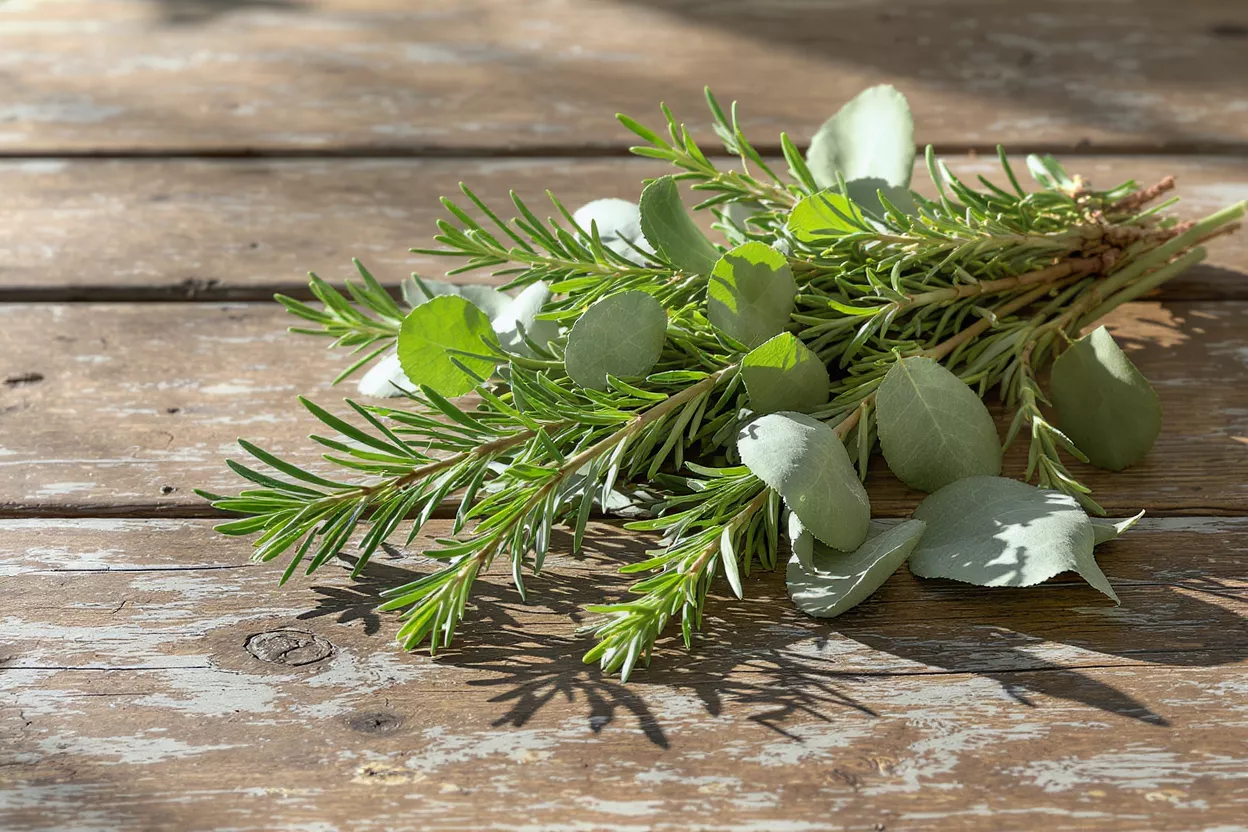
As its name suggests, eucalyptol is the dominant compound in the essential oil of eucalyptus trees, where it can constitute the overwhelming majority of the oil's volatile content. This is the source most people associate with its scent, but the terpene is far more widespread across the plant kingdom than that single association implies.
Eucalyptol also appears prominently in many culinary and medicinal botanicals. Familiar sources include the following:
- 🌿 Rosemary: A common kitchen herb where eucalyptol contributes to its crisp, resinous fragrance.
- 🍃 Bay leaves: Used in slow-cooked dishes, bay carries a noticeable cineole character.
- 🌱 Sage: Both culinary and ceremonial sage varieties contain meaningful amounts.
- 💧 Tea tree and cardamom: Aromatic oils where cineole adds a cooling, penetrating edge.
- 🌼 Sweet basil: Certain chemotypes carry eucalyptol alongside their sweeter notes.
This broad natural distribution means most people have encountered eucalyptol countless times without naming it. That familiarity is useful for cannabis consumers, because it provides a clear sensory reference point for identifying the terpene in flower or concentrate.
Eucalyptol-Rich Cannabis Strains
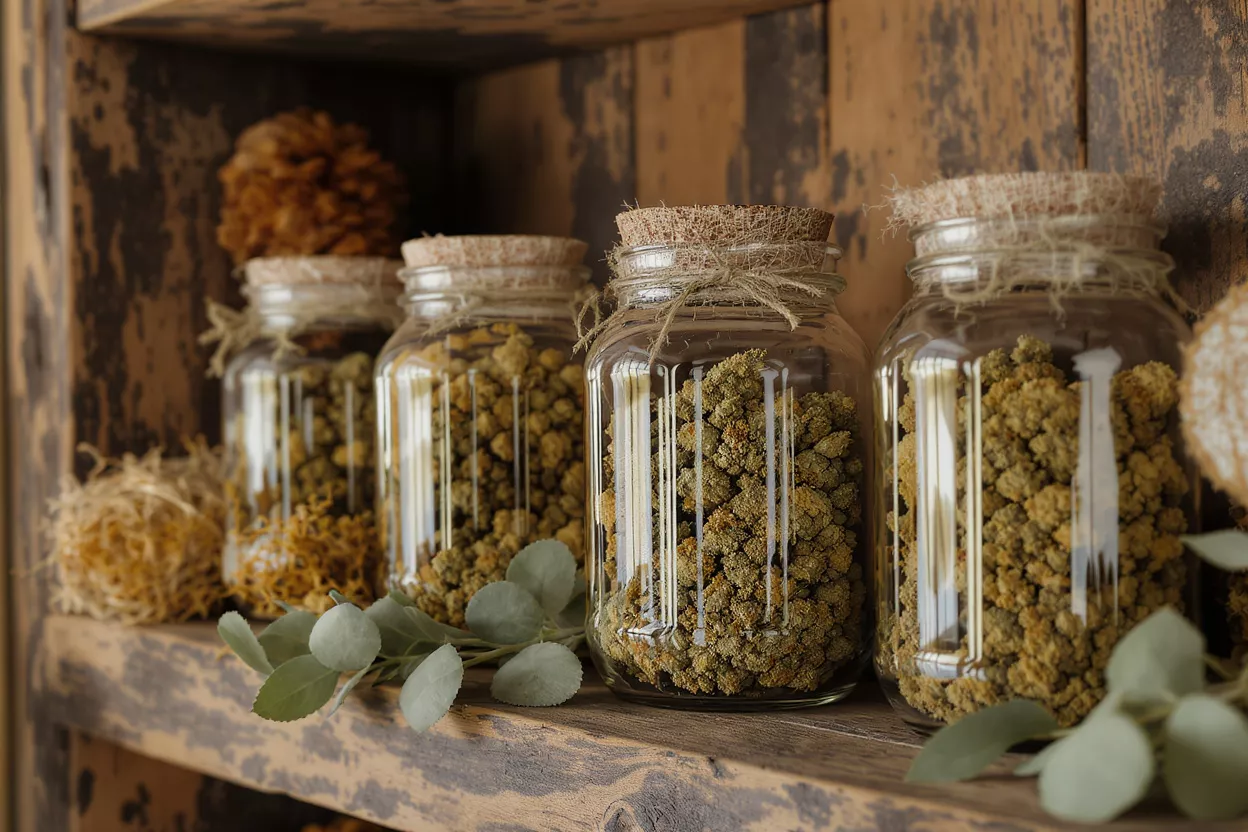
Eucalyptol rarely dominates a cannabis terpene profile the way myrcene or limonene often do. Instead, it tends to appear as a supporting note that adds a cooling lift to the overall expression. Still, certain cultivars are prized specifically for their elevated cineole content, which lends them a distinctive fresh, mentholated character.
Strains associated with eucalyptol: Cultivars frequently cited for their cooling, herbal edge include Super Silver Haze, Headband, Bubba Kush, and various Girl Scout Cookies phenotypes. The precise terpene makeup of any given batch depends heavily on genetics, growing conditions, and curing practices, so a lab-tested terpene report remains the only reliable way to confirm eucalyptol content.
Because cultivation variables exert such strong influence, two harvests of the same named strain can differ considerably in their eucalyptol levels. Consumers seeking this terpene should look beyond strain names and consult a certificate of analysis whenever possible, treating the lab data as the authoritative source rather than marketing labels.
Eucalyptol Benefits and Therapeutic Potential
The therapeutic reputation of eucalyptol rests on a meaningful body of pharmacological research, much of it conducted on the isolated 1,8-cineole molecule rather than on whole cannabis. This distinction matters, but it also means the compound enters the cannabis conversation with substantial scientific credibility already established.
Anti-inflammatory and analgesic potential: Multiple studies have explored cineole's capacity to reduce inflammatory markers, which underpins its traditional use in soothing aches, joint discomfort, and irritated tissues. When present in cannabis, eucalyptol may contribute to the plant's broader anti-inflammatory character alongside cannabinoids and other terpenes.
Cognitive and mood considerations: Preliminary research has examined eucalyptol's effects on alertness and cognitive performance, with some findings suggesting the aroma may support focus and mental clarity. While these results are early and require more rigorous study, they align with the refreshing, invigorating sensory impression the terpene produces.
- 🧠 Mental clarity: Anecdotal and early research links the aroma to improved alertness and focus.
- 🔥 Anti-inflammatory action: Documented capacity to modulate inflammatory pathways.
- 💪 Pain modulation: Traditional and emerging use for soothing aches and stiffness.
- 🫁 Respiratory support: Long-standing role in clearing and opening airways.
Eucalyptol and Respiratory Health
Perhaps no application of eucalyptol is better established than its role in respiratory care. For generations, cineole-rich preparations have been used to ease congestion, support clearer breathing, and provide a sense of openness in the chest and sinuses. This is the mechanism behind the familiar chest rubs and steam inhalations that remain household staples today.
Mucolytic and bronchodilatory action: Clinical investigations into 1,8-cineole have documented its ability to thin mucus and support its clearance, as well as its potential to relax airway passages. Some respiratory studies have even examined standardized cineole as a complementary aid in conditions involving airway inflammation, finding measurable benefits in certain contexts.
Within cannabis, this respiratory affinity adds an interesting dimension. The cooling, breathable quality that eucalyptol lends to vapor or smoke is more than a sensory novelty; it reflects the same underlying pharmacology that has made the compound a fixture of respiratory remedies. As always, anyone with a respiratory condition should approach inhaled products thoughtfully and consult a healthcare provider.

Eucalyptol and the Entourage Effect
The entourage effect describes the theory that cannabis compounds work synergistically, with terpenes and cannabinoids modulating one another to produce effects greater than the sum of their parts. Eucalyptol is a compelling example of how a minor terpene can punch above its concentration in shaping the overall experience.
Modulating cannabinoid effects: Some researchers propose that eucalyptol's cooling, clarifying character may help offset the heaviness associated with high-myrcene profiles, contributing a more lucid quality to the experience. While the precise interactions remain under active investigation, the concept aligns with reports from consumers who describe cineole-rich strains as crisp and lifting rather than sedating.
The lipophilic nature of eucalyptol may also influence how readily other compounds cross biological membranes, a property that has prompted interest in terpenes as natural permeation enhancers. This potential to affect absorption is one of the more intriguing frontiers in entourage research, though much work remains before firm conclusions can be drawn.
Is Eucalyptol Safe to Consume?
Eucalyptol enjoys a long history of safe use as a flavoring agent and aromatic compound, and it is generally recognized as safe in the small concentrations found in food, beverages, and cannabis. The amounts present in cannabis flower or properly formulated products fall well within ranges humans have consumed through diet for millennia.
Concentration matters: The important caveat is that concentrated eucalyptus oil is far more potent than the trace levels found in cannabis, and undiluted essential oil should never be ingested in large quantities, as high doses can be toxic. This distinction underscores why dose and context are everything; the eucalyptol in a flower's terpene profile bears little resemblance to a swallowed teaspoon of pure oil.
For most consumers, eucalyptol in cannabis poses no special concern beyond the general considerations that apply to any inhaled or ingested product. Individuals who are pregnant, nursing, managing respiratory conditions, or taking medications should consult a qualified healthcare professional before using terpene-rich products, as personalized guidance always outweighs general reassurance.
Choosing Eucalyptol-Forward Cannabis Products
Selecting cannabis for its eucalyptol content rewards a methodical approach. Because the terpene appears as a minor constituent and varies batch to batch, the most reliable strategy is to read laboratory data rather than rely on strain names or aroma alone. A detailed terpene panel on a certificate of analysis tells you exactly what you are getting.
When evaluating products, keep these practical pointers in mind:
- 📋 Check the COA: Look for a quantified terpene breakdown listing eucalyptol or 1,8-cineole.
- 👃 Trust your nose: A fresh, cooling, mentholated aroma is a strong sensory indicator.
- 🌡️ Mind your storage: Terpenes are volatile, so cool, dark, airtight storage preserves them.
- 🔬 Favor full-spectrum: Whole-plant extracts retain the terpene synergy that isolates lack.
Ultimately, eucalyptol exemplifies why the cannabis community has grown so attentive to terpenes. This single cooling compound demonstrates how aroma, flavor, and effect intertwine, and how even a minor ingredient can shape the character of an entire experience. Whether you are drawn to its crisp respiratory clarity, its anti-inflammatory potential, or simply its refreshing minty signature, understanding eucalyptol equips you to choose cannabis with greater intention and insight. As research continues to illuminate the roles these compounds play, terpene literacy will only become more valuable for anyone seeking a deeper, more rewarding relationship with the plant.





Comments