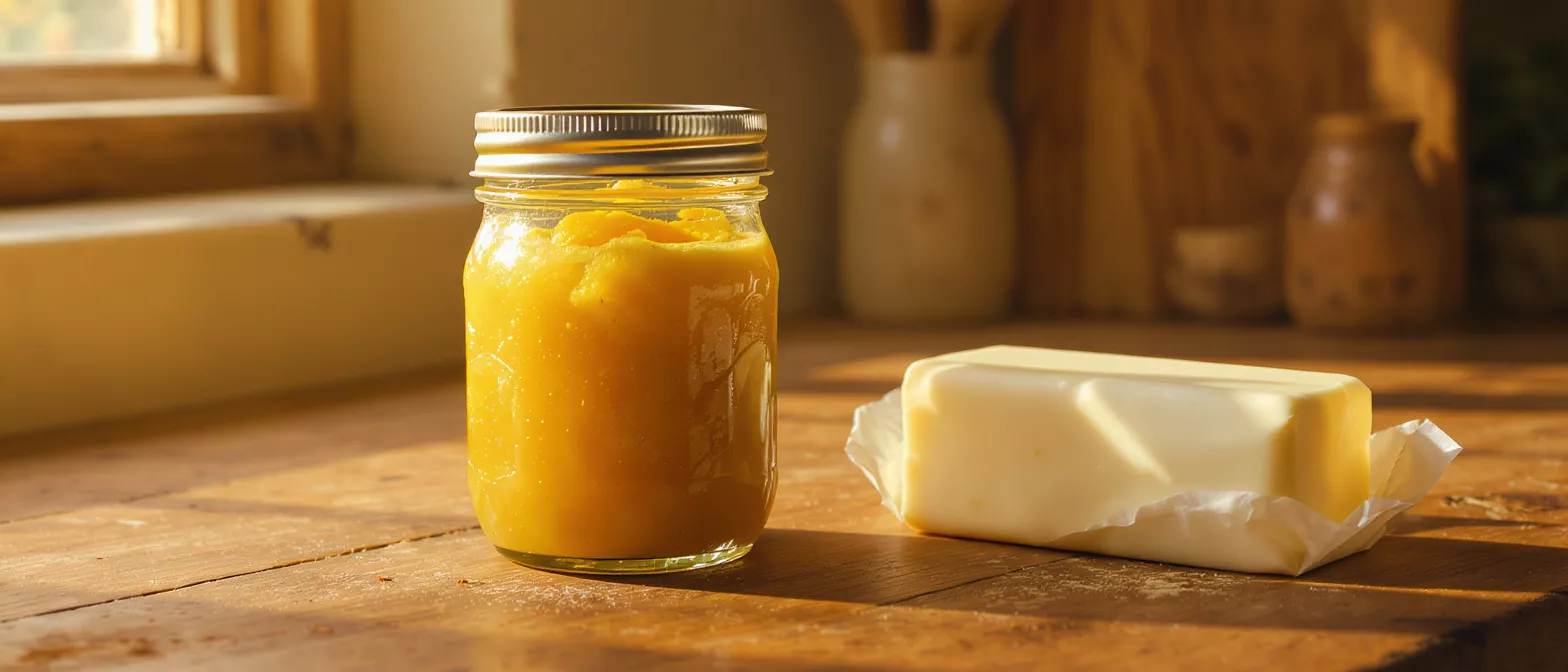
Cannabutter
Master cannabutter with expert tips on decarboxylation, dosing, and storage.
What Is Cannabutter and How Does It Work
Cannabutter is butter that has been infused with cannabinoids extracted from cannabis flower or trim, creating a versatile fat-based ingredient you can fold into nearly any recipe. The principle behind it is elegantly simple: cannabinoids like THC and CBD are fat-soluble, meaning they bind readily to the milkfat in butter rather than dissolving in water. This makes butter one of the oldest and most reliable carriers for homemade edibles, predating the modern wave of gummies and tinctures by generations.
When you eat cannabutter, your body processes the cannabinoids differently than when you smoke or vape. The compounds travel through your digestive system and liver, where Delta-9 THC is converted into 11-hydroxy-THC, a metabolite that is notably more potent and longer-lasting. This is why an edible hangover can sometimes catch newcomers off guard the next morning, and why dosing patience matters more with cannabutter than with inhaled methods.
The chemistry of fat infusion explains why butter outperforms many alternatives. Research published by MDPI has explored how cannabinoid bioavailability improves when paired with dietary fats, since the lipids help shuttle these molecules through the gut. Butter sits at roughly 80% fat, giving cannabinoids plenty of material to bind to, which is part of why this dank kitchen staple has remained a favorite for decades.
Why Cannabutter Requires Decarboxylation First
Decarboxylation is the non-negotiable first step that turns inactive cannabis into something that will actually affect you. Raw cannabis flower contains THCA and CBDA — acidic precursors that do not produce intoxication until heat strips away a carboxyl group. Skip this step and your cannabutter will taste like grass and do almost nothing, no matter how much flower you used.
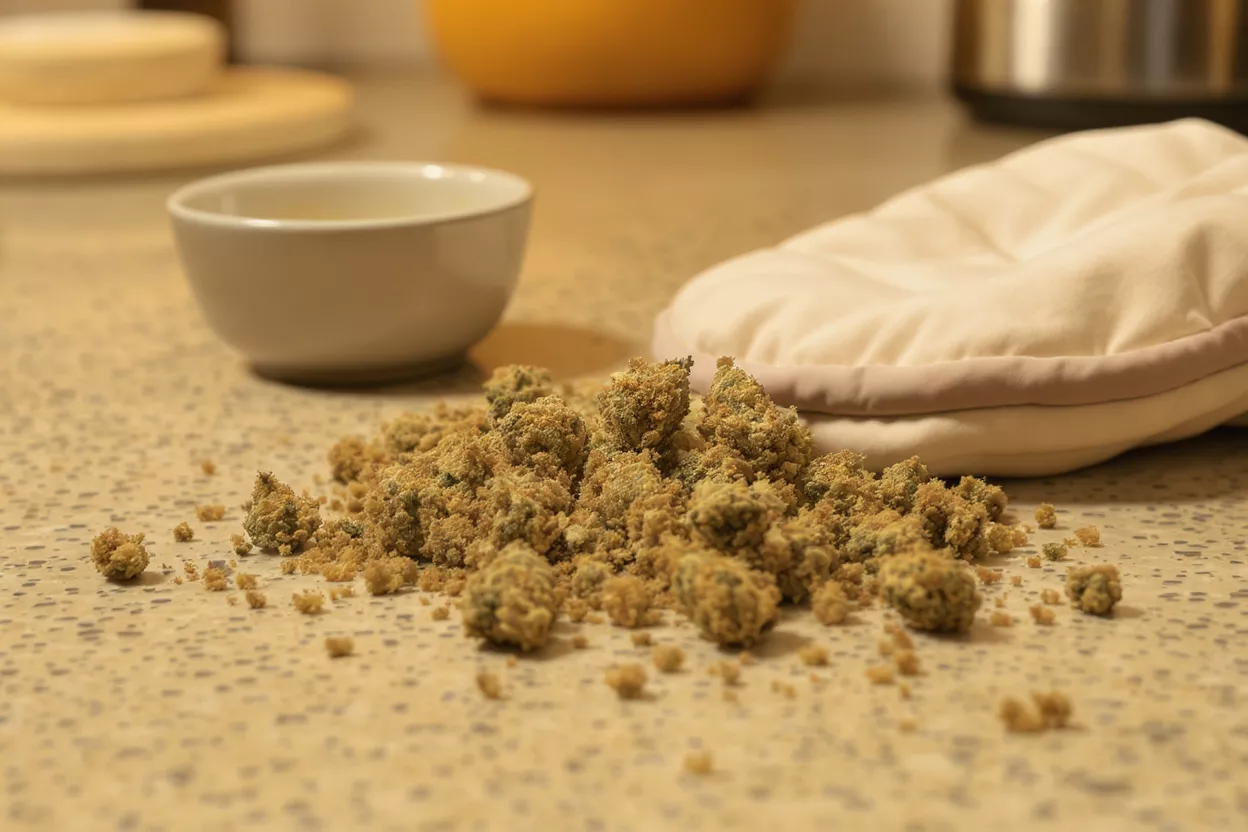
The process is straightforward but unforgiving of impatience. Most home cooks spread ground flower on a baking sheet and warm it in the oven around 240°F for 30 to 45 minutes. Too hot and you vaporize the very cannabinoids you are trying to preserve; too cool and the conversion stays incomplete. A gentle, even directional airflow inside a convection oven can help distribute heat without scorching, though a standard oven works fine with occasional stirring.
Timing also shapes the final character of your butter. Lower-and-slower decarboxylation tends to preserve more terpenes, which influence aroma and the subtle effects of the finished product. If you are working with a fragrant diesel-leaning strain, gentler heat keeps more of that signature character intact rather than baking it away into a flat, generic result.
How to Make Cannabutter at Home
Making cannabutter does not require specialized equipment, just attention and time. After decarboxylation, you combine your activated flower with butter and a little water in a saucepan or slow cooker, then hold it at a low simmer for two to three hours. The water acts as a buffer that prevents the butter from scorching and helps separate plant material from the fat. A reliable slow cooker for infusions takes much of the guesswork out of holding a steady, gentle temperature.
The straining stage determines how clean your final product feels. Once the infusion finishes simmering, you pour it through cheesecloth into a container, letting gravity do the work rather than squeezing hard — pressing too aggressively forces bitter chlorophyll and plant matter into your butter. After straining, refrigerate the mixture so the butter solidifies on top and the water sinks below, making separation effortless.
Here is a streamlined overview of the core workflow:
- 🌿 Decarb: Bake ground flower at 240°F for 30–45 minutes until lightly toasted.
- 🧈 Infuse: Simmer butter, water, and flower on low for 2–3 hours, stirring occasionally.
- 🫗 Strain: Pour through cheesecloth without pressing to keep bitterness out.
- ❄️ Chill: Refrigerate until the butter firms up and lifts cleanly off the water.
- 📋 Label: Note the date and approximate potency before storing.
Cannabutter Potency and Dosing Guide
Estimating the strength of homemade cannabutter is part math, part humility. If you start with seven grams of flower testing around 20% THC, that batch theoretically contains roughly 1,400 milligrams of THC before any losses. In reality, decarb inefficiency, straining, and infusion losses mean you will recover far less — most home cooks assume something closer to 50–60% transfer to be realistic.
Start low and wait long is the golden rule that prevents most bad experiences. A beginner dose sits around 5 milligrams of THC, and because edibles take 45 minutes to two hours to fully register, the temptation to redose early causes more overconsumption than anything else. The liver-converted metabolite makes cannabutter feel stronger and last longer than an equivalent dose smoked.
For those tracking effects carefully, consider these dosing benchmarks:
- 🟢 Microdose (1–2.5 mg): Subtle relief with minimal intoxication, ideal for daytime function.
- 🟡 Low (5 mg): A gentle, manageable experience suited to newcomers.
- 🟠 Moderate (10–25 mg): Noticeable effects for experienced users with built tolerance.
- 🔴 High (25 mg+): Strong and long-lasting; reserved for seasoned consumers only.
Best Cannabis Strains for Cannabutter
The flower you choose shapes both the potency and the personality of your butter. Indica-leaning strains are popular for evening cannabutter because their effects pair well with relaxed, sedating edibles, while sativa-forward genetics suit daytime recipes. There is no single "best" choice — it depends entirely on the experience you want and how you plan to use the finished butter.
Quality of input determines quality of output, a truth experienced cooks learn quickly. You do not need top-shelf diamonds or premium nugs to make excellent cannabutter; well-cured trim and smaller buds work beautifully and stretch your budget. What matters is that the material is properly dried, mold-free, and reasonably potent. Sourcing from a reputable distributor or dispensary ensures you know the actual cannabinoid content.
If you want a specific cannabinoid profile, you can also incorporate concentrates. Adding a touch of distillate or even a high-quality CBD-rich flower for balanced edibles lets you fine-tune the THC-to-CBD ratio. A study summarized by MDPI notes that CBD can modulate some of THC's effects, which is why many home cooks blend the two for a smoother, more balanced finish.
Cannabutter vs Other Cannabis Infusions
Cannabutter is far from the only way to infuse cannabis into food, and understanding the alternatives helps you pick the right tool. Coconut oil, olive oil, and even cannabis-infused honey each have strengths. Oils generally offer higher fat content and longer shelf stability, making them favorites for capsules and savory dishes, while butter brings unmatched flavor to baked goods.
Tinctures and elixirs occupy a different lane entirely. An ethanol hash oil (EHO) tincture or an alcohol-based elixir delivers faster onset because some absorption happens sublingually, bypassing the slow digestive route. These are precise and discreet but lack the culinary versatility of butter — you cannot exactly fold a tincture into a croissant.
Here is how the most common infusion bases compare:
- 🧈 Cannabutter: Best flavor for baking; shorter fridge life; classic and forgiving.
- 🥥 Coconut oil: High saturated fat for strong infusion; great for capsules and vegan recipes.
- 🫒 Olive oil: Heart-healthy and shelf-stable; ideal for dressings and savory cooking.
- 🍯 Tinctures/elixirs: Fast onset, precise dosing, but limited culinary use.
Cooking and Baking With Cannabutter
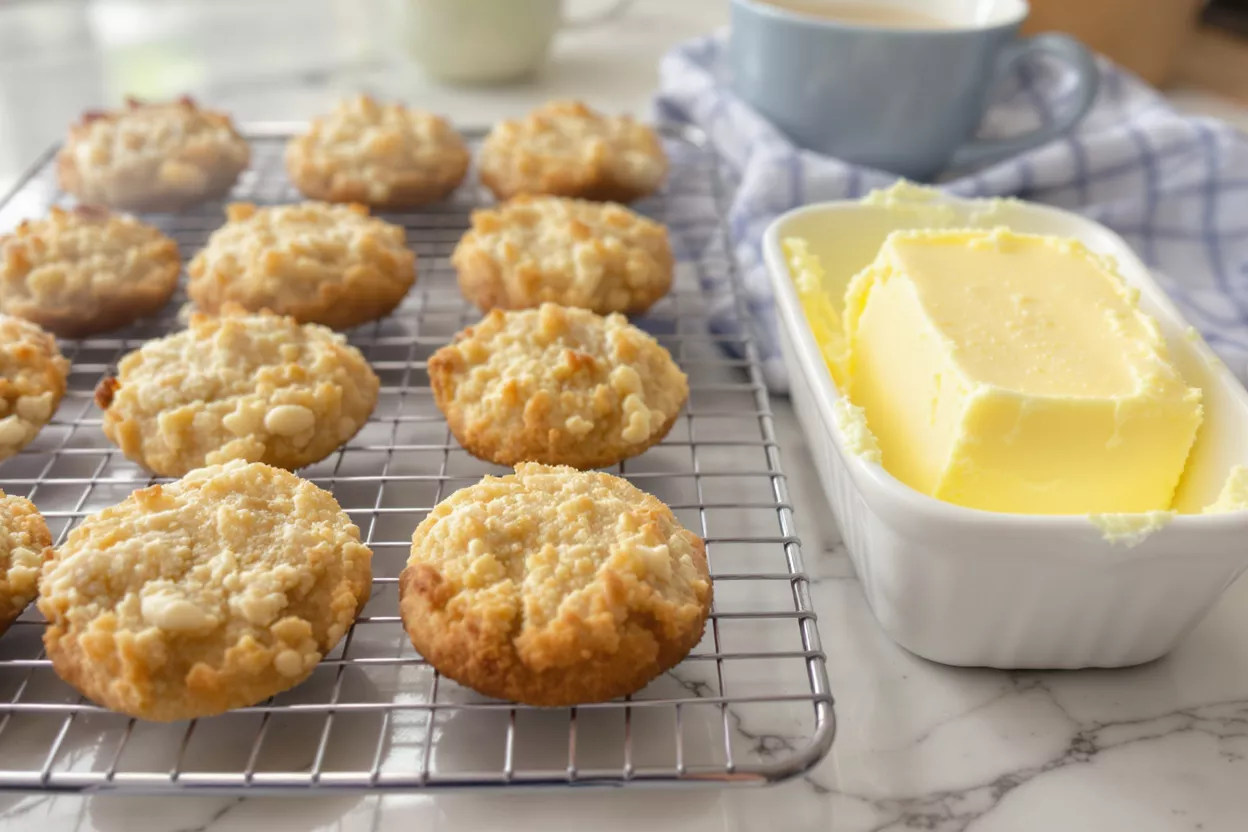
Heat management is everything when cooking with cannabutter. Cannabinoids degrade at high temperatures, so you want to avoid frying or any preparation that pushes butter past 350°F for long periods. Baking at standard cookie or brownie temperatures is generally fine because the interior of the batter stays cooler than the oven, protecting your potency.
One of the most overlooked tips is even distribution. Whether you are making a dozen brownies or a single cake, thoroughly mixing the cannabutter into your batter ensures each portion carries a consistent dose. Uneven mixing is a leading cause of one brownie doing nothing while the next sends a guest reaching for their dugout to come back down to earth.
Cannabutter shines in recipes where butter already plays a starring role — think frostings, sauces, and rich baked goods. A simple digital kitchen scale for edibles helps you portion batter precisely so every serving lands in the same dosing range, which is the difference between a pleasant evening and an edible hangover the next day.
Storing Cannabutter for Maximum Freshness
Proper storage protects both potency and flavor. Cannabutter keeps in the refrigerator for about two to three weeks in an airtight container, and freezing extends that window to six months or more. Light, heat, and oxygen are the enemies of cannabinoids, so an opaque, sealed container stored in a cold, dark place preserves the most THC over time.
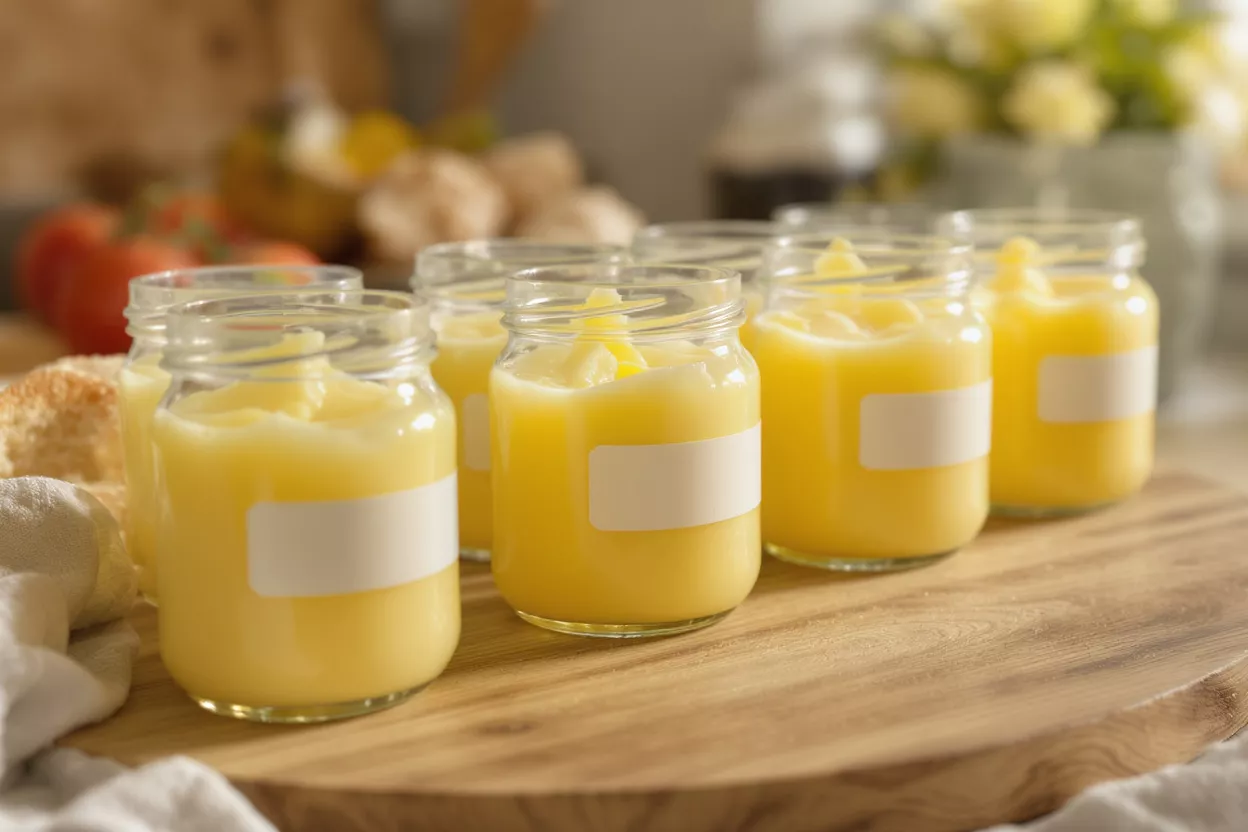
Freezing in portioned amounts is the smartest move for anyone making large batches. Pressing cannabutter into ice cube trays or silicone molds lets you thaw exactly what a recipe calls for without repeatedly warming and re-chilling the whole block, which accelerates degradation. Each cube can represent a known dose, simplifying your future cooking.
Labeling deserves more attention than it usually gets. Because cannabutter looks identical to ordinary butter, clear labels with potency and date prevent dangerous mix-ups, especially in shared households. This single habit is one of the most important safety practices in the entire process.
Is Cannabutter Safe and What to Watch For
For most healthy adults, cannabutter is safe when dosed responsibly, but it demands more respect than smoking. The delayed onset and amplified potency of edibles mean overconsumption is the most common pitfall. According to research compiled by MDPI, the slower pharmacokinetics of oral cannabinoids produce effects that build gradually and peak later, which is precisely why patience prevents most uncomfortable experiences.
Knowing the signs of overconsumption helps you respond calmly. Excessive cannabutter can cause anxiety, rapid heartbeat, dizziness, or nausea — uncomfortable but not life-threatening for healthy adults. Staying hydrated, resting in a calm space, and waiting it out are the standard responses; the effects always fade with time even if they feel intense in the moment.
A few populations should be especially cautious. People taking medications metabolized by the liver, those who are pregnant or nursing, and anyone with cardiovascular concerns should consult a healthcare provider before using cannabutter. Keeping all infused products locked away from children and pets is non-negotiable, since the friendly appearance of butter offers no warning about its contents.
Cannabutter Troubleshooting and Common Mistakes
Weak cannabutter usually traces back to decarboxylation, the step home cooks most often rush or skip. If your butter feels underwhelming despite using plenty of flower, incomplete activation is the likely culprit, followed closely by overheating during infusion that vaporized your cannabinoids. Dialing in your decarb temperature solves the majority of potency complaints.
Bitter or harshly green-tasting butter points to a different mistake: over-processing the plant material. Using too much flower relative to butter, simmering too long, or aggressively squeezing the cheesecloth all force chlorophyll into your product. A cleaner approach with gentler straining yields a milder, more pleasant flavor that does not overwhelm your finished dishes.
Finally, inconsistency between batches frustrates many cooks. Standardizing your flower amount, decarb time, infusion temperature, and straining method turns cannabutter from a guessing game into a repeatable recipe. Keep simple notes each time, and within a few rounds you will have a personalized formula that delivers the same reliable results — no diamonds, distillate, or fancy gear required.
Cannabutter remains one of the most rewarding entry points into homemade edibles precisely because it rewards patience and care over expensive equipment. Master decarboxylation, respect the slow onset, dose conservatively, and store your butter properly, and you will have a versatile ingredient that transforms ordinary recipes into something special. Treat the process with the attention it deserves, and your cannabutter will deliver consistent, enjoyable results every single time.