Gravity bong
Discover how a gravity bong works, types, and safety tips.
What Is a Gravity Bong
A gravity bong is one of the most legendary pieces of improvised smoking culture, equal parts physics experiment and rite of passage. At its core, a gravity bong uses water and air pressure to pull a dense cloud of smoke into a chamber, which is then inhaled all at once. Unlike a traditional water pipe that relies on your lungs to draw smoke through, this device lets gravity do the heavy lifting — hence the name. The result is a concentrated hit that has earned the gravity bong a near-mythical reputation among those who chase a fast, potent experience.
Where the gravity bong gets its reputation: The appeal is rooted in efficiency. Because the chamber fills with smoke before you inhale, very little is lost to the air between puffs. For decades, the gravity bong has lived in college dorms, backyards, and campsites precisely because it can be built from household items in minutes. It is the kind of dope, no-frills ingenuity that turns a soda bottle and a bucket into a delivery system worthy of conversation.
That said, a gravity bong is not just a novelty. Understanding how it works helps you use it more thoughtfully, dose more carefully, and decide whether the intensity suits your tolerance. According to research published by MDPI, the way cannabis smoke is delivered can meaningfully affect the speed and intensity of its effects, which is exactly why the gravity method feels so different from a standard pipe.
How Does a Gravity Bong Work
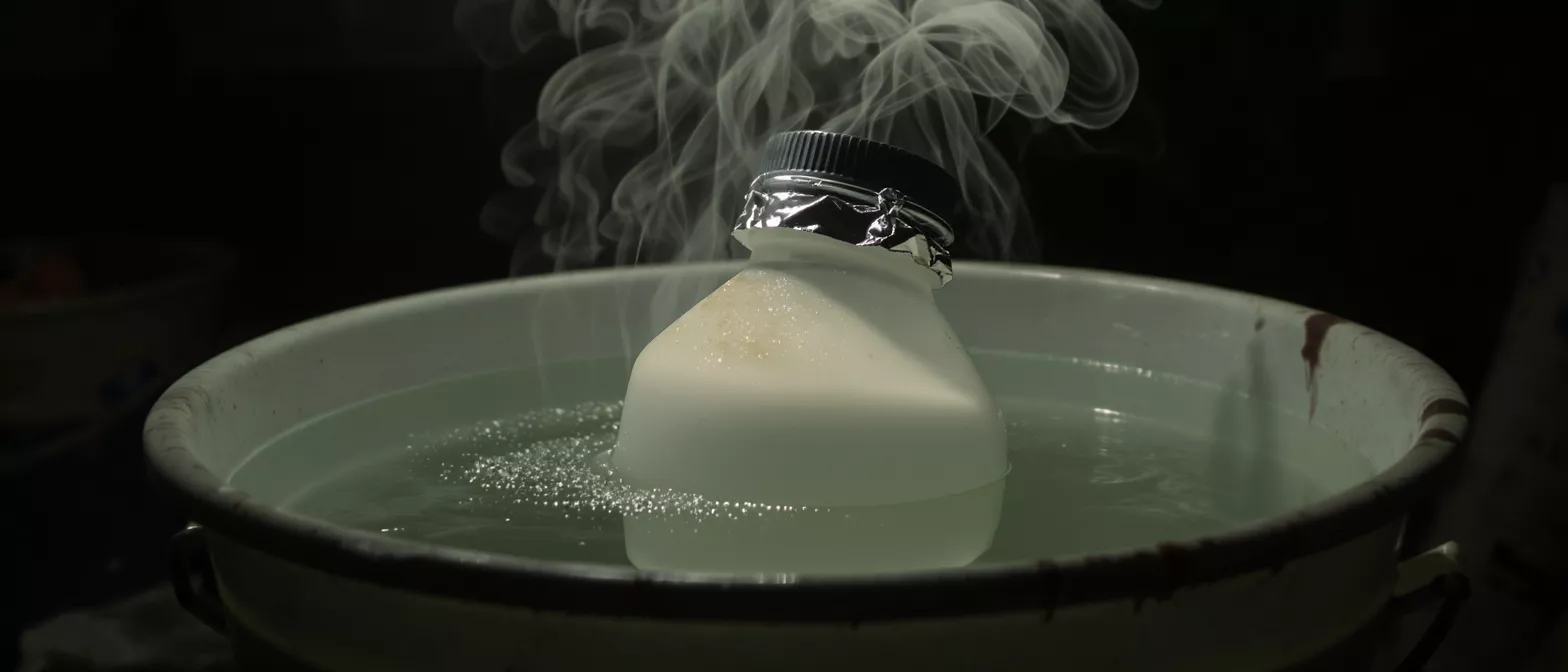
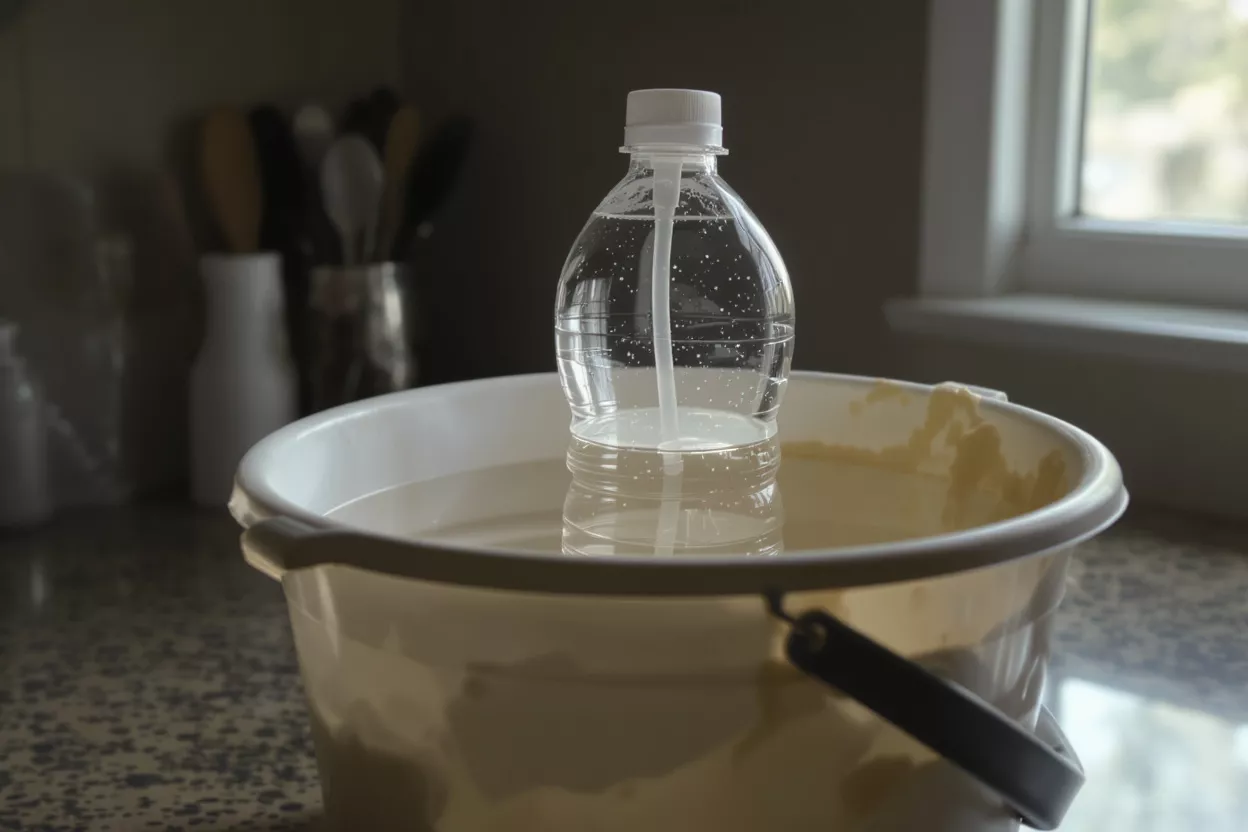
The mechanics of a gravity bong are deceptively simple, which is part of why the design has survived generations of refinement. You have two containers: a smaller bottle that holds a bowl of cannabis and acts as the smoke chamber, and a larger reservoir of water. As the bottle is lifted or as water drains away, a vacuum forms that pulls combusted smoke into the chamber.
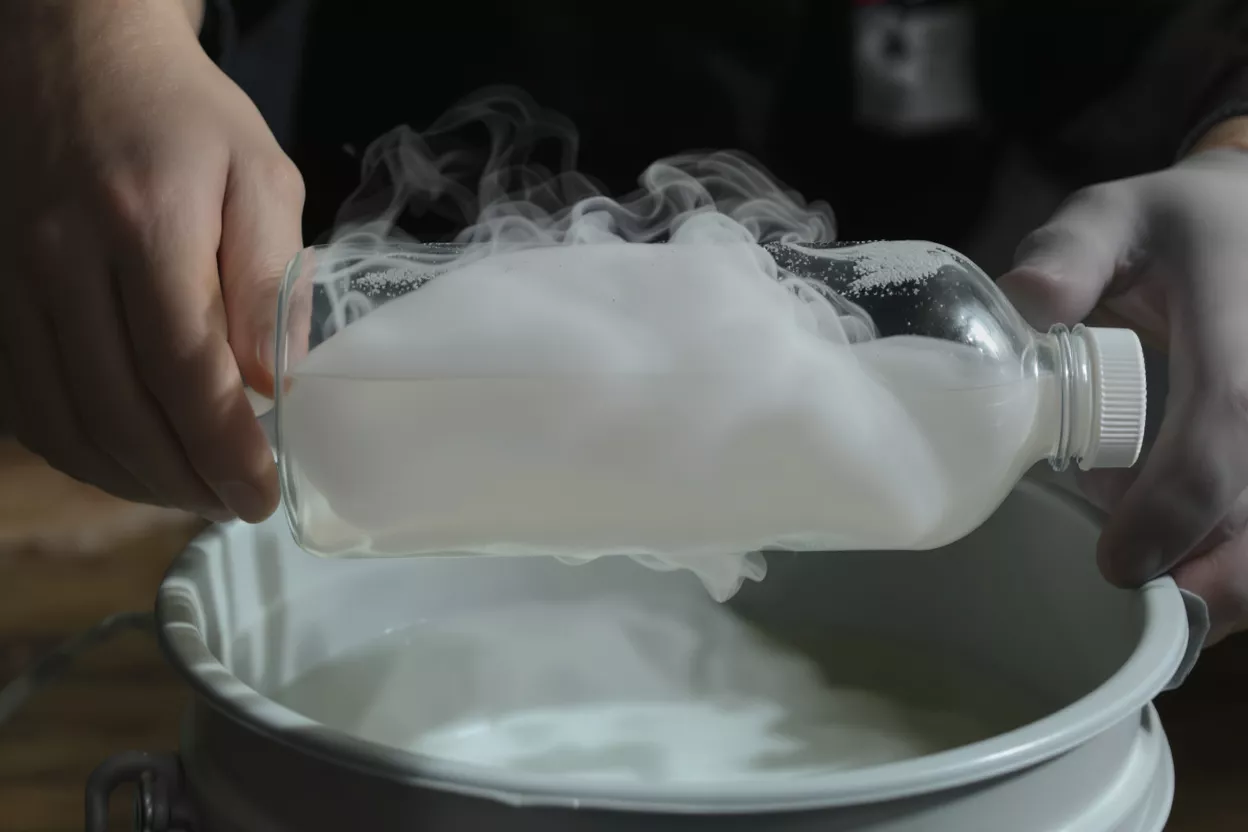
The pressure differential explained: When you cap the bowl and pull the bottle upward through water, the rising chamber creates negative pressure. That vacuum draws smoke down through the burning material to fill the void. Push the bottle back down — or open the mouthpiece and inhale — and the water rushes back in, forcing the accumulated smoke up and into your lungs in one concentrated rush. It is a tidy demonstration of basic fluid dynamics that happens to be useful for cannabis.
This is why the gravity bong delivers such a dense payload. Rather than sipping smoke gradually, you build an entire chamber's worth and consume it in a single breath. The water also provides a small amount of filtration, cooling the smoke slightly before it reaches you, though far less than a multi-percolator rig would. A quality borosilicate glass water pipe offers a smoother, more controlled alternative if the raw force of gravity feels like too much.
Types of Gravity Bong Designs
While the soda-bottle version is the most familiar, the gravity bong has evolved into several distinct formats, each with its own personality. Some prioritize convenience, others smoothness, and a few have been engineered into genuinely elegant glass pieces that elevate the whole concept beyond its scrappy origins.
Understanding the main categories helps you choose a build that matches your priorities, whether that is portability, hit size, or ease of cleaning. As the team at MDPI has documented in studies of inhalation methods, device design directly shapes the user experience, so the format you pick is not a trivial decision.
- 💧 Bucket gravity bong: A bottle moved up and down inside a bucket of water — the classic, beginner-friendly approach.
- 🌊 Waterfall gravity bong: A single bottle with a drain hole at the bottom; water draining out pulls smoke in.
- 🔥 Glass gravity bong: A purpose-built rig with a twisting or spinning chamber for smooth, repeatable hits.
- 🎒 Travel gravity bong: Compact collapsible versions designed for outdoor use and easy packing.
The glass versions in particular have transformed the gravity bong from a campsite hack into a serious centerpiece. Many feature a rotating mechanism that eliminates spills entirely, making them far more user-friendly than the soda-bottle ancestors most people remember.
How to Make a Gravity Bong at Home
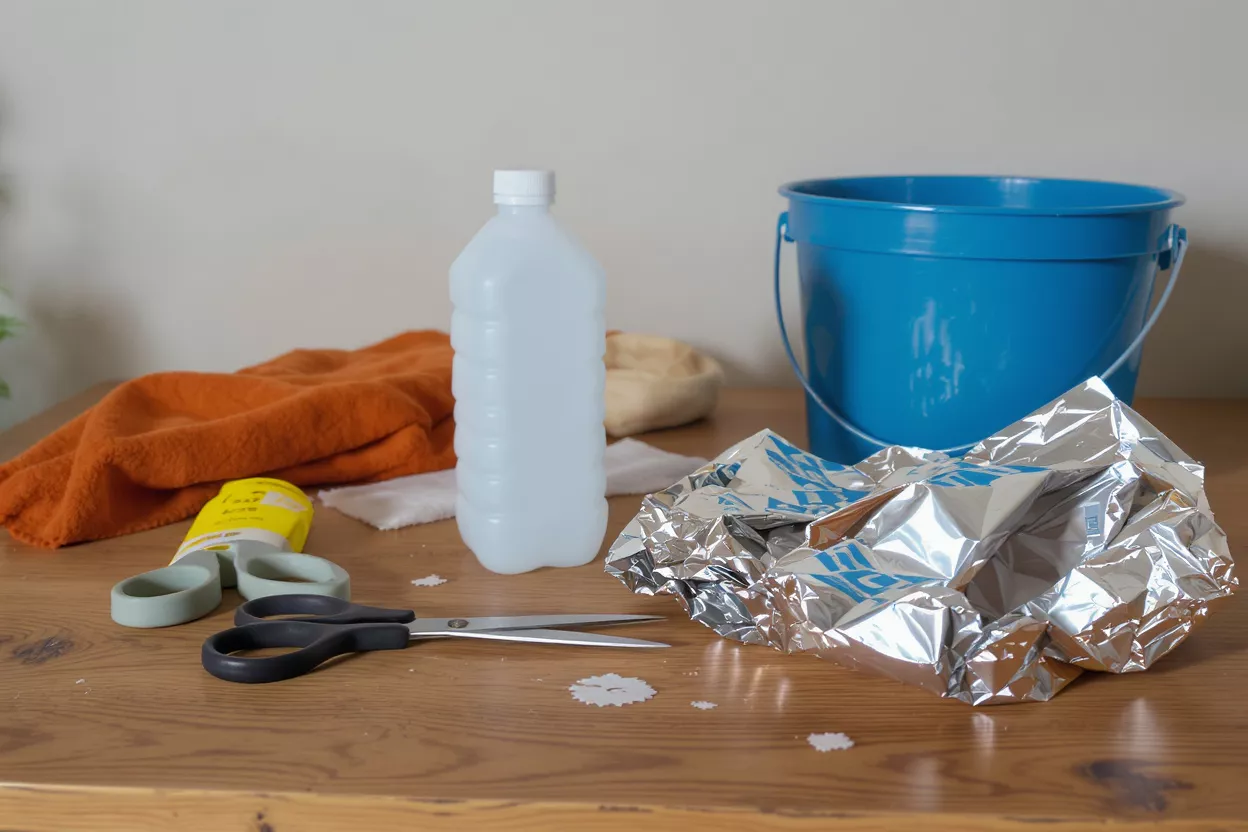
Building a gravity bong from household items remains a beloved ritual, and the process takes only a few minutes. You will need a plastic bottle, a larger container of water, some aluminum foil or a metal socket for the bowl, and a heat source. The simplicity is the whole point — it is the same dugout-era ingenuity that has always defined improvised cannabis culture.
The basic bucket build: Cut the bottom off a plastic bottle and remove the cap. Fashion a bowl from foil over the cap opening, or fit a metal socket into the neck. Submerge the cut bottle in a bucket of water, add your cannabis to the bowl, light it, and slowly lift the bottle to draw smoke into the chamber. Cap it, lift the bottle free, and inhale as you push it back down.
A few details make the difference between a frustrating build and a clean one. Use a bottle with a wide mouth for an easier bowl fit, and avoid heating plastic directly. Many enthusiasts prefer to skip foil entirely and invest in a proper glass bowl piece or a dedicated reusable downstem and bowl set for cleaner-tasting smoke. The MDPI literature on combustion byproducts is a good reminder to favor inert materials over heated plastic whenever possible.
Waterfall vs Bucket Gravity Bong
The two foundational gravity bong styles — waterfall and bucket — achieve the same result through opposite mechanics. Choosing between them often comes down to your setup and how much mess you are willing to manage.
How the waterfall method differs: A waterfall gravity bong uses just one bottle with a small hole near the base. You fill the bottle with water, cover the hole, pack the bowl, then uncover the hole and let the water drain. As the water exits, it pulls smoke into the bottle to replace the lost volume. There is no second container, which makes it more compact but also messier since you are draining water as you go.
The bucket method, by contrast, keeps all the water contained and reusable for multiple sessions. It generally produces a larger chamber volume and a bigger hit, but requires more space. Neither is objectively superior; the diesel-strong intensity both deliver is comparable, and personal preference rules.
- 🪣 Bucket pros: Bigger hits, reusable water, easier for beginners to control.
- 💦 Waterfall pros: Single container, more portable, no lifting motion required.
- ⚖️ Shared trait: Both deliver a fast, concentrated dose far stronger than a standard pipe.
Why a Gravity Bong Hits So Hard
If you have ever taken a gravity bong hit and felt floored, you are not imagining it. The device is engineered to maximize the volume of smoke delivered per inhale, which means a single hit can equal several puffs from a joint or pipe. This is the reason the gravity bong has such a fearsome reputation among newcomers.
Volume and concentration combined: Because the chamber fills completely before you inhale, you are pulling a dense, undiluted cloud directly into your lungs. There is no gradual ramp-up. The forced delivery means more cannabinoids reach you in a shorter window, producing rapid onset that can catch even seasoned smokers off guard. Research summarized by MDPI notes that faster, higher-concentration inhalation correlates with more intense subjective effects.
Pacing matters enormously here. A first-time gravity bong user should take a partial chamber rather than a full one, and wait several minutes before deciding whether to go again. Whether you are working with dank flower or smoother material, the gravity method amplifies whatever you load. Pairing it with a smooth-hitting glass percolator bong can soften the experience considerably if the raw hit proves overwhelming.
Gravity Bong Safety and Risks
For all its appeal, the gravity bong carries real considerations worth understanding before you build one. The intensity that makes it exciting is the same intensity that makes overconsumption easy, particularly for those with low tolerance.
The plastic and foil problem: The single biggest health concern with improvised gravity bongs is heating plastic and aluminum foil. Burning or melting these materials can release undesirable compounds into the smoke. The fix is straightforward — use glass or metal components for anything that contacts heat, and never apply a flame directly to the plastic bottle itself.
Beyond materials, the sheer size of a gravity bong hit means the risk of an edible-hangover-style heaviness the next day is higher than with measured methods. According to MDPI, smoke composition is influenced by the materials and temperatures involved, reinforcing the case for inert components. Start small, stay hydrated, and treat the gravity bong with the respect its potency deserves.
How to Clean a Gravity Bong
A clean gravity bong tastes dramatically better than a neglected one, and regular maintenance also keeps any glass components free of resin buildup. The cleaning routine depends on your build, but the principles are universal.
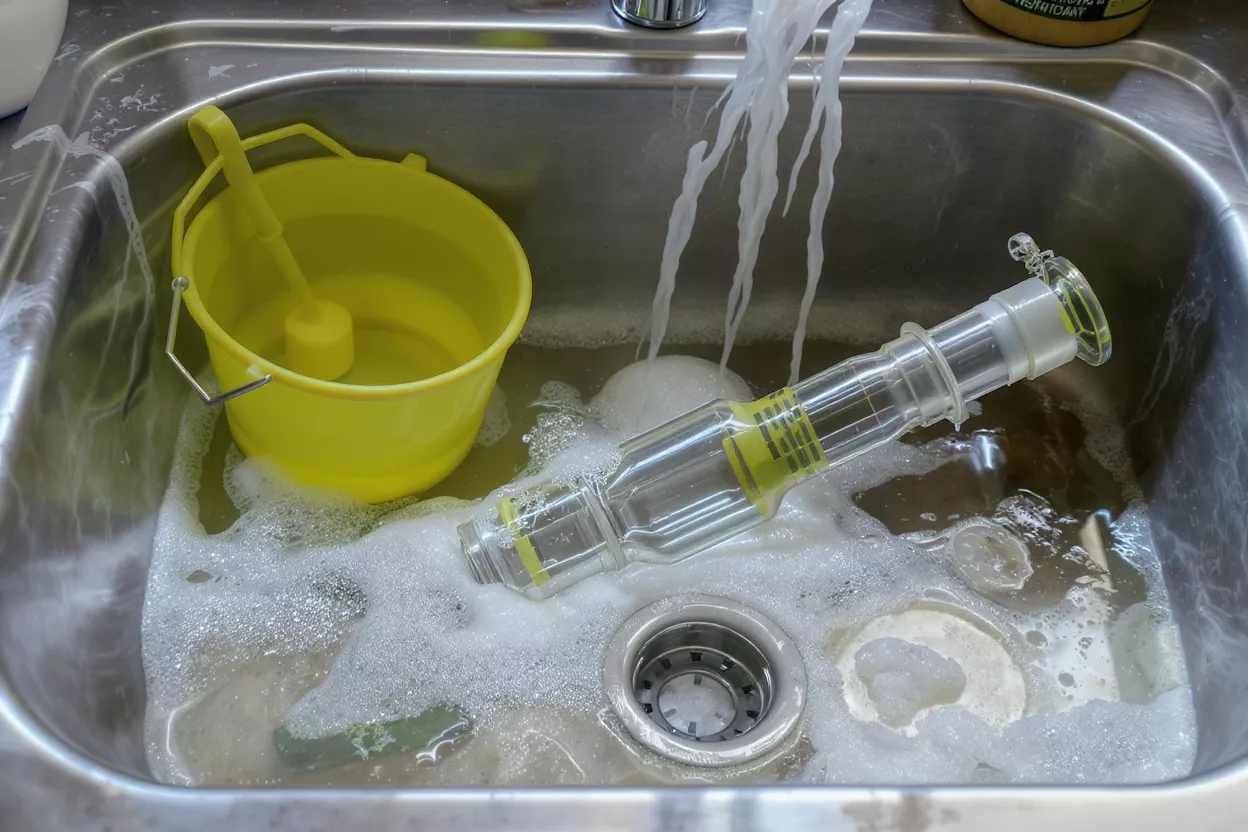
The isopropyl and salt method: For glass gravity bongs and bowl pieces, the gold standard is a mix of isopropyl alcohol and coarse salt. The alcohol dissolves resin while the salt acts as an abrasive scrubber. Shake the solution through the piece, let it soak for stubborn spots, then rinse thoroughly with warm water before your next session.
For improvised plastic builds, replacement is often simpler than deep cleaning, since plastic absorbs odors and stains over time. If you use a dedicated glass rig, treat it like any quality piece — empty the water after each use, wipe down the chamber, and deep-clean weekly. Some enthusiasts who graduate to dabbing apply the same diligence to a domeless nail or e-rig setup, and the habit of routine cleaning carries over nicely.
Best Materials for a Gravity Bong
The materials you choose define both the flavor and the safety of your gravity bong. While the classic build leans on whatever is lying around, a little intention here pays real dividends in taste and peace of mind.
Why glass beats plastic: Glass is inert, does not absorb flavors, and withstands heat without releasing anything into your smoke. A purpose-built glass gravity bong delivers a cleaner draw and a far better taste than a soda bottle ever could. Borosilicate glass in particular resists thermal stress, making it the preferred choice for serious pieces.
For the bowl, ceramic or borosilicate glass beats aluminum foil every time. If you are committed to an improvised build, a stainless steel socket is a reasonable middle ground that avoids foil's drawbacks. The same logic that pushes concentrate fans toward an e-nail over a torch applies here — better materials yield a cleaner, more controlled experience.
- 🥇 Borosilicate glass: The best all-around material — inert, durable, and flavor-neutral.
- 🪨 Ceramic bowls: Excellent heat retention and no metallic taste.
- 🔩 Stainless steel socket: A safe upgrade from foil for DIY builds.
- 🚫 Avoid: Aluminum foil and any plastic that contacts direct heat.
Is a Gravity Bong Right for You
Deciding whether a gravity bong belongs in your rotation comes down to honest self-assessment. The device rewards those who appreciate potency and efficiency, but it punishes the impatient and the inexperienced with hits that can be genuinely overwhelming.
Who benefits most: Experienced users with higher tolerance tend to love the gravity bong for its efficiency and the sheer novelty of the experience. It stretches your material further, since a single chamber delivers what might otherwise take several pulls. For social sessions, the spectacle alone makes it a memorable centerpiece.
If you are newer to cannabis or prefer a measured, controllable experience, a standard water pipe or a low-temperature method will likely serve you better. The gravity bong is a tool of intensity, not subtlety. Whatever you choose, understanding the mechanics, materials, and pacing covered here lets you approach the gravity bong with confidence rather than guesswork — and that knowledge is what turns a risky improvisation into a satisfying, deliberate ritual worth keeping.