Best Edible Dosing Guide: What to Know in 2026
Master edible dosing with our 2026 guide.
What Is Edible Dosing and Why It Matters
Finding the best edible dosing approach is the single most important skill any consumer can develop, because the difference between a pleasant, controlled experience and an overwhelming one often comes down to a handful of milligrams. Unlike inhaled cannabis, which delivers effects within minutes and lets you titrate as you go, edibles operate on a delayed and amplified timeline that punishes guesswork. Understanding how to measure, time, and adjust your intake transforms edibles from an intimidating gamble into one of the most reliable, long-lasting delivery methods available.
The core challenge is that edibles are deceptively simple to consume and deceptively complex to dose. A gummy that tastes like candy can carry the same active load as several inhaled sessions, and because the onset is slow, the temptation to "take a little more" is constant. That single behavioral trap is responsible for the vast majority of uncomfortable edible experiences. Mastering best edible dosing means respecting the clock as much as the milligram count.
Dosing also matters because cannabis is not one-size-fits-all. Your genotype influences how you metabolize cannabinoids, your tolerance shifts over time, and the same 10mg dose can feel mild to one person and intense to another. A thoughtful dosing strategy accounts for this variability rather than assuming a universal standard. Organizations like the Society of Cannabis Clinicians emphasize individualized, start-low protocols precisely because human response varies so widely.
How Edibles Work in the Body
The role of first-pass metabolism: When you eat a cannabis edible, it travels through your digestive system to the liver before entering general circulation. This is called first-pass metabolism, and it fundamentally changes the experience. The liver converts delta-9-THC into 11-hydroxy-THC, a metabolite that is more potent and crosses into the brain more readily. This is why a 10mg edible can feel dramatically stronger than 10mg of inhaled THC, and why the effects last far longer.
Why fat content matters: Cannabinoids are fatty, lipophilic molecules, meaning they bind to fats rather than water. Edibles made with fractionated coconut oil, butter, or other lipid carriers absorb more efficiently than water-based products. Some products use glycerin as a carrier, which behaves differently in the body. Taking an edible alongside a meal containing healthy fats can meaningfully increase how much active compound your body actually absorbs.
The full-spectrum nature of many edibles also shapes the experience. Products made with full-spectrum extracts retain a range of cannabinoids, terpenes, and flavonoid compounds that may modulate effects through what is commonly called the entourage effect. A flavonoid-rich, terpene-preserved edible can feel qualitatively different from an isolate-based one even at the same THC dose.
Edible Dosing Chart by Experience Level
One of the most practical tools for newcomers is a tiered dosing reference. These ranges represent THC content and assume a standard tolerance, but they are starting points rather than rigid rules. When in doubt, begin at the lower end of your tier and reassess after a full onset window has passed.
- 🌱 Microdose (1–2.5mg): Subtle relief, minimal intoxication. Ideal for daytime focus, mild stress, or first-ever attempts where you want to feel almost nothing overtly psychoactive.
- 🍃 Low dose (2.5–5mg): Gentle euphoria, mild body relaxation. A common sweet spot for occasional users and social settings.
- 🌿 Moderate dose (5–15mg): Clear euphoria and noticeable physical effects. Suited to experienced consumers with established tolerance.
- 🔥 High dose (15–30mg): Strong, long-lasting effects. Generally reserved for regular users or those with significant tolerance.
- ⚠️ Heavy dose (30mg+): Intense and prolonged. Typically used by medical patients with high tolerance under guidance.
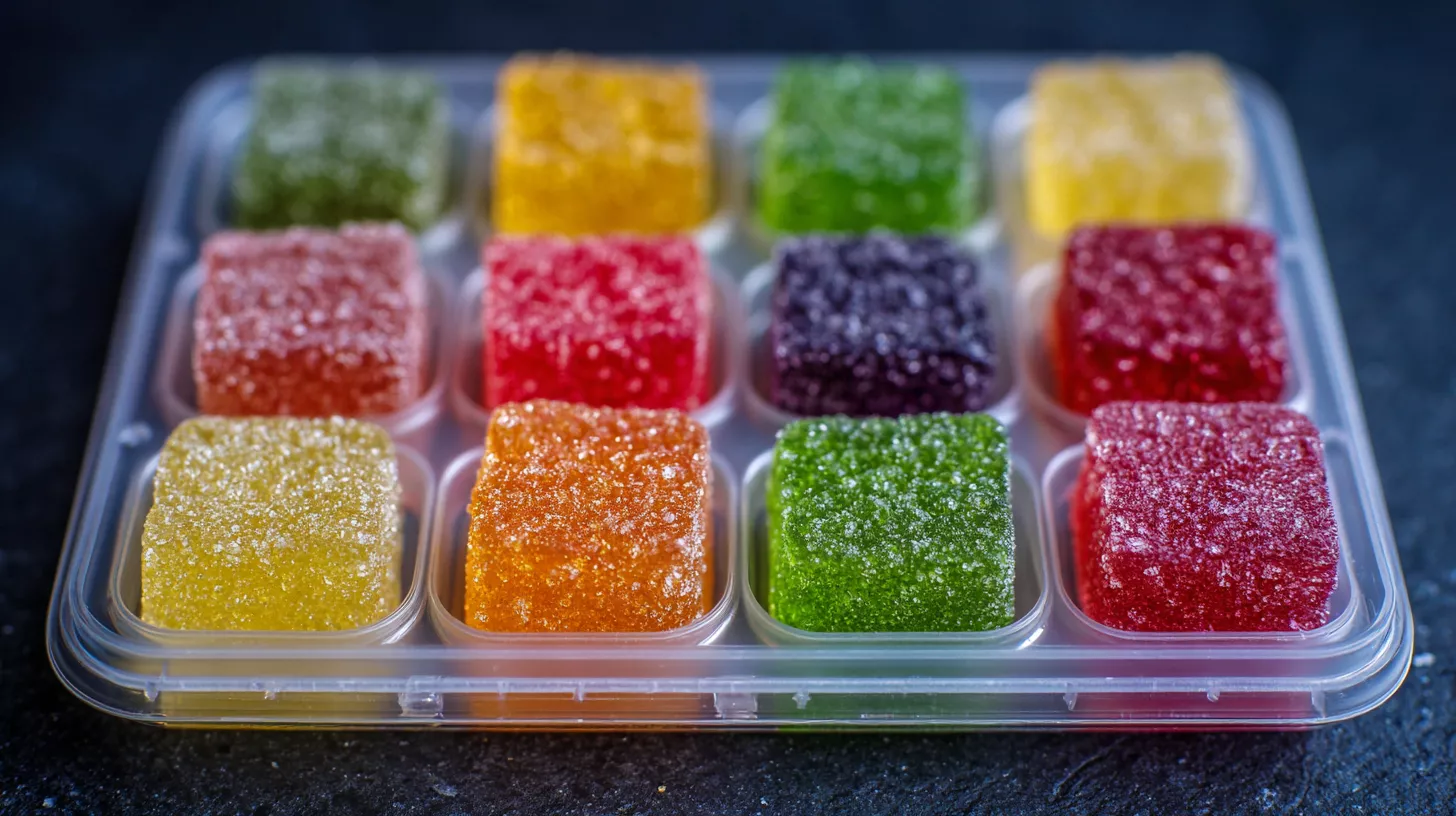
For most people exploring options, low-dose THC gummies offer the cleanest entry point because they are pre-portioned and easy to split. A precise, pre-measured product removes the math and the temptation to overshoot, which is exactly what beginners need.
Keep in mind that these tiers describe THC. CBD-dominant or balanced edibles follow entirely different logic, since CBD is non-intoxicating and often taken at much higher milligram counts for comparable wellness goals.
How Long Do Edibles Take to Kick In
The typical onset window: Most edibles take between 30 minutes and 2 hours to produce noticeable effects, with peak intensity often arriving around the 2-to-4-hour mark. This wide window is the primary reason people accidentally overconsume; they feel nothing at the 45-minute point, assume the dose was too weak, and take more. By the time both doses peak, the experience has become far more intense than intended.
Onset speed depends on whether the product is swallowed and digested or absorbed in the mouth. Traditional edibles like brownies and gummies must be digested, producing the slow, long curve. Some lozenges and tinctures are partly absorbed under the tongue, bypassing first-pass metabolism for a portion of the dose and producing a faster, somewhat shorter effect.
Your individual digestion plays a major role too. Eating on an empty stomach can speed onset but sometimes intensifies the peak, while a full stomach slows and smooths the curve. Slow-onset, fast-onset blends and other carefully formulated edible options can help bridge the gap for users who dislike the long wait.
Factors That Change Your Edible Dose
Tolerance and frequency: Regular consumers develop tolerance, meaning their receptors adapt and require more to achieve the same effect. Someone who uses cannabis daily may need several times the dose of an occasional user. Periodic tolerance breaks can reset sensitivity and restore the effectiveness of lower doses, which is both more economical and gentler on the body.
Body weight and metabolism: While body weight is a factor, metabolism and individual endocannabinoid biology often matter more. Two people of identical weight can respond very differently to the same dose. According to clinical educators, this variability is precisely why blanket dosing recommendations fail and personalized titration succeeds.
Other variables shape the outcome more than people expect. Consider how these factors stack:
- 🍽️ Stomach contents: An empty stomach accelerates onset; a fatty meal slows and prolongs it.
- 😴 Sleep and stress: Fatigue and high stress can amplify perceived intensity.
- 💊 Other medications: Some drugs interact with the same liver enzymes that process cannabinoids.
- 🧬 Genetics: Your genotype influences enzyme activity and baseline sensitivity.
- 🕐 Time of day: Circadian rhythms can subtly shift how effects feel.
Best Edible Dosing for Sleep and Pain
Dosing for sleep: Edibles shine for sleep precisely because of their long duration; the slow-release curve can carry a person through much of the night. Many people find a moderate dose taken about an hour before bed effective, often pairing THC with CBN or CBD for a smoother, less heady profile. Starting low here is still wise, since an oversized dose can cause grogginess the next morning.
Dosing for pain: Chronic pain management often benefits from consistent, scheduled dosing rather than as-needed spikes. Maintaining a steady baseline of cannabinoids throughout the day can be more effective than chasing relief after pain escalates. Full-spectrum extracts are frequently preferred for pain because the accompanying terpenes and minor cannabinoids may enhance the analgesic profile.
Some users layer functional ingredients into their routine, combining cannabis edibles with a functional mushroom such as Chaga or Cordyceps for daytime energy support, or Curcumin for its anti-inflammatory reputation. These pairings are not a substitute for medical care, but they reflect how thoughtfully formulated edible blends fit into broader wellness habits.

Microdosing Edibles Explained
What microdosing actually means: Microdosing involves taking very small amounts—typically 1 to 2.5mg of THC—to capture subtle benefits like mood lift, focus, or mild relaxation without meaningful intoxication. It has grown popular among professionals and wellness-focused users who want cannabis to enhance daily function rather than dominate it.
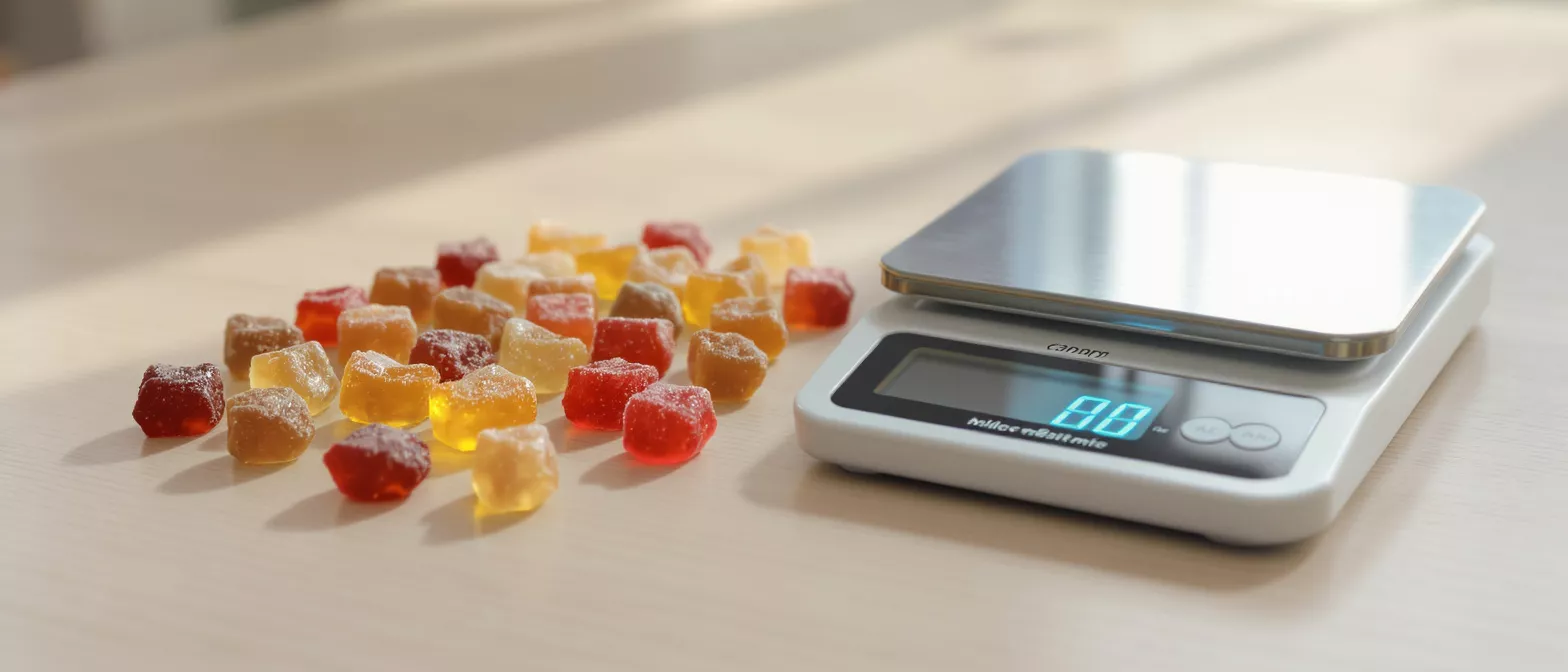
The appeal lies in control and consistency. Because microdoses sit well below the threshold of impairment for most people, they allow for repeatable, predictable experiences. This makes them ideal for learning your personal response curve before scaling up. Precise gummies or splittable tablets make accurate microdosing far easier than trying to portion a homemade brownie.
Microdosing also tends to be gentler on tolerance. By keeping doses minimal, users may slow the receptor adaptation that drives escalating consumption. For those new to the category, calming low-dose CBD edibles can serve as a non-intoxicating on-ramp before introducing any THC at all.
What to Do If You Take Too Much
Recognizing greening out: Taking too much can lead to a state casually known as greening out—marked by dizziness, nausea, racing heart, paranoia, or intense anxiety. It is deeply unpleasant but not life-threatening; there are no documented fatal overdoses from cannabis alone. Reminding yourself of this fact can itself reduce the panic that worsens the experience.
If you find yourself in this situation, the priorities are calm and comfort. Move to a quiet, safe space, hydrate with water, and remember the effects will fade. Some people report that chewing or smelling black peppercorns helps, possibly due to a terpene interaction; the compound fenchol and related terpenes may play a modest calming role, though evidence is largely anecdotal.
Prevention beats response every time. The reason flushing the system quickly is so difficult is that the cannabinoid is already absorbed and stored in fat, so you cannot simply "flush" it out the way the term suggests. The only real safeguards are starting low, waiting the full onset window, and never stacking doses out of impatience.

Are Edibles Safe for Beginners
Safety fundamentals: For healthy adults, edibles are considered safe when dosed responsibly, but beginners face the steepest learning curve of any consumption method. The combination of delayed onset, amplified potency from first-pass metabolism, and easy overconsumption makes the early experiences the riskiest. The single best safeguard is patience: take a low dose, then do nothing but wait.
Storage safety deserves emphasis, especially in homes with children or pets, since edibles often look like ordinary candy. Lockable containers and clear labeling prevent accidental ingestion. People who are pregnant, nursing, taking interacting medications, or managing serious health conditions should consult a clinician before use.
Beginners should also choose their products carefully. Look for lab-tested items with clearly stated milligram counts and batch testing for contaminants. A reliable starting point is a well-labeled pack of beginner-friendly edible gummies with low, consistent dosing, which removes the guesswork that trips up most newcomers.


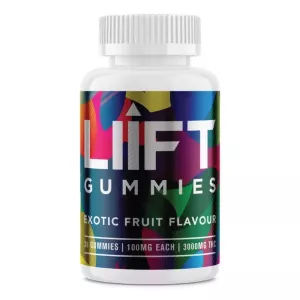
Exotic Fruit High Dose THC Gummies 100mg x 30pcs (3000mg) – LIIFT
Built for seasoned tastes. LIIFT's Exotic Fruit high-dose gummies bring 100mg of THC to each piece — 3000mg across 30 — in dragon fruit, lychee, and other exotic flavours. One gummy goes a long way, with effects that settle in for the long haul. Reserved for experienced users who know exactly what they're reaching for.
- Extreme Tolerance Solution : Finally enough THC
- Efficient Dosing : One gummy = major relief
- Long-Lasting Effects : 8-12 hour duration
- Cost Effective : Less product needed
- Exotic Experience : Unique flavors enhance
Building Your Personal Edible Routine
Keeping a dosing journal: The fastest path to mastering edibles is documentation. Record the product, milligram dose, time taken, stomach contents, onset time, peak intensity, and how you felt. After a few entries, patterns emerge that let you predict your response with surprising accuracy. This personal data is more valuable than any generic chart.
Adjusting gradually: Once you know your baseline, adjust in small increments—2.5mg steps are sensible—rather than doubling doses. This protects against unpleasant surprises and helps you locate your personal sweet spot, the dose that delivers the effects you want with no excess. Patience in this phase pays dividends for years of comfortable use.
Mastering the best edible dosing practices ultimately comes down to a few durable principles: respect the slow onset, start low, account for your individual biology, and track what works. Edibles reward the methodical and humble the impatient. With a thoughtful approach—and quality, accurately labeled products—they become one of the most reliable, long-lasting, and enjoyable ways to consume cannabis. Treat your first experiences as experiments, build your knowledge deliberately, and you will find a routine that fits your life with precision and confidence.