Greening Out
Learn what greening out means, why it happens, and how to stop it fast.
What Is Greening Out?
Greening out is the slang term for the uncomfortable cluster of symptoms that follow consuming too much cannabis in a single session. The name comes from the pale, greenish complexion that often accompanies the experience, alongside nausea, dizziness, and an overwhelming sense that you've simply had too much. While it feels alarming in the moment, greening out is generally a temporary and self-limiting reaction rather than a medical emergency.
The experience is driven largely by THC, the primary psychoactive compound in cannabis. When THC floods the body's endocannabinoid system faster than the body can comfortably process it, the result is a temporary state of overstimulation. The cannabinoid receptors that normally help regulate mood, appetite, and balance become saturated, producing the disorientation that defines the experience.
Understanding greening out matters because the fear it generates can be worse than the symptoms themselves. Many people experiencing it for the first time worry they are in genuine danger, which intensifies the anxiety and discomfort. Knowing what is actually happening physiologically helps reframe the episode as something that will pass, allowing you to ride it out with far less panic.

Common Greening Out Symptoms
The symptoms of greening out tend to arrive in waves and vary in intensity from person to person. Recognizing them early helps you respond calmly rather than spiraling into panic. Most signs are physical, but the psychological component, especially anxiety, can dominate the experience.
Here are the symptoms people most commonly report when they green out:
- 🤢 Nausea and vomiting: One of the hallmark signs, often paired with a churning stomach and loss of appetite.
- 😵💫 Dizziness and vertigo: A spinning or floating sensation that makes standing or walking difficult.
- 💦 Cold sweats and pallor: The pale, clammy complexion that gives greening out its name.
- 😰 Anxiety and paranoia: Racing thoughts, a sense of dread, or feeling detached from reality.
- 💓 Rapid heartbeat: A pounding or fluttering pulse that can feel frightening but is rarely dangerous.
It's worth noting that not everyone experiences every symptom, and the combination differs based on the person and the dose. Some people are hit hardest by physical nausea, while others find the mental disorientation and paranoia most distressing. In nearly all cases, these effects fade as the body metabolizes the excess THC.
Why Does Greening Out Happen?
The root cause is simply too much THC too quickly. When THC binds to CB1 receptors concentrated in the brain and central nervous system, it disrupts normal signaling around blood pressure, nausea regulation, and spatial awareness. In moderate amounts this produces the pleasant effects people seek; in excess, it tips into the overwhelming territory of greening out.
Several factors make this tipping point more likely. An empty stomach, dehydration, mixing cannabis with alcohol, low personal tolerance, and unfamiliarity with a product's potency all increase risk. The plummet in blood pressure that THC can trigger is partly responsible for the dizziness and pallor, as the body struggles to maintain circulation while under the cannabinoid's influence.
Potency surprises are a frequent culprit. Modern cannabis flower and concentrates can carry dramatically higher THC levels than products from decades past. Someone returning to cannabis after years away, or trying a high-potency concentrate for the first time, can easily underestimate how much THC they're actually taking in.
How Long Does Greening Out Last?
The duration of greening out depends heavily on how the cannabis was consumed. This single variable, the route of administration, determines both how quickly symptoms peak and how long they linger before fading.
Here's a general timeline based on consumption method:
- 💨 Inhalation (smoking or vaping): Symptoms peak within 10–30 minutes and typically subside within 1–3 hours.
- 🍪 Edibles: Onset is slower, but effects can last 4–8 hours or longer, making greening out more prolonged.
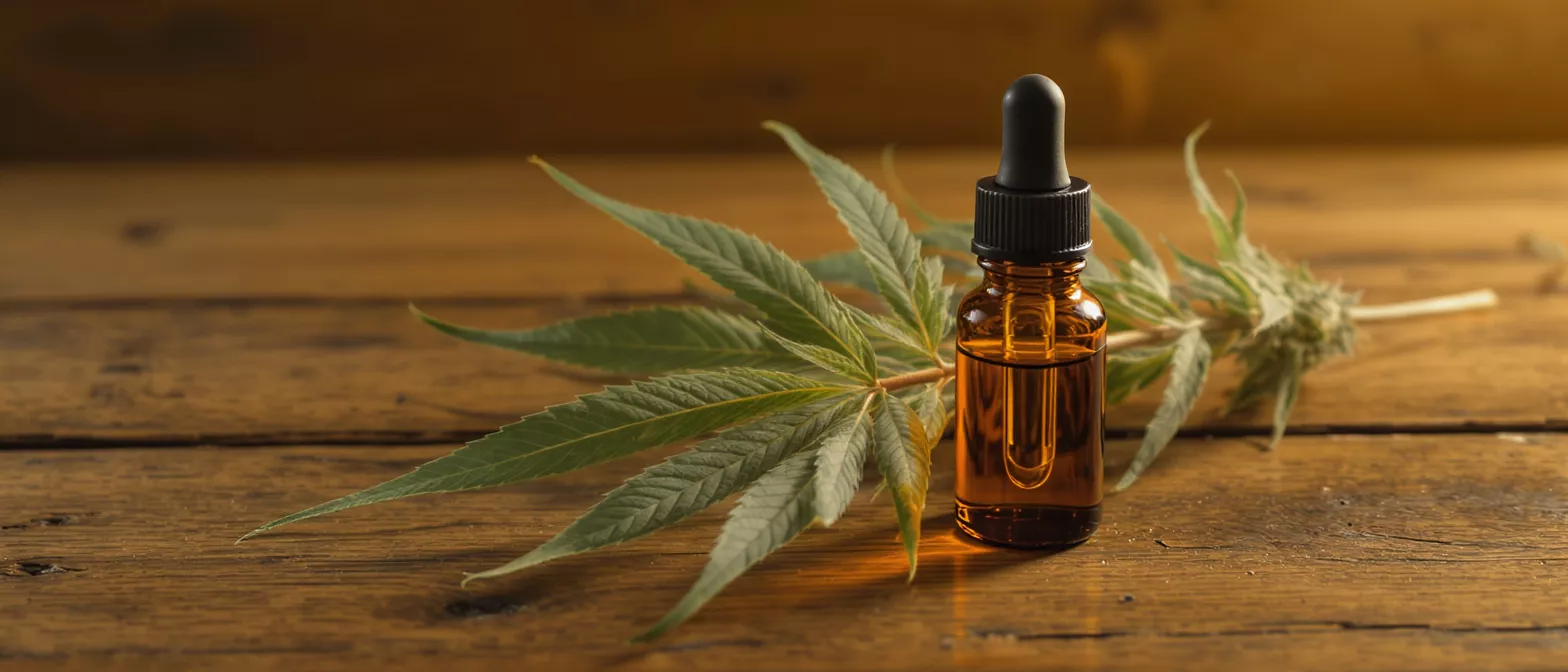
- 💧 Tinctures and sublinguals: Onset within 15–45 minutes, with effects lasting 2–6 hours.
The reassuring takeaway is that greening out always ends. The body steadily metabolizes THC, breaking it down through the liver, and the receptors gradually return to normal function. Even the longest edible-induced episodes resolve within a single day, usually leaving nothing worse than fatigue or a lingering grogginess sometimes called a weed hangover.
How to Stop Greening Out Fast
There is no instant antidote, but several practical steps make the experience far more bearable. The first and most important is to remember that the feeling is temporary and not life-threatening. Calming your nervous system can dramatically reduce the intensity of the anxiety component.
Try these proven strategies to ease the symptoms:
- 💧 Hydrate: Sip water or a non-alcoholic, non-caffeinated drink to combat dry mouth and dehydration.
- 🌿 Find a calm space: Lie down somewhere quiet and dimly lit, away from overstimulation.
- 🍋 Try black pepper or lemon: Chewing peppercorns or smelling lemon may ease anxiety thanks to compounds called terpenes.
- 🫁 Breathe slowly: Deliberate, deep breathing helps regulate a racing heart and signals safety to your brain.
- 🍞 Eat something light: A small snack can help settle the stomach and provide grounding.
Some people find that CBD may help temper the intensity of THC's effects, as it appears to modulate how THC interacts with receptors. Whatever approach you take, the goal is comfort and reassurance while the body does the work of clearing the excess cannabinoids.

Greening Out vs. a True Overdose
One of the most important facts to understand is that greening out is not the same as a fatal overdose. Unlike opioids or alcohol, cannabis does not suppress the brainstem regions that control breathing and heart function. There has never been a confirmed death from THC toxicity alone, which is what separates an unpleasant green-out from a true medical crisis.
That said, the word "overdose" technically means taking more than the intended or comfortable dose, and in that strict sense greening out qualifies. The crucial distinction is between an uncomfortable but harmless overconsumption and a life-threatening event. Greening out falls firmly in the former category for the vast majority of people.
The real dangers tend to come from secondary risks rather than the cannabis itself, such as falling due to dizziness, vomiting while lying flat, or accidents caused by impairment. This is why the safest response is to sit or lie down in a secure position and have a sober person nearby when possible.
Who Is Most at Risk of Greening Out
Greening out can happen to anyone, but certain groups face notably higher odds. Tolerance plays the largest role, which is why experienced daily consumers rarely green out while newcomers do so far more frequently.
The following individuals are most vulnerable to greening out:
- 🌱 First-time and infrequent users: Low tolerance means even modest doses can overwhelm the system.
- ⚖️ People with low body weight: THC effects are often more pronounced at lower body mass.
- 🍷 Those mixing with alcohol: Combining substances amplifies dizziness, nausea, and impairment.
- 🔄 Returning users: Someone whose tolerance has reset after a break can be caught off guard by modern potency.
Individual physiology matters too. Genetics, metabolism, hydration, and even mood at the time of consumption all influence how a person responds to a given dose. This variability is why the standard advice of "start low and go slow" is so universally recommended, regardless of which category you fall into.
Edibles and the Risk of Greening Out
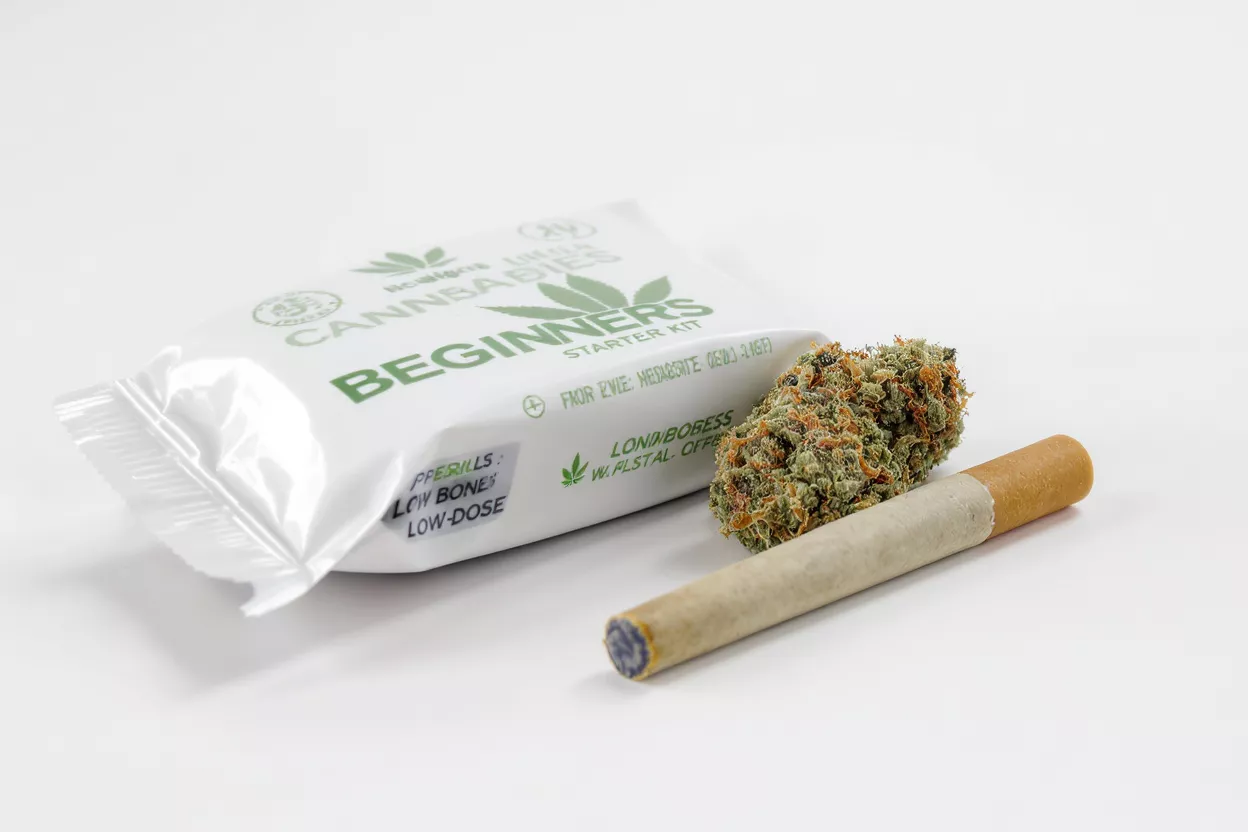
Edibles deserve special attention because they are responsible for a disproportionate share of greening-out episodes. The delayed onset is the central trap. Because effects can take 30 minutes to two hours to appear, impatient consumers often take a second dose before the first has kicked in, then absorb a doubled or tripled amount all at once.
The way the body processes edible THC also intensifies the experience. When THC passes through the liver, it converts into 11-hydroxy-THC, a metabolite that is often more potent and longer-lasting than inhaled THC. This is why an edible green-out can feel more intense and stretch out over many hours compared to smoking.
The practical lesson is patience and precise dosing. A standard beginner dose is often considered to be 2.5 to 5 milligrams of THC, and waiting a full two hours before considering more is the single most effective way to avoid an edible-induced green-out. Reading labels carefully and respecting serving sizes prevents the majority of these episodes.
How to Prevent Greening Out
Prevention is far easier than recovery, and a handful of straightforward habits dramatically reduce your chances of greening out. The overarching principle is moderation paired with awareness of what you're consuming and how your body tends to react.
These habits keep cannabis enjoyable and reduce the risk of overdoing it:
- 🐢 Start low and go slow: Begin with a small dose and wait to gauge its full effect before taking more.
- 🍽️ Eat beforehand: Consuming cannabis on a full stomach blunts the intensity and slows absorption.
- 🚫 Avoid mixing with alcohol: The combination sharply increases the likelihood of nausea and dizziness.
- 📋 Know your product's potency: Check THC percentages or milligram counts before consuming.
- 👥 Stay with trusted company: A comfortable setting and familiar people reduce anxiety-driven reactions.
Setting also plays a quiet but powerful role. Consuming in a familiar, relaxed environment where you feel safe makes anxiety-driven symptoms far less likely to take hold. The combination of sensible dosing and a comfortable mindset addresses both the physical and psychological roots of greening out.
When to Seek Help After Greening Out
While greening out resolves on its own in the overwhelming majority of cases, knowing when to seek medical attention provides peace of mind. The vast majority of episodes require nothing more than time, hydration, and reassurance, but a few warning signs warrant professional care.
Consider seeking medical help if symptoms include severe difficulty breathing, chest pain, persistent vomiting that prevents keeping fluids down, loss of consciousness, or extreme confusion that does not improve. These are uncommon and may signal an underlying condition, an interaction with another substance, or a reaction to something other than cannabis. When in doubt, it is always reasonable to contact a poison control center or healthcare provider for guidance.
Ultimately, greening out is best understood as cannabis's way of telling you that you've exceeded your comfortable dose. It is unpleasant, occasionally frightening, but almost always harmless and temporary. Armed with the knowledge of why it happens, how to ease it, and how to prevent it, you can approach cannabis with the confidence and respect this powerful plant deserves, turning a potentially scary experience into a manageable and forgettable one.