Reishi
Learn how reishi supports stress, sleep, and immunity.
What Is Reishi Mushroom?
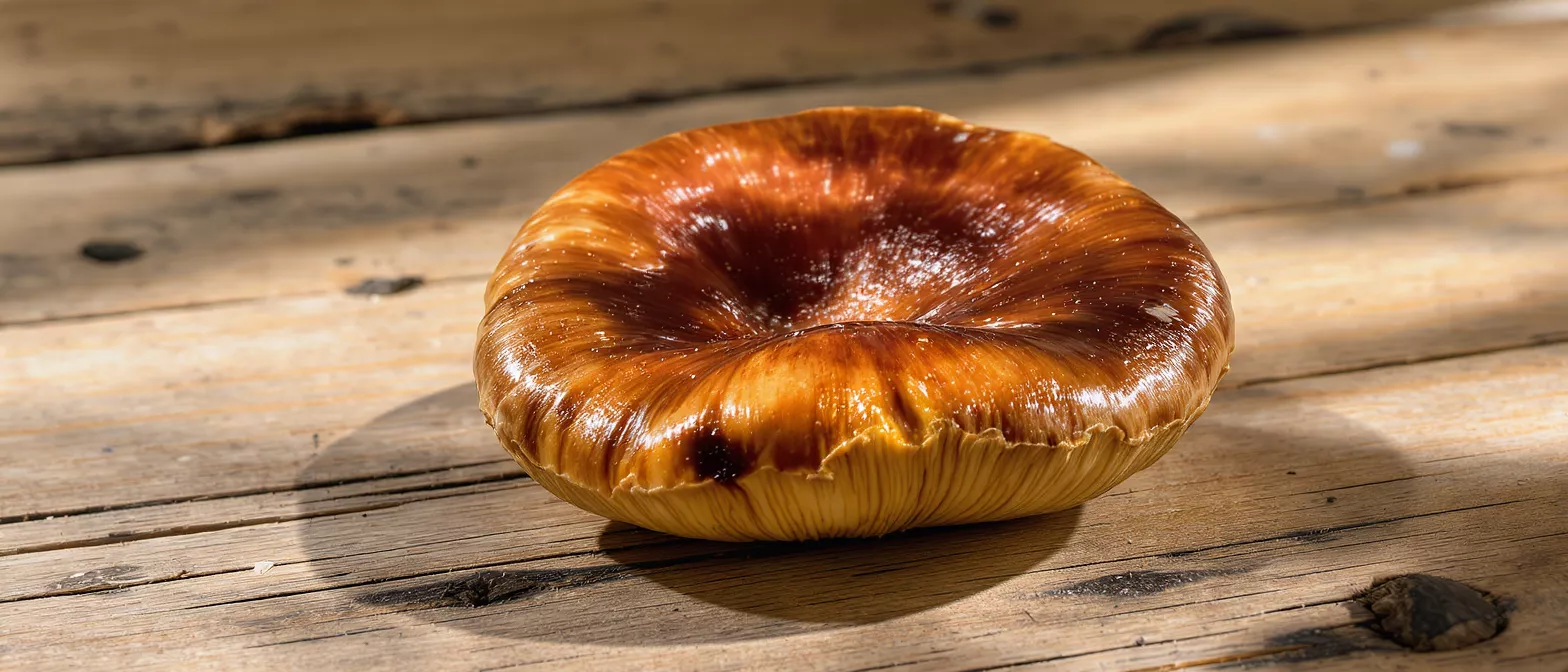
Reishi has carried a reputation as the "mushroom of immortality" for more than two thousand years, and that longevity in folklore is a big part of why it keeps surfacing in modern wellness conversations. Known scientifically as Ganoderma lucidum, this woody, kidney-shaped fungus grows on hardwood trees across Asia and has been a fixture of traditional Chinese and Japanese medicine cabinets for centuries. Unlike the culinary mushrooms you sauté for dinner, reishi is bitter, leathery, and almost never eaten whole — its value lies in the compounds extracted from its flesh and spores.
Why reishi is classified as an adaptogen: The term adaptogen describes a botanical that helps the body resist and recover from physical, chemical, and biological stressors without pushing any one system too hard in either direction. Reishi fits that profile because it appears to nudge the body toward balance rather than forcing a single dramatic effect. That self-regulating quality is exactly what makes it appealing to people who want steady, background support rather than a stimulant or a sedative.
Today reishi shows up in capsules, tinctures, coffee blends, and gummies, and the global interest has only grown as researchers revisit traditional claims with modern tools. Educational nonprofits like Project CBD have helped popularize the broader conversation around plant and fungal compounds working alongside cannabinoids, and reishi sits comfortably within that wellness-forward landscape.
How Does Reishi Work in the Body?
Reishi's effects trace back to a dense roster of bioactive molecules, chiefly triterpenes and polysaccharides. The triterpenes — bitter compounds responsible for that characteristic taste — are studied for their influence on inflammatory pathways, while the beta-glucan polysaccharides are the part most often linked to immune signaling. Together these constituents give reishi its multi-system reputation.
The gut-immune connection: A large share of the body's immune activity is concentrated in the digestive tract, and reishi's beta-glucans appear to interact with receptors lining the gut. Rather than directly stimulating a response, these fibers behave more like training signals that help immune cells calibrate. This is one reason reishi is described as a modulator rather than a booster — a meaningful distinction for anyone wary of overstimulating their immune system.
Why extraction method matters: The triterpenes in reishi are not water-soluble, while many polysaccharides are. That chemistry means a simple hot-water tea captures only part of the picture, whereas a dual-extraction using both water and alcohol pulls a fuller spectrum of actives. If you want the complete profile reishi has to offer, a well-made dual extract — similar in philosophy to how a full-spectrum mushroom tincture is produced — delivers far more than powdered raw fruiting body alone.
Reishi Benefits for Stress and Sleep
If reishi has a signature use case, it is calming the nervous system. People reach for it when they feel wired, overstretched, or unable to wind down, and traditional texts consistently describe it as a shen tonic — something that settles the spirit. Modern users echo this, often reporting a smoother transition into sleep rather than a knockout sedative effect.
Reishi does not work like a sleeping pill, and that is the point. Instead of forcing drowsiness, it appears to lower the background hum of stress so that natural sleep pressure can do its job. Several preliminary studies suggest reishi may influence sleep architecture and reduce the time it takes to fall asleep, though human research remains early and modest in scale. The takeaway is consistency: reishi tends to reward steady nightly use rather than occasional dosing.
For people layering wellness habits, reishi blends easily into an evening routine alongside other calming rituals. A warm reishi latte or a few drops of tincture an hour before bed can become a reliable signal that the day is winding down.
- 🌙 Sleep onset: May shorten the time it takes to drift off when taken consistently in the evening.
- 🍵 Stress buffering: Works as an adaptogen to soften the body's reaction to daily stressors.
- 🧘 Calm without sedation: Promotes relaxation without the grogginess of conventional sleep aids.
- ⏳ Cumulative effect: Benefits build over weeks rather than appearing after a single dose.
Reishi and Immune System Support
The immune story is where reishi has accumulated the most laboratory attention. Its polysaccharides, particularly beta-glucans, are studied for their ability to engage natural killer cells and macrophages — frontline defenders that patrol for threats. Because reishi modulates rather than indiscriminately revs up immune activity, it is often discussed in the context of long-term resilience rather than acute illness.
Antioxidant activity: Beyond direct immune signaling, reishi triterpenes contribute meaningful antioxidant capacity, helping neutralize free radicals that accumulate from stress, pollution, and ordinary metabolism. This oxidative defense is part of why reishi is framed as a longevity tonic in traditional systems — chronic oxidative load is tied to many of the wear-and-tear processes of aging.
It is worth being realistic about the evidence. Much of the most striking immune research has been conducted in cell cultures or animal models, and human trials are still catching up. Reishi is best understood as a supportive ally within a healthy lifestyle, not a replacement for medical care. People exploring functional mushrooms often pair reishi with a daily immune support blend to cover a wider range of fungal compounds.
Types of Reishi Supplements
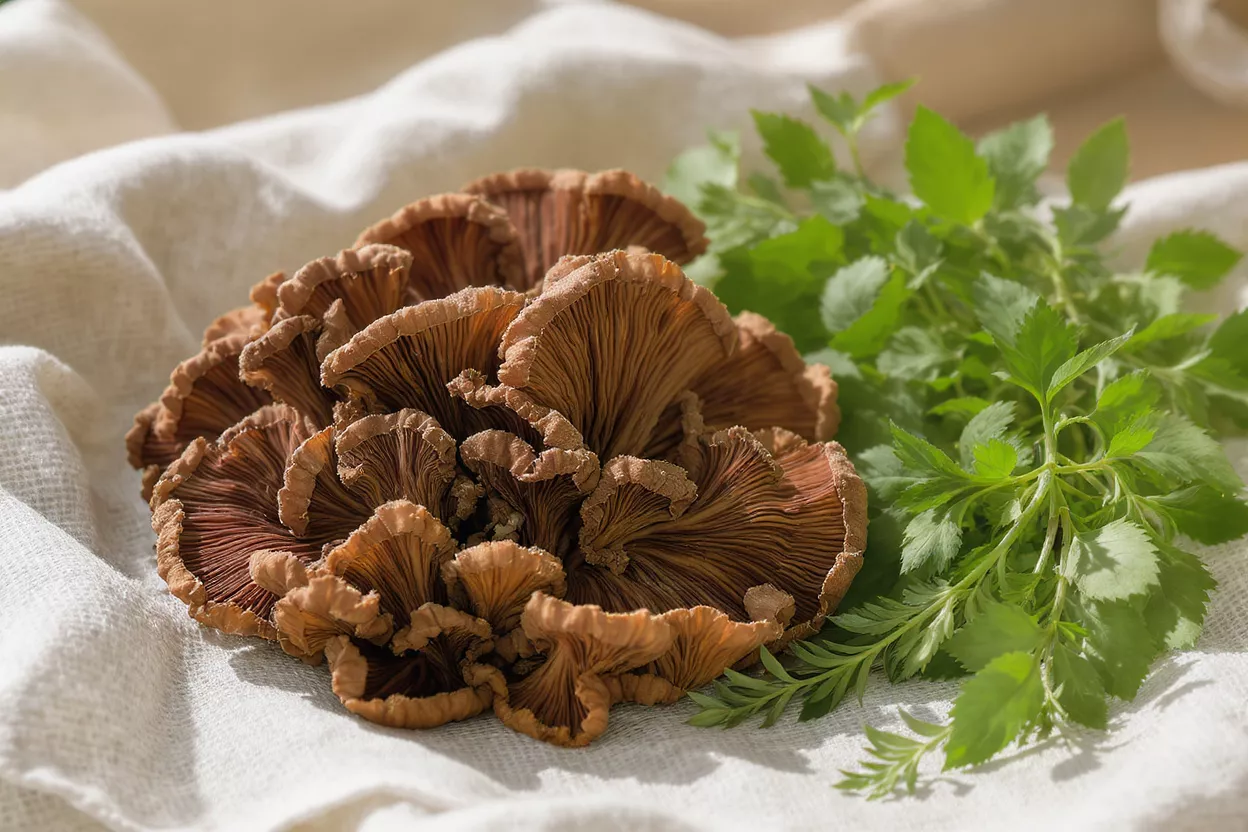
Walk into any wellness shop and you will find reishi in a surprising number of formats, each with trade-offs in potency, convenience, and taste. Understanding the differences helps you match the product to your routine rather than buying on packaging alone.
Fruiting body versus mycelium: This is the single most important distinction on a reishi label. The fruiting body is the mature mushroom itself and concentrates the prized triterpenes and beta-glucans. Mycelium grown on grain is cheaper to produce but is often diluted with the starchy substrate it grew on, which can water down the active content. Quality-focused buyers gravitate toward fruiting-body extracts for this reason.
Format also shapes the experience. Powders dissolve into coffee or smoothies and let you control the dose, capsules offer no-fuss consistency, and dual-extraction tinctures deliver the broadest compound spectrum in a fast-absorbing liquid. Gummies trade some potency for palatability, masking reishi's natural bitterness.
- 🍄 Tinctures: Dual-extracted liquids that capture both water- and alcohol-soluble actives; fast and flexible.
- 💊 Capsules: Pre-measured and tasteless — ideal for a set-it-and-forget-it daily habit.
- ☕ Powders: Stir into coffee or lattes; the most versatile but the most bitter on their own.
- 🐻 Gummies: Sweetened and easy, trading some concentration for a far better flavor.
Reishi and Cannabis: Pairing the Adaptogen
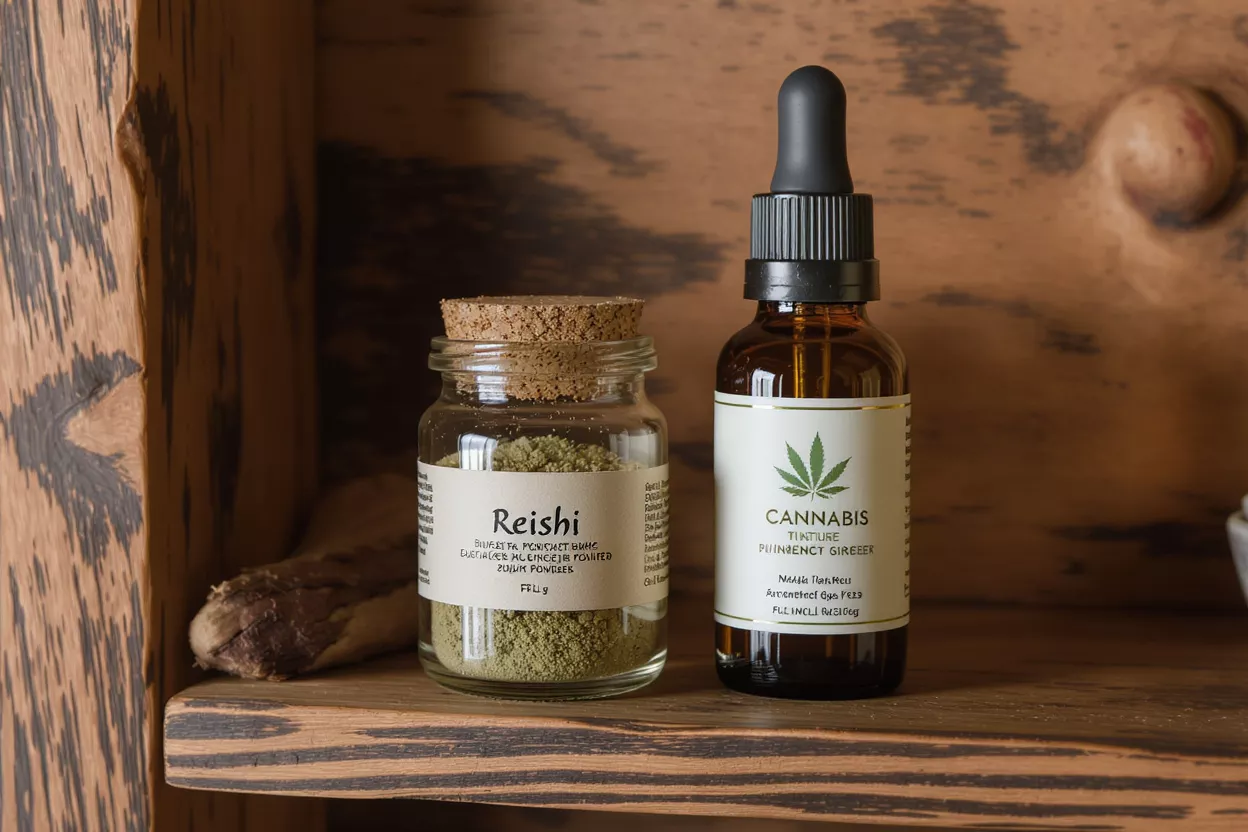
Reishi and cannabis occupy overlapping corners of the wellness world, and pairing them has become increasingly common as consumers chase a calmer, more grounded experience. The logic is intuitive: reishi's adaptogenic, stress-softening qualities can complement the relaxation many people seek from cannabinoids, smoothing some of the edginess that strains high in Delta-9 THC can occasionally produce.
Stacking calm with calm: An evening that combines reishi with a mild dose of Delta-8 or a balanced edible may feel more rounded than either on its own. Reishi's background steadiness can take some of the jittery potential out of THC, while the cannabinoid contributes its own well-documented relaxation. Many people find this kind of measured pairing more sustainable than chasing intensity, and a calming evening tincture built around both worlds fits the moment neatly.
That said, start low when combining anything. Whether you favor a discreet dugout for flower or an elixir-style sublingual, introducing one new variable at a time is the smart approach. Organizations such as Project CBD consistently emphasize that personal response to plant and fungal compounds varies widely, so your ideal combination is something you discover gradually rather than copy from someone else.
Reishi Dosing Guide
Dosing reishi is less about hitting a precise milligram target and more about consistency over time. Because it works gradually, the people who notice the most benefit are usually those who take a moderate amount daily for several weeks rather than a heavy dose once in a while.
General ranges to consider: For a standard dual-extracted reishi product, many users land somewhere between 1 and 2 grams of dried mushroom equivalent per day, though concentrated extracts may call for far less. Always defer to the specific product's label, since extraction ratios vary dramatically and a potent extract is not interchangeable with raw powder. When in doubt, begin at the lower end and adjust upward over a couple of weeks.
Timing can be tailored to your goal. Because reishi leans calming, many people prefer to take it in the late afternoon or evening, especially when sleep support is the priority. Splitting the dose — a little in the morning, a little at night — is another reasonable approach for those using it primarily for stress and immune support.
- 🌱 Start low: Begin with the smallest recommended serving and observe how you respond before increasing.
- 📅 Stay consistent: Daily use over several weeks beats occasional large doses for adaptogenic effects.
- 🌆 Time it right: Evening dosing suits sleep goals; split dosing suits all-day support.
Are Reishi Supplements Safe?
For most healthy adults, reishi is well tolerated when taken at typical supplemental doses, and centuries of traditional use back up its general safety. Mild side effects are uncommon but can include digestive upset, dry mouth, or dizziness, usually at higher doses. Reactions tend to fade when the dose is reduced.
Who should be cautious: Reishi may have mild blood-thinning and blood-pressure-lowering properties, so anyone on anticoagulants, blood-pressure medication, or preparing for surgery should consult a healthcare provider first. People who are pregnant, nursing, or managing autoimmune conditions should also seek professional guidance, since reishi's immune-modulating activity could theoretically interact with those situations.
Quality is its own safety issue. Because mushrooms readily absorb compounds from their growing environment, poorly sourced reishi can carry contaminants. Choosing products with third-party testing for heavy metals and microbials is the single best way to protect yourself. Reputable educational resources like Project CBD repeatedly stress lab verification as a baseline expectation for any wellness supplement, and that wisdom applies just as strongly to functional mushrooms.
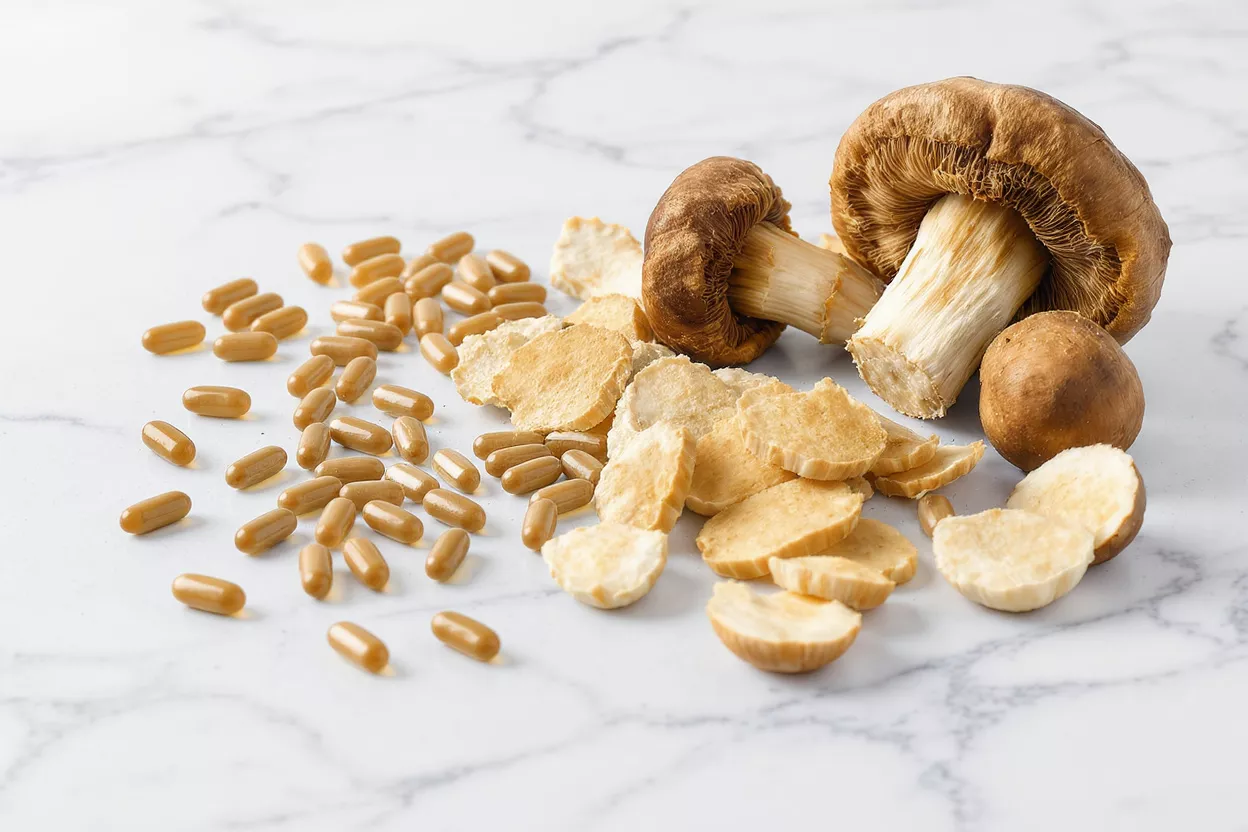
How to Choose Quality Reishi
The reishi market ranges from genuinely excellent extracts to underwhelming filler, and the label is your best decoding tool. Knowing a few key terms lets you separate marketing from substance before you spend a dollar.
Read past the front of the package: Look for products that specify "fruiting body" and disclose a standardized percentage of beta-glucans — not just "polysaccharides," which can include the starchy grain mycelium grows on. A trustworthy brand will publish an extraction ratio, list beta-glucan content, and back it all with a certificate of analysis from an independent lab.
Country of origin and cultivation practices matter too. Reishi grown on natural hardwood logs tends to develop a richer triterpene profile than mass-produced versions, and organic certification reduces the chance of pesticide residue. Pay attention to whether the extract is single (water only) or dual (water and alcohol), since dual extraction captures the fuller spectrum discussed earlier.
This same diligence applies across the functional mushroom world — the habits you build evaluating reishi translate directly to vetting any supplement, whether it is a single fungus or a broad blend.
Best Ways to Take Reishi
The best way to take reishi is the way you will actually stick with, since consistency drives results. For coffee lovers, stirring reishi powder or a tincture into a morning or evening cup is nearly effortless and masks much of the bitterness behind the roast. Reishi pairs especially well with cacao, which is why so many wellness lattes combine the two.
Building a routine that lasts: Anchor reishi to a habit you already have. If you make tea every evening, that is your cue. If you take other supplements with breakfast, add a capsule to the lineup. Habit-stacking removes the friction that derails most supplement routines within a week. Many people find a simple reishi mushroom latte blend becomes the easiest entry point of all because it doubles as a comforting ritual.
However you take it, give reishi time. This is not a same-day botanical, and the people who abandon it after a few days rarely give it the runway it needs. Commit to a four-to-six-week trial, take it consistently, and notice the subtle shifts in stress resilience and sleep quality that tend to accumulate quietly. Reishi rewards patience more than enthusiasm — a fitting trait for a mushroom that has been valued for two thousand years.