Hash rosin
Learn what hash rosin is, how it's made, and why it's the purest concentrate.
What Is Hash Rosin and How Is It Made
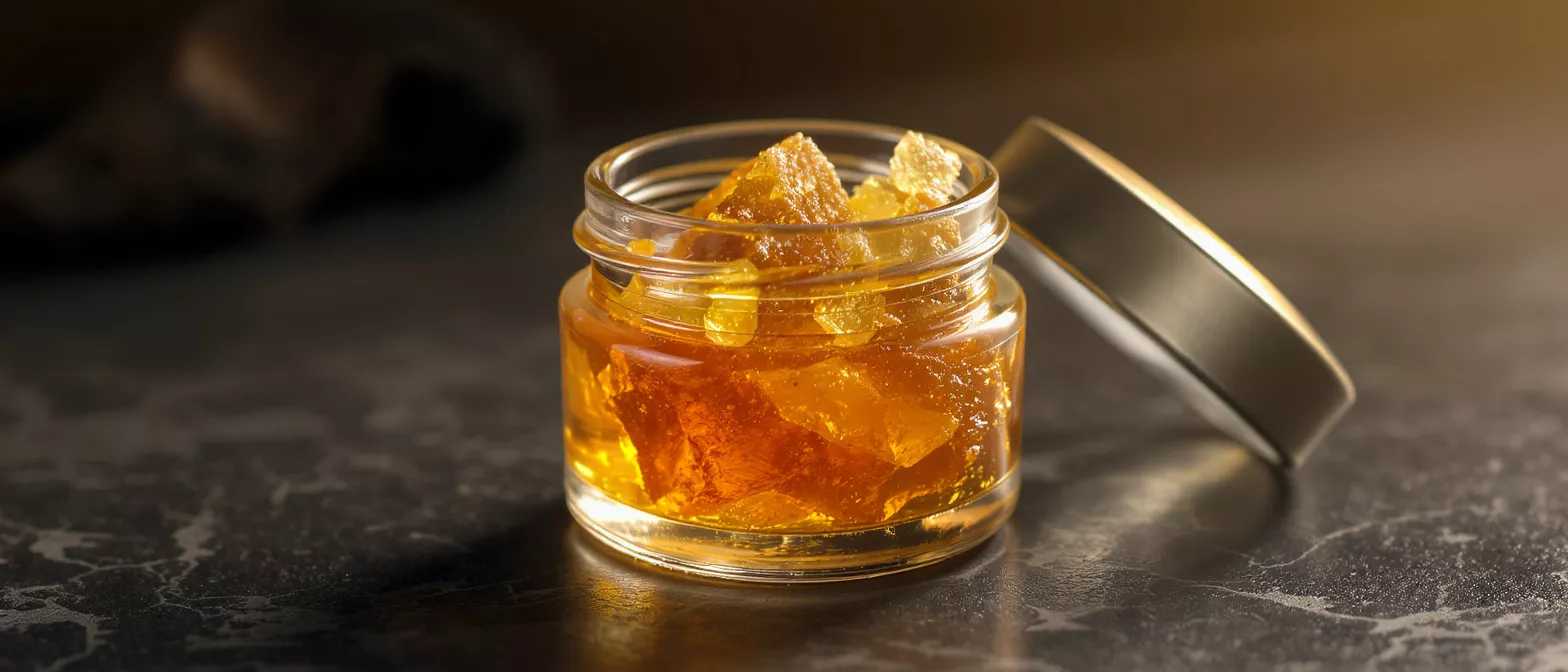
Hash rosin is a solventless cannabis concentrate produced by applying gentle heat and pressure to bubble hash, squeezing out the plant's resinous oils without using butane, propane, or any chemical extraction. The result is a fragrant, potent dab that captures the full character of the original flower. For enthusiasts who want the cleanest possible expression of a strain, hash rosin sits near the top of the concentrate hierarchy because nothing foreign ever touches the material.
The process begins with high-quality flower or fresh-frozen plant material that gets agitated in ice water. This separates the trichome heads — the tiny resin glands packed with cannabinoids and terpenes — from the rest of the plant. Those glands are collected, dried into bubble hash, and then pressed between heated plates. According to Health, the trichomes are where the vast majority of a plant's active compounds concentrate, which is why isolating them yields such a rich final product.
Why solventless matters: Because no hydrocarbons are introduced, there is no residual solvent to purge and no risk of trace chemicals lingering in the finished oil. The flavor stays true to the source genetics, and many connoisseurs argue the entourage of preserved terpenes makes hash rosin feel more complete than a stripped-down distillate. That purity is the single biggest reason the category has exploded among people who already understand dabs and want to graduate to something premium.
How Hash Rosin Differs From BHO and Distillate
The clearest way to understand hash rosin is to compare it against the two concentrates most people encounter first: butane hash oil (BHO) and distillate. BHO uses hydrocarbon solvents to strip cannabinoids from the plant, then requires a vacuum purge to remove that butane. Distillate goes further still, isolating nearly pure THC and stripping away the terpenes — which is why distillate carts are often flavorless until botanical or cannabis-derived terpenes are added back in.
Hash rosin skips solvents entirely, which changes both the flavor and the experience. Where distillate delivers raw potency, rosin delivers nuance. You taste the diesel funk, the citrus, the gas — whatever the living plant expressed. A well-made batch of ethanol hash oil (EHO) shares some of that full-spectrum richness, but still relies on a solvent, whereas rosin never does. For shoppers comparing options, a quality solventless concentrate starter kit makes it easy to taste the difference firsthand.
Potency versus flavor: Distillate can test north of 90% THC, higher than most rosin, but potency is not the whole story. Hash rosin typically lands between 70% and 85% cannabinoids with a full terpene profile intact, and that combination often produces a more rounded, satisfying effect than a numbers-chasing distillate. The compounds working together — sometimes called the entourage effect — is documented across cannabinoid research and is a core reason full-spectrum products feel distinct.
Types of Hash Rosin Textures and Consistencies
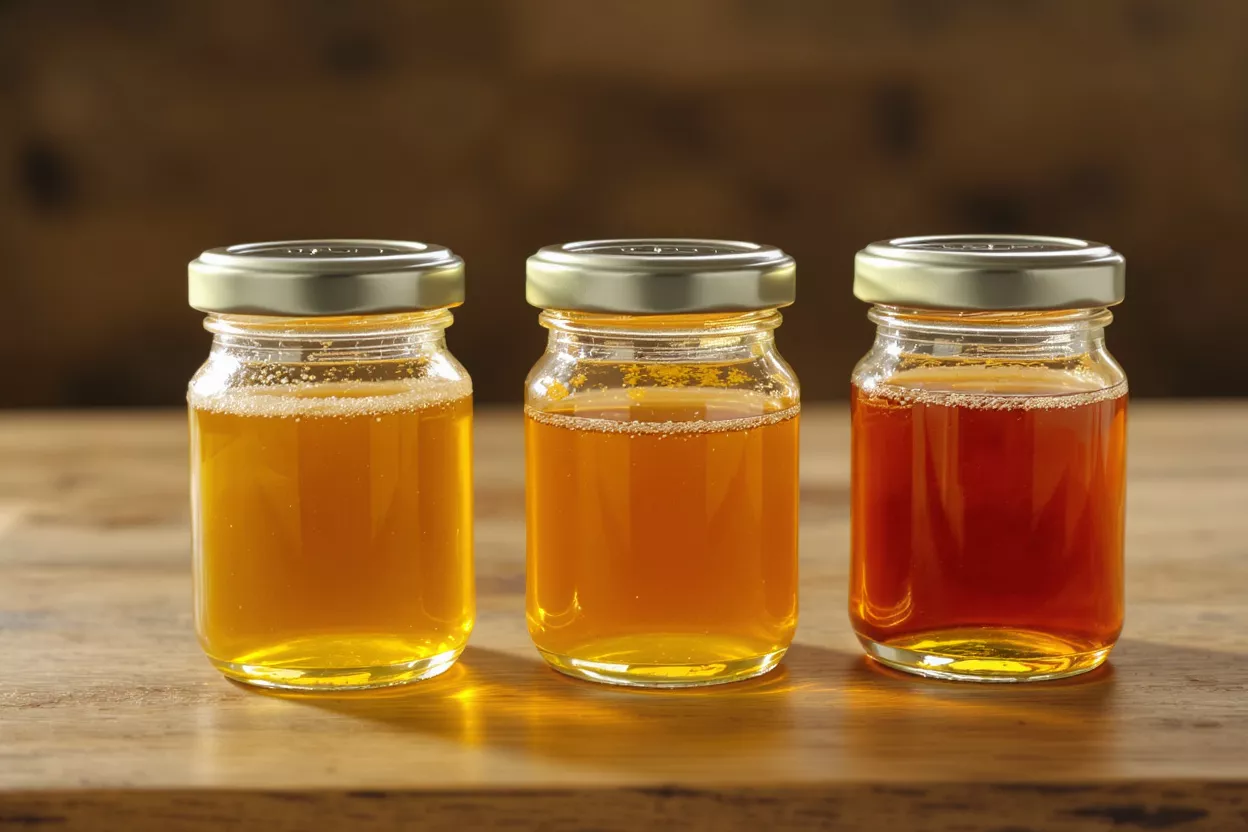
Hash rosin does not arrive in a single form. Its texture shifts depending on the starting material, the terpene content, and how it is handled after pressing. Learning to read these consistencies helps you predict both flavor and stability before you ever take a dab.
The most common textures you will encounter break down into a handful of recognizable categories. Each one tells you something about how the rosin was made and how it will behave at temperature.
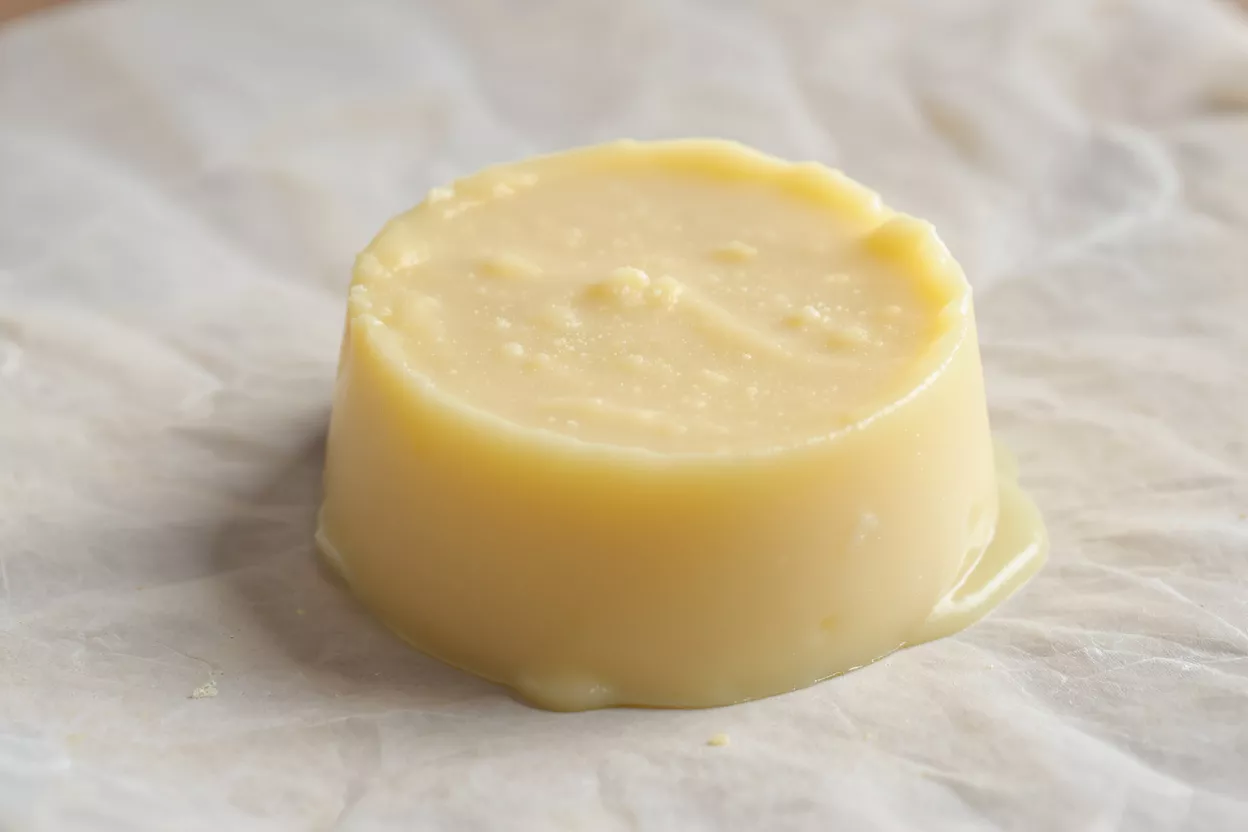
- 🧈 Badder/Budder: Whipped to a creamy, cake-frosting consistency that spreads easily and stays workable at room temperature.
- 💎 Cold cure: A grainy, sometimes diamond-studded texture that forms when fresh rosin cures cold over days, often yielding intense aroma.
- 🍯 Sappy/Jam: A loose, syrupy consistency rich in terpenes, prized by flavor chasers but stickier to handle.
- 🪨 Shatter-like: A firmer, more glassy form that some rosins settle into when terpene content runs lower.
What texture tells you: A loose, sappy jam usually signals a terpene-heavy batch, while a stiffer, more stable consistency points to a higher cannabinoid-to-terpene ratio. Neither is inherently better — it comes down to whether you prioritize aroma or shelf stability. Some of the most coveted releases form diamonds suspended in a terpene-rich sauce, which dabbers treat as a sign of careful, patient processing.
How to Judge Hash Rosin Quality
Not all rosin is created equal, and price alone is a poor guide. The grade of the starting hash determines almost everything, which is why producers use a micron-based rating system to communicate quality. The cleanest, most flavorful rosin comes from a narrow band of trichome heads, free of plant contamination.
Bubble hash is rated on a star scale, and only the top tiers are considered press-worthy for premium rosin. Knowing the scale lets you shop with confidence rather than guesswork.
- ⭐ 1–2 star: Lower-grade hash with more contamination, typically used for edibles or further processing rather than top-shelf rosin.
- ⭐ 3–4 star: Solid full-melt territory that presses into clean, flavorful rosin suitable for dabbing.
- ⭐ 5–6 star: The pinnacle — full-melt hash that leaves almost no residue and yields the most coveted, aromatic rosin on the market.
Color is another honest signal. Premium hash rosin ranges from pale blonde to warm gold; dark, muddy tones often indicate older material, heat damage, or contamination. According to Health, cannabinoid and terpene degradation accelerates with light and heat exposure, so that color shift frequently reflects compounds breaking down. When in doubt, trust your nose — genuinely dank rosin announces itself with a loud, complex aroma the moment the jar opens.
Cold Cure vs Fresh Press Hash Rosin
Once rosin is pressed, what happens next dramatically shapes the final product. The two dominant approaches — fresh press and cold cure — produce noticeably different textures, aromas, and experiences from identical starting hash.
Fresh press explained: Fresh press rosin is enjoyed shortly after pressing, while it is still loose and translucent. It captures a bright, volatile terpene punch that some dabbers consider the purest snapshot of the plant. The tradeoff is stability — fresh press can change texture quickly and is best consumed sooner rather than later for peak flavor.
Cold cure explained: Cold cure rosin is sealed in a jar and held at cool temperatures for several days to weeks, allowing it to homogenize and develop. This process often produces that prized grainy, diamond-laced consistency and a deeper, rounder aroma. Many of the most celebrated batches on the market are cold cured, and a good temperature-controlled e-rig lets you dial in the precise heat these nuanced textures deserve. Whether you reach for fresh press or cold cure ultimately comes down to whether you chase the loud volatile top notes or the matured, settled complexity.
How to Store Hash Rosin Properly
Hash rosin is a living, terpene-rich product, and improper storage degrades it faster than almost any other concentrate. Heat, light, and air are the three enemies, and managing all three keeps your rosin tasting the way the maker intended.
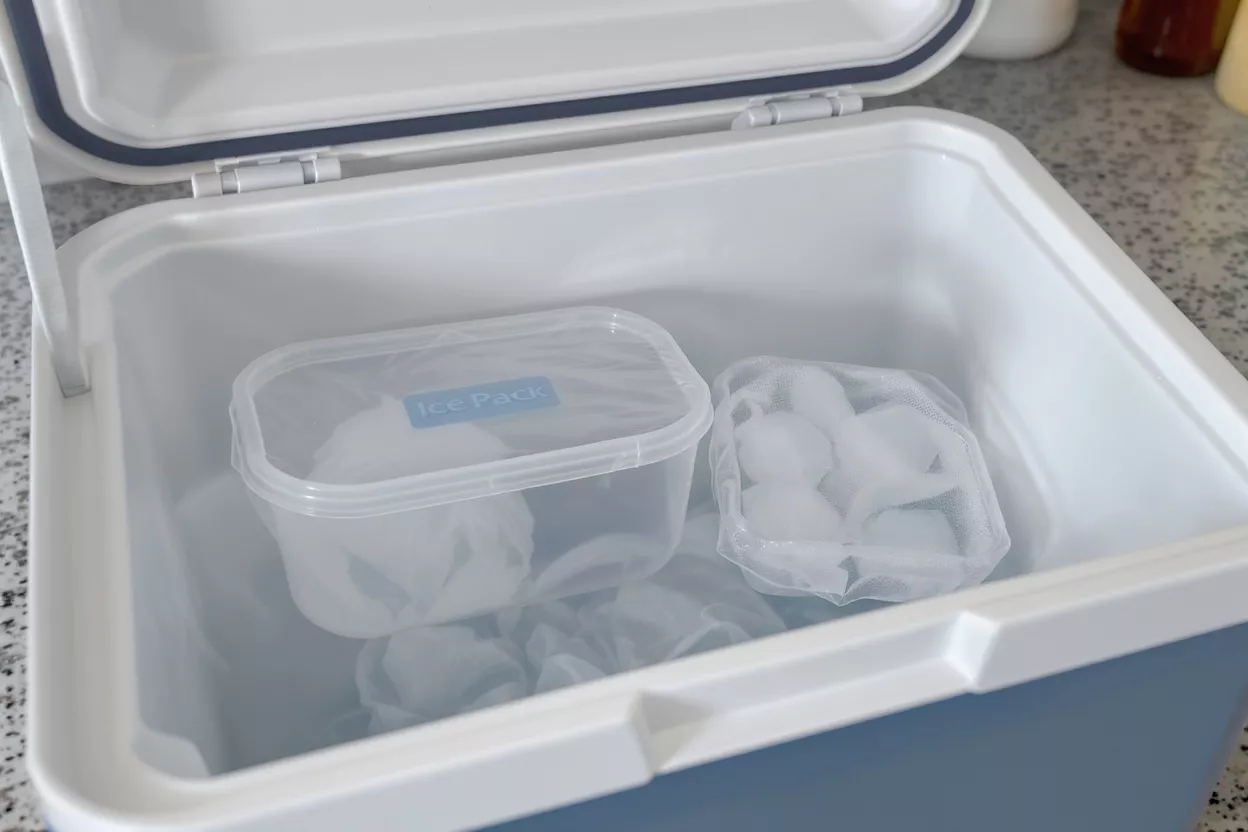
For short-term use over a few weeks, an airtight non-stick container kept in a cool, dark drawer works well. For anything longer, the refrigerator or freezer dramatically slows terpene loss and cannabinoid degradation. According to Health, cold storage is a well-established method for preserving volatile organic compounds, and rosin's terpenes behave the same way — they evaporate and oxidize when left warm and exposed.
Cold storage handling tip: Always let refrigerated or frozen rosin return to room temperature before opening the container. Opening a cold jar invites condensation, and moisture is the one thing that can introduce water into an otherwise pristine concentrate. A quiet, sealed cabinet or a dedicated dab fridge — paired with a clean, non-stick storage jar — keeps badder creamy and jam from drying into a stiff, less flavorful version of itself.
Best Way to Dab Hash Rosin
How you heat hash rosin matters as much as the rosin itself. Because the whole appeal lies in preserved terpenes, blasting it on a glowing-hot nail torches those delicate compounds and wastes the very thing you paid for. Low-temperature dabbing is the consensus approach for getting the most from premium rosin.
Why low-temp wins: Terpenes vaporize at lower temperatures than cannabinoids, so a cooler dab — generally in the 500°F to 600°F range — preserves flavor and produces a smoother, tastier vapor. Going hotter scorches the oil, delivers a harsh hit, and flattens the aromatic profile into a generic burnt note. An e-nail or e-rig removes the guesswork by holding a precise, repeatable temperature instead of relying on a torch and a timer.
The gear ecosystem around rosin is deep. A domeless nail paired with a carb cap traps heat and directs airflow across the puddle, vaporizing it evenly. Many dabbers upgrade to a full e-rig setup for consistency, and a beginner exploring the hobby will find a quartz banger and carb cap set covers the essentials without overspending. Whatever rig you choose, treat low and slow as the golden rule — rosin rewards patience.
Hash Rosin Benefits Over Other Concentrates
The case for hash rosin comes down to purity, flavor, and a fuller-spectrum experience. Each of these benefits traces back to the same root cause: nothing artificial is added and nothing essential is stripped away during production.
The advantages stack up quickly when you compare rosin against solvent-based concentrates side by side. The list below captures why so many experienced consumers migrate toward solventless once they have tried it.
- 🌿 No residual solvents: Zero butane, propane, or ethanol means nothing to purge and no chemical residue in the finished oil.
- 👅 True-to-strain flavor: Preserved terpenes deliver the authentic aroma and taste of the source genetics, not a reconstructed approximation.
- 🧬 Full-spectrum effect: Cannabinoids and terpenes work together rather than in isolation, which many users find produces a richer experience.
- 🏆 Artisan craftsmanship: Quality rosin reflects skilled hands at every step, from washing hash to dialing in press temperature.
According to Health, the interplay between cannabinoids and the aromatic terpenes in cannabis is an active area of scientific interest, and that synergy is precisely what full-spectrum products like rosin aim to preserve. For consumers who care about what they are inhaling, the absence of any solvent is reason enough to choose rosin over a hydrocarbon extract.
Is Hash Rosin Safe to Use
From a manufacturing standpoint, hash rosin is among the cleanest concentrates available precisely because its production introduces no flammable solvents and no chemical residue. There is no butane to off-gas and no purge step that can go wrong, which removes an entire category of contamination risk found in solvent-based extraction.
That said, safe use is still about responsible consumption. Rosin is highly potent, frequently testing between 70% and 85% total cannabinoids, so a single dab can deliver a far stronger dose than flower. Newcomers should start with a small amount and wait to gauge effects before going further. According to Health, high-potency cannabis products warrant a measured, low-and-slow approach, especially for those without significant tolerance.
Sourcing and lab testing: The most important safety factor is buying from a reputable source that publishes lab results. Look for testing that screens for pesticides, residual contaminants, and microbial issues, since those can carry over from poorly grown starting material even in a solventless process. A clean wash from clean flower is the foundation, and transparent producers are happy to show their certificates of analysis. Buy from people who treat the craft seriously, and the product itself is remarkably benign.

Hash Rosin Buying Guide for Beginners
Stepping into the world of hash rosin for the first time can feel overwhelming, but a few guiding principles keep beginners from wasting money on disappointing jars. Start by anchoring your expectations to quality markers rather than hype or flashy packaging.
Prioritize the star rating and starting material first. A 5- or 6-star full-melt rosin pressed from fresh-frozen flower represents the gold standard, while lower star counts are better suited to edibles than to a flavor-focused dab. Pay attention to color and aroma — pale, fragrant rosin almost always outperforms dark, muted jars. A reliable distributor who can speak to genetics, wash technique, and cure method is worth far more than the cheapest price you can find.
Match your gear to your goals as well. If flavor is the priority, a low-temp e-rig and fresh press rosin make a natural pairing, whereas cold cure rosin and a domeless nail suit those chasing matured, settled complexity. Whatever path you take, buy small quantities of several styles early on to learn your own palate before committing to a large jar. Hash rosin rewards the curious — taste widely, store carefully, dab low and slow, and you will quickly understand why solventless sits at the summit of the concentrate world.