

Extraction artist
An extraction artist transforms raw cannabis into shatter, live resin & hash oil.
What Is an Extraction Artist
An extraction artist is the skilled hands and trained mind behind the concentrates that fill modern dispensary shelves. Far from a simple technician pulling levers, this is someone who treats cannabis processing as a craft—balancing chemistry, plant biology, and an almost intuitive feel for how raw flower transforms into shatter, badder, sauce, or hash oil. The title carries weight in the industry precisely because the results vary so dramatically from one practitioner to the next.
The role sits at the intersection of science and artistry. On the technical side, an extraction artist understands solvent behavior, pressure, temperature gradients, and the molecular fragility of cannabinoids and terpenes. On the artistic side, they make judgment calls that no instruction manual can fully capture—knowing when a purge is complete by texture alone, or recognizing the precise moment a live resin develops the consistency they're chasing.
Why the "artist" label matters: Two operators can start with identical input material and the same machine, yet produce wildly different end products. The difference lives in the hundreds of small decisions made throughout the process. A great extraction artist consistently coaxes out higher terpene retention, cleaner flavor, and more stable consistency than an average operator working the same genetics.
How Extraction Artists Work Behind the Scenes
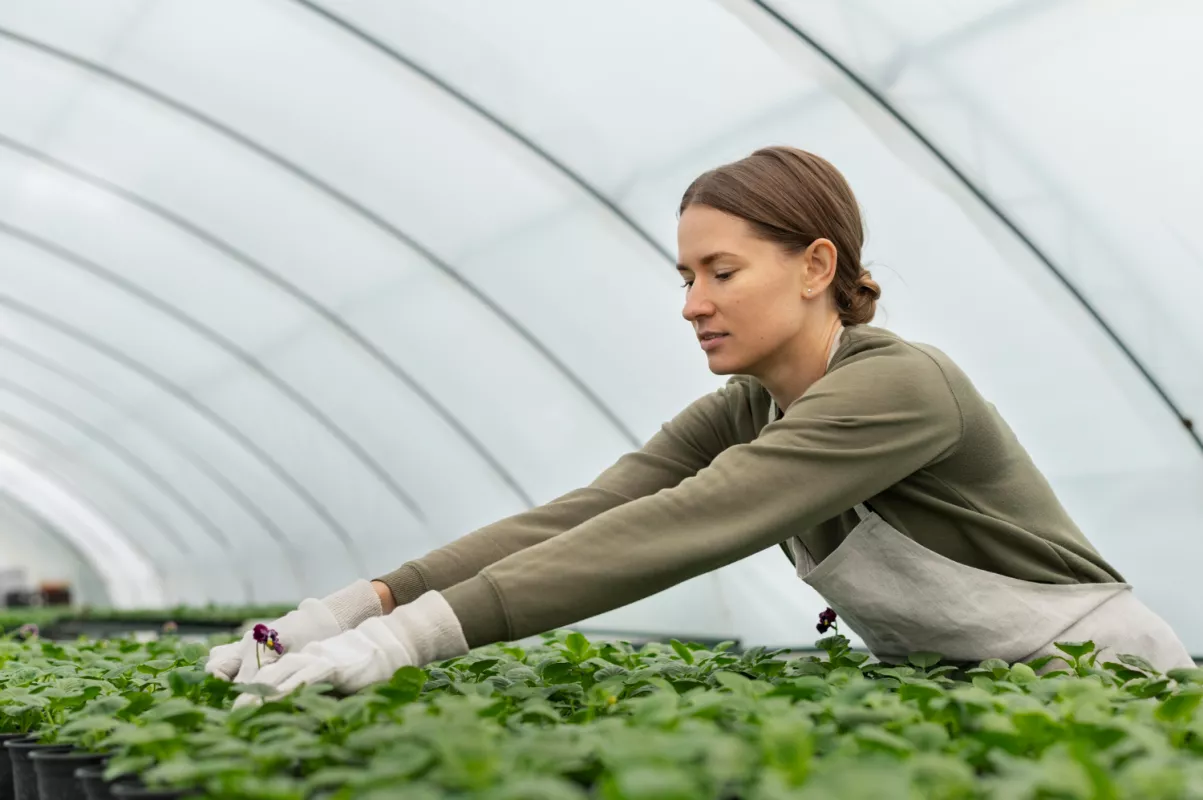
The workflow of an extraction artist begins long before any solvent touches plant material. Source selection comes first—evaluating the starting flower or fresh-frozen biomass for trichome density, moisture content, and overall quality. Poor input material cannot be salvaged by skill alone, so the best practitioners are often as obsessive about sourcing as they are about technique.
Once material is selected, the artist plans the run. This means choosing the extraction method, calculating solvent ratios, setting temperature and pressure targets, and deciding on the post-processing path that will yield the desired final texture. A run aimed at producing diamonds and sauce follows a different roadmap than one targeting a clean, snappy shatter.
The post-extraction phase is where artistry shines: Purging, winterization, and consistency manipulation separate the memorable products from the forgettable ones. Removing residual solvent without scorching delicate compounds requires patience and a refined sense of timing. This is the stage where an experienced extraction artist earns their reputation, transforming a crude extract into something refined, flavorful, and shelf-stable.
Solvents an Extraction Artist Uses
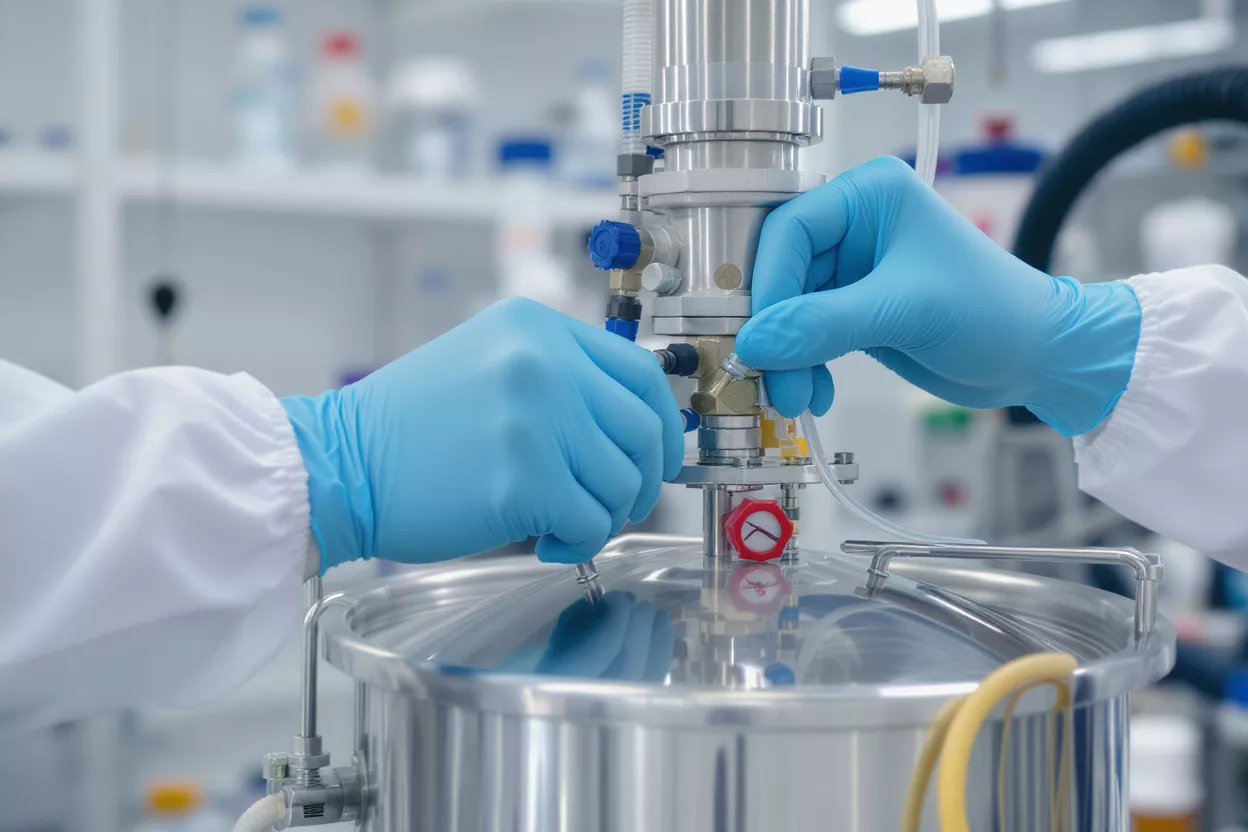
Solvent choice fundamentally shapes the character of the final concentrate. Each option carries trade-offs in terpene preservation, extraction efficiency, safety, and the textures it makes possible. An extraction artist selects based on the goal of the run rather than personal preference alone.
Hydrocarbon extraction using butane and propane remains the gold standard for flavor-forward products. These light hydrocarbons strip away cannabinoids and terpenes at low temperatures, preserving the volatile aromatic compounds that define a strain's signature profile. The result is the live resin and sauce that connoisseurs prize.
The main solvent families an extraction artist works with include:
- 🔥 Hydrocarbons (butane/propane): Best for terpene-rich live resin, sauce, and shatter; demands closed-loop systems and rigorous safety.
- ❄️ CO2: Tunable and solvent-free in residue, favored for vape cartridges and pharmaceutical-grade oils.
- 🧪 Ethanol: Efficient at scale, excellent for full-spectrum oils and edibles, though aggressive on chlorophyll if not cold.
- 💧 Solventless (ice water/heat): Uses no chemical solvents at all, producing hash, rosin, and bubble hash through mechanical separation.
Types of Concentrates an Extraction Artist Creates
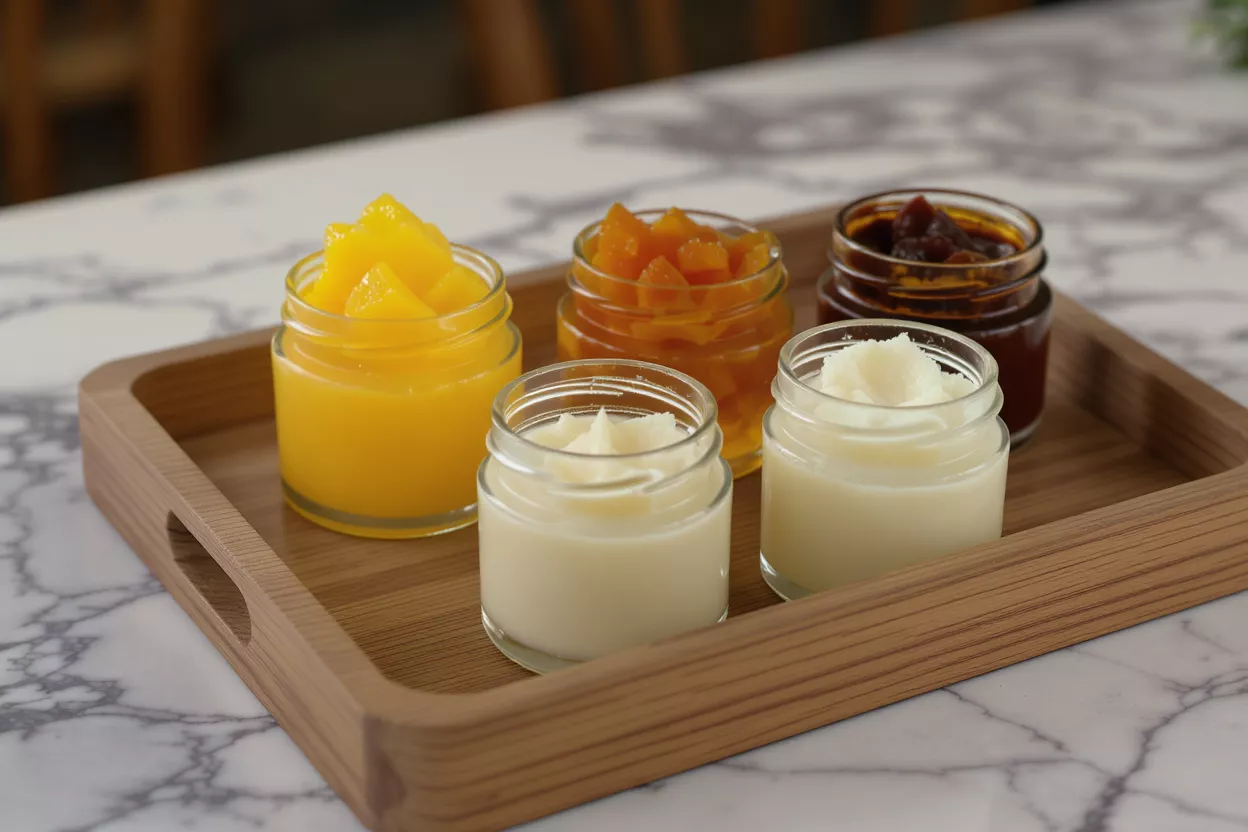
The breadth of a skilled extraction artist's portfolio is striking. From the same plant, they can produce glassy shatter, creamy badder, crystalline diamonds suspended in terpene sauce, or amber-clear shatter. Each texture demands a distinct combination of technique, temperature, and timing.
Live resin sits at the pinnacle of flavor: Made from fresh-frozen plant material that never undergoes drying or curing, live resin captures terpenes that would otherwise evaporate. The extraction artist must work with the biomass while it remains flash-frozen, a logistically demanding process that rewards the effort with unmatched aromatic intensity.
Diamonds and sauce represent a different kind of mastery. By allowing cannabinoids to crystallize out of a terpene-rich solution over days or weeks, an artist creates THCA diamonds bathed in a flavorful sauce. The patience required—and the controlled conditions needed to encourage proper crystal formation—make this one of the more advanced products in the repertoire.
What Makes a Great Extraction Artist
Technical knowledge is the entry fee, not the finish line. Anyone can learn the operating parameters of a closed-loop system, but a great extraction artist develops an instinct for the material that borders on the intuitive. They read subtle cues—color shifts, viscosity changes, aroma—and adjust on the fly in ways a checklist could never dictate.
Consistency separates professionals from hobbyists. Producing one spectacular batch is luck; producing spectacular batches reliably, run after run, is craft. The best practitioners document everything meticulously, building a personal library of what works for specific genetics so they can reproduce excellent results on demand.
The qualities that define elite extraction artists include:
- 🔬 Scientific literacy: Deep understanding of solubility, boiling points, and cannabinoid stability under heat and pressure.
- 👃 Sensory acuity: The trained nose and eye to judge terpene retention and purity without relying solely on lab results.
- 📋 Discipline: Rigorous documentation and repeatable process control that delivers the same quality every run.
- 🛡️ Safety obsession: Respect for volatile solvents and an uncompromising commitment to clean, controlled environments.
Extraction Artist Equipment and Lab Setup
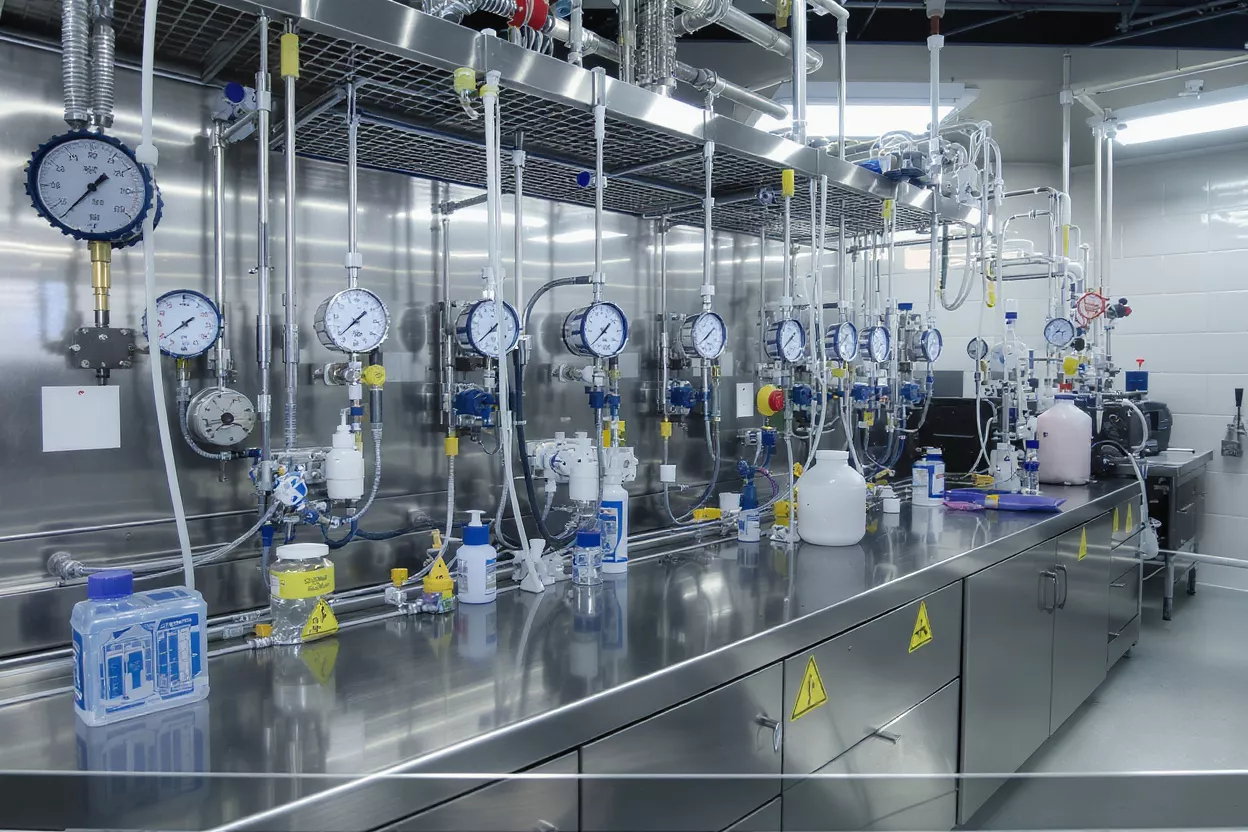
The modern extraction artist works in an environment closer to a laboratory than a kitchen. Closed-loop extraction systems form the backbone of hydrocarbon work, recovering solvent for reuse while keeping the volatile process fully contained. These systems range from compact units to industrial setups capable of processing pounds of material per run.
Supporting equipment matters just as much as the extractor itself. Vacuum ovens handle the purging stage, pulling residual solvent out under controlled heat and pressure. Chillers, recovery pumps, and precision scales round out the toolkit, while proper ventilation and gas detection systems keep the workspace safe.
The lab environment is non-negotiable: Reputable extraction happens in C1D1 or C1D2 rated rooms—spaces engineered to handle flammable solvents safely with explosion-proof equipment and robust ventilation. An extraction artist working outside these standards is gambling with their safety and producing concentrates that no legitimate lab would certify.
How Extraction Artists Preserve Terpenes
Terpene preservation is perhaps the single most defining skill in the craft. These aromatic compounds are volatile and fragile, evaporating readily under heat and degrading with rough handling. The flavor and aroma that make a concentrate memorable live almost entirely in the terpene fraction, so protecting them is paramount.
Cold is the extraction artist's primary ally. Working at sub-zero temperatures keeps terpenes locked in the plant material until the moment they're captured by the solvent. Fresh-frozen biomass, chilled solvent, and cold-running closed-loop systems all serve the same goal—preventing the volatile compounds from escaping before they can be collected.
During post-processing, the temptation to rush the purge with high heat is the enemy of flavor. A patient extraction artist purges low and slow, accepting longer cycle times in exchange for retaining the delicate aromatic top notes. Some practitioners go further, reintroducing strain-specific terpenes harvested separately to amplify the final profile while keeping it authentic to the source genetics.
Is Extraction Artist Work Safe
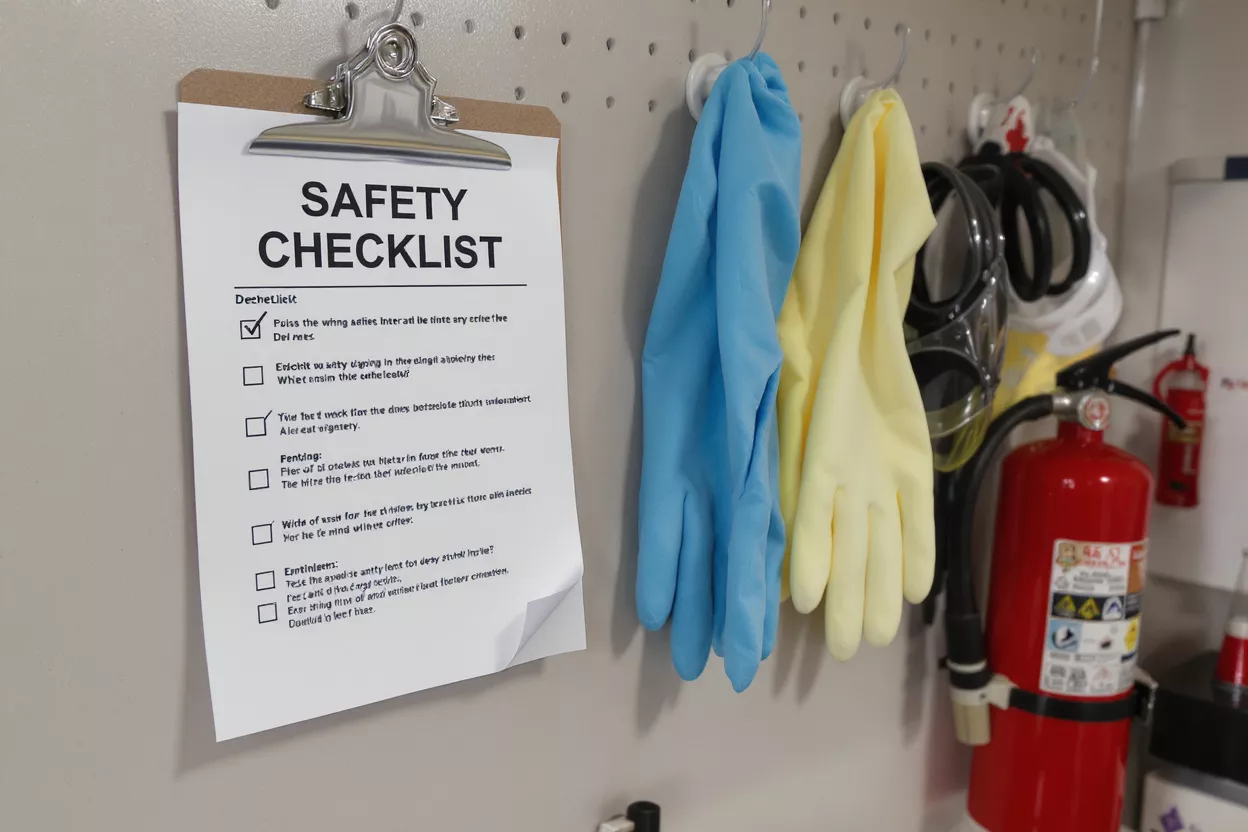
The honest answer is that professional extraction is safe when done correctly and genuinely dangerous when done carelessly. Hydrocarbon solvents are highly flammable, and the difference between a controlled industrial process and a catastrophic accident often comes down to the environment and discipline of the operator.
Licensed operations versus unregulated production: A licensed extraction artist works in a purpose-built facility with explosion-proof equipment, gas monitoring, and trained protocols. The horror stories that occasionally surface almost always involve unregulated open-blasting in unventilated spaces—a practice that bears no resemblance to legitimate professional extraction.
From the consumer's perspective, safety also means the final product. A properly purged concentrate from a licensed extraction artist undergoes lab testing for residual solvents, pesticides, and contaminants. This testing is the consumer's assurance that what reaches their dab rig or vape is clean, accurately labeled, and free of harmful residue.
How to Evaluate an Extraction Artist's Product
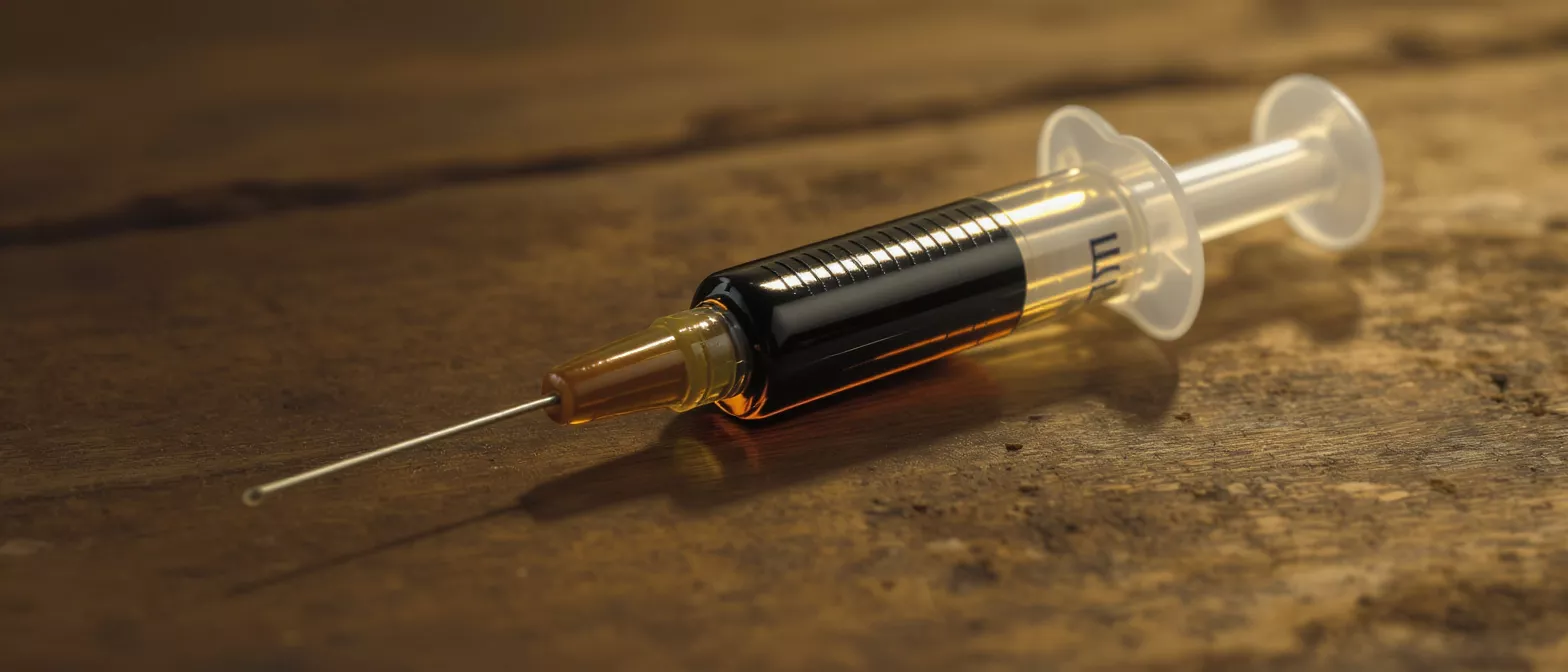
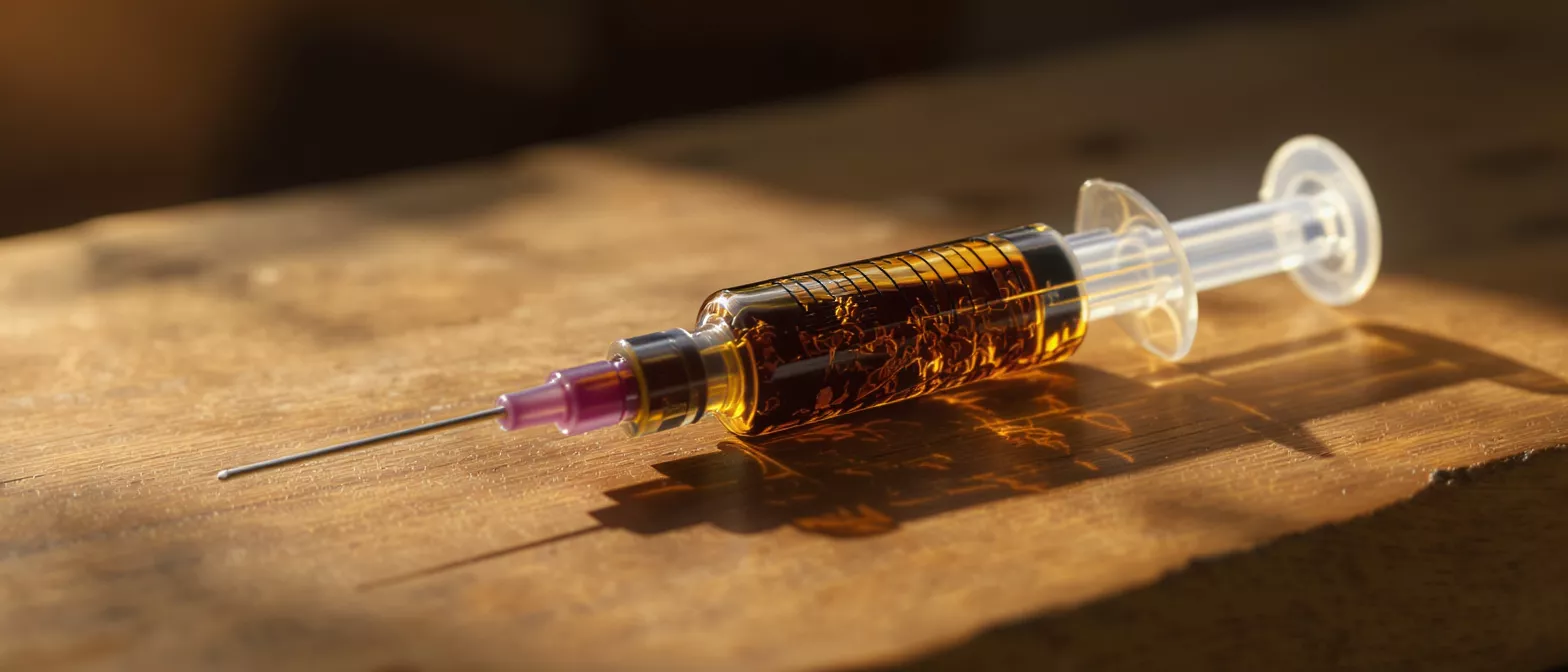
Judging the work of an extraction artist starts with the eyes and nose long before the first dab. Clarity and color tell a story—well-made shatter is transparent and free of dark patches, while quality live resin shows a rich, even consistency. Off colors, cloudiness, or visible plant matter signal a rushed or careless run.
Aroma is the most honest indicator of quality. A concentrate crafted by a skilled extraction artist explodes with the terpene profile of its source strain—gas, citrus, pine, or fruit depending on genetics. A muted or chemical smell suggests degraded terpenes or incomplete solvent removal.
When assessing a concentrate, look for these markers of quality:
- 🔍 Lab certificate: A current certificate of analysis confirming cannabinoid content and clean residual solvent levels.
- ✨ Visual clarity: Even color and texture, free of dark spots, bubbles from trapped solvent, or stray plant debris.
- 🍋 Aromatic intensity: A bold, true-to-strain nose that reflects careful terpene preservation.
- 🧈 Stable consistency: Texture that holds its intended form rather than sweating, separating, or sugaring unexpectedly.
The Future of the Extraction Artist Craft
The discipline continues to evolve rapidly as legalization spreads and technology advances. Solventless methods like rosin pressing have surged in popularity, prized for producing clean concentrates without any chemical solvents—and the best extraction artists are increasingly fluent in both solvent-based and solventless techniques, choosing the right tool for each product.
Automation and improved analytics are reshaping the workflow, yet they have not displaced the human element. Better sensors and data logging help artists refine their process, but the judgment calls that define exceptional work still rest with the practitioner. Technology amplifies skill rather than replacing it.
As the industry matures, the extraction artist is increasingly recognized as a genuine craftsperson—comparable to a winemaker or a master distiller. The concentrates they produce reflect not just chemistry but a personal signature, a consistent pursuit of purity, flavor, and potency. For anyone exploring the world of cannabis concentrates, understanding the skill and care behind each batch deepens appreciation for the product and points the way toward the truly exceptional work that defines the craft at its best.

Comments