Best Cannabis Edibles for Pain Guide: What to Know in 2026
Discover the best cannabis edibles for pain in 2026.
Finding the best cannabis edibles for pain has become a serious pursuit for thousands of people who are tired of the rollercoaster that comes with inhaled products and short-acting medications. Edibles offer something different: a slow, steady arc of relief that can carry a person through an entire afternoon or a full night of sleep. But the world of infused gummies, chocolates, and tinctures is wider and more nuanced than most newcomers expect, and getting the experience right depends on understanding dose, onset, cannabinoid ratios, and your own body. This guide walks through everything worth knowing in 2026, from how these products work to how to choose one that actually fits your pain profile.
What Are Cannabis Edibles for Pain
The basic definition of a cannabis edible is any food or drink infused with cannabinoids such as THC and CBD. When the goal is pain management, these products are formulated to deliver a measured dose of active compounds that interact with the body over several hours rather than minutes. Unlike smoking or vaping, where effects spike and fade quickly, edibles are processed through the digestive system, producing a longer, more even experience that many people with persistent discomfort find preferable.
Cannabis edibles span an enormous range of formats and potencies. Some are designed almost entirely around CBD, a non-intoxicating compound prized for its calming and anti-inflammatory reputation, while others lean heavily on THC for its analgesic and mood-shifting properties. Many of the best products for pain land somewhere in between, blending cannabinoids with supporting compounds like terpenes and even the occasional Functional mushroom such as Cordyceps for an added wellness angle.
Why people choose edibles over other formats usually comes down to discretion, duration, and lung health. There is no smoke, no odor that lingers on clothing, and no harsh inhalation. For someone managing arthritis flare-ups or post-surgical aches, a single low-dose gummy taken in the evening can be a far gentler ritual than reaching for a Gravity bong or a dab of Hash rosin. According to Canada.ca, edible cannabis products carry distinct considerations around onset and dosing that consumers should understand before use.
How Cannabis Edibles for Pain Work in the Body
The endocannabinoid system is the foundation of why edibles affect pain at all. This network of receptors, found throughout the brain, immune system, and peripheral nerves, helps regulate sensations including discomfort and inflammation. When you consume an edible, the cannabinoids inside it bind to or influence these receptors, gently dialing down the signals your body interprets as pain and softening the inflammatory responses that often accompany chronic conditions.
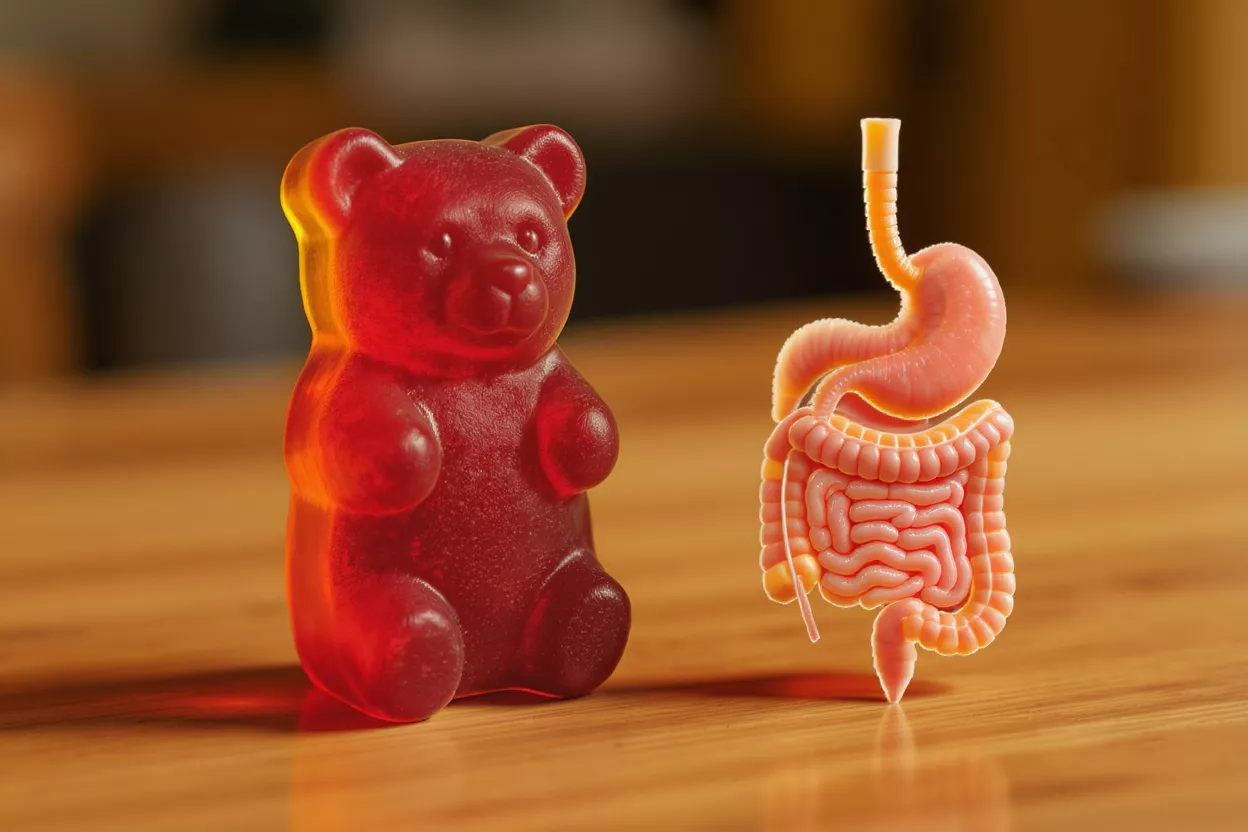
The digestive route is what makes edibles unique. Once swallowed, THC passes through the liver where it is converted into 11-hydroxy-THC, a metabolite that is notably more potent and longer-lasting than the THC you inhale. This conversion explains both the delayed onset and the deep, full-bodied relief edibles are known for. It also explains why patience matters so much; the effect builds gradually and peaks well after the first bite.
Why fatty foods matter is a detail many overlook. Cannabinoids are fat-soluble, so pairing an edible with a small Fatty snack can improve absorption and consistency. This is why so many infused products are built around chocolate, butter, or oil bases rather than purely water-based recipes. A full-spectrum CBD tincture taken with a meal often produces a smoother, more reliable result than the same dose taken on an empty stomach.
Types of Cannabis Edibles for Pain Relief
The category of cannabis edibles for pain is far from monolithic. Different formats suit different needs, schedules, and tolerance levels, and understanding the landscape helps you match a product to your situation rather than buying based on flavor alone.
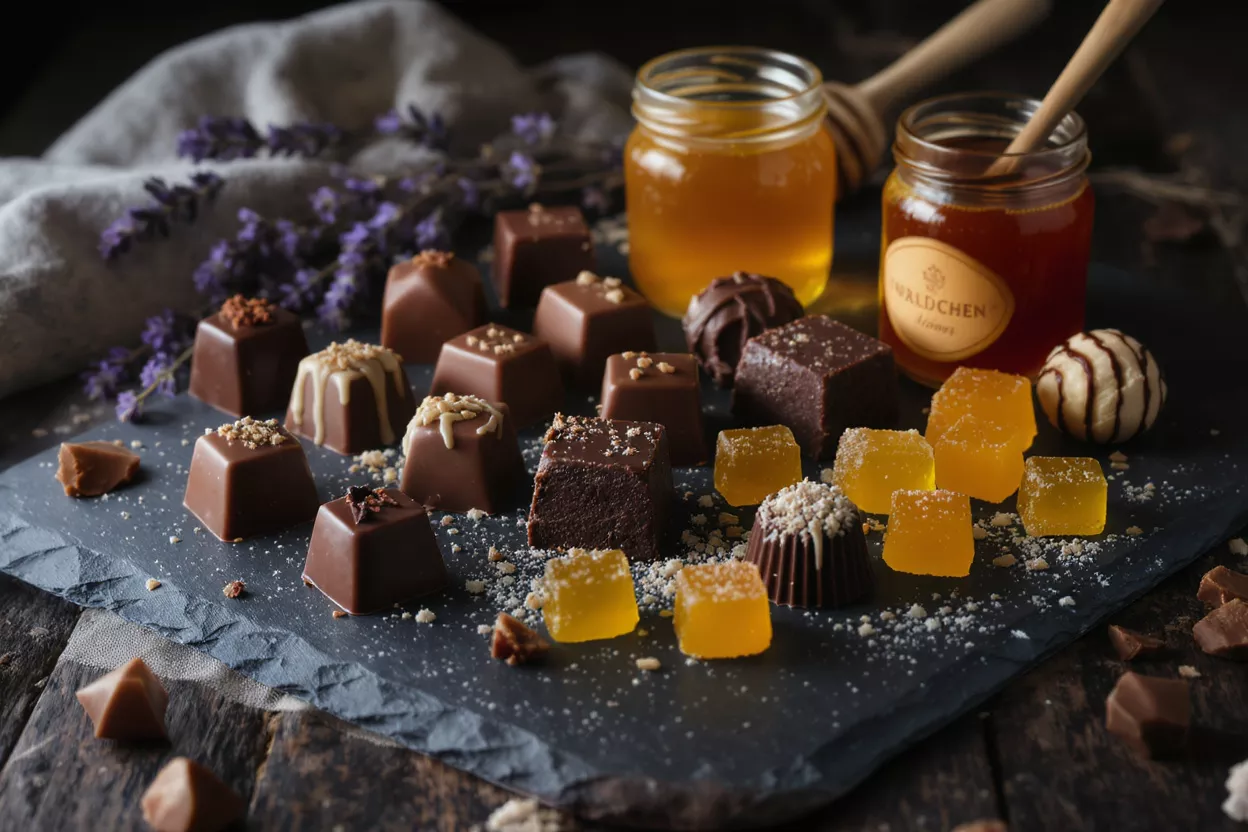
Gummies and chews remain the most popular entry point because they are precisely dosed, portable, and easy to split. Chocolates and baked goods deliver a more indulgent experience, often using Fractionated coconut oil or infused butter as a carrier. Tinctures and sublingual drops sit in a gray zone between true edibles and faster formats, since holding them under the tongue allows partial absorption before swallowing.
Here is a quick comparison of common edible formats and what they tend to offer:
- 🍬 Gummies: Precise dosing, long shelf life, ideal for beginners titrating slowly.
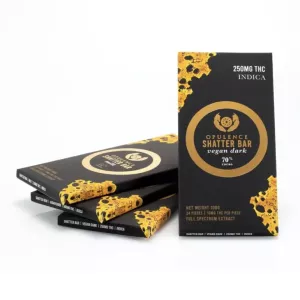
- 🍫 Chocolates: Rich flavor, fat-based carrier that may aid absorption, satisfying ritual.
- 💧 Tinctures: Adjustable dosing by the drop, slightly faster onset via sublingual contact.
- 🥤 Beverages: Often use nano-emulsified cannabinoids for quicker, more predictable timing.
- 🧁 Baked goods: Comforting and familiar, though dosing can be less consistent.
Full-spectrum extracts and isolates also factor into the decision. Full-spectrum products contain the plant's complete cannabinoid and terpene profile, including trace Flavonoid compounds, which many believe enhances relief through the entourage effect. Isolates strip everything down to a single molecule, offering predictability at the cost of that synergistic boost.
Best Cannabis Edibles for Chronic Pain
Chronic pain demands consistency more than intensity, which shapes what makes an edible genuinely good for long-term management. The best options for ongoing conditions like fibromyalgia, neuropathy, or degenerative joint issues are those that deliver a steady, repeatable dose without dramatic peaks. This is where balanced ratio products shine, combining THC and CBD in measured proportions to ease discomfort while keeping intoxication manageable.
For people who need relief during the day, low-THC, high-CBD edibles often work best, providing anti-inflammatory support without clouding focus. Evening and overnight pain is a different challenge, and many find that a slightly higher THC content paired with sedating terpenes promotes both relief and restorative sleep. A thoughtfully chosen balanced THC and CBD gummy can bridge both needs across a single day.
Genotype matters more than most realize, too. The original plant's Genotype influences the cannabinoid and terpene profile that ends up in your edible, which is why two products with identical THC numbers can feel remarkably different. Reading the full label, not just the milligram count, is the surest way to predict how a product will treat your particular pain.
Cannabis Edibles Dosing Guide for Pain
Start low and go slow is the single most repeated piece of advice in the edibles world, and for good reason. Because the effects take so long to appear and hit harder than inhaled cannabis, it is dangerously easy to overconsume by taking a second dose before the first has fully kicked in. A sensible starting point for most people new to edibles is 2.5 to 5 milligrams of THC, then waiting a full two hours before considering more.
Below is a general framework many people use to find their effective dose for pain. Individual tolerance varies widely, so treat these as starting points rather than prescriptions:
- 🌱 Microdose (1–2.5 mg THC): Subtle relief, minimal intoxication, good for daytime function.
- 🍃 Low dose (2.5–5 mg): Noticeable pain relief for most beginners and casual users.
- 🌿 Moderate dose (5–15 mg): Stronger relief, suited to experienced users with established tolerance.
- 🔥 High dose (15–30 mg+): Reserved for high-tolerance patients managing severe chronic pain.
Tracking your intake in a simple journal helps enormously. Note the product, the dose, the time, what you ate alongside it, and how your pain responded. Over a few weeks this record reveals your personal sweet spot far more accurately than guesswork, and it protects against the discomfort of Greening Out from taking too much at once.
CBD vs THC Edibles for Pain
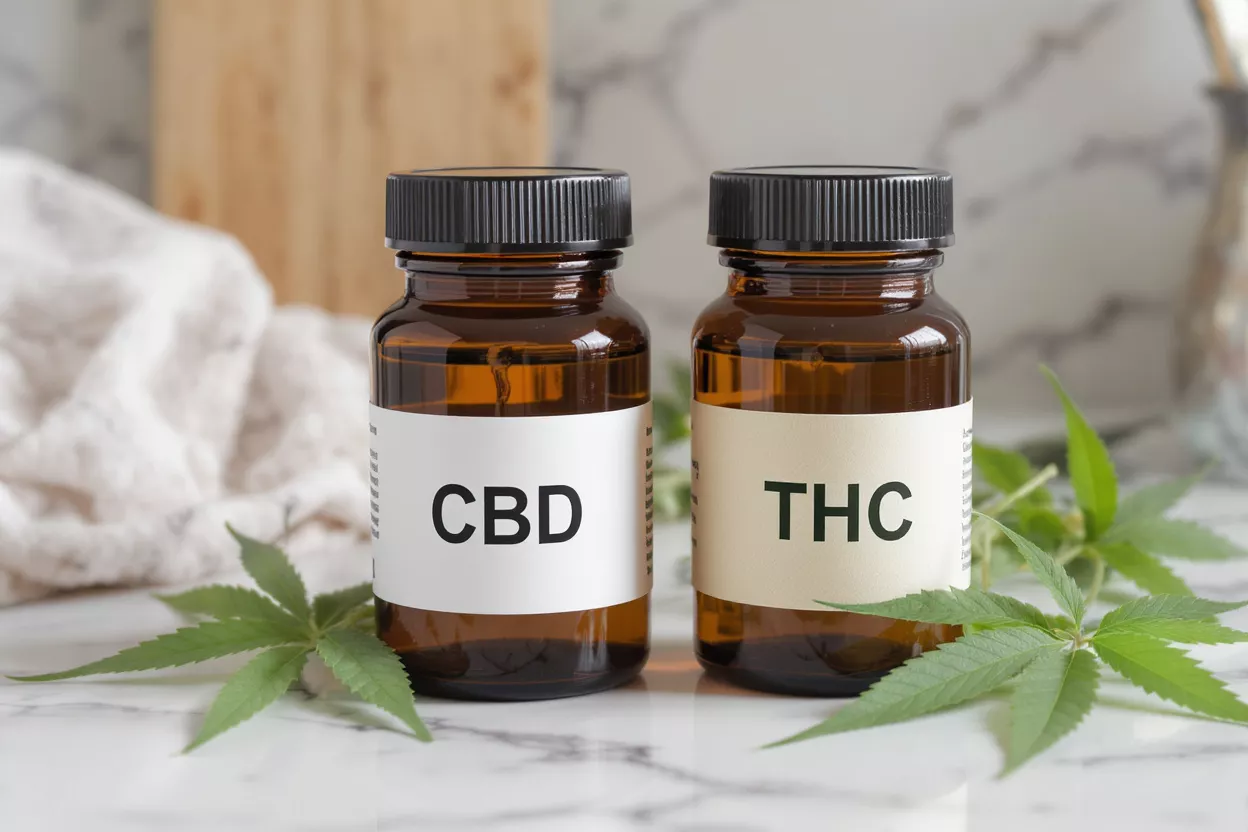
The CBD and THC question is central to choosing the right edible. THC is the primary intoxicating compound and a genuine analgesic, directly engaging receptors involved in pain perception. CBD does not produce a high and instead works more indirectly, modulating inflammation and influencing how the body processes other cannabinoids. Many people find the combination more effective than either alone.
CBD-dominant edibles appeal to those who want relief without impairment, making them suitable for work, driving, and daytime responsibilities. They pair beautifully with other wellness ingredients, and you will sometimes see them alongside Curcumin for compounded anti-inflammatory effects. THC-forward products tend to be more powerful for acute, severe pain but carry the trade-off of intoxication and the need for careful timing.
Ratio products deserve special attention. A 1:1 CBD-to-THC edible balances the strengths of both, often producing meaningful pain relief with a gentler psychoactive ceiling. For someone exploring options, a high-CBD daytime softgel can be a comfortable way to test the waters before introducing more THC into the routine.
Cannabis Edibles Benefits for Pain Management
The duration advantage stands out as the headline benefit of edibles for pain. Where an inhaled dose might fade within an hour or two, a properly chosen edible can deliver relief for six to eight hours, sometimes longer. For chronic conditions that flare unpredictably or worsen at night, this sustained coverage can mean the difference between fitful and restful sleep.
Beyond duration, edibles spare the lungs entirely, which matters for anyone with respiratory sensitivity or a simple aversion to smoke. They are also remarkably discreet; a gummy looks like candy and a softgel looks like any supplement, removing the social friction that can come with other consumption methods. There is no smell of Ganja on your clothes, no need for ventilation, and no equipment to clean.
Precise, repeatable dosing is the quietly underrated benefit. A well-made edible tells you exactly how many milligrams you are taking, which is nearly impossible to gauge with a joint or a Hash hole. This precision lets people fine-tune their relief and maintain a consistent regimen, something that genuinely supports long-term pain management rather than the hit-or-miss experience of less measured formats.
Are Cannabis Edibles Safe for Pain
For most healthy adults, cannabis edibles used responsibly are considered to have a favorable safety profile, with no known lethal overdose risk. That said, safety is not the same as zero risk. Overconsumption can produce anxiety, rapid heart rate, nausea, and the deeply unpleasant experience of Greening Out, which while not dangerous can feel alarming and last for hours given the edible's long duration.
Certain groups should approach edibles with extra caution or avoid them entirely. People taking medications metabolized by the liver, those with cardiovascular conditions, pregnant or breastfeeding individuals, and anyone with a history of psychosis should consult a healthcare provider first. Drug interactions are real, since cannabinoids compete for the same liver enzymes that process many prescriptions.
Storage safety is the practical concern that gets overlooked most. Because edibles resemble ordinary food, they must be kept well out of reach of children and pets in clearly labeled, child-resistant packaging. Quality also matters; reputable products undergo lab testing for potency and contaminants, and proper Flushing of the source plant before harvest reduces residual nutrients and improves the final product's purity.
How Long Do Cannabis Edibles Take to Work
The onset window is the detail that trips up the most people. Traditional edibles typically take 30 to 90 minutes to begin working, and the full effect may not peak until two hours in. This delay is precisely why patience is non-negotiable, and why redosing too early is the most common mistake new users make. Your metabolism, body weight, and whether you have eaten all influence the timing.
Several factors speed up or slow down onset, and knowing them helps you plan around your pain:
- ⏱️ Empty stomach: Faster onset but potentially more intense and less predictable effects.
- 🥑 Fatty meal: Slower onset but smoother, more consistent absorption of cannabinoids.
- 💦 Nano-emulsified products: Engineered for onset as quick as 15 to 20 minutes.
- 🩺 Individual metabolism: Faster metabolisms tend to feel effects sooner and shorter.
Sublingual products like tinctures occupy a useful middle ground. Held under the tongue, a Glycerin or oil-based tincture absorbs partly through the mucous membranes for a quicker start, then continues working as the swallowed portion digests. This dual action makes them a favorite for people who want both reasonably fast and long-lasting relief from a single product.



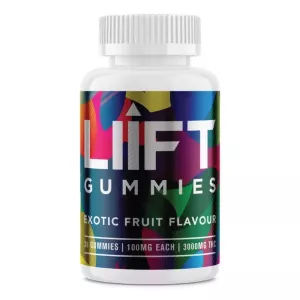
Exotic Fruit High Dose THC Gummies 100mg x 30pcs (3000mg) – LIIFT
Built for seasoned tastes. LIIFT's Exotic Fruit high-dose gummies bring 100mg of THC to each piece — 3000mg across 30 — in dragon fruit, lychee, and other exotic flavours. One gummy goes a long way, with effects that settle in for the long haul. Reserved for experienced users who know exactly what they're reaching for.
- Extreme Tolerance Solution : Finally enough THC
- Efficient Dosing : One gummy = major relief
- Long-Lasting Effects : 8-12 hour duration
- Cost Effective : Less product needed
- Exotic Experience : Unique flavors enhance
Choosing the Best Cannabis Edibles for Pain in 2026
Reading the label thoroughly is the most important skill you can develop as a buyer. Look beyond the headline THC number to the CBD content, the cannabinoid ratio, the terpene profile if listed, and the date of the lab test. A current certificate of analysis tells you the product contains what it claims and is free of pesticides, solvents, and microbial contaminants, which is the baseline for trusting anything you ingest.
Match the product to your specific pain pattern rather than chasing potency. Daytime, low-level discomfort calls for CBD-forward or microdose THC options, while severe nighttime pain may justify a higher-THC product with relaxing terpenes. Consider the format too: gummies for convenience, tinctures for dosing flexibility, chocolates for the ritual. The best edible is the one that fits your life, not the strongest one on the shelf.
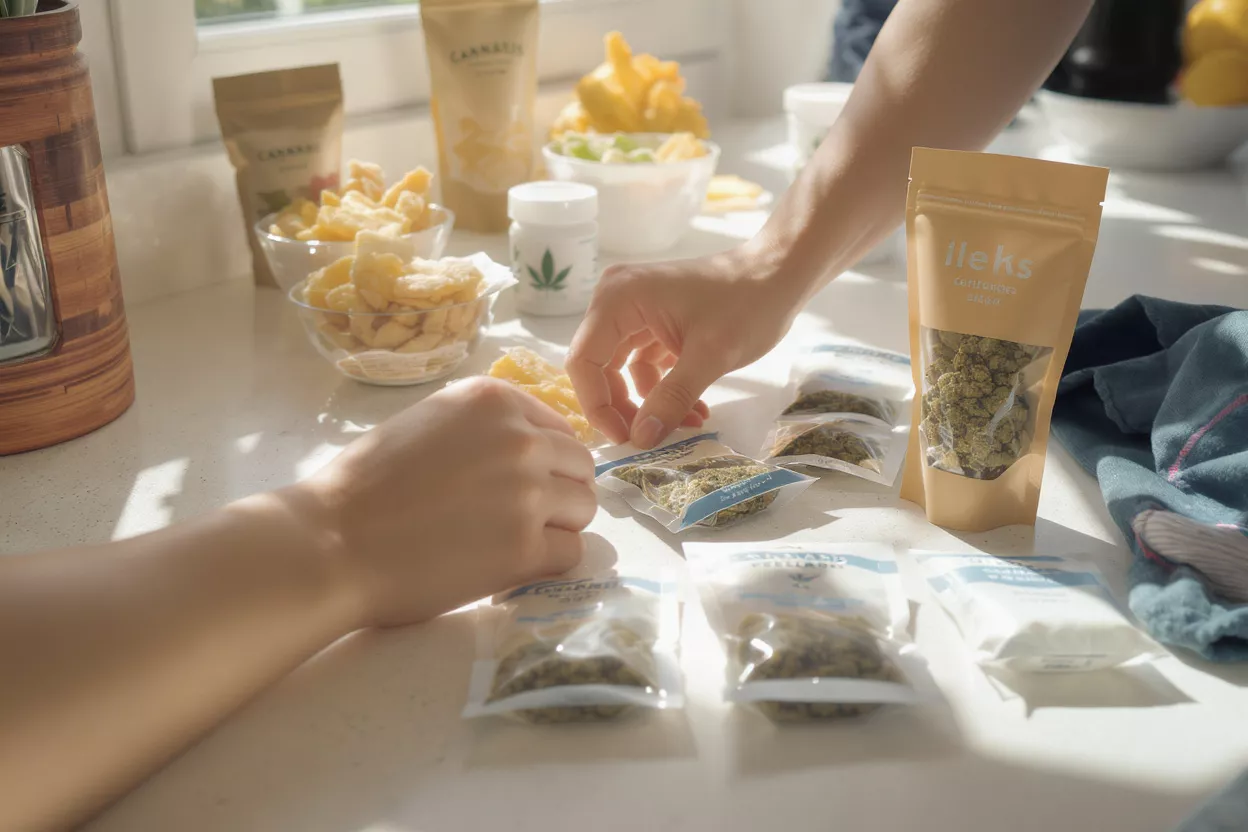
In the end, the best cannabis edibles for pain in 2026 are those chosen with intention: accurately dosed, lab-verified, matched to your condition, and approached with the patience their slow onset demands. Start low, keep a record, respect the timing, and lean on balanced ratios as you learn what your body needs. Done thoughtfully, edibles offer one of the most comfortable and sustained forms of relief available, turning a daily struggle into a manageable, even routine, part of life.