Best Full-Spectrum vs Isolate Guide: What to Know in 2026
Learn the real difference in full-spectrum vs isolate cannabis.
Few decisions confuse newcomers to hemp and cannabis wellness more than the full-spectrum vs isolate question. Walk into any dispensary or browse any online shop, and you will see these terms plastered across tinctures, capsules, and topicals — often with little explanation of what they actually mean for your experience. The truth is that the difference between full-spectrum and isolate is not marketing fluff; it shapes how a product feels, how it works in your body, and which option fits your goals. This guide cuts through the noise to give you a clear, research-grounded understanding of each format heading into 2026.
Whether you are shopping for everyday wellness support, exploring options for sleep, or simply trying to understand a label, knowing the real distinctions between these extract types puts you in control. We will walk through the science, the safety data, dosing strategy, and the practical trade-offs so you can buy with confidence rather than guesswork.
What Is Full-Spectrum vs Isolate?
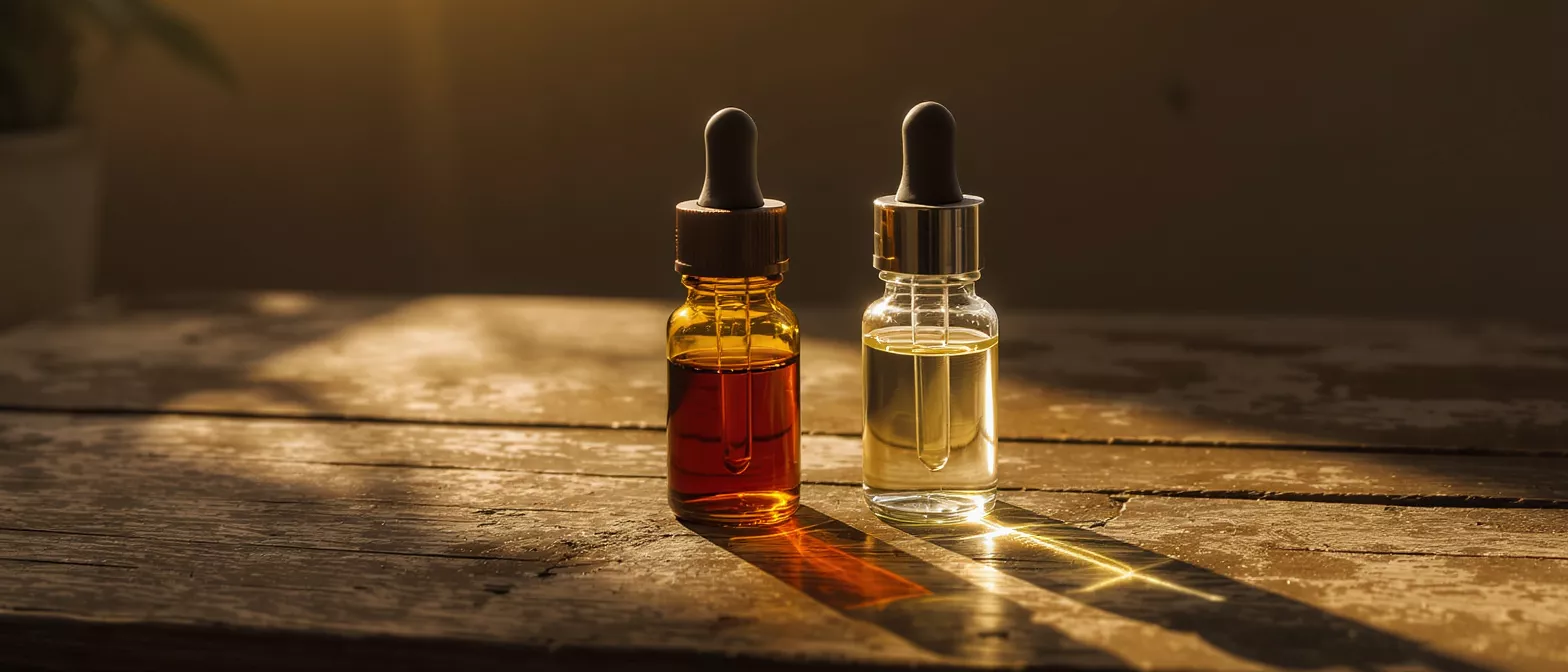
The core distinction comes down to what stays in the bottle. Full-spectrum extracts preserve the complete chemical profile of the hemp or cannabis plant — cannabinoids like CBD, CBG, and trace THC, alongside aromatic terpenes and protective compounds. Isolate, by contrast, strips everything away until only a single purified molecule remains, typically 99% pure CBD in a crystalline or powdered form. One keeps the whole orchestra; the other keeps a single instrument.
This matters because plants are chemically complex. A raw fan leaf or flower contains dozens of cannabinoids and over a hundred terpenes, each with its own subtle behavior. When you choose full-spectrum, you are retaining that complexity along with compounds like flavonoids — the same antioxidant-rich molecules found in blueberries and dark chocolate. An isolate deliberately removes all of that to deliver one clean, predictable compound.
Neither approach is universally better. The right choice depends on whether you want the synergistic richness of the whole plant or the precision and purity of a single molecule. For shoppers who want flexibility, many brands now offer a beginner-friendly CBD starter kit that lets you sample both formats side by side before committing.
How Full-Spectrum Extracts Work
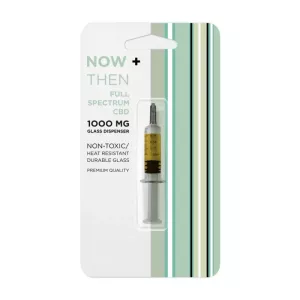
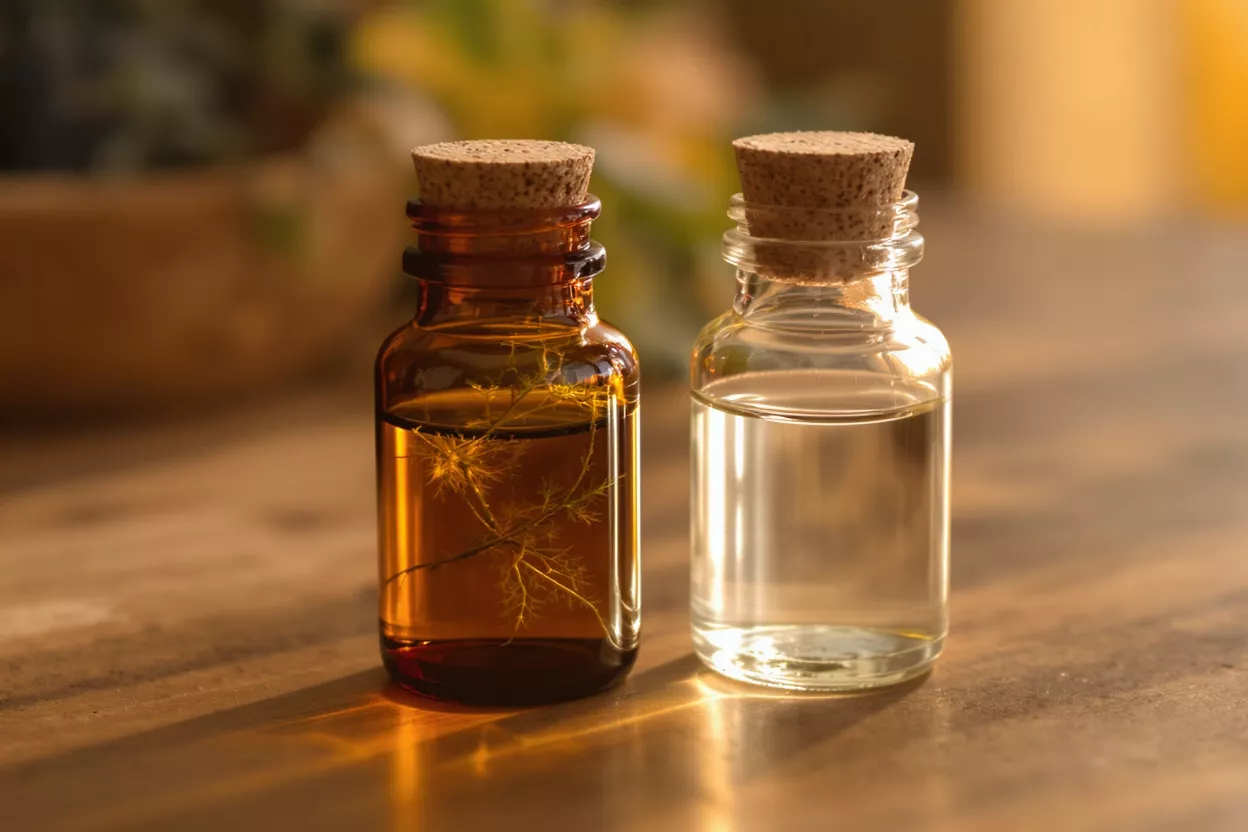
Full-spectrum begins with gentle, whole-plant extraction. Producers use methods like CO2 or ethanol hash oil (EHO) processing to pull cannabinoids and aromatic compounds out of the flower without destroying them. The goal is preservation: keeping CBD, minor cannabinoids, and the volatile terpenes that give each strain its signature character. A skilled extraction artist treats this like cooking — too much heat or pressure and you lose the delicate molecules that make full-spectrum valuable.
Terpenes are a big part of why full-spectrum feels different. Compounds like eucalyptol and fenchol contribute aroma and may subtly influence the overall effect, while myrcene and limonene shape whether a product feels relaxing or uplifting. According to Consumer Reports, third-party lab testing is the single most reliable way to confirm what these full-spectrum products actually contain, since label accuracy across the industry remains inconsistent.
Because full-spectrum retains trace THC — legally capped at 0.3% by dry weight in hemp products — the finished extract behaves more like the original plant than a refined ingredient. That trace amount is rarely enough to cause intoxication, but it is meaningful for how the compounds work together in your body.
What Is CBD Isolate and How Is It Made?
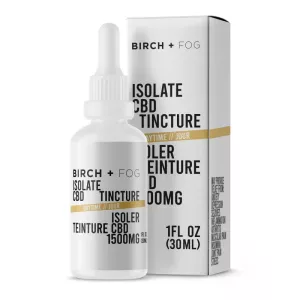
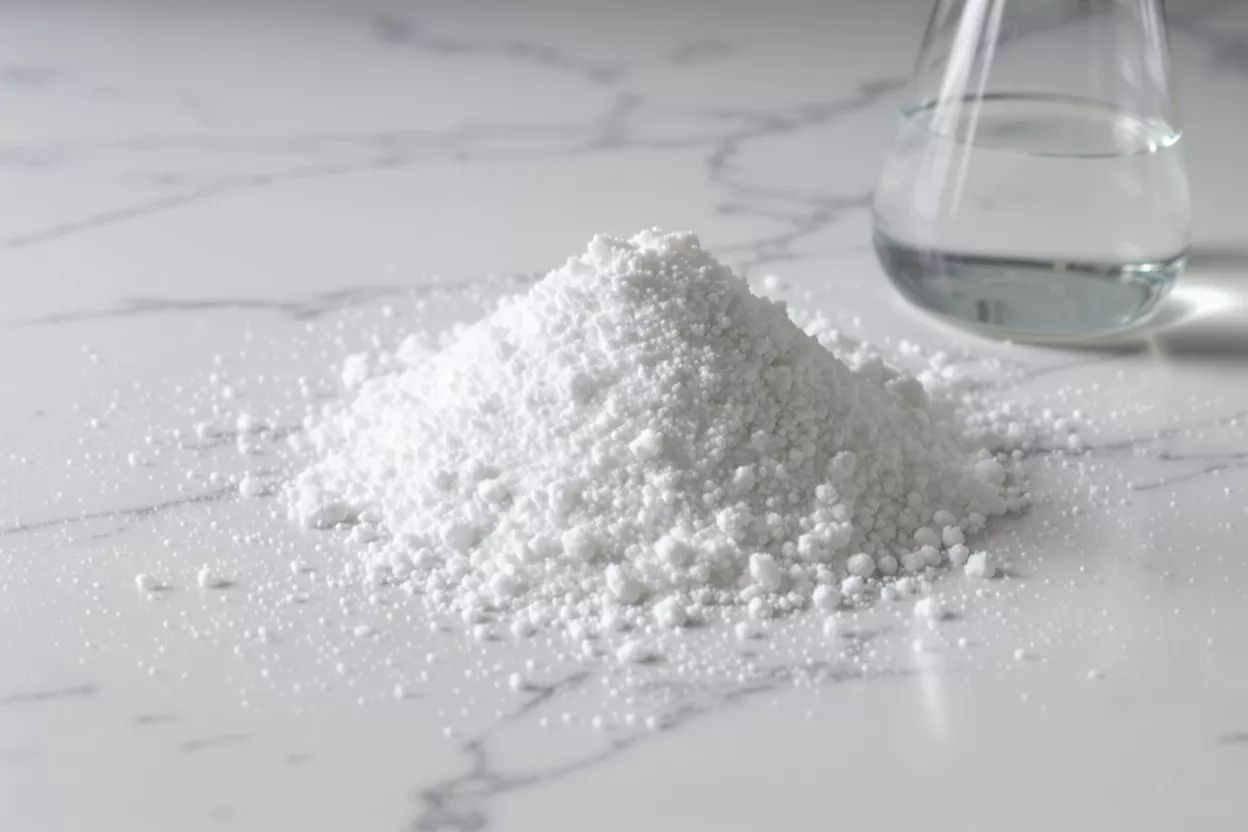
Isolate is the product of aggressive refinement. After an initial extraction, the crude oil undergoes additional purification steps — winterization, distillation, and chromatography — that systematically remove every compound except the target molecule. The result is a fine white powder or crystal that is typically 99% or more pure CBD, free of THC, terpenes, and plant material.
The appeal of isolate is precision and a blank slate. Because it contains no terpenes or other cannabinoids, it has virtually no taste or smell, which makes it easy to fold into an emulsion, an elixir, or a custom formulation. Manufacturers often prefer it as an excipient-friendly ingredient because they can dose it to the exact milligram without worrying about flavor or trace THC. If you are subject to drug testing or simply want zero THC, isolate removes that variable entirely.
The trade-off is that you lose the supporting cast. Without terpenes and minor cannabinoids, you forgo any potential synergy. Some users find isolate perfectly effective for their needs; others notice it feels "flatter" than full-spectrum. For those who want purity with convenience, a flavorless CBD isolate powder blends seamlessly into smoothies, coffee, or homemade topicals.
Types of Spectrum: Broad, Full, and Isolate
There is actually a third category most shoppers overlook. Broad-spectrum sits between the two extremes: it retains the cannabinoids and terpenes of full-spectrum but has the THC specifically removed. Think of it as the entourage experience without the trace THC — a popular middle path for people who want plant synergy but cannot risk any THC exposure.
Understanding the three tiers helps clarify what you are buying. Here is how they compare at a glance:
- 🌿 Full-spectrum: All cannabinoids including trace THC (≤0.3%), full terpene and flavonoid profile. Strongest potential for synergy.
- 🍃 Broad-spectrum: Multiple cannabinoids and terpenes, but THC removed. A compromise between richness and zero-THC peace of mind.
- 💧 Isolate: Single purified cannabinoid (usually 99%+ CBD), no THC, no terpenes, no flavor. Maximum precision and predictability.
Each tier reflects a different processing philosophy. Full-spectrum does the least to the plant, broad-spectrum adds a targeted THC-removal step, and isolate strips the extract down to a single molecule. Knowing which tier a product falls into tells you more about its likely effects than the brand name or price ever will.
Full-Spectrum vs Isolate Benefits Compared
Full-spectrum's main advantage is compound diversity. Research increasingly suggests that cannabinoids and terpenes may work better together than alone — a concept we will unpack shortly. The presence of minor cannabinoids and aromatic terpenes means full-spectrum products can feel more rounded and complete, which many longtime users describe as a smoother, fuller experience.
Isolate's advantages are different but equally real. It offers absolute consistency, zero THC, no flavor, and effortless dosing. For sensitive individuals, people in safety-sensitive jobs, or anyone who reacts unpredictably to other cannabinoids, the simplicity of a single molecule is a genuine benefit rather than a limitation. Purity is its own kind of value.
Cost and labeling also factor in. Full-spectrum products require more careful handling and testing, which can raise prices, while isolate's standardized purity often makes it cheaper per milligram of CBD. Neither format is inherently "more effective" — effectiveness depends entirely on your individual goals, body chemistry, and the quality of the product itself.
The Entourage Effect Explained
The entourage effect is the theory behind full-spectrum's appeal. The idea is that cannabinoids, terpenes, and flavonoids interact synergistically, amplifying or modulating one another's effects so the whole is greater than the sum of its parts. A small amount of THC, for example, may enhance how CBD behaves, while terpenes like myrcene may influence absorption and feel.
It is worth being honest about the science: the entourage effect is well-supported by preliminary research but not yet definitively proven in large human trials. Much of the evidence comes from laboratory and animal studies. That does not make it fiction — it simply means the full picture is still emerging, and you should treat strong "10x stronger" marketing claims with healthy skepticism.
This is also where understanding first-pass metabolism matters. When you swallow a tincture, your liver processes the compounds before they reach your bloodstream, which can alter how much active material you actually absorb. Full-spectrum's varied compounds may interact with this metabolic step differently than a single isolate molecule, which is one more reason individual responses vary so widely.
Best Full-Spectrum vs Isolate for Beginners
Beginners often do best starting with isolate or broad-spectrum. Because isolate contains a single known compound, it removes guesswork — you know exactly what you are putting in your body and can attribute any effects directly to CBD. This makes it easier to establish a baseline before experimenting with more complex formulas.
That said, many newcomers gravitate toward full-spectrum once they understand the entourage concept and want a more complete experience. The key for any beginner is starting low and going slow regardless of format. A measured introduction lets you learn how your body responds without overwhelming it. Pairing a low-dose full-spectrum tincture with a simple journal helps you track effects accurately from day one.
Here is a practical beginner roadmap to follow:
- 📋 Start with a goal: Sleep, calm, or recovery — knowing your target helps you evaluate whether a product works.
- 🔬 Verify lab results: Always check the certificate of analysis before purchasing, regardless of spectrum.
- ⏳ Give it two weeks: Cannabinoids can take time to reveal their full effect; one dose rarely tells the whole story.
- 📈 Adjust gradually: Increase by small increments only after observing how your current dose feels.
Are Full-Spectrum Products Safe?
Both formats are generally well-tolerated, but quality is everything. The biggest safety risk in this category is not the spectrum itself but contamination — pesticides, heavy metals, or residual solvents left behind by sloppy extraction. This is why third-party lab testing is non-negotiable, and why a trustworthy brand will publish a current certificate of analysis for every batch.
The most common side effects of CBD products across all spectrums are mild: dry mouth, drowsiness, or slight digestive changes at higher doses. Full-spectrum's trace THC is rarely enough to cause intoxication, but extremely sensitive individuals should be aware it exists. If you take prescription medication, the interaction between cannabinoids and certain drugs — mediated partly through liver enzymes — makes a conversation with your doctor genuinely important rather than a throwaway disclaimer.
Storage and sourcing matter too. Keep products away from heat and light to protect delicate terpenes and cannabinoids from degradation, and buy only from companies transparent about where their hemp is grown and how it is processed. A clean supply chain is the foundation of a safe product.

Full-Spectrum vs Isolate Dosing Guide
Dosing is personal, but a few principles apply universally. Because full-spectrum and isolate may feel different at the same milligram count, you cannot assume a 25mg isolate dose equals 25mg of full-spectrum in perceived effect. Many users find they need slightly less full-spectrum to reach the same feeling, thanks to potential synergy — though this varies from person to person.
Start with a low dose, typically 10 to 20mg, and hold it for several days before adjusting. Pay attention to timing as well: sublingual tinctures held under the tongue absorb faster and partly bypass first-pass metabolism, while capsules and edibles take longer but last longer. Your delivery method shapes your experience as much as your dose does.
If you are switching between formats, recalibrate rather than assuming your old dose transfers directly. Someone moving from isolate to full-spectrum should generally start lower and observe, since the added compounds can change how the same number feels. Consistency at a steady dose for a week or two tells you far more than chasing a perfect number on day one.


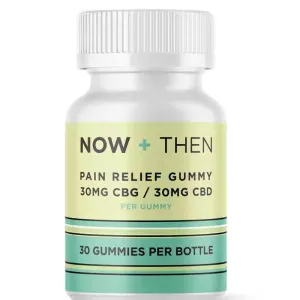
Pain Gummies 60mg CBD : CBG x 30 pcs (1800mg) – NOW+THEN
Serious relief, seriously tasty. NOW+THEN's Pain gummies pair 30mg of CBD with 30mg of CBG in each of 30 pieces — a dual-cannabinoid approach to everyday aches in a chewable you'll actually enjoy. No high, just steady, comprehensive comfort. The flavourful daily option for managing discomfort the gentle way.
- Synergistic Relief : CBD and CBG enhance each other's effects
- Powerful Anti-Inflammatory : Double cannabinoid action
- Nerve Pain Support : CBG specifically targets neuropathy
- Non-Intoxicating : Zero THC for anytime use
- Month Supply : Consistent daily management
How to Choose Between Full-Spectrum and Isolate
Your decision ultimately rests on three questions. First, do you need to avoid THC entirely for work or personal reasons? If yes, isolate or broad-spectrum is the safer call. Second, do you value plant complexity and potential synergy, or do you prefer a clean single molecule? And third, how important is flavor-free convenience versus a more natural, full-bodied experience?
For most wellness-focused shoppers without THC restrictions, full-spectrum offers the most complete experience and aligns with the way the plant naturally produces its compounds. For those who want precision, zero THC, or an ingredient to build into their own recipes, isolate is hard to beat. Broad-spectrum splits the difference nicely for the THC-cautious who still want some entourage benefit.
Whatever you choose, let quality lead. A poorly made full-spectrum oil is worse than a clean, well-tested isolate, and vice versa. Read the lab reports, understand the spectrum, and match the format to your real-world goals. The full-spectrum vs isolate debate has no single winner — only the option that fits you best. Armed with the science, the safety data, and the practical trade-offs covered here, you are now equipped to shop with genuine confidence in 2026 and beyond.