Best Microdosing Cannabis Guide: What to Know in 2026
Learn how microdosing cannabis works, the best doses, and top products.
The idea of taking less to get more has quietly reshaped how thoughtful consumers approach the plant, and microdosing cannabis sits at the center of that shift. Rather than chasing intense intoxication, microdosers aim for a subtle, functional lift — enough to ease tension or sharpen presence without clouding the day. As 2026 brings more refined products and better consumer education, the practice has moved from fringe experiment to mainstream wellness strategy. This guide breaks down what microdosing actually means, how to do it well, and how to find a dose that genuinely serves you.
What Is Microdosing Cannabis?
Microdosing cannabis means consuming very small, sub-perceptual or barely-perceptual amounts of THC — typically between 1 and 5 milligrams per serving. The goal is not to feel "high" in the conventional sense but to capture the gentle therapeutic edge of cannabinoids while remaining clear-headed, productive, and grounded. Think of it as a dimmer switch rather than an on-off button.
How microdosing differs from recreational use: A standard recreational edible might contain 10 milligrams of THC or more, enough to produce noticeable euphoria and impairment. A microdose is a fraction of that — often a quarter or less. The distinction matters because the body's response to cannabis is biphasic, meaning low and high doses can produce opposite effects. A small amount may relieve anxiety, while a large amount can amplify it.
Why the trend keeps growing: Modern consumers want function, not couch-lock. As organizations like NORML have documented, legalization has expanded access to precisely dosed products, making controlled, low-dose consumption far easier than it was in the era of homemade edibles and guesswork. Better labeling and lab testing mean you can finally trust that 2.5 milligrams really is 2.5 milligrams.
How Microdosing Cannabis Works in the Body
Cannabis interacts with the endocannabinoid system, a network of receptors that helps regulate mood, appetite, pain, sleep, and stress. When you microdose, you nudge this system gently rather than flooding it. The result is modulation — a soft recalibration of how you feel — instead of the overwhelming saturation that comes with larger doses.
Different consumption methods change how quickly and intensely those cannabinoids arrive. Inhaled cannabis hits within minutes and fades within an hour or two, giving you fine control. Edibles take a detour through first-pass metabolism in the liver, where THC converts into a more potent compound, producing slower but longer-lasting effects. This is exactly why edible microdoses must be approached with patience and precision.
The role of full-spectrum extracts: Whole-plant preparations carry not just THC but a chorus of minor cannabinoids, terpenes like fenchol, and flavonoid compounds that shape the overall experience. This entourage interplay means a microdose of a full-spectrum extract can feel more balanced and rounded than an equivalent dose of isolated THC. Many microdosers prefer full-spectrum tinctures for exactly this reason.
Benefits of Microdosing Cannabis
The appeal of microdosing lies in capturing therapeutic value while sidestepping the trade-offs of intoxication. People reach for low doses to take the edge off stress, smooth out mild aches, or settle a restless mind before sleep — all without surrendering their afternoon to a fog.
Everyday wellness benefits: Many regular microdosers report steadier mood, reduced anticipatory anxiety, and a gentler relationship with the plant overall. Because the doses are so small, tolerance tends to build more slowly, which means the same modest amount keeps working over time. This sustainability is one of microdosing's most underrated advantages.
Here are the benefits most frequently cited by experienced microdosers:
- 🌿 Functional relief: Eases tension and minor discomfort without impairing focus or coordination.
- 🧠 Mental clarity: Many find low doses sharpen presence rather than dulling it.
- 😴 Better sleep onset: A small evening dose can quiet mental chatter before bed.
- 📉 Slower tolerance: Conservative dosing helps preserve sensitivity to cannabinoids.
- ⚖️ Greater control: Less risk of the anxiety or paranoia that larger doses can trigger.
Microdosing Cannabis Dosing Guide
The cardinal rule of microdosing is "start low and go slow." Most people begin at 1 to 2.5 milligrams of THC and hold that dose steady for several days before considering any increase. The aim is to find the smallest amount that delivers a noticeable benefit — your minimum effective dose.
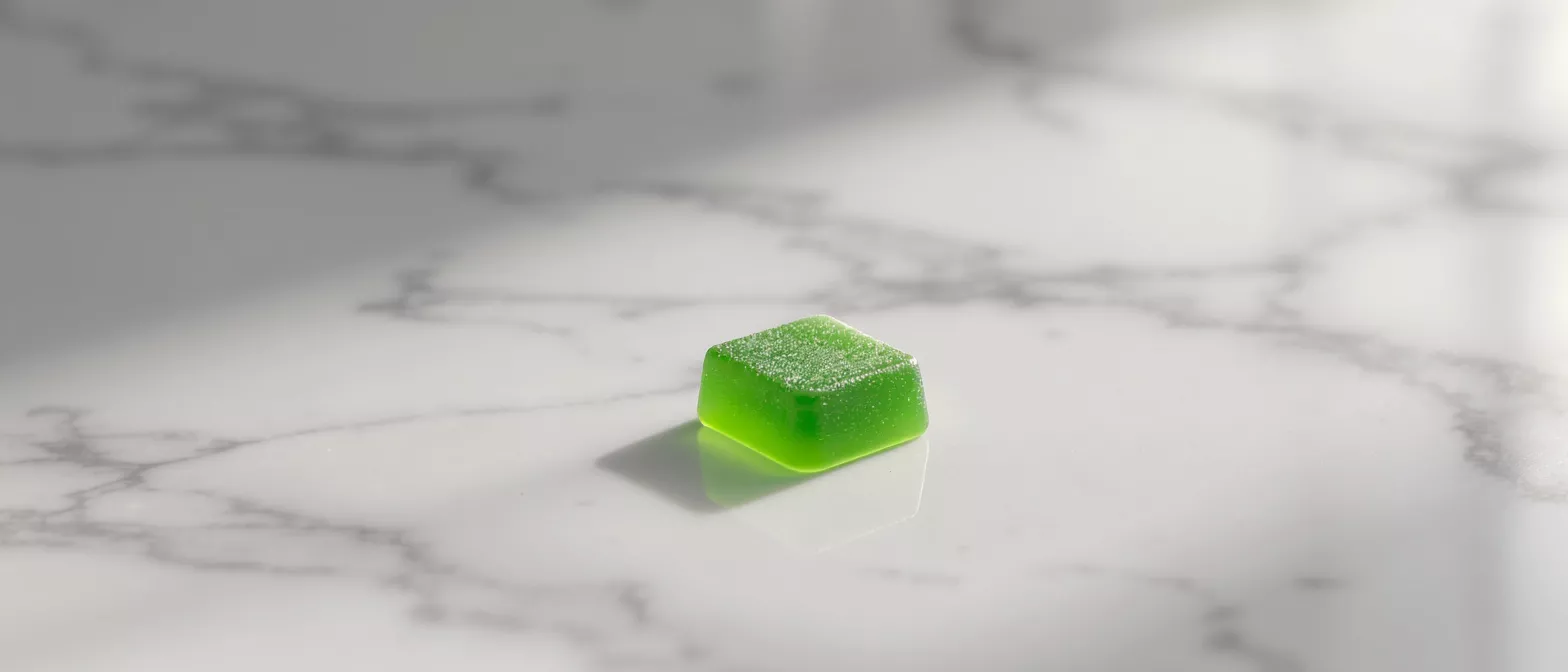
Finding your baseline: Your ideal microdose depends on body weight, metabolism, tolerance, and your particular endocannabinoid chemistry. Two people of the same size can respond very differently to the same 2-milligram serving. Keeping a simple journal — dose, time, and how you felt — turns guesswork into a personalized roadmap. Precise products like low-dose gummies make this kind of careful titration realistic.
A practical starting framework looks like this:
- 🌱 Days 1–3: Take 1 mg and observe. Note mood, focus, and any physical sensations.
- 📈 Days 4–6: If you felt nothing at all, step up to 2.5 mg and reassess.
- 🎯 Days 7+: Settle on the lowest dose that delivers a clear, gentle benefit.
- 🔁 Periodic resets: Take occasional tolerance breaks to keep doses low and effective.
Remember that with edibles, effects can take 45 to 90 minutes to appear. Never redose during that window — overshooting is the most common rookie error, and it turns a calm microdose into an uncomfortable overshoot.
Best Products for Microdosing Cannabis
The best microdosing product is the one that lets you control the dose with confidence. Precision is everything: you want a format where 2 milligrams is reliably 2 milligrams, batch after batch. Lab-tested, clearly labeled products are non-negotiable for serious microdosers.
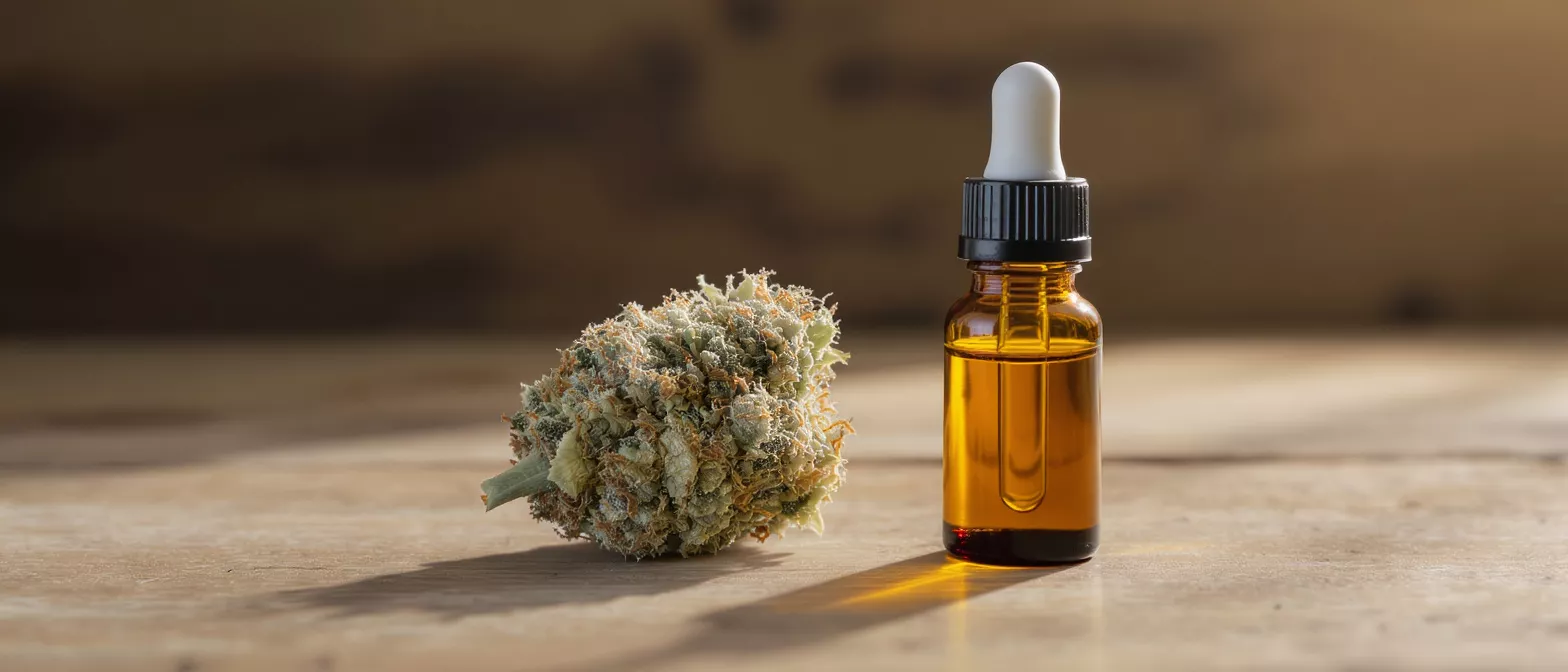
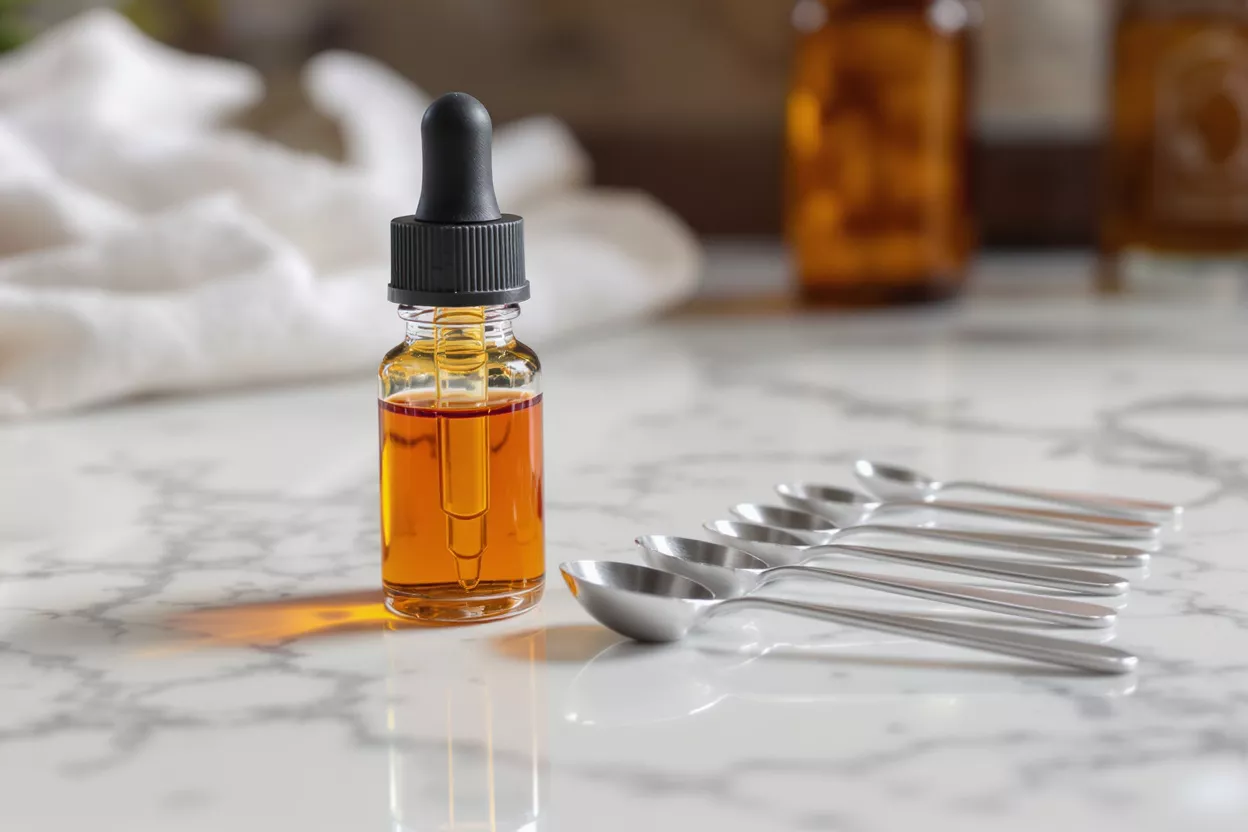
Tinctures and oils: A dropper-based emulsion lets you measure tiny increments and adjust by fractions of a milligram. Sublingual tinctures absorb under the tongue for a faster, more predictable onset than swallowed edibles, making them a favorite for daytime use. Fractionated MCT-based carriers are especially popular for their clean, consistent delivery.
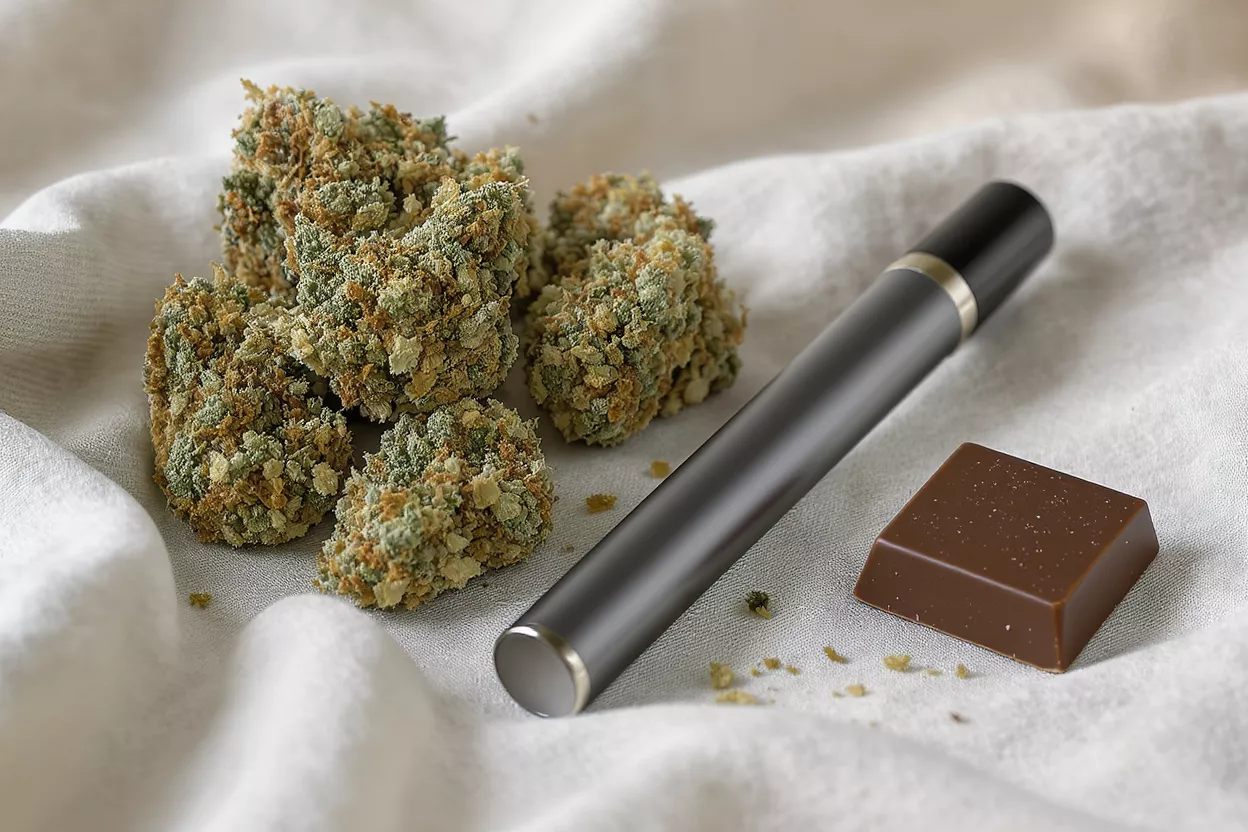
Gummies and mints: Pre-portioned edibles take the math out of dosing. Look for products sold as 2.5 mg or 5 mg pieces that can be split cleanly in half. For inhalation, a single small puff from a vaporizer offers the finest control of all, since you can stop the moment you feel enough.
When comparing formats, weigh these factors:
- 💧 Tinctures: Best for fine, adjustable dosing and faster sublingual onset.
- 🍬 Gummies: Convenient and discreet, ideal for consistent pre-measured doses.
- 💨 Vapor: Fastest onset and easiest to titrate puff by puff.
- 🌼 Capsules: Reliable for those who want a fixed, no-fuss daily routine.
Types of Cannabis for Microdosing
Not all cannabis is suited to microdosing, and your choice of cultivar shapes the experience as much as the dose itself. The genotype of a plant determines its cannabinoid and terpene profile, which in turn influences whether a microdose feels uplifting, calming, or neutral.
Balanced THC:CBD options: Strains and products that pair THC with CBD tend to produce smoother, more functional microdose effects, since CBD can soften some of THC's sharper edges. A 1:1 ratio is a popular starting point for newcomers who want gentle relief without much head change. Some microdosers even fold in a functional mushroom like cordyceps or chaga alongside their routine for a layered wellness stack.
Terpene-rich, full-spectrum choices: Products derived through careful extraction — whether a clean ethanol hash oil or a solventless concentrate from a skilled extraction artist — preserve the aromatic compounds that define a strain's character. Fenchol, for instance, lends a piney, earthy quality some associate with calm focus. These nuances become more noticeable, not less, at microdose levels.
How to Start Microdosing Cannabis Safely
Beginning a microdosing practice is less about willpower and more about structure. Pick one product, one starting dose, and one consistent time of day, then observe carefully before changing anything. The discipline of holding variables steady is what makes your results meaningful.
Set your intention first: Decide what you want from the practice — calmer mornings, smoother creative work, easier sleep. Your goal determines timing, dose, and even cultivar. Someone microdosing for daytime focus will choose differently than someone targeting evening wind-down. Clarity of purpose prevents aimless dosing.
Equally important is your environment. For your first few microdoses, stay home, keep your schedule light, and avoid mixing in alcohol or other substances. Even a small dose can feel different on an empty stomach or during a stressful day. Building the habit in low-stakes conditions lets you learn your own responses before relying on the practice in busier moments.
Microdosing Cannabis for Focus and Creativity
One of the most popular reasons people microdose is to support creative flow and sustained attention. A barely-there dose can loosen rigid thinking and quiet self-criticism just enough to let ideas move freely — without the scattered, distractible feeling that larger doses often bring.
Why low doses can aid focus: At sub-perceptual levels, cannabis may reduce the background noise of anxiety that interferes with concentration. Many writers, artists, and problem-solvers describe a state of relaxed engagement where the work feels less effortful. The key is staying below the threshold where THC starts to fragment attention rather than smooth it.
Pairing with routine and ritual: Microdosing tends to work best when it complements good habits rather than replacing them. Combine it with a clear task list, adequate sleep, and movement. Some people layer in adaptogens or a daily balanced 1:1 tincture to keep the experience even and predictable across a workweek. The dose is a small lever, not the whole machine.

Common Microdosing Cannabis Mistakes
Even a gentle practice can go sideways without a little care. The most frequent missteps come from impatience and inconsistency — redosing too soon, jumping doses too fast, or switching products before learning how the first one behaves.
Overshooting the dose: The classic error is treating a microdose like a recreational dose and taking too much, too fast. Because edibles are slow to onset, people often assume the first dose "isn't working" and take more, only to feel overwhelmed an hour later. Patience is the entire skill.
Avoid these common pitfalls as you build your practice:
- ⏱️ Redosing too early: Wait the full onset window before adding more.
- 🔀 Changing too many variables: Adjust one thing at a time to learn what works.
- 📦 Ignoring labels: Always trust lab-tested doses over eyeballed portions.
- 🍷 Mixing with alcohol: Combining substances muddies your read on the dose.
- 📓 Skipping the journal: Without notes, you lose the data that guides progress.


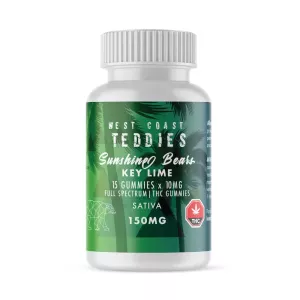
Key Lime Sunshine Vegan THC Gummy Bears – Sativa 10mg x 15pcs (150mg) – KANDY KANDY
Zesty lime, tropical energy. KANDY KANDY's Key Lime Sunshine Bears are fifteen vegan sativa gummies at a gentle 10mg each — bright, uplifting effects with a tangy key-lime twist. Mood-lifting and creativity-sparking, perfect for daytime. The zesty little bear for a sunny, social mood.
- Citrus Energy : Key lime enhances sativa lift
- Vegan Values : Ethical ingredients energize conscience
- Mood Brightening : Reliable sunshine in a bear
- Creative Spark : Unlocks innovative thinking
- Social Zest : Adds sparkle to interactions
Is Microdosing Cannabis Safe?
For most healthy adults, microdosing is among the lowest-risk ways to engage with cannabis, precisely because the doses are so small. The biphasic nature of cannabinoids means tiny amounts rarely produce the anxiety or impairment associated with heavier use. Still, "low risk" is not "no risk," and individual responses vary.
Who should be cautious: People who are pregnant or nursing, those with a personal or family history of psychosis, and anyone taking medications metabolized by the liver should consult a healthcare provider first. Cannabis can interact with other drugs through the same first-pass metabolism that shapes edible potency, so professional guidance matters in these cases.
Microdosing cannabis, done thoughtfully, is ultimately an exercise in restraint and self-knowledge. Start low, move slowly, keep notes, and choose precisely dosed, lab-tested products you can trust. The reward is a sustainable, functional relationship with the plant — one that fits into a full life rather than interrupting it. As research and product quality continue to mature through 2026, the microdoser's toolkit only gets sharper, making it easier than ever to find your own minimum effective dose and stay there.