


Best CBD for Sleep Guide: What to Know in 2026 Fully
Discover how CBD for sleep can calm your mind and improve rest.
Why CBD for Sleep Works
If you have ever stared at the ceiling at 2 a.m. with a racing mind, you already understand why so many people are turning to CBD for sleep. Cannabidiol has moved from a fringe wellness curiosity to one of the most researched natural compounds for rest, and the reason is simple: it does not knock you out the way a sedative does. Instead, it works gently with your body's own systems to remove the obstacles that keep you awake in the first place.
Most sleep problems are not really about sleep at all. They are about the things stacked underneath it, such as anxiety, physical discomfort, an overactive nervous system, or a circadian rhythm thrown off by screens and stress. CBD appears to address several of these root causes at once, which is part of why it has become such a versatile tool in the modern sleep toolkit.
The relaxation pathway: Rather than forcing sedation, CBD helps lower the baseline of tension that prevents the body from winding down naturally. Many users describe the effect not as feeling drugged but as feeling like the volume on their stress has finally been turned down, allowing sleep to arrive on its own terms.
How CBD Affects the Sleep Cycle
To understand how CBD supports rest, it helps to know that your body has a built-in regulatory network called the endocannabinoid system. This system influences mood, pain perception, appetite, and crucially, the sleep-wake cycle. CBD interacts with this network indirectly, helping to keep it balanced rather than overriding it. According to Verywell Health, emerging research suggests cannabinoids may influence both how quickly people fall asleep and the quality of the sleep they get.
Sleep is not a single state but a series of cycles moving between light sleep, deep sleep, and REM. Deep sleep is when physical restoration happens, while REM is tied to memory and emotional processing. Early evidence suggests CBD may help people spend more time in restorative stages by reducing the night-time awakenings that fragment those cycles.
The cortisol connection: Cortisol is your primary stress hormone, and it should be low at night and high in the morning. For chronically stressed people, that rhythm flips, leaving them wired at bedtime. Some studies indicate CBD may help moderate elevated evening cortisol, which could explain why users report falling asleep faster on nights they take it.
It is worth noting that CBD can be biphasic, meaning low and high doses can produce different effects. Lower amounts may feel mildly alerting for some people, while larger amounts lean toward sedation. This is why finding your personal dose matters more than chasing someone else's routine.
CBD and THC for Sleep: What's the Difference?
When people explore cannabis sleep aids, the conversation quickly turns to CBD and THC. These are the two most prominent compounds in the cannabis plant, and while they often work together, they affect sleep in distinct ways. CBD is non-intoxicating and tends to calm the mind, while THC is the psychoactive compound that produces a noticeable high and can be more directly sedating.
Why some people combine them: Many of the most effective sleep formulas blend both cannabinoids in a deliberate ratio. THC can shorten the time it takes to fall asleep, while CBD softens THC's intensity and helps counter the grogginess or anxiety that too much THC alone can cause. This balancing act is why a thoughtfully dosed CBD-to-THC sleep tincture is often more effective than either compound on its own.
For those who want results without intoxication, high-CBD and low-THC products are the sensible starting point. Sensitivity to THC varies enormously, and what relaxes one person may leave another feeling restless or anxious. The list below breaks down how each profile tends to behave for sleep:
- 🌙 High CBD, no THC: Best for anxiety-driven sleeplessness and beginners who want zero intoxication.
- 🌿 Balanced 1:1 CBD to THC: A middle path offering relaxation with mild sedation, popular with experienced users.
- 💤 Higher THC, supporting CBD: Strongest sedative pull, suited to those already comfortable with THC and dealing with stubborn insomnia.
- 🍵 Microdose blends: Tiny THC amounts with generous CBD for gentle, hangover-free rest.
Best CBD for Sleep Product Types
The format you choose shapes the entire experience, from how fast it works to how long it lasts. There is no single best product, only the best product for your particular sleep problem and lifestyle. Someone who struggles to fall asleep needs something fast-acting, while someone who wakes repeatedly through the night benefits from a longer-lasting format.
Tinctures and oils: These remain the gold standard for sleep because they strike a balance between speed and duration. Held under the tongue, they begin working in fifteen to forty-five minutes and last several hours. They also make precise dose adjustments easy, which is essential when you are dialing in your routine.
Edibles and capsules: Gummies, soft chews, and capsules take longer to kick in, often an hour or more, but their effects last considerably longer. This makes them ideal for staying asleep through the night. A slow-release nighttime CBD gummy can carry you through those early-morning hours when many people wake and struggle to drift off again. Some people enjoy a warm thc tea before bed for the same lingering effect.
Vapes offer the fastest onset of all, sometimes within minutes, which appeals to people who want immediate relief from a racing mind. The trade-off is a shorter duration, so a thc vape pen is better for falling asleep than for staying asleep. Topicals, meanwhile, will not directly induce sleep but can ease the physical discomfort that keeps some people awake.
CBD for Sleep Dosing Guide
Dosing is where most people either succeed or give up too soon. The cardinal rule is to start low and go slow. Because everyone's endocannabinoid system, body weight, and metabolism differ, there is no universal dose. What helps a friend sleep soundly might do nothing for you, or it might be far too much.
A practical starting framework: Most beginners do well starting between 10 and 25 milligrams of CBD about an hour before bed. Stay at that level for several nights to gauge your response, then increase gradually if needed. Keeping a simple sleep journal noting your dose, timing, and how you slept turns guesswork into a clear pattern you can actually act on.
Timing matters as much as amount. Edibles need a longer runway, so take them ninety minutes before bed, while tinctures can be taken closer to lights-out. Consistency is the secret weapon many people overlook, as the endocannabinoid system seems to respond better to steady nightly use than to sporadic dosing. The quick-reference points below can keep you on track:
- 🕐 Start small: Begin with 10 to 25 mg and hold for several nights before adjusting.
- 📓 Track results: Log dose, timing, and sleep quality to find your sweet spot.
- ⏰ Mind the timing: Edibles 90 minutes before bed, tinctures 30 to 45 minutes.
- 📈 Adjust gradually: Raise the dose in small steps rather than big jumps.
What to Look for in Cannabis Sleep Aids
Not all cannabis sleep aids are created equal, and the market's rapid growth means quality varies widely. The single most important thing to look for is third-party lab testing, often called a Certificate of Analysis. This document verifies that the product contains the cannabinoids it claims and is free from pesticides, heavy metals, and residual solvents.
The type of extract also matters. Full-spectrum products contain the plant's complete range of cannabinoids and terpenes, producing what researchers call the entourage effect, where compounds work together more effectively than alone. Broad-spectrum offers a similar synergy without THC, while isolate is pure CBD only. For sleep, many people find full or broad spectrum more effective.
The role of terpenes: These aromatic compounds do more than provide scent. Terpinolene is associated with relaxing, sedative qualities, and terpinolene effects can complement the calming nature of CBD beautifully. A well-chosen full-spectrum sleep tincture rich in sleep-friendly terpenes often outperforms a more potent but stripped-down isolate, which is why the full ingredient profile deserves your attention.
Combining CBD With Other Sleep Ingredients
CBD rarely works in isolation in the best sleep products. Formulators frequently pair it with complementary natural ingredients that target sleep from different angles, creating a more rounded effect than any single compound could deliver. Understanding these partners helps you read labels with a more critical eye.
Popular companions: Melatonin signals to your brain that it is time to sleep and is one of the most common additions. Theanine, an amino acid found in tea, promotes calm without drowsiness and pairs naturally with CBD's relaxing profile. Some formulas also include Lion’s Mane for cognitive support or Tocopherol as a stabilizing antioxidant that protects the oils from degrading.
Herbal allies have a long history here too. Chamomile, valerian root, and lavender all appear in sleep blends, and many people enjoy them as a soothing thc tea ritual in the evening. The wind-down routine itself becomes part of the effect, signaling to your body that the day is ending and rest is coming.
- 🌜 Melatonin: Reinforces your natural sleep signal, useful for resetting a disrupted schedule.
- 🍃 Theanine: Encourages calm focus that smoothly transitions into restful sleep.
- 🌸 Lavender and chamomile: Time-tested botanicals that deepen relaxation.
- 🛡️ Tocopherol: A vitamin E antioxidant that keeps oil-based formulas fresh and stable.
Is CBD for Sleep Safe?
Safety is a reasonable concern for anyone putting something new into their nightly routine. The good news is that CBD has a strong safety profile, and major health bodies generally consider it well tolerated even at relatively high doses. It is not habit-forming in the way traditional sleep medications can be, which is a significant advantage for long-term use.
That said, no compound is entirely without considerations. Mild side effects can include dry mouth, drowsiness the next morning if the dose is too high, or minor digestive changes. These are usually easy to resolve by lowering the dose. The more important issue is drug interactions, since CBD can affect how the liver metabolizes certain medications.
When to consult a professional: If you take prescription medication, particularly blood thinners or anything carrying a grapefruit warning, speak with your doctor before adding CBD. Pregnant and breastfeeding individuals should avoid it entirely. Treating CBD with the same respect you would give any supplement, rather than as a casual gummy, keeps your experience both safe and effective.
Building a CBD Sleep Routine That Lasts
The people who get the most from CBD treat it as one part of a larger sleep strategy rather than a magic bullet. Even the best product struggles to compete with a phone glowing at midnight or an inconsistent bedtime. CBD works best when it supports good habits rather than substituting for them.
Stacking habits for success: Pair your dose with a consistent wind-down ritual. Dim the lights an hour before bed, put screens away, and keep your bedroom cool and dark. Taking your CBD at the same time each night trains your body to associate the routine with sleep, amplifying the effect over weeks. A calming melatonin and CBD nighttime blend fits neatly into this kind of ritual.
Be patient and give any new routine at least two weeks before judging it. The endocannabinoid system can take time to find its balance, and the gradual improvements often matter more than a single dramatic night. Track your progress, adjust thoughtfully, and remember that sustainable sleep is built night after night, not won in a single evening.


Sleep CBD Capsules 25mg x 30pcs – BIRCH+FOG
A simpler path to a full night's sleep. Each 25mg capsule blends CBD with sleep-supporting compounds to help you drift off within the hour, quiet the mental noise, and ease into deeper, more restful cycles. Thirty per bottle make a dependable bedtime ritual — one capsule, lights out, and a morning that feels genuinely rested rather than residual.
- Rapid Sleep Initiation : Scientifically-blended compounds facilitate sleep onset within 30-60 minutes of consumption
- Enhanced Sleep Architecture : Optimizes time allocation in critical REM and deep sleep recovery phases
- Cognitive Quieting : CBD compounds effectively reduce anxious mental activity that disrupts rest
- Somatic Tension Release : Promotes comprehensive muscle relaxation for physical comfort during sleep
- Biological Rhythm Support : Strengthens natural circadian cycle regulation for long-term sleep health

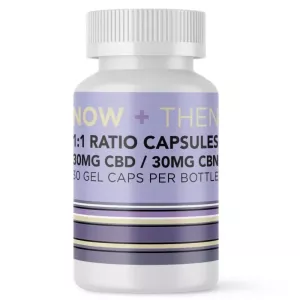
Sleep Capsules 60mg CBD : CBN x 30caps – NOW+THEN
The dream team for deep sleep. NOW+THEN's Sleep Capsules pair 30mg of CBD with 30mg of CBN in each of 30 doses — a natural, non-habit-forming nudge toward restful nights. No flavour, no fuss, just an easy capsule before bed. The dependable nightly ritual for winding the mind down and staying asleep.
- Natural Sleep Induction : CBN promotes genuine drowsiness
- Anxiety Reduction : CBD calms racing thoughts
- Deep Sleep Support : Improves sleep quality and duration
- Gentle Formula : A natural, easygoing nightly option
- Morning Clarity : Wake refreshed without grogginess

CBD CBN Sleep Vegan Dark Chocolate Bar 1000mg / 24pcs – NOW+THEN
A bedtime square worth looking forward to. NOW+THEN's CBD+CBN sleep bar pairs 27mg of CBD with 15mg of CBN in each of 24 sugar-free dark squares — calming cannabinoids in a cozy, plant-based treat. No high, no sugar, just a gentle nudge toward rest. The wind-down ritual that tastes like dessert.
- Sleep Induction : CBN promotes natural drowsiness
- Anxiety Reduction : CBD calms racing thoughts
- Sleep Quality : Improves deep sleep cycles
- No Morning Grogginess : Natural sleep, natural wake
- Sugar-Free Rest : No glucose spikes disrupting sleep
Common CBD for Sleep Questions Answered
Newcomers tend to circle back to the same handful of practical questions, so it helps to address them directly. A frequent one is whether CBD will leave you groggy in the morning. For most people at a sensible dose the answer is no, but a too-high dose or a heavy THC blend can cause a lingering haze, which is another reason to start low.
Will I build a tolerance? Tolerance to CBD appears to develop slowly if at all, and many long-term users actually find they need slightly less over time as their system rebalances. This stands in contrast to many conventional sleep aids that lose effectiveness and demand escalating doses. Periodic short breaks can keep your response sensitive if you ever feel it fading.
Another common worry is failing a drug test. Full-spectrum products contain trace THC that could, in rare cases, register on a sensitive test, so anyone subject to testing should choose broad-spectrum or isolate to be safe. Ultimately, the best CBD for sleep is the one that fits your body, your goals, and your routine, and finding it is a matter of patient, informed experimentation rather than chasing the strongest option on the shelf. Sleep well, and let the process work in your favor.




Comments