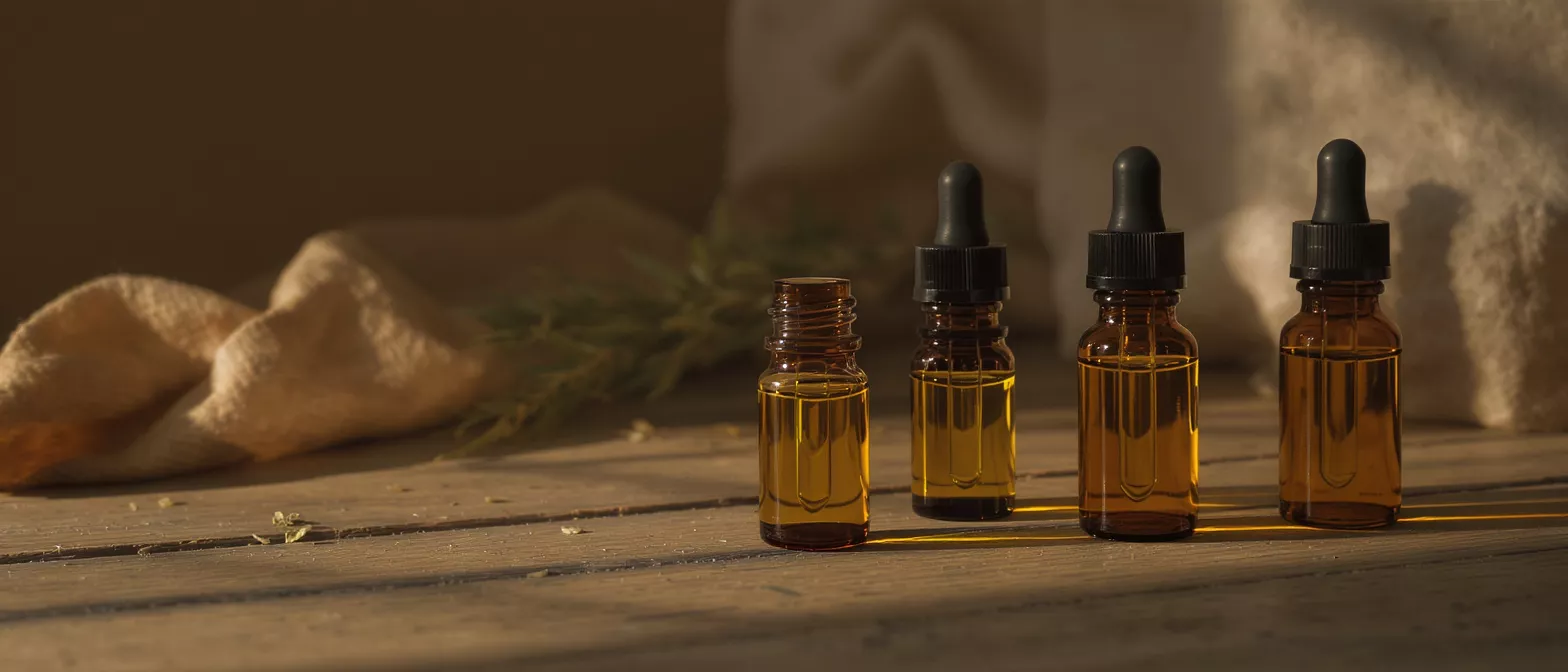
Potency levels in cannabis oils
Decode cannabis oil potency levels from mg/mL to dosing charts.
Understanding cannabis oil potency is the single most useful skill a new or experienced consumer can develop. Two bottles can look identical on a shelf, yet one might deliver a gentle, barely-there effect while the other lands with the force of a freight train. The difference lives in the numbers printed on the label — and in knowing how to interpret them. This guide breaks down what those numbers mean, how potency is measured, and how to match a product's strength to your own tolerance and goals so you never have to guess again.
What Is Cannabis Oil Potency?
Cannabis oil potency refers to the concentration of active cannabinoids — primarily THC and CBD — contained within a given volume of oil. It is usually expressed in milligrams per milliliter (mg/mL) or as a total milligram count for the whole bottle. A high-potency oil packs more cannabinoids into each drop, meaning a smaller dose produces a stronger effect. Potency is not the same as quality; a low-potency oil can be beautifully crafted and perfectly suited to someone seeking a mild experience.
Potency and effect are not perfectly linear. Your body's endocannabinoid system, your metabolism, and the presence of supporting compounds all shape how a given concentration feels. A 30 mg/mL oil will not feel exactly twice as strong as a 15 mg/mL one for every person. This is why seasoned users talk about "your number" — the dose that reliably works for your physiology rather than a figure that works universally.
It helps to think of potency as a starting reference rather than a promise. The term covers both the headline cannabinoid load and the supporting cast of minor cannabinoids and terpenes that ride along. Even a compound like theanine, found in tea and sometimes blended into wellness formulas, illustrates how a single ingredient's concentration changes the entire character of a product. Cannabis oil works the same way: the dose makes the experience.
How Cannabis Oil Potency Is Measured
Laboratory testing is the backbone of accurate potency claims. Reputable producers send batches to third-party labs that use high-performance liquid chromatography (HPLC) to separate and quantify each cannabinoid. The results appear on a certificate of analysis, or COA, which lists the exact milligrams of THC, CBD, and minor cannabinoids present. Without a COA, any potency figure on a label is essentially a marketing claim rather than a verified measurement.
The math behind the label is straightforward once you know the formula. Divide the total cannabinoid milligrams by the bottle volume to get concentration per millilitre, then divide by the number of drops or the dropper graduations to estimate a per-dose figure. A 30 mL bottle containing 900 mg of THC works out to 30 mg/mL — and if a full dropper holds roughly 1 mL, that single dropper carries 30 mg.
Independent verification matters because the cannabis market has had its share of mislabeled products. According to Everyday Health, consumers are encouraged to seek out products with transparent third-party testing precisely because self-reported potency has proven unreliable in unregulated channels. Treating a COA as non-negotiable protects both your wallet and your wellbeing.
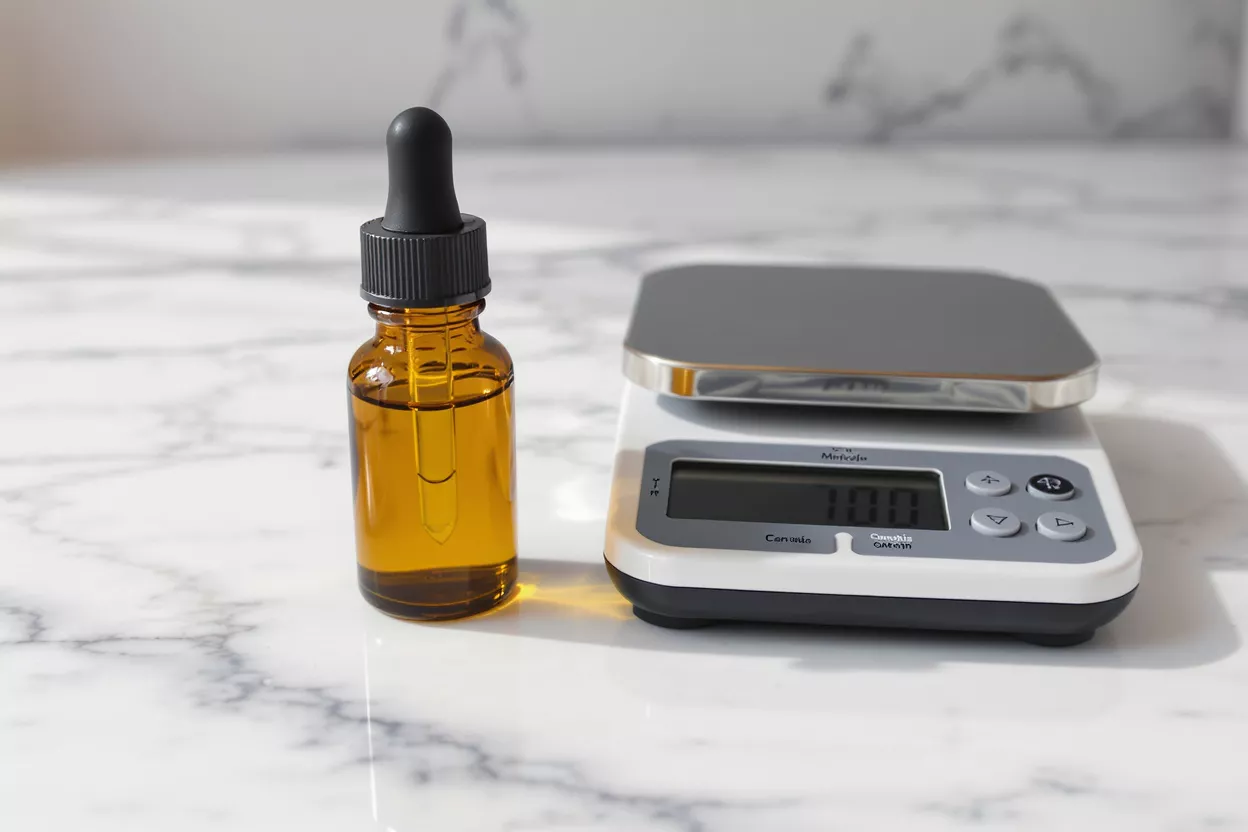
Lab reports also reveal what the marketing copy leaves out, such as residual solvents from extraction or the degree of winterization a concentrate has undergone to strip away waxes and lipids.
Types of Cannabis Oils by Potency Level
Cannabis oils span a wide spectrum, and grouping them by potency tier makes shopping far less overwhelming. At the gentle end sit microdose-friendly tinctures; at the opposite extreme are concentrated formulations that experienced users measure in fractions of a drop. Knowing roughly where a product falls helps you skip the ones that are wrong for you before you ever read the fine print.
- 🌱 Low potency (under 10 mg/mL): Ideal for first-timers and daytime use where clarity matters; effects are subtle and easy to control.
- 🌿 Moderate potency (10–30 mg/mL): The everyday middle ground for consistent relief without overwhelming intensity.
- 🔥 High potency (30–60 mg/mL): Suited to seasoned users and those managing significant discomfort or sleep issues.
- 💎 Ultra-high potency (60 mg/mL and above): Reserved for very experienced consumers; precise measurement is essential.
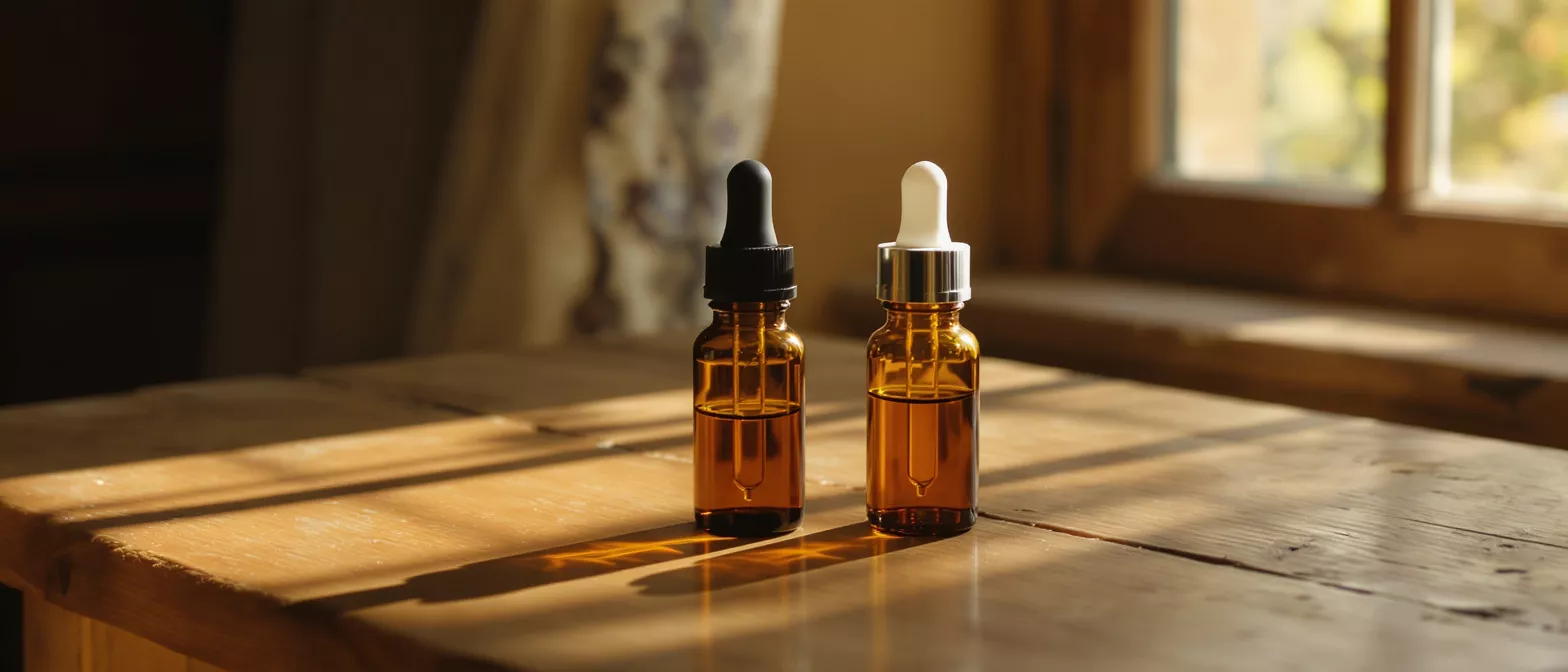
Tinctures and sublingual oils dominate the lower tiers because they are designed for measured, repeatable dosing. These products excel at letting you titrate slowly, adding a drop at a time until you find your sweet spot. For anyone easing into cannabis wellness, a low-dose CBD tincture offers the most forgiving introduction to controlled dosing.
At the upper tiers you encounter concentrates and full-extract oils that resemble products like thc shatter bar formulations in their sheer cannabinoid density. These are not casual purchases; a single graduation on the dropper can contain what an entire bottle of a mild oil delivers. Respecting that gap is the difference between a pleasant evening and an uncomfortable one.
What Affects Cannabis Oil Potency
The source flower sets the ceiling for potency. Oil extracted from premium top shelf 2025 cultivars starts with a richer cannabinoid profile than oil pressed from low-grade trim. Strains bred for high THC — including the famously intense Zaza lineage — yield concentrates that test dramatically higher than oils made from balanced or CBD-dominant plants. You cannot extract more than the starting material contains.
Extraction method is the second major lever. CO2 and ethanol extraction capture cannabinoids and terpenes with different efficiencies, and post-processing steps such as winterization, distillation, and filtration each change the final concentration. A distillate can exceed 90% cannabinoid purity, while a gently processed full-spectrum oil retains more of the plant's original ratios at a lower overall potency.
Carrier oils and added ingredients dilute the final number too. Manufacturers blend cannabinoids into MCT, hemp seed, or olive oil, and the ratio of active extract to carrier determines the per-millilitre strength. Stabilizers such as xanthan gum or flavor compounds like valencene may appear in trace amounts, but the carrier-to-extract ratio is what truly governs whether your bottle reads 5 mg/mL or 50.

Terpene content also nudges the perceived strength. Compounds carried over from the plant — and even botanically derived additions reminiscent of valerian's sedative reputation — interact with cannabinoids to shape whether an oil feels relaxing or energizing at the same milligram count.
How to Read a Cannabis Oil Label
The total cannabinoid figure is your headline number, but it can mislead. A bottle proudly advertising "1000 mg" tells you nothing useful until you check the volume. A thousand milligrams in a 100 mL bottle is mild; the same amount in a 10 mL bottle is potent. Always pair the total with the bottle size to find the true concentration.
Look next for the per-serving breakdown and the ratio of THC to CBD. A label that states 10 mg THC and 10 mg CBD per dropper behaves very differently from one listing 20 mg THC and zero CBD, even though both technically deliver 20 mg of cannabinoids. The ratio shapes the experience as much as the raw potency does.
Finally, verify that a batch number links to an accessible COA. Quality labels print a QR code or batch identifier you can cross-reference against the producer's published lab results. This habit takes ten seconds and confirms that what is printed on the bottle matches what is actually inside it.
- 📊 Total cannabinoids: The full milligram count for the entire bottle.
- 📏 Volume: Bottle size in millilitres, needed to calculate concentration.
- 💧 Per-serving dose: Milligrams delivered in one dropper or graduation.
- ⚖️ THC:CBD ratio: The balance that shapes the type of effect.
- 🔬 Batch and COA: Proof the numbers are lab-verified.
Best Cannabis Oil Potency for Beginners
Start low and go slow is more than a cliché — it is the safest route into cannabis oil. Beginners are best served by products in the 5 to 10 mg/mL range, where a single small dose produces noticeable but manageable effects. This gentle entry point lets your endocannabinoid system acclimate without the disorienting intensity that turns curious newcomers away.
A balanced THC:CBD ratio further softens the experience for first-timers. CBD tempers some of THC's sharper edges, producing a steadier, more functional effect. Many newcomers find a 1:1 oil an ideal training ground before they explore higher-THC formulations, and a balanced 1:1 wellness oil makes that learning curve far gentler.
Timing and setting matter as much as the milligram count. A relaxed evening with no obligations is the ideal proving ground — the cannabis culture concept of a slow "wake and bake" weekend morning exists precisely because low-pressure settings let you observe effects honestly. Keep a simple log of dose, time, and how you felt; within a week you will know your personal baseline.
Cannabis Oil Potency Dosing Guide
Dosing by milligrams, not by droppers, is the professional approach. A "dropper" is not a fixed unit — partial squeezes are common, and graduations vary between brands. Calculate your target milligrams first, then work out how much of the dropper delivers that amount based on the concentration you already calculated from the label.
The onset and duration of sublingual oils reward patience. Held under the tongue for sixty to ninety seconds, cannabinoids absorb through the mucous membranes and take effect within fifteen to forty-five minutes, lasting four to six hours. Swallowing the oil instead routes it through digestion, delaying onset to as long as two hours — a common reason people accidentally redose and overshoot.
If you ever take more than intended, the unpleasant feeling passes; hydration, a calm space, and time are the reliable remedies. Everyday Health and other health resources note that CBD can blunt some of THC's overwhelming effects, which is one practical reason balanced oils suit cautious users. Building a routine around consistent measurement keeps these moments rare.
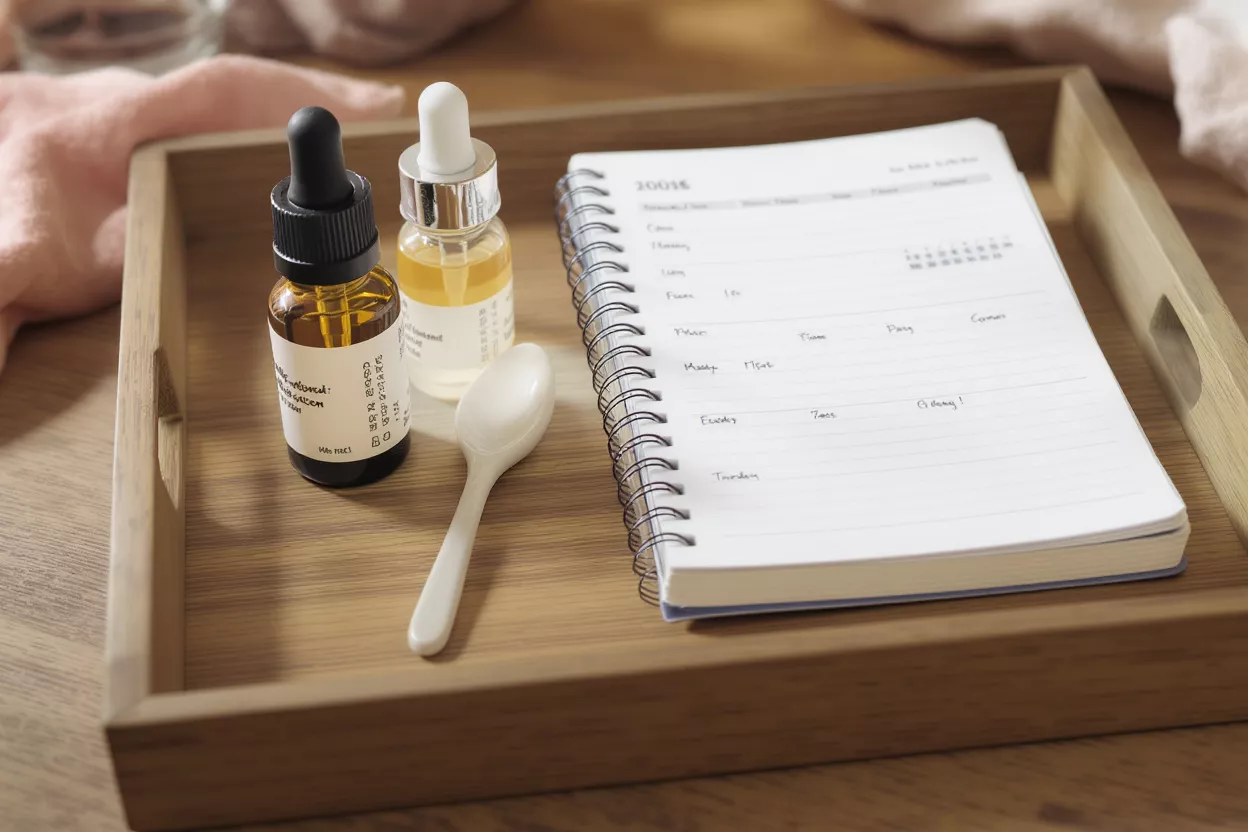
Track your titration the way you would any wellness habit — small, deliberate increases of 2 to 5 mg every few days reveal your optimal dose without unpleasant surprises.
Full Spectrum vs Isolate Potency
Full-spectrum oils retain the plant's complete chemical orchestra. Alongside THC and CBD, they carry minor cannabinoids, terpenes such as valencene, and even plant pigments like xanthophyll that survive a gentle extraction. The combined activity of these compounds — often called the entourage effect — can make a full-spectrum oil feel stronger than its raw cannabinoid number suggests.
Isolate-based oils take the opposite path, stripping everything away until only a single purified cannabinoid remains. The headline potency can be enormous and perfectly predictable, but the experience is flatter and more one-dimensional. Isolates suit consumers who need precise, repeatable dosing or who must avoid even trace THC for personal or professional reasons.
Broad-spectrum products sit between the two, removing detectable THC while keeping the supporting compounds intact. Choosing among them is less about which is "best" and more about your priorities. For consumers chasing the richest possible effect from each milligram, a full-spectrum tincture generally outperforms an isolate of equal potency on the label.
- 🌈 Full spectrum: All cannabinoids and terpenes, entourage effect, trace THC present.
- 🧪 Broad spectrum: Entourage benefits without detectable THC.
- 💠 Isolate: Single purified cannabinoid, maximum predictability, no plant compounds.
Are High-Potency Cannabis Oils Safe?
High-potency oils are safe when treated with respect and accurate measurement. Cannabis has a remarkably wide safety margin compared with many substances, and there is no known fatal overdose threshold for cannabinoids. The real risks of potent oils are uncomfortable rather than dangerous: anxiety, rapid heart rate, and disorientation that fade as the effects wear off.
The most common pitfall with strong oils is simple miscalculation. When a single drop carries 50 mg, a careless squeeze can deliver far more than intended. This is why ultra-high-potency products demand the discipline of milligram-based dosing and a steady hand — the same care you would bring to portioning anything concentrated, from a Thai stick to a finely measured edible.
Certain groups should approach potent oils with extra caution or avoid them entirely. People taking prescription medications, those who are pregnant or breastfeeding, and anyone with a history of cardiovascular or psychiatric conditions should consult a healthcare provider first. For everyone else, starting conservatively and scaling up slowly keeps even the strongest oils well within a comfortable, controlled range.
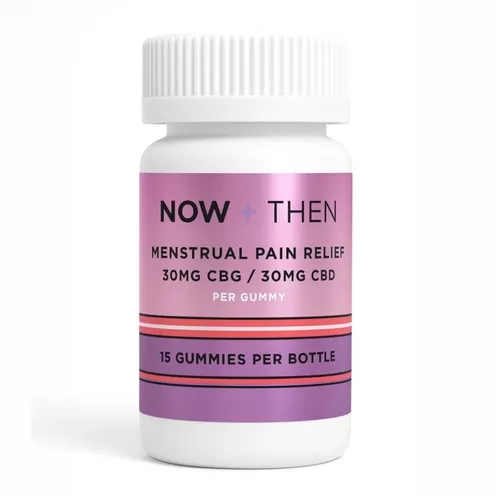

Menstrual Pain Relief Gummies 30mg CBD : CBG x 15 pcs (900mg) – NOW+THEN
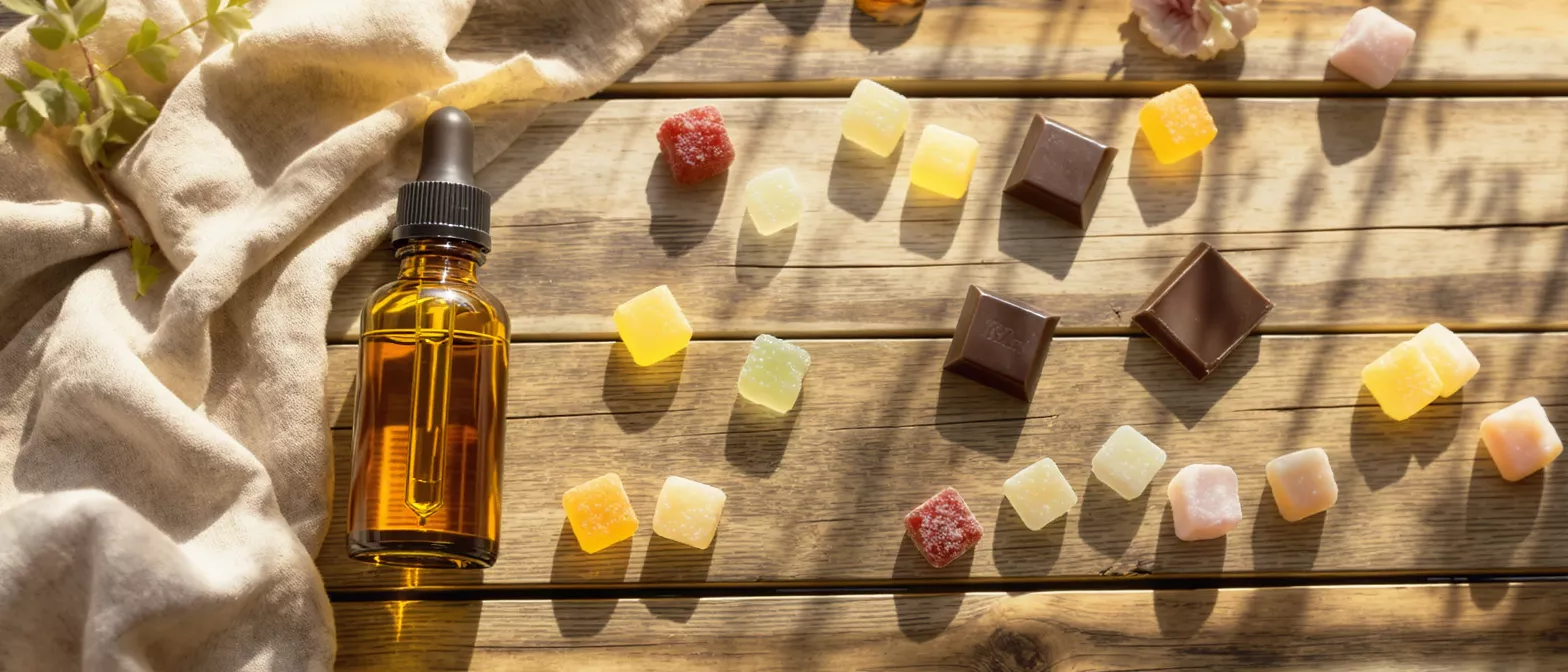
Period relief, reimagined. NOW+THEN's Menstrual gummies pair 30mg of CBD with 30mg of CBG in each tropical-flavoured piece — a dual-cannabinoid approach to the cramps and tension that come with that time of the month. No high, just steady, comforting support in a chewable you'll actually look forward to. Fifteen sweet, soothing bites for tougher days.
- Pain Receptor Modulation: CBG directly influences endocannabinoid receptors responsible for pain signaling in reproductive tissues
- Inflammatory Response Management: CBD reduces prostaglandin production that causes uterine contractions and cramping intensity
- Nervous System Regulation: Cannabinoid interaction with GABA pathways promotes relaxation and anxiety reduction
- Circulatory Enhancement: Improved blood flow reduces tissue hypoxia that contributes to menstrual pain severity
- Endocrine System Support: Natural compounds help regulate hormonal fluctuations without disrupting natural cycles
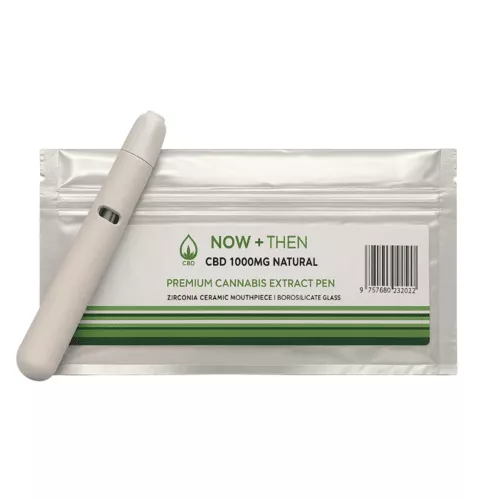
Full-spectrum CBD Vape Pen 1g – NOW+THEN
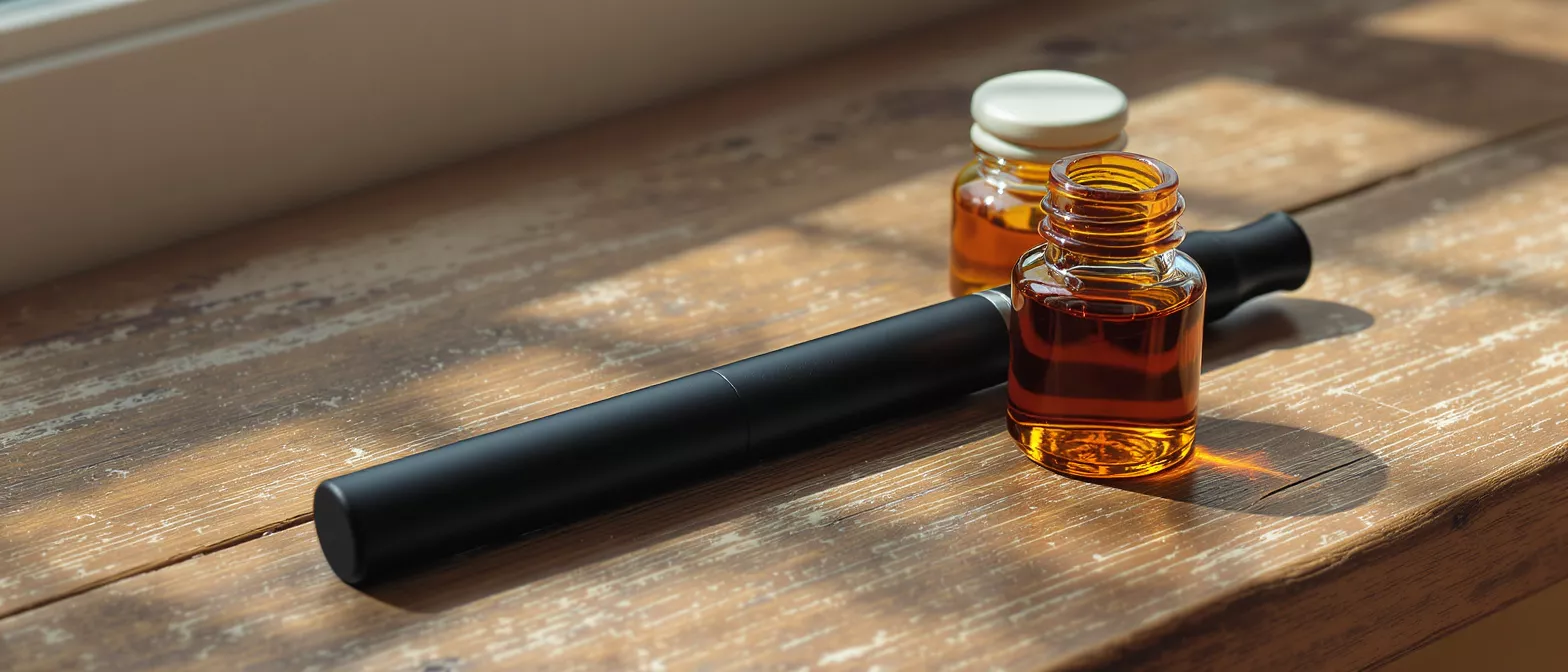
Whole-plant calm, fast. NOW+THEN's Full-Spectrum CBD pen holds a full gram of premium hemp oil in a sleek device — draw and the entourage of cannabinoids gets to work in moments, easing stress with no real high. Smooth, holistic, and effortless. The pocket-sized CBD pen for steadying anxious moments wherever you are.
- Entourage Effect Enhancement: Full-spectrum oil contains a comprehensive range of cannabinoids, terpenes, and natural compounds that work synergistically for enhanced therapeutic benefits beyond isolated CBD
- Stress Management Support: Supports natural relaxation response and daily stress management for improved emotional balance and mental clarity
- Sleep Quality Promotion: May promote restful sleep patterns and healthy recovery cycles through natural cannabinoid interaction with the endocannabinoid system
- Physical Comfort: Provides natural comfort for everyday physical discomfort, tension, and minor aches through anti-inflammatory properties
- Fast-Acting Relief: Delivers holistic plant-based wellness in a convenient, fast-acting format with effects typically felt within 2-5 minutes

Pain Gummies 60mg CBD : CBG x 15 pcs (900mg) – NOW+THEN
Dual-cannabinoid comfort, in a smaller pack. NOW+THEN's Pain gummies deliver 30mg of CBD and 30mg of CBG per piece across 15 chewables — science-backed cannabinoid synergy in a sweet, no-high format. Easy to dose, easy to enjoy. The everyday gummy for taking the edge off aches without the fuss.
- Dual Pain Relief : CBD and CBG work synergistically
- Anti-Inflammatory Power : Reduces swelling and discomfort
- Neuropathic Support : Effective for nerve-related pain
- No Psychoactive Effects : THC-free formula
- Flexible Dosing : 15 pieces for customized relief
How to Choose the Right Cannabis Oil Potency
Match the potency to your goal, not to the highest number you can find. Someone seeking daytime calm needs a very different concentration from someone managing chronic nighttime discomfort. Define what you want the oil to do first, then select a tier that delivers it without overshooting. The strongest product on the shelf is rarely the right one for a beginner.
Your tolerance is the second deciding factor, and it shifts over time. Regular users develop a higher baseline and may need stronger oils to feel the same effect, while occasional consumers stay sensitive to lower doses. Reassess your number periodically rather than assuming the concentration that worked last year still fits today.
Finally, let format guide the decision. A measured sublingual oil suits methodical dosing, while richer concentrates serve experienced users who already know their tolerance well. Whatever you choose, insist on transparent lab testing, start below where you think you need to be, and adjust upward in small steps.
Cannabis oil potency stops being intimidating the moment you understand the numbers behind it. Concentration per millilitre, the THC:CBD ratio, the extraction method, and a verifiable COA together tell you everything you need to predict how a product will feel. Whether you gravitate toward a gentle daytime tincture or a robust evening formulation, the principles stay the same: read the label, respect the dose, start low, and let your own experience refine your choice over time. Master those habits and every bottle becomes a known quantity rather than a gamble.