

Afghan Kush
Discover Afghan Kush — a pure indica landrace with deep body relaxation and rich resin.
Afghan Kush stands as one of cannabis history's true cornerstones — a pure landrace indica shaped by centuries of cultivation in the rugged terrain along the border between Afghanistan and Pakistan. For anyone exploring the deep, sedating end of the cannabis spectrum, this strain represents the genetic blueprint from which countless modern hybrids descend. Its reputation for heavy body relaxation, resinous flowers, and earthy aroma has made it a perennial favorite among both connoisseurs and patients seeking nighttime relief.
In this guide, we'll trace the lineage of Afghan Kush, examine what makes its chemistry distinct, walk through its sensory characteristics, and offer practical insight for growers and consumers alike. Whether you're new to landrace genetics or a seasoned grower hunting for stable, hardy stock, understanding this foundational strain enriches the way you appreciate everything else in the modern dispensary.
What Is Afghan Kush?
Afghan Kush is a pure indica landrace strain, meaning it developed naturally in a specific geographic region without the deliberate cross-breeding that defines most contemporary cultivars. It originated in the Hindu Kush mountain range, a harsh environment of high altitude, cold nights, and dry conditions that selected for short, sturdy plants coated in protective resin. This resin — rich in cannabinoids and terpenes — was traditionally harvested to produce some of the world's finest hashish.
Why landrace genetics matter: Landrace strains like Afghan Kush carry an unusually stable and consistent genetic profile because they have adapted to one environment over countless generations. This stability makes them invaluable to breeders, who use Afghan genetics as a backbone to introduce vigor, resin production, and reliable indica effects into new hybrids. Many of the most celebrated modern strains trace at least part of their family tree back to these Afghan roots.
The cultural legacy: Long before cannabis was commercialized in the West, communities throughout Central Asia cultivated these plants for hashish production and traditional use. Afghan Kush carries that heritage forward, and growing or consuming it connects modern users to one of the oldest continuous cannabis cultivation traditions on Earth.
Afghan Kush Genetics and Origins
The genetic story of Afghan Kush begins thousands of years ago in the foothills and valleys of the Hindu Kush. Isolated by geography and selected over time by local cultivators, the plants developed traits ideally suited to survival: a compact structure, broad leaves, rapid flowering, and dense resin coverage. These are the hallmark landrace characteristics that breeders prize today.
From mountains to global markets: When Western breeders began traveling through Central Asia in the mid-twentieth century, they collected seeds and brought them home, where Afghan genetics quickly proved their worth. The strain's short flowering time and heavy resin output made it an obvious choice for indoor cultivation and for stabilizing new crosses. According to Medical News Today, the chemical diversity found across cannabis varieties stems largely from this kind of regional adaptation and subsequent selective breeding.
Because it is a pure indica, Afghan Kush passes down its dominant traits reliably. Crossing it with a sativa or hybrid tends to pull the offspring toward shorter stature, faster flowering, and a more relaxing effect profile. This predictability is precisely why so many seed banks keep authentic Afghan lines in their permanent catalog.

Afghan Kush Appearance and Aroma
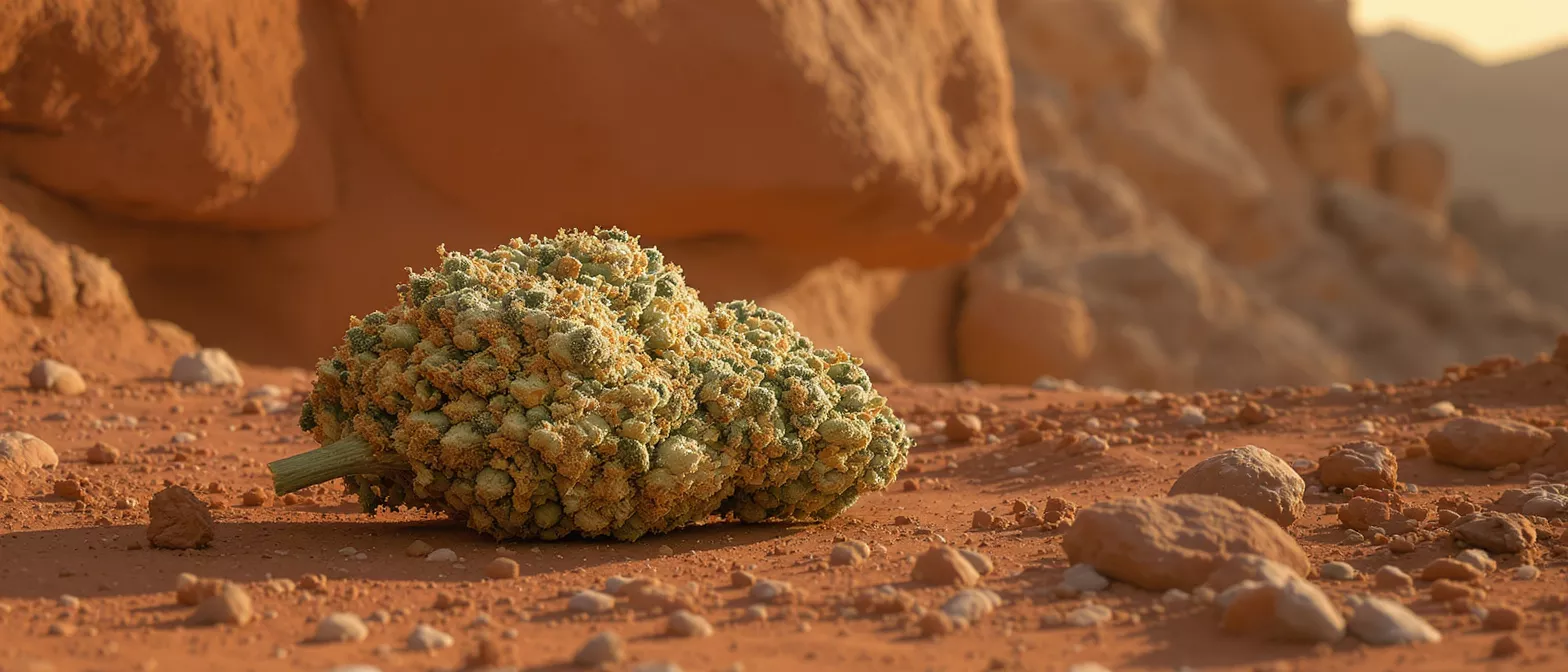
One look at a mature Afghan Kush plant and its indica heritage is unmistakable. The plants stay short and bushy, with thick stems and wide, dark green leaves. The buds themselves are dense and chunky, packed tightly together and absolutely caked in trichomes that give the flowers a frosty, almost sticky appearance. This heavy resin production is the same trait that made the region famous for hashish.
The aroma profile: Afghan Kush delivers a classic earthy, woody scent layered with notes of pine, hashish, and a subtle sweetness. When the buds are broken apart or ground, the fragrance deepens into something rich and almost incense-like — the kind of smell many longtime cannabis enthusiasts associate with old-school, pre-hybrid flower. The flavor follows suit, offering a smooth, earthy smoke with hints of spice and sweet hash on the exhale.
Color-wise, the flowers typically present in deep greens with occasional darker patches, wrapped in amber pistils and a thick blanket of crystalline trichomes. The overall impression is one of dense, resinous potency.
Afghan Kush Effects and Experience
The Afghan Kush experience is defined by deep, physical relaxation. This is a quintessential indica, and its effects land squarely in the body rather than the mind. Within minutes of consumption, users typically feel a warm, heavy sensation spreading through the limbs, melting away tension and inviting a profound sense of calm. It is not a strain built for productivity — it is built for unwinding.
Best time and setting to enjoy it: Because the effects trend strongly toward sedation, Afghan Kush is best reserved for evening or nighttime use. Many people turn to it as a wind-down ritual after a long day, or specifically to help ease into sleep. Attempting to use it during the day or before tasks that require focus is likely to leave you couch-locked and drowsy.
The mental dimension: While the high is overwhelmingly physical, there is a gentle mental component as well. Users often describe a quiet, dreamy euphoria that softens stress and worry without the racing thoughts sometimes associated with sativa-leaning strains. As the body relaxation deepens, the mind tends to follow into a peaceful, contented stillness. 😌

Afghan Kush THC and Cannabinoid Profile
Afghan Kush typically tests in the moderate-to-high range for THC, generally landing somewhere between 17% and 21% depending on the phenotype and growing conditions. This is potent enough to deliver the strain's signature heavy effects without reaching the extreme levels seen in some modern, hyper-bred cultivars. For many users, this makes it a comfortable, predictable experience rather than an overwhelming one.
Beyond THC — the role of other cannabinoids: Like many traditional landrace strains, Afghan Kush often carries a richer-than-average spread of minor cannabinoids, including measurable amounts of CBN, which is associated with sedation and may contribute to the strain's pronounced sleepy qualities. Small amounts of CBD can also appear, though it is rarely a high-CBD strain.
The interplay between these compounds — sometimes called the entourage effect — helps explain why Afghan Kush feels distinct from a pure THC extract of similar potency. The full-spectrum chemistry of the whole flower produces a rounder, more body-focused experience than the THC percentage alone would suggest.
Afghan Kush Terpene Profile
The unmistakable earthy aroma of Afghan Kush comes down to its terpene profile, which is dominated by compounds known for relaxing, sedating qualities. Understanding these terpenes helps explain not just how the strain smells, but how it makes you feel.
The most prominent terpenes typically found in Afghan Kush include:
- 🌿 Myrcene: The dominant terpene, responsible for earthy, musky notes and strongly associated with the deep body relaxation and couch-lock effect indicas are known for.
- 🌲 Pinene: Adds the subtle pine sharpness to the aroma and may help offset some of the mental fog with a touch of clarity.
- 🌶️ Caryophyllene: Brings a peppery, spicy edge and is the only terpene known to interact with the body's cannabinoid receptors directly.
- 🍋 Limonene: Present in smaller amounts, contributing a faint citrus brightness and a mild mood lift.
How terpenes shape the experience: The heavy presence of myrcene is the single biggest reason Afghan Kush leans so strongly toward sedation. Combined with the spicy depth of caryophyllene, the result is a soothing, full-bodied profile that feels every bit as relaxing as it smells. This terpene combination is the aromatic signature of classic Afghan genetics.
Growing Afghan Kush at Home
Afghan Kush is widely regarded as one of the more beginner-friendly strains to cultivate, thanks to the hardiness baked into its landrace genetics. Generations of survival in a harsh mountain climate produced a plant that tolerates stress, resists mold and pests reasonably well, and forgives the kind of minor mistakes that might doom a more delicate cultivar.
Indoor and outdoor considerations: The plant's naturally short, bushy structure makes it well suited to indoor grows where vertical space is limited. Outdoors, it thrives in warm, dry climates that echo its native environment. Its compact size also makes it a strong candidate for discreet cultivation. Flowering time is relatively quick for the category, typically finishing in around 7 to 9 weeks.
Key growing characteristics worth keeping in mind:
- 🌱 Resilience: Forgiving of beginner errors and resistant to common molds and pests, making it ideal for a first grow.
- ⏱️ Fast flowering: A short 7-to-9-week bloom cycle means a quicker harvest than many strains.
- 📏 Compact structure: Stays short and bushy, perfect for tents, small rooms, or low-profile outdoor setups.
- 💎 Heavy resin: Exceptional trichome production rewards growers interested in making hash or concentrates.
Yields are generally moderate but reliable, and the dense, resinous flowers reward proper curing with deep flavor and potency. For growers interested in making their own hash, few strains offer better raw material.
Afghan Kush Medical Uses and Benefits
The powerful relaxing properties that make Afghan Kush a favorite for recreational unwinding also make it a popular choice in the medical cannabis community. Its strong physical effects and sedating profile lend themselves to a range of therapeutic applications, particularly those involving the body rather than mental stimulation.
Common reasons people reach for Afghan Kush: Many medical users turn to this strain for help managing chronic pain, as the deep body relaxation can take the edge off persistent aches and muscle tension. Its sedating nature also makes it a frequent choice for those struggling with insomnia and difficulty staying asleep. Additionally, the calming mental effects may help ease stress and anxiety for some users when consumed in appropriate amounts.
Appetite and relaxation support: Like many indica strains, Afghan Kush can stimulate appetite, which may benefit individuals dealing with appetite loss. Research summarized by sources such as Medical News Today notes that cannabis compounds are being studied for a variety of therapeutic uses, though individual results vary considerably and consulting a healthcare provider is always wise before using cannabis medicinally.
Afghan Kush Potential Side Effects
As with any potent cannabis strain, Afghan Kush comes with a handful of potential side effects that are worth understanding before you partake. The most common are mild and manageable, but knowing what to expect helps you have a more comfortable experience.
The most frequently reported side effects include:
- 💧 Dry mouth: Often called cottonmouth, this is the most common effect and is easily managed by staying hydrated before and during use.
- 👁️ Dry eyes: A typical cannabis response that moisturizing eye drops can quickly relieve.
- 🛋️ Couch-lock: The intense body relaxation can leave you feeling heavy and disinclined to move — a feature for some, a drawback for others.
- 😵 Dizziness: More likely when consuming too much too quickly, especially for newer users.
How to minimize unwanted effects: The golden rule with a strain this potent is to start low and go slow. Taking a small amount and waiting to gauge the effects before consuming more dramatically reduces the chance of overdoing it. Given the strain's sedating nature, anxiety or paranoia are relatively uncommon compared to high-energy sativas, but moderation remains the best safeguard against any discomfort.
Most side effects fade as the high wears off and pose no lasting concern for healthy adults. That said, anyone with underlying health conditions or who is taking medication should consult a healthcare professional before adding cannabis to their routine.

Is Afghan Kush Right for You?
Afghan Kush is an excellent match for anyone seeking deep relaxation, relief from physical discomfort, or a reliable aid for restful sleep. Its pure indica heritage means you know exactly what you're getting: a heavy, body-focused experience that excels in the evening hours. If your goal is to unwind, decompress, and settle into a calm, dreamy state, few strains do it better.
It may be less ideal for those seeking an energizing, creative, or daytime experience, since the sedating effects can interfere with productivity and focus. Newcomers should also approach with respect for its potency, beginning with modest amounts until they understand how it affects them personally. For growers, meanwhile, its hardiness, fast flowering, and resin production make it one of the most rewarding strains to cultivate at home.
Ultimately, Afghan Kush has earned its enduring reputation for good reason. As both a foundational piece of cannabis history and a genuinely effective strain in its own right, it offers something for connoisseurs, patients, and growers alike. Whether you appreciate it for its legacy, its powerful relaxing effects, or its accessibility in the garden, this classic landrace remains a timeless choice worth experiencing for yourself.