

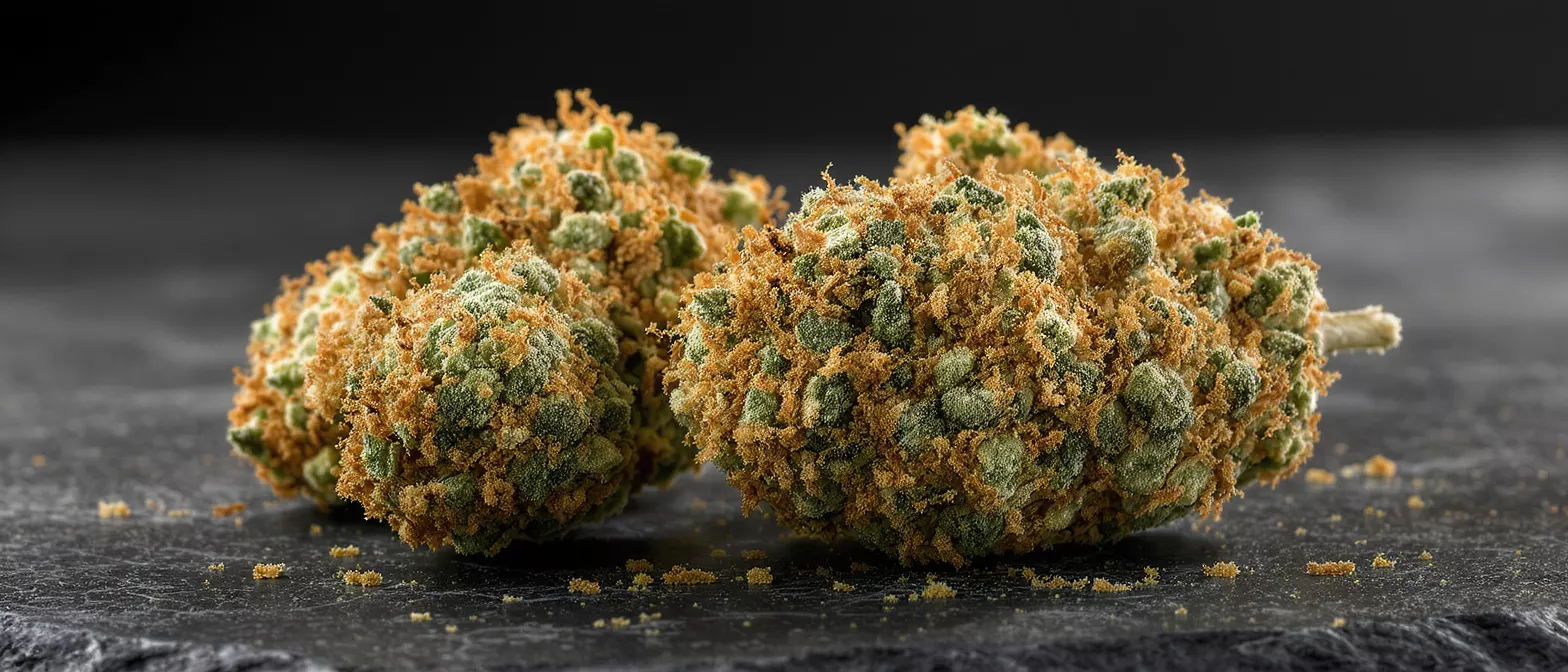
Banana Kush
Discover Banana Kush: its tropical aroma, indica-dominant effects, and growing tips.
Few strains capture the imagination of flavor-chasers quite like Banana Kush. With a name that promises a tropical dessert and a reputation for smooth, mellow relaxation, this West Coast favorite has earned a permanent spot in dispensary menus and home gardens alike. If you have ever wondered what makes Banana Kush so distinctive — from its creamy aroma to its laid-back high — this guide breaks down everything worth knowing before you light up.
Banana Kush sits in an interesting middle ground. It is widely loved by recreational users for its easygoing buzz, yet it carries enough genetic pedigree and terpene complexity to fascinate connoisseurs and cultivators. Whether you are a curious beginner or a seasoned enthusiast adding to your rotation, understanding the strain's roots and characteristics helps you set realistic expectations.
Throughout this guide we will explore the lineage, sensory profile, effects, growing tips, and practical considerations that define this strain. By the end, you will have a clear picture of whether Banana Kush belongs in your stash jar — and how to get the most out of it when it does.
What Is Banana Kush?
A hybrid leaning toward indica: Banana Kush is an indica-dominant hybrid cannabis strain, typically cited as roughly 60% indica and 40% sativa. That balance explains its signature feel — a body-forward calm that does not completely lock you to the couch. It originated on the West Coast of the United States and quickly became a staple thanks to its approachable potency and unmistakable fruit-forward flavor.
Why the name fits: The "Banana" half of the name is no marketing gimmick. The strain genuinely carries notes of ripe banana and tropical sweetness, while the "Kush" portion nods to its OG Kush heritage. That combination of dessert-like aroma and recognizable Kush structure is exactly what made the strain stand out in a crowded field.
Cannabis strains exist on a spectrum rather than in rigid categories, and Banana Kush is a textbook example of how breeders blend traits to hit a specific experience. According to the Cleveland Clinic, the effects of any cannabis product depend heavily on cannabinoid and terpene content as well as individual physiology, so the indica-versus-sativa label is best treated as a loose guide rather than a guarantee.
Banana Kush Genetics and Lineage
The parent strains: Banana Kush is generally regarded as a cross between Ghost OG and Skunk Haze, though some phenotypes trace back through other OG Kush relatives. This pairing brings together the heavy resin production and earthy backbone of the indica side with the brighter, more aromatic contributions of its Haze lineage.
The Ghost OG influence is responsible for much of the strain's calming body effect and dense bud structure, while the Skunk Haze parentage layers in the sweet, fruity overtones that distinguish Banana Kush from a generic Kush variety. Breeders selected for the banana note specifically, refining phenotypes over multiple generations until the flavor became a reliable signature rather than a happy accident.
Understanding lineage matters because it sets expectations for everything downstream — aroma, potency, growth pattern, and effect. When you see Banana Kush on a menu, that OG-meets-Skunk pedigree is a useful shorthand for what you are about to experience: a resinous, flavorful flower with relaxing tendencies.
What Does Banana Kush Smell and Taste Like?
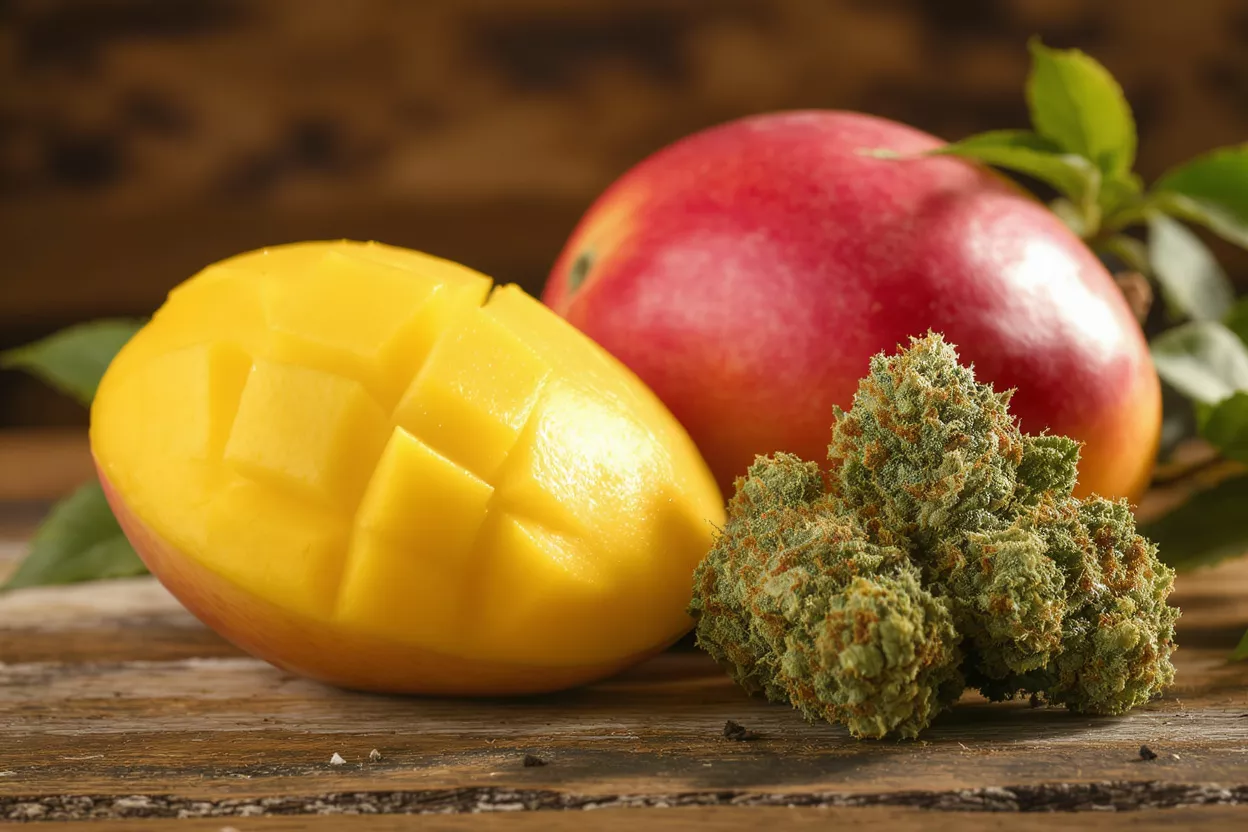
The aroma: Crack open a jar of well-cured Banana Kush and the first thing you notice is a wave of sweet, ripe banana layered over earthy Kush undertones. There is a creaminess to it that almost suggests banana bread or a tropical smoothie, softened by subtle hints of citrus and a faint skunky funk that betrays its Haze roots.
The flavor on the exhale: Taste tends to follow aroma with this strain. Expect a smooth, sweet smoke that coats the palate with banana and tropical fruit, finishing with a gentle herbal earthiness. The smoke is generally easy on the throat, which is part of why so many users describe it as a pleasant, dessert-like session rather than a harsh one.
Flavor in cannabis comes almost entirely from terpenes — the same aromatic compounds that give fruits, herbs, and flowers their scents. The reason Banana Kush tastes the way it does has nothing to do with added flavoring and everything to do with its particular terpene blend, which we will break down in detail below.
Banana Kush Effects and How They Feel
The onset: Most users report that Banana Kush comes on with a gentle cerebral lift — a wave of mild euphoria and uplifted mood that arrives before the body effects settle in. This early head buzz tends to be social and pleasant rather than overwhelming, making the strain approachable even for those who do not seek intense psychoactivity.
The body experience: As the high develops, the indica-leaning genetics take over with a relaxing, soothing body sensation. It is the kind of calm that loosens tense shoulders and quiets a racing mind without necessarily pinning you in place. Many describe it as a comfortable middle ground — relaxed but still functional in lower doses.
Commonly reported experiences with Banana Kush include the following:
- 😌 Relaxation: A mellow, full-body calm that eases tension after a long day.
- 😄 Mood lift: A light euphoric edge that many find sociable and upbeat.
- 🍴 Appetite stimulation: A notable case of the munchies is common, fitting for a dessert-flavored strain.
- 😴 Drowsiness: Higher doses tend to lean sedative, making evenings the natural fit.

Banana Kush THC and Cannabinoid Content
Typical THC range: Banana Kush usually tests somewhere between 18% and 25% THC, with most commercial batches landing in the low-to-mid twenties. That places it firmly in the moderately potent category — strong enough to satisfy experienced users, but not so overpowering that newcomers cannot enjoy a careful dose.
CBD and minor cannabinoids: Like most modern recreational strains, Banana Kush is low in CBD, typically well under 1%. The experience is therefore driven mostly by THC working in concert with the strain's terpenes — a dynamic often called the entourage effect, where compounds shape one another's impact.
Potency varies batch to batch depending on genetics, growing conditions, and curing, so the percentage printed on a label is a snapshot rather than a fixed rule. When dosing, it always pays to start low and go slow, especially with a strain that can lean sedative at the upper end of its range.
Banana Kush Terpene Profile Explained
The dominant players: Banana Kush's flavor and effects are shaped by a terpene blend usually led by myrcene, the same earthy, slightly fruity terpene found in mangoes and often associated with relaxing, sedative qualities. Myrcene's presence helps explain the strain's body-heavy, calming reputation.
Supporting notes: Alongside myrcene, Banana Kush typically features limonene, which contributes citrus brightness and mood-lifting character, and caryophyllene, a peppery terpene that adds spice and interacts uniquely with the body's endocannabinoid receptors. Together these terpenes round out the sweet banana core with depth and complexity.
The interplay of these aromatic compounds is what gives Banana Kush its signature personality. A few common terpenes you may notice include:
- 🥭 Myrcene: Earthy and musky with a tropical edge; linked to relaxation.
- 🍋 Limonene: Bright citrus aroma associated with elevated mood.
- 🌶️ Caryophyllene: Peppery and spicy, the only terpene known to bind cannabinoid receptors.
How to Grow Banana Kush
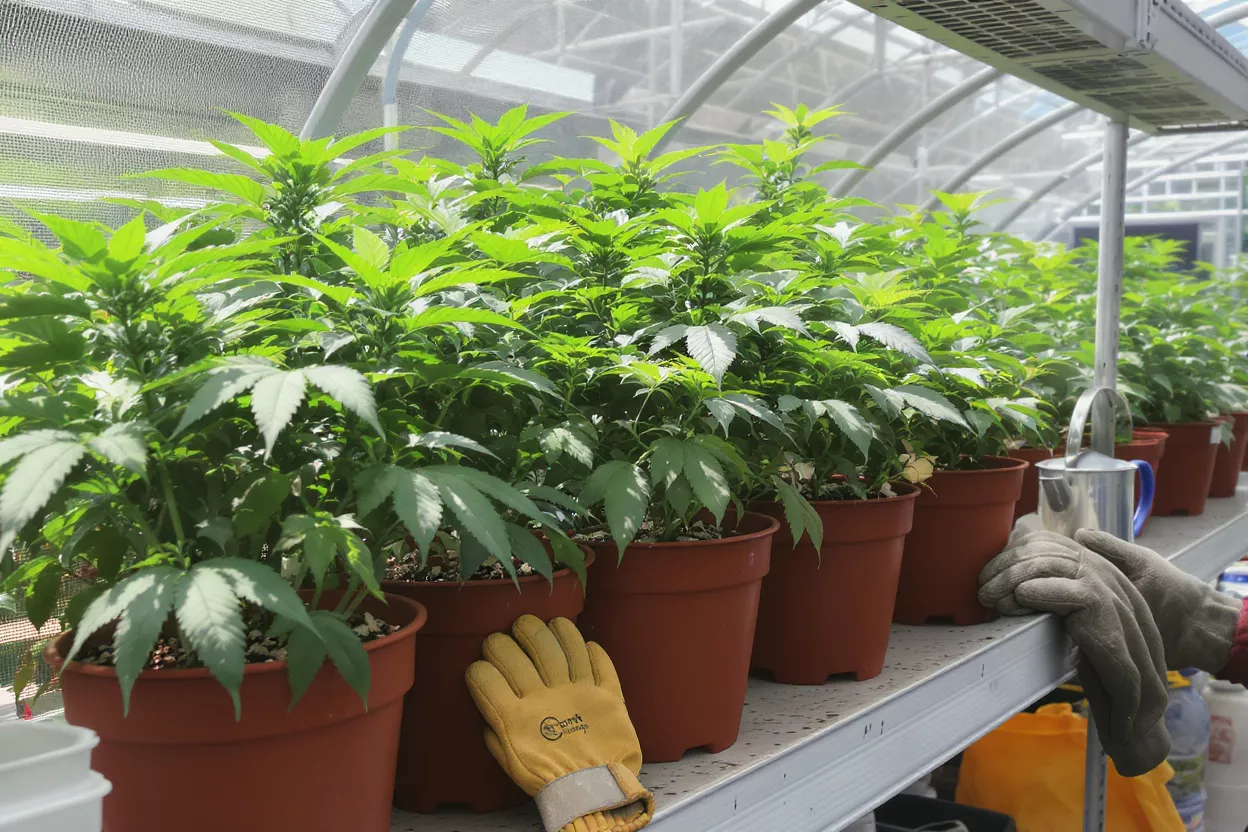
Difficulty and environment: Banana Kush is considered moderately easy to cultivate, making it a reasonable choice for growers who have a grow or two under their belt. It performs well both indoors and outdoors, though it appreciates a warm, sunny, Mediterranean-style climate when grown outside. Indoor setups give you tighter control over humidity and light, which helps preserve the strain's delicate terpene profile.
Flowering and yield: Indoor flowering time typically runs around 8 to 9 weeks, with outdoor harvests landing in early to mid October in the Northern Hemisphere. Yields are generally moderate to generous when the plant is given adequate space and nutrients, and the dense, resin-coated buds reward proper trimming and a slow cure.
Growers chasing maximum flavor should pay close attention to the curing process, since rushing it can mute the very banana notes that make the strain special. Keep these fundamentals in mind:
- 🌡️ Climate control: Aim for warm temperatures and moderate humidity to mimic its West Coast origins.
- ✂️ Pruning: Trim lower growth to improve airflow and direct energy to top colas.
- 🫙 Slow cure: A patient two-to-four-week cure protects the sweet terpene character.
Best Times to Use Banana Kush
Evening and unwinding: Because Banana Kush leans relaxing and can turn drowsy at higher doses, it shines as an evening or end-of-day strain. It is well suited to winding down after work, settling in for a movie, or easing into a restful night without the racing thoughts that a heavily sativa strain might bring.
Lower-dose daytime use: In smaller amounts, the early euphoric lift makes Banana Kush workable for low-key daytime moments — a creative session, a casual hangout, or a relaxed afternoon. The key is moderation; a little goes a long way before the sedative body effects begin to dominate.
Pairing the strain with the right activity makes a real difference. Quiet, low-stimulation settings tend to complement its mellow character better than high-energy environments where you need to stay sharp and alert for extended periods.

Are There Side Effects of Banana Kush?
The common ones: As with virtually all THC-rich cannabis, the most frequently reported side effects of Banana Kush are dry mouth and dry eyes. These are usually mild and easily managed by staying hydrated and keeping eye drops on hand. They are a nuisance rather than a serious concern for most users.
When to be cautious: At higher doses, some people experience dizziness, mild paranoia, or anxiety — outcomes more likely if you overshoot your tolerance or are particularly sensitive to THC. Starting with a small amount and waiting to gauge the effect is the simplest way to avoid an uncomfortable experience.
Responsible use also means considering your own health context. If you are pregnant, taking medications, or managing a medical condition, it is wise to consult a healthcare professional before using cannabis, since THC can interact with other substances and conditions in ways that are not always obvious.
Is Banana Kush Right for You?
Who tends to love it: Banana Kush is an excellent match for anyone who values flavor as much as effect. If you enjoy sweet, dessert-like strains and want a relaxing experience that does not completely flatten you, this hybrid hits a satisfying sweet spot. Its approachable potency makes it friendly to intermediate users while still offering enough depth to keep veterans interested.
Who might look elsewhere: If you need a sharply energizing, focus-boosting daytime strain, a heavy indica like Banana Kush may not be your first pick. Likewise, those highly sensitive to THC should approach with a measured dose, since the strain's relaxing nature can tip into sleepiness more readily than a balanced hybrid.
Ultimately, Banana Kush earns its lasting popularity by delivering a complete package: a memorable tropical flavor, a comfortable indica-leaning high, and a manageable growing profile. Whether you are exploring it for the taste, the relaxation, or the cultivation challenge, this is a strain that rewards a thoughtful, unhurried approach — start low, savor the banana-sweet smoke, and let its mellow character do the rest.