

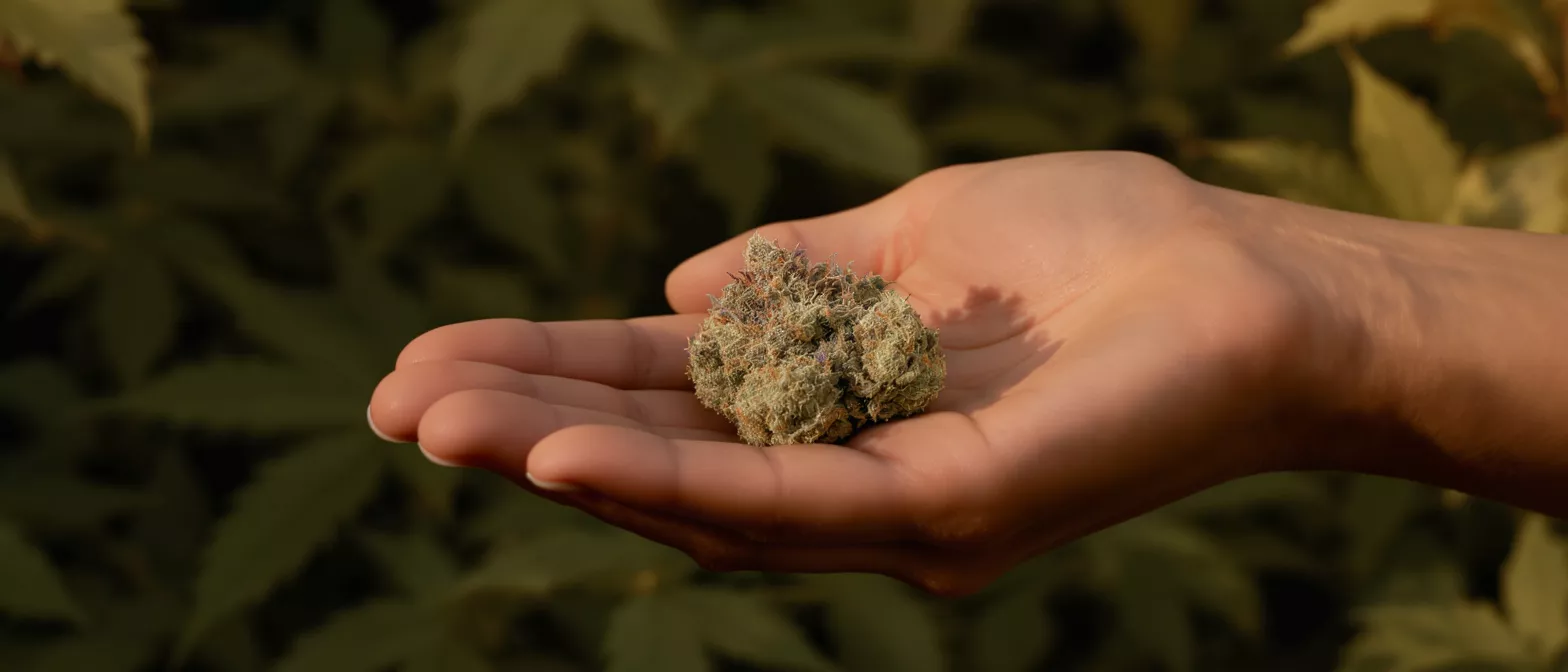
Forbidden Fruit
Discover the Forbidden Fruit strain — a fruity indica hybrid with tropical cherry flavour and deep body relaxation.
What Is the Forbidden Fruit Strain
The Forbidden Fruit strain has earned a devoted following among connoisseurs who crave a deeply relaxing, flavor-forward experience. As an indica-dominant hybrid born from two beloved fruity parents, it delivers a sensory profile that feels almost dessert-like, paired with a body-melting calm that has made it a staple in dispensary cases across the country. If you have been hearing the name whispered among cannabis enthusiasts, there is good reason for the buzz.
What sets this cultivar apart is the balance it strikes between heavy physical relaxation and a flavor experience that genuinely lives up to its tempting name. Many indica-leaning strains lean purely on sedation, but Forbidden Fruit wraps that sedation in layers of citrus, cherry, and tropical sweetness that keep even seasoned smokers coming back.
Why the name resonates: The "forbidden fruit" mythology evokes something irresistible and indulgent, and breeders chose it deliberately to capture the strain's seductive aroma. There is nothing genuinely off-limits about it, of course, but the name captures the way its tropical-cherry bouquet practically dares you to take another hit. It is marketing that, for once, actually matches the product in the jar.
Forbidden Fruit Genetics and Lineage
Forbidden Fruit is a cross between Cherry Pie and Tangie, two strains that each bring distinctive traits to the table. From Cherry Pie it inherits a sweet, slightly earthy depth and a robust resin production, while Tangie contributes the bright, almost effervescent citrus notes that brighten the whole profile. The result is a genetic blend that tastes far more complex than the sum of its parts.
The Cherry Pie influence: Cherry Pie, itself a descendant of Granddaddy Purple and Durban Poison, lends Forbidden Fruit much of its indica backbone. This is where the heavy, couch-leaning body effect originates, along with the deep purple hues that frequently streak through well-grown buds. Cherry Pie has long been prized for stress relief, and that lineage carries straight through.
The Tangie contribution: Tangie is a sativa-leaning powerhouse known for its loud tangerine aroma, descended from California Orange and a Skunk hybrid. It injects a layer of citrus brightness and a touch of cerebral lift that keeps Forbidden Fruit from feeling one-dimensionally sedating. This push-and-pull between parents is exactly what gives the strain its layered character.
- 🍒 Cherry Pie: Brings indica weight, resin density, and purple coloration.
- 🍊 Tangie: Adds bright citrus aroma and a subtle cerebral spark.
- 🌿 The hybrid result: Roughly 70% indica, with flavor complexity that outshines most fruity strains.
What Does Forbidden Fruit Smell and Taste Like
The aroma is where Forbidden Fruit truly earns its reputation. Crack open a jar and you are greeted with an immediate wave of cherry and citrus, underpinned by a darker, almost incense-like sweetness. There is a tropical, passionfruit-adjacent note that emerges as the buds warm in your hand, and it is this complexity that keeps the strain memorable long after the session ends.
On the inhale, the flavor follows the nose closely. Expect a layered tasting experience that moves from bright citrus to deep cherry, finishing with a faintly piney, woody undertone that grounds the sweetness. Unlike some fruity strains that taste flat or artificial, Forbidden Fruit carries genuine depth on the palate, which is part of why flavor-chasers gravitate toward it.
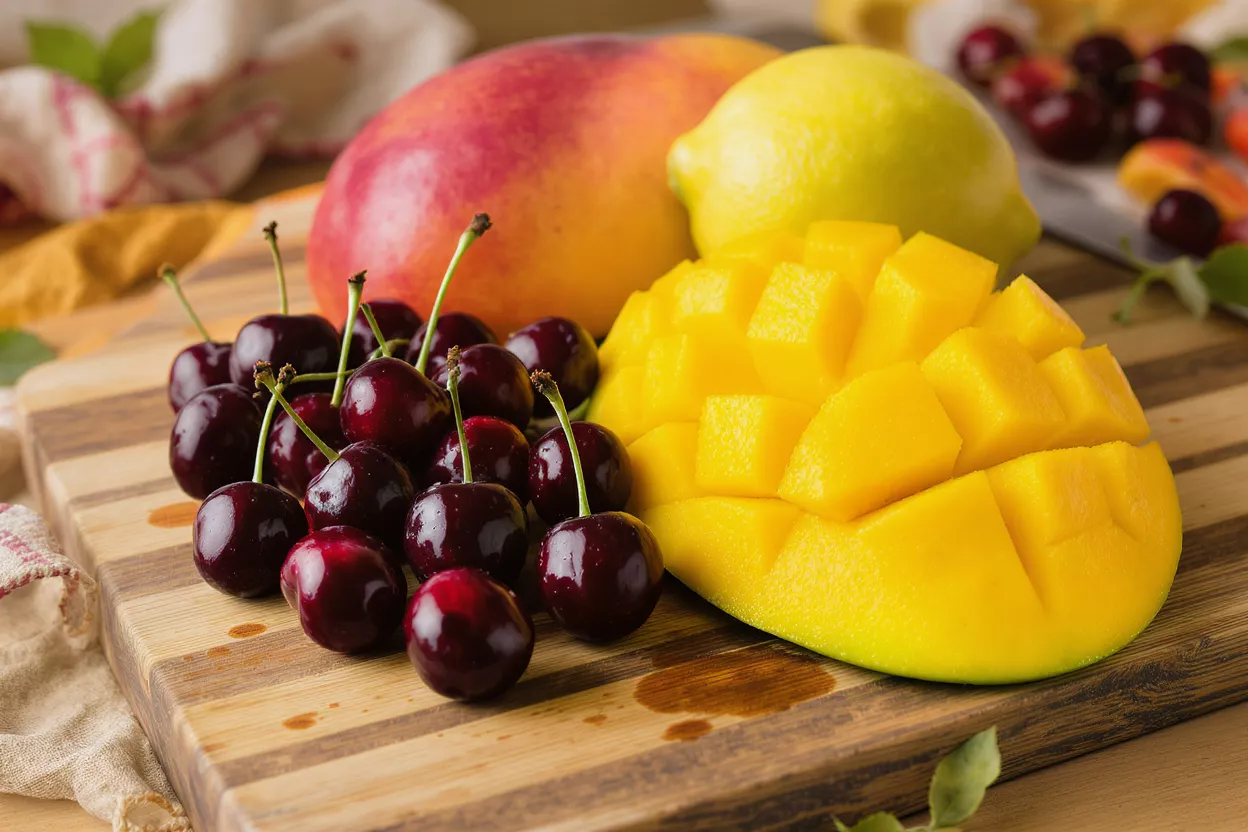
Why the flavor stands out: The interplay of terpenes here creates a profile that resists the one-note sweetness common to dessert strains. According to product testing organizations like Consumer Reports, aroma and flavor consistency vary widely between cannabis batches, so sourcing from reputable, lab-tested suppliers matters if you want the full Forbidden Fruit experience rather than a muted imitation.
Forbidden Fruit Effects and How It Makes You Feel
Forbidden Fruit is, first and foremost, a relaxation strain. The onset tends to be gentle, beginning with a mild cerebral lift that softens mental chatter before the body effects take hold. Within fifteen to twenty minutes, most users feel a warm heaviness settle across the limbs, the kind that encourages you to sink into a couch rather than tackle a to-do list.
The body high: This is a deeply physical strain. The indica dominance manifests as muscle relaxation, a release of tension across the shoulders and back, and a general sense of being pleasantly weighed down. For many, this makes Forbidden Fruit an evening-only choice, since the sedation can be too profound for productive daytime use.
The mental experience: Despite the body weight, the head space stays relatively clear and contented rather than foggy. Users often describe a euphoric, mood-lifting quality early in the experience that gradually mellows into sleepy tranquility. It is this trajectory, from gentle euphoria into deep calm, that makes the strain feel so complete.
- 😌 Relaxation: Profound full-body calm that eases tension.
- 🛋️ Sedation: A couch-locking heaviness ideal for winding down.
- 🍃 Mood lift: Early euphoria that brightens the headspace.
- 😴 Sleep aid: A natural slide toward drowsiness as effects deepen.
Forbidden Fruit THC and Cannabinoid Content
Forbidden Fruit typically tests in the range of 23% to 26% THC, placing it firmly in the high-potency category. Some well-cultivated phenotypes push even higher, which is part of why this strain commands respect even among experienced consumers. The potency is a meaningful factor in the strain's reputation for fast, heavy relaxation.
Beyond THC, Forbidden Fruit usually carries only modest CBD levels, often below 1%. This means the strain leans on THC and its terpene supporting cast for its effects rather than a balanced cannabinoid ratio. If you are specifically seeking a high-CBD experience, this is not the cultivar to chase, but for THC-forward relaxation it excels.
What potency means for dosing: Because the THC ceiling here is high, moderation is wise, especially for newcomers or those with lower tolerance. Starting with a single inhale and waiting to gauge the effect is the sensible approach. Overconsumption with a strain this potent tends to amplify the sedation into outright grogginess, so a measured pace pays off.
Forbidden Fruit Terpene Profile Explained
The signature aroma of Forbidden Fruit comes down to its terpene composition, with myrcene typically leading the charge. Myrcene is the terpene most associated with sedative, couch-lock effects, and its prominence here explains much of the strain's relaxing heaviness. It also contributes earthy, slightly fruity undertones that anchor the brighter notes.
Secondary terpenes round out the experience in important ways. Caryophyllene adds a subtle peppery spice and is unique among terpenes for interacting with the body's endocannabinoid receptors, while Limonene supplies the citrus brightness that defines the Tangie side of the lineage.
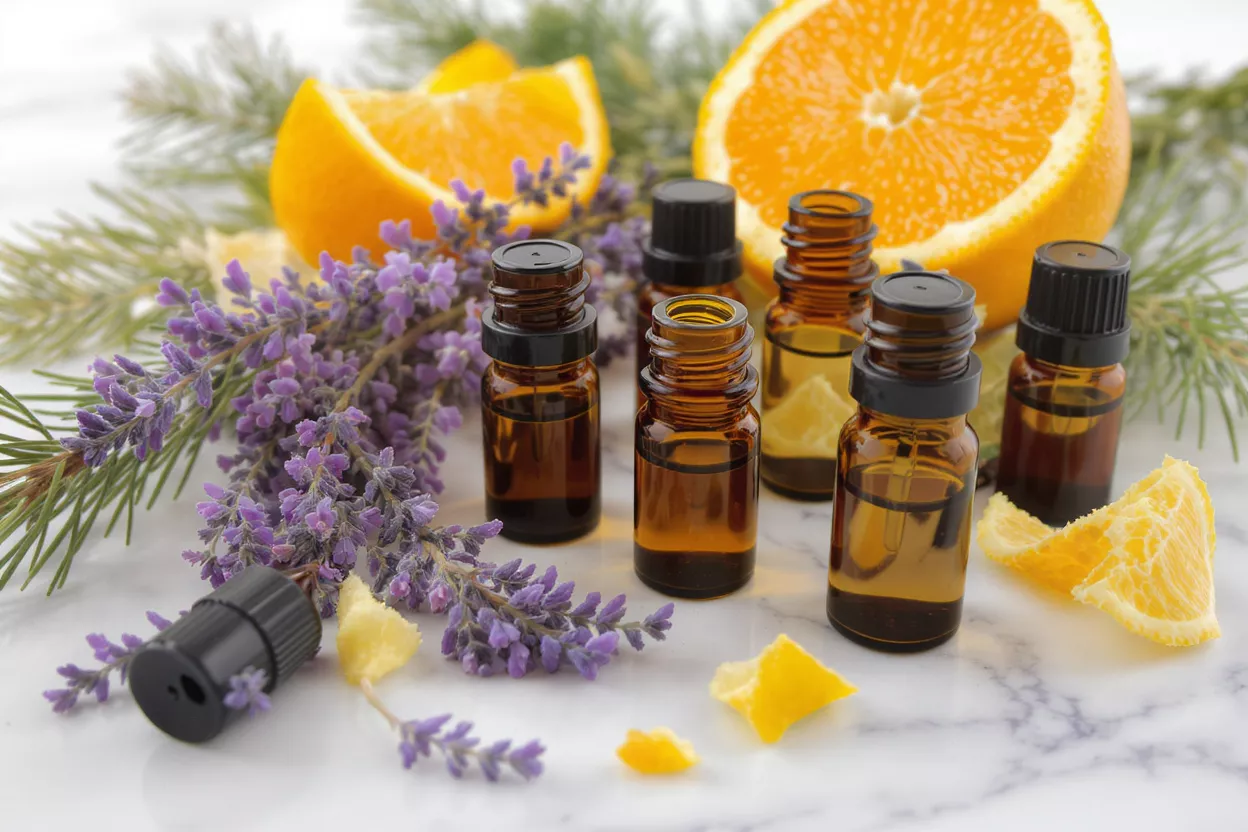
The entourage effect: These terpenes do not act in isolation. Together with the cannabinoids, they shape the strain's overall character through what researchers call the entourage effect, where compounds modulate one another's behavior. The dominance of myrcene alongside limonene is precisely why Forbidden Fruit feels both relaxing and uplifting rather than purely sedating.
- 🌿 Myrcene: Earthy, sedative, the backbone of the body high.
- 🌶️ Caryophyllene: Peppery spice with endocannabinoid interaction.
- 🍋 Limonene: Citrus brightness from the Tangie heritage.
How to Grow Forbidden Fruit at Home
Forbidden Fruit is considered a moderately challenging grow, rewarding patient cultivators with dense, resin-coated buds streaked in deep purple. The plant tends to stay relatively compact and bushy, a trait inherited from its indica-heavy genetics, which makes it well suited to indoor setups where vertical space is limited.
Indoor versus outdoor: Indoors, the strain thrives under controlled conditions with a flowering time of roughly eight to nine weeks. Outdoors, it prefers a warm, Mediterranean-style climate and is typically ready for harvest in early to mid-October. Cooler night temperatures late in flowering help coax out the vivid purple coloration that growers prize.
Maximizing resin and color: To bring out the best in Forbidden Fruit, growers often employ techniques like low-stress training to open up the canopy and improve light penetration. Maintaining moderate humidity and good airflow protects the dense buds from mold, a real risk given how tightly the flowers pack together. Attention to these details pays dividends in both yield and terpene expression.
- 🌡️ Flowering time: Roughly 8 to 9 weeks indoors.
- 🪴 Plant structure: Compact and bushy, ideal for indoor tents.
- 💜 Purple hues: Cool nights late in flowering deepen the color.
- 🍂 Outdoor harvest: Early to mid-October in warm climates.
Forbidden Fruit Medical Uses and Benefits
Many medical cannabis patients turn to Forbidden Fruit for its potent relaxing qualities. The strain's heavy body effect and mood-lifting onset make it a popular choice among those managing chronic stress and physical discomfort. While cannabis affects everyone differently, the consistent reports of deep relaxation point to clear patterns in how this cultivar is used.
Stress and mood support: The early euphoric lift can provide temporary relief from the weight of a stressful day, helping to quiet a racing mind before the sedative effects deepen. Patients dealing with everyday tension frequently cite this gentle mood elevation as one of the strain's most valuable traits.
Sleep and physical discomfort: As the experience progresses toward drowsiness, Forbidden Fruit becomes a natural ally for those who struggle to fall asleep. The accompanying muscle relaxation also makes it a candidate for easing minor aches and tension. These applications should complement, not replace, guidance from a qualified healthcare provider familiar with your situation.
Best Time of Day to Use Forbidden Fruit
Given its indica dominance and sedating profile, Forbidden Fruit is unmistakably an evening and nighttime strain. Using it earlier in the day risks an afternoon that dissolves into couch-bound lethargy, which is rarely what most people have in mind before sundown. Save this one for when your obligations are behind you.

The ideal wind-down window: The sweet spot is the hour or two before bed, when the strain's trajectory from mellow euphoria into deep calm aligns perfectly with the body's natural slide toward sleep. A small amount paired with a quiet evening routine can transform a restless night into a restful one.
Weekend versus weeknight: If you are newer to high-potency strains, a relaxed weekend evening offers a low-pressure window to learn how Forbidden Fruit affects you without the worry of an early alarm. Once you understand your tolerance, fitting it into a weeknight routine becomes far easier and more predictable.
Is Forbidden Fruit Right for You
Forbidden Fruit shines for anyone seeking a flavorful, deeply relaxing strain to close out the day. If you value a rich tasting experience as much as the effects themselves, and you want something that reliably eases you toward rest, this cultivar deserves a place on your shortlist. Its blend of indulgent flavor and heavy calm is hard to match.
Who should approach with care: Those with low THC tolerance, a tendency toward anxiety from potent strains, or a need for daytime functionality should approach thoughtfully or look toward lighter, more balanced options. The potency that makes Forbidden Fruit so effective for relaxation can be overwhelming if you are not prepared for it.
Ultimately, Forbidden Fruit has earned its loyal following honestly, delivering on the promise of its tempting name with a genuinely complex flavor and a reliable, full-bodied calm. Whether you are a flavor connoisseur, an evening relaxation seeker, or simply curious about one of the more talked-about fruity indicas, it offers an experience worth savoring. Approach it with respect for its potency, and it will reward you with some of the most satisfying downtime cannabis has to offer.