

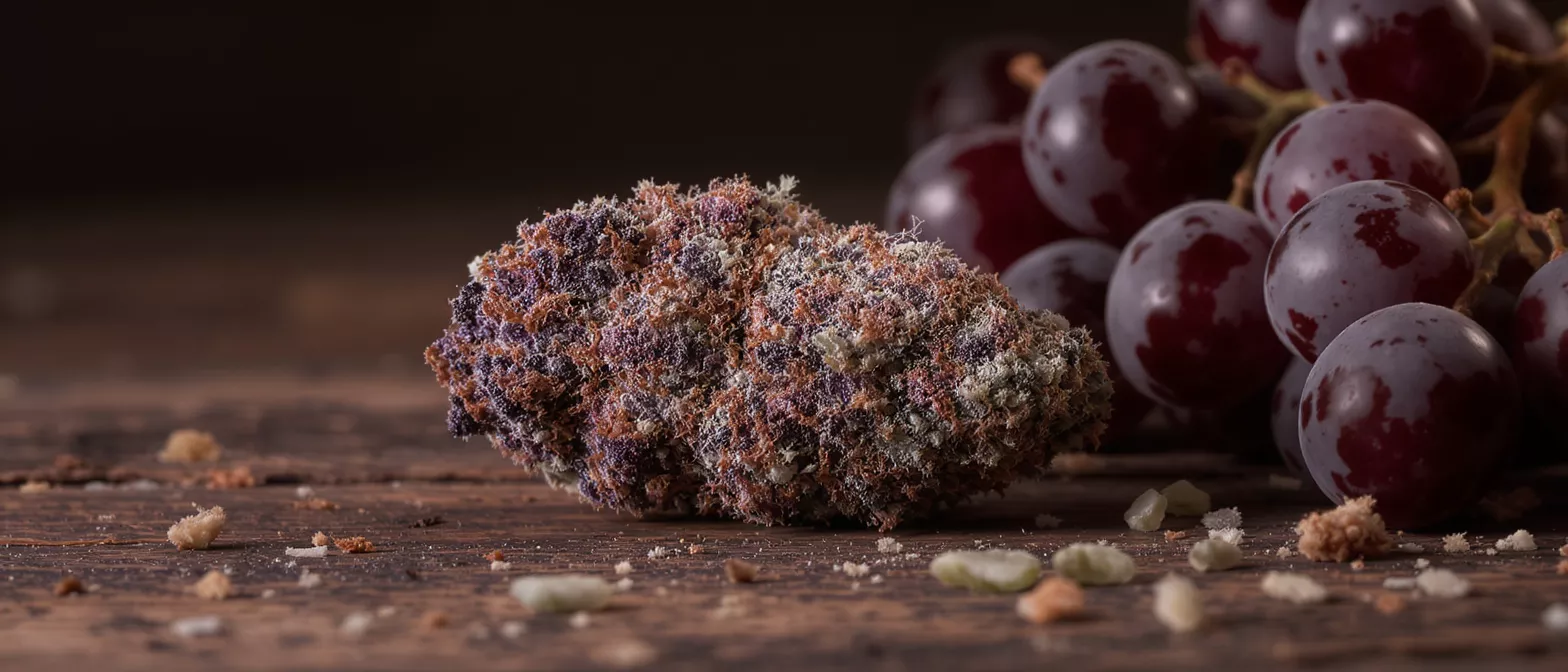
Grape Ape
Discover the Grape Ape strain: sweet grape aroma, purple buds, and deep body relaxation.
Few cannabis cultivars carry a name as evocative as Grape Ape, and the strain lives up to its billing. Named for its unmistakable grape-candy aroma and the dense, oversized buds that hang heavy on the plant, Grape Ape has earned a loyal following among those who chase deep physical relaxation. This indica-dominant classic has been a dispensary mainstay for years, prized for the way it melts tension from the body while leaving the mind pleasantly hazy. Whether you are a longtime connoisseur or simply curious about what makes this purple-tinged strain so memorable, this guide breaks down everything from its genetics to its terpene chemistry.
Understanding a strain like Grape Ape means looking past the catchy name and into the details that actually shape the experience. The aroma, the cannabinoid ratios, the growing characteristics, and the reported effects all combine to create a profile that feels distinct even in a crowded field of fruity indicas. Below, we explore each of these dimensions in depth so you can decide whether Grape Ape belongs in your rotation.
What Is the Grape Ape Strain
Grape Ape is a heavily indica-dominant cannabis strain celebrated for its sweet grape aroma, deep purple foliage, and powerfully sedating effects. It belongs to the family of indica cultivars that prioritize body relaxation over cerebral stimulation, making it a go-to choice for unwinding after a long day. The strain first gained traction in dispensaries on the West Coast and quickly spread thanks to its reliable, easy-to-identify character.
Why the name Grape Ape: The "Grape" half is obvious the moment you open a jar, with a fragrance reminiscent of grape soda and fresh berries. The "Ape" portion nods to the plant's hefty, broad-shouldered structure and the chunky density of its flowers. Together the name paints an accurate picture of a strain that is both flavorful and physically imposing.
Grape Ape occupies a comfortable middle ground for cannabis users who want noticeable relaxation without an overwhelming psychedelic edge. Its effects tend to be predictable, which is part of why it has remained popular across generations of growers and consumers. According to Consumer Reports, consistency and transparency in cannabis products matter increasingly to buyers, and Grape Ape's well-documented profile gives newcomers a dependable starting point.
Grape Ape Genetics and Lineage
The genetic backbone of Grape Ape is a cross that blends several iconic cultivars to produce its signature look and feel. It is generally credited as a hybrid of Mendocino Purps, Skunk, and an Afghani landrace. Each parent contributes something essential: Mendocino Purps lends the purple coloration and grape notes, Skunk adds pungency and vigor, and the Afghani heritage delivers the dense, resinous, deeply relaxing indica foundation.
The role of Afghani genetics: Afghani landrace strains are among the oldest cultivated cannabis varieties, originating in the mountainous regions of Central Asia. They are renowned for heavy resin production and short, sturdy growth habits suited to harsh climates. In Grape Ape, this lineage is responsible for the strain's couch-locking body effects and its thick coating of trichomes.
The deep purple hues that give Grape Ape part of its name come largely from anthocyanin pigments, which express more vividly when plants experience cooler nighttime temperatures during flowering. This trait, inherited from the Mendocino Purps side, makes Grape Ape one of the more visually striking strains in any garden.
Grape Ape Aroma and Flavor Profile
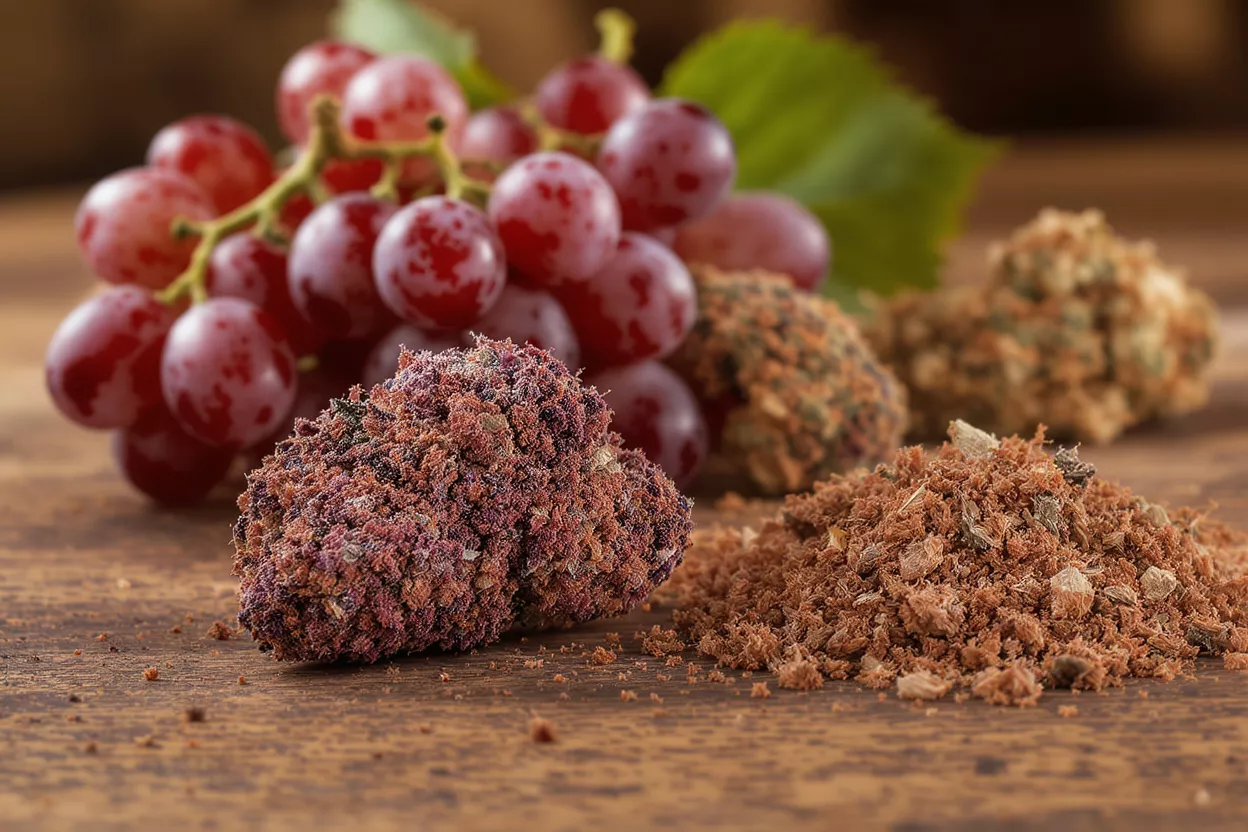
The aroma of Grape Ape is its calling card. Crack open a container and you are met with a wave of sweet grape candy, layered over earthy and slightly skunky undertones. It is one of the few strains that genuinely smells like its namesake fruit, a quality that has made it beloved among flavor chasers who prize a distinctive nose.
What Grape Ape tastes like: On the inhale, expect sugary berry and grape notes that coat the palate, followed by a smooth, earthy finish reminiscent of its Afghani roots. The smoke is typically soft and easy, lacking the harsh bite of some high-resin strains. Many users describe a lingering sweetness on the exhale that makes repeat sessions tempting.
The flavor experience is shaped heavily by the strain's terpenes, which we explore in detail later. Proper curing makes an enormous difference here; a well-cured batch of Grape Ape preserves the volatile compounds responsible for that grape-soda fragrance, while a rushed dry can flatten the profile into something generic.
Grape Ape Effects and How It Feels
Grape Ape delivers a quintessential indica experience, beginning with a gentle wave of mental ease that gradually settles into deep physical relaxation. The onset is rarely jarring; instead, a calm contentment spreads through the body, loosening tight muscles and quieting a busy mind. As the effects deepen, many users find themselves sinking comfortably into the nearest soft surface.
The following effects are most commonly reported by Grape Ape users:
- 😌 Deep relaxation: A heavy, full-body calm that makes it ideal for evening use.
- 😴 Sedation: Stronger doses often lead to drowsiness, making this a popular nightcap strain.
- 🍃 Mood lift: An early, mild euphoria that softens stress before the body effects take over.
- 🛋️ Couch-lock: At higher amounts, expect to be firmly anchored in place for a while.
Who Grape Ape suits best: Because of its sedating nature, Grape Ape is best matched to people seeking a wind-down strain rather than a daytime productivity aid. It pairs naturally with quiet evenings, a comfortable couch, and minimal obligations. Those new to cannabis should start with a small amount, as the body-heavy effects can sneak up quickly.

Grape Ape THC and Cannabinoid Content
Grape Ape typically tests in the moderate-to-high range for THC, generally landing somewhere between 18% and 23% depending on the phenotype and growing conditions. This places it comfortably in potent-but-not-extreme territory, strong enough to satisfy experienced users yet approachable for those building tolerance gradually.
Understanding the cannabinoid balance: While THC dominates the profile, Grape Ape usually carries only trace amounts of CBD, often well under 1%. This low-CBD, high-THC ratio reinforces the strain's psychoactive, sedating character. The relaxing body effects come less from CBD and more from the interplay between THC and the strain's terpene content, a phenomenon often described as the entourage effect.
It is worth remembering that potency figures vary batch to batch. The same genetics grown by two different cultivators can produce noticeably different lab results, so always check the certificate of analysis when one is available. A higher THC number does not automatically mean a better experience; the overall chemical profile matters far more than a single percentage.
Grape Ape Terpenes Explained
Terpenes are the aromatic compounds responsible for Grape Ape's signature scent and a good portion of its effects. The dominant terpene in most Grape Ape samples is myrcene, an earthy, musky compound also found in mangoes and hops that is strongly associated with sedation and muscle relaxation.
The most prominent terpenes in Grape Ape include:
- 🍇 Myrcene: Earthy and musky, linked to the heavy, relaxing body effects.
- 🌶️ Caryophyllene: Peppery and spicy, the only terpene known to interact with cannabinoid receptors.
- 🌲 Pinene: A bright, pine-forward note that can lend subtle mental clarity.
- 🌸 Linalool: Floral and lavender-like, often associated with calming, soothing qualities.
How terpenes shape the experience: The combination of myrcene-driven sedation and the soothing presence of linalool helps explain why Grape Ape leans so heavily toward relaxation. Caryophyllene adds a peppery depth and may contribute to the strain's comforting body feel, while small amounts of pinene keep the experience from feeling entirely foggy. This terpene synergy is what separates Grape Ape from generic high-THC indicas.
How to Grow Grape Ape at Home
Grape Ape is a rewarding strain for home cultivators, thanks largely to its sturdy Afghani-influenced structure. The plants stay relatively short and bushy, making them well suited to indoor grows and discreet outdoor setups. Its compact stature and dense bud structure mean growers can pull substantial yields from a modest footprint.
Flowering time and yield: Grape Ape typically finishes its flowering cycle in about 7 to 8 weeks indoors, with harvest arriving in early to mid October for outdoor plants in the Northern Hemisphere. Indoor yields are generous for the plant size, and outdoor growers in suitable climates can expect even heavier returns from healthy, well-fed plants.
To coax out the deep purple coloration the strain is famous for, growers often introduce cooler nighttime temperatures during the final weeks of flowering. This temperature drop encourages anthocyanin expression in the leaves and buds. Beyond aesthetics, careful attention to humidity is essential, because the dense flowers can be susceptible to mold if airflow is poor. Some growing considerations worth keeping in mind:
- 🌡️ Climate control: Cooler nights deepen purple hues; consistent humidity control prevents bud rot.
- ✂️ Pruning: Defoliating dense canopies improves airflow and light penetration.
- 🪴 Difficulty: Generally considered beginner-friendly due to its resilient, compact growth.
Grape Ape Medical Uses and Wellness Appeal
Many people turn to Grape Ape for reasons that extend beyond recreation. Its heavy relaxing properties make it a frequent choice among those seeking relief from physical tension, restlessness, and the kind of stress that accumulates by the end of a demanding day. The strain's reliable, predictable nature is part of what makes it appealing for wellness-minded users.
Commonly cited wellness applications: Grape Ape is often associated with helping users manage everyday stress, ease muscle tightness, and settle in for restful sleep. Its sedating quality makes it a popular evening companion for people who struggle to quiet a racing mind at night. Some also reach for it to encourage appetite, a classic property of indica-leaning strains.
It bears emphasizing that cannabis affects everyone differently, and Grape Ape is no substitute for professional medical care. Anyone considering it for a specific health concern should consult a qualified healthcare provider, especially if they take other medications. Responsible use means starting low, going slow, and paying attention to how your own body responds rather than relying solely on anecdotal reports.

Best Time of Day to Use Grape Ape
Timing matters more with Grape Ape than with many balanced hybrids, precisely because its effects lean so firmly toward relaxation and sedation. This is not a strain built for morning motivation or midday focus; instead, it shines once the day's responsibilities are behind you and you can fully embrace the downtime.
Evening and nighttime use: The most natural window for Grape Ape is the hours leading up to bedtime. Its body-heavy character and tendency toward drowsiness make it an excellent nightcap, helping ease the transition from a busy day into restful sleep. Pair it with a quiet activity like reading, music, or a film rather than anything demanding.
If you do choose to enjoy Grape Ape earlier in the day, keep the dose modest and clear your schedule of anything that requires sharp focus or physical exertion. Driving or operating machinery is never appropriate after consuming a sedating strain like this one. Knowing your own tolerance and respecting the strain's intensity will keep the experience enjoyable rather than overwhelming.
Is Grape Ape Right for You
Grape Ape earns its enduring popularity through a rare combination of standout flavor, striking appearance, and dependable, deeply relaxing effects. It is a strain that delivers exactly what it promises: a sweet grape aroma wrapped around a powerful indica body experience. For anyone seeking a reliable way to unwind, melt away physical tension, or ease into a good night's sleep, it remains one of the most satisfying choices available.
That said, Grape Ape is not for everyone or every occasion. Its sedating nature makes it poorly suited to daytime productivity, and newcomers should approach its potency with respect. The best way to know whether it fits your needs is to start with a small amount, pay attention to how it interacts with your body and schedule, and adjust from there.
Ultimately, Grape Ape stands as a benchmark for what a classic fruity indica should be. Its blend of approachable flavor, beginner-friendly cultivation, and consistent relaxing effects has cemented its place in the cannabis canon. Whether you grow it yourself or pick it up from a trusted source, Grape Ape offers a memorable, comforting experience that has stood the test of time.