


Afghan Widow
Explore the Afghan Widow strain — a resin-rich indica hybrid with deep relaxation and frosty trichomes.
The Afghan Widow strain is one of those rare hybrids that manages to honor two legendary parents while carving out a personality entirely its own. Born from the union of a heavyweight Afghani indica and the world-famous White Widow, this cultivar delivers the kind of deep, resin-soaked relaxation that landrace purists adore, wrapped in the frosty, sparkling trichome coverage that made its other parent a household name. For anyone who has spent time exploring cannabis genetics, the Afghan Widow strain represents a meeting point between old-world heritage and modern hybrid refinement.
Whether you are a seasoned connoisseur or someone just beginning to map out which cultivars suit your evenings, understanding what makes this strain tick can transform a casual session into an informed, intentional experience. In this guide we will walk through everything from its genetic roots and chemical makeup to its effects, growing requirements, and how it stacks up against close relatives.
What Is the Afghan Widow Strain
The Afghan Widow strain is an indica-dominant hybrid that leans heavily toward physical relaxation while retaining a gentle cerebral lift inherited from its sativa-influenced parentage. Most phenotypes settle around an 70/30 indica-to-sativa ratio, which places it firmly in the camp of evening and nighttime cultivars. The name itself is a transparent nod to its lineage, combining the rugged Afghani heritage with the celebrated White Widow.
Why this strain earned its reputation: The appeal comes down to balance. Pure Afghani strains can feel almost sedating to the point of immobility, while White Widow alone tends to be more energizing and heady. The Afghan Widow strain blends these extremes into something more rounded, offering body-heavy comfort without completely erasing mental clarity. That middle ground is precisely why it has earned a loyal following among indica lovers who still want to function.
For newcomers, it helps to think of this cultivar as a gateway into the world of classic hashplant genetics. Its effects are forgiving enough to enjoy without being overwhelmed, yet authentic enough to showcase what makes Afghani-derived strains so prized across decades of cannabis cultivation.
Afghan Widow Genetics and Lineage
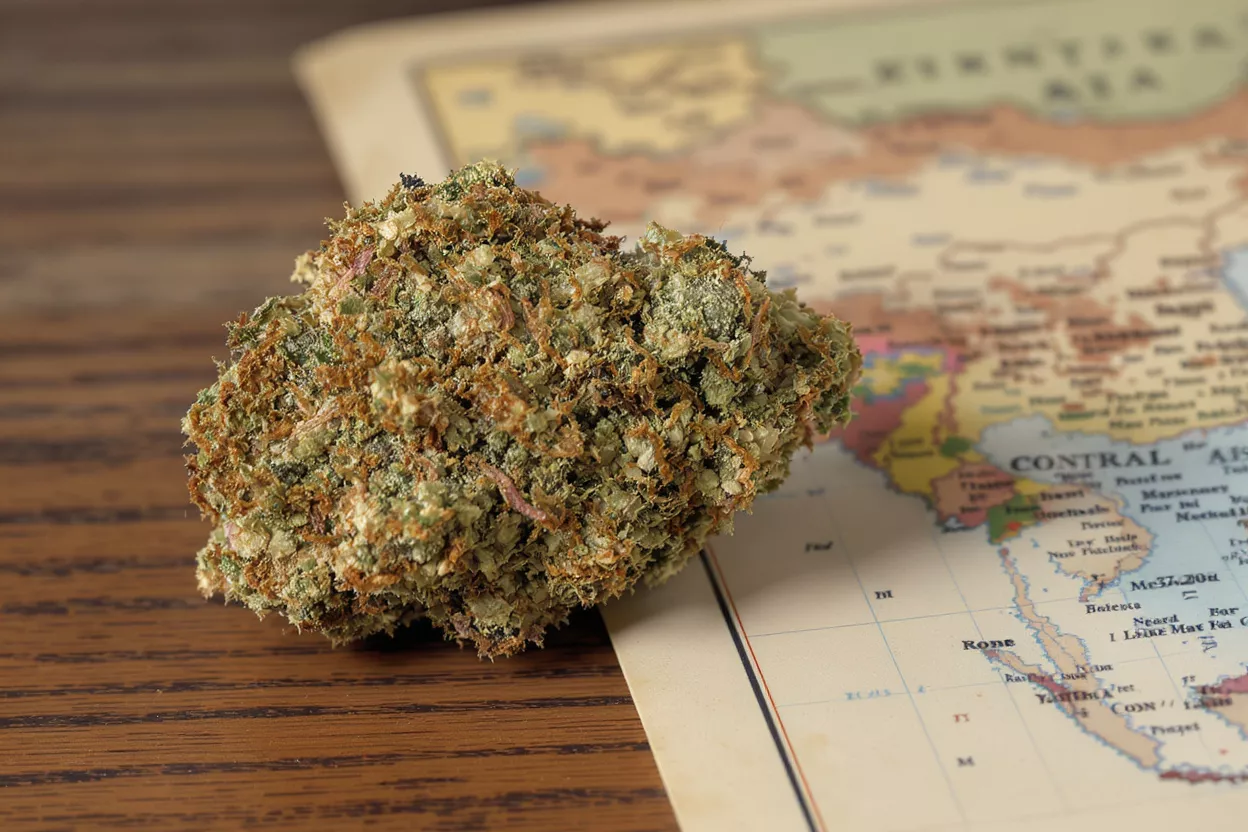
To truly appreciate the Afghan Widow strain, you have to understand the two pillars holding it up. The first is pure Afghani, a landrace indica originating from the Hindu Kush mountain range. These plants evolved over centuries in a harsh, high-altitude environment, developing thick resin coats and compact, sturdy structures as survival mechanisms. That resin production is exactly what made Afghani genetics the backbone of traditional hashish.
The White Widow contribution: The other half of the equation is White Widow, a Dutch-bred hybrid that took the cannabis world by storm in the 1990s. White Widow itself crosses a Brazilian sativa with a South Indian indica, producing a plant famous for its blinding trichome coverage and balanced, uplifting high. When breeders crossed it with Afghani, they fused that trichome-heavy frost with deep landrace stability.
The result is a strain that inherits the best traits of both worlds: the structural resilience and resin output of its Afghani side, plus the sparkle and cerebral nuance of its White Widow lineage. According to the Cleveland Clinic, the specific combination of compounds in any given cannabis cultivar shapes how it interacts with the body, which is why lineage matters so much when predicting effects.
Afghan Widow Effects and Experience
The experience of the Afghan Widow strain typically begins with a subtle wave of mental upliftment, a brief moment of brightness before the body sensations take center stage. Within minutes, users often report a warming, tingling relaxation that starts in the temples and slowly cascades down through the shoulders and limbs. It is the kind of unwinding that makes you want to sink into the nearest couch.
What the body high feels like: As the indica dominance asserts itself, the physical effects deepen into a heavy, comforting sedation. Muscles loosen, tension dissolves, and many people describe a pleasant numbness that takes the edge off aches and stress. This is not a frantic or racing high; it is slow, deliberate, and grounding.
Mentally, the strain tends to quiet the mental chatter that keeps people awake at night. While the initial cerebral lift can spark a moment of relaxed conversation or creative musing, the trajectory ultimately bends toward stillness and ease. Here is a quick snapshot of what most users can expect:
- 😌 Onset: Gentle cerebral lift within a few minutes of consumption
- 🛋️ Body: Deep, warming relaxation that settles into full-body heaviness
- 🌙 Mood: Calm, content, and increasingly drowsy as the session continues
- 💤 Best for: Late-evening wind-down and pre-sleep routines
Afghan Widow Aroma and Flavor Profile
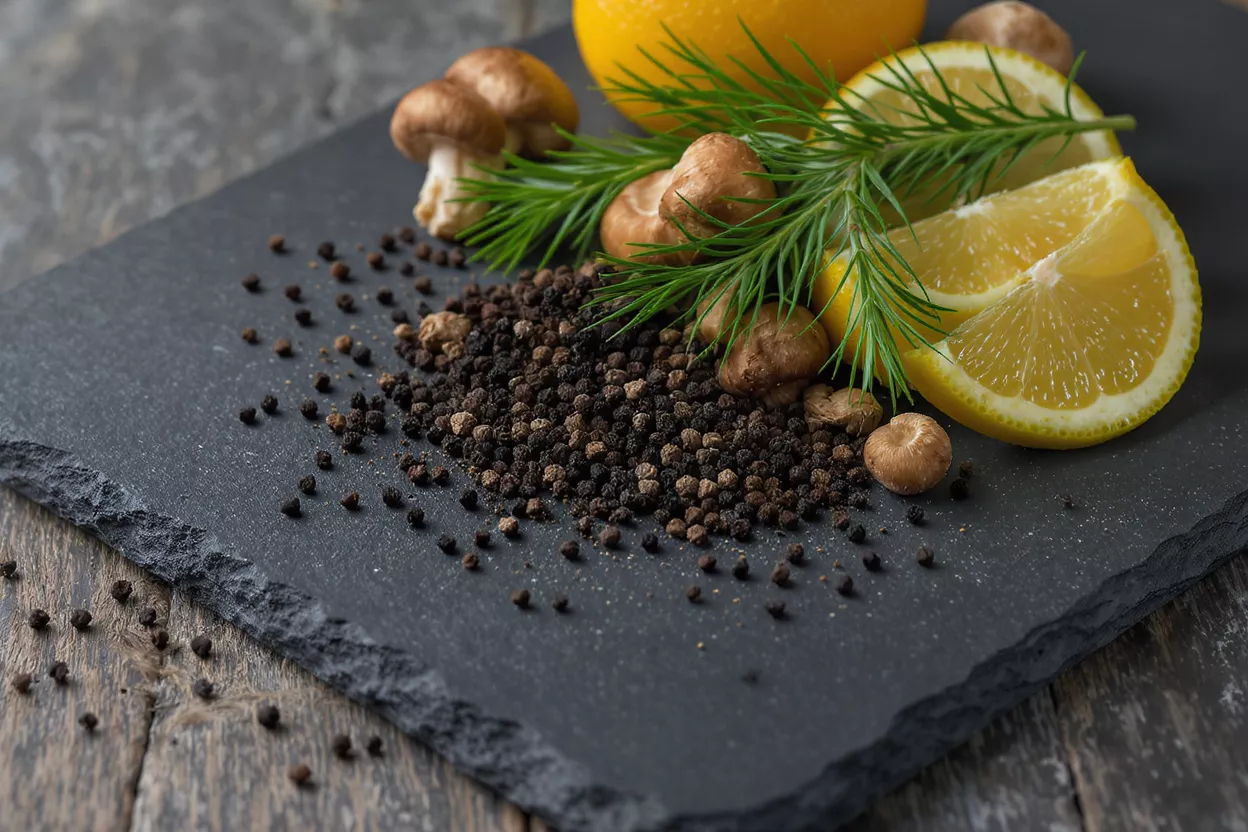
One of the most memorable aspects of the Afghan Widow strain is its complex, earthy aroma. Crack open a jar and you are greeted with deep notes of damp soil, pine, and a sweet hashy undertone that hints directly at its Afghani heritage. Underneath the earthiness lies a subtle spiciness and a whisper of skunk that rounds out the bouquet into something rich and inviting.
How it tastes on the inhale: The flavor follows the nose closely. On the inhale, expect a woody, herbal smoothness with peppery accents. The exhale brings forward a sweeter, almost incense-like quality that lingers on the palate. It is a flavor profile that rewards slow, mindful consumption rather than rushed sessions.
For those who appreciate the sensory side of cannabis, this strain offers a textbook example of how landrace genetics express themselves through scent and taste. The terpene composition responsible for these notes also plays a role in shaping the overall effects, a phenomenon often referred to as the entourage effect.
Afghan Widow Cannabinoid and Terpene Content
The Afghan Widow strain typically tests in the range of 18 to 22 percent THC, placing it comfortably in the moderate-to-high potency category. This level is potent enough to satisfy experienced users but not so overwhelming that careful newcomers cannot approach it with respect and a measured dose.
The terpene story: What gives this strain its character is its terpene profile. Myrcene tends to dominate, contributing to the earthy aroma and the deeply sedative body effects this cultivar is known for. Caryophyllene adds a peppery spice along with its well-documented soothing properties, while pinene lends a fresh, woodsy brightness that balances the heavier notes.
These compounds do not work in isolation. The interplay between cannabinoids and terpenes is what makes each strain feel distinct, even when THC percentages are similar. Below is a breakdown of the primary terpenes you are likely to find:
- 🌿 Myrcene: Earthy and musky, drives the relaxing, couch-locking sensations
- 🌶️ Caryophyllene: Peppery and warm, associated with calming, soothing qualities
- 🌲 Pinene: Fresh and piney, adds a clear-headed counterbalance
How to Grow Afghan Widow
For cultivators, the Afghan Widow strain is a rewarding plant that inherits the hardy resilience of its Afghani parent. It grows into a compact, bushy structure with sturdy branches well-suited to supporting its dense, resin-heavy buds. This makes it a solid choice for both indoor and outdoor setups, and its forgiving nature means it tolerates minor mistakes better than many finicky modern hybrids.
Flowering time and yield expectations: Indoors, this strain typically finishes flowering in around 8 to 9 weeks, producing generous yields of thick, frosty flowers. Outdoor growers in temperate or warm climates can expect harvest in early to mid-October. The plant's natural resistance to mold and pests, a trait passed down from its mountain-dwelling ancestors, adds another layer of accessibility for less experienced growers.
To maximize trichome production and bring out the strain's signature frost, many growers recommend a slight drop in nighttime temperatures during the final weeks of flowering. Proper curing is equally critical, as it preserves the delicate terpenes responsible for the strain's celebrated aroma and flavor.

Afghan Widow Medical and Wellness Uses
Many people turn to the Afghan Widow strain not just for recreation but for its potential wellness applications. Its deeply relaxing, sedative profile makes it a popular choice among those seeking relief from physical discomfort, tension, and restlessness. The body-heavy effects can provide a sense of comfort that helps users settle at the end of a demanding day.
Common reasons people reach for this strain: The sedating nature of this cultivar lends itself particularly well to evening use when the goal is winding down. Users frequently mention it in the context of managing everyday stress, easing minor aches, and quieting a busy mind before bed. It is important to note that cannabis affects everyone differently, and individual results vary considerably.
Anyone considering cannabis as part of a wellness routine should consult a qualified healthcare provider, especially if they take other medications or have underlying health conditions. Responsible, informed use always begins with a conversation with a professional who understands your personal medical history.
Best Time to Use Afghan Widow
Timing matters with a strain as sedating as this one. The Afghan Widow strain is overwhelmingly an evening and nighttime cultivar. Its tendency to induce heavy relaxation and drowsiness makes it poorly suited for daytime tasks that require sustained focus, energy, or alertness. Using it too early in the day may leave you feeling sluggish rather than productive.
Ideal scenarios for this strain: Think of it as the cannabis equivalent of slipping into your most comfortable chair after a long day. It shines during quiet evenings at home, lazy weekend nights, and pre-sleep routines where the goal is to disconnect and decompress. Pairing it with a relaxing activity like reading, music, or a warm bath enhances the experience.
For those new to potent indica-dominant strains, starting with a small amount and waiting to gauge the effects is the smartest approach. The full body relaxation can creep up gradually, so patience prevents overconsumption. Here is when this strain tends to perform best:
- 🌆 Early evening: To transition out of a stressful workday into relaxation mode
- 🛏️ Before bed: When sleep feels elusive and the mind refuses to quiet down
- 🏡 Weekend downtime: For low-key days with no demanding obligations
Afghan Widow vs Similar Strains
Understanding how the Afghan Widow strain compares to its relatives helps you decide whether it is the right pick for your shelf. Naturally, the closest comparisons are to its two parents. Against pure Afghani, the Afghan Widow is slightly less sedating and offers a touch more cerebral nuance, thanks to the White Widow influence. It is a more rounded experience overall.
How it stacks up against White Widow: Compared to classic White Widow, the Afghan Widow leans considerably more toward the body. Where White Widow is celebrated for its uplifting, energetic balance, this hybrid pulls the experience downward into relaxation and physical heaviness. If you find pure White Widow too stimulating, the Afghan version may suit you better.
It also invites comparison to other Afghani-derived classics like Northern Lights and Hindu Kush. While all share that earthy, hashy DNA, the Afghan Widow distinguishes itself through its heavier trichome coverage and the subtle complexity its White Widow heritage introduces. Each of these strains has its devotees, but few blend old-school heft with modern frost quite as elegantly.

Is Afghan Widow Right for You
Deciding whether the Afghan Widow strain belongs in your rotation comes down to what you want from your cannabis experience. If you crave deep physical relaxation, relief from the day's tensions, and a smooth path toward restful sleep, this cultivar checks all the boxes. Its forgiving nature and balanced effects make it accessible to a wide range of users.
Who should think twice: On the other hand, if you are looking for an energetic, daytime strain to fuel creativity or social activity, this is probably not your match. Its sedating qualities run counter to those goals. Likewise, those highly sensitive to THC should approach with moderation, as the body effects can be substantial when overdone.
Ultimately, the Afghan Widow strain stands as a beautifully crafted bridge between landrace tradition and modern hybrid breeding. It carries the soul of the Hindu Kush mountains in its resin and the sparkle of Dutch breeding in its frost. For anyone who values a relaxing, flavorful, and genuinely classic indica experience, it remains a strain well worth exploring and an enduring favorite for good reason.