

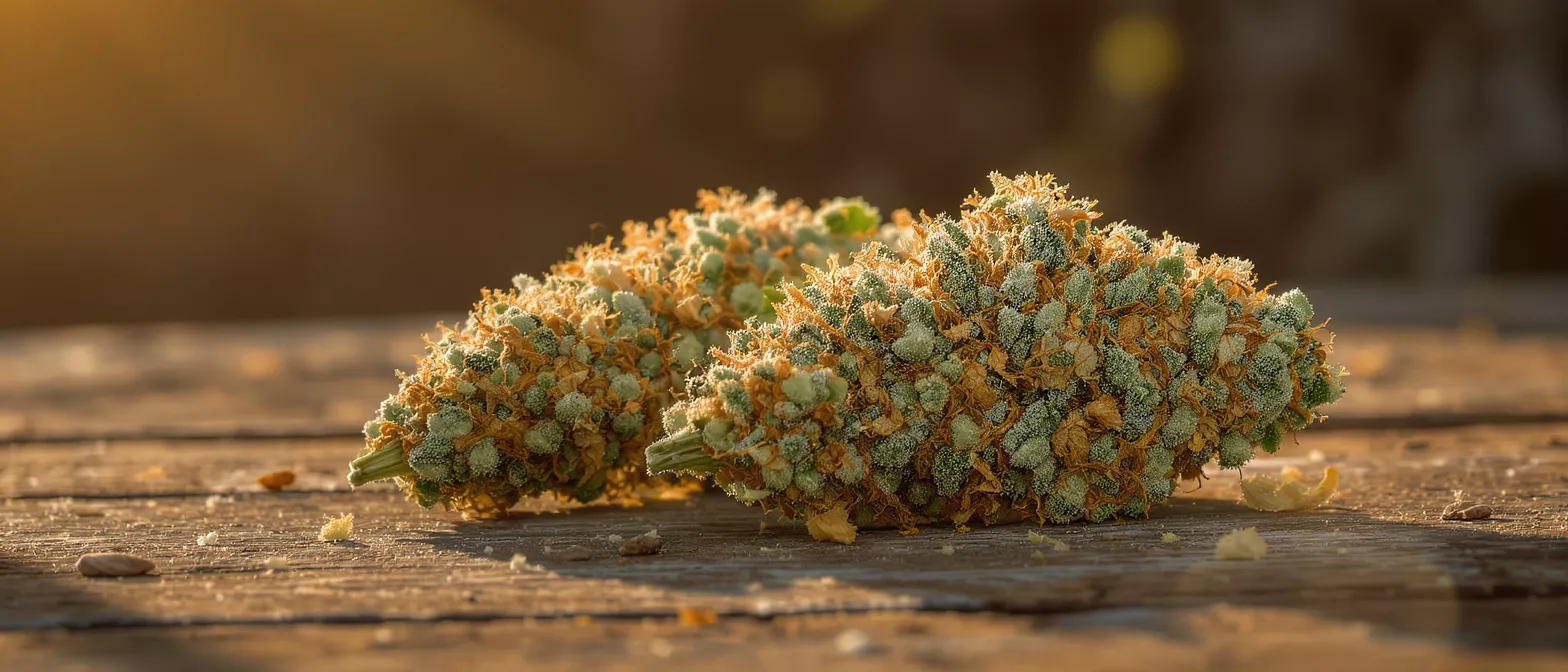
Acdc
Discover the ACDC strain, a high-CBD cannabis with under 1% THC.
The ACDC strain occupies a rare niche in the cannabis world: a cultivar bred almost entirely for its cannabidiol content rather than its psychoactive punch. While most strains chase ever-higher THC numbers, ACDC moves in the opposite direction, delivering profound therapeutic potential with little to no intoxication. For patients, wellness seekers, and the simply curious, this makes ACDC one of the most talked-about high-CBD strains available today. In this guide we will unpack what makes it distinct, how it behaves, who it serves best, and how it stacks up against the competition.
What Is the ACDC Strain
The ACDC strain is a sativa-dominant phenotype of a strain called Cannatonic, prized for one defining trait: an extraordinarily high cannabidiol content paired with negligible levels of tetrahydrocannabinol. Where a typical recreational flower might post 18 to 25 percent THC, ACDC routinely tests around 20 percent CBD and less than 1 percent THC. That inverted profile is the entire point of the plant.
Why a near-zero THC flower matters: Because ACDC produces minimal intoxication, it allows users to access the calming, anti-inflammatory, and anticonvulsant qualities associated with CBD without the cognitive fog, anxiety, or impairment that high-THC products can trigger. This opens the door for people who need daytime relief, who are sensitive to THC, or who simply want to stay functional while medicating.
The name itself is often interpreted as an acronym—"Alternative Cannabinoid Dietary Cannabis"—though much of that framing is informal marketing folklore. What is not folklore is the lab data: ACDC consistently lands among the highest-CBD cannabis flowers ever commercially cultivated, and that reputation has made it a benchmark cultivar for the entire high-CBD category.
ACDC Strain CBD to THC Ratio Explained
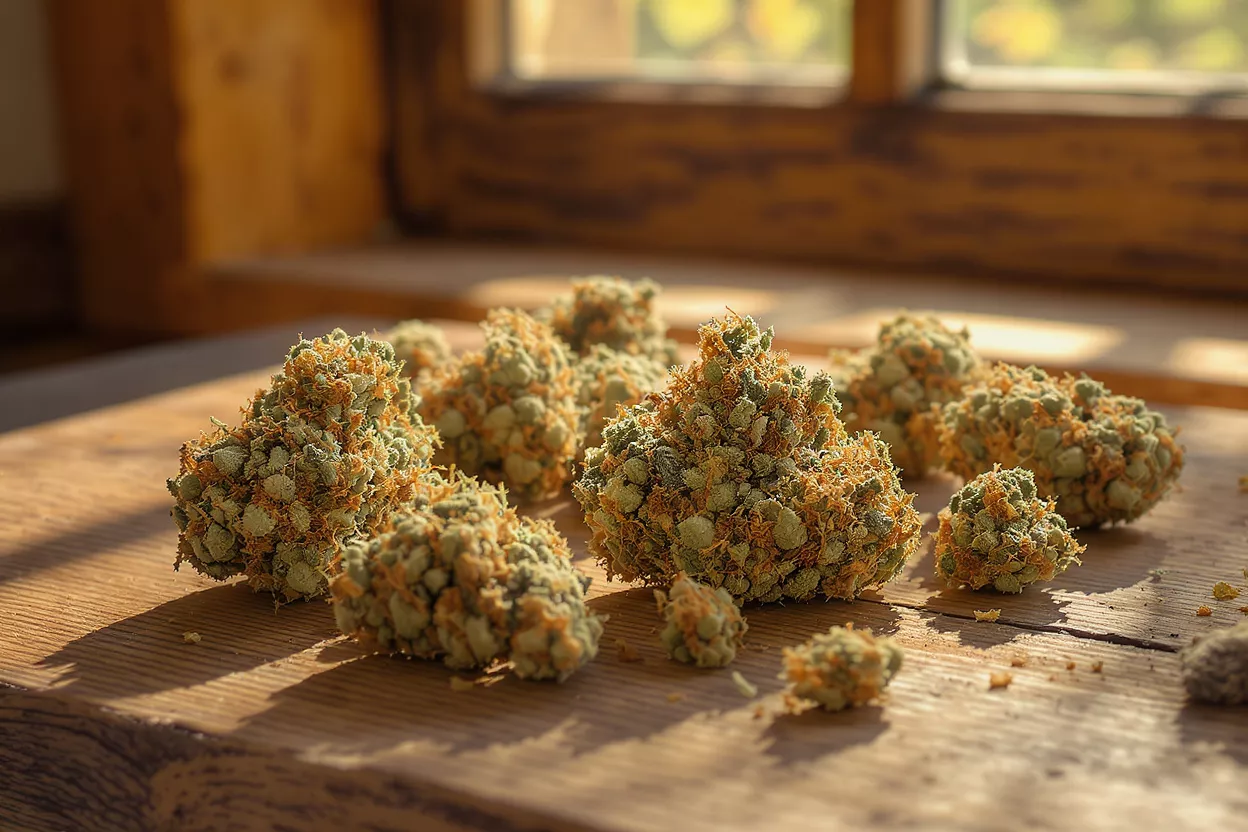
The single most important number to understand about ACDC is its cannabinoid ratio. Most samples land somewhere around 20:1 CBD to THC, meaning for every part of THC there are roughly twenty parts of CBD. Some exceptional batches have measured even higher, pushing well past that mark. This ratio is what defines the entire experience.
What a 20:1 ratio actually does: A high CBD-to-THC ratio means the small amount of THC present is effectively buffered by cannabidiol. CBD is understood to modulate how THC interacts with the body's endocannabinoid system, softening or even canceling the "high." The result is clarity rather than couch-lock, relief rather than disorientation. According to reporting from Forbes, consumer interest in high-CBD, low-THC products has grown steadily as buyers seek wellness benefits without intoxication.
It is worth remembering that potency testing varies by harvest, grower, and lab. Two batches of ACDC labeled "20:1" may behave slightly differently depending on terpene content and the precise cannabinoid breakdown. Always read the certificate of analysis on any product you purchase so you know exactly what ratio you are working with.
ACDC Strain Genetics and Lineage
ACDC descends directly from Cannatonic, a hybrid created by crossing a female Mexican and Afghani landrace blend (MK Ultra) with a male G13 Haze. Cannatonic itself is famous for producing high-CBD phenotypes, and ACDC is the standout among them—essentially a stabilized expression that reliably tilts toward cannabidiol production.
Why lineage shapes the chemistry: The high-CBD trait in ACDC is genetic, governed by enzymes that convert the plant's cannabinoid precursors into CBD rather than THC. Because this expression is heritable but not perfectly uniform, growers must select and clone the right phenotype to keep ratios consistent. This is why reputable ACDC comes from clones rather than seeds—seed-grown plants can drift back toward higher THC.
The Haze and landrace heritage also explains ACDC's structure and growth habit. It carries the tall, somewhat lanky build common to sativa-leaning genetics, along with a long flowering window. Understanding this ancestry helps growers and consumers alike predict how the plant will behave, both in the garden and in the body.
ACDC Strain Effects: What to Expect
People new to ACDC are sometimes surprised by how subtle it feels. Because the THC content is so low, there is no rush, no euphoric peak, and no clouding of thought. Instead, the effects manifest as a gentle physical loosening and a quieting of mental noise. Many users describe feeling more like themselves rather than altered.
The functional, clear-headed experience: ACDC is frequently chosen for daytime use precisely because it does not impair. Users report reduced tension, a softening of physical discomfort, and an even mood, all while remaining fully able to work, drive, parent, or socialize. This is the practical advantage of a high-CBD profile—relief without a trade-off in alertness.
That said, individual responses vary. People who are especially sensitive to even trace THC may notice a faint relaxing warmth, while those expecting a classic "high" will likely feel that ACDC underdelivers on intoxication. That is by design. The strain rewards users seeking calm and bodily ease over recreational potency, and setting that expectation up front prevents disappointment.
- 🌿 Mental clarity: Little to no cognitive impairment, making it suitable for productive days.
- 💆 Physical ease: A gentle release of muscular and joint tension without sedation.
- 🧘 Mood balance: A subtle leveling of anxiety and stress rather than euphoria.
- ☀️ Daytime friendly: Non-intoxicating profile fits into a working schedule.
ACDC Strain Aroma, Flavor, and Terpenes
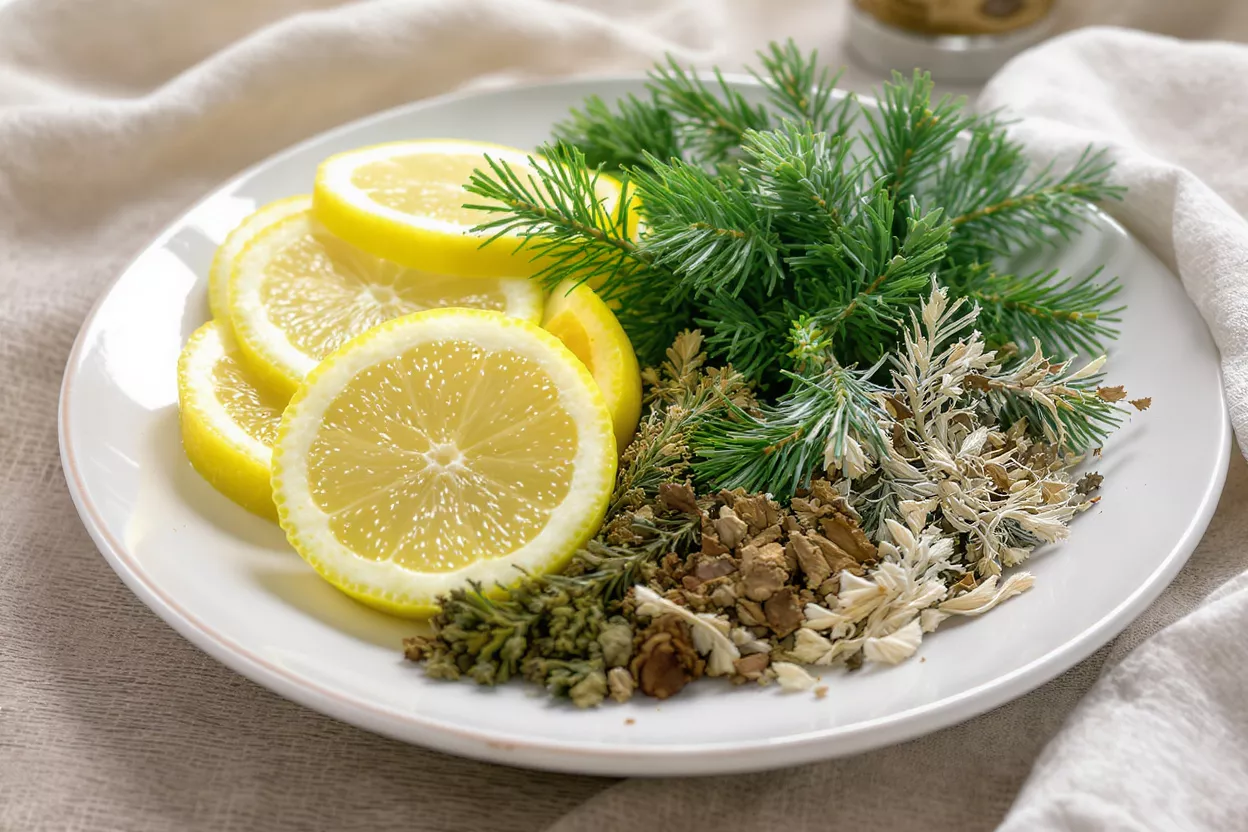
ACDC carries an earthy, woody scent layered with sweet and slightly citrus notes. The aroma is more understated than the loud, gassy profiles of modern high-THC strains, reflecting its mellow nature. On the inhale, expect a smooth blend of pine, herbal spice, and a faint fruity sweetness.
The terpenes driving the profile: ACDC is typically dominant in myrcene, with notable contributions from pinene and beta-caryophyllene. Myrcene lends the earthy, slightly musky base note and contributes to relaxation, while pinene adds the sharp pine accent and may support mental clarity. Beta-caryophyllene brings a peppery spice and interacts with the body in ways that may complement CBD's anti-inflammatory reputation.
These terpenes do more than flavor the smoke—they shape the experience. The interplay between ACDC's cannabinoids and its aromatic compounds is often cited as an example of the entourage effect, where the whole plant produces a more rounded result than any isolated component could alone.
What Is ACDC Strain Used For
Because of its therapeutic-leaning profile, ACDC is one of the most commonly recommended strains for users pursuing wellness goals rather than recreation. Its low-THC, high-CBD makeup makes it a go-to for those who want symptom support throughout the day without impairment.
Common reasons people reach for ACDC: Anecdotal reports and patient surveys point to its use for managing everyday stress, occasional physical discomfort, muscular tension, and general restlessness. CBD-rich cannabis has been studied for a range of applications, though research is ongoing and individual results differ. ACDC is popular precisely because it lets users explore those potential benefits at functional doses.
It is important to be clear and responsible here: cannabis is not a cure, and nothing in this guide is medical advice. Anyone considering ACDC for a specific health condition should consult a qualified healthcare provider, especially if they take other medications. CBD can interact with certain drugs by affecting how the liver metabolizes them.
- 🌅 Daytime relief: Functional support without the fog of THC-heavy flower.
- 🤝 THC-sensitive users: A gentle entry point for those wary of intoxication.
- 🌬️ Stress and tension: Reported to ease everyday mental and physical strain.
- 🍃 Microdosing curiosity: Allows experimentation with CBD-forward effects.
How to Grow the ACDC Strain
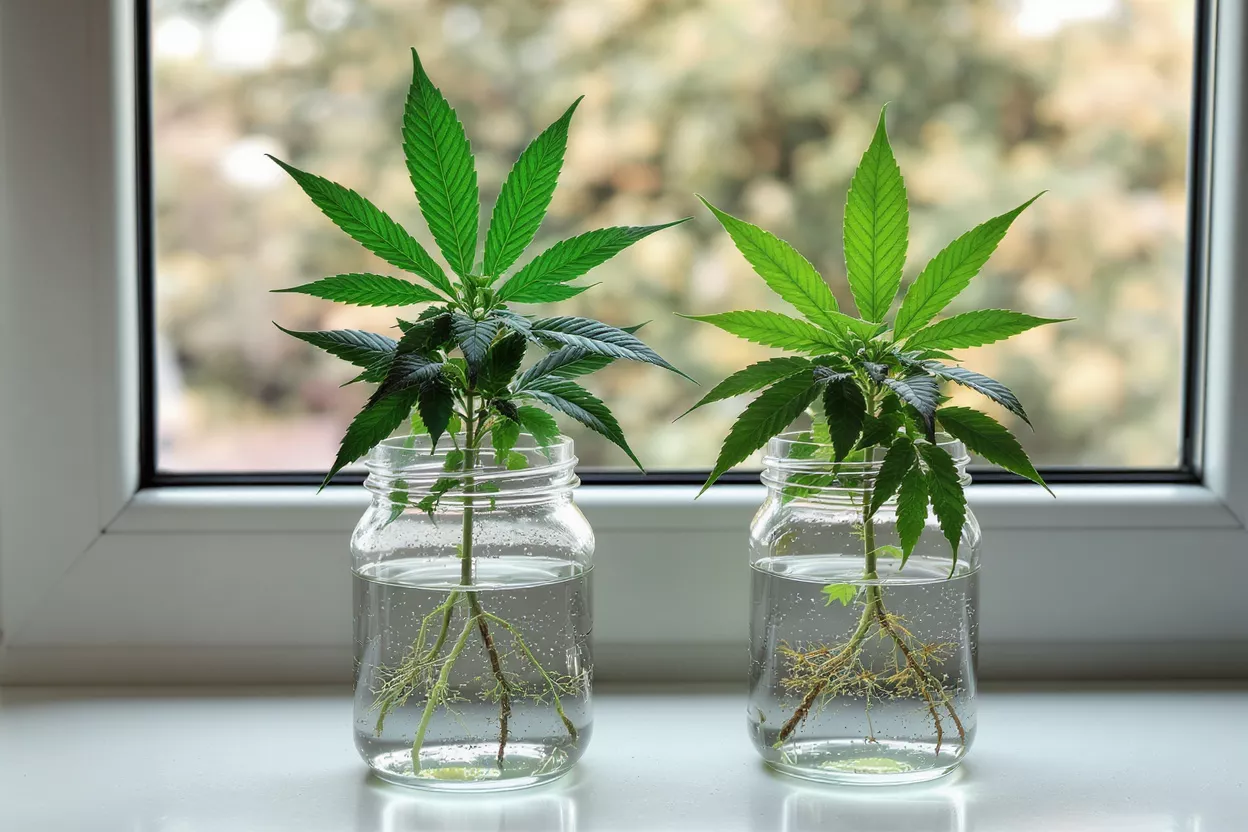
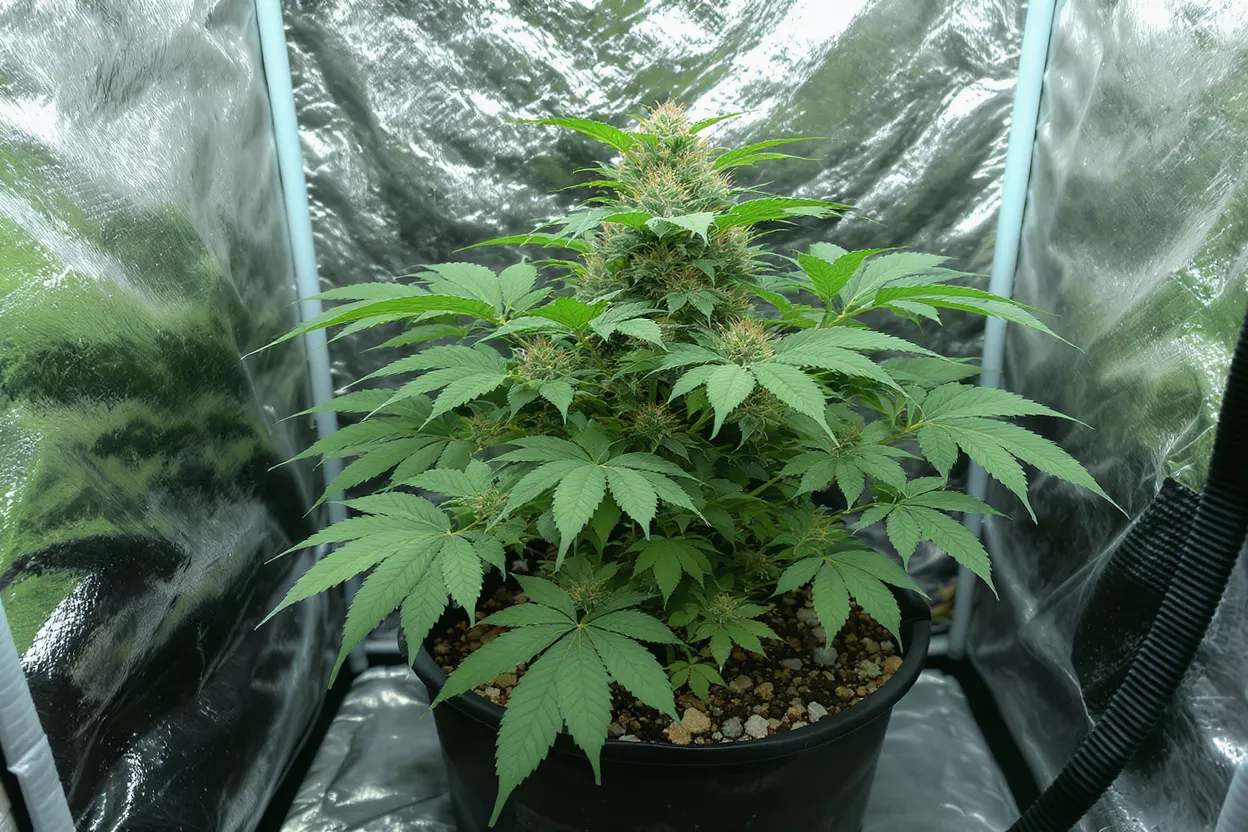
Growing ACDC is a moderately challenging endeavor that rewards attention to detail. Because the high-CBD phenotype must be preserved, most successful growers start from a verified clone rather than seed. This guarantees the cannabinoid ratio that makes the strain valuable in the first place.
Climate and structure considerations: ACDC thrives in a warm, Mediterranean-style climate with plenty of sunlight, whether grown indoors or outdoors. Its sativa heritage produces a tall, branchy plant that benefits from topping, trellising, and good airflow to prevent mold in its dense colas. Indoor growers should plan for vertical space and consider techniques that manage height.
Flowering takes roughly nine to ten weeks, which is on the longer side and demands patience. Yields are moderate but respectable when the plant is given proper nutrients and stable conditions. Harvest timing matters: pulling too early can reduce CBD content, so growers should monitor trichomes and lab-test when possible to confirm the cannabinoid profile is fully developed.
ACDC Strain Dosing Guide for Beginners
One advantage of a low-THC strain is its forgiving dosing curve. The risk of an overwhelming psychoactive experience is minimal, which makes ACDC an excellent starting point for newcomers to cannabis or to CBD-rich products specifically. Still, thoughtful dosing helps you find the sweet spot efficiently.
Start low and observe: Whether you are smoking, vaporizing, or using a tincture derived from ACDC, begin with the smallest practical amount—a single small inhalation or a low-milligram dose—then wait to gauge the effect. CBD's benefits often build gradually and subtly, so patience prevents you from over-consuming in search of a sensation that simply isn't dramatic by design.
Delivery method changes the timeline significantly. Inhalation produces effects within minutes and fades within a couple of hours, while edibles and tinctures take longer to onset but last much longer. Keeping a simple journal of amount, method, and how you felt will help you dial in a routine that works for your body and your goals.
Is the ACDC Strain Right for You
Choosing ACDC comes down to honest expectations. If your goal is a strong recreational high, this is not your strain—and that is the most common reason people walk away disappointed. But if you want clarity, calm, and bodily ease without intoxication, few cultivars deliver as cleanly.
The ideal ACDC user: Picture someone who needs to function—at work, at home, on the road—while taking the edge off stress or physical discomfort. Picture a person who tried high-THC products and disliked the anxiety or sedation. Picture a CBD-curious wellness seeker who wants whole-plant cannabis rather than an isolate. ACDC fits each of these profiles neatly.
On the other hand, recreational users chasing euphoria, heavy sedation, or a strong head change should look elsewhere. ACDC's value lies in subtlety, and subtlety is exactly what some users want and others find underwhelming. Knowing which camp you fall into is the key to satisfaction.
ACDC Strain vs Other High-CBD Strains
ACDC does not stand alone in the high-CBD category, but it remains a gold standard. Comparing it to its peers helps clarify where it shines and where another option might suit you better.
How it compares: Charlotte's Web is perhaps the most famous high-CBD strain, bred specifically for therapeutic use and well known for its low-THC profile—similar territory to ACDC but with its own terpene signature. Harlequin tends to offer a more balanced ratio around 5:2, providing slightly more THC presence and a touch more warmth. Cannatonic, ACDC's direct parent, is more variable, producing a spectrum of phenotypes rather than the consistently CBD-dominant expression ACDC is selected for.
Against this field, ACDC stands out for its sheer CBD dominance and its remarkably low THC, which together produce one of the clearest, most non-intoxicating experiences available. If your priority is maximum CBD with minimal psychoactivity, ACDC is often the benchmark others are measured against.
In the end, the ACDC strain represents a thoughtful answer to a simple question: what if cannabis could offer relief without the high? With its inverted cannabinoid ratio, gentle effects, and approachable profile, ACDC has earned its place as a cornerstone of the high-CBD world. Whether you are a patient seeking daytime support, a THC-sensitive newcomer, or a wellness explorer curious about whole-plant cannabidiol, this strain offers a clear, functional, and well-studied path worth exploring—always with realistic expectations and, where appropriate, professional guidance.